
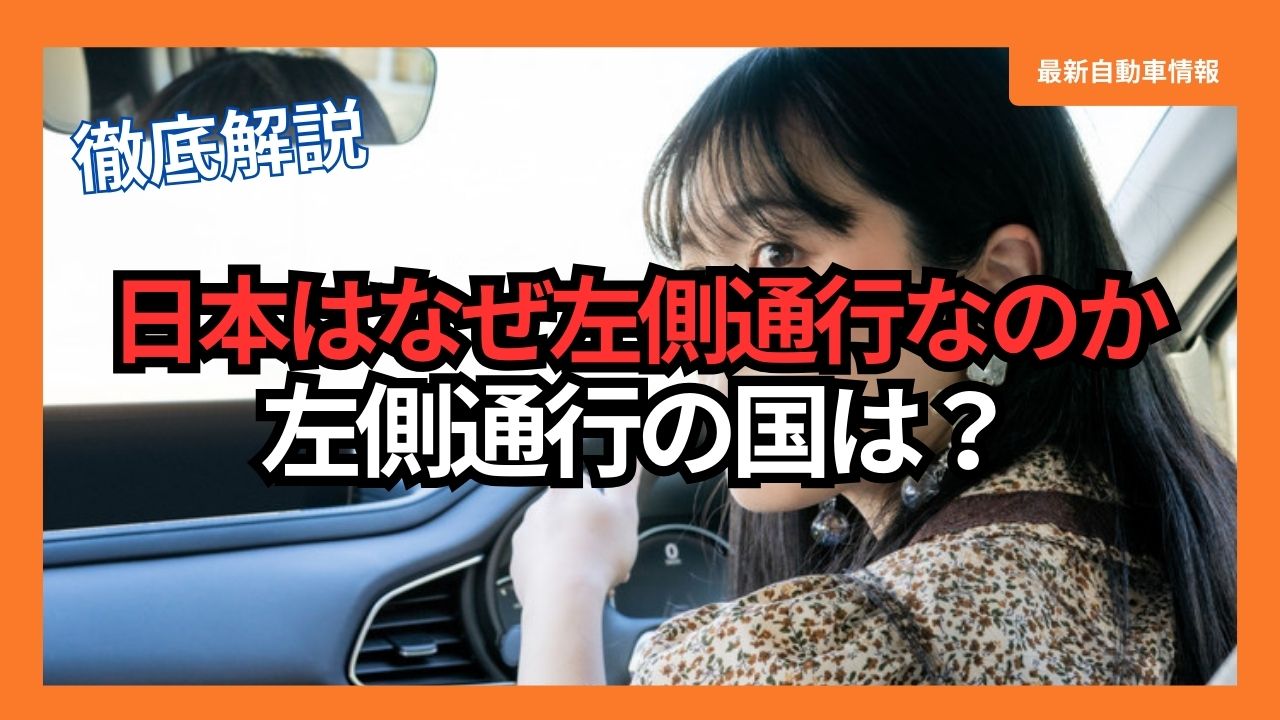
When discussing traffic in Japan, the topic of driving on the left side of the road is unavoidable. Let’s explore the historical background and modern-day impact of why Japan drives on the left side of the road. In fact, there are many countries around the world that drive on the left side of the road, just like Japan. Why does Japan drive on the left side of the road, and what other countries around the world drive on the left side of the road? In this article, we’ll unravel this mystery and introduce you to the unknown world of left-hand driving.
Which countries drive on the left side of the road? The vast majority of countries drive on the right side of the road!
We looked at 190 countries and regions to see what percentage of countries drive on the left and what percentage drive on the right. The results showed that about 75% drive on the right and 25% drive on the left . This means that driving on the right is the norm worldwide.
Reference: TRAVELTOWNS
Which countries drive on the left?

Besides Japan, there are many other countries in the world that drive on the left side of the road. There are about 60 countries that drive on the left side of the road, including the UK, Ireland, Australia, New Zealand, India, Thailand, Singapore, and South Africa.
Asia
- Macau
- Japan
- Hong Kong
Southeast Asia
- Indonesia
- Singapore
- Thailand
- Brunei
- Malaysia
- East Timor
South Asia
- India
- Sri Lanka
- Nepal
- Bangladesh
- Pakistan
- Bhutan
- Maldives
Europe
- Ireland
- England
- Malta
- Cyprus
South America
- Guyana
- Suriname
Africa
- Uganda
- Eswatini
- Kenya
- Zambia
- Zimbabwe
- Seychelles
- Tanzania
- Namibia
- Botswana
- Malawi
- Mozambique
- Mauritius
- Lesotho
- South Africa
Oceania
- Australia
- Kiribati
- Cook Islands
- Solomon Islands
- Tuvalu
- Nauru
- Niue
- new zealand
- Papua New Guinea
- Fiji
- American Samoa
These countries drive on the left side of the road for a variety of reasons, including historical reasons and British influence.
Which countries drive on the right?
Most European countries drive on the right side of the road.
Asia
- Mongolia
- China
- north korea
- Taiwan
- South Korea
Southeast Asia
- Cambodia
- Philippines
- Vietnam
- Myanmar
- Laos
Europe
- Andorra
- Italy
- Netherlands
- Austria
- San Marino
- Gibraltar
- Switzerland
- Spain
- Germany
- Vatican
- France
- Belgium
- Portugal
- Poland
- Monaco
- Liechtenstein
- Luxembourg
- Albania
- Armenia
- Ukraine
- Greece
- Croatia
- Georgia
- Slovakia
- Slovenia
- Czech Republic
- Türkiye
- Hungary
- Bulgaria
- Belarus
- Bosnia and Herzegovina
- Macedonia
- Moldova
- Romania
- Iceland
- Estonia
- Greenland
- Sweden
- Denmark
- Norway
- Finland
- Latvia
- Lithuania
Oceania
- Wake Island
- Guam
- Samoa
- Tonga
- New Caledonia
- Vanuatu
- Palau
- French Polynesia
- Marshall Islands
- Federated States of Micronesia
- Northern Mariana Islands
North America
- America
- Canada
- Saint-Pierre Island
- Miquelon Island
South America
- Argentina
- Aruba
- Uruguay
- Ecuador
- Columbia
- Chile
- Paraguay
- French Guiana
- Brazil
- Venezuela
- Peru
- Bolivia
Africa
- Algeria
- Angola
- Egypt
- Ethiopia
- Eritrea
- Cameroon
- Cape Verde
- Gabon
- Gambia
- Ghana
- Guinea
- Guinea-Bissau
- Comoros
- Republic of the Congo
- Democratic Republic of the Congo
- Côte d’Ivoire
- Sao Tome and Principe
- Sierra Leone
- Djibouti
- Sudan
- Senegal
- Somalia
- Chad
- Tunisia
- Togo
- Nigeria
- Niger
- Burkina Faso
- Burundi
- Benin
- Madagascar
- Mali
- Morocco
- Mauritania
- Libya
- Liberia
- Rwanda
- Reunion
- Central Africa
- Equatorial Guinea
middle east
- Azerbaijan
- Afghanistan
- United Arab Emirates
- Yemen
- Israel
- Iraq
- Iran
- Oman
- Qatar
- Kuwait
- Saudi Arabia
- Syria
- Bahrain
- Jordan
- Lebanon
Central Asia
- Uzbekistan
- Kazakhstan
- Kyrgyzstan
- Tajikistan
- Turkmenistan
The origins of driving on the left side of the road in Japan
There are various theories about the origin of Japan’s left-hand traffic. One of the most popular is that it is a remnant of the samurai era . Samurai wore their swords on their left hips, and it is said that they naturally walked on the left side of the road to avoid clashing swords when passing each other. Another theory is that during the Edo period, palanquins were also required to travel on the left side of the road, and when railway technology was introduced from Britain in the early Meiji period, the British style of left-hand traffic was adopted as is.
Why driving on the left became the norm
In the Meiji era, railway technology was introduced from Britain, and the British style of driving on the left side of the road was adopted for railways as well. Furthermore, with the spread of automobiles, driving on the left side of the road was also stipulated in the Road Traffic Act, and it became firmly established as a traffic rule in Japan.
Transition from the Meiji period to the present
Japan’s traffic rules have been revised several times since the Meiji era, but the basic principle of driving on the left side of the road has remained unchanged. However, after the war, GHQ considered changing to driving on the right side of the road, but ultimately decided to maintain driving on the left side.
This was later imposed by the Road Traffic Act, which came into effect in 1949. Currently , the Road Traffic Act, which came into effect in 1960, stipulates that vehicles must drive on the left side of the road, stating that “Vehicles must drive on the left side of the center of the road” (Article 17, Paragraph 4 of the Road Traffic Act). This means that vehicles must drive on the left side of the road.
Reference: Cabinet Office , JAF
Advantages and disadvantages of driving on the left and on the right
Driving on the left and driving on the right each have their advantages and disadvantages.
The benefits of driving on the left
Driving on the left side of the road has the advantage of making it easier for right-handed people to drive. On the other hand, it has the disadvantage of making it inconvenient to travel between countries that drive on the right side of the road. Some people say that driving on the left side of the road is safer for pedestrians and cyclists. However, since cyclists ride on the left side of the road, caution is needed to avoid collisions with cars.
- Easy to drive for right-handed people
- Safe when passing pedestrians
Disadvantages of driving on the left
In countries where people drive on the left, left-hand drive cars are common because it is easier to see the left side of the road from the driver’s seat.
- It is inconvenient to travel between countries that drive on the right side of the road.
- Deviating from international standardization
Left-hand traffic car manufacturers and vehicle specifications
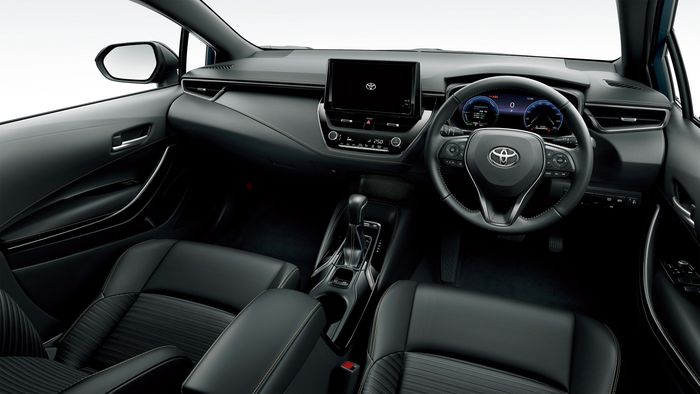
Design and sales of left-hand traffic vehicles
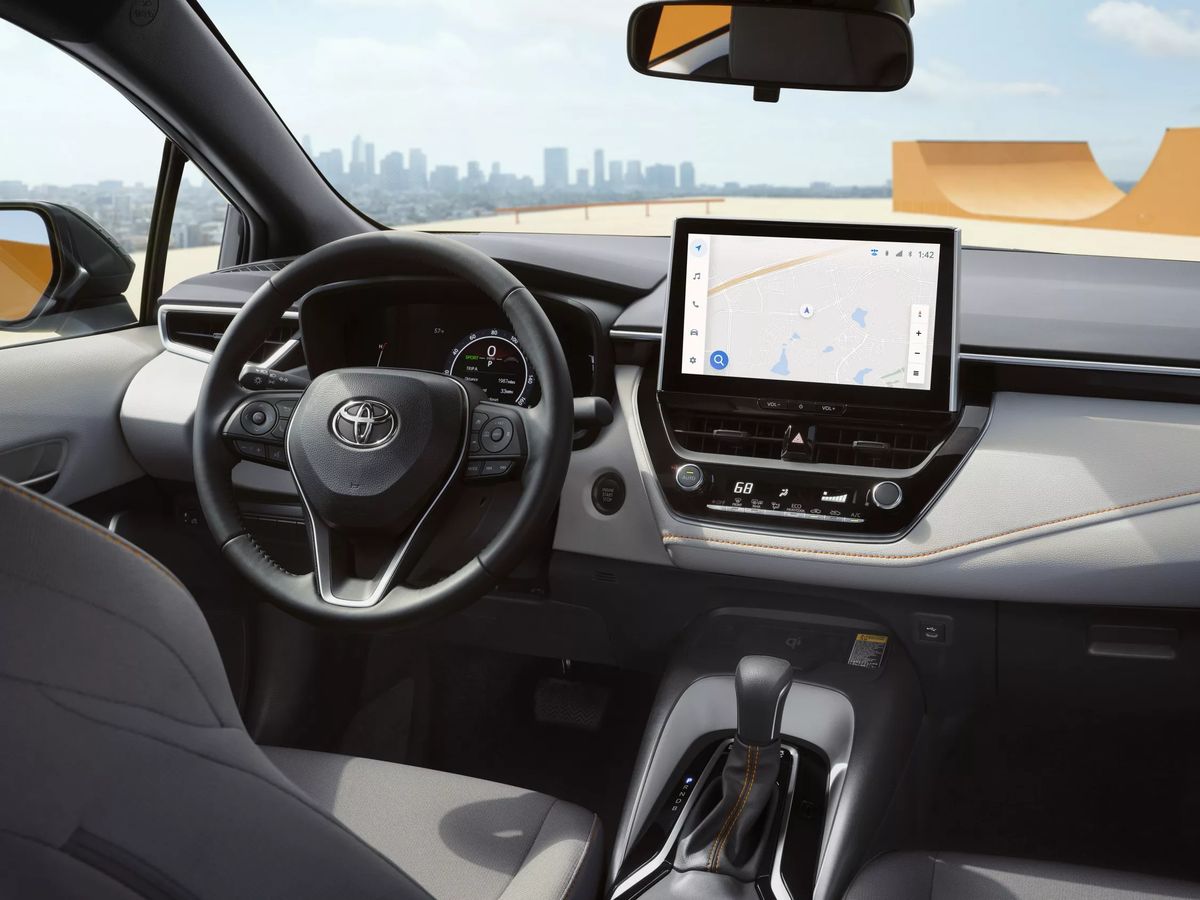
Automakers design and sell left-hand drive cars for countries that drive on the left, and some manufacturers produce both right-hand drive and left-hand drive cars because there is demand for left-hand drive cars in countries that drive on the right.
The difference between Japanese and foreign cars
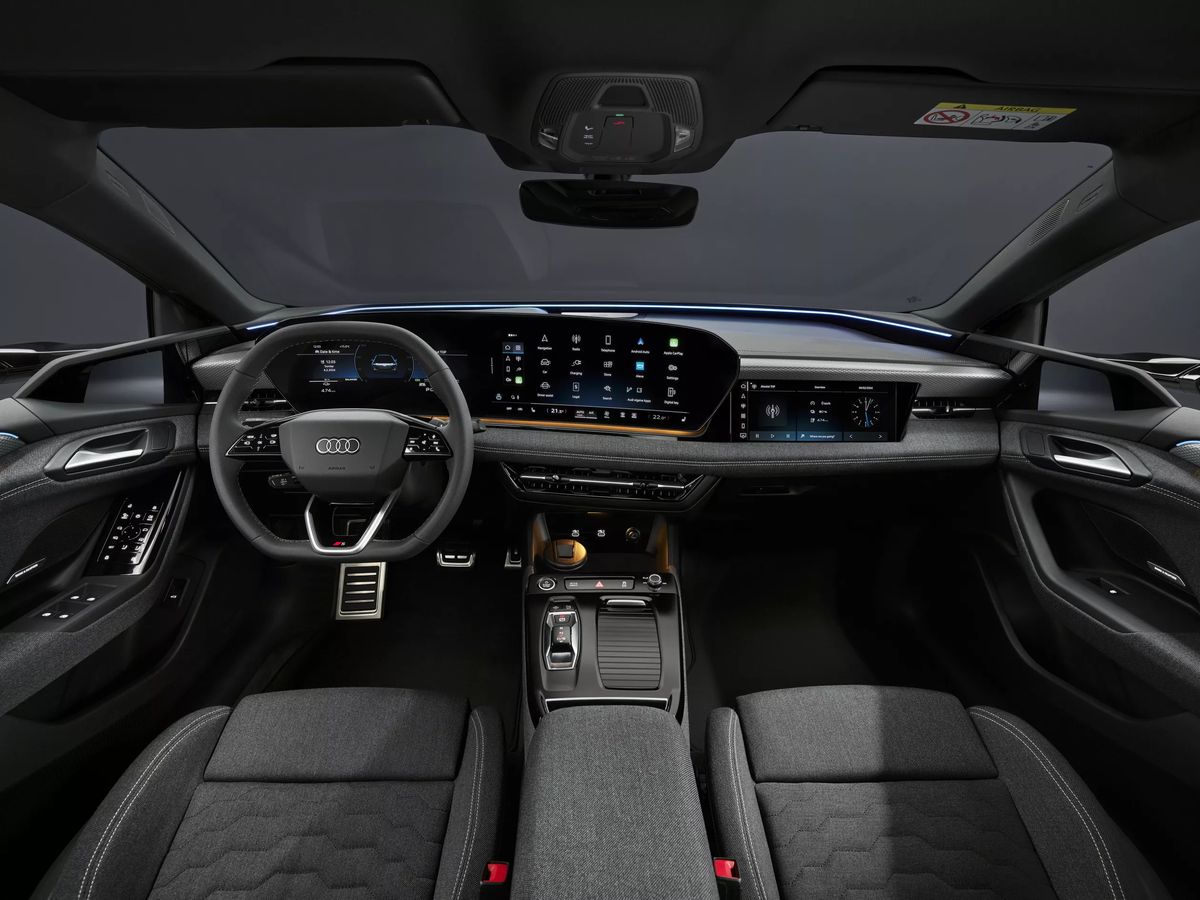
Japanese cars are generally left-hand drive because they are designed for countries that drive on the left side of the road. On the other hand, some overseas automakers produce right-hand drive cars for countries that drive on the right side of the road.
Import and export of right-hand drive and left-hand drive vehicles
You may need a special permit to drive a left-hand drive vehicle in countries where traffic drives on the right, or a right-hand drive vehicle in countries where traffic drives on the left.
A word from the editorial department
There are many countries around the world, including Japan, that drive on the left side of the road for various reasons. While driving on the left has its advantages, such as making it easier for right-handed people to drive, it also has its disadvantages, such as not being in line with international standards.
We hope that this article will help you understand the origins of left-hand driving and the countries around the world that drive on the left.