

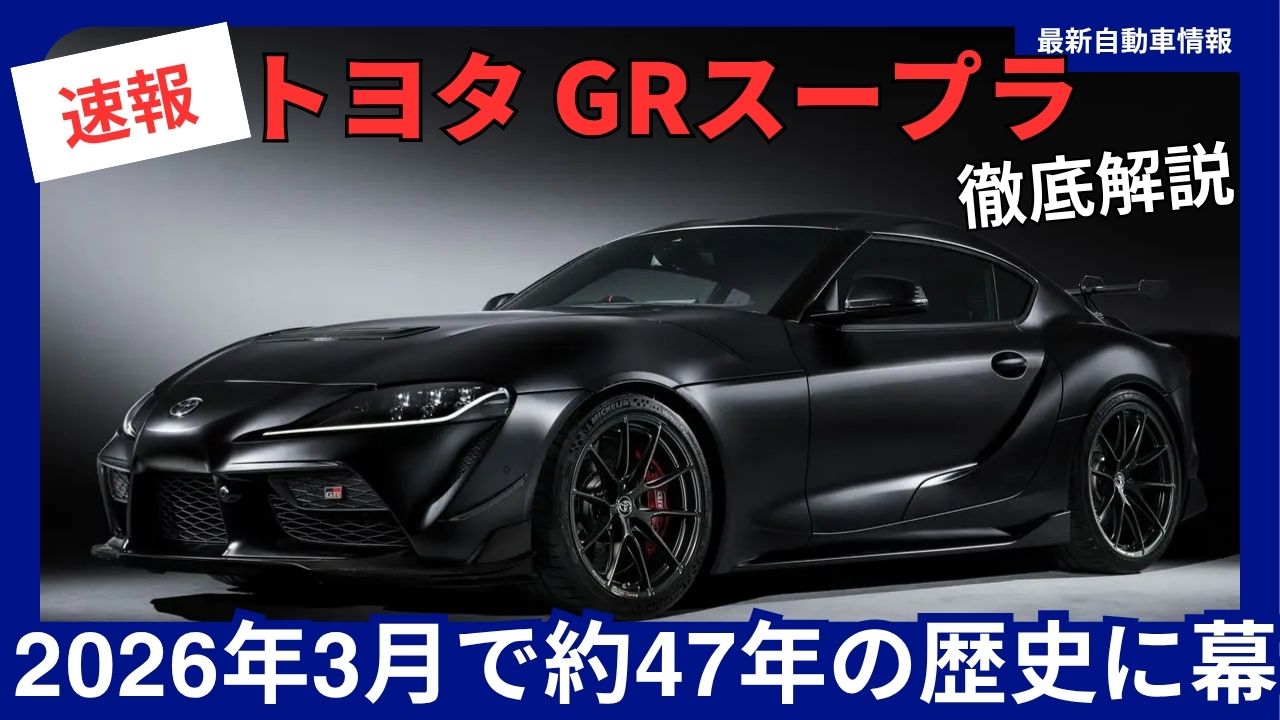
On October 24, 2025, Toyota Motor Corporation officially announced in an official press release that production of the GR Supra sports car will end in March 2026, bringing an end to a 47-year history of the car since the first model was released.
1. Official announcement of end of GR Supra production
The following comment was posted on Toyota’s official website:
“Supra production will end in March 2026. We would like to thank our many customers for their patronage. We sincerely apologize to customers who were considering purchasing a Supra for this announcement. Please contact your local dealer for information on alternative models.”
This announcement shocked sports car fans around the world, and what is particularly noteworthy is the phrase “we will announce an alternative model.” This is different from the usual expression used when production ends, which is “sales will end once new orders reach the production limit,” and suggests that orders for the Supra may have already reached the production limit.
If you were considering purchasing this vehicle, we recommend that you contact your nearest Toyota dealership as soon as possible.
2. Looking back at the Supra’s 47-year history
The history of the Supra dates back to 1978. Let’s take a closer look at the features of each generation.
First generation (A40/50 type: 1978-1981)
The Supra’s history began as a higher-end model of the Celica. It was sold in Japan as the Celica XX and in North America as the Celica Supra. Equipped with an in-line six-cylinder M engine, it began to establish itself as Toyota’s sports car.
2nd generation (A60 type: 1981-1986)
The second generation also bore the name “Celica,” but as it became more widely known as “XX (Supra),” its popularity grew, and its identity as a sports car became even clearer.
3rd generation (A70 type: 1986-1993)
This generation marked a major turning point. The chassis was changed from the Celica to the Soarer, and the car’s class was upgraded. This marked the occasion when the car became an independent model, and the name was unified both domestically and internationally under the name “Supra.”
4th generation (A80 type: 1993-2002)
With the catchphrase “THE SPORTS OF TOYOTA,” the chassis, engine, suspension, and exterior design were all revamped. The top-grade model featured a 3L inline 6-cylinder twin-turbo “2JZ-GTE” engine, which became legendary in the tuning world as the “strongest unit.”
However, production ended in 2002, and the Supra disappeared from the lineup for a time.
5th generation (A90 type: 2019-2026)
After a hiatus of about 17 years, it was revived in 2019 as the GR Supra, developed in collaboration with BMW. It reigned as the flagship model of Toyota’s sports brand, GR, but it has never undergone a full model change and production is scheduled to end in March 2026.
3. What is the current A90 GR Supra? Background of joint development with BMW
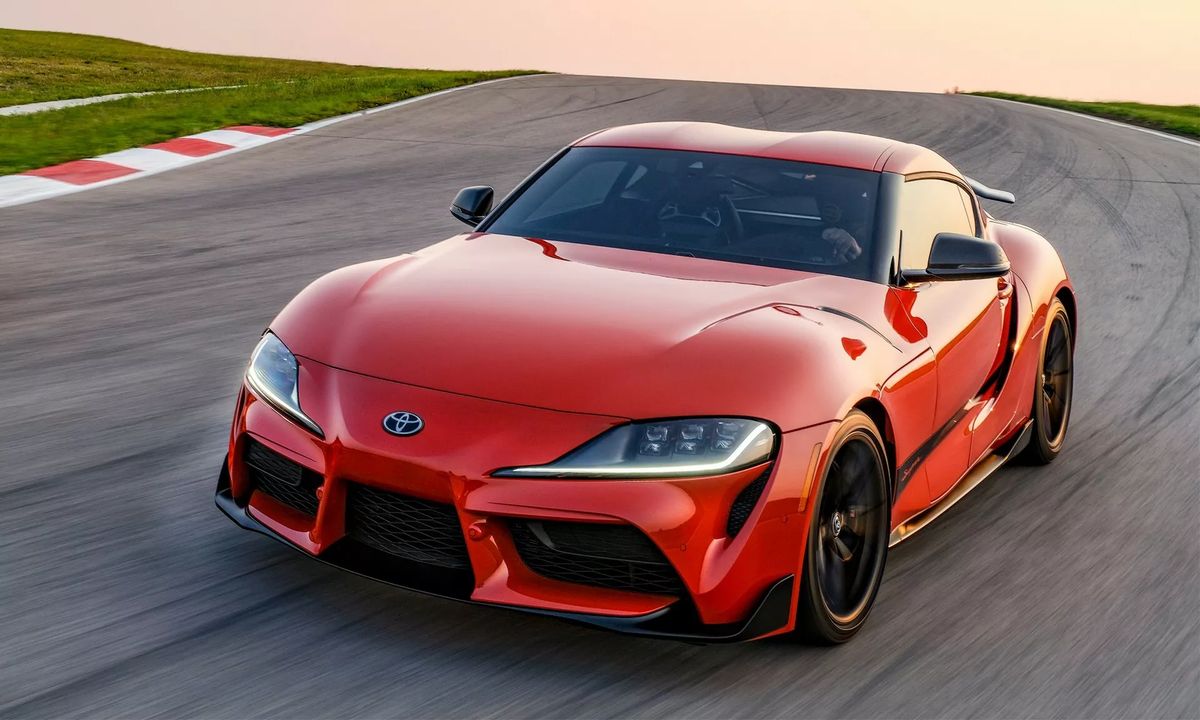
gr supra a90
A sports car born from a technical partnership with BMW
The current A90 GR Supra was born as a result of a technical partnership with BMW in 2012. Initially, various plans were considered, but with the success of the Toyota 86 as a driving force, a desire to create a pure sports car emerged.
Toyota proposed the framework for the project, and BMW was entrusted with the design of the platform, etc. While it shares the basic structure with BMW’s Z4, the settings are significantly different, resulting in a completely different ride.
A design philosophy in pursuit of the ideal sports car
The biggest feature of the A90 Supra is that it was developed from a dedicated platform with the aim of creating the ideal sports car.
Key design features:
- Wheelbase/tread ratio (W/T) : Set to 1.6 or less, which is considered the golden ratio for handling
- Occupant configuration : Two-seater design to achieve ideal weight distribution
- Front-rear weight distribution : Achieves the ideal 50:50 ratio
- Body rigidity : Achieves rigidity at the level of a racing car. Because the design ensures sufficient rigidity for the open-body Z4, the roofed Supra achieves rigidity greater than that of the Lexus LFA.
Engine lineup
Inline 6-cylinder model (RZ grade)
- BMW “B58B30-M1” 2998cc DOHC direct injection twin scroll turbo
- Maximum output: 340ps (initial model)
- Maximum torque: 51kgm
Inline 4-cylinder model (SZ/SZ-R grade)
- BMW “B48B20” 1998cc DOHC direct injection twin scroll turbo
- High output version: 258ps (SZ-R)
- Low output version: 197ps (SZ)
Initially, only an 8-speed automatic transmission was available, but a 6-speed manual was later added for the RZ grade, meeting the needs of users seeking pure driving pleasure.
4. Full details of the final special edition “A90 Final Edition”
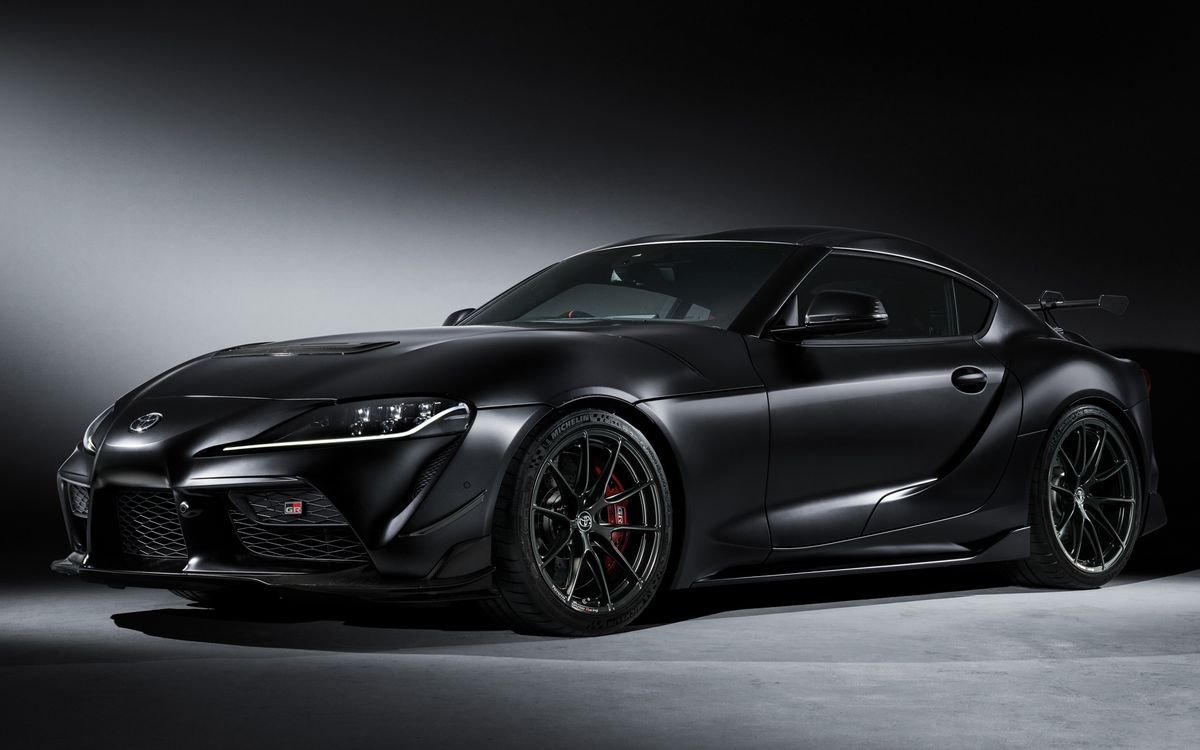
Toyota-Supra-A90 Final Edition
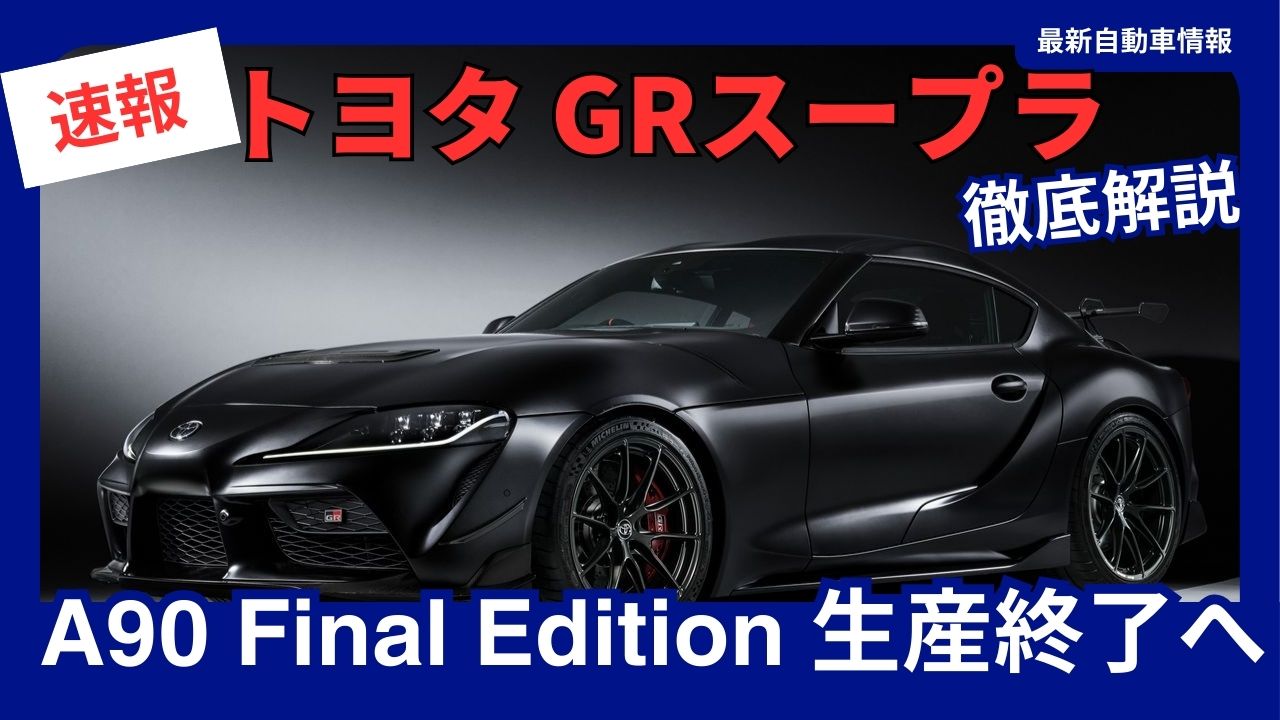
The shock of the vehicle’s 15 million yen price tag and the inside of this “unprecedented” car
The GR Supra A90 Final Edition, announced in March 2025, is a special edition vehicle with only 150 units sold in Japan by lottery. The vehicle price is set at 15,000,000 yen (tax included), approximately twice the price of the standard RZ model (approximately 8 million yen).
However, if you look at the improvements made, the specifications can be said to be “unprecedented” and it is a model that can be said to be the culmination of Toyota’s technology. Considering the development costs, it has been described as a “bargain model prepared to incur a loss” that disregards profitability.
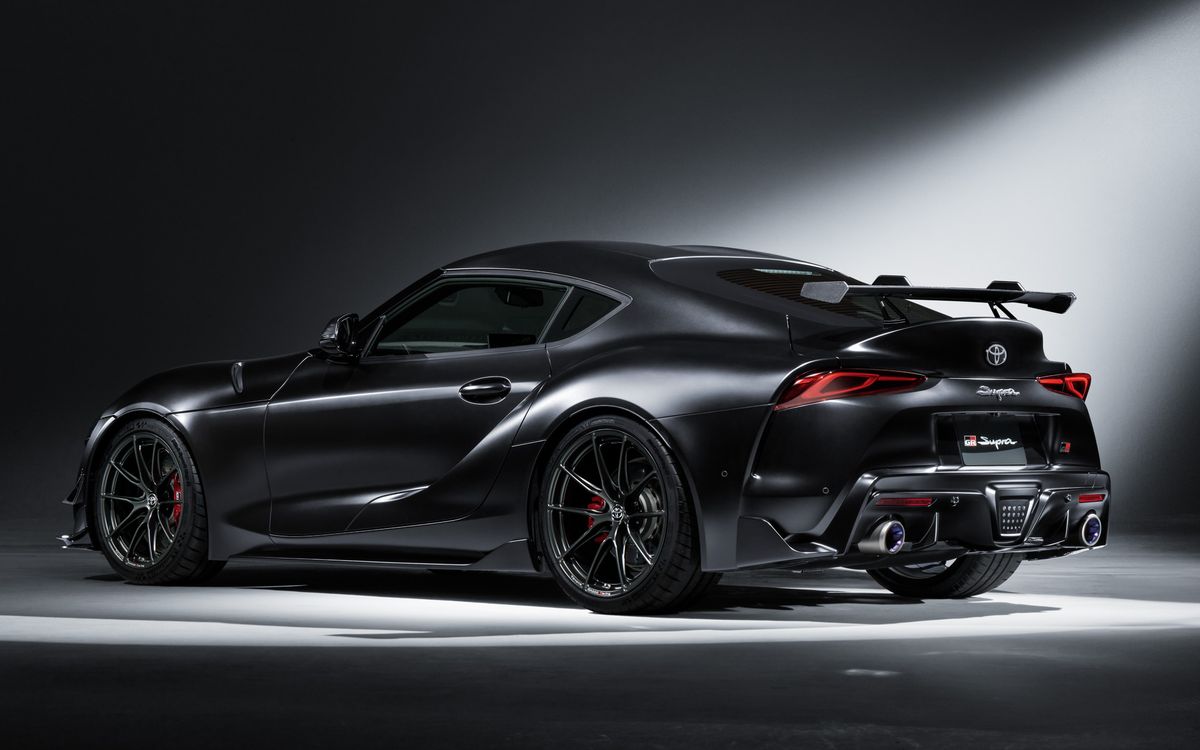
Toyota-Supra-A90-Final-Edition
Significantly strengthened powertrain
Improved engine performance
- Maximum output: 387ps → 435ps (48ps improved)
- Maximum torque: 500Nm → 570Nm (improved by 70Nm)
- The intake path has been revised and a low back pressure catalyst has been adopted to reduce pressure loss.
- Optimized engine control improves acceleration performance and response
Enhanced cooling performance
- Strengthened radiator cooling fan
- Adding a sub-radiator
- Enlarged cooling fins on the differential gear cover
- A baffle plate has been added to the engine oil pan to prevent oil uneven distribution at high G-forces.
Muffler Sound
- Akrapovic titanium muffler
- Powerful engine sound
Significant improvement in braking performance
Toyota-Supra-A90-Final-Edition
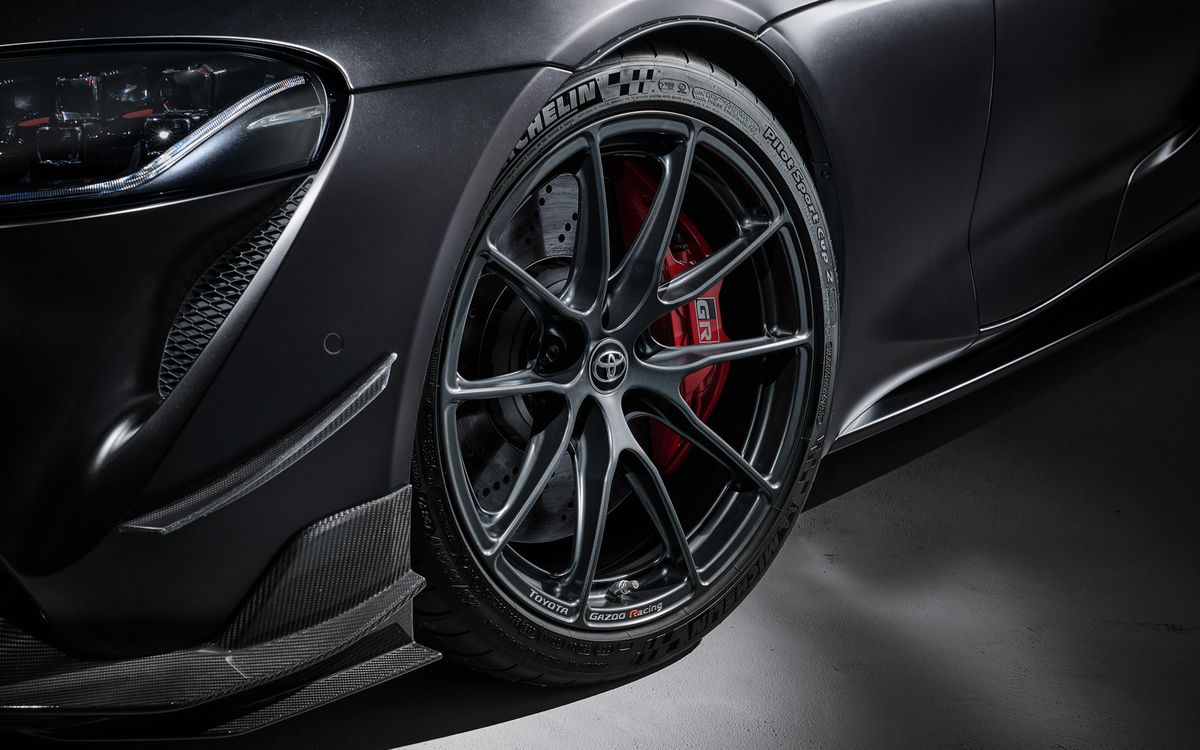
- Brembo 19-inch brakes and high μ brake pads on the front
- Equipped with floating drilled discs on the front and rear
- Stainless steel mesh brake hose reduces pressure transmission loss
- Ensures excellent braking power even during sporty driving
Evolution of the suspension and chassis
Toyota-Supra-A90-Final-Edition
KW suspension
- High-performance suspension used in the GR Supra GT4 is now available on production vehicles
- 16-step rebound and 12-step compression damping force adjustment
- Strengthened front and rear stabilizers improve limit performance
Thorough strengthening of body rigidity
- Reinforced rubber bushings used on front lower arms
- Pillow ball joints are used on the front control arms
- The rear subframe has been changed to the same aluminum rigid mount as the GR Supra GT4.
- Reinforced front cowl brace and added front underfloor brace
- Structural reinforcement of rear underfloor brace
- Reinforced luggage crossbars are used in the interior
- As a result, the sense of unity between the suspension and the body is improved, dramatically improving the sense of directness, grip, and control.
Aerodynamic optimization
Toyota-Supra-A90-Final-Edition
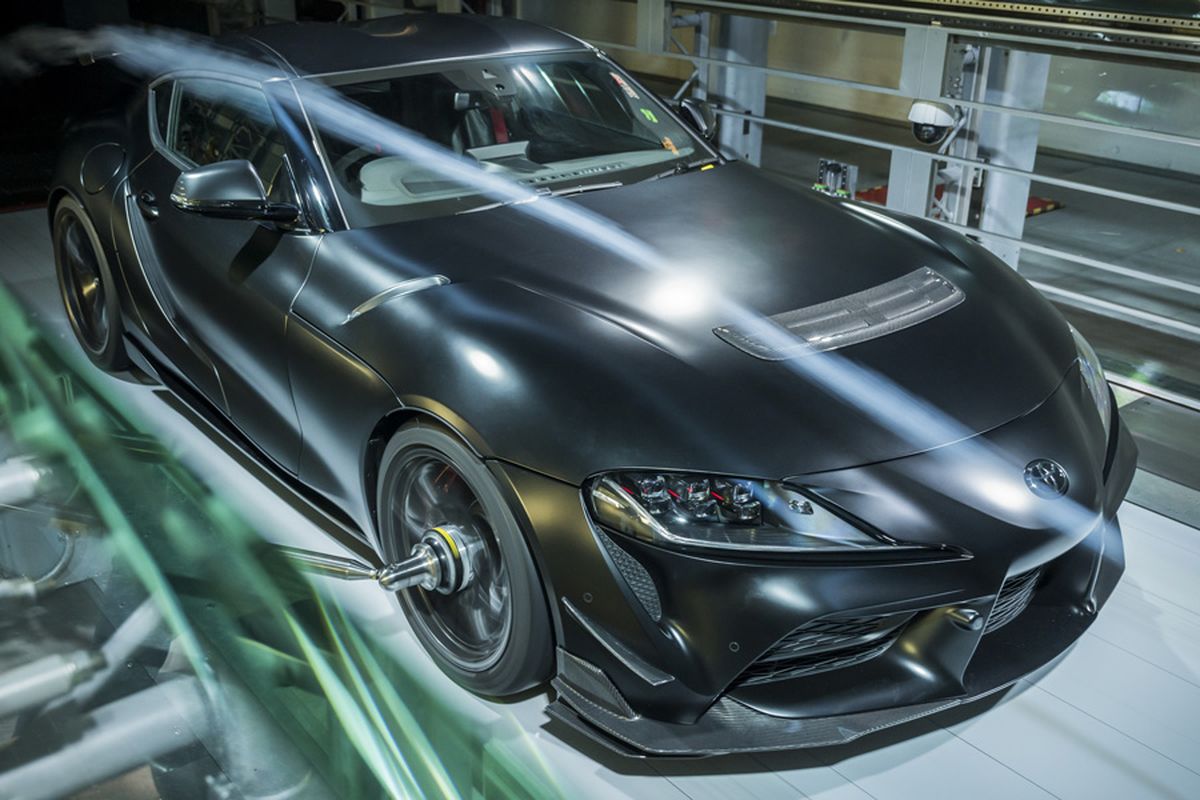
Equipped with aerodynamic parts developed by TOYOTA GAZOO Racing Europe (TGR-E) using knowledge gained through motorsports and wind tunnel testing:
- Carbon front spoiler
- Carbon front canard
- Front center flap
- Swan-neck carbon rear wing reminiscent of the GR Supra GT4
- Carbon bonnet duct (with removable inner duct)
This optimizes the front and rear aerodynamic balance, downforce, and drag, significantly improving road grip and handling performance.
Special tire and wheel specifications
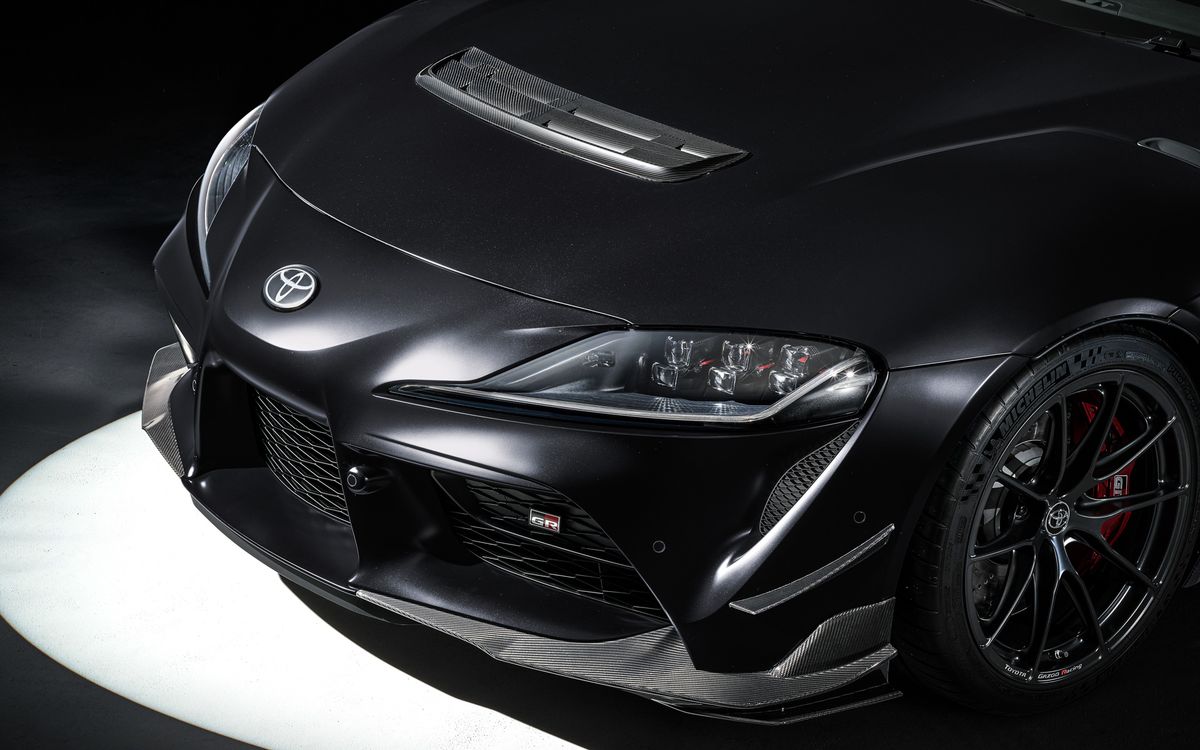
- Adopted MICHELIN PILOT SPORT CUP 2, which is 10mm wider
- Lightweight wheels: 19-inch front and 20-inch rear
- The wheels are engraved with the TGR (TOYOTA GAZOO Racing) logo.
- Further improved cornering stability and limit performance
Special interior equipment
Toyota-Supra-A90-Final-Edition
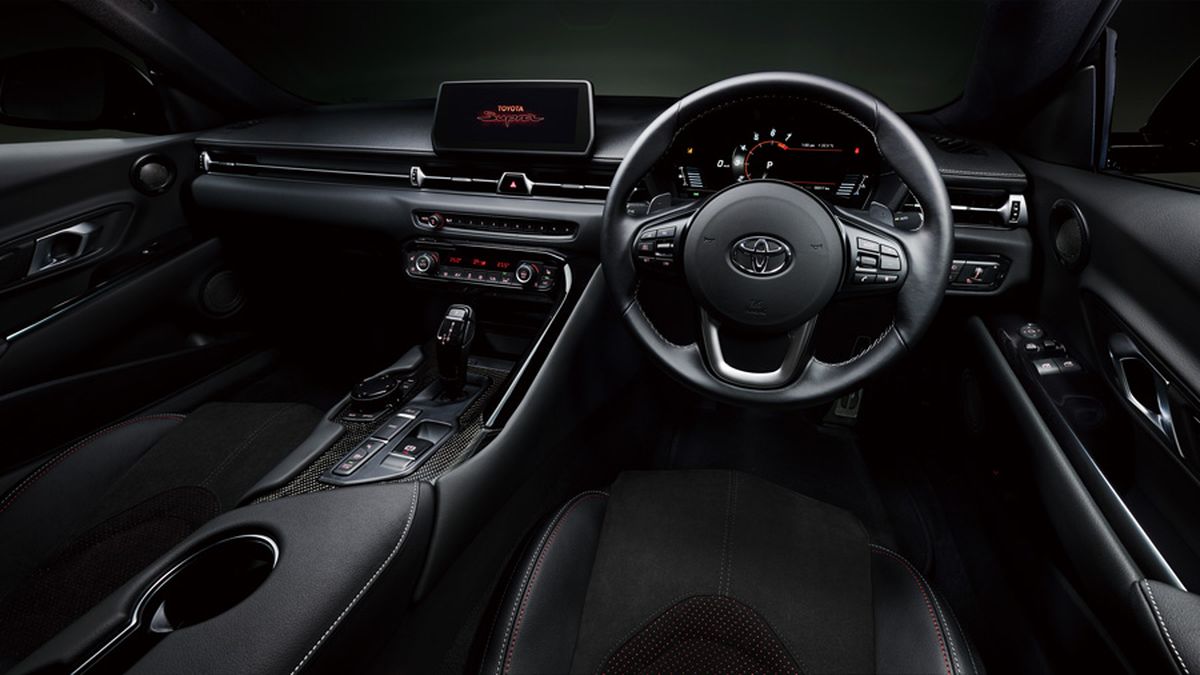
Recaro carbon full bucket seat “RECARO Podium CF”
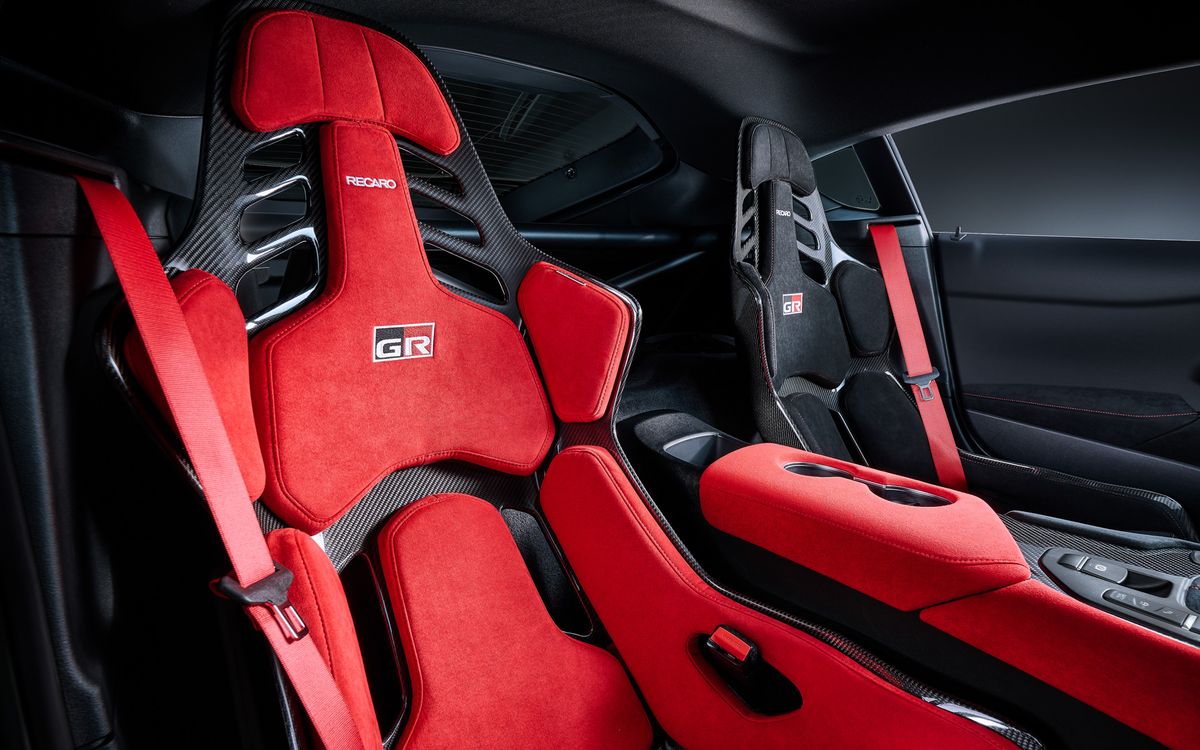
- Alcantara® seat pad
- The driver’s seat is red to emphasize the driver-oriented cockpit
- Firmly holds the body even under high G-forces, supporting accurate driving
Extensive use of Alcantara® material
- Steering wheel
- Door trim
- Center console knee pad
- Center armrest
- Shift knob boot
- Center of the instrument panel
Other special equipment
- red seat belt
- Dedicated carbon scuff plate
5. A thorough explanation of the reasons and background for the discontinuation of production
Tighter environmental regulations and the trend toward carbon neutrality
The main reason for the end of GR Supra production is the tightening of global environmental regulations. In particular, Europe has an environmental policy scheduled to be implemented in 2035, and it is said that it will be extremely difficult for a sports car equipped with a high-performance internal combustion engine to comply with these regulations.
Key environmental regulatory challenges:
- Demand for a significant reduction in CO2 emissions
- Responding to increasingly strict exhaust gas regulations
- Accelerating policies to promote EV adoption
For sports cars equipped with high-power engines, meeting these regulations while maintaining their appeal poses significant technical and cost barriers.
Strengthening collision safety and responding to autonomous driving technology
In recent years, the automotive industry has seen rapid progress in strengthening crash safety and introducing autonomous driving technology. However, incorporating these technologies into sports cars poses the following challenges:
- Weight increase due to the addition of safety equipment
- Secure space for installing autonomous driving sensors
- The difficulty of balancing this with pure driving pleasure
- Significant increase in development costs
The reality is that it is becoming increasingly difficult to reconcile the essential principles of a sports car – lightweight, compact, and high performance – with modern safety standards.
Expiration of contract with BMW and end of production at Magna Steyr
The A90 GR Supra was manufactured by Magna Steyr, a BMW-affiliated production outsourcing company. The expiration of this contract in 2026 is one of the major reasons for the end of production.
In fact, BMW’s Z4, which shares the same platform, also announced the end of production around the same time, so it is no coincidence that the fates of both cars were decided at the same time.
Market trends and changes in demand for sports cars
In recent years, while demand for SUVs and crossover models has increased worldwide, the market for two-door sports cars has been shrinking. Young people in particular are turning away from cars and are increasingly prioritizing practicality in their purchases, making it difficult to maintain sales of pure sports cars.
6. Delivery delays and their impact
Delivery troubles with the A90 Final Edition
It has been revealed that as of October 2025, the “A90 Final Edition” has not yet been delivered to customers. Deliveries were originally scheduled to begin after October 2025, but due to “certain reasons,” deliveries have been significantly delayed.
Issues with registering overseas-produced models in Japan
It is not uncommon for models produced overseas to become unregistered in Japan. The main reasons for this are as follows:
Key factors contributing to registration delays:
- Delays in confirming compliance with Japanese safety standards
- Delays in type certification procedures
- Additional inspection items for special edition vehicles
- Increasing complexity of import customs procedures
In particular, models with significant improvements such as the A90 Final Edition require a different certification process than regular models, which can take longer than expected.
While buyers are still eagerly awaiting the arrival of the car, Toyota is believed to be taking steps to ensure early delivery.
7. Exploring the possibility of a Supra revival
Toyota’s sports car strategy continues
Although it is sad that the GR Supra will no longer be in production, the possibility of its revival is not zero. Let’s take a look at the factors that support this possibility.
Factors that make it a promising revival:
- Development of the next-generation GR86 model
- The younger sibling, the GR86, is about to undergo a model change to the next model.
- Toyota’s stance on maintaining its sports car lineup
- Strong performance of the GR brand
- The GR Corolla and GR Yaris have been well-received
- Sales performance is also strong, and investment in the GR brand will continue
- Development of the next-generation LFA
- The Lexus Sports Concept will be unveiled in August 2025
- Toyota Group’s ongoing commitment to developing sports cars
- The influence of Chairman Akio Toyoda (Morizo)
- Morizo, with his passion for sports cars, leads the GR business
- Continuing the philosophy that “cars should be fun”
The potential of the next-generation Supra
If the next-generation Supra is realized, it could take the following directions:
Expected features of the next-generation Supra:
- Electrification possibilities : adoption of hybrid or plug-in hybrid systems
- Return to in-house development : Possibility of using Toyota’s own platform
- Technology sharing with Lexus : Utilizing technologies developed for the next-generation LFA
- Development of the GR brand : Feedback of technology cultivated in motorsports
Of particular note is Toyota’s ongoing development of hydrogen engines, exploring new avenues to combine environmental friendliness with sporty performance, as demonstrated by the GR Corolla H2 Concept.
8. Summary | The Future of Japanese Sports Car Culture
What the end of Supra production means
The end of GR Supra production in March 2026 will not simply mark the disappearance of one model, but will also symbolize a turning point in sports car culture within the Japanese automotive industry.
Production of the Nissan GT-R will also end in August 2025, and the fact that two of Japan’s most iconic sports cars are ending production one after the other indicates a major change in the times.
The Supra’s Legacy
The Supra’s 47-year history has left behind the following valuable legacy:
Technical Heritage:
- The appeal and potential of the inline 6-cylinder engine
- Pursuing FR layout
- Cultural formation as a tuning base
Cultural heritage:
- Role in the Fast and Furious film series
- Creating a global sports car community
- Motorsports achievements
Future outlook for the sports car market
Even as environmental regulations become stricter, passion for sports cars will never fade. Toyota’s continued involvement with the GR brand and its ongoing efforts to develop the next generation of sports cars is proof of this.
Future trends predicted:
- The rise of electrified sports cars
- Utilizing new technologies such as hydrogen engines
- A fusion of digital technology and analog driving
- Expansion of circuit-specific models
The spirit of the Supra will surely be passed on to the next generation in some form.
For those considering purchasing
If you are currently considering purchasing a GR Supra, please note the following:
- Urgency of stock confirmation : The production number may have already been reached, so please contact your dealer as soon as possible.
- Check delivery time : Check the schedule until production ends
- A90 Final Edition : Delivery delays have occurred, so please check with your dealer for the latest information.
- Future asset value : As a discontinued model, it may become even more valuable in the future.
This concludes our comprehensive article on the end of production of the Toyota GR Supra. We hope that many fans will look forward to the day when the Supra, which has a history of approximately 47 years, will be revived.
Toyota GR Supra