
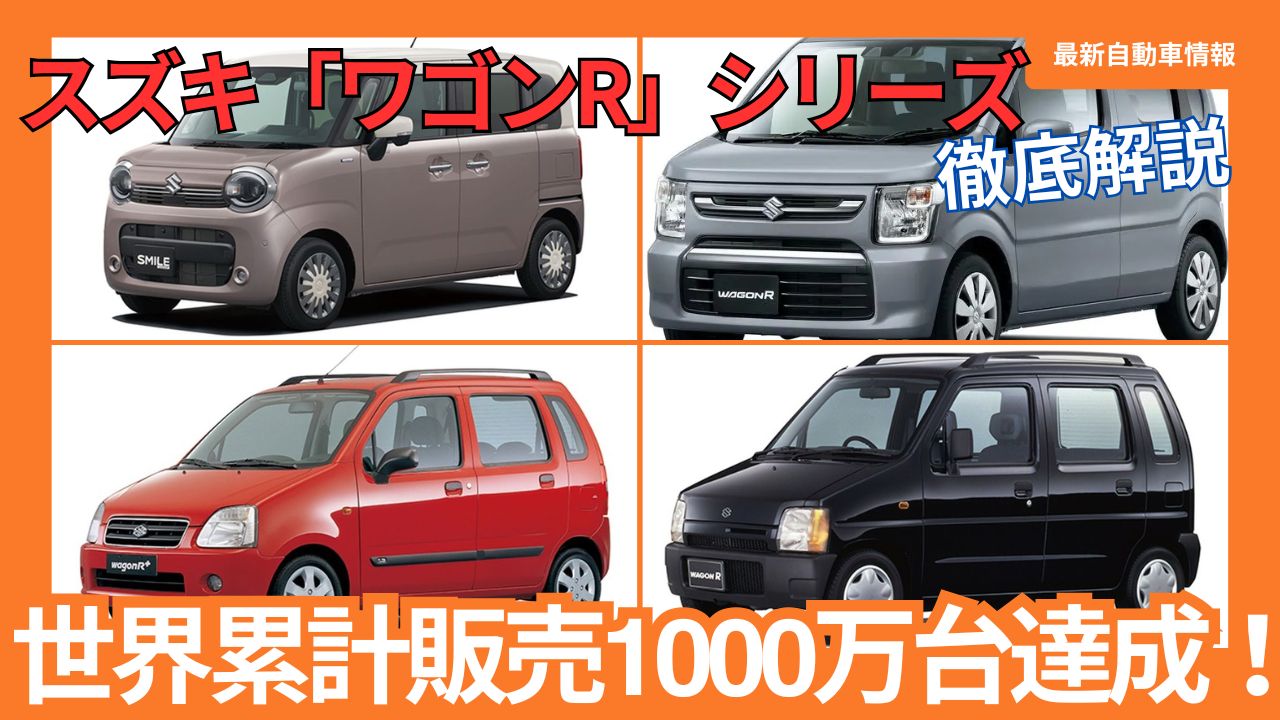
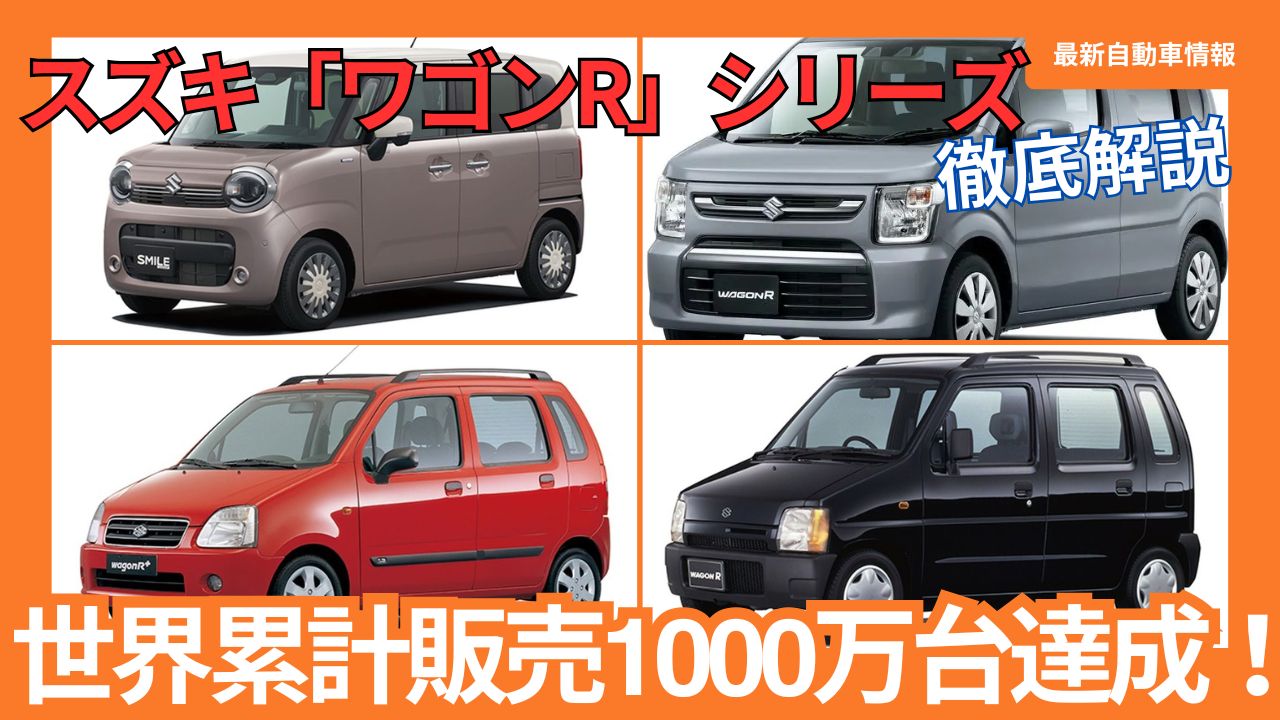
In June 2025, Suzuki’s Wagon R minicar series reached the astonishing milestone of cumulative global sales of 10 million units. This remarkable achievement, 31 years and nine months after its launch in September 1993, is a remarkable achievement in Japanese automotive history and a testament to the car’s global success that transcends the boundaries of minicars.
In this article, we will look back at the history of the Wagon R and explain in detail why this car continues to be loved not only in Japan but all over the world .
The significance of Wagon R achieving 10 million units
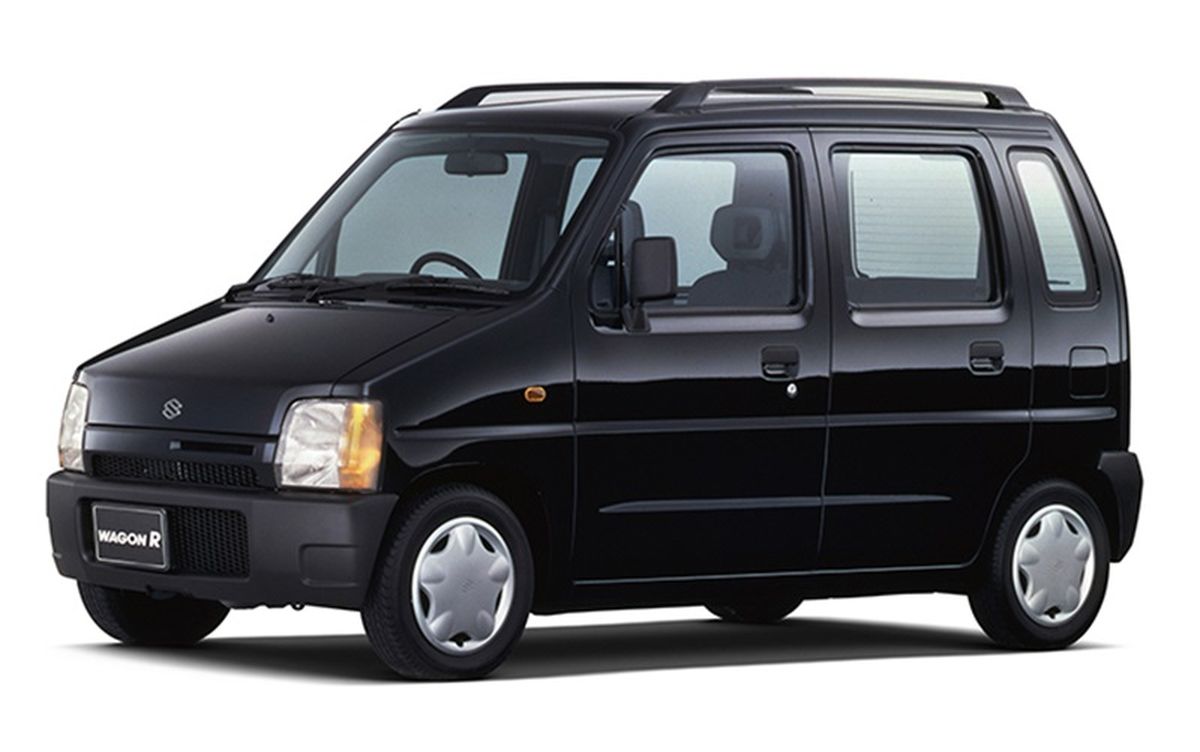
The Wagon R series’ cumulative global sales of 10 million units, which was achieved in June 2025, means more than just a number.
A first for a Japanese minicar
The Wagon R is the first Japanese minicar to achieve 10 million units sold worldwide . This milestone holds special significance for the following reasons:
- Achieved in a relatively short period of 31 years and 9 months
- Sales in 75 countries and regions
- Achievement in spreading the concept of light vehicles around the world
Suzuki President Toshihiro Suzuki commented, “The innovative nature and high practicality of this light wagon have been highly praised, and it has become one of the representative models not only for our company but also for light vehicles.”
Impact on the global automotive industry
The success of the Wagon R demonstrated the global demand for compact, practical vehicles . In particular:
- Acceptance of the concept of “small but high quality” in emerging markets
- Responding to consumer needs that prioritize fuel efficiency and economy
- Successful localization tailored to local characteristics
The birth of a revolutionary light wagon: the first-generation Wagon R (1993)
The innovative semi-bonnet style
The first-generation Wagon R, released in September 1993, was a revolutionary model that fundamentally changed the concept of light vehicles.
Conventional light vehicles:
- Low price and simple construction
- Small interior space
- Impractical design
In contrast, the first generation Wagon R:
- Refined design with semi-bonnet style
- Maximizing interior space
- Comfort that puts passengers first
The spark that started the mini wagon boom
The arrival of the Wagon R sparked a ” kei wagon boom ” in the Japanese minicar market . It was a groundbreaking model that transformed minicars, which had previously been seen as commercial vehicles, into family cars .
This success encouraged other automakers to enter the development of light wagons, revitalizing the entire light vehicle market.
A history of evolution over generations
Characteristics and evolution of each generation
A look back at the evolution over 6 generations and 32 years:
First generation (1993-1998)
- Establishing a new genre: light wagons
- Adoption of semi-bonnet style
- Innovative interior space design
Second generation (1998-2003)
- A more refined design
- Improved safety performance
- Full-scale overseas expansion
3rd generation (2003-2008)
- Significant improvement in environmental performance
- Realization of a larger interior space
- Further refinement of the design
4th generation (2008-2012)
- Significant improvement in fuel economy
- Introduction of advanced safety technologies
- Packaging for easier use
5th generation (2012-2017)
- Lightweight for improved fuel efficiency
- Standardization of idling stop
- Introduction of mild hybrid system
6th generation (2017-present)
- Equipped with the latest preventive safety technology “Suzuki Safety Support”
- Further improvement in fuel efficiency
- Responding to diversifying needs
Key factors for success in global expansion
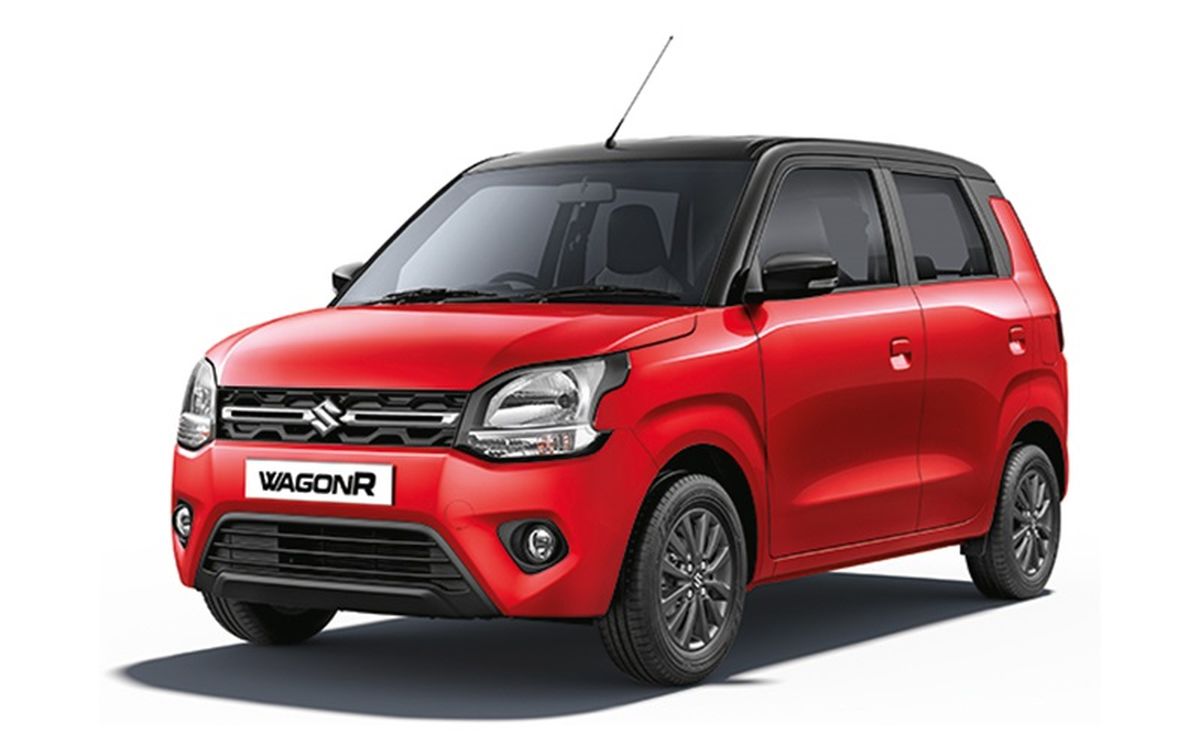
Strategic development tailored to regional characteristics
The secret to the Wagon R’s global success lies in its ability to adapt flexibly to the needs of each region.
Success in the Indian market
- Production began in December 1999
- Development of CNG specifications : Introducing a highly economical CNG specification that offers better fuel efficiency than gasoline
- Adapted to local infrastructure and lifestyles
Expansion into the European market
- Production began in Hungary in January 2000
- Developed as “Wagon R+”
- Compliant with local safety standards and environmental regulations
Expansion into the Southeast Asian market
- September 2013: Production begins in Indonesia
- April 2014: Production begins in Pakistan
- Optimized for each country’s road and climate conditions
Local adaptability of technology
Factors contributing to success in each region include:
- Price competitiveness through local production
- Specification changes to suit regional characteristics
- Establishing an after-sales service system
- Collaboration with local partners
The impact of the Wagon R on Japanese minicars
Transformation of the minicar market
The introduction of the Wagon R has fundamentally changed the Japanese minicar market:
Changing market perceptions
- From “cheap and poor quality” to “small but high quality”
- Image change from commercial vehicles to passenger cars
- Established its position as a family car
Impact on competitors
- Companies enter the development of light wagons
- Technological innovation in light vehicles is accelerating
- Improving the quality of the entire market
Changing consumer behavior
- Eliminating prejudice against light vehicles
- The spread of purchasing behavior that emphasizes economy and practicality
- Rising environmental awareness and rationalization of light vehicle selection
A driving force behind technological innovation
Wagon R is a pioneer of technological innovation in minicars:
- The spread of mild hybrid technology
- Introducing advanced safety technologies to minicars
- Improved fuel efficiency technology
- Development of lightweight technology
Current Wagon R series lineup
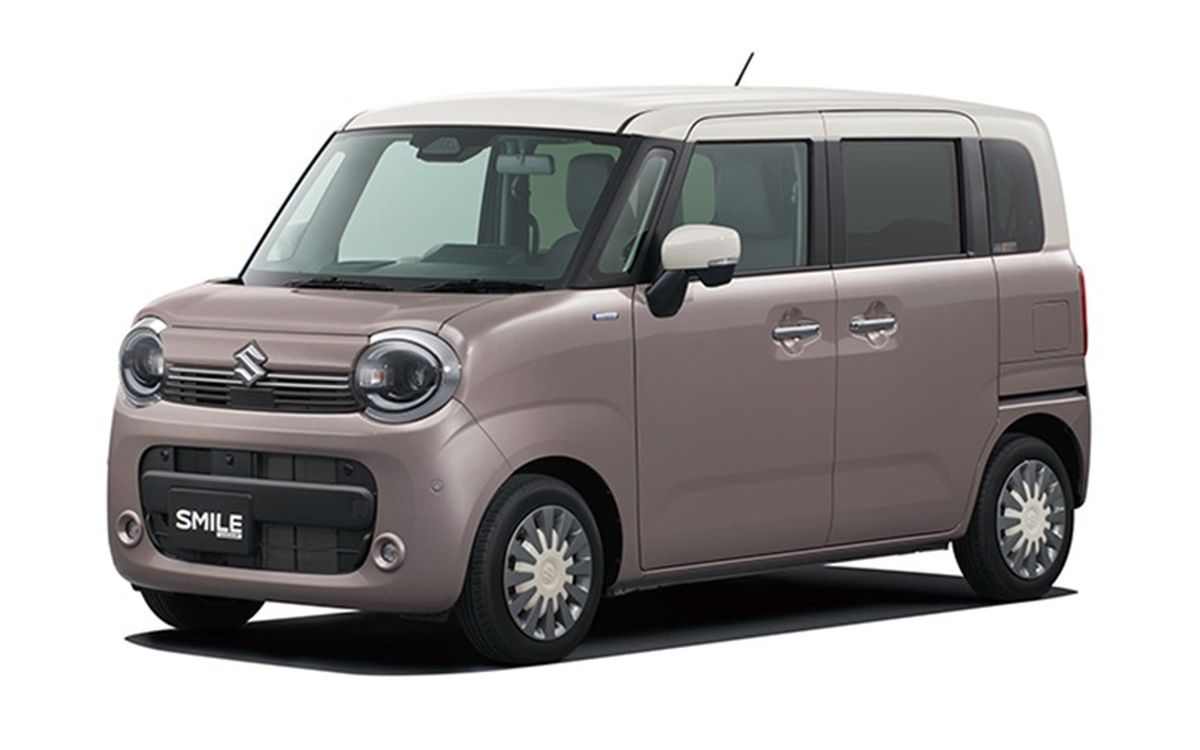
Responding to diversifying needs
The current Wagon R series offers a wide range of models to meet diverse consumer needs:
Wagon R (standard model)
- Pursuing functionality as a basic light wagon
- Excellent fuel economy
- Affordable pricing
Wagon R Stingray
- Sporty design
- High-quality interior
- Consideration for driving performance
Wagon R Smile (released in September 2021)
- Sliding doors improve ease of entry and exit
- Enhanced family-friendly features
- Designed for greater ease of use
Equipped with the latest technology
Advanced technologies installed in the current Wagon R series:
- Suzuki Safety Support : Preventive safety technology as standard equipment
- Mild Hybrid : Achieving both fuel efficiency and drivability
- CVT (Continuously Variable Transmission) : Smooth acceleration and excellent fuel economy
- Idling Stop : Improving environmental performance
The road to 10 million units: Sales trends
Steady growth trajectory
Looking back at the cumulative sales figures for the Wagon R series, we can see a steady growth trajectory:
| year and month | Total sales | Achievement period |
|---|---|---|
| September 1993 | Release date | – |
| October 1998 | 1 million units | 5 years and 1 month |
| January 2002 | 2 million units | 8 years and 4 months |
| February 2005 | 3 million units | 11 years and 5 months |
| September 2007 | 4 million units | 14 years |
| February 2010 | 5 million units | 16 years and 5 months |
| August 2012 | 6 million units | 18 years and 11 months |
| January 2015 | 7 million units | 21 years and 4 months |
| February 2018 | 8 million units | 24 years and 5 months |
| January 2022 | 9 million units | 28 years and 4 months |
| June 2025 | 10 million units | 31 years and 9 months |
Growth drivers
Of particular note is the accelerated growth since the 2000s, when overseas expansion began in earnest:
- 1999-2012 : Market expansion with start of production in India
- 2000s : Full-scale entry into the European market
- 2010s : Expansion into Southeast Asian markets
- 2020s : Introduction of new variations such as Wagon R Smile
Future prospects and challenges
Responding to electrification
As the entire automotive industry moves towards electrification, the Wagon R series is also being called upon to undergo transformation:
technical challenges
- Promoting full hybridization
- Development of BEV (electric vehicle) version
- Realization of electrification technology within the light vehicle standard
Market Response
- Responding to strengthened environmental regulations
- Responding to growing environmental awareness among consumers
- Maintaining cost competitiveness
Further expansion in the global market
Priority areas for future global expansion:
emerging markets
- Entering the African market
- Expanding business in the South American market
- New variations tailored to local needs
Developed markets
- Further improvement of environmental performance
- Advances in safety technology
- Enhanced connectivity functions
Committed to sustainable growth
Challenges for the sustainable development of the Wagon R brand:
- Continuing technological innovation : Always at the forefront of technological development
- Quality improvement : Maintaining and improving global quality standards
- Environmental response : Developing more environmentally friendly technologies
- Responding to diversity : Responding flexibly to the diverse needs of each region
Summary: Wagon R creates new value for minicars
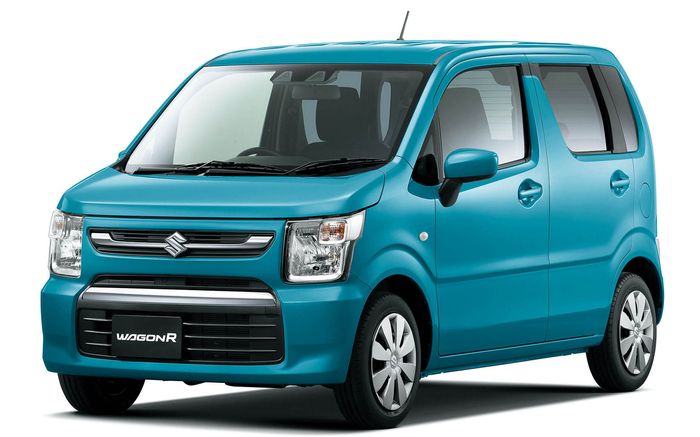
Wagon R
The Suzuki Wagon R series’ cumulative global sales of 10 million units has a significant meaning that goes beyond mere sales achievement.
What the Wagon R proves
- The global potential of light vehicles : Proving that light vehicles, a unique Japanese standard, can be used worldwide
- The concept of “small but valuable” : spreading the value of prioritizing quality and practicality over size
- The Importance of Local Adaptation : The Importance of Meeting Local Needs in Global Expansion
- The Power of Continuous Innovation : The Importance of 32 Years of Continuous Improvement and Innovation
Contribution to Japan’s automobile industry
The success of the Wagon R had the following impact on the entire Japanese automobile industry:
- Global standardization of light vehicle technology
- Establishing a dominant position for Japanese manufacturers in the compact car market
- Establishing an approach that combines environmental technology with practicality
- Creating a model case for developing emerging markets
Expectations for the future
Reaching 10 million units is not the end point, but a new starting line.
The environment surrounding the automotive industry is changing rapidly with the advent of electrification, autonomous driving, and connected technology, but the Wagon R’s fundamental philosophy of ” a comfortable, easy-to-use car that puts the passenger first, ” which it has maintained for 32 years, is unlikely to change in the future.
Attention will be focused on how the Wagon R will evolve as it approaches the next 10 million units, and what new value Japanese minicars will offer the world.
The Suzuki Wagon R Series reaching 10 million units is a historic achievement that has once again demonstrated to the world the power of Japanese “manufacturing” and the importance of continuous improvement and innovation.
News Release