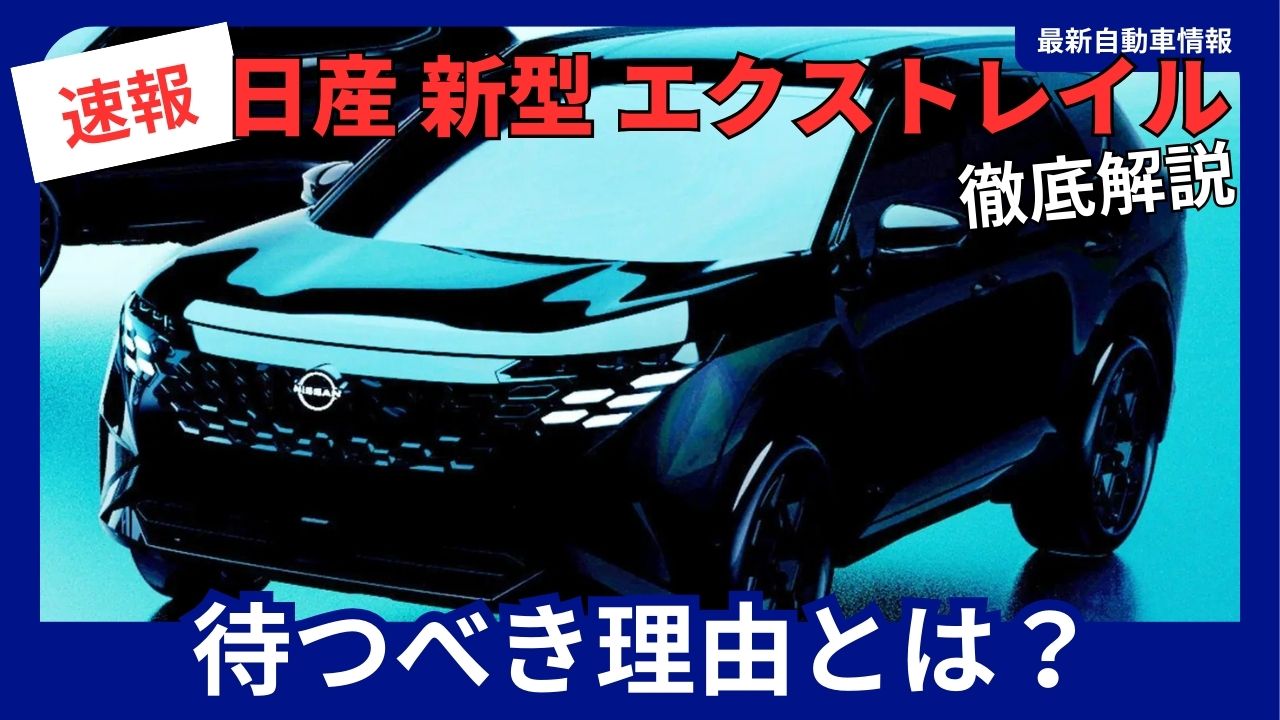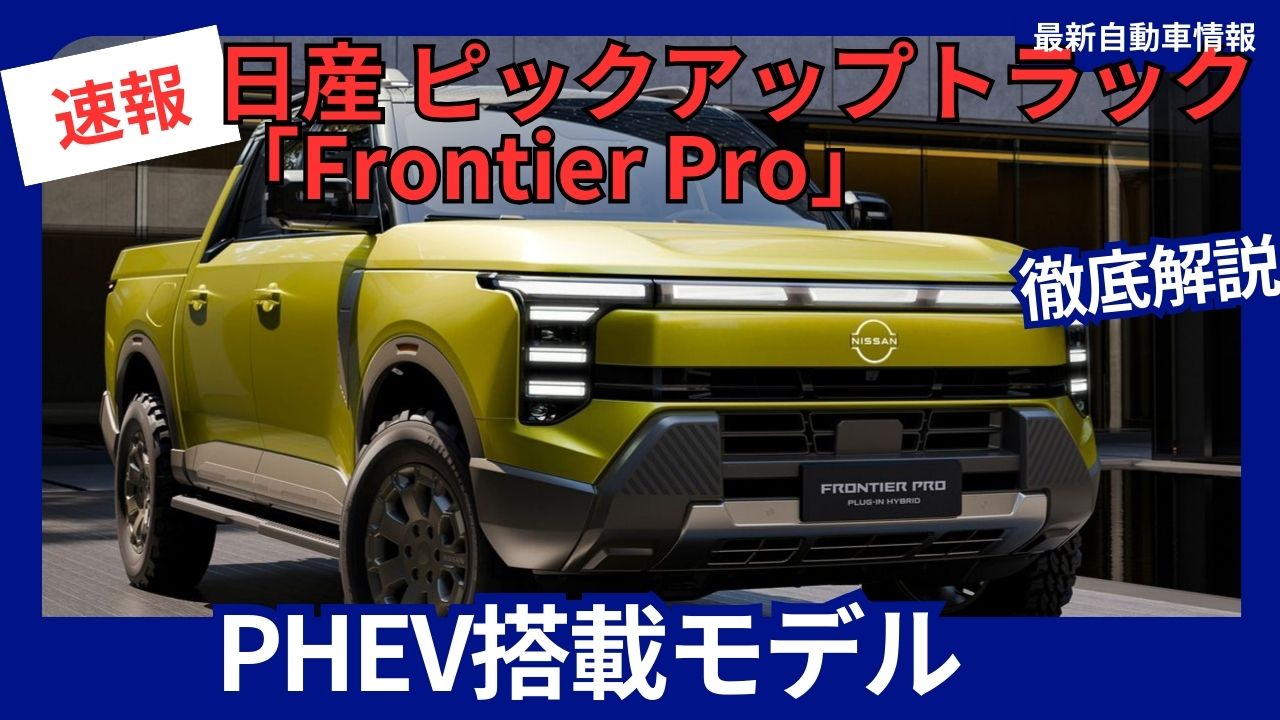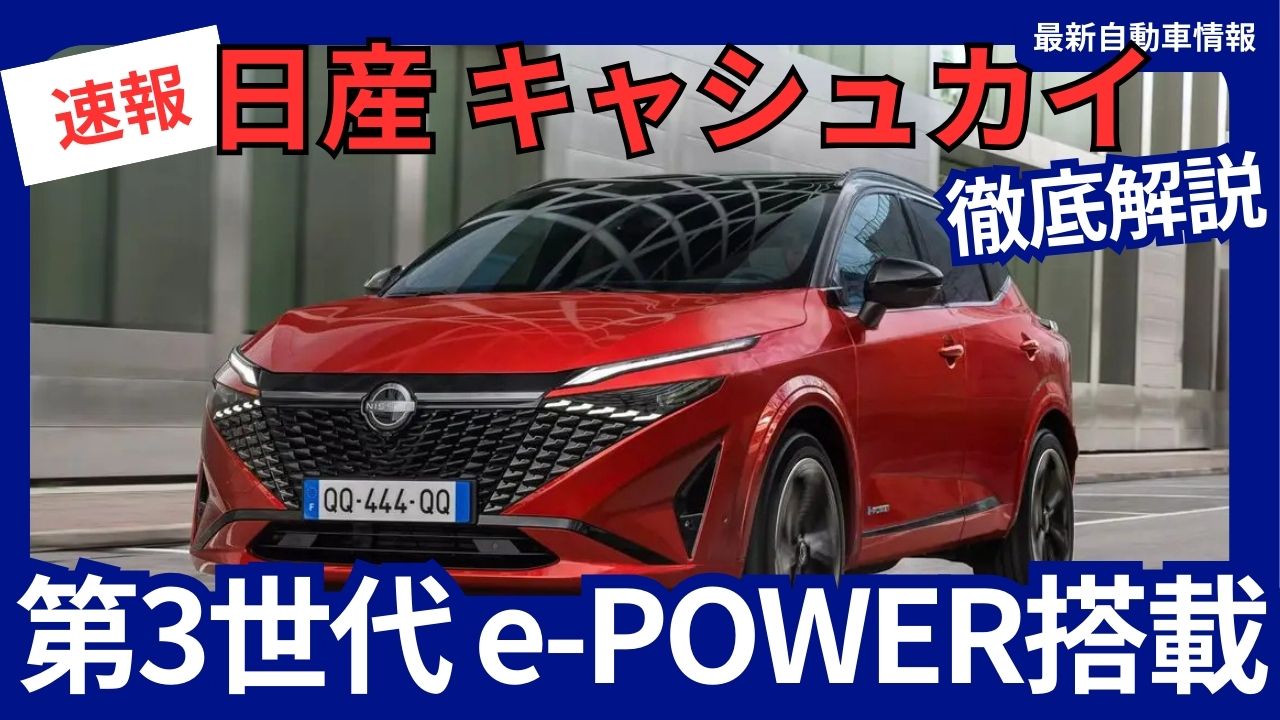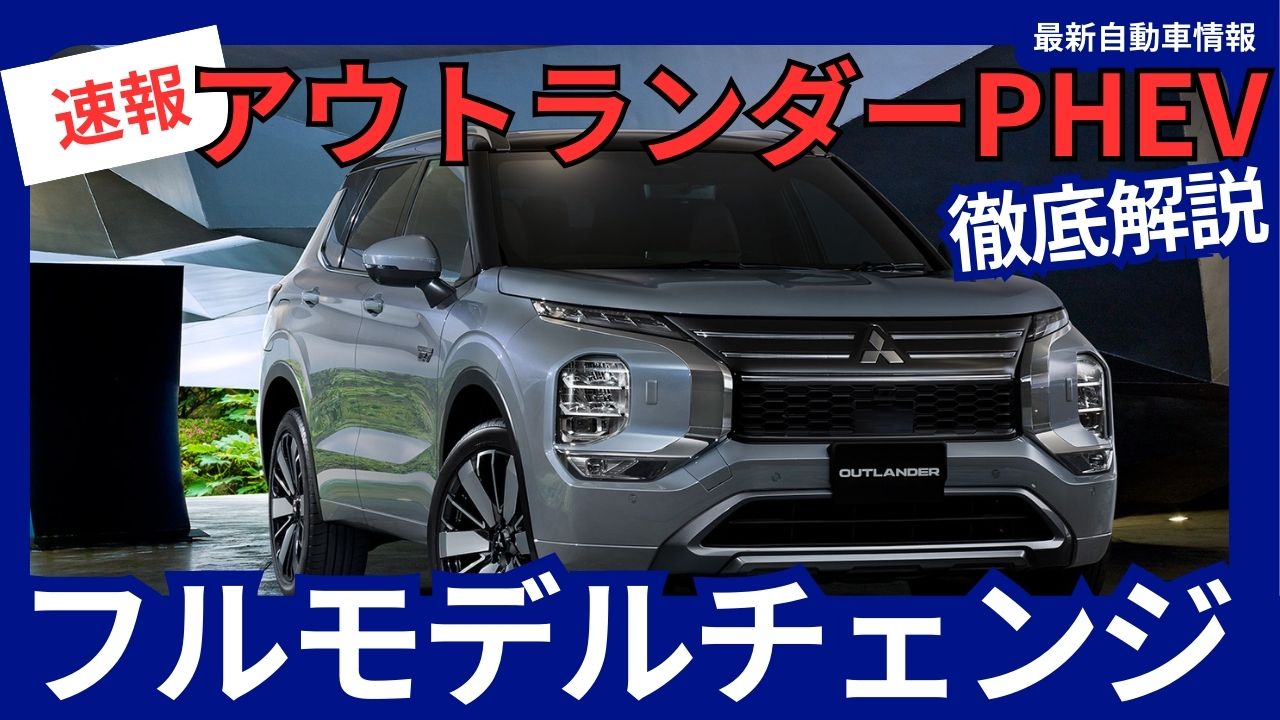

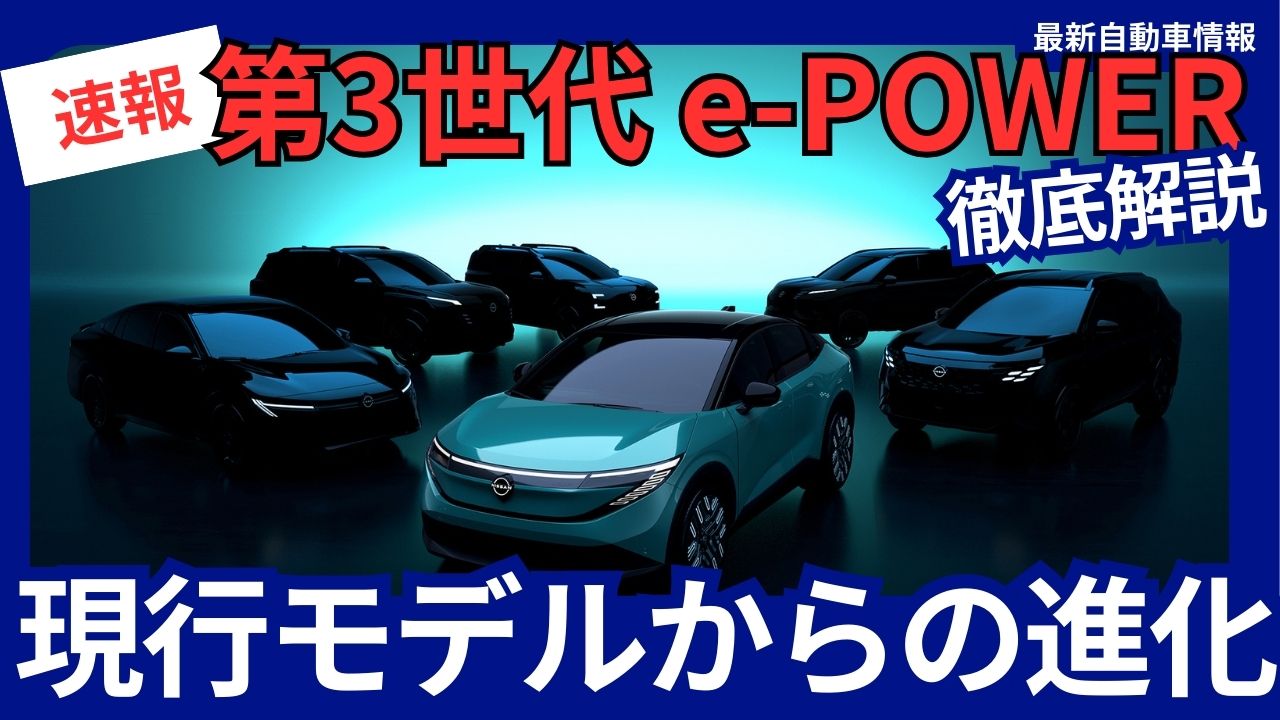
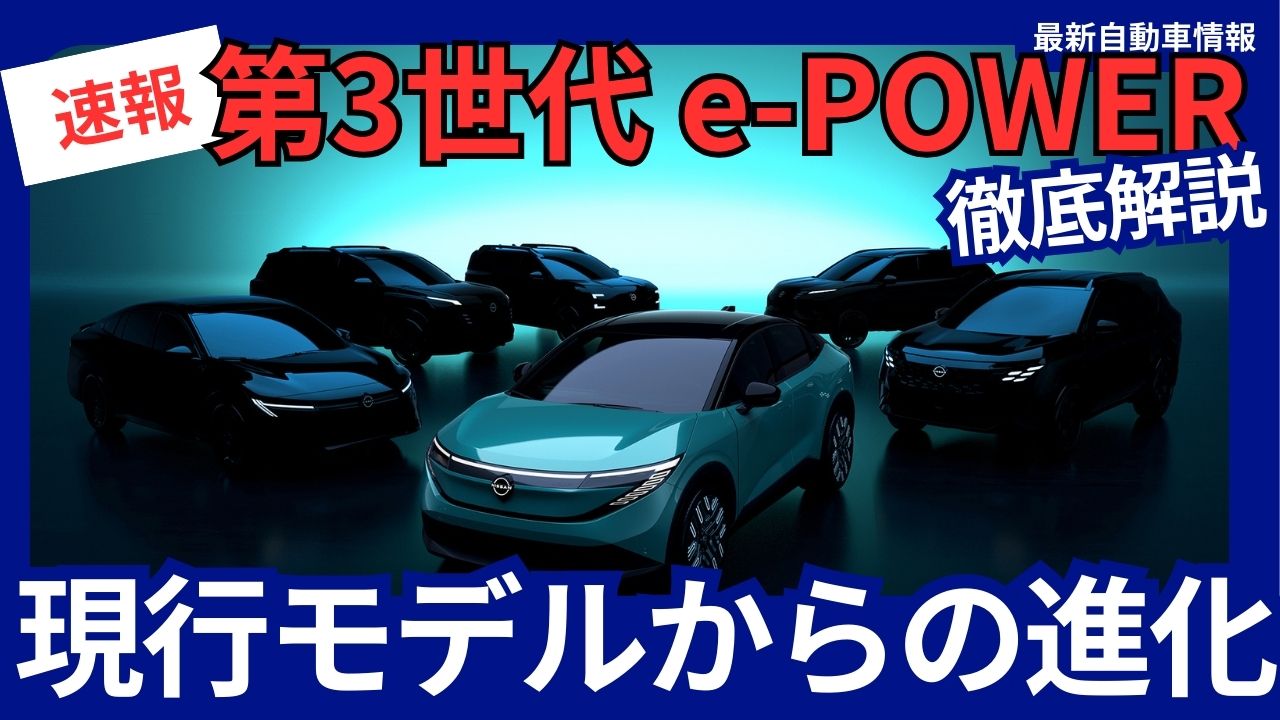
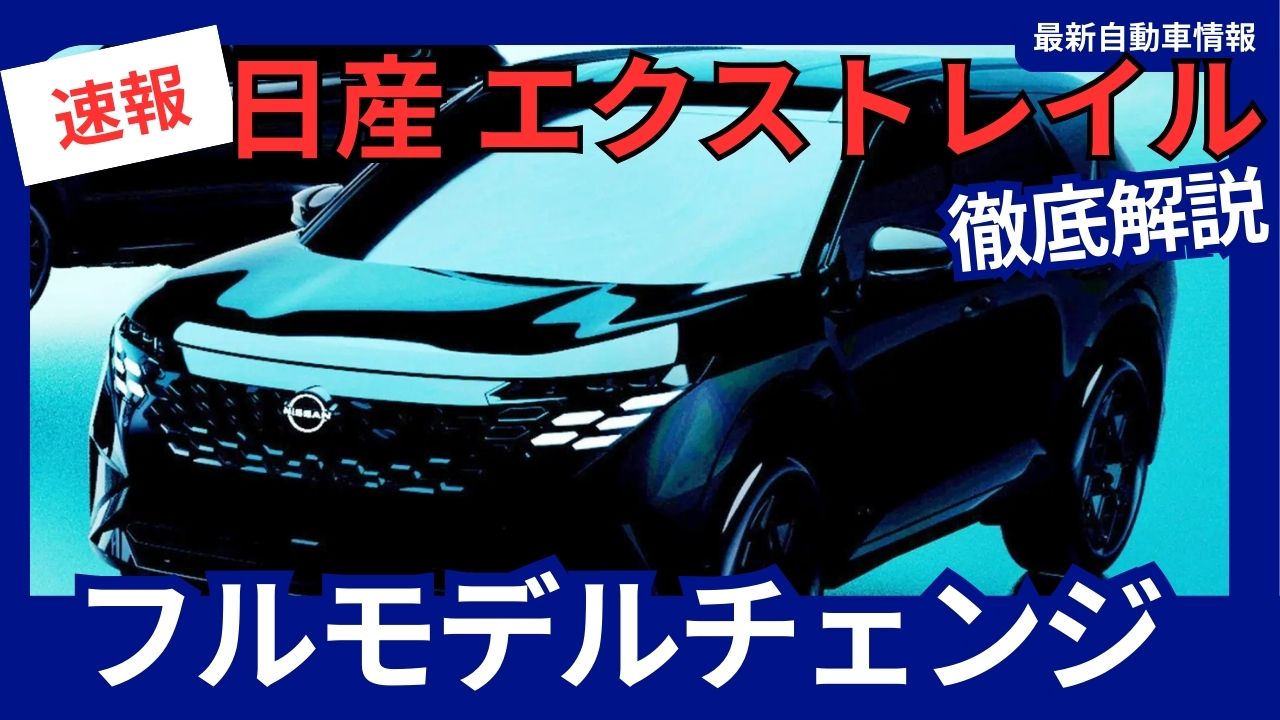
e-POWER is a key technology in Nissan’s electrification strategy. We will explain in detail the evolution and future developments of the third-generation next-generation e-POWER. We will also discuss improvements over the current model and its planned installation in large domestic minivans such as the new Rogue, X-Trail, Qashqai, and Elgrand.
What is the third generation e-POWER?
The next-generation e-POWER system is a significant evolution of the current e-POWER system. It is equipped with a 1.5L inline 3-cylinder engine and does not feature a VC-Turbo. Improved engine efficiency (thermal efficiency from 39% to 42%) and improvements to the motor have resulted in a 15% improvement in fuel economy . It also achieves smoother acceleration and quieter operation, closer to that of an EV.
Differences from the current e-POWER
The next-generation e-POWER has achieved significant performance improvements, including a 20% improvement in fuel economy and a 20% reduction in costs compared to the first-generation e-POWER. High-speed fuel economy in particular has been improved by 15% compared to the second-generation e-POWER . This will enable the next-generation e-POWER to achieve top-class fuel economy in Europe, and is expected to achieve significant improvements in fuel economy in the United States as well.
Features of next-generation e-POWER
- Engine Efficiency: Designed specifically for E-POWER, it maximizes efficiency, sacrificing the low-rev range and focusing on the fuel-efficient range.
- Improved motor efficiency: The efficiency of the motor itself has also been improved by adopting an inverter that uses SIC.
- Improved fuel economy: Improved engine and motor efficiency results in a 15% improvement in fuel economy.
- Improved quietness: It is also quieter than the current model.
- Improved driving performance: The motor output is smoother, and the power feels stronger when accelerating.
- Other: The engine noise is quieter, making the car feel more refined while driving.
Future developments
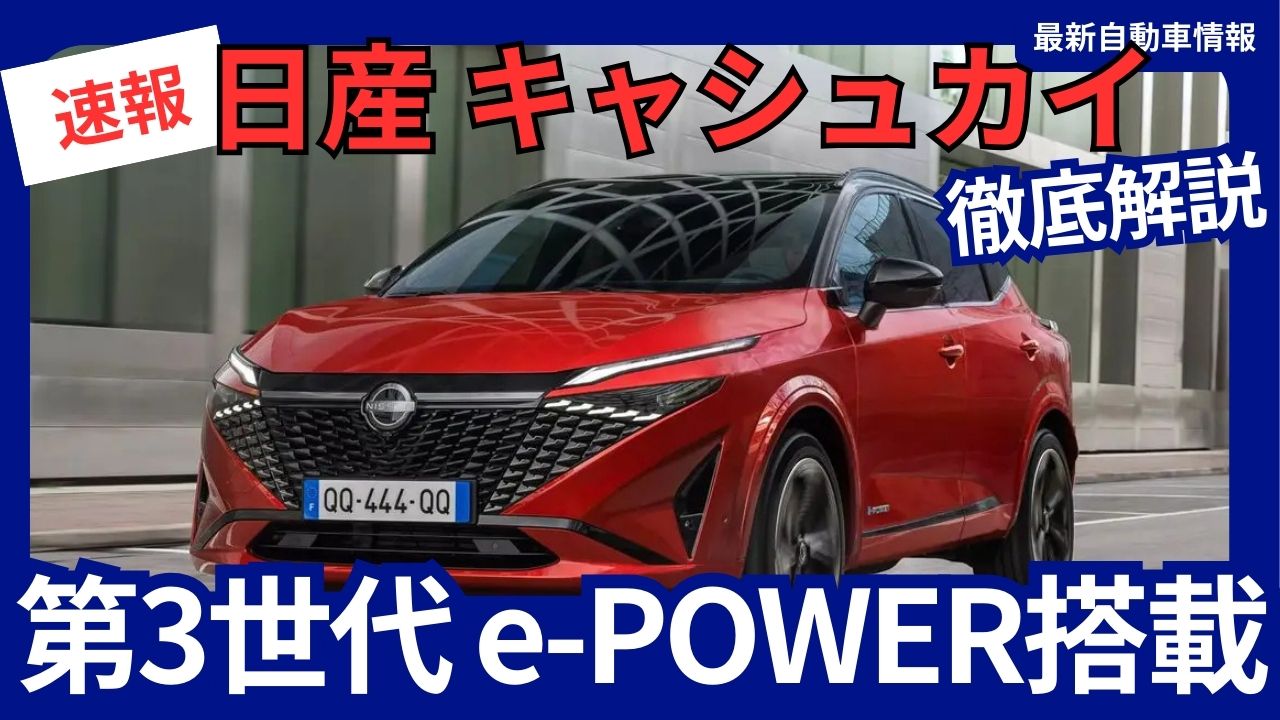
It is scheduled to be installed in large domestic minivans such as the new Rogue and Elgrand. It has the potential to compete with rival vehicles in terms of actual fuel economy, and is an important technology in Nissan’s electrification strategy.
Vehicle models to be equipped

How Nissan e-POWER works
Nissan e-POWER uses a unique system called the “series hybrid system.” Its greatest feature is that the engine is used exclusively for generating electricity, and the vehicle is always driven solely by the motor’s power .
- Electricity generation: The engine uses gasoline as fuel to turn a generator and generate electrical energy. At this time, the engine is controlled to maintain the most efficient rotation speed.
- Power supply: The generated electricity is used to charge the battery or directly to power the drive motor.
- Motor drive: Using electricity stored in the battery or generated by the engine, a high-power motor turns the drive wheels and propels the vehicle.
- Regenerative braking: When decelerating, the motor acts as a regenerative brake, converting kinetic energy into electrical energy to charge the battery.
The driving feel of the e-POWER is very similar to that of an electric vehicle (EV), with good response to accelerator operation and smooth, quiet acceleration. The engine mainly operates when the battery is low or when more power is required, but its operating noise is kept to a minimum.
Differences with Toyota and Honda hybrid systems
Toyota and Honda use hybrid systems that are different from Nissan’s e-POWER.
1. Toyota Hybrid System (THS/THS II)
Toyota’s hybrid system is a type known as the “series-parallel” or “split” system.
- Role of the engine: The engine not only provides the power for driving, but also generates electricity.
- Power transmission: The power of the engine and motor is efficiently distributed via a planetary gear mechanism or similar, and the engine, motor, or both are connected to the drive wheels depending on the driving conditions.
- Features:
- Suitable for a wide range of driving conditions: From low to high speeds, the engine and motor are used in the most efficient way.
- High fuel efficiency: Advanced control provides excellent fuel efficiency.
- EV driving is also possible: For short distances, it is possible to drive using only the motor.
2. Honda’s hybrid system (e:HEV)
Honda’s e:HEV is essentially a system similar to a “series hybrid” that is primarily driven by a motor, but it is also a unique system that incorporates elements of a “parallel hybrid” in which the engine directly drives the vehicle when cruising at high speeds.
- Low and medium speed range: The vehicle runs on the motor alone, with the engine solely focused on generating electricity.
- During high-speed cruising: The engine drives the drive wheels directly via the clutch, ensuring efficient driving.
- Features:
- Driving feel similar to that of an EV: At low and medium speeds, the motor provides smooth and powerful acceleration.
- Improved fuel efficiency at high speeds: Direct coupling to the engine improves fuel efficiency when driving at high speeds.
- Quietness: Since it is basically powered by a motor, it is very quiet.
Hybrid system comparison table
| Features | Series type | Series-parallel type | e:HEV |
|---|---|---|---|
| Main power source | motor | Engines, motors | Motor, engine |
| The role of the engine | For power generation only | Driving, power generation | Mainly for power generation and high-speed driving |
| The role of the motor | Running | Driving assistance, regenerative power generation | Mainly driving and regenerative power generation |
| Features | Driving feel similar to an EV, quietness is high, fuel economy on the highway tends to be slightly inferior | Suitable for a wide range of driving conditions, high fuel efficiency, and EV driving capability | At low and medium speeds, the driving feel is similar to that of an EV, fuel economy at high speeds is also taken into consideration, and the car is very quiet. |
| Representative manufacturers | Nissan (e-POWER) | Toyota (THS/THS II) | Honda (e:HEV) |
As such, each company’s hybrid system has different characteristics based on their respective design philosophies. Nissan’s e-POWER system emphasizes EV-like driving, while Toyota and Honda’s systems emphasize fuel efficiency and adaptability to a wide range of driving conditions.
A word from the editorial department
The next-generation e-POWER not only offers significant fuel efficiency improvements and cost reductions compared to the first-generation model, but also improved fuel efficiency, especially at highway speeds, and is expected to strengthen Nissan’s competitiveness in the global market. Its role will likely become increasingly important in Nissan’s future electrification strategy. Although Nissan’s business performance is currently in a difficult situation, the company continues to invest in electrification technology, and future developments will be closely watched.
Nissan