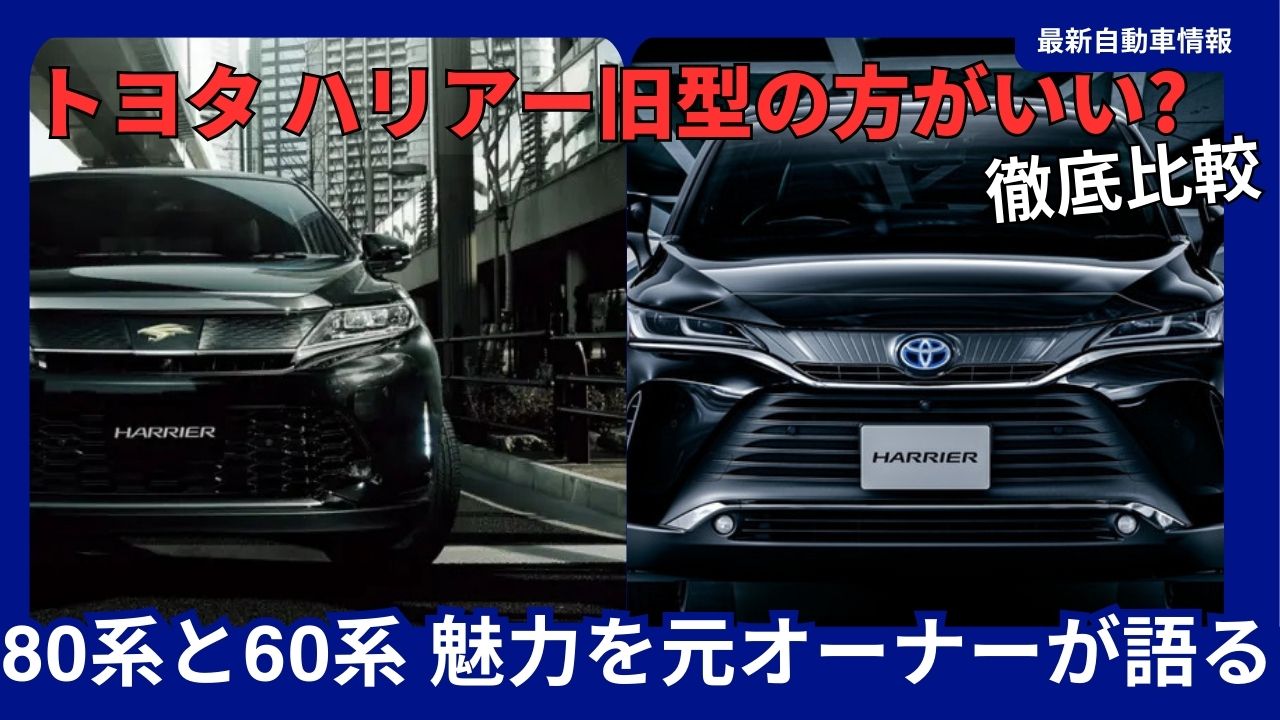


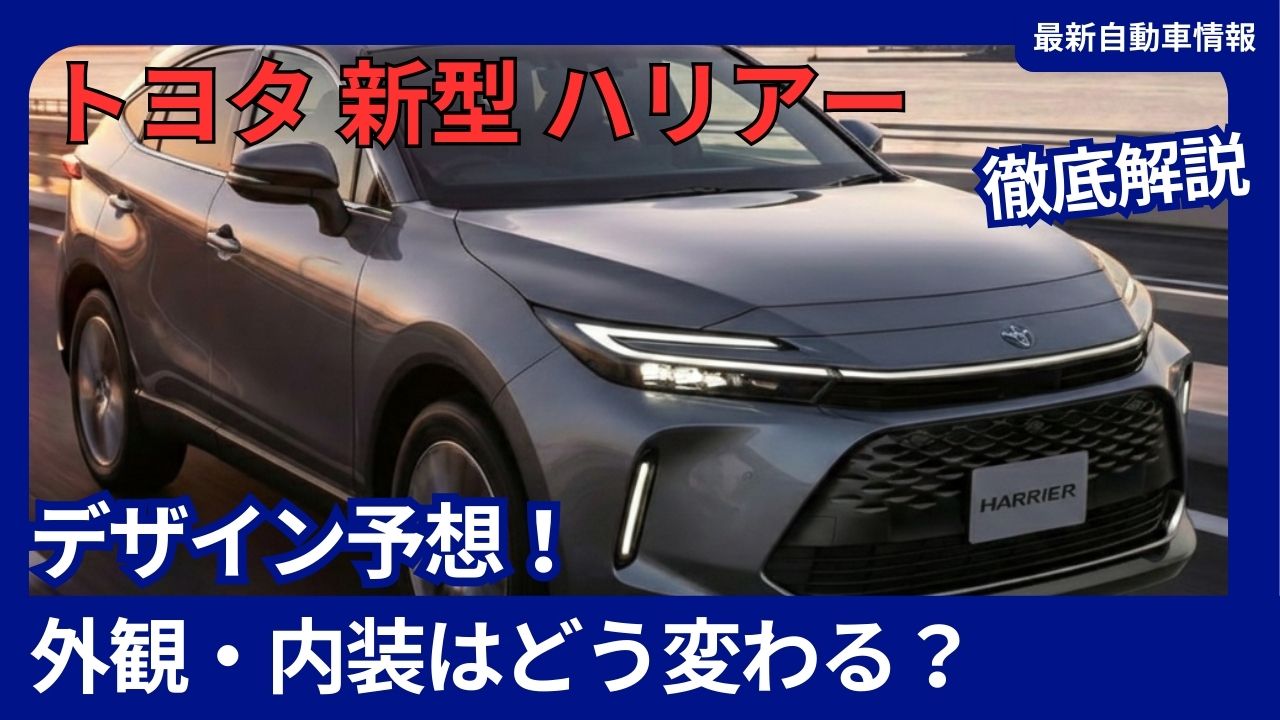
It has been revealed that Toyota’s popular luxury crossover SUV, the Harrier, will undergo a full model change in 2027. Seven years have passed since the current fourth-generation model was released in June 2020, and it will finally evolve into the fifth generation.
Toyota’s new 5th generation Harrier will be released in 2027
Following Toyota’s new-generation engine development strategy announced in May 2024, the next-generation Harrier is expected to feature an innovative powertrain and advanced design. In this article, we’ll thoroughly predict how the exterior and interior design of the new Harrier will change based on the latest information.
Predictions for the evolution of the new Harrier exterior design
The coupe-like silhouette is even more refined.
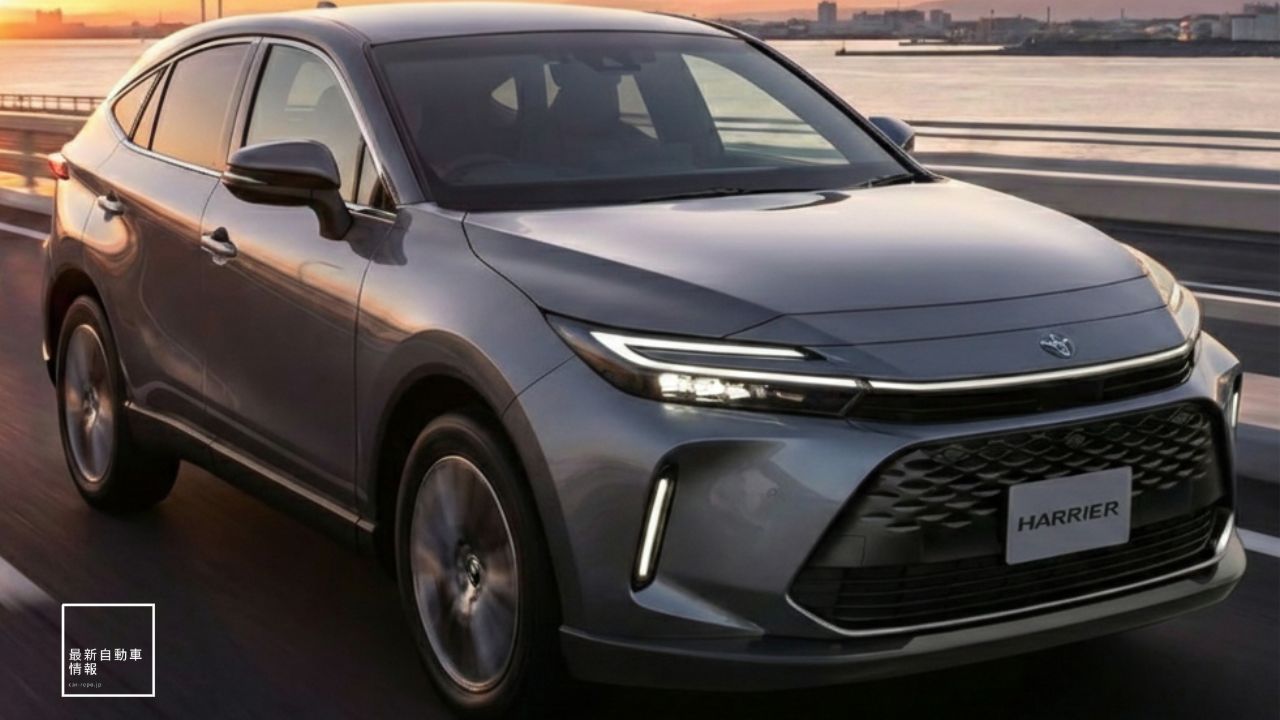
The exterior design of the next-generation Harrier is expected to further evolve from the current model’s coupe-like styling. The adoption of a new-generation powertrain will enable the hood to be positioned lower, resulting in sportier and more elegant proportions.
Expected exterior design features:
- Low and wide stance : Wider overall width and a low center of gravity design that hugs the ground
- Thin headlights : Sharp look with the latest LED technology
- Sloping roofline : further emphasis on the coupe-SUV character
- Three-dimensional body surface : Sculpted surface structure for aerodynamic performance
- Wide front grille : A bold face that incorporates Toyota’s latest design language
Estimated body size
It is expected to be slightly larger than the current model:
- Total length : 4,750mm (current: 4,740mm / +10mm)
- Overall width : 1,860mm (current: 1,855mm / +5mm)
- Overall height : 1,640mm (current: 1,660mm / -20mm)
- Wheelbase : 2,710mm (current: 2,690mm / +20mm)
The package is expected to achieve a high level of compatibility between conflicting requirements: lowering the overall height by 20mm emphasizes the coupe-like form, while extending the wheelbase ensures interior space.
Significant improvement in aerodynamic performance
Improving aerodynamic performance is a key theme for the new Harrier. The adoption of a new-generation powertrain allows the hood to be set low, reducing air resistance at the front. Furthermore, optimization of the rear spoiler and underfloor will likely result in both fuel efficiency and high-speed stability.
Extensive range of exterior colors
To enhance its appeal as a premium SUV, new colors are expected to be added. In particular, the availability of deep metallic colors and two-tone colors may increase the options for expressing individuality.
Predictions for the evolution of the new Harrier interior design
The latest AI-enabled infotainment system
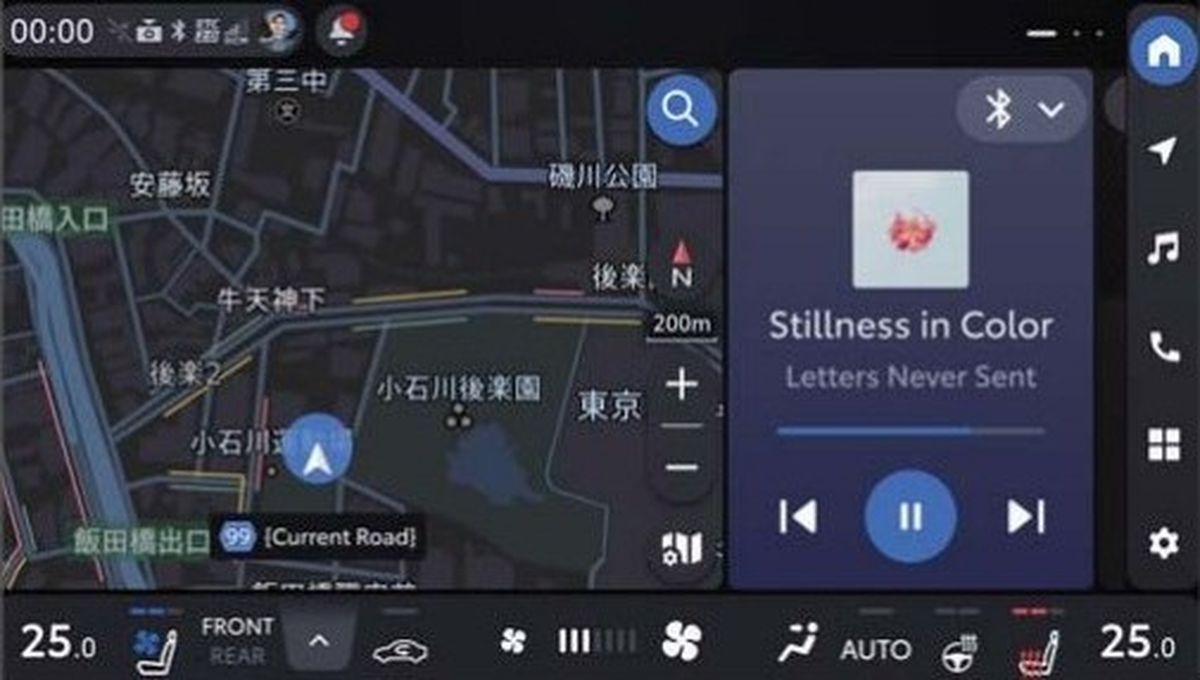
The most notable feature of the next-generation Harrier’s interior is the adoption of a new generation infotainment system that supports AI. The advanced voice recognition system allows the driver to operate various functions through natural conversation, greatly improving convenience while driving.
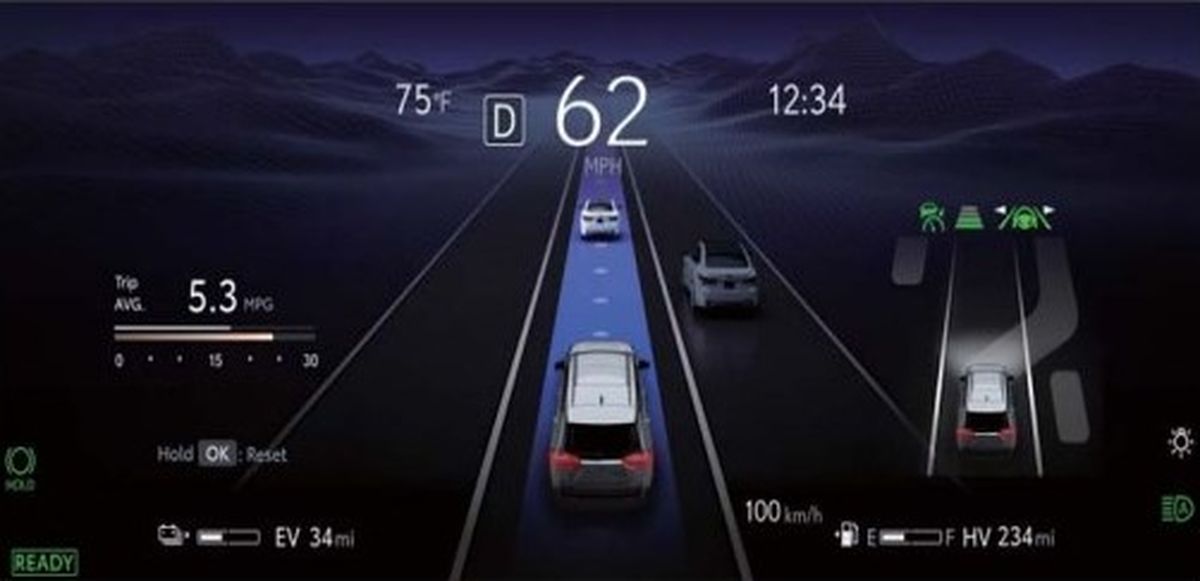
Expected interior features:
- Large digital meter cluster : 12.3-inch high-resolution display
- Center display : 14-inch or larger touchscreen
- Head-up display : Advanced display utilizing AR (Augmented Reality) technology
- AI voice assistant : Intuitive operation with ChatGPT-like conversational AI
- Wireless charging : Supports simultaneous charging of multiple smartphones
Improved texture and adoption of new materials
To enhance its value as a premium SUV, the interior quality will be improved:
- Genuine leather seats : High-quality semi-aniline leather is used for the higher grades
- Soft padding : The instrument panel and door trim are made of a material that feels good to the touch.
- Ambient Light : Mood lighting with 64 colors to choose from
- Real wood panels : Expanding options, including natural wood and aluminum
Improved livability
Improvements are expected regarding the rear seat comfort that has been criticized in the current model:
- Increased knee space : Extended wheelbase ensures more legroom in the rear seats
- Optimized head clearance : Designed to ensure headroom even in coupe form
- Extended rear seat reclining angle : Improved comfort on long drives
- Panoramic sunroof : An optional setting that creates a sense of openness
Improved usability of luggage space
Emphasis on practicality for everyday use and leisure:
- Increased capacity : Efficient packaging allows for increased payload capacity
- Low load floor : designed to make loading and unloading heavy items easier
- 60:40 split folding rear seats : Standard equipment for flexible space arrangement
The impact of new-generation powertrains on design
Adoption of a 1.5L inline 4-cylinder turbo engine
The biggest feature of the new generation engine announced in May 2024 is the downsizing from the conventional 2.0L and 2.5L engines to a 1.5L inline 4-cylinder turbo. This engine:
- 20% reduction in volume : compared to the conventional 2.5L naturally aspirated engine
- Overall height reduced by 15% : Realizes low center of gravity packaging
- Output is 180ps : improved from the previous engine
- Euro 7 compliant : Meets strict emission regulations from 2028 onwards
Design benefits
A compact powertrain offers the following design benefits:
- Lowered hood position : The front nose can be lowered, enabling sporty styling.
- Expanded interior space : The engine room has been made smaller, creating more cabin space.
- Optimized front-rear weight distribution : Achieving both dynamic performance and design freedom
- Maximizing the benefits of the TNGA-K platform : Improved driving stability through a lower center of gravity
Concerns and expectations for improvement
Concerns about body size expansion
In recent years, the trend for new car models has been to increase body size, but when considering the road conditions in Japan:
- Parking lot fit : Fits into shopping center parking spaces
- Maneuverability on narrow roads : Ease of driving in residential areas and tourist areas
- Understanding the vehicle’s feel : A size that is easy for female drivers and elderly people to handle
We expect Toyota to create a design that strikes a balance between premium feel and size.
A balance between coupe form and practicality
There are concerns that the priority on design will result in the sacrifice of rear seat comfort.
- Ensuring high ceiling : Sufficient headroom even with a coupe silhouette
- Ease of getting in and out : Ample rear door opening
- Visibility : Designed to not obstruct rear visibility
Changing the rear turn signal position
The visibility of the rear turn signals has been criticized on the current model, but we hope that the next model will see improvements. It would be desirable to place them in a more conspicuous position and use LEDs to improve visibility.
Predictions for the evolution of safety equipment
The latest version of Toyota Safety Sense
The new Harrier will come standard with the latest active safety package:
- Pre-crash safety : Pedestrian, bicycle, and motorcycle detection day and night
- Lane Tracing Assist (LTA) : Advanced lane keeping assistance
- Adaptive High Beam System (AHB) : Automatic high beam control
- Road Sign Assist (RSA) : Road sign recognition function
- Lane Departure Alert (LDA) : Lane departure warning
Expected new features
- Advanced Park : Advanced automatic parking assistance systems
- 360-degree camera : High-quality omnidirectional monitor
- Blind Spot Monitor (BSM) : Improved accuracy of blind spot monitoring
- SEA (Safe Exit Assist) : Detects and warns of vehicles approaching from behind
- Digital inner mirror : Always ensure rear visibility
Pricing Forecast
The new Harrier is expected to be priced higher than the current model due to the inclusion of the latest technology:
Expected price range:
- Gasoline turbo model : 3.5 million to 4.5 million yen
- Hybrid model : 4 million to 5.2 million yen
- Plug-in hybrid (PHEV) model : from 6 million yen
Considering that the starting price of the current model is 3,128,000 yen, the price is expected to rise by about 400,000 yen. However, considering the level of equipment included, cost performance will likely remain the same.
Grade composition forecast
The base configuration is expected to be similar to the current model:
- Entry grade (S) : Cost-effective with sufficient equipment
- Mid-grade (G) : A balanced model with substantial equipment and quality.
- High grade (Z) : Advanced equipment and luxurious interior
- Top grade (Z Leather Package) : Genuine leather seats and the finest texture
Comparison with competitors
Relationship with Lexus RX
The Harrier and RX were once sister cars, but are now completely independent. The next Harrier:
- Differentiated design : While the RX has the sophistication that is characteristic of Lexus, the Harrier pursues its own unique personality
- Clear price range divisions : Harrier starts at 3.5 million yen, RX starts at 6 million yen
- Differences in target demographic : Harrier is aimed at younger generations and users who prioritize practicality
Differentiation from the RAV4
The RAV4 shares the same TNGA-K platform:
- Design concept : While the RAV4 is an active SUV, the Harrier is an urban premium SUV
- Overall length and width : The Harrier is larger and has a more imposing appearance.
- Price difference : The Harrier is priced at about 300,000 yen more expensive
- Target : RAV4 for outdoor enthusiasts, Harrier for city dwellers
Domestic and foreign competitors
Competitors that the next Harrier will be aware of:
- Mazda CX-60 : Japanese premium SUV
- Nissan X-Trail : A popular mid-size SUV
- Honda ZR-V : A new SUV that’s attracting attention
- European premium brands : BMW X3, Mercedes-Benz GLC, Audi Q5, etc.
Release date and future schedule
Scheduled for release in December 2027
Considering that the current model was released in June 2020, a full model change every seven years is a reasonable cycle.
Expected schedule:
- 2025 : Possible minor changes (but no major changes)
- Fall 2026 : Teasers for the next model begin
- October 2027 : Official announcement
- December 2027 : Release date
Will there be minor changes in 2025?
The possibility of a major minor change in 2025, as some have speculated, is considered unlikely. The reasons are as follows:
- New generation powertrain : 1.5L turbo requires major design changes
- Platform : Possibly includes improvements to the TNGA-K
- Development resources : Focus on full model changes rather than minor changes
However, minor improvements (such as updated displays and the addition of special edition vehicles) may be implemented.
Harrier’s history and brand value
Pioneer of luxury crossover SUVs
Since its first appearance in 1997, the Harrier has pioneered the Japanese luxury crossover SUV market:
- First generation (1997-2003) : “A crossover that combines the ride quality and comfort of a luxury saloon”
- Second generation (2003-2013) : Improved environmental performance with the addition of a hybrid model
- 3rd generation (2013-2020) : Completely independent from Lexus RX
- 4th generation (2020-present) : A new era with a coupe-like design
Brand Identity
The Harrier’s brand value is:
- Urban sophistication : sportiness meets elegance
- Premium feel : A luxurious feel that exceeds the price
- Optimized for the Japanese market : Designed with a thorough understanding of Japanese user needs
- Status symbols : the joy of owning something
Summary: Expectations for the new 2027 Harrier
The new Toyota Harrier, scheduled to be released in 2027, is expected to undergo major evolution in the following areas:
Appearance design:
- Sporty styling with a low and wide stance
- Sculpted body design that pursues aerodynamic performance
- Low hood position thanks to new-generation powertrain
Interior design:
- The latest AI-enabled infotainment system
- High-quality interior space made with plenty of premium materials
- Improved rear seat comfort and usability of luggage space
Technological innovation:
- New generation 1.5L inline 4-cylinder turbo engine
- High efficiency hybrids and PHEVs
- The latest safety equipment and driving assistance systems
Concerns:
- Moderate expansion of body size (taking into consideration Japanese road conditions)
- A balance between coupe form and practicality
- Balance between price increase and equipment enhancement
As Toyota’s proud premium SUV, the new Harrier will inherit its traditions while also ushering in a new era with its innovative technology and design. With two years left until the official announcement, expectations are high for further information.
Related articles: