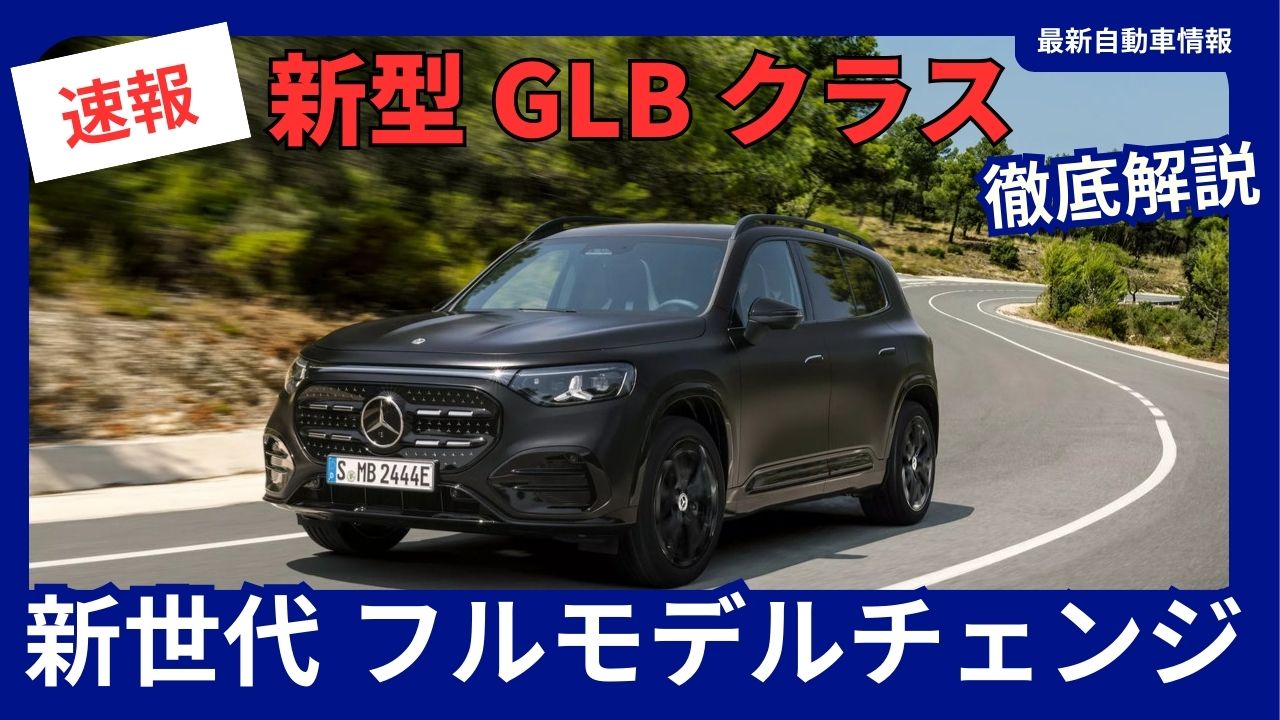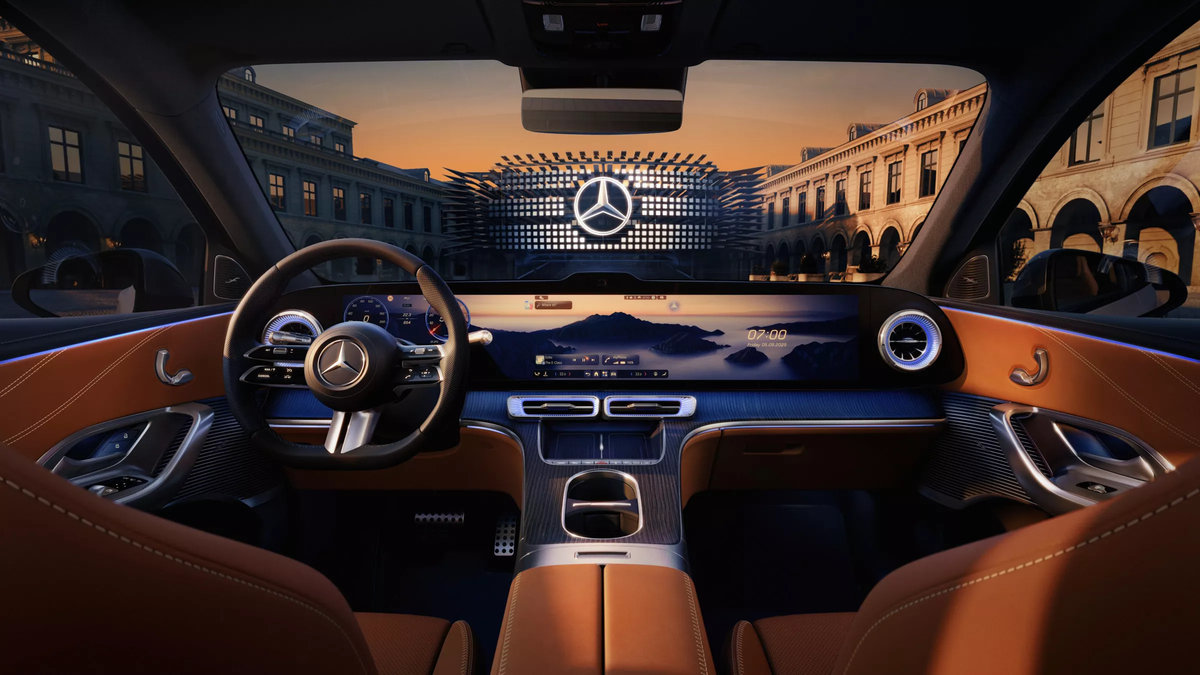

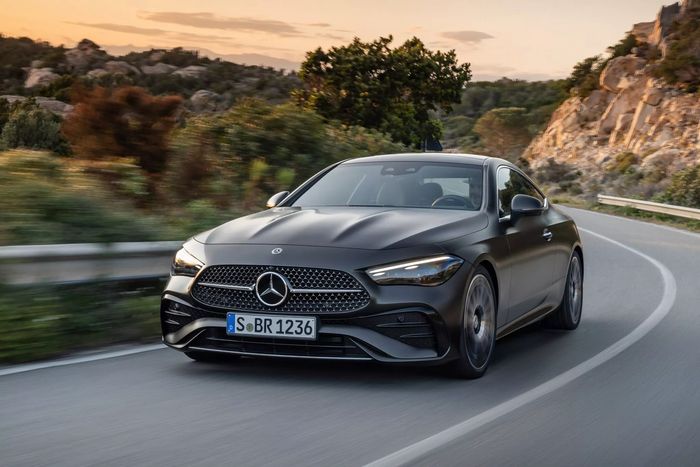
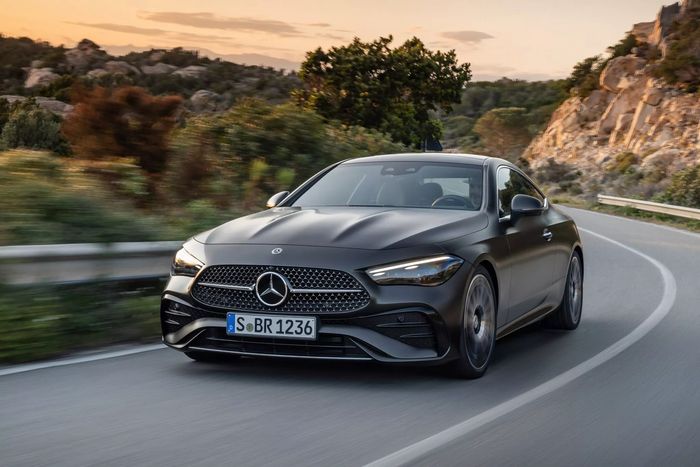
In February 2024, Mercedes-Benz announced that it would continue selling and developing internal combustion engine vehicles into the 2030s . This represents a major shift from its original goal of making all of its vehicle models electric vehicles (EVs) by 2030. We explain the background to Mercedes-Benz’s decision and the direction of its future engine development.
Engine development from the 2030s onwards
Mercedes-Benz is actively promoting the shift to EVs, and in 2022 announced plans to make all new cars sold in major markets electrified by 2025. However, while the shift to EVs accelerates, Mercedes-Benz will continue to develop internal combustion engine vehicles into the 2030s and beyond, while also actively engaging in research and development of next-generation fuels such as synthetic fuels and biofuels. Advances in the development of next-generation fuels are expected to further improve the environmental performance of internal combustion engine vehicles.
Current status and challenges of the EV market
In recent years, the automotive industry has been accelerating its shift to electric vehicles (EVs) . The European Union (EU) has decided to ban the sale of new gasoline and diesel vehicles by 2035, and environmental regulations are being strengthened around the world. The EV market is growing rapidly, and many automakers are accelerating their shift to EVs. However, the EV market still faces several challenges.
Charging infrastructure development is not keeping up
The development of charging infrastructure is essential for the widespread adoption of EVs. However, the current charging infrastructure is insufficient, which is hindering the widespread adoption of EVs.
EV vehicle prices are high
EVs have higher development costs than internal combustion engine vehicles, which could lead to higher EV prices and discourage consumers from purchasing them.
Battery range is short
The current range of EVs is still shorter than that of gasoline-powered vehicles, making them unsuitable for long-distance travel, and is a factor limiting the widespread adoption of EVs.
Charging time
Charging an EV takes longer than refueling a gasoline vehicle. Charging can be done in a shorter time using a quick charger, but the number of quick chargers installed is still limited.
Battery disposal issues
The batteries used in EVs must be disposed of when they reach the end of their lifespan, but methods for battery disposal have not yet been established, posing an environmental problem.
Unless these issues are resolved, it will be difficult for EVs to replace all vehicle types.
Mercedes-Benz Strategy
Mercedes-Benz recognizes the challenges in the EV market and will respond to market changes by offering a variety of powertrains tailored to customer needs.
Specifically, we will develop and provide the following three powertrains.
- Electric vehicles: Expanding the EQ model range to 10 models by 2025
- Hybrid vehicles: Expanding 48V mild hybrid systems and plug-in hybrid systems
- Internal combustion engine vehicles: Developing highly efficient engines that meet the latest environmental standards
summary
Mercedes-Benz is aware of the challenges facing the EV market and intends to respond to market changes by offering a variety of powertrains tailored to customer needs. By continuing to develop internal combustion engine vehicles into the 2030s and beyond, and actively engaging in research and development of next-generation fuels, the company will provide vehicles that combine environmental friendliness with driving performance.