

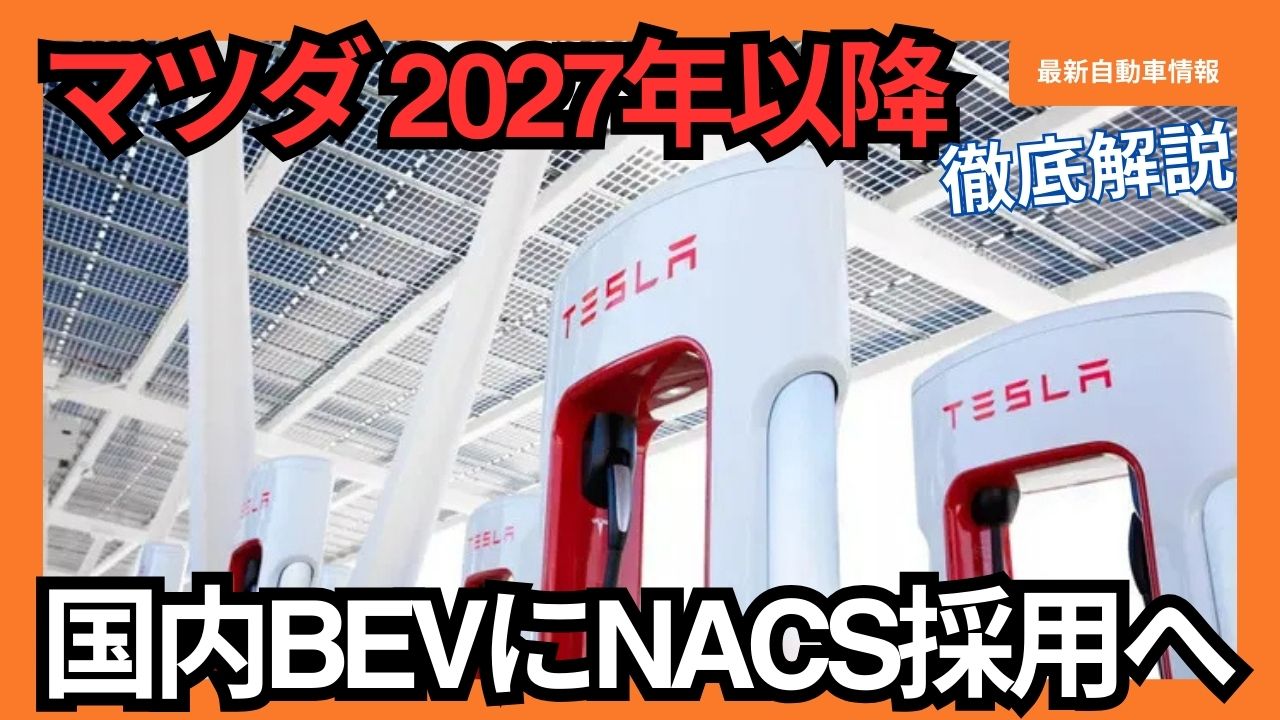
On May 9, 2025, Mazda Motor Corporation announced an important step in its electric vehicle (BEV) strategy: an agreement with Tesla to adopt the North American Charging Standard (NACS) developed by the company for charging ports on battery EVs sold in Japan from 2027 onward. This decision aims to significantly increase charging options and improve convenience for Japanese EV users. By adopting NACS, Mazda BEV owners will be able to use Tesla’s domestic “Supercharger” fast charging network. In the future, they will also be able to use other existing charging standards via adapters. This article delves deeper into the background, significance, and future outlook for how Mazda’s adoption of NACS will transform Japan’s EV market, charging infrastructure, and user experience.
Mazda officially announces adoption of NACS for domestic BEVs – transformation from 2027 onwards
This announcement shows that Mazda is placing importance on improving the charging experience for its customers. Specifically, new battery EVs launched in the Japanese market from 2027 onwards will be equipped with NACS-compatible charging ports.
Reference: Mazda news release
Background and purpose of adopting NACS: Improving convenience based on “people-centered” values
Our agreement with Tesla is not simply a technical one: adopting a charging standard. It is a strategic decision based on a customer-centric perspective, with the goal of ensuring hassle-free use of charging infrastructure for users in the expanding EV market. Mazda places the continual evolution of driving pleasure at the core of its corporate philosophy, based on its people-centered values. The adoption of NACS is positioned as an initiative that aligns with our goal of creating thrilling mobility experiences in customers’ daily lives and delivering the joy of living. Improving the convenience of charging infrastructure is a key factor in the widespread adoption of EVs, and Mazda’s decision has the potential to accelerate the shift to EVs in Japan.
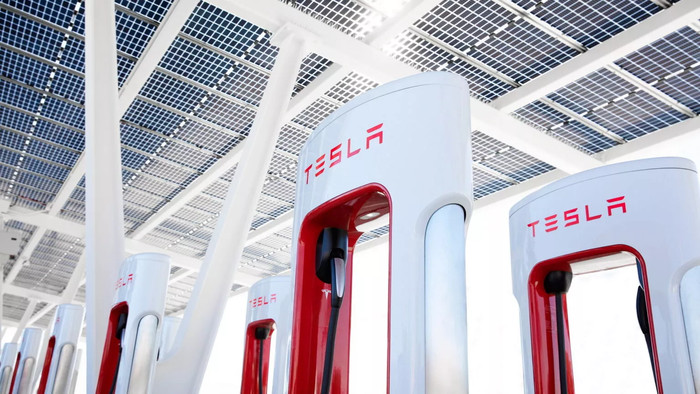
What is the North American Charging Standard (NACS)? Its Features and Current Status
NACS (North American Charging Standard) is a charging standard originally developed and operated by Tesla for its own electric vehicles.

NACS
Tesla’s NACS – Compact and powerful
Its greatest features are that it has a compact, easy-to-use connector shape, yet supports both standard charging and rapid charging with the same port, and is capable of high-output rapid charging. For many years, Tesla has been actively expanding its own rapid charging network, “Superchargers,” that is compatible with NACS, mainly in North America and around the world, providing a comfortable charging environment for its users.
Rapid standardization in North America and its impact on the Japanese market
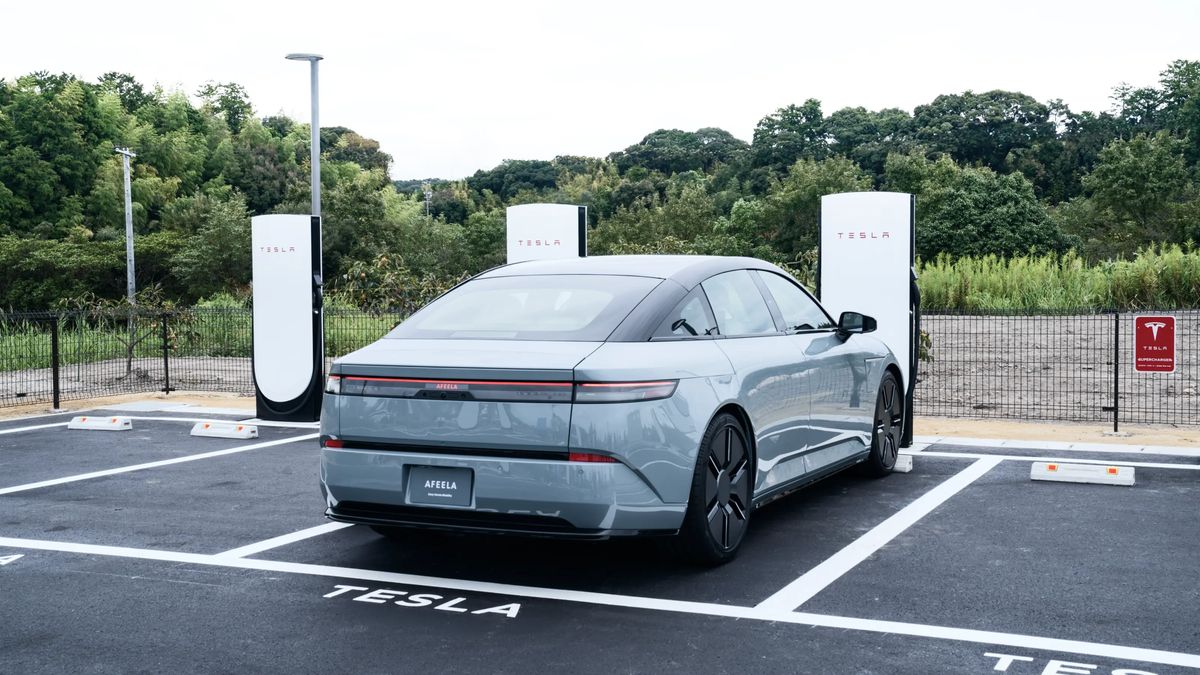
While initially a standard exclusive to Tesla, the situation changed dramatically when Tesla released the specifications in November 2022 and called on other companies to adopt NACS. Major automakers, including Ford, GM, Rivian, Volvo, Mercedes-Benz, Nissan, and Honda, have announced their adoption of NACS in the North American market, and NACS is rapidly establishing itself as the standard in North America. This is due to the high praise it has received for the ease of use of the NACS connector, the reliability and breadth of the Supercharger network, and the smooth charging experience (such as the plug-and-charge function). Until now, the CHAdeMO standard has been the mainstream for fast charging in Japan, but Mazda’s adoption of NACS will create a new option.
Specific benefits of adopting NACS for Mazda EV users
Mazda’s adoption of NACS will bring a wide range of benefits to future BEV owners.

Access to Tesla Supercharger Network and Enhanced Charging Experience
The greatest benefit is undoubtedly access to the “Supercharger” network that Tesla is developing nationwide. As of May 2025, Tesla Superchargers are being installed in increasing numbers, primarily in urban areas and along major roads. Many of these have high power output, enabling quick charging times. This is expected to significantly reduce concerns about charging during long-distance trips. While issues with conventional public chargers have been noted, such as charger malfunctions, waiting times due to previous users, and longer-than-expected charging times due to low charging power, Tesla Superchargers are highly regarded for their relatively high uptime and stable charging performance. Furthermore, the NACS connector is smaller and lighter than the CHAdeMO connector, which is expected to improve operability during charging. This could provide a more user-friendly charging experience for those with limited strength or the elderly.
Adapter ensures compatibility with existing charging standards
In its announcement, Mazda stated that it will be possible to use charging standards other than NACS by using an adapter. This means that existing CHAdeMO chargers and chargers based on the widely used J1772 standard for regular charging can continue to be used, meaning that users’ options for charging locations will expand rather than narrow. Flexibility to accommodate diverse charging infrastructure is especially important during this transitional period. In the future, we can expect the development of more sophisticated user interfaces and linked apps that allow users to seamlessly perform everything from searching for charging spots to charging and payment.
The current state of EV charging infrastructure in Japan and NACS’s contribution
Mazda’s adoption of NACS could also have a major impact on Japan’s EV charging infrastructure.
Domestic infrastructure centered on the CHAdeMO standard and user challenges
Japan’s rapid charging infrastructure for electric vehicles has been developed primarily around the CHAdeMO standard promoted by the CHAdeMO Association under the leadership of the Ministry of Economy, Trade and Industry. As a result, the number of chargers installed is among the highest in the world. However, from the user’s perspective, several issues have become apparent. These include uneven placement of chargers, many with low charging output per vehicle, long charging times, frequent breakdowns due to inadequate maintenance, and a complicated charging card authentication system. Charging congestion, particularly at highway service areas and parking areas, is a major concern for EV users.
The introduction of NACS may encourage diversification of charging infrastructure and intensify competition
Given these circumstances, Mazda’s decision to adopt NACS could have a significant impact on Japan’s charging infrastructure. Tesla’s Supercharger network has already attracted the attention of many EV users due to its ease of use and fast charging speed. Accessing this network for Mazda vehicles could increase Supercharger usage, potentially providing Tesla with an incentive to recoup its infrastructure investment and further expand its network. Furthermore, NACS’s developments will be important for other domestic automakers and charging infrastructure operators. It could also spark discussions on coexistence with the CHAdeMO standard or on future standardization of charging standards. While increasing the number of charging standard options is generally welcome from a consumer perspective, cooperation to avoid confusion due to a proliferation of standards and efforts to enhance interoperability are also important.
Integrating Mazda’s electrification strategy with a people-centered philosophy
The adoption of NACS can be seen as the result of a deep connection between Mazda’s electrification strategy and corporate philosophy.
Multi-solution strategy and the positioning of BEVs
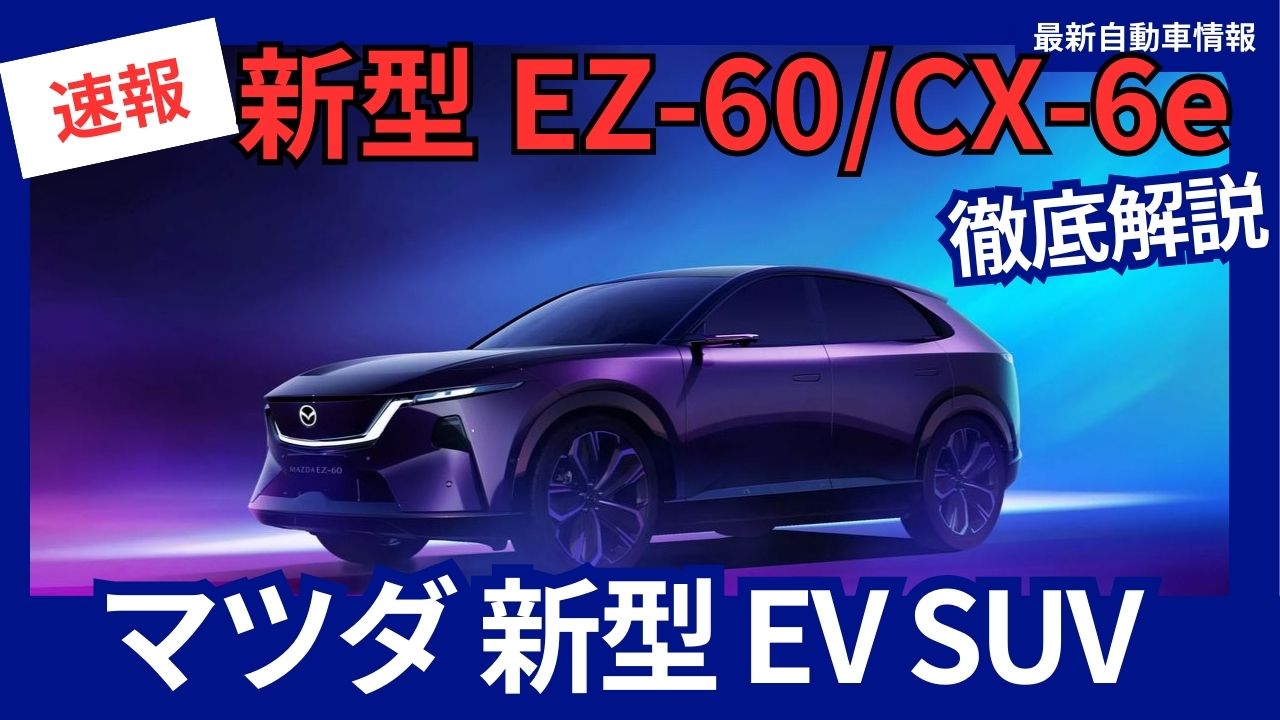
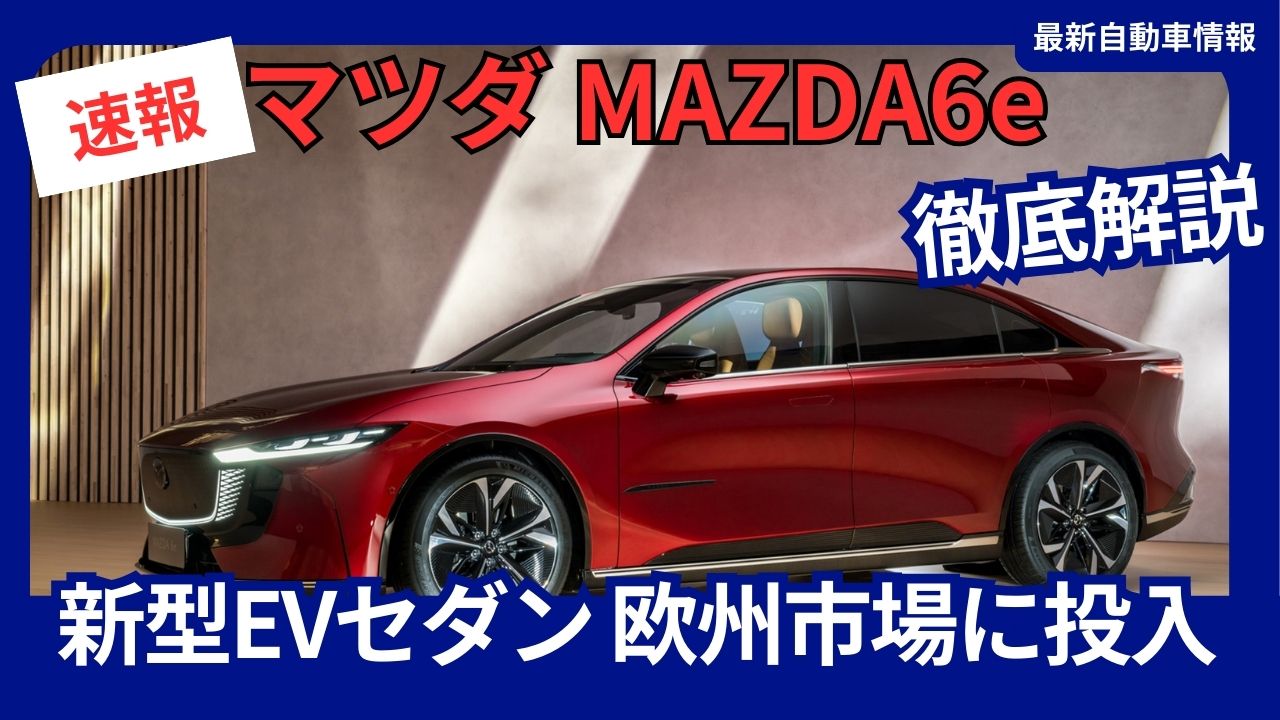
Mazda has long promoted its unique “Multi-Solution Strategy,” pursuing the possibilities of various powertrains, including not only battery electric vehicles (BEVs), but also plug-in hybrids (PHEVs), hybrids (HEVs), and highly efficient internal combustion engines, in order to respond to the diverse energy situations and customer needs of each region. Among these, BEVs are positioned as an important option, and the MX-30 EV model sold in Europe is a good example. The adoption of NACS can be seen as a stepping stone to fully accelerating this BEV strategy in Japan. There has been much speculation in the market about the upcoming release of the Mazda6e, as well as the new EVs announced overseas, such as the EZ-60 and CX-6e, and whether they will adopt NACS. This announcement is sure to further heighten that excitement.

MX-30 e-SKYACTIV R-EV
Adoption of NACS and realization of “the joy of driving” and “the joy of living”
Mazda’s “human-centered” values, which are at the core of its corporate activities, go beyond simply pursuing the joy of driving. They are a more comprehensive philosophy that aims to enrich people’s lives through cars, bring excitement to their transportation experiences, and ultimately provide the “joy of living.” The EV charging experience is a prime example of this human-centered approach. If charging is cumbersome, time-consuming, and stressful, the appeal of an EV is halved, no matter how excellent its driving performance. Providing access to a smoother, more reliable charging environment through the adoption of NACS directly enhances everyday convenience for users and improves the quality of their EV life. This is an important step toward realizing Mazda’s vision of “creating exciting transportation experiences in the everyday lives of our customers and delivering the ‘joy of living.'” It will be interesting to see how this “human-centered” charging experience evolves as Mazda expands its BEV lineup.
Global trends in charging standards and the rise of NACS – Implications for the Japanese market
Global trends in charging standards are also thought to have influenced Mazda’s decision.
Current status of global charging standards and movement toward standardization
Globally, electric vehicle charging standards are dominated by several major standards, each with its own regional presence. While Tesla’s NACS is rapidly becoming the standard in North America, CCS1 (Combined Charging System Type 1) was also widely adopted before that. CCS2 is mainstream in Europe, while China has adopted its own GB/T standard. Japan has led the way with the CHAdeMO standard. These differences in charging standards between regions and manufacturers have been a challenge for the global expansion of EVs and user convenience. Compatibility with charging infrastructure is particularly important when traveling abroad or importing and exporting vehicles.
NACS’s international influence and its ripple effects on Japan
The rapid spread of NACS in North America is due in part to the excellent connector design, the extensive Supercharger network, and Tesla’s clever open-source strategy. This has made it easier for many manufacturers to join the NACS ecosystem, creating economies of scale. This trend is beginning to influence other regions and may accelerate discussions toward future convergence and standardization of charging standards. Mazda’s decision to adopt NACS in Japan is not unrelated to this global trend. While CHAdeMO has traditionally dominated the Japanese market, for automakers operating globally, adopting a standard that could become a global standard offers benefits in terms of development cost efficiency and parts standardization. Furthermore, considering the need for international tourists to drive EVs in Japan and for foreign residents in Japan to use charging methods familiar to their home countries, the availability of an internationally recognized standard like NACS in Japan is of great significance. It will be very interesting to see how Mazda’s decision will affect the strategies of other domestic manufacturers and how it will reshape the future of charging standards in Japan. In the long term, the ideal situation would be to create an environment where users can charge more seamlessly, regardless of whether they are in Japan or overseas. To achieve this, technological development to increase compatibility between standards and international cooperation will be even more important.
Challenges associated with adopting NACS and future initiatives expected of Mazda
While adopting NACS is expected to bring many benefits, there are also some challenges.
Vehicle development, adapter supply, and operational rules
First, Mazda must complete the design and development of vehicles compatible with NACS by the 2027 launch date. This involves not only the physical installation of charging ports, but also numerous technical aspects, such as the communication protocol between the vehicle and the charger and ensuring safety. While Mazda also plans to enable the use of other charging standards, such as the existing CHAdeMO standard, via an adapter, the specifications, price, and availability (standard equipment or optional equipment, for example) of this adapter are crucial factors that directly affect user convenience. If the adapter is large, expensive, or difficult to obtain, its benefits will be diminished. Development and supply of user-friendly and reliable adapters is essential. Furthermore, Tesla’s Supercharger network has primarily been developed for Tesla owners. As Mazda vehicles and other NACS-equipped vehicles from other companies use this network, we await clear disclosure of details regarding charging pricing, the availability of a reservation system, and priority during peak hours. It is essential that Tesla, Mazda, and in the future other manufacturers that adopt NACS, establish smooth operational rules and create an environment that is fair and comfortable for all users.
Collaboration with charging infrastructure providers and expectations for the creation of a domestic NACS environment
Another point to watch is whether NACS-compatible public charging infrastructure will expand beyond Tesla Superchargers. Future infrastructure development trends will determine the extent to which NACS will become widespread, including whether other charging service providers will be incentivized to install NACS-compatible chargers, or whether they will replace or be installed alongside existing CHAdeMO chargers. Mazda is expected to not only provide vehicles, but also actively work with charging infrastructure providers and relevant government agencies to create an environment in which NACS can be used smoothly throughout Japan.
Combining Mazda’s “driving pleasure” with the charging experience of the electrified era
Mazda’s core value of “driving pleasure” remains inseparable from the charging experience, even in the era of electrification.
Improving the quality of EV travel by reducing charging stress
Mazda’s consistent pursuit of “driving pleasure” remains fundamental, whether it’s a gasoline-powered vehicle or an electric vehicle. A driving experience that makes the driver and vehicle one, dynamic performance that can be controlled at will, and reliability that allows for comfortable long-distance travel—these are values Mazda will continue to uphold, even in the era of electrification. To achieve this “driving pleasure” with an EV, the quality of the charging experience is crucial. No matter how great an EV’s performance, true “driving pleasure” cannot be achieved if charging is cumbersome, time-consuming, or causes anxiety. Adopting NACS is one concrete way to improve this charging experience. Tesla’s Supercharger network has earned a solid reputation for its convenience and reliability. Making it available to Mazda users will make long-distance driving easier and reduce charging stress. This will ultimately make EV travel more enjoyable and contribute to enhancing the value of the “driving pleasure” experience that Mazda strives to provide.
Expectations for a charging experience unique to Mazda, based on human-centered design
Furthermore, with the compactness of the NACS connector and the future widespread adoption of technologies like the even more seamless “Plug and Charge” (a function that automatically authenticates and starts charging by simply connecting to a charger), the act of charging itself could evolve into something smarter and stress-free. By applying the human-centered design philosophy that Mazda has cultivated to date to every aspect of charging, including the placement and operability of the charging port and its integration with the in-car infotainment system, we hope to see Mazda create a uniquely comfortable charging experience that sets it apart from other companies. This will not simply demonstrate technological superiority, but also reflect a spirit of “omotenashi” (hospitality) that is sensitive to the user’s emotions and allows them to truly enjoy the EV life.
The role of charging standards in the electrification strategies of Japanese automakers
Mazda’s decision could have an impact on other domestic manufacturers.
Coexistence with CHAdeMO or following in NACS’ footsteps? Japanese manufacturers at a crossroads
Mazda’s adoption of NACS may also influence the electrification strategies of other Japanese automakers, particularly their stance on charging standards. Until now, Japanese automakers have promoted the CHAdeMO standard and have been deeply involved in developing the country’s charging infrastructure. However, in the North American market, Nissan and Honda have also shifted their focus to NACS, making the choice of charging standard more complex from a global perspective. Within the Japanese domestic market, CHAdeMO remains the dominant standard, and a sudden switchover would be difficult given existing EV users and charging infrastructure assets. However, with a domestic manufacturer like Mazda deciding to adopt NACS, it may be that a future era in which multiple charging standards coexist or even compete within Japan will arrive.
The need for multifaceted consideration of charging standard strategies
While this offers users the benefit of increased options, it also necessitates industry-wide cooperation to avoid drawbacks such as the hassle of finding charging locations and compatibility issues between standards. Each automaker must formulate an optimal charging standard strategy, taking into consideration its global strategy, target customer demographics, and the direction of technological development. In doing so, it will be important to take a broader approach that goes beyond simply selecting the charging port hardware, including software development to improve the overall quality of the charging experience, collaboration with charging service providers, and integration with energy management systems. Mazda’s decision may serve as a catalyst for stimulating such discussions in Japan.
Future charging infrastructure for a sustainable mobility society
Charging infrastructure is an essential element in realizing a sustainable mobility society.
Utilizing renewable energy and linking it with advanced technologies such as V2G
The widespread adoption of electric vehicles is one of the key pillars toward achieving carbon neutrality, and its success depends heavily on the state of the charging infrastructure. Mazda’s adoption of NACS is noteworthy as a move to expand charging infrastructure options, but from a broader perspective, the charging infrastructure itself must also evolve to realize a sustainable mobility society. In the future, charging systems that maximize the use of renewable energy, the integration of EV batteries into the power grid through Vehicle-to-Grid (V2G) technology, and the leveling of power demand through smart charging will likely become even more important. The selection of charging standards should also take into account compatibility with these future energy systems. It will be interesting to see how standards such as NACS, CHAdeMO, and CCS will respond to these advanced energy management functions.
Realizing a universal charging environment that is rich in both quality and quantity
Furthermore, when developing charging infrastructure, it is necessary not only to increase the number of charging stations, but also to optimize installation locations, increase power output, improve reliability, and introduce universal design that is easy for everyone to use. Creating an environment where EVs can be used safely not only in urban areas but also in rural and depopulated areas is essential for the true spread of EVs. The key to realizing a sustainable mobility society will be collaboration between automakers, including Mazda, charging infrastructure operators, and national and local governments to promote a charging infrastructure strategy with a long-term perspective. We hope that Mazda’s adoption of NACS will deepen this wide-ranging discussion and help build a better charging infrastructure for the future.
A word from the editorial department
Mazda’s adoption of NACS is an important decision that will have a significant impact on Japan’s EV market. Mazda’s decision to adopt the NACS charging standard for BEVs sold domestically from 2027 onward is not merely a change in technical specifications; it is a strategic move with the potential to revolutionize Japan’s electric vehicle market and user experience. At the heart of this decision is Mazda’s consistently upheld “human-centered” values, which prioritize customer convenience and demonstrate its strong commitment to making the EV charging experience more comfortable and stress-free. Access to the proven fast-charging infrastructure of Tesla’s Supercharger network will be a clear benefit for customers choosing Mazda BEVs. This is expected to reduce charging anxiety during long-distance trips and greatly expand the range of EV use. Furthermore, the flexibility to support existing charging standards via an adapter will ease user concerns during the transition period and actually expand charging infrastructure options.
A future mobility lifestyle guided by people-centered values
The adoption of NACS could influence Japan’s charging infrastructure and the strategies of other automakers, further accelerating the country’s shift to EVs. Of course, the introduction of a new standard will entail challenges, such as vehicle development, adapter availability, and the establishment of charging network operational rules. However, if Mazda tackles these challenges diligently and continues to pursue the “joy of driving” and “joy of living” in the electrified era, users will be able to enjoy a more fulfilling EV experience. This announcement reaffirms Mazda’s full commitment to the BEV market, and its developments will be closely watched. Looking ahead to the specific launch date of 2027, we look forward to seeing what kind of “people-centered” charging solutions Mazda will propose, and how they will create a new and exciting transportation experience for Japanese EV users, along with the rumored new EVs such as the MAZDA6e, EZ-60, and CX-6e . This is Mazda’s promise to future EV users to enjoy a more convenient and enjoyable mobility life.
Mazda