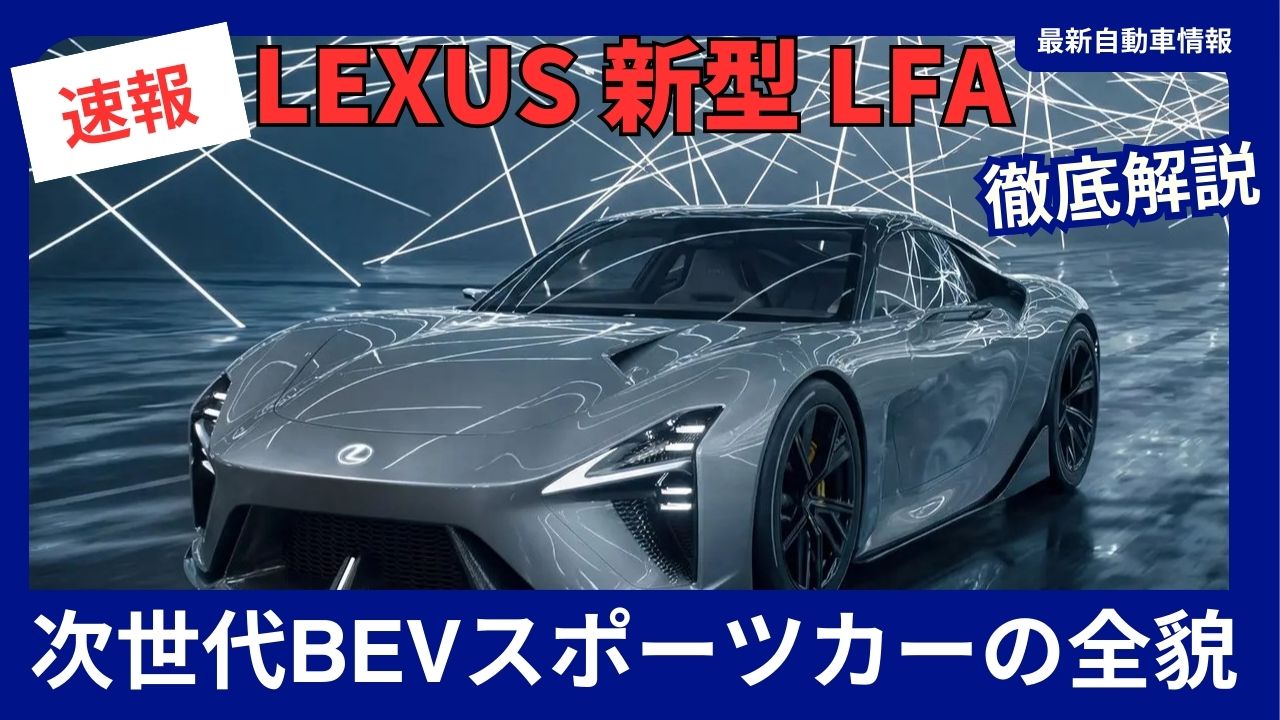

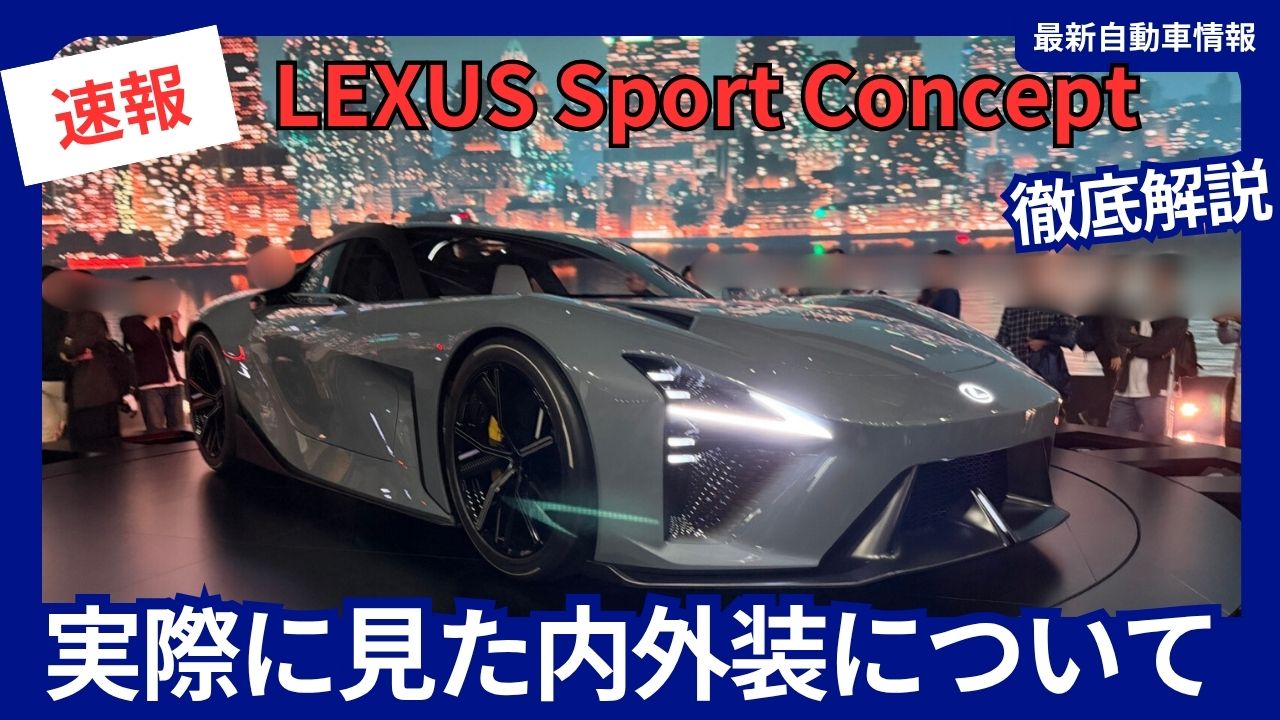
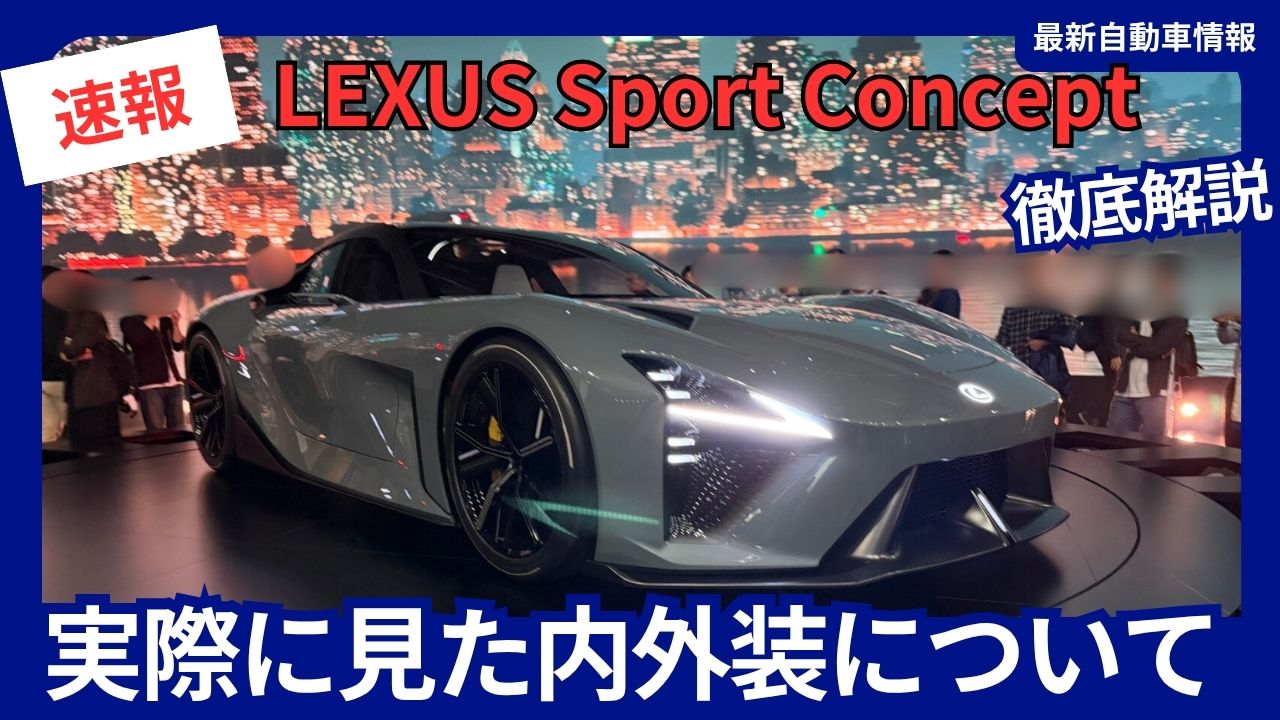
The Lexus Sport Concept , which Lexus unveiled for the first time in the world at the Japan Mobility Show 2025, is attracting a lot of attention as the successor to the legendary LFA supercar. After checking out the details at the actual exhibition venue, we were impressed by its design philosophy and technological innovation. In this article, we will thoroughly explain the appeal of the interior and exterior, as well as its good and bad points, based on what we saw in person.
What is the LEXUS Sport Concept? Basic specifications and concept
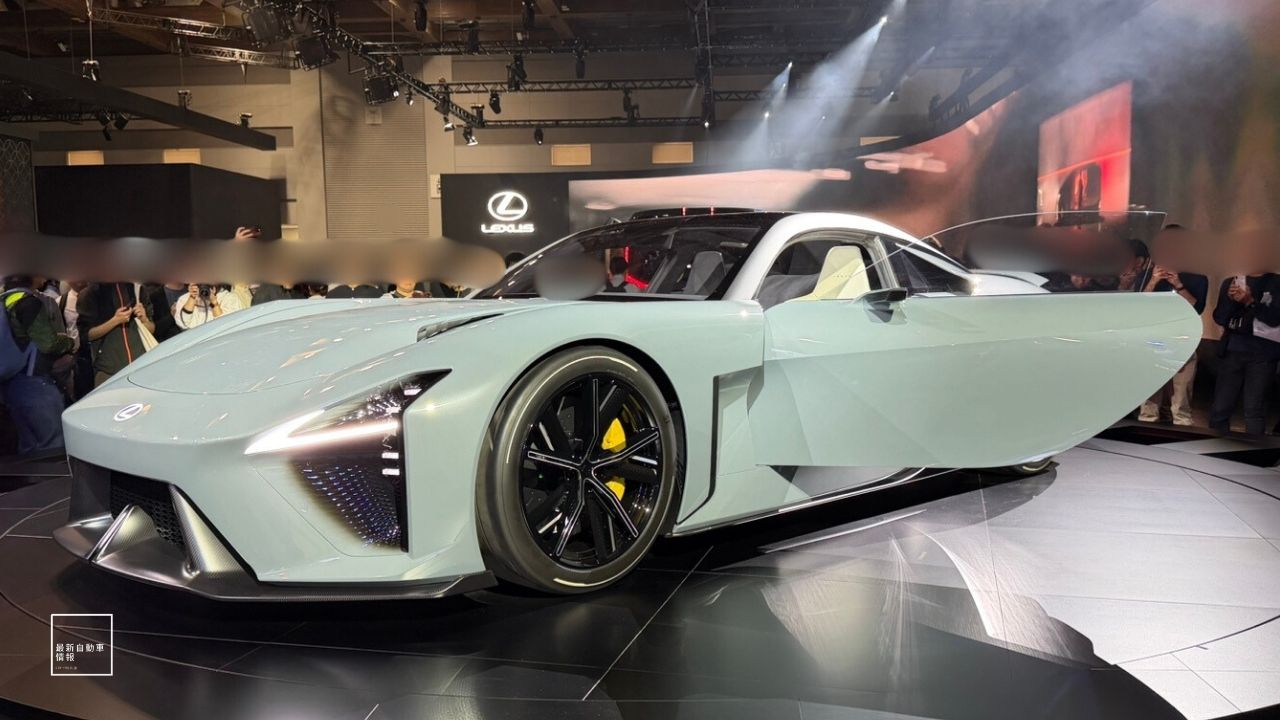
Debuted as the legitimate successor to the LFA
The LEXUS Sport Concept is a next-generation model that inherits the spirit of the legendary LFA supercar, which was produced in a limited run of only 500 units from 2010 to 2012. The actual car was unveiled for the first time at the Japan Mobility Show 2025 as an evolved version of the Lexus Electrified Sport, which was announced in December 2021.
Powertrain Features
The most notable feature is the adoption of a battery electric vehicle (BEV) system , which sets it apart from the 4.8L V10 naturally aspirated engine that was previously fitted to the LFA, and presents a new era of sports cars through its fully electrified design.
Expected specs:
- Acceleration from 0 to 100 km/h: Approximately 2 seconds (figures at the time of the Lexus Electrified Sport’s release)
- Cruising range: Approximately 700 km
- Drive system: FR (front engine, rear drive) layout continues
- Maximum output: Expected to be over 500 horsepower
According to Toyota’s official announcement , the model is positioned as the core of the Lexus brand’s electrification strategy.
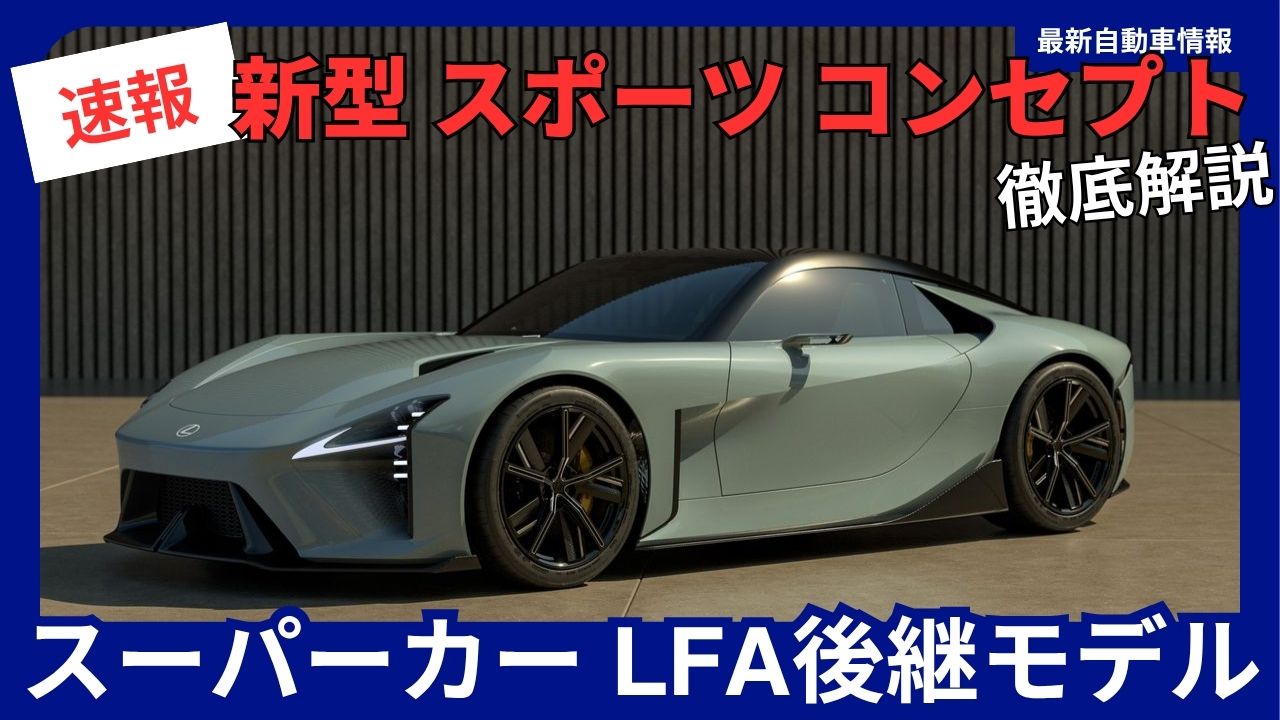
[Exterior] Actual impression and attractive design points
Overwhelming presence and evolution of the spindle body
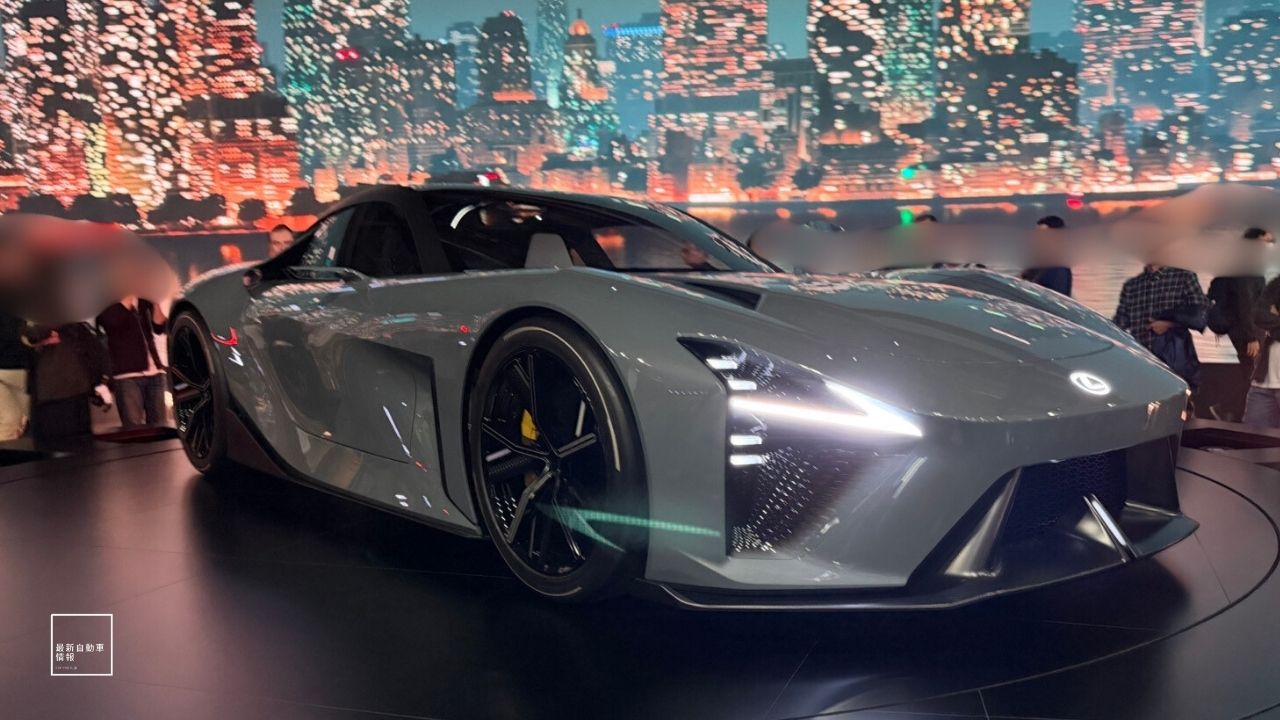
The moment I saw the actual car, I was taken aback by its overwhelmingly low center of gravity . Its overall length is estimated to be around 4,000 to 5,000 mm, achieving even more modern proportions than the LFA.
Front design: New generation “L” signature
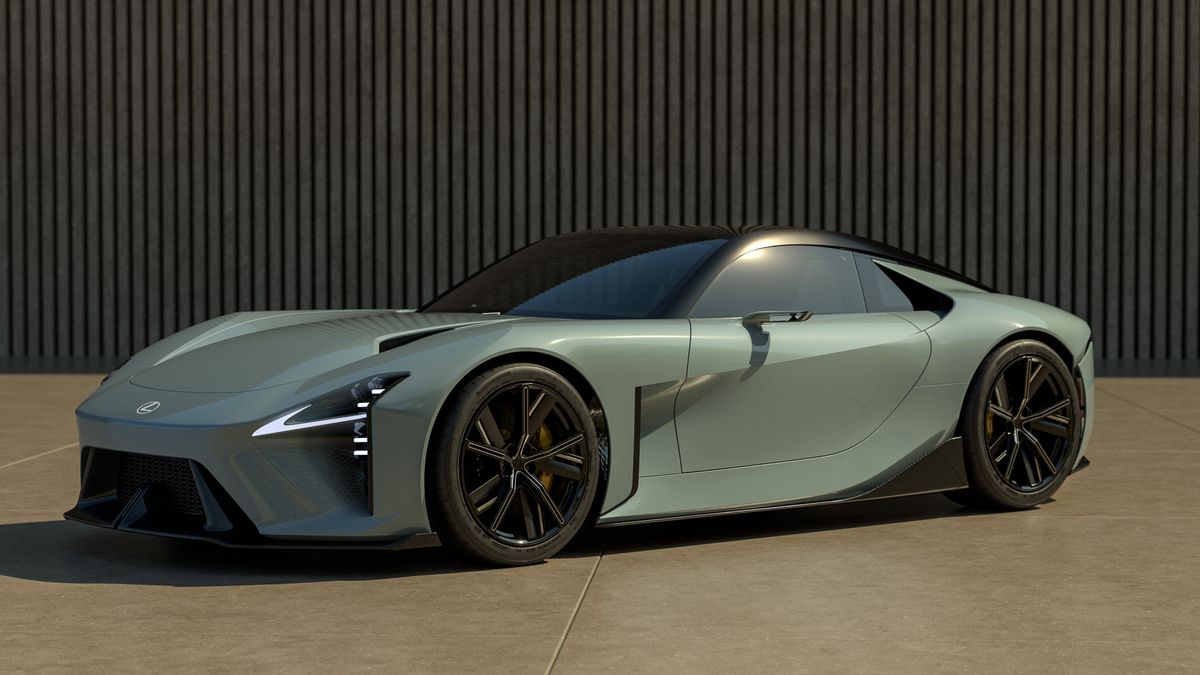
Lexus Sport Concept
The most striking feature was the design around the front headlights. Lexus’ iconic “L-shaped LED” has evolved to be more three-dimensional and cutting-edge. The sharp LED headlights, reminiscent of F1 cars, combine aerodynamic performance with visual impact.
Front design features:
- Headlights with striking sharp edges
- Three-dimensional “L-shaped” LED signature
- Aerodynamic opening design
- A new look that goes beyond the concept of a spindle grill
When you see it in person, you can really sense the tension in the body, which is hard to convey in photographs or videos , and the way its appearance changes from moment to moment with the reflection of light makes it truly worthy of being called a “dynamic sculpture.”
Side view: Elegant lines that evoke the LFA’s DNA
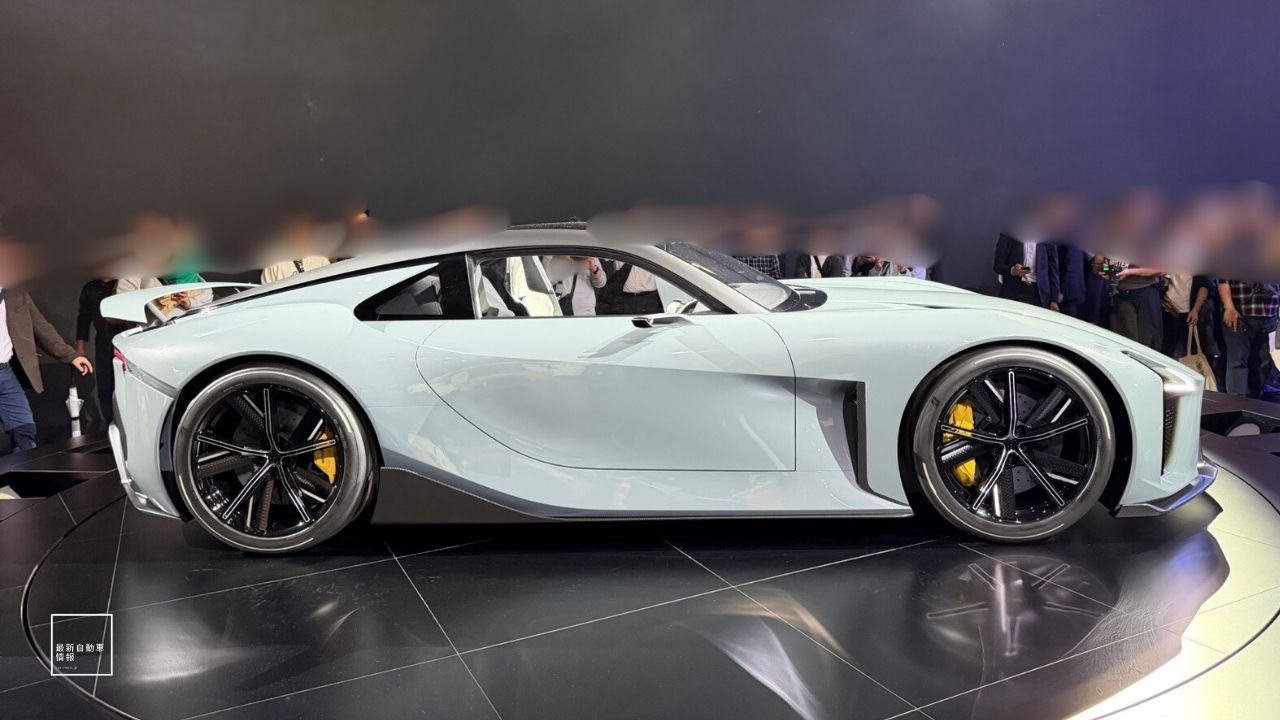
The proportions seen from the side clearly inherit the genes of the LFA.
Side design highlights:
- Traditional sports car style with a long nose and short deck
- Low roofline
- Beautiful shoulder line that flows into the rear fender
- Aerodynamic side lower design
What was particularly impressive was the character line that runs from the front fender to the rear, like a single stroke . This gives off the delicate feel that is unique to Japanese cars, and is also reminiscent of Mazda’s “Kodo” design.
Rear design: Futuristic yet functional beauty
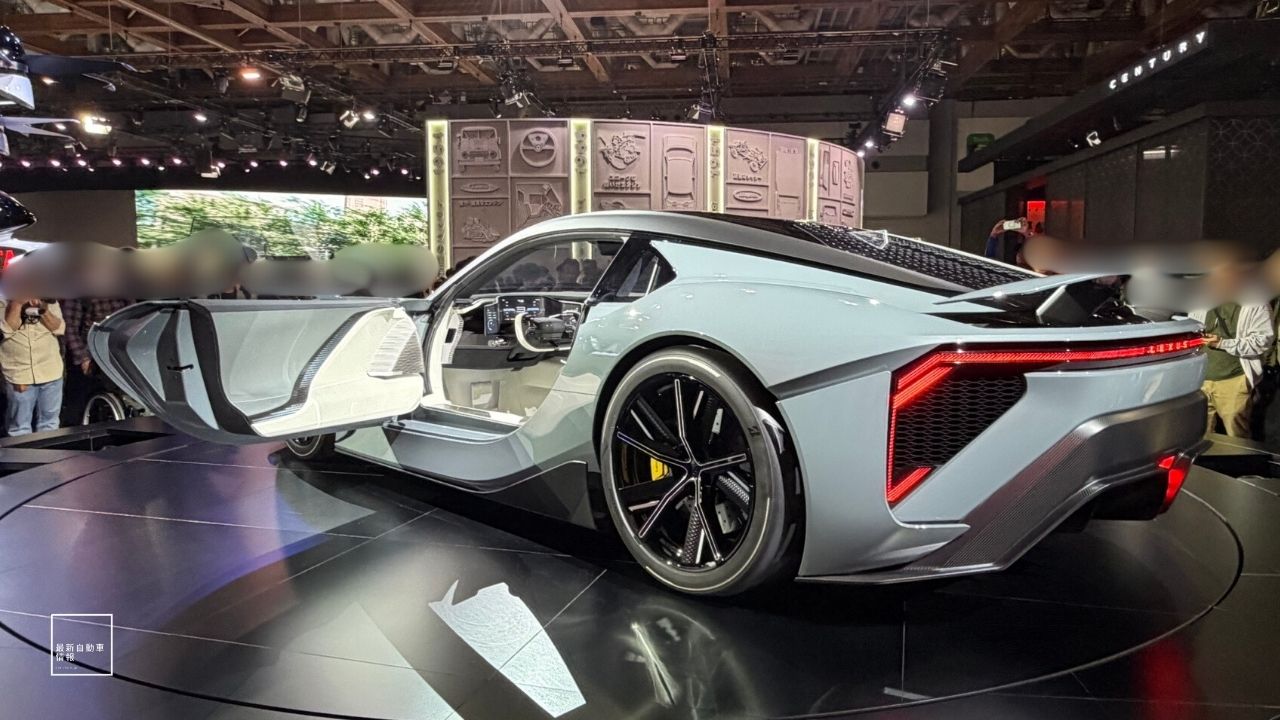
The rear view is a high-level fusion of sports car functionality and beauty.
Rear design features:
- Wide rear bumper
- Single-character LED tail lamp (characteristic of two lines)
- Diffuser-shaped underpanel
- The presence of the rear wing
An interesting point about the actual car is that the rear design is rounded and gives a gentle impression, in contrast to the front . This is presumably the result of considering aerodynamic performance and design balance.
Body color and texture
The vehicle on display was finished in a metallic body color, a choice made to maximize the beauty of the surface . It is possible that Lexus will also adopt painting techniques that emphasize the texture of the material, such as the “Glass Silver” and “Viola Red” used in Mazda’s VISION X series.
When you see it in person, the three-dimensional appearance of the body changes dramatically depending on how the light hits it, and it has a mysterious charm that makes it seem as if it is moving even though it is still.
[Interior] The cockpit’s sophisticated design and advanced features
The ultimate driver-oriented
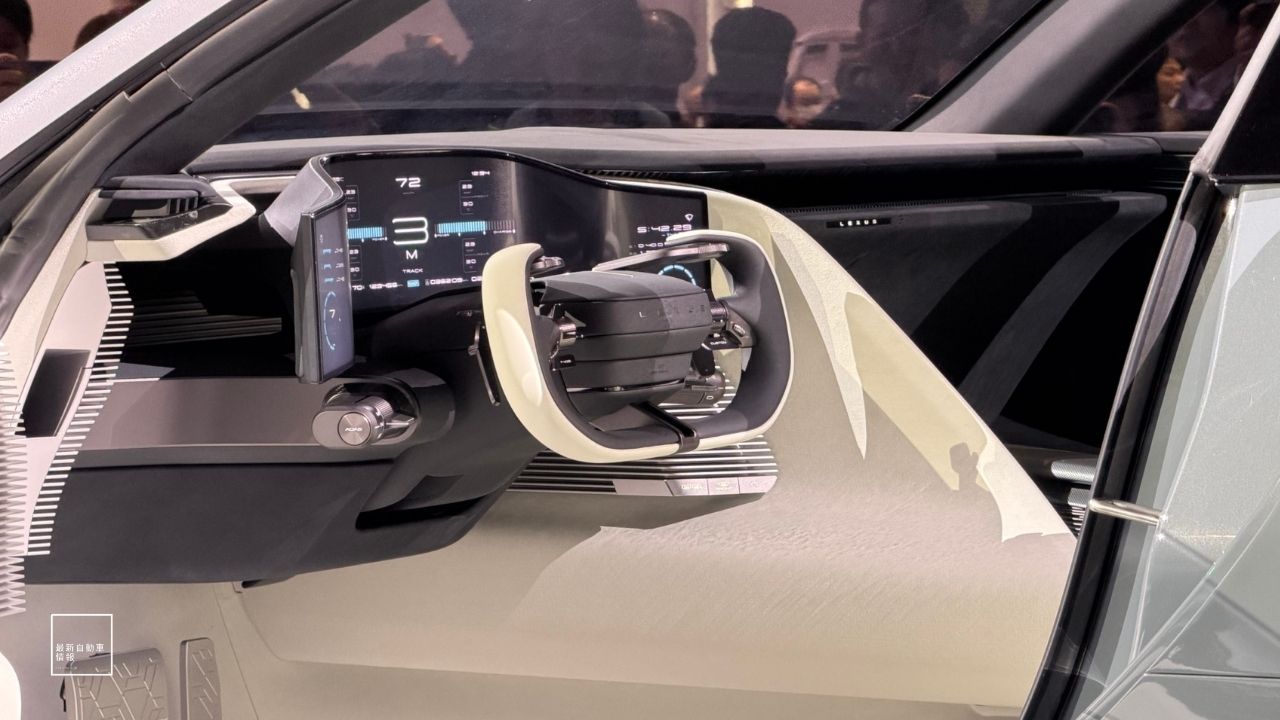
Unfortunately, detailed photography of the interior was restricted at the exhibition venue, but we will share our impressions from what we were able to see.
First impressions of the interior:
- A cockpit designed with the driver in mind
- Triple gauges inherited from the LFA (possibility of digital display)
- Minimal physical button layout
- Racing car-inspired steering wheel
Digital instrument cluster and information display
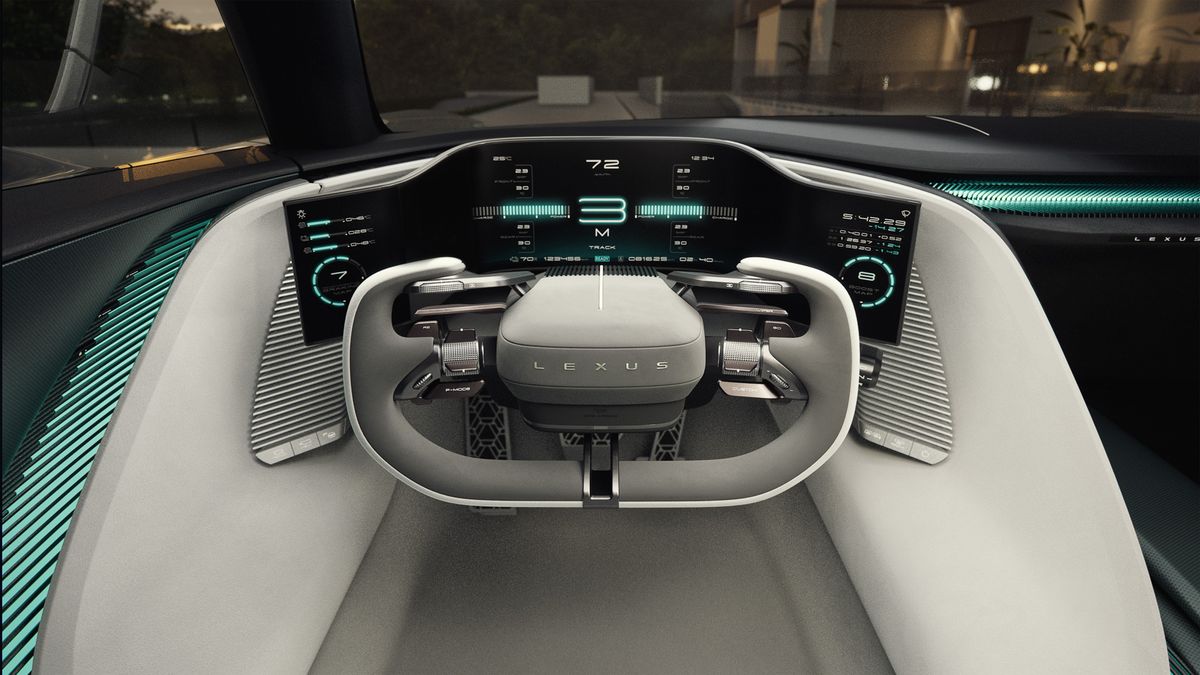
The speedometer is thought to be an LCD digital type , and is expected to have an advanced system that changes the display depending on the driving mode. However, as is typical of Lexus, it seems that good analog visibility is also important.
Center console and shift area
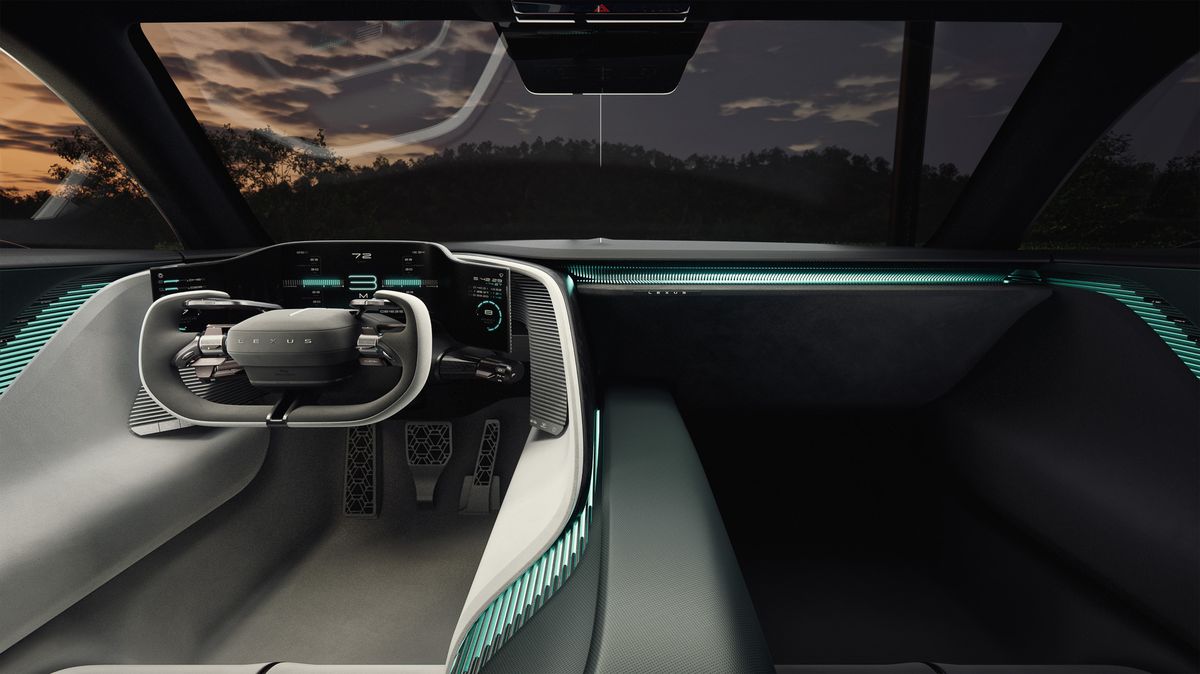
The spherical shift knob is a design trend shared with Mazda’s VISION X series. Its shape is futuristic yet easy to grip.
Seat design
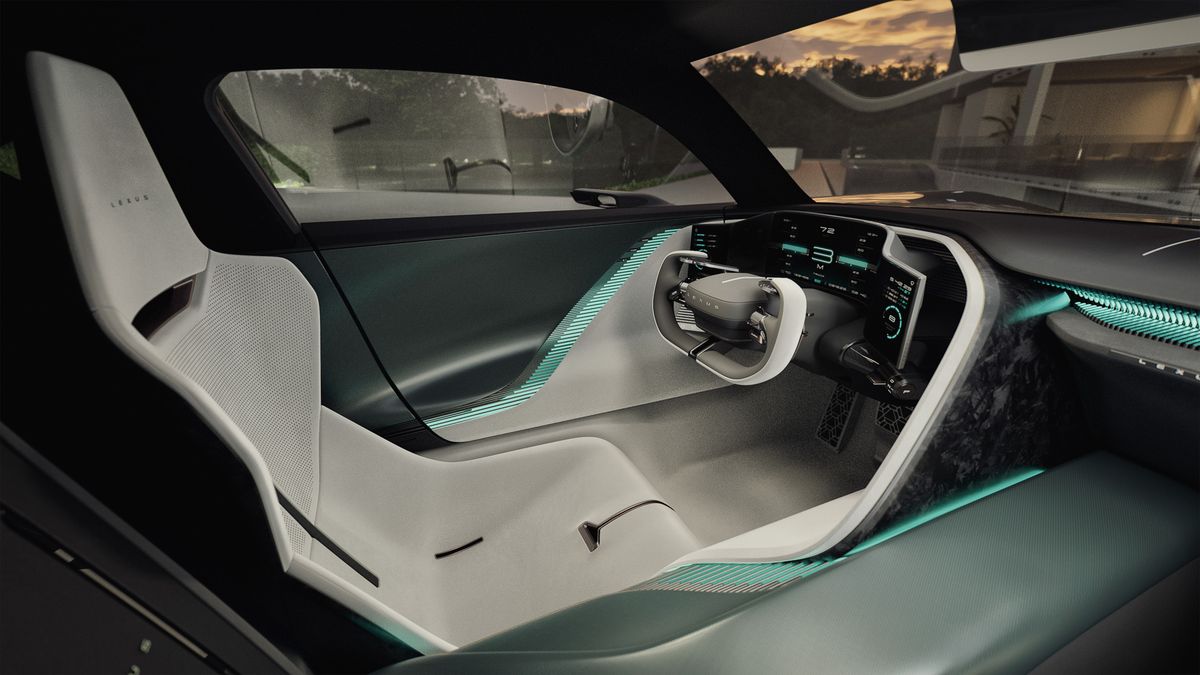
Lexus Sport Concept
The bucket-type sports seats provide both support and comfort, and the “Sport Concept” logo is engraved on the seat backs, creating a special feeling.
The color scheme was based on black , with accent colors creating a sense of visual tension.
Excellent point: Perfection as a next-generation sports car
We will explain in detail the excellent features of the LEXUS Sport Concept that we saw and felt in person.
[Excellent point ①] The design is extremely well-made
Its greatest appeal is that, despite being a concept car, it is at the same level of completion as a commercially available car.
- Achieving both beautiful surfaces and a three-dimensional effect
- Functional beauty with aerodynamic performance in mind
- The cutting edge of LED lighting
- A clear expression of brand identity
It achieves rich expression while eliminating all unnecessary elements , in line with the “aesthetics of subtraction” that Mazda’s Chief of Design spoke of .
[Excellent Point 2] Authentic inheritance of the LFA DNA
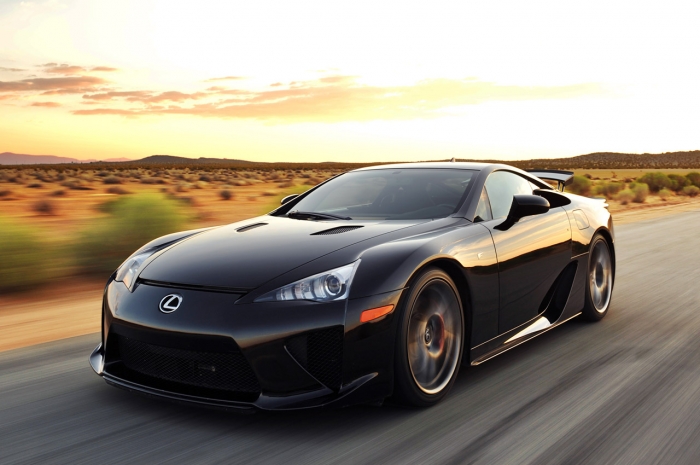
LFA
What is important to LFA fans is the “inheritance of the spirit.”
Inheriting LFA DNA:
- Maintaining the FR layout
- The idea of a driver’s car
- Low center of gravity and compact body
- Beautiful proportions
- Uncompromising craftsmanship
Even as the powertrain has changed from combustion to electricity, our commitment to pursuing the joy of driving remains unchanged.
[Advantage 3] New possibilities with BEVs
There are also many benefits to be gained from electrification.
- Acceleration performance due to instantaneous torque generation
- Improved handling due to lower center of gravity
- Improved quietness
- Practicality with a cruising range of 700km
In particular , acceleration from 0 to 100 km/h in under 2 seconds is a performance that is difficult to achieve with an internal combustion engine.
[Excellent Point 4] The crystallization of cutting-edge technology
- Latest Battery Technology
- Aerodynamic optimization
- Introducing lightweight technology
- Interactive AI systems (predictions)
It can be said that this vehicle embodies the best of the technology that the Lexus brand has cultivated.
[Excellent point 5] Practicality and sportiness
Despite being a supercar, it is commendable that it has a practical range of 700km . It shows that the design concept was taken into consideration not only for weekend drives but also for everyday use.
Disappointments: Practicality and challenges to commercialization
While it’s a fantastic concept car, I’ll be honest and tell you about some of the things that bothered me when I saw it in person.
[Disappointment ①] Uncertainty regarding commercialization
The biggest concern is, **Will it really be commercially available?**
- No specific release date announced
- No price range information available
- No plans for production volume
There are rumors that it will be available for sale in 2026, but no official announcement has been made yet. There have been many past concept cars that were not sold, so there are still concerns.
[Disappointment 2] The price may be high
The LFA was sold for around 37.5 million yen, but with the latest BEV technology, it could go up to 40-50 million yen or more .
This is a price range that is out of reach for the average sports car enthusiast.
[Disappointment 3] Dependence on charging infrastructure
Since it is a BEV, it is inevitable that its performance will depend on the state of the charging infrastructure .
- Charging plans are necessary for long-distance driving
- Even fast charging takes a certain amount of time
- Reduced range in cold climates
When it comes to enjoying the freedom of driving as a sports car, there are limitations compared to an internal combustion engine.
[Disappointment 4] Details of the interior are unknown
At the exhibition venue, we were limited in our ability to see the interior details, making it difficult to evaluate its practicality and comfort .
- Availability of storage space
- Luggage capacity
- Usability for everyday use
- Infotainment System Details
These are important points when it comes to actually selling it on the market.
[Disappointment 5] Loss of sound
One of the biggest attractions of the LFA was the sensual sound of its V10 engine , and the loss of this appeal with the BEV conversion is a disappointment for many fans.
There may be artificial sound systems installed, but nothing can compare to the sound of a real engine.
[Disappointment 11] Concerns about increased weight
BEVs tend to have an increased vehicle weight due to the weight of the battery, so it remains to be seen to what extent the LFA’s lightweighting philosophy will be retained.
Comparison with LFA: DNA inheritance and evolution
Design comparison
| item | LFA | Sport Concept |
|---|---|---|
| Front design | Early model spindle grill | New generation L-shaped signature |
| Sideline | Elegant long nose | More three-dimensional surface structure |
| Rear design | Round 4-pipe muffler | Linear LED tail light |
| Overall impression | Sculptural beauty | A fusion of functional beauty and innovation |
Performance comparison
| item | LFA | Sport Concept (prediction) |
|---|---|---|
| Powertrain | 4.8L V10 | BEV system |
| Maximum power | 560hp | Over 500 horsepower |
| 0-100km/h | 3.7 seconds | Approximately 2 seconds |
| maximum speed | 325km/h | Electronic limiter |
| weight | Approximately 1,480 kg | Unknown (expected increase) |
Ideological inheritance
Inherited points:
- Driver’s car philosophy
- Uncompromising craftsmanship
- Positioned as the pinnacle of the Lexus brand
- The culmination of Japanese craftsmanship
Evolving points:
- Carbon neutrality
- Introducing the latest technology
- Appealing to a wider customer base
Summary: Expectations for commercialization and future prospects
Overall evaluation after seeing the actual car
The LEXUS Sport Concept is a stunning concept car that shows the ideal form of the next-generation sports car .
Overall rating (out of 5):
- Design perfection: ★★★★★ (5.0)
- Advanced:★★★★★(5.0)
- Practicality: ★★★☆☆ (3.0)
- Expectations for commercialization: ★★★☆☆ (3.5)
- Compatibility with LFA: ★★★★☆ (4.0)
Issues for commercialization
- Optimal pricing : A price range that more customers can afford
- Linking with charging infrastructure : Supporting long-distance driving
- Establishing a production system : Will it be a very small production run like the LFA, or a certain level of mass production?
- Clarifying brand strategy : Positioning in Lexus’ electric sports car lineup
Future outlook
It is rumored that Lexus is aiming to put the car on the market in 2026, but the actual release date and details have yet to be decided .
Expected developments:
- 2026: Official launch of production model
- Sales begin as a limited production model
- Possibility of a derivative model based on the LC
- Lexus expands its electric sports car lineup
Advice for those considering purchasing
If it is released commercially, it will likely sell out as soon as pre-orders begin .
If you are considering purchasing:
- Building relationships with Lexus dealers
- Check the latest information frequently
- Secure a budget (estimated to be around 50 million yen)
- Improving the charging environment
Final impressions
When I actually saw the Lexus Sport Concept, I got a strong sense of the seriousness of the Lexus brand . It’s not just a show car, it’s a highly refined car with a view to mass production.
It conveyed a strong determination to continue and develop the potential of the “Japanese supercar” demonstrated by the LFA, even in the electric age.
Hopefully, it will be available on the market as soon as possible.
This concludes our hands-on review and thorough explanation of the Lexus Sport Concept. We’ve provided as much detail as possible based on our impressions of the car at the exhibition venue and the information we’ve gathered. If you have the opportunity, we encourage you to see the car in person. There’s a charm to it that can’t be conveyed through photos or videos.