
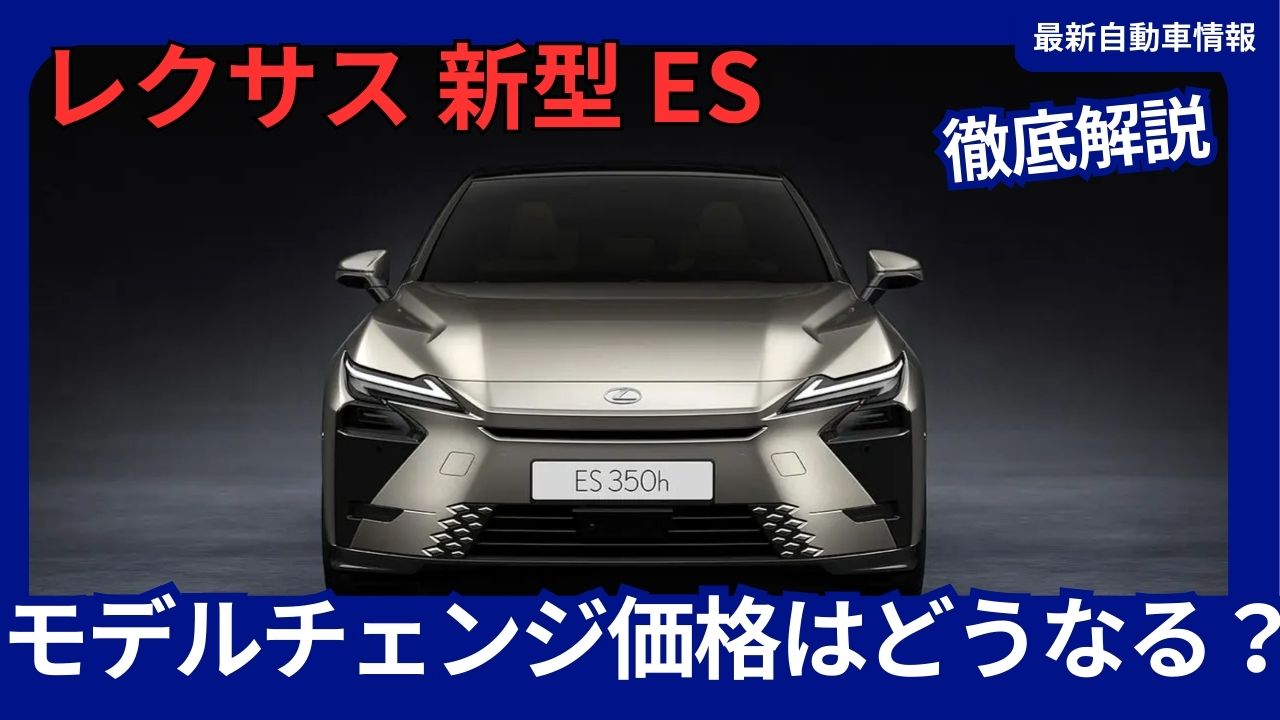
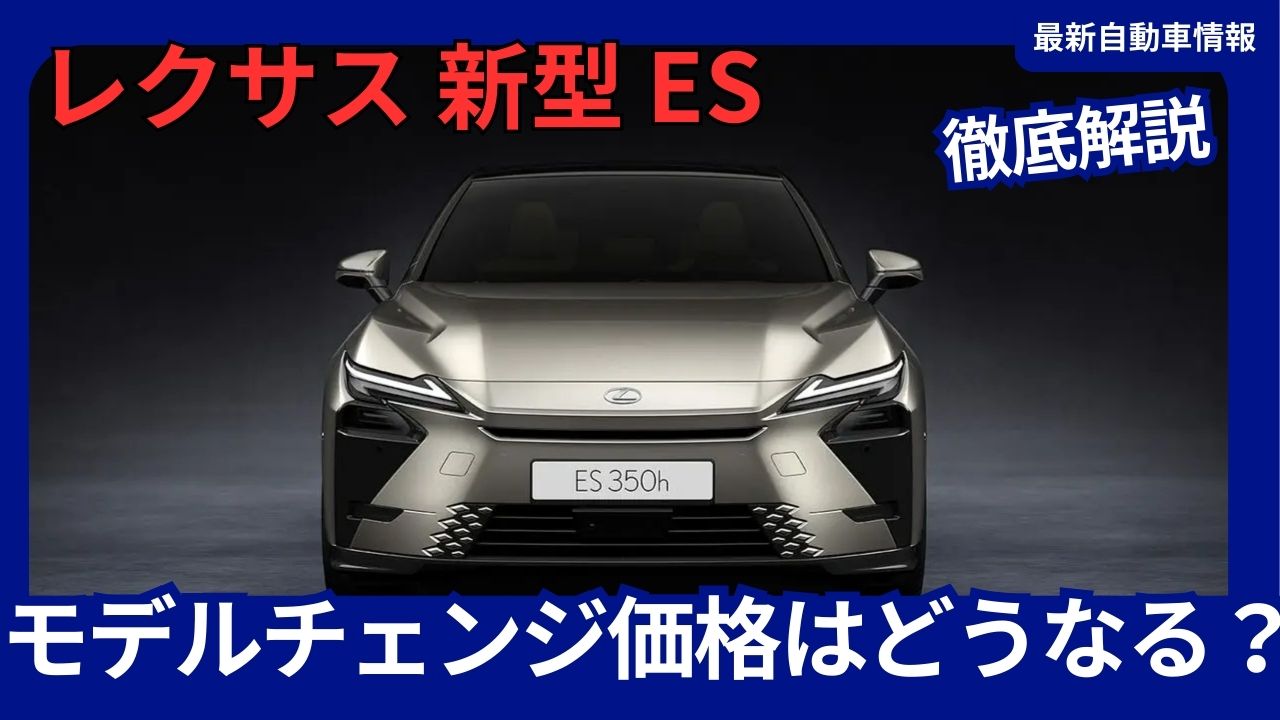
In the spring of 2026, Lexus’ premium sedan, the ES, will undergo a full model change for the first time in approximately eight years. The new ES is an important model that marks a major turning point for the Lexus brand. In addition to the conventional hybrid system, it will be the first to add a fully electric vehicle (BEV) model to the lineup, and will be released as an innovative model that adopts the next-generation Lexus design language.
In this article, we will thoroughly explain the price prediction for the new Lexus ES, the extent of the price increase, equipment details, and important information that potential buyers should know.
New Lexus ES release date and price range forecast
Release Schedule
- World premiere : April 23, 2025 (Shanghai Motor Show 2025)
- Release in Japan : Scheduled for April 2026
- Advance reservations : Expected to begin around January 2026
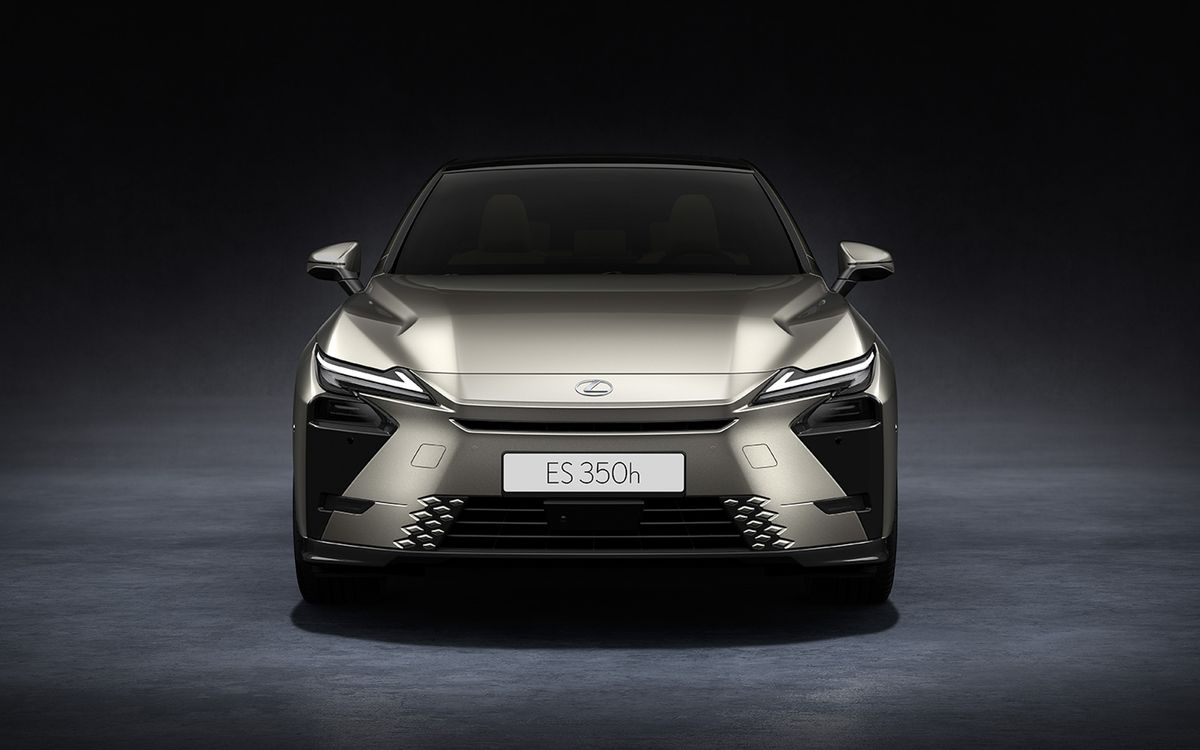
Current model price range (reference)
The current Lexus ES (7th generation) price range is as follows:
- ES300h : 5,420,000 yen (base grade)
- ES300h version L : 6,030,000 yen
- ES300h F SPORT : 6,290,000 yen
- ES300h version L Advanced : 6,900,000 yen
Expected price range for the new ES
The price of the new Lexus ES is expected to increase significantly , taking into account the increased equipment, larger body size, and advances in electrification technology .
Hybrid model (HEV) expected price
ES300h (2.0L hybrid)
- Base grade: Approximately 6 million to 6.5 million yen
- Version L: Approximately 6.8 million to 7.3 million yen
- F SPORT: Approximately 7 million to 7.5 million yen
ES350h (2.5L hybrid high-output version) [New]
- Base grade: Approximately 7.2 million to 7.7 million yen
- Version L: Approximately 8 million to 8.5 million yen
- F SPORT: Approximately 8.3 million to 8.8 million yen
Electric vehicle (BEV) model expected price
ES350e (front-wheel drive/224ps)
- Base grade: Approximately 8.5 million to 9.2 million yen
- Version L: Approximately 9.5 million to 10.2 million yen
ES500e (4WD/342ps)
- Base grade: Approximately 10.5 million to 11.5 million yen
- Version L: Approximately 11.8 million to 12.8 million yen
- F SPORT: Approximately 12.2 million to 13.2 million yen
Analysis of price increase
Compared to the current model, the expected price increases are as follows:
- Hybrid model : Price increase of approximately 800,000 to 1.5 million yen (approximately 15 to 25% increase)
- BEV model : Price increase of approximately 1.5 million to 4.2 million yen compared to the current ES top grade
Main factors behind price increases
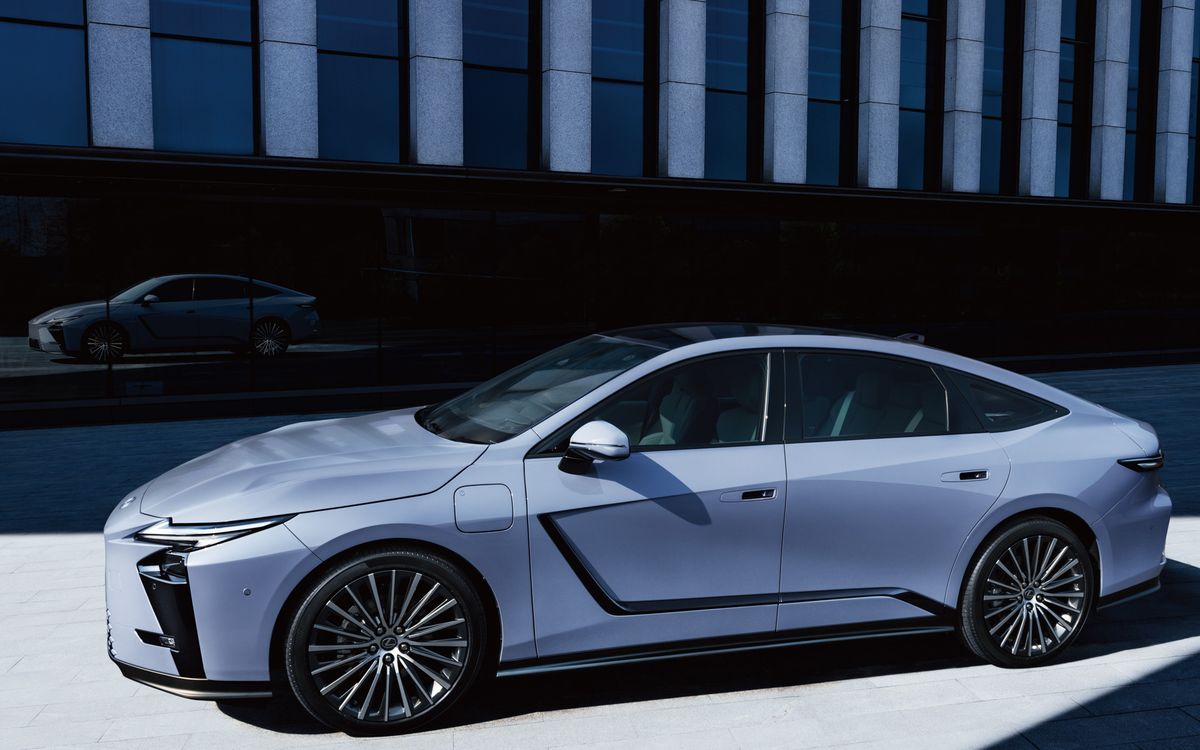
LEXUS ES 2026
1. Significant increase in body size
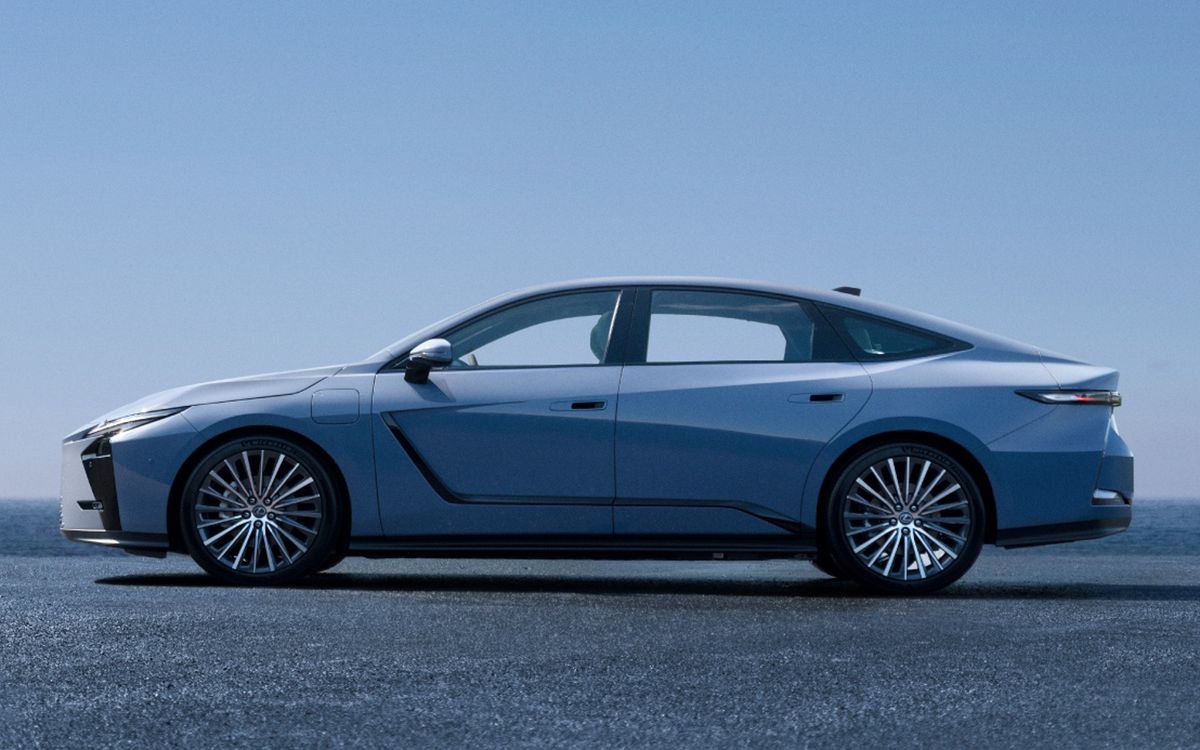
The new ES is larger than the current model, with:
LEXUS ES 2026
- Total length : +165mm (4,975mm → 5,140mm)
- Overall width : +55mm (1,865mm → 1,920mm)
- Overall height : +110mm (1,445mm → 1,555mm)
- Wheelbase : +80mm (2,870mm → 2,950mm)
This increase in size has led to an increase in the cost of materials used, which has increased manufacturing costs.
2. Introduction of the latest technology
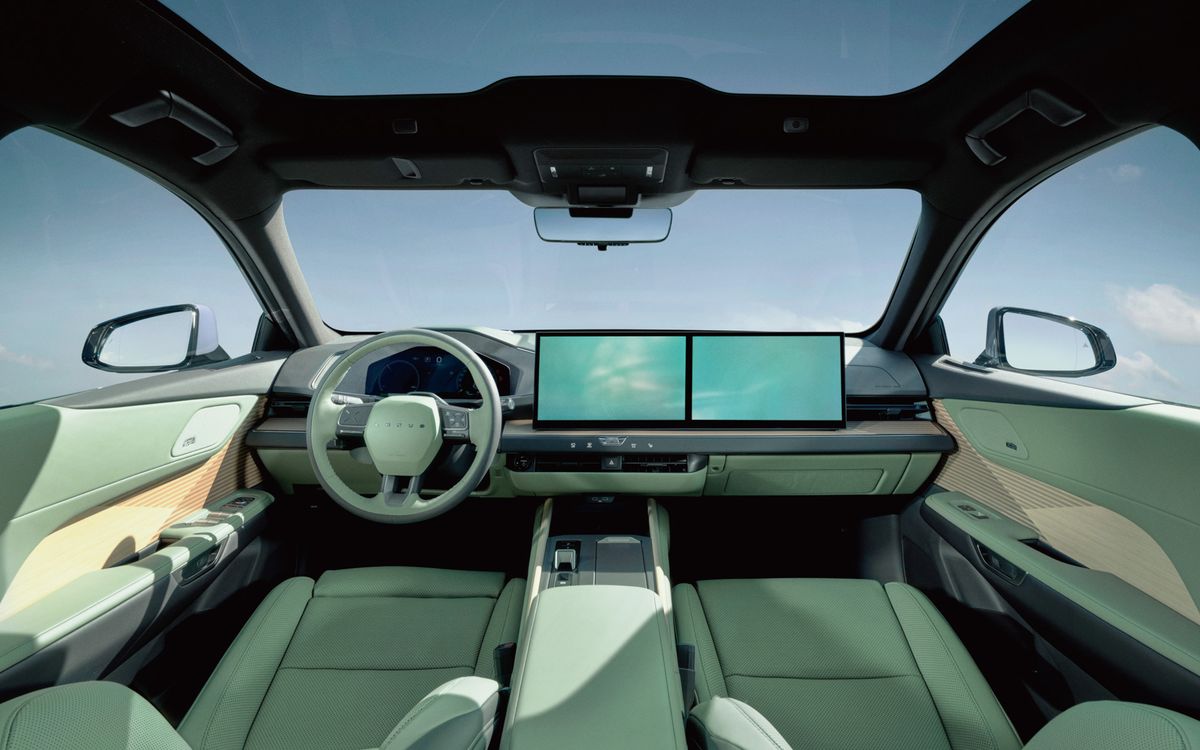
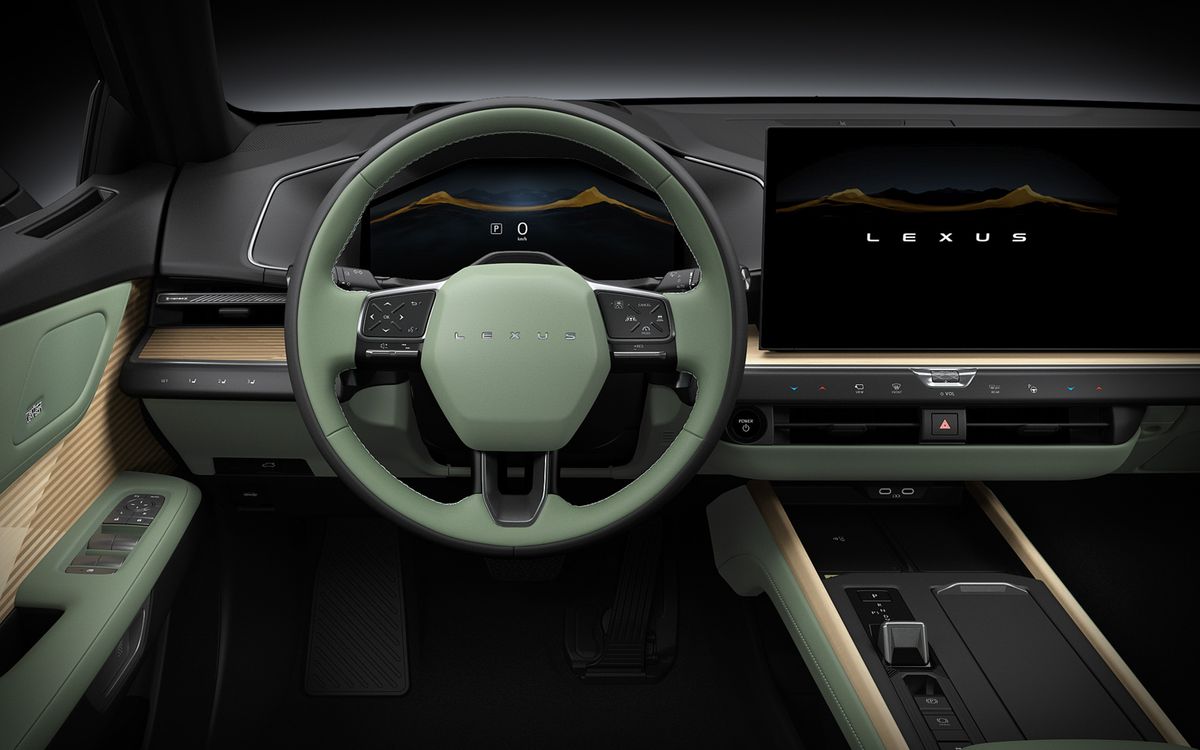
Responsive hidden switch (world’s first)
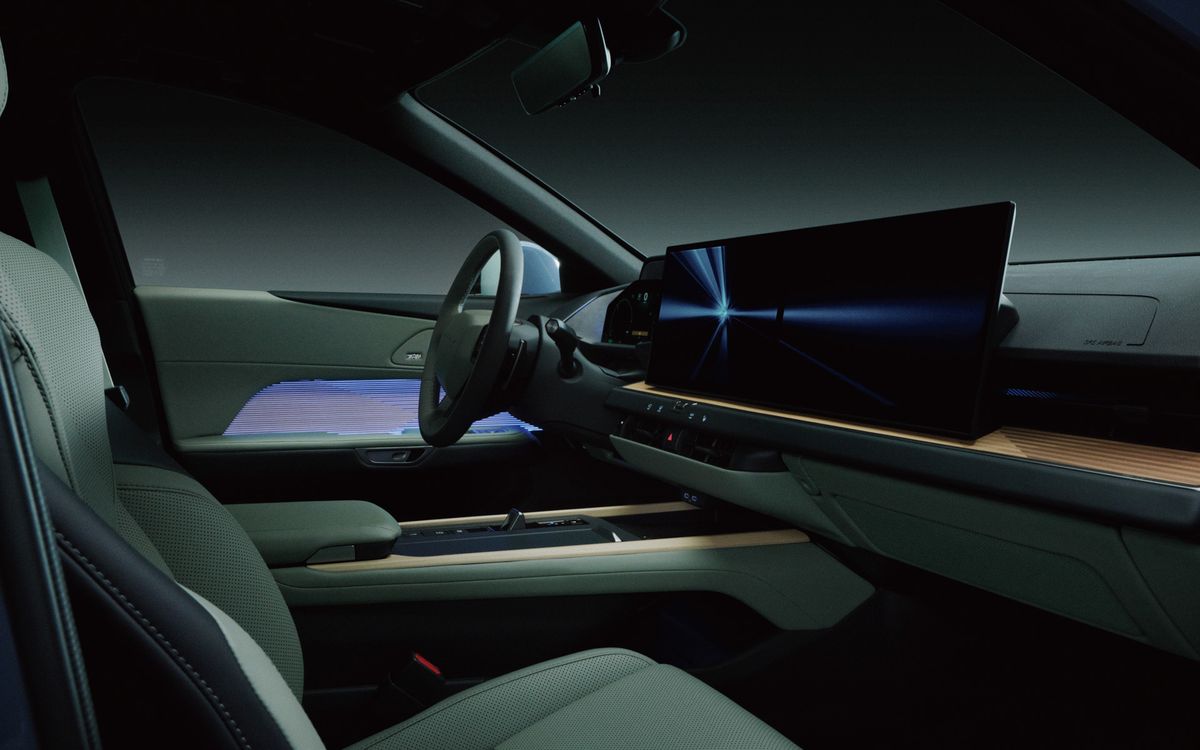
The innovative operating system integrates physical switches into the interior and makes them appear when you wave your hand over them. This is the world’s first technology that combines functionality with high-quality design. The development costs are reflected in the price.
New generation infotainment system “Arene OS”
LEXUS ES 2026
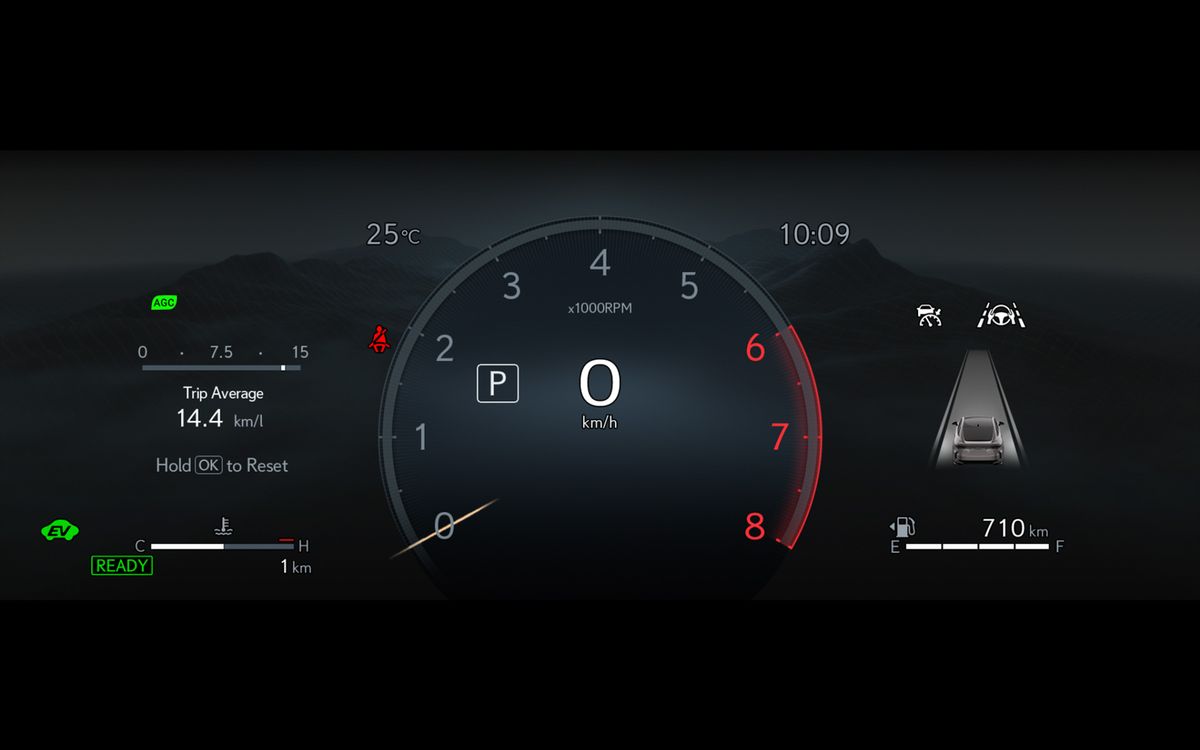
The car is equipped with Toyota/Lexus’ first next-generation operating system, Arene. Compared to previous systems, it has improved processing speed and allows for more intuitive operation. A large display up to 12.3 inches and a passenger seat monitor are also available, and the system development costs will be added to the price.
High-definition Adaptive High Beam System (AHS)
The latest headlight systems automatically adjust their headlights to avoid illuminating pedestrians’ faces, and use control technology that is far more advanced than conventional high beam systems.
3. Evolution of electrification technology
BEV model development costs
LEXUS ES 2026 interior
- Large-capacity battery that achieves a cruising range of 610 to 685 km
- High-performance electric motor with a maximum output of 342ps
- “DIRECT4” system controls front/rear torque distribution between 100:0 and 0:100
These latest technologies have significantly increased the manufacturing costs of BEV models.
Higher output of hybrid systems
The new ES350h boasts a system output of 247 hp, a significant improvement over the current ES300h’s 197 hp. The development costs for this higher output are also reflected in the price.
4. Improved interior quality
3D printing technology “Bamboo Layering”
The bamboo motif is used to create three-dimensional ornamental decorations, reproduced using the latest three-dimensional printing technology. This is an advanced technique that even makes the texture feel like bamboo is embedded in the product.
Newly developed seat structure
LEXUS ES 2026
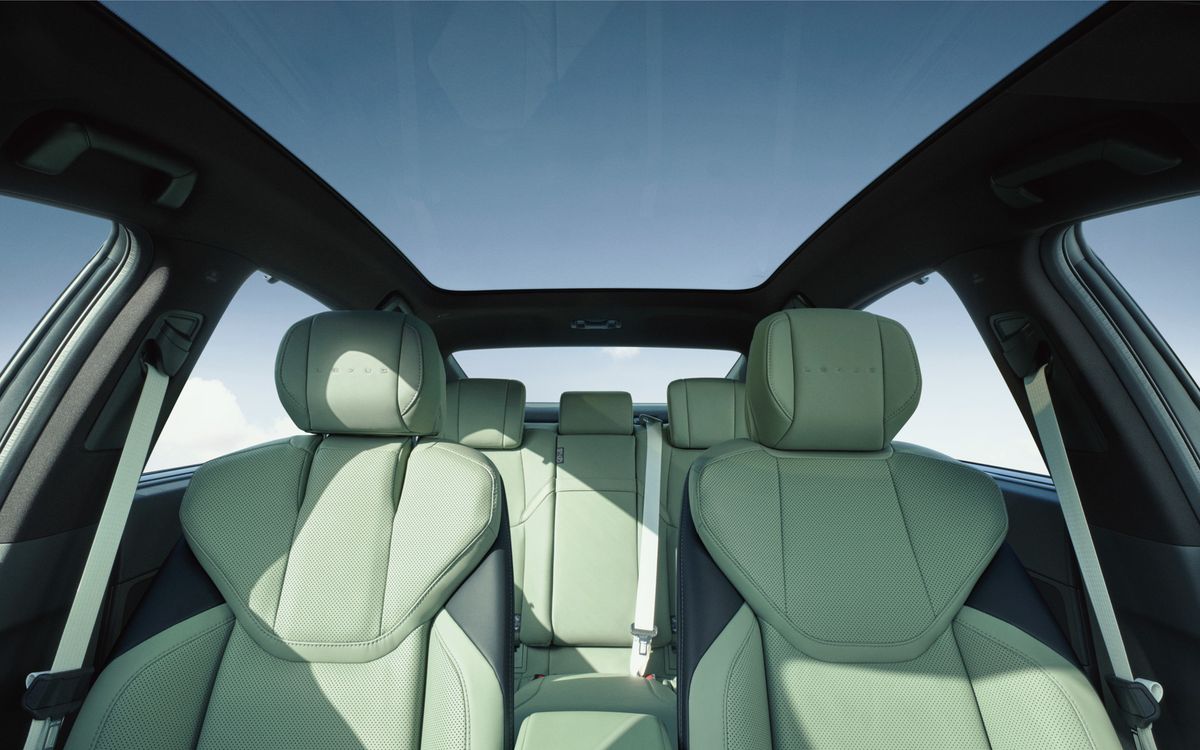
The newly developed seats are designed to optimize the driver’s posture, and the structure supports the shoulder blades, making it less tiring to drive for long periods of time.
Mark Levinson Premium Sound System
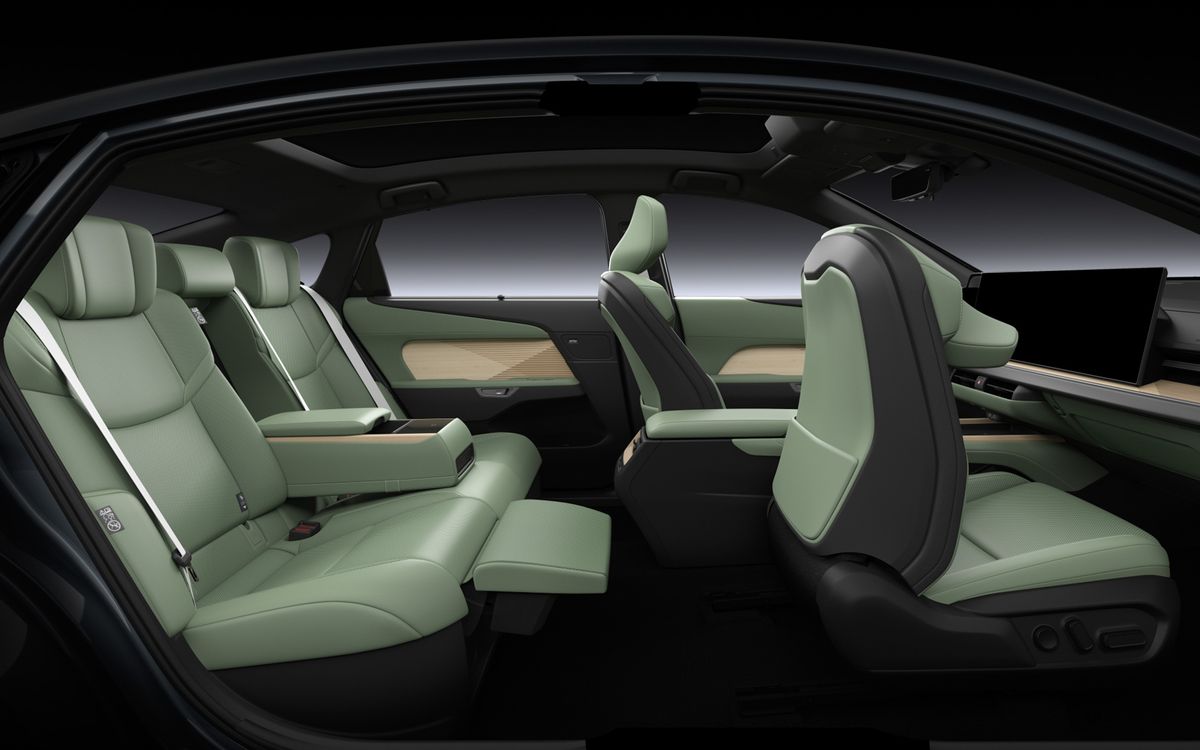
LEXUS ES 2026
Optimized speaker placement creates a three-dimensional sound field, allowing you to be enveloped in sound and light.
5. Evolution of safety equipment
Latest Lexus Safety System +
- Expanded operating speed range for pre-crash safety
- Improved operability of lane change assist
- Expanded driver monitor functionality (addition of drowsiness detection function)
- Enhanced driver emergency response system (added roadside stopping function)
The development and installation of these latest safety features has led to rising costs.
6. New suspension
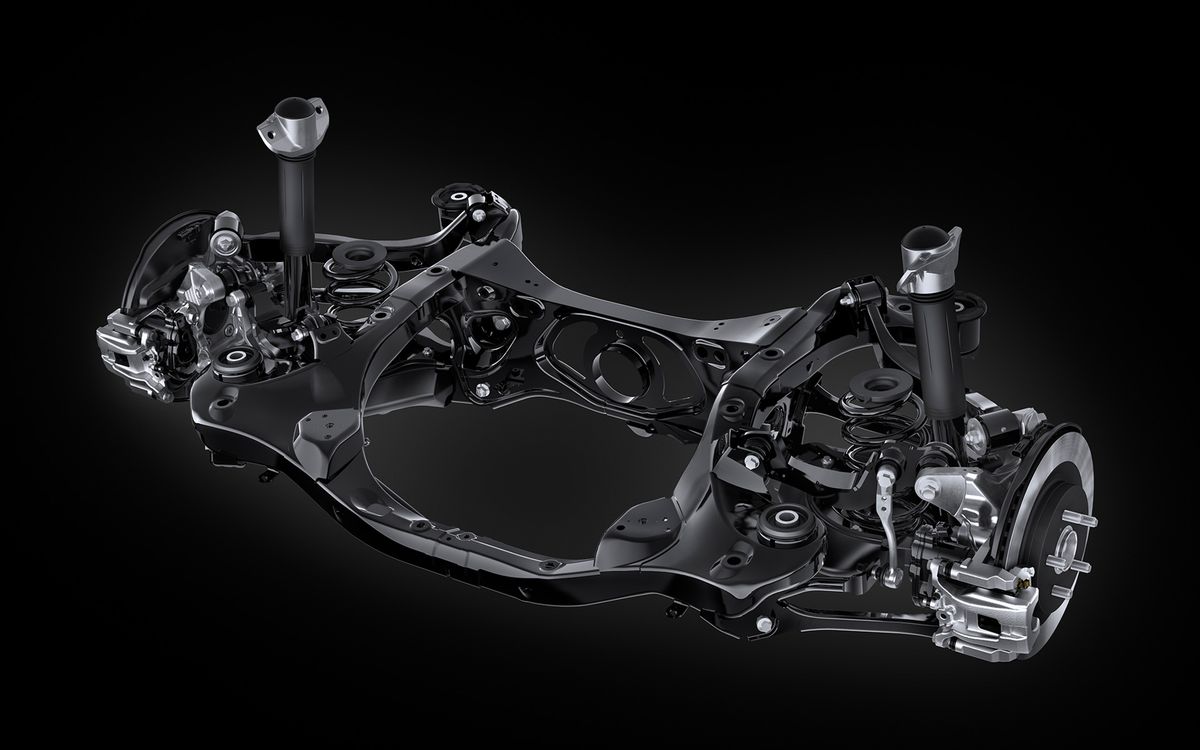
Rear multi-link suspension
The ES was the first to feature a multi-link rear suspension, a complex and expensive structure that was adopted to achieve a more comfortable ride.
Dynamic Rear Steering (DRS)
The vehicle is equipped with a four-wheel steering system that can steer the rear wheels by up to four degrees, an advanced system that combines maneuverability at low speeds with stability at high speeds.
Detailed analysis of equipment and price differences by grade
ES300h (2.0L hybrid) [overseas model]
Powertrain specs
- Engine: 2.0L inline 4-cylinder + electric motor
- System output: 197ps
- Drive system: FF (front-wheel drive)
- 0-100km/h acceleration: 9.4 seconds
Estimated price range : 6 million to 7.5 million yen
Main equipment
- 18-inch aluminum wheels
- LED headlights (twin L signature lamps)
- 12.3-inch digital meter
- Infotainment system with Arene OS
- Responsive Hidden Switch
- 8-way power seat (driver’s seat)
- Dual-zone automatic air conditioning
- Lexus Safety System +
This grade is likely to be aimed primarily at Asian markets such as China, and in the Japanese market the next ES300h (2.5L) or ES350h is expected to be the base grade.
ES300h (2.5L hybrid)
Powertrain specs
- Engine: 2.5L inline 4-cylinder + electric motor
- System output: 201ps
- Drive system: FF/AWD (4WD)
- 0-100km/h acceleration: 8.3-8.5 seconds
Estimated price range : 6.5 million to 8 million yen
Main features (in addition to the 2.0L model)
- 19-inch aluminum wheels (high-end grade)
- AWD system (4WD grade)
- 10-way power seats (driver’s seat and passenger seat)
- Ventilated seats
- Seat heaters (front and rear seats)
Price difference between grades
- FF base grade: Approximately 6.5 million yen
- AWD base grade: Approximately 6.8 million yen (+300,000 yen)
- Version L (FF): Approximately 7.3 million yen (+800,000 yen)
- Version L (AWD): Approximately 7.6 million yen (+1.1 million yen)
ES350h (2.5L hybrid high-output version) [Mainly Japanese specifications]
Powertrain specs
- Engine: 2.5L inline 4-cylinder + high-output electric motor
- System output: 247ps (46ps more than ES300h)
- Drive system: FF/AWD
- 0-100km/h acceleration: 7.8-8.0 seconds
Estimated price range : 7.2 million to 8.8 million yen
Main equipment (in addition to ES300h)
- 19-inch aluminum wheels (standard equipment)
- AVS (Adaptive Variable Suspension)
- Dynamic Rear Steering (DRS)
- Head-up display
- Panoramic View Monitor
- Panoramic roof with dimming function
- Mark Levinson Premium Sound System
- Electric reclining rear seats
- Radiant heater (front and rear seats)
Price difference between grades
- Base grade (FF): Approximately 7.2 million yen
- Base grade (AWD): Approximately 7.5 million yen (+300,000 yen)
- Version L (FF): Approximately 8.2 million yen (+1 million yen)
- Version L (AWD): Approximately 8.5 million yen (+1.3 million yen)
- F SPORT: Approximately 8.8 million yen (+1.6 million yen)
ES350e (electric vehicle/front-wheel drive)
Powertrain specs
- Electric motor: 1
- Maximum output: 224hp
- Drive system: FWD (front-wheel drive)
- Cruising range: 685km (CLTC)
- 0-100km/h acceleration: 8.9 seconds
- Charging time: Approximately 30 minutes from 10% to 80% with a 150kW charger (at 25°C)
Estimated price range : 8.5 million to 10.2 million yen
Main equipment (in addition to ES350h)
- 21-inch aluminum wheels
- Dedicated EV sound system
- Large-capacity battery (estimated to be around 80kWh)
- Fast charging compatible (150kW)
- Preconditioning function
- One-pedal drive mode
Price difference between grades
- Base grade: Approximately 8.5 million yen
- Version L: Approximately 9.5 million yen (+1 million yen)
Charging infrastructure costs
- Home charging equipment installation: Approximately 150,000 to 300,000 yen (separate fee)
- Monthly parking lot charging equipment: Approximately 200,000 to 500,000 yen (separate)
ES500e (electric vehicle/4WD high-performance version)
Powertrain specs
- Electric motors: 2 (front and rear)
- Maximum output: 342hp
- Drive system: AWD “DIRECT4”
- Cruising range: 610km (CLTC)
- 0-100km/h acceleration: 5.9 seconds
- Charging time: Approximately 30 minutes from 10% to 80% with a 150kW charger (at 25°C)
Estimated price range : 10.5 million to 13.2 million yen
Main equipment (in addition to ES350e)
- DIRECT4 (front and rear torque distribution control system)
- Larger capacity battery
- Dedicated sports suspension
- Performance Damper
- 21-inch large diameter brake system
Price difference between grades
- Base grade: Approximately 10.5 million yen
- Version L: Approximately 11.8 million yen (+1.3 million yen)
- F SPORT: Approximately 13.2 million yen (+2.7 million yen)
Price comparison with competing models
Domestic premium sedan
Toyota Crown Sedan
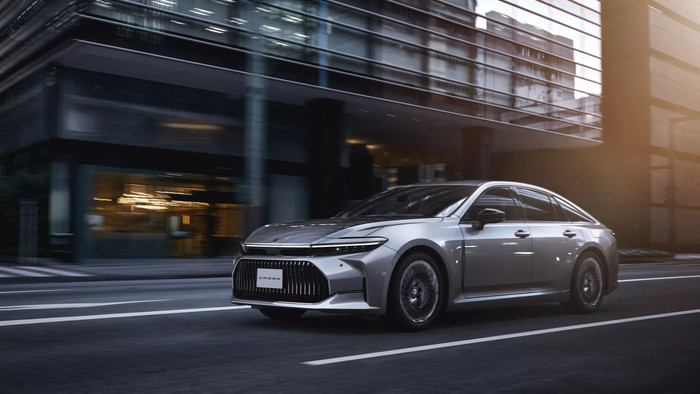
- Price range: 6.4 million to 9.6 million yen
- Position: Positioned below the Lexus ES
Lexus LS
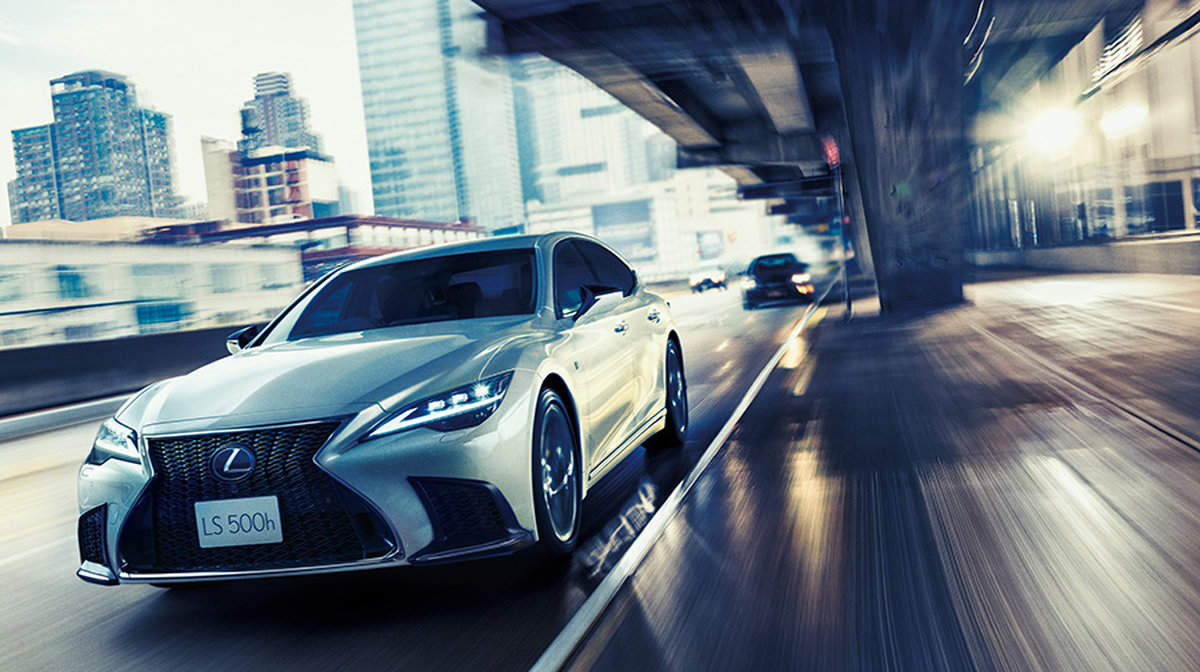
LS500h F SPORT
- Price range: 12.79 million yen to 18.09 million yen
- Position: Flagship model above the Lexus ES
The new ES fills an important position between the Crown Sedan and the LS.
Imported premium sedan
Mercedes-Benz E-Class
- E200: from 8.5 million yen
- E300e (PHEV): From 10.2 million yen
- E450 4MATIC: From 11.8 million yen
BMW 5 Series
- 520i: From 9.25 million yen
- 530e (PHEV): From 10.38 million yen
- 540i xDrive: From 12.41 million yen
Audi A6
- 40 TFSI: from 8.12 million yen
- 45 TFSI quattro: from 9.45 million yen
- 55 TFSI quattro: from 11.93 million yen
Price competitiveness analysis
The hybrid model of the new Lexus ES is expected to be priced in the same range as the base grade of European premium sedans, while the BEV model will be priced to compete with European PHEVs and higher-end gasoline models.
However, Lexus is likely to maintain its price-performance advantage thanks to its strengths:
- High reliability : Lexus brand’s high quality control
- Extensive standard equipment : Equipment that is considered optional in European cars is included as standard equipment
- Excellent after-sales service : comprehensive maintenance program
- Resale value : Highly rated in the used car market
Optional equipment and prices
Major option packages (estimated)
Premium package: Approximately 300,000 to 400,000 yen
- Mark Levinson Premium Sound System
- Panoramic View Monitor
- Head-up display
- Blind Spot Monitor
Comfort Package: Approximately 200,000 to 300,000 yen
- Panoramic roof with dimming function
- Electric reclining rear seats
- Rear seat ottoman (some grades)
- Relaxation features
Technology Package: Approximately 150,000 to 250,000 yen
- Advanced Drive (semi-autonomous driving on highways)
- Digital inner mirror
- Parking Support Brake
Single option (estimated price)
- 21-inch aluminum wheels : Approximately 150,000 to 200,000 yen
- Panoramic roof with dimming function : Approximately 200,000 to 250,000 yen
- Mark Levinson sound system : Approximately 150,000 to 200,000 yen
- Genuine leather seats : Approximately 100,000 to 150,000 yen
- Semi-aniline leather seats : Approximately 200,000 to 300,000 yen
- Panoramic View Monitor : Approximately 80,000 to 120,000 yen
- Digital inner mirror : Approximately 50,000 to 80,000 yen
- Head-up display : Approximately 80,000 to 120,000 yen
- Parking support brake : Approximately 50,000 to 80,000 yen
- Rear seat entertainment system : Approximately 300,000 to 400,000 yen
Body color options
Standard colors : Free
- White Nova Glass Flakes
- Sonic Silver
- Graphite Black Glass Flakes
Special colors : Approximately 80,000 to 120,000 yen
- Sonic Agate (new color)
- Dark Blue Mica
- Manganese Luster
Premium color : Approximately 150,000 to 200,000 yen
- Sonic Quartz
- Mark Levinson exclusive color (expected)
Estimate simulation
Case 1: Cost performance (ES350h base grade FF)
Vehicle price : 7.2 million yen
Major options
- Premium package: 350,000 yen
- Genuine leather seats: 120,000 yen
- Special color: 100,000 yen
Total options : 570,000 yen
Total vehicle price : 7,770,000 yen
Miscellaneous expenses
- Automobile tax (first year): 43,500 yen
- Automobile weight tax: 0 yen (100% eco-car tax reduction)
- Compulsory automobile liability insurance premium (37 months): 27,770 yen
- Recycling fee: Approximately 15,000 yen
- Inspection registration procedure fee: Approximately 50,000 yen
- Garage certificate procedure fee: Approximately 20,000 yen
- Delivery cost: Approximately 20,000 yen
Total expenses : Approximately 176,270 yen
Total payment : Approximately 7,946,270 yen
Case 2: Fully equipped (ES350h version L AWD)
Vehicle price : 8.5 million yen
Major options
- Premium package: 380,000 yen
- Comfort Package: 280,000 yen
- Technology Package: 230,000 yen
- 21-inch aluminum wheels: 180,000 yen
- Semi-aniline leather seats: 280,000 yen
- Premium color: 180,000 yen
Total options : 1.53 million yen
Total vehicle price : 10.03 million yen
Miscellaneous expenses : Approximately 180,000 yen
Total payment : Approximately 10,210,000 yen
Case 3: Entry level BEV (ES350e base grade)
Vehicle price : 8.5 million yen
Major options
- Premium package: 350,000 yen
- Genuine leather seats: 120,000 yen
- Special color: 100,000 yen
Total options : 570,000 yen
Total vehicle price : 9,070,000 yen
Miscellaneous expenses
- Automobile tax: 0 yen (BEV tax exemption)
- Automobile weight tax: 0 yen (BEV tax exemption)
- Compulsory automobile liability insurance premium (37 months): 27,770 yen
- Recycling fee: Approximately 15,000 yen
- Inspection registration procedure fee: Approximately 50,000 yen
- Garage certificate procedure fee: Approximately 20,000 yen
- Delivery cost: Approximately 20,000 yen
- Home charging equipment installation : Approximately 250,000 yen
Total expenses : Approximately 382,770 yen
Total payment : Approximately 9,452,770 yen
Note : BEVs may be eligible for subsidies from the national and local governments. The amount of the subsidy varies depending on the time of announcement, but it is expected to be up to around 800,000 yen.
Case 4: Top-of-the-line specification (ES500e F SPORT)
Vehicle price : 13.2 million yen
(main options)
- Premium package: 400,000 yen
- Comfort Package: 300,000 yen
- Technology Package: 250,000 yen
- F SPORT exclusive equipment: Standard equipment
- Semi-aniline leather seats: 300,000 yen
- Premium color: 200,000 yen
Total options : 1.45 million yen
Total vehicle price : 14.65 million yen
Miscellaneous expenses (including charging equipment): Approximately 400,000 yen
Total payment : Approximately 15,050,000 yen
After subsidy application : Approximately 14,250,000 yen (maximum subsidy of 800,000 yen assumed)
Is it worth the price increase?
Positive factors
1. Introduction of innovative technology
The Responsive Hidden Switch is a world-first technology that combines functionality and design at a high level. The switch appears to float when you wave your hand over it, making it a groundbreaking system that combines the best of both traditional physical switches and touch panels.
2. Significantly improved interior space
The significant increase in body size of +165mm in length, +55mm in width, and +110mm in height has resulted in a significantly more spacious interior. In particular, knee space in the rear seats is now more than 3.5 fists’ width, providing ample comfort for a premium sedan.
3. BEV range
The ES350e’s cruising range of 685km and the ES500e’s 610km significantly reduce concerns about charging during everyday use. The practicality of being able to travel between Tokyo and Osaka (approximately 500km) without needing to recharge removes a major barrier to the adoption of BEVs.
4. Pursuit of quietness
Highly sound-insulating door glass and optimally positioned sound-absorbing, sound-insulating, and vibration-damping materials have made the car quieter than previous models. The absence of engine noise, especially in the BEV model, means you can expect overwhelming quietness.
5. Latest safety technology
The latest safety technologies have been generously incorporated, including enhanced assistance for avoiding head-on collisions at intersections, improved operability of lane change assist, and a function for stopping at the shoulder of the road in the event of driver abnormalities.
Concerns
1. Significant price increases
A price increase of 800,000 to 4.2 million yen compared to the current model will be a significant burden for existing ES owners. In particular, with the top-of-the-line ES500e F SPORT costing over 13 million yen, the price gap with the Lexus LS will narrow, making it difficult to make a purchase decision.
2. Reduction of Japanese-specification equipment
It has been confirmed that the following features available for the Chinese market will not be available in the Japanese version (for the time being):
- Large passenger seat display (double screen)
- Passenger seat ottoman
- Music-linked illumination
- Sensory Concierge (fragrance function)
These equipment cuts, combined with rising prices, could give the impression of “disregard for the Japanese market.”
3. Concerns about handling due to larger body size
With a width of 1,920 mm, it is one of the largest Toyota/Lexus sedans. Many customers may be concerned about maneuvering it on Japan’s narrow roads and in parking lots. However, the adoption of DRS (rear-wheel steering system) is expected to reduce the minimum turning radius.
4. Charging infrastructure for BEV models
If you don’t have charging equipment at home, you’ll need to pay an additional 200,000 to 500,000 yen for installation. Also, if you live in an apartment building, you may not be able to get permission to install charging equipment, which can be a hurdle to purchasing an BEV.
Points to consider when purchasing
Hybrid or BEV: which should you choose?
Who should choose the hybrid model (ES300h/ES350h)?
- Do you drive long distances ? Conveniently fill up your tank in just a few minutes.
- No charging facilities : If you don’t have charging facilities at home or work
- Want to keep initial costs down ? More than 2 million yen cheaper than BEVs
- Emphasis on resale value : High demand in the used car market
Who should choose the BEV model (ES350e/ES500e)?
- Charging facilities at home : leave your car fully charged every morning
- Primarily urban driving : Daily driving distance is less than 100km
- Environmental performance comes first : zero CO2 emissions driving
- Enjoy the latest technology : the acceleration and quietness that only an EV can offer
- Subsidies can be utilized : Subsidies from the national and local governments can lower the actual price
Grade selection advice
Cost-effective: ES350h base grade FF
- Estimated price: Approximately 7.2 million yen
- System output of 247ps provides sufficient power performance
- Standard equipment is also substantial
- The total payment amount can be kept below 8 million yen.
Balanced: ES350h version L AWD
- Estimated price: Approximately 8.5 million yen
- AWD for peace of mind in bad weather
- High-quality interior exclusive to version L
- Just the right equipment for a premium sedan
Environmental performance-oriented: ES350e base grade
- Estimated price: Approximately 8.5 million yen
- Subsidy utilization effectively costs approximately 7.7 million yen
- With a cruising range of 685km, you can travel long distances with peace of mind.
- Low running costs
Emphasis on driving performance: ES500e F SPORT
- Estimated price: Approximately 13.2 million yen
- Overwhelming power of 342ps
- Sporty performance with 0-100km/h acceleration in 5.9 seconds
- Excellent driving stability with DIRECT4
Comparison with competing models
vs Toyota Crown Sedan
Advantages of the Crown Sedan
- Prices are approximately 800,000 to 3.6 million yen cheaper
- Overall width is 1,890mm, making it slightly compact.
- Toyota dealer convenience
Advantages of the new ES
- The luxury of the Lexus brand
- More comprehensive standard equipment
- High-quality interior materials exclusive to Lexus
- Quieter interior space
Conclusion : If you prioritize price, go for the Crown Sedan. If you prioritize brand and quality, go for the new ES.
vs Mercedes-Benz E-Class
Advantages of the E-Class
- European premium brand status
- Sporty driving performance
- Wide range of diesel engine options
Advantages of the new ES
- Lexus’ high reliability and durability
- Extensive standard equipment (many are optional for the E-Class)
- Excellent fuel economy
- High resale value
Conclusion : If you value brand status, choose the E-Class. If you value practicality and reliability, choose the new ES.
vs BMW 5 Series
Advantages of the 5 Series
- Exceptional handling performance
- Wide range of powertrain options
- Sporty brand image
Advantages of the new ES
- High-quality ride
- High level of quietness
- Low maintenance costs
- Excellent fuel economy
Conclusion : If you prioritize driving pleasure, choose the 5 Series. If you prioritize comfort, choose the new ES.
Advice on purchasing finance plans
In case of cash purchase
ES350h base grade FF
- Total payment: Approximately 7.95 million yen
- Funds to be prepared: Approximately 8 million yen
ES350h version L AWD
- Total payment: Approximately 10.3 million yen
- Funds to be prepared: Approximately 10.5 million yen
ES350e base grade
- Total payment: Approximately 9.45 million yen
- After subsidy application: Approximately 8.65 million yen
- Funds to be prepared: Approximately 9 million yen
If using a loan
Case 1: ES350h base grade (total price: 7.95 million yen)
Down payment of 2 million yen, 5-year loan (interest rate 3.5%)
- Loan amount: 5.95 million yen
- Monthly payment: Approximately 108,500 yen
- Total interest paid: Approximately 555,000 yen
- Total payment: Approximately 8,505,000 yen
No down payment, 7-year loan (interest rate 4.0%)
- Loan amount: 7.95 million yen
- Monthly payment: Approximately 105,000 yen
- Total interest paid: Approximately 1,370,000 yen
- Total payment: Approximately 9,320,000 yen
Case 2: ES500e F SPORT (total price: 14.65 million yen)
Down payment of 5 million yen, 5-year loan (interest rate 3.5%)
- Loan amount: 9.65 million yen
- Monthly payment: Approximately 176,000 yen
- Total interest paid: Approximately 901,000 yen
- Total payment: Approximately 15,551,000 yen
Down payment: 3 million yen, 7-year loan (interest rate: 4.0%)
- Loan amount: 11.65 million yen
- Monthly payment: Approximately 154,000 yen
- Total interest paid: Approximately 1,778,000 yen
- Total payment: Approximately 16,478,000 yen
In the case of residual value credit (residual credit)
ES350h base grade (total price: 7.95 million yen)
3-year plan (residual value rate 60%)
- Residual value: 4.77 million yen
- Actual loan amount: 3.18 million yen
- If the down payment is 1 million yen, the loan amount is 2.18 million yen
- Monthly payment: Approximately 64,000 yen
- Choices after 3 years: Buy/Return/Refinance
5-year plan (residual value rate 40%)
- Residual value: 3.18 million yen
- Actual loan amount: 4.77 million yen
- If the down payment is 1 million yen, the loan amount is 3.77 million yen
- Monthly payment: Approximately 69,000 yen
ES500e F SPORT (total price: 14.65 million yen)
3-year plan (residual value rate 55%)
- Residual value: 8.05 million yen
- Actual loan amount: 6.6 million yen
- If the down payment is 2 million yen, the loan amount is 4.6 million yen
- Monthly payment: Approximately 135,000 yen
5-year plan (residual value rate 35%)
- Residual value: 5.12 million yen
- Actual loan amount: 9.53 million yen
- If the down payment is 2 million yen, the loan amount is 7.53 million yen
- Monthly payment: Approximately 138,000 yen
In the case of a lease agreement
ES350h base grade
3-year lease (10,000km per year)
- Monthly lease fee: Approximately 148,000 to 168,000 yen
- Down payment: None
- Maintenance included
- Total payment: Approximately 5.33 million to 6.05 million yen
5-year lease (10,000km per year)
- Monthly lease fee: Approximately 108,000 to 128,000 yen
- Down payment: None
- Maintenance included
- Total payment: Approximately 6.48 million to 7.68 million yen
ES500e F SPORT
3-year lease (10,000km per year)
- Monthly lease fee: Approximately 268,000 to 298,000 yen
- Down payment: None
- Maintenance included
- Total payment: Approximately 9.64 million yen to 10.72 million yen
Estimated maintenance costs
Annual maintenance costs for the hybrid model (ES350h)
Fuel costs (assuming annual driving of 10,000 km, fuel efficiency of 22.5 km/L, gasoline 170 yen/L)
- Annual fuel consumption: 444L
- Annual fuel costs: Approximately 75,500 yen
automobile tax
- 2.5L engine: 45,000 yen/year
Automobile insurance (30 years old and over, vehicle insurance available)
- Annual insurance premium: Approximately 80,000 to 120,000 yen
Regular maintenance
- Oil change (twice a year): Approximately 20,000 yen
- Legal inspection (every 12 months): Approximately 15,000 yen
Vehicle inspection fee (every 2 years)
- Legal fees: Approximately 45,000 yen
- Inspection and maintenance costs: Approximately 50,000 to 80,000 yen
- Annual conversion: Approximately 47,500 to 62,500 yen
Parking fees (assuming Tokyo’s 23 wards)
- Monthly fee: Approximately 30,000 yen
- Annual: Approximately 360,000 yen
Total annual maintenance costs : Approximately 643,000 to 708,000 yen
Monthly maintenance costs : Approximately 53,600 to 59,000 yen
Annual maintenance costs for the BEV model (ES350e)
Electricity cost (assuming annual driving of 10,000 km, electricity cost of 6.5 km/kWh, electricity cost of 30 yen/kWh)
- Annual electricity consumption: 1,538kWh
- Annual electricity bill: Approximately 46,200 yen
automobile tax
- BEVs are tax-free: 0 yen
Automobile insurance (30 years old and over, vehicle insurance available)
- Annual insurance premium: Approximately 90,000 to 130,000 yen (due to the high vehicle price)
Regular maintenance
- Legal inspection (every 12 months): Approximately 10,000 yen
- Battery inspection: Approximately 5,000 yen
Vehicle inspection fee (every 2 years)
- Legal fees: Approximately 30,000 yen (weight tax exemption)
- Inspection and maintenance costs: Approximately 40,000 to 60,000 yen
- Annual conversion: Approximately 35,000 to 45,000 yen
Parking fees (assuming Tokyo’s 23 wards)
- Monthly fee: Approximately 30,000 yen
- Annual: Approximately 360,000 yen
Total annual maintenance fee : Approximately 546,200 yen to 616,200 yen
Monthly maintenance fee : Approximately 45,500 yen to 51,300 yen
Difference in maintenance costs between HEV and BEV : Approximately 97,000 to 92,000 yen per year (BEV is cheaper)
Key points for negotiating discounts
Lexus discounts
Lexus generally has a “no discounts” sales policy, but in the following cases, it may be possible to obtain conditions equivalent to a substantial discount.
1. Increased trade-in vehicle appraisal value
In some cases, authorized Lexus dealers offer a substantial discount by adding the appraised value of the trade-in vehicle.
Negotiation tips
- Get an appraisal from a specialist store beforehand
- Present multiple appraisal values as a comparison
- If you are switching from a Lexus vehicle, you are likely to receive preferential treatment.
Expected additional amount : 100,000 to 300,000 yen
2. Accessories and optional services
Even if it’s difficult to get a discount on the vehicle itself, there are cases where you can get accessories and options as a service.
Accessories that are likely to be serviced
- Floor mats (approximately 50,000 yen value)
- Trunk mat (worth approximately 20,000 yen)
- Door visor (approximately 30,000 yen value)
- Body coating (approximately 100,000 yen)
- Window film (approximately 50,000 yen value)
Expected total service cost : 50,000 to 150,000 yen
3. Preferential loan and insurance conditions
By taking out a loan from Lexus Financial Services or purchasing car insurance from Lexus, you may be able to receive preferential interest rates and other benefits.
Expected benefits
- Preferential loan interest rates: Special interest rates 0.5% to 1.0% lower than regular interest rates
- Insurance premium discount: 10% to 15% discount
4. Negotiations based on accounting period and registration period
Fiscal year ending in March
- Lexus dealers are also under pressure to achieve sales targets at the end of the fiscal year.
- Late February to mid-March is the best time to negotiate
- However, since the new ES will be released in April 2026, the effect of the fiscal year will be limited in the first year.
Early signing bonus
- There is a possibility of pre-order bonuses if you pre-order immediately after the announcement
- Delivery priority
- Special commemorative items (such as limited edition accessories)
5. Negotiate a lump sum cash payment
Although there is a disadvantage in that loan interest income will be lost, a lump-sum cash payment with no repayment risk is welcomed by dealers.
Expected benefits
- Accessory Service
- Discount on maintenance packages
Estimated actual discount/preferential total amount
Initial release period (April to September 2026)
- Vehicle body discount: 0 yen (no discount)
- Trade-in appraisal increase: 100,000 to 200,000 yen
- Optional services: worth 50,000 to 100,000 yen
- Total discount amount : 150,000 to 300,000 yen
Six months after release (October 2026 onwards)
- Vehicle body discount: 0 yen (no discount)
- Trade-in appraisal increase: 150,000 to 300,000 yen
- Optional services: 100,000 to 150,000 yen worth
- Total discount amount : 250,000 to 450,000 yen
After 1 year (from April 2027)
- Vehicle body discount: 0 yen to 50,000 yen
- Trade-in appraisal increase: 200,000 to 400,000 yen
- Optional services: 100,000 to 200,000 yen worth
- Total discount amount : 300,000 to 650,000 yen
Subsidy information for purchasing BEV
National subsidy (CEV subsidy)
The subsidy system for 2026 will be announced during 2025, but based on the 2025 system, the following subsidies are expected:
Subsidy amount for standard passenger cars (BEV)
ES350e (estimated cruising range: 685km)
- Standard subsidy amount: Approximately 850,000 yen
- Condition: For personal use, not for business purposes
ES500e (estimated cruising range: 610km)
- Standard subsidy amount: Approximately 800,000 yen
Subsidy application conditions
- In principle, you must own the vehicle for four years from the date of initial registration.
- In principle, vehicles must be used for four years after the grant is granted.
- Transfers and resales within the period are subject to subsidy refunds.
Local government subsidies
Local governments also have subsidy programs for purchasing BEVs, which can be used in conjunction with national subsidies.
Tokyo (FY2025 actual results)
Individual subsidies
- Subsidy amount: 300,000 to 600,000 yen (a fixed percentage of the vehicle price)
- Conditions: Living in Tokyo, first registration in Tokyo
In the case of Kanagawa Prefecture
Individual subsidies
- Subsidy amount: 200,000 to 400,000 yen
- Conditions: Resident in the prefecture, purchase from a dealer in the prefecture
In the case of Osaka Prefecture
Individual subsidies
- Subsidy amount: 150,000 to 300,000 yen
Subsidies for installing charging equipment
Government subsidies (CEV subsidies and charging facilities)
- Subsidy for equipment costs: 50% to 80% of installation costs
- Maximum amount: Approximately 150,000 to 300,000 yen
Subsidies from local governments (e.g. Tokyo)
- Subsidy for equipment costs: 50% of installation costs
- Maximum amount: Approximately 100,000 to 150,000 yen
Actual purchase price including subsidies
ES350e base grade (vehicle price approximately 8.5 million yen)
Total price including options : Approximately 9.07 million yen
Subsidy application
- National CEV subsidy: -850,000 yen
- Tokyo Metropolitan Government subsidy: -450,000 yen
- Charging equipment subsidy (national and metropolitan): -250,000 yen
Subsidy total : -1.55 million yen
Actual cost : Approximately 7.52 million yen
ES500e F SPORT (vehicle price approximately 13.2 million yen)
Total price including options : Approximately 14.65 million yen
Subsidy application
- National CEV subsidy: -800,000 yen
- Tokyo Metropolitan Government subsidy: -450,000 yen
- Charging equipment subsidy (national and metropolitan): -250,000 yen
Subsidy total : -1.5 million yen
Actual cost : Approximately 13.15 million yen
In this way, by making full use of subsidies, the actual cost can be significantly reduced even for BEV models.
Resale value prediction
Lexus ES used car market evaluation
Based on the residual value rate of the current Lexus ES (7th generation), the resale value of the new ES is predicted as follows:
Hybrid model (ES300h/ES350h)
Residual value rate after 3 years
- Base grade: 60% to 65%
- Popular grade (version L): 65%-70%
- F SPORT: 63% to 68%
Residual value rate after 5 years
- Base grade: 45% to 50%
- Popular grade: 50%-55%
- F SPORT: 48% to 53%
Estimated residual value (ES350h version L AWD/new car price 8.5 million yen)
- After 3 years: 5.52 million yen to 5.95 million yen
- After 5 years: 3.82 million yen to 4.67 million yen
BEV model (ES350e/ES500e)
The used BEV market is still immature, so it is difficult to predict residual value rates, but the following trends are expected.
Residual value rate after 3 years
- ES350e: 55% to 60% (slightly lower than the hybrid)
- ES500e: 58% to 63% (relatively high due to its high performance grade)
Residual value rate after 5 years
- ES350e: 40% to 45%
- ES500e: 43% to 48%
Estimated residual value (ES350e/new car price 8.5 million yen)
- After 3 years (before subsidy deduction): 4.67 million to 5.1 million yen
- After 5 years (before subsidy deduction): 3.4 million to 3.82 million yen
Note : For BEVs, the degree of battery deterioration has a significant impact on the appraisal. Lexus’ battery warranty is generous at 8 years and 160,000 km, so you can expect a relatively high appraisal within the warranty period.
Tips for increasing resale value
1. Body color selection
High resale value colors
- White Nova Glass Flake (white)
- Graphite Black Glass Flake (Black)
- Sonic Silver (Silver)
Low resale color
- Special bright colors
- Vivid primary colors
Price difference : Approximately 200,000 to 400,000 yen after three years
2. Grade selection
High resale value grade
- Version L (standard high-end grade)
- F SPORT (Popular among those seeking sportiness)
Grade with low resale value
- Base grade (simple equipment)
Price difference : Maintains 70% to 80% of the price difference of a new car after three years
3. Selecting optional equipment
Great resale options
- Genuine leather seats (+100,000 to 150,000 yen appraisal increase)
- Sunroof/panoramic roof (+150,000 to 200,000 yen appraisal increase)
- Mark Levinson sound system (+80,000 to 120,000 yen appraisal increase)
- 19-inch or larger aluminum wheels (+50,000 to 80,000 yen appraisal increase)
Options with little impact on resale
- Door visor
- Floor mats (genuine or aftermarket, no difference)
4. Mileage Management
Standard mileage after 3 years : within 30,000 km
- Less than 25,000 km: Appraisal plus (+5% to 8%)
- 30,000km to 40,000km: Standard assessment
- Over 40,000 km: Appraisal down (-5% to 10%)
Standard mileage after 5 years : Within 50,000 km
- Less than 40,000 km: Appraisal plus (+8% to 12%)
- 50,000km to 60,000km: Standard assessment
- Over 60,000 km: Appraisal negative (-8% to 15%)
5. Maintenance Record Keeping
Keeping complete records of regular maintenance at an authorized Lexus dealership can increase your appraisal value by 5% to 10%.
Mandatory Records
- Periodic Inspection Record Book
- Vehicle inspection certificate
- Maintenance records (oil changes, parts replacement, etc.)
Frequently Asked Questions (FAQ)
Q1: How long will it take to deliver the new ES?
A : The estimated delivery dates at the time of release in April 2026 are as follows:
- Hybrid model (ES300h/ES350h) : 3 to 6 months
- BEV model (ES350e/ES500e) : 6 to 12 months
BEV models are likely to be produced in limited quantities, and delivery times are expected to be long. Early contract signing may shorten delivery times.
Q2: I am considering switching from my current ES. How much is the trade-in price?
A : For the current ES (2021 ES300h version L, 30,000 km), the expected trade-in price is as follows:
- As of 2026 : Approximately 3.8 million to 4.2 million yen (63% to 70% of the new car price of 6.03 million yen)
- If in good condition : Possible price of 4.5 million yen or more
However, the release of the new model may cause the trade-in price of the current model to drop, so it is advantageous to negotiate early.
Q3: How much difference is there in running costs between BEVs and hybrids?
A : If you drive 10,000 km per year, the difference in running costs will be as follows:
Fuel/electricity cost difference
- Hybrid: Approximately 75,500 yen/year
- BEV: Approx. 46,200 yen/year
- Annual difference : Approximately 29,300 yen (BEV is cheaper)
Difference in total maintenance costs
- Hybrid: Approximately 643,000 to 708,000 yen/year
- BEV: Approximately 546,200 to 616,200 yen/year
- Annual difference : Approximately 97,000 to 92,000 yen (BEV is cheaper)
Total difference over 5 years : Approximately 485,000 to 460,000 yen (BEV is cheaper)
However, because the initial cost of a BEV (vehicle price + charging equipment) is more than 2 million yen higher, a hybrid is more economical in terms of total costs over five years. If you plan to own the vehicle for a long period of 7 to 10 years, the running cost advantage of a BEV becomes more apparent.
Q4: How does the ES compare to other Lexus sedans (IS, LS)?
A : The positioning of each model in the Lexus sedan lineup is as follows:
IS (Price range: 4.81 million yen to 6.9 million yen)
- compact sports sedan
- Rear-wheel drive for sporty driving
- Targeting a relatively young demographic
ES (Price range: expected 6 million to 13.2 million yen)
- Mid-size premium sedan
- Emphasis on comfort and environmental performance
- Targeting business people in their 40s to 60s
- BEV lineup highlights next-generation technology
LS (Price range: 12.79 million yen to 18.09 million yen)
- Flagship sedan
- Supreme comfort and dignity
- Targeting executives
The new ES occupies an exquisite position: “higher quality than the Crown, but not as expensive as the LS.”
Q5: How much does the driving range of BEV models decrease in winter?
A : Generally, the range of BEVs decreases in cold climates. The following reductions are expected for the new ES BEV model as well.
ES350e (catalog range 685km)
- Temperature around 5°C: Approximately 540km (approximately 21% decrease)
- Temperature below -5°C: Approximately 480km (approximately 30% decrease)
- When using a heater: Further decrease of 10% to 15%
ES500e (catalog range 610km)
- Temperature around 5°C: Approximately 485km (approximately 20% decrease)
- Temperature below -5°C: Approximately 430km (approximately 30% decrease)
However, we expect Lexus to offer the following cold weather features:
- Battery Temperature Management System
- Preconditioning function (warms the interior and battery before departure)
- Heat pump air conditioner
These features are expected to reduce the loss of range in winter compared to other BEVs.
Q6: Will the passenger seat ottoman and double screen that are available in the Chinese model be introduced in Japan at a later date?
A : According to a Lexus public relations representative, the following is their view:
Equipment that will not be introduced for the time being
- Large passenger seat display (double screen)
- Passenger seat ottoman
- Music-linked illumination (partial function)
- Sensory Concierge (fragrance function)
Equipment that may be added later via OTA
- Music-linked illumination (excluding scents)
- Sensory Concierge (functions other than scent)
Expected time for introduction
- Possibility of adding some equipment during minor changes (around 2028-2029)
Equipment settings for the Japanese market are determined based on legal regulations and market needs, so it is unlikely that they will be equivalent to the Chinese specifications anytime soon.
Q7: How much does it cost per month to drive the new ES?
A : The monthly payment amount varies greatly depending on the payment method.
ES350h base grade (vehicle price 7.2 million yen)
①Residual value credit (3 years)
- Down payment: 1 million yen
- Monthly payment: Approximately 64,000 yen
- Choices after 3 years: Buy/Return/Refinance
② Regular loan (5 years, down payment of 2 million yen)
- Monthly payment: Approximately 108,500 yen
③ Lease contract (3 years)
- Monthly payment: Approximately 148,000 to 168,000 yen
- Maintenance included, no down payment
The lowest monthly cost option : Residual value credit (3 years) from approximately 64,000 yen
However, please note that if you return the vehicle after three years, it will not remain as an asset.
Q8: I am a current ES owner. What are the benefits of switching to the new model?
A : The main benefits for current ES owners to switch to the new ES are as follows:
merit
- Latest safety technology : Improved performance of pre-crash safety and lane change assist
- Innovative interior : responsive hidden switches, new generation infotainment
- Spacious interior : Improved comfort thanks to an increase of 165mm in overall length and 80mm in wheelbase
- BEV options : Electrification that balances environmental friendliness and driving performance
- Timing of resale : You can sell the current model before its value drops.
Disadvantages
- Significant price increase : Approximately 800,000 to 1.5 million yen
- Increased body size : Overall width of 1,920mm makes handling somewhat difficult
- Some equipment not introduced : Some Chinese-spec equipment not introduced in Japan
Conclusion : If you prioritize the latest technology and spaciousness, it’s worth switching. However, the current ES offers sufficient performance, so there’s little need to rush into switching.
Summary: Is the new Lexus ES worth the price increase?
comprehensive evaluation
The new Lexus ES is expected to be a significant price increase of 800,000 to 4.2 million yen from the current model, but it can be said to be worth the price increase or even more for the following reasons.
Worth the price increase
- World-first innovative technology : Unique technology not found in other premium sedans, such as responsive hidden switches
- Significantly improved interior space : Dramatic improvement in comfort thanks to an increase in overall length of 165mm and wheelbase of 80mm
- Next-generation electrification technology : BEV model achieves a cruising range of over 600 km
- Latest safety features : Significant improvements to Lexus Safety System +
- Incredibly quiet : A high-quality interior space thanks to the latest soundproofing technology
Concerns
- Equipment reductions for the Japanese model : Some equipment in the Chinese model has not been introduced
- Increased body size : The overall width of 1,920 mm may be too large for Japanese roads.
- BEV charging infrastructure : Inconveniences when you don’t have a home charging facility
Purchase recommendation
Highly recommended
- People who value the latest technology : want to experience world-first technology
- For those who prioritize environmental performance : completely zero-emission driving with a BEV
- For those planning to own a car for the long term : If you plan to drive it for 10 years or more, the running cost advantage of a BEV will be beneficial.
- Those who are particular about the Lexus brand : They want to choose a Lexus premium sedan.
People who recommend consideration
- Current ES owners : If you’re attracted to the latest technology, it’s worth switching over.
- Step up from the Crown Sedan : If you want a more premium experience
- Comparing with European premium sedans : Lexus’ reliability and comprehensive equipment are attractive
Those who recommend careful consideration
- For those who prioritize price : The Crown Sedan offers better value for money
- For those with limited parking space : The 1,920mm width makes it difficult to maneuver in Japan.
- For those who drive less than 5,000km per year, the benefits of a BEV are minimal.
final conclusion
The new Lexus ES will be released as a premium sedan that offers value that is worth or even exceeds the price increase, despite the significant price increase . In particular, it has unique appeal that other premium sedans do not have, such as world-first technology, next-generation electrification, and overwhelming quietness.
However, there are some points to be aware of, such as the reduction of some equipment for the Japanese market and concerns about handling due to the larger body size. If you are considering purchasing one, we strongly recommend that you check out the actual car and take a test drive before making a decision.
Summary of expected price range
- ES350h (Hybrid) : 7.2 million to 8.8 million yen
- ES350e (BEV/FF) : 8.5 million to 10.2 million yen
- ES500e (BEV/AWD) : 10.5 million to 13.2 million yen
The highly anticipated release of Lexus’ new generation premium sedan in spring 2026 is here.