
[2025 Latest] Is the new Prelude uncool? Does it look like the Prius? We thoroughly analyze the actual car, the reasonableness of the 6.18 million yen price tag, the equipment included, and a comparison with previous models. We also explain in detail the gap between social media and real-life reviews, seven things to consider before purchasing, and the true target demographic.
1. Five reasons why the new Prelude is considered “ugly”
1-1. The similarity to the Prius makes it seem strange
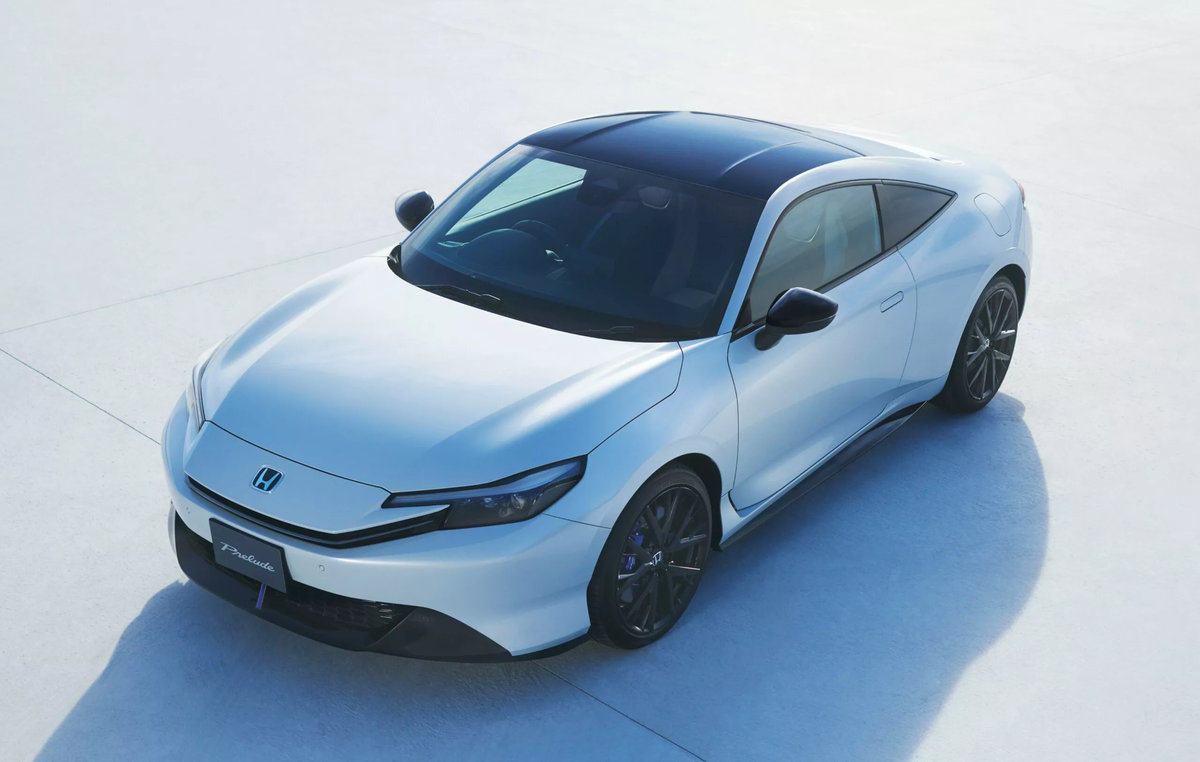
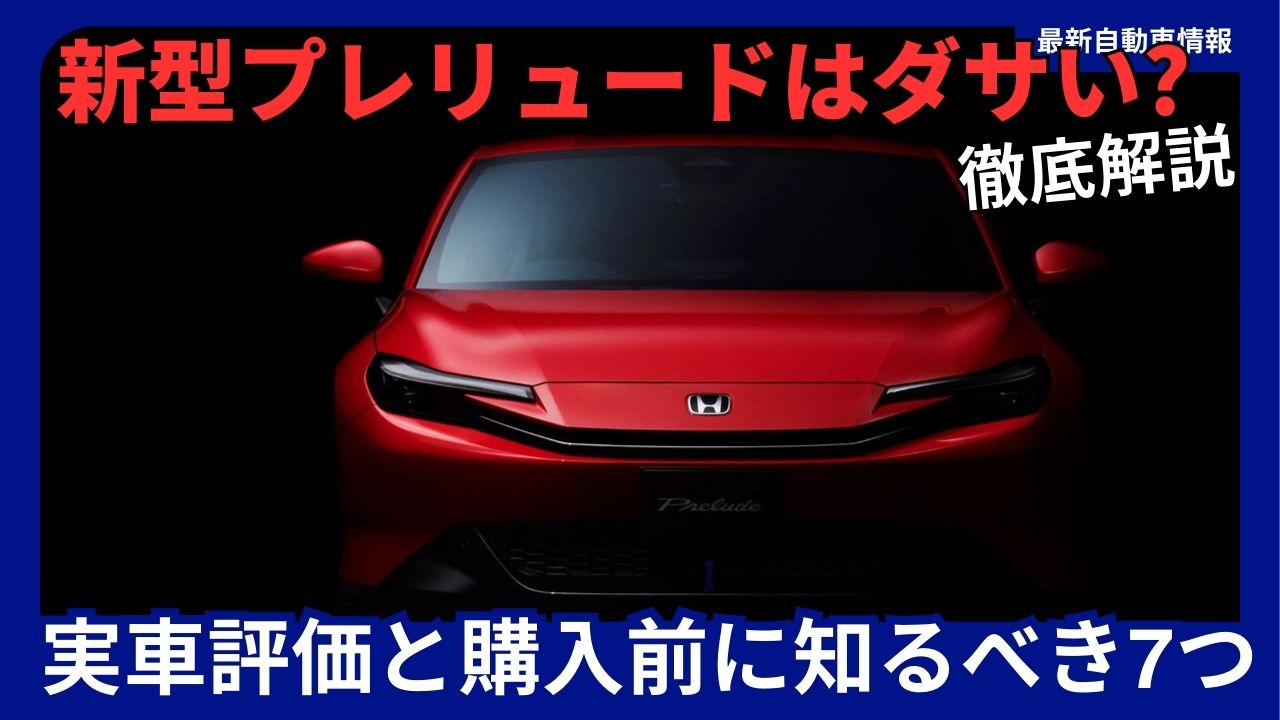
Honda Prelude
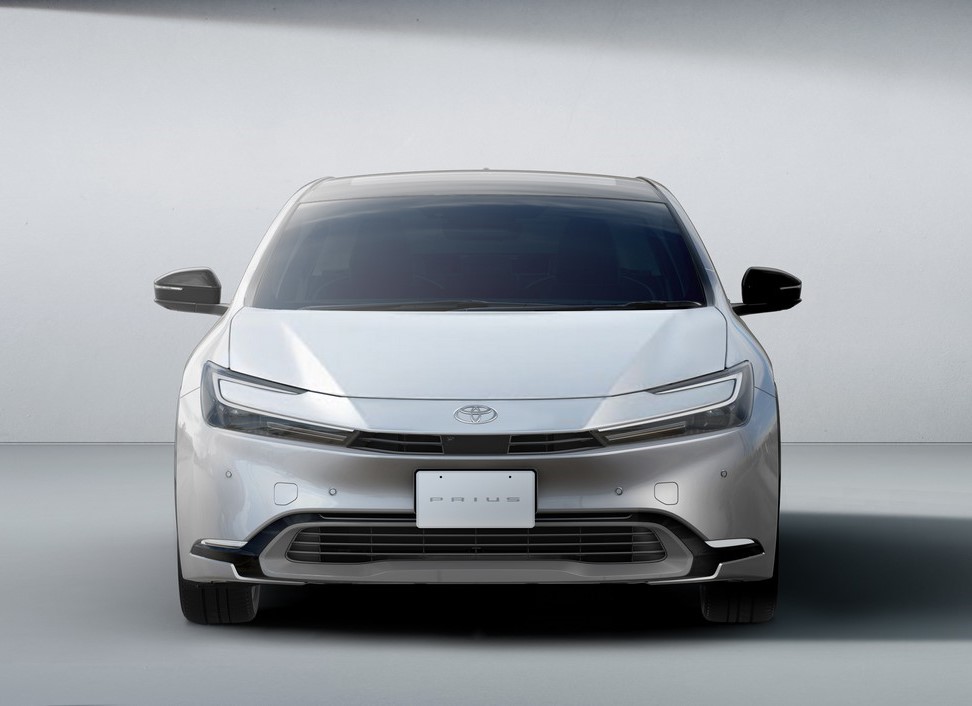
The new Prelude (BF1), which was released in September 2025, has been met with numerous comments online, including comments like “It looks like a Prius” and “It has a Toyota face.” In particular, the combination of the sharp LED headlights and thin grille on the front mask has been pointed out as being very similar to the current 60-series Prius.
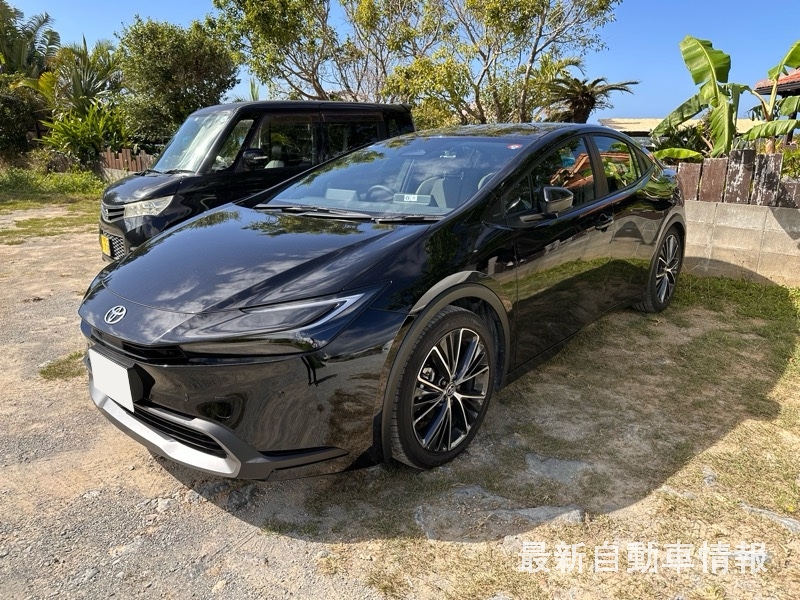
Toyota Prius
Common points:
- Thin LED headlights arranged in a horizontal line
- Clean grill-less front design
- Streamlined body lines that emphasize aerodynamics
- A smooth silhouette from the roof to the rear end
This “Prius-like” impression has led to criticism that it undermines the car’s uniqueness as a sports coupe.
1-2. Design differences with previous models
The Prelude is a legendary car that was produced over five generations from 1978 to 2001. The second and third generations in particular were characterized by a low hood, retractable headlights, and sharp body lines, and were immensely popular as a “sporty date car.”
What fans have been hoping for:
- Distinctive design such as retractable headlights
- Low, wide and low styling
- Edgy, straight body lines
- A clear sports coupe identity
The new model has a rounded, elegant design, which is quite different from the “identical” look that fans of the past were looking for. In particular, with the design failure of the fourth-generation Prelude (BB type) still lingering in the mind, some have pointed out that the new model also gives off a similar “not quite right” feeling.
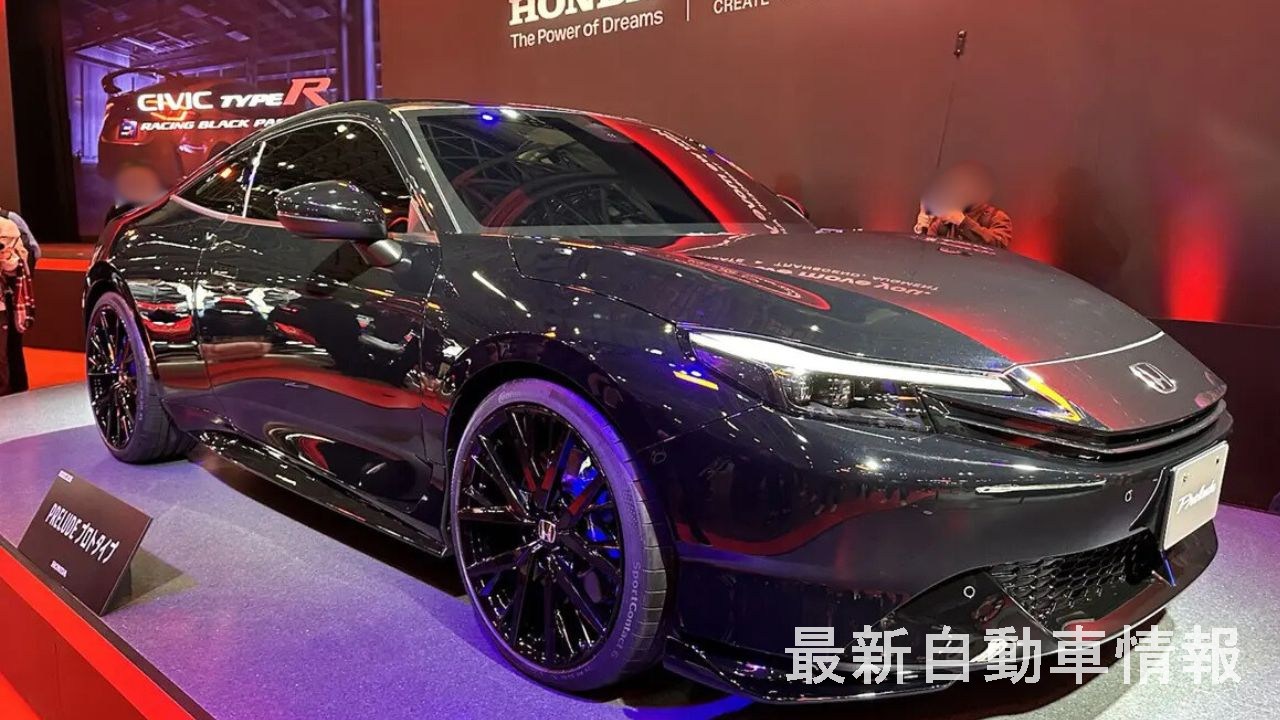
1-3. 1,880mm overall width disregards the Japanese market
The new Prelude is 1,880mm wide, which is a size that is extremely difficult to handle considering the road conditions in Japan. This design has been criticized as prioritizing the North American market and ignoring the needs of domestic users.
Size Issues:
- There is a high possibility that you will not be able to enter the multi-story parking lot.
- Difficult to maneuver on narrow roads
- Being a two-door coupe already makes it less practical, but the wide body further limits the buyer base.
The monthly sales target of just 300 units also shows that Honda itself does not have high expectations for sales in the Japanese market.
1-4. Dissatisfaction with the incomplete powertrain
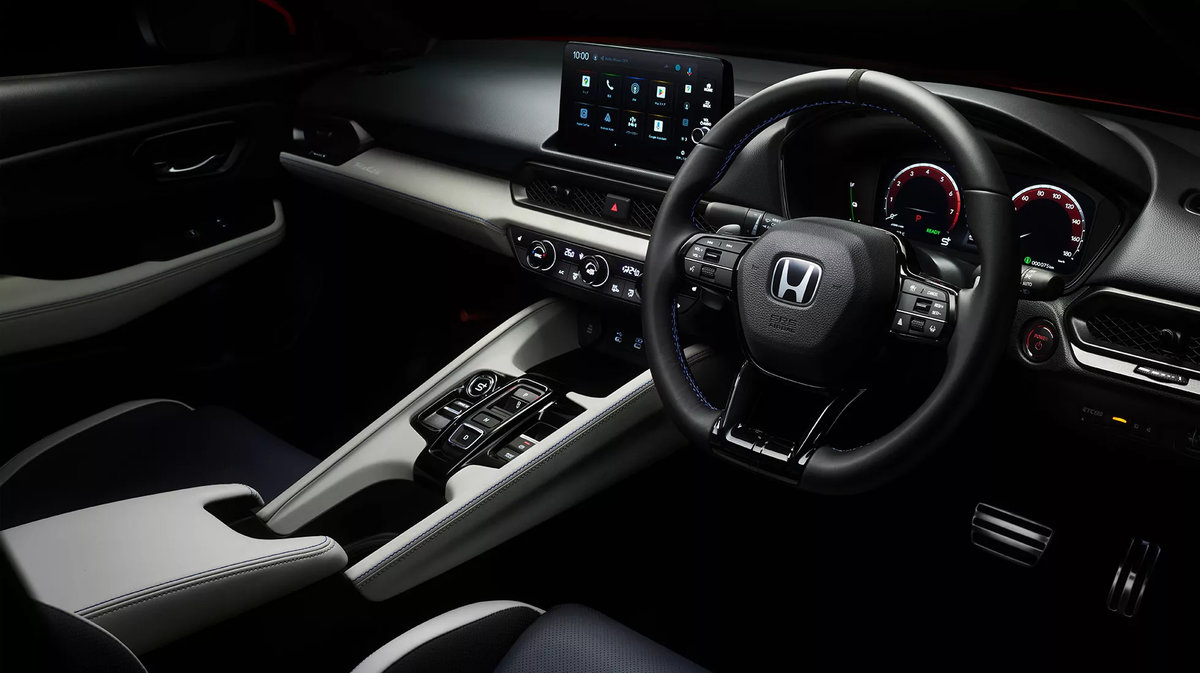
The new Prelude is equipped with a 2.0L inline 4-cylinder engine and e:HEV hybrid system, but its 0-100km/h acceleration time is around 9 seconds, which is not enough performance for a sports car.
Powertrain criticism:
- The engine’s maximum output is 141ps, the motor’s 184ps, so the total is not 325ps.
- A lack of power typical of naturally aspirated engines
- The pseudo 8-speed shift function and active sound control are software-level modifications.
- Performance that doesn’t match the price
Many people are saying that “6.18 million yen is too expensive for the same powertrain as the Civic e:HEV.”
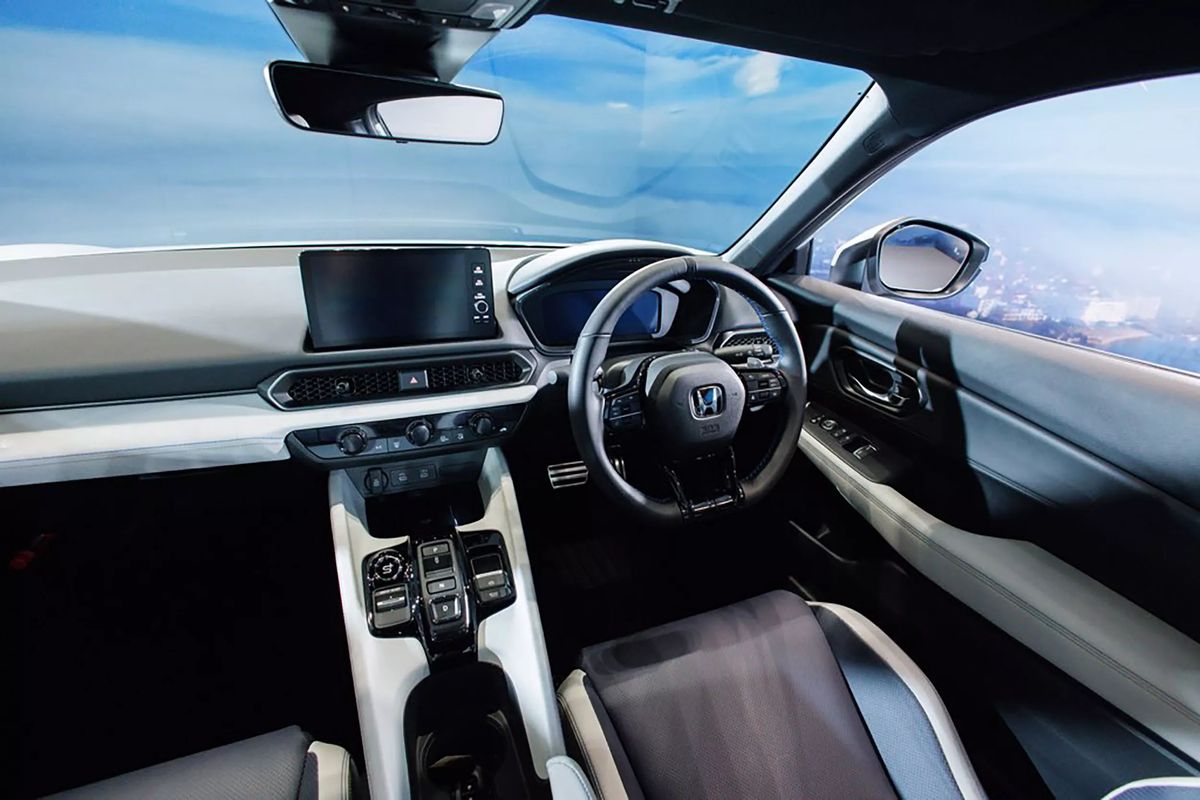
1-5. Disappointment with the cheap equipment
Honda Prelude
Equipment not included in a car priced at over 6 million yen:
- Power seats (front seats also manually adjustable)
- Seat ventilation
- Sunroof (not available even as an option)
- Multi-view camera system (360° camera)
- Electric tailgate (manual opening and closing)
- Rear wing (not standard equipment)
These are features that are also used in light cars and compact cars, and it has been pointed out that the quality is two levels lower than what would be required to call it a “specialty car.”
2. Is it similar to the Prius? The truth behind the design comparison
2-1. Similarities in front design
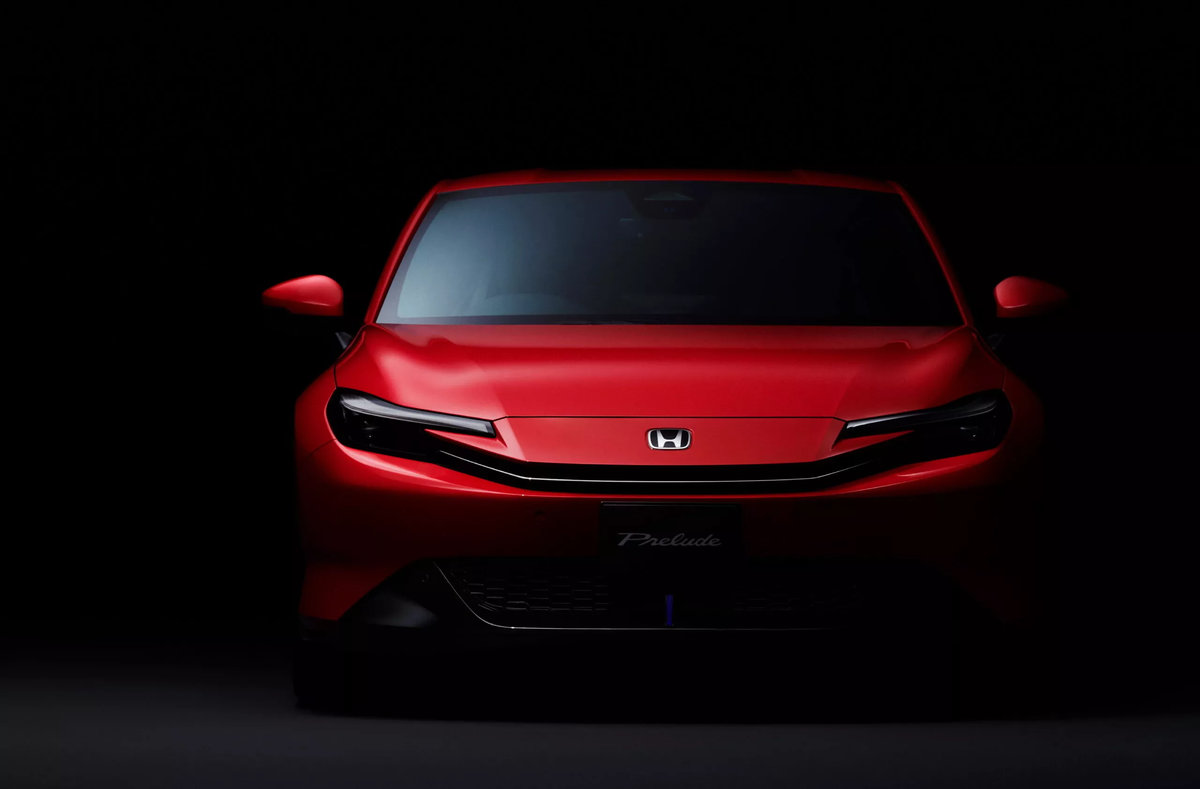
The front fascia of the new Prelude and Prius certainly have something in common:
Honda Prelude
Toyota Prius
Similar elements:
- Thin LED headlights arranged in a horizontal line
- Grill-less design for a futuristic look
- Simple aerodynamic treatment at the bottom of the bumper
- Smooth surface structure that continues from the bonnet
These are not mere imitations, but modern design trends that maximize environmental and aerodynamic performance. Similar designs are increasingly being seen not only by Toyota, but also by Mazda, Nissan, and imported cars.
2-2. However, the details are clearly different
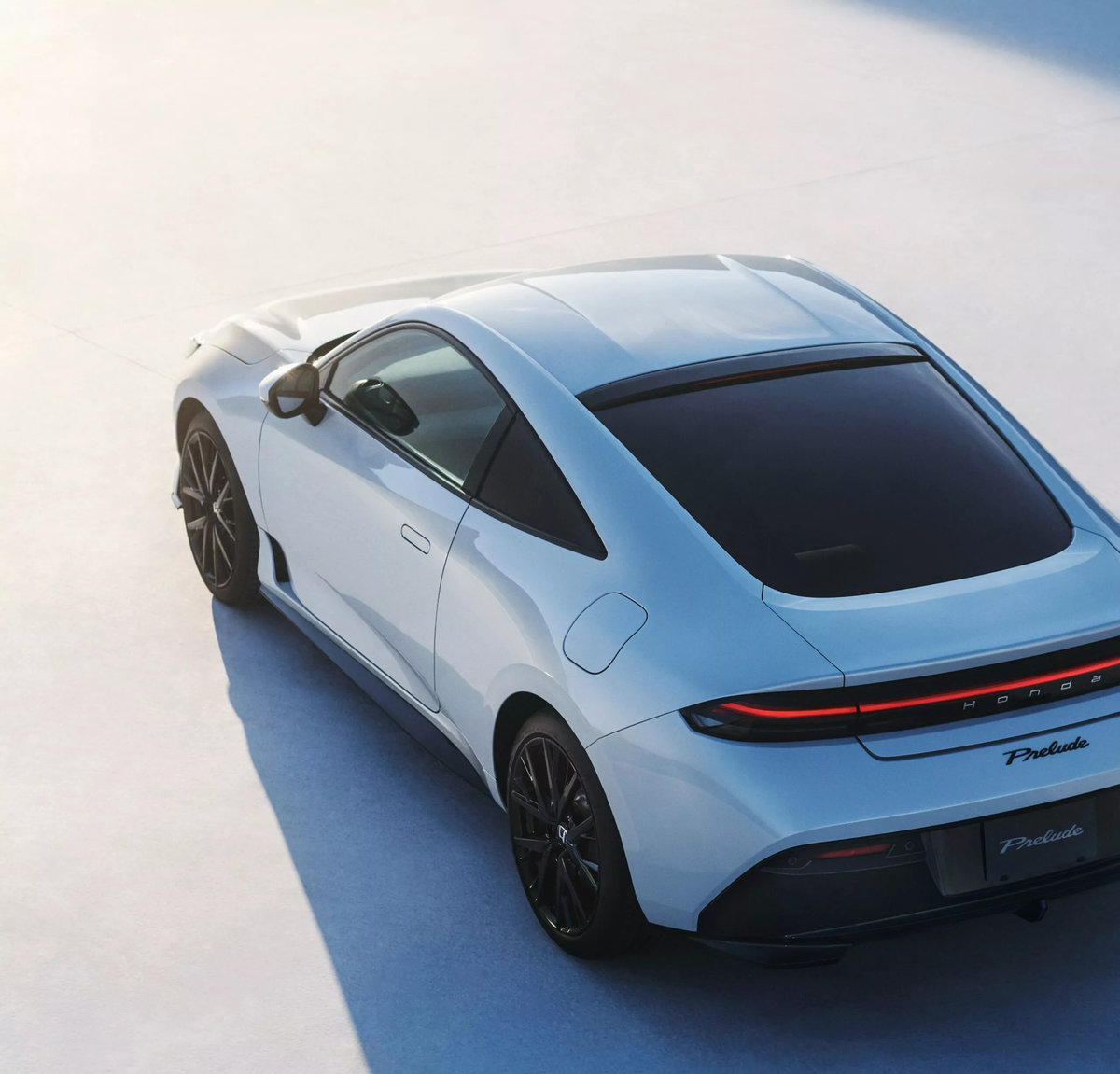
A closer look at the car reveals a number of unique features of the Prelude:
Prelude
What makes Prelude unique:
- Sharp character lines and an edgy side view
- Simple taillights that emphasize horizontal emphasis (Prius has a C-shaped taillight)
- A low center of gravity form that emphasizes wide and low
- Hard and sporty elements based on Honda’s design language
Many people say that even though they look similar in photos, the impression is very different in real life.
2-3. Why do you think they are similar?
Human cognitive psychology has a tendency to associate new things with “known things” when we see them (schema). Because the impression of the Prius is strong, if there are similar elements, we tend to perceive it as “Prius-like.”
Furthermore, as the opinion that “it looks like a Prius” spreads on social media, other people will begin to see it in the same light (cognitive bias/group conformity), reinforcing the perception that they “look similar.”
3. The gap felt by fans of previous Preludes
3-1. Differences from the Golden Age (2nd and 3rd Generations)
The second and third generation Preludes of the 1980s were a huge hit, becoming synonymous with specialty cars:
The appeal of the time:
- Low bonnet height and retractable headlights
- Electric sunroof as standard
- More affordable than the Soarer and Z
- Front double wishbone, mechanical 4WS
- Brand image as a “date car”
These cars had established themselves as “affordable sports cars” and “cheap Ferraris.”
3-2. What was required of the new model
What fans have been hoping for:
- The return of the low bonnet
- Large center LCD panel (over 14 inches)
- Glaring ambient light
- Large-opening sunroof
- Power passenger seat (driver’s side operation possible)
- Specialty car-like equipment that emphasizes appearance
- Affordable price (low 4 million yen range)
However, the new model emphasizes “Type R-like driving” and sacrifices luxury equipment.
3-3. Concerns about repeating the mistakes of the fourth generation
The fourth-generation Prelude (1991) debuted with a novel design featuring cat-eye headlights and triangular taillights, but sales were sluggish due to a negative reaction from existing fans. The fifth-generation model returned to the traditional design.
The new model also follows a similar “denial of the past” approach to the fourth generation, and there are concerns that the same mistakes may be repeated.
4. What do people who have seen the actual car think? The gap between social media and reality
4-1. Evaluations from people who have seen the actual car
The reviews from people who saw the actual car were surprisingly positive:
Positive comments:
- “The design is much cooler when you see it on the actual car.”
- “It’s great that they kept the two-door coupe while bringing it into the modern era.”
- “It’s a great achievement to bring back the impractical date car into modern times.”
- “It’s all LED, which makes a good impression.”
- “The impression is very different from the photo and the actual car”
Critical comments:
- “It looks like a Prius Coupe, but the rear looks like a Porsche.”
- “I’m surprised it’s not a sashless door.”
- “The retractable door handle (flush door handle) is difficult to use.”
- “Rear wings are expensive at this price”
4-2. Same flow as Civic Type R (FL5)
When the Civic Type R (FL5) was first announced, it was criticized as being “ugly” and “too flashy,” but once people saw the actual car, their opinions changed and it is now very popular.
The same goes for the new Prelude:
- The actual car is better than photos or videos
- The more time passes, the better it becomes
- Is Honda deliberately posting images on its official website from angles that make it look uncool?
It may be the type of design where the more you chew it, the more flavor it has.
4-3. Personal evaluation
Reasons for purchasing:
- My impression changed when I saw the actual car.
- The two-door coupe model itself is rare
- Hybrid system perfection
- Driving performance based on the Civic Type R
Concerns:
- The price is high at 6.83 million yen (including tax).
- Rarity of 300 units sold per month (possibility of not being able to buy)
- No power seats or sunroof
- There is a possibility that the highway panel is not displayed on Google Navigation
5. Is the price of 6.18 million yen reasonable? A thorough examination of the equipment details
5-1. Vehicle price and grade
New Prelude price:
- Vehicle price: 6,179,800 yen (tax included)
- Grade: Only 1 grade
- Drive system: FF only
- Honda ON Limited Edition: 6,481,000 yen (online only, Honda Total Care membership for one year or more, lump-sum payment only)
5-2. Standard equipment
Approved equipment:
- Civic Type R-based chassis
- Brembo large capacity front brakes
- 19-inch noise-reducing tires
- Adaptive Damper System
- Honda S+Shift (pseudo 8-speed)
- Active Sound Control
- Google Built-in navigation (standard equipment)
- Honda SENSING (advanced safety equipment)
- All LED lighting
Insufficient equipment:
- Manually adjustable front seats (not equipped with power seats)
- No seat ventilation
- Sunroof not available
- Multi-view camera not installed (rear camera only)
- Manually opening and closing tailgate
- 9-inch display (small for a modern car)
- No ambient light
5-3. Price comparison with competing vehicles
Sports cars in this price range:
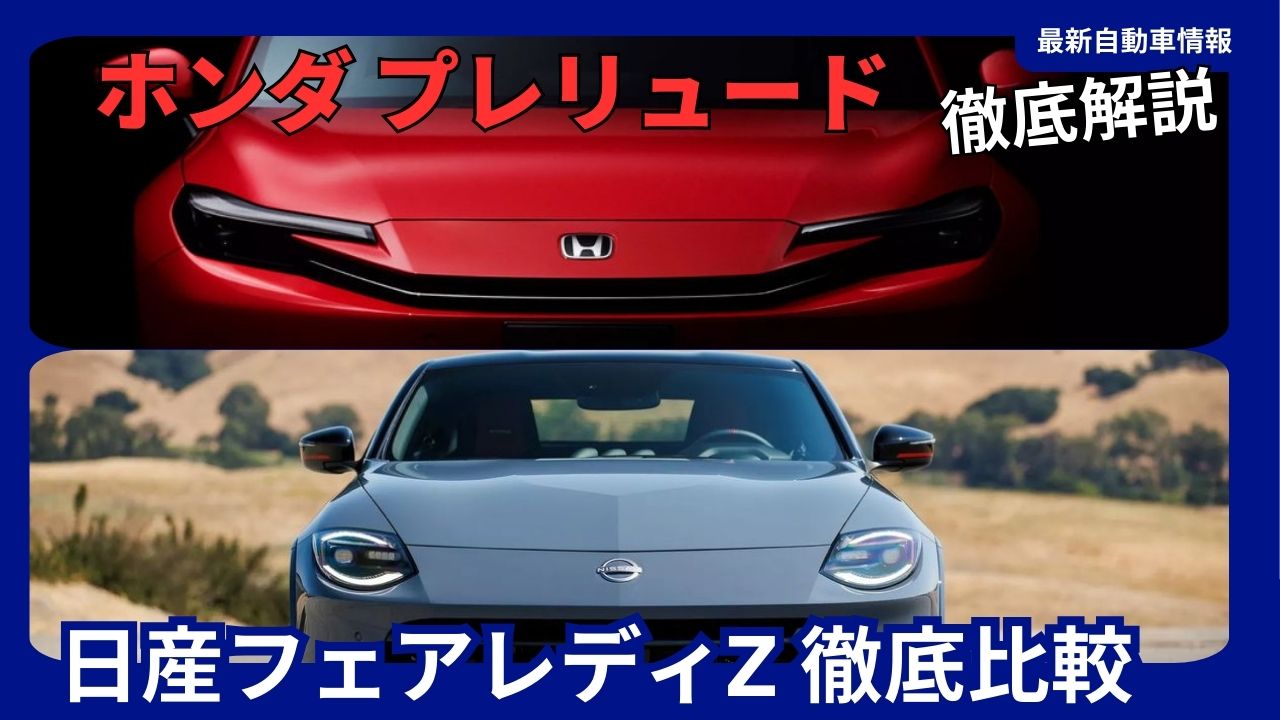
- Nissan Fairlady Z: From 5,247,000 yen
- Toyota GR Supra: From 5,095,000 yen
- Mazda Roadster RF: From 3,927,000 yen
In comparison, the new Prelude:
- A hybrid instead of a powerful gasoline engine
- The equipment is inferior
- Poor brand power
5-4. The reality of all-inclusive pricing
Example quote (Moonlit White Pearl + Black interior):
- Vehicle body: 6,179,800 yen
- Body color (white): 82,500 yen
- ETC setup: Approximately 30,000 yen
- Coating: 190,000 yen
- Wiper blades: Approximately 20,000 yen
- Floor mats: 82,000 yen
- Drive recorder: 72,000 yen
- Inspection pack (30 months): 82,000 yen
- Miscellaneous expenses: Approximately 90,000 yen
Total: Approximately 6.83 million yen
If you remove the coating, it costs about 6.63 million yen, but that’s still expensive.
6. Who is the target? The background to the criticism that “no one wants it”
6-1. Ambiguity of target audience
What former Prelude fans (in their 40s and 50s) want:
- Affordable price (4 million yen range)
- Luxury equipment
- A special feeling as a date car
- Sunroof and electric seats
Young sports car enthusiasts want:
- Powerful engine
- Manual transmission
- Affordable price
- Pure sports performance like the GR86/BRZ
The new Prelude offers:
- High price of over 6 million yen
- Hybrid system
- Emphasis on environmental performance
- Driving performance derived from Type R
There has been criticism that the program is half-baked and lacks a clear target audience.
6-2. Will the CR-Z and NSX repeat the mistakes of the second generation?
Honda has had two failed hybrid sports cars before:
CR-Z (2010-2016):
- Hybrid sports coupe
- Insufficient power and half-baked
- Production ended due to poor sales
NSX 2nd generation (2016-2022):
- Hybrid supercar
- A high price of 23.7 million yen
- Production ended due to poor sales
There are concerns that the new Prelude will follow the same path.
6-3. A modest goal of 300 units sold per month
Honda itself doesn’t expect it to be a big hit:
- Monthly sales target: only 300 units
- Initial lot: only 2,000 units
- Sales method: Lottery and strict purchase conditions
This is a strategy that assumes that the product will not sell, and suggests a misreading of market needs.
7. The true appeal of the new Prelude and points that should be reevaluated
7-1. The legacy of the two-door coupe
In this age of SUVs and minivans, the very fact that they developed a new two-door coupe is worthy of praise. I also appreciate their determination to preserve it as a “culture” even as the market shrinks.
7-2. Hybrid system maturity
Benefits of e:HEV:
- Fuel economy 23.6km/L (WLTC)
- High level of quietness
- Powerful acceleration from motor drive
- Low maintenance costs (tax benefits available)
Its everyday comfort exceeds that of a pure gasoline sports car.
7-3. Driving performance based on the Civic Type R
Ride quality:
- Brembo brakes
- Adaptive Damper
- Specially tuned chassis
- Lightweight at 1,460 kg
Many people have commented that “it’s better than I imagined when I rode it.”
7-4. Texture and presence of the actual car
Difference between the photo and the actual car:
- Three-dimensional effect and beautiful body lines
- Paint texture
- Wide and low proportions
- Attention to detail
It is notable that many people’s opinions change when they see the actual car.
7-5. Value due to scarcity
With an initial production run of 2,000 units and monthly sales of 300 units, this car is likely to fetch a premium price in the future. It is also expected to be a valuable collector’s item.
Summary: Is the new Prelude “ugly”?
Objective evaluation
Negative aspects:
- Similarities with the Prius
- Gap with previous models
- Equipment not worth the price
- Middling powertrain
- Ambiguity of target audience
Positive aspects:
- Texture and presence of the actual car
- Hybrid system perfection
- Driving performance inherited from the Civic Type R
- The merit of preserving the option of a two-door coupe
- Potential to be appreciated over time
final conclusion
Whether the new Prelude is “ugly” or not depends on what you prioritize .
Not suitable for:
- Those seeking the remnants of the previous Preludes
- People who want an affordable coupe in the 4 million yen range
- People who like powerful gasoline engines
- People who value practicality and a full range of equipment
Suitable for:
- People who find value in two-door coupes
- People interested in hybrid sports
- People who enjoy rarity
- People who can judge by looking at the actual car
Consider buying:
- Be sure to see the actual car (it may look different from the photo)
- Test drive and check the performance
- Clarifying equipment compromises
- Compare and consider with competing vehicles
- Consider future asset value
The new Prelude is a car that has received mixed reviews, but it is also true that many people say that their opinion changes once they see the actual car. We recommend that you see it for yourself rather than judging it based solely on information on social media.
Useful links: