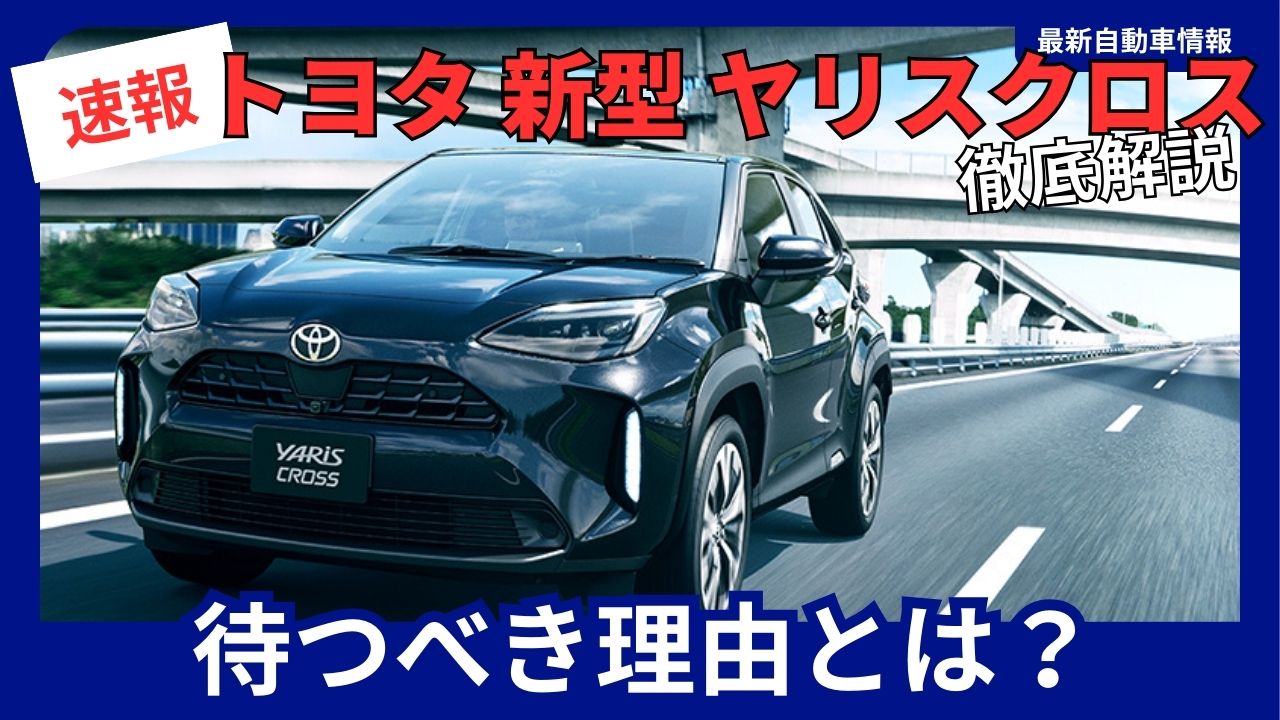



Toyota’s popular crossover SUV, the Corolla Cross, will undergo a full model change and the second generation is scheduled to be released around 2027.
Toyota’s Corolla series is currently incredibly popular in automotive markets around the world. Among these models, the Corolla Cross, which combines the practicality of an SUV with a sophisticated design, has garnered support from many drivers. Since its launch in 2021, its popularity has shown no signs of waning, consistently ranking high in sales figures. However, with trends in the automotive industry changing rapidly today, it’s only natural that expectations for the next-generation model will grow. There are already rumors circulating that development of the next-generation Corolla Cross is underway behind the scenes, with rumors suggesting its debut will be around 2027.
This full model change is expected to be more than just a minor change; it will be truly revolutionary. With a bold exterior design, improved interior quality, and a comprehensively evolved powertrain, it will undoubtedly surpass the current model in every way. In this article, we will provide as much detailed and comprehensive coverage as possible of the next-generation Corolla Cross, based on the information that has been released so far and industry trends. How will the next-generation Corolla Cross exceed our expectations? We will now take a closer look at the full extent of this astonishing evolution.
Summary of the new Corolla Cross (expected to be released in 2027)
- overview
- Predicted release date: A full model change is likely to occur between late 2027 and early 2028.
- Concept: A complete overhaul of the current model, it has the potential to become a game changer, achieving revolutionary advances in design, performance, and quality.
- Exterior design
- Front: Adopts Toyota’s new generation design, “Hammerhead,” giving it a sharp, cutting-edge look.
- Side: Incorporating a sleek coupe-SUV style for a more dynamic and stylish silhouette.
- Body size: The overall length and width have been increased compared to the current model, improving its dignity and livability.
- Rear: It is expected that a horizontally lit LED tail lamp will be adopted, emphasizing the car’s advanced design and wide feel.
- Interior and equipment
- Texture: Extensive use of soft padding and stitching creates a high-quality interior space that exceeds its class.
- Display: The horizontally-oriented instrument panel is equipped with a large infotainment display measuring over 12.3 inches and a full digital meter.
- Advanced features: Expect to see the adoption of the latest connected services and a “digital key” that allows you to use your smartphone as a key.
- Powertrain
- Hybrid system: Updated to the latest “5th generation hybrid system.”
- Lineup: The two most likely options are a 1.8L hybrid with excellent fuel efficiency and a high-output 2.0L hybrid.
- Addition of PHEV: There is a very high possibility that a powerful PHEV (plug-in hybrid) capable of EV driving will be added as the top model in the series.
- Safety performance
- Toyota Safety Sense: The latest generation of Toyota Safety Sense, with significantly improved functionality, is standard equipment.
- Detection function: The range of coverage has been expanded, with motorcycles now being added to the detection targets of the collision damage mitigation brake.
- Driving assistance: Equipped with a “Driver Abnormality Response System” that safely stops the vehicle in the event of a driver abnormality, safety has been dramatically improved.
- Platform
- Basic structure: Adopts the improved and matured TNGA “GA-C platform.”
- Driving performance: A low center of gravity and improved body rigidity provide both excellent handling stability and a high-quality ride.
- Quietness: Enhanced soundproofing and sound absorption measures create a quiet and comfortable travel space.
- Price Prediction
- Price range: Due to improved functionality and quality, the price is expected to increase by approximately 200,000 to 400,000 yen compared to the current model.
- Hybrid: Entry-level model likely to cost over 3 million yen.
- PHEV: Possibly priced at around 4.5 million to 5 million yen.
Bold evolution of exterior design: styling that symbolizes a new generation of Toyota
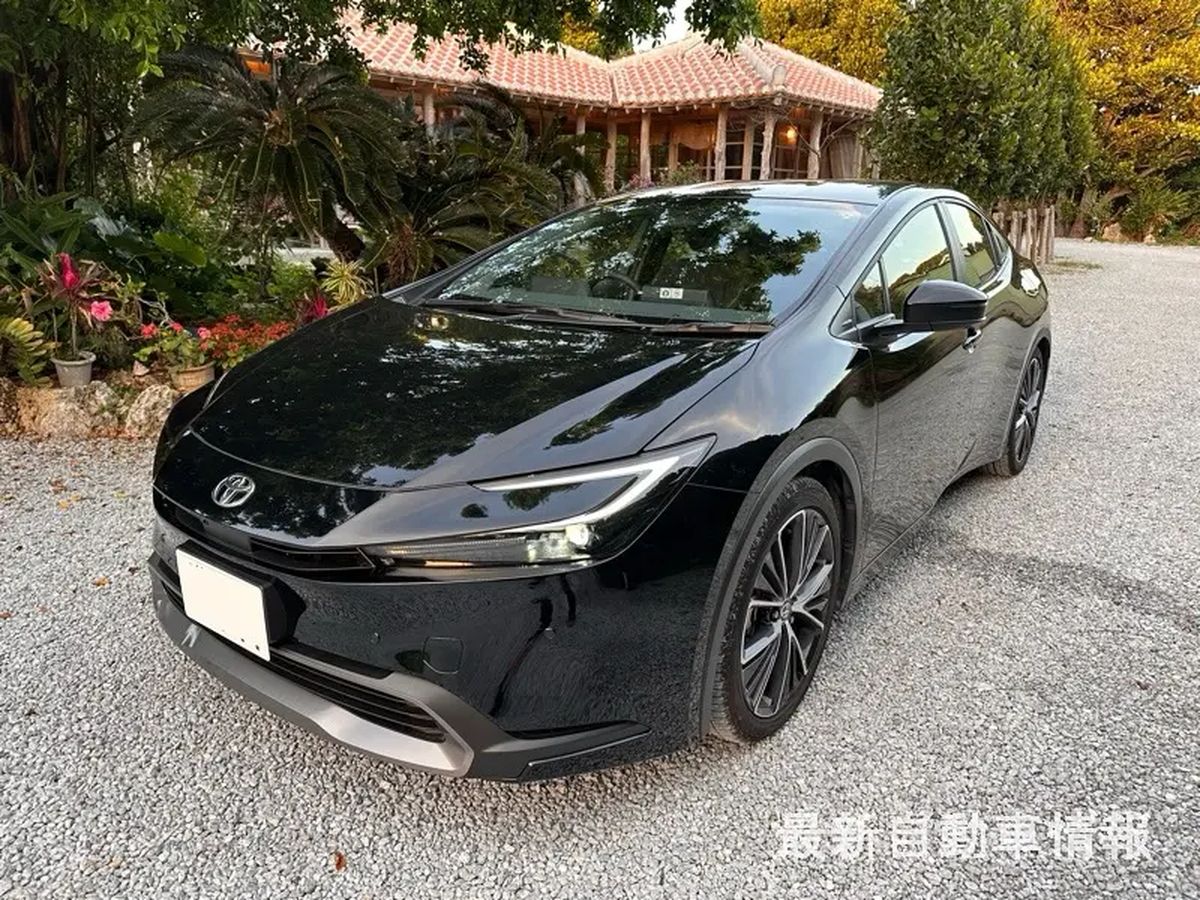
toyota prius 2023
The most notable change to the next-generation Corolla Cross is undoubtedly its exterior design. The current model’s design, which combines the familiarity of the car with the strength of an SUV, has been well-received by many. However, the next model will see a major shift in direction, pursuing sharper, more advanced styling. At the heart of this design is the “hammerhead” design that has been adopted commonly in recent Toyota vehicles.
This hammerhead design features U-shaped LED clearance lamps with a hammerhead shark motif, and has already been adopted in the new Prius and Crown series, establishing Toyota’s new brand image. The next-generation Corolla Cross will also follow this design trend, and its front mask will be transformed into something that makes a strong impact and instantly recognizable as a new-generation Toyota vehicle. The combination of the thin, sharp headlight units and the wide, open lower grille emphasizes the low center of gravity and wide stance, enhancing the sporty and aggressive impression.
The side view will also have a silhouette that is significantly different from the current model. It is highly likely that the new car will evolve from the relatively orthodox SUV style of the current model to a more sleek, coupe-like form. The roofline will slope gently towards the rear, and dynamic character lines will run down the side of the body, creating a dynamic design that gives the impression of movement even when stationary. This is a strong reflection of design trends in the SUV market in recent years, and is sure to appeal strongly to users who are looking for a personal, stylish SUV that is not just practical.
Furthermore, an increase in the body size is also expected. The increase in both length and width compared to the current model will give it a more imposing presence while also contributing to increased interior and luggage space. The increase in width in particular will also lead to a wider tread, contributing to improved driving stability, which will bring significant benefits in terms of both design and functionality. The rear design is also likely to feature horizontally extending LED taillights, which are expected to create a unified look with the front while emphasizing its advanced and wide design. With these design changes, the next-generation Corolla Cross will no longer be confined to the category of an “SUV version of the Corolla,” but will be reborn as a vehicle with its own strong individuality and presence.
Dramatically improved interior quality and advanced equipment: Achieving a high-quality space that exceeds its class
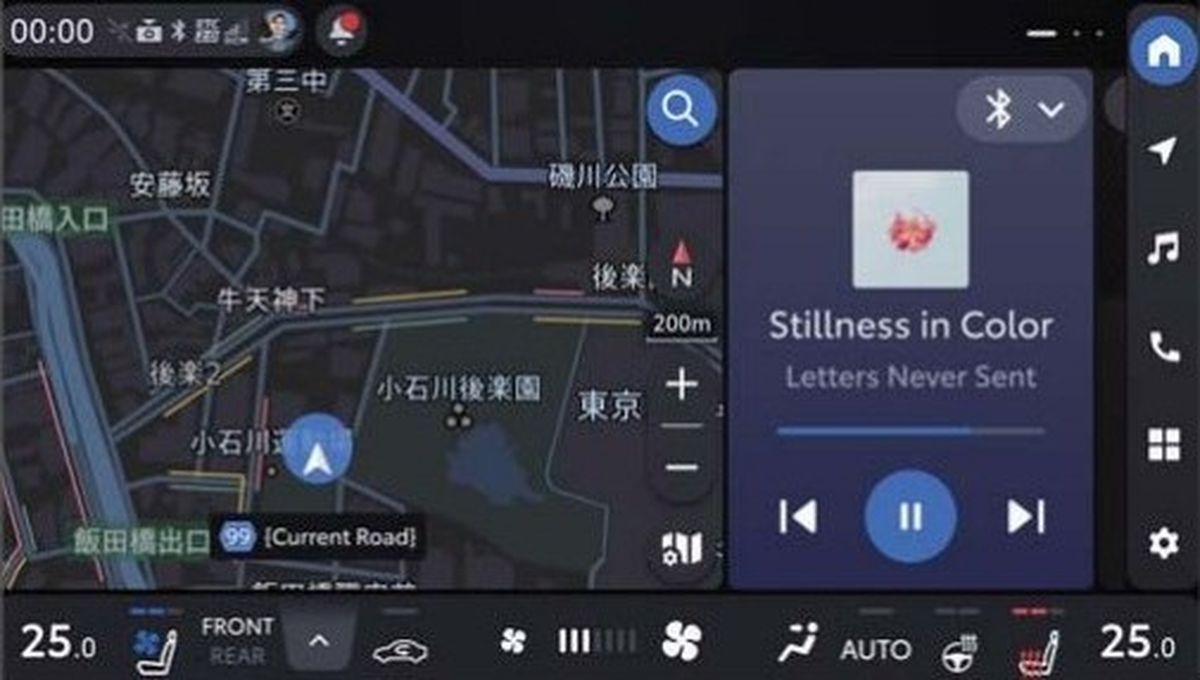
In line with the innovations in exterior design, the interior will also undergo a dramatic evolution. The interior of the current model is highly praised for its practicality and easy-to-use layout. However, in terms of quality, it was hard to shake off the impression that it was just what you’d expect for the price. For the next model, we will thoroughly review this aspect, aiming to create a high-quality, advanced interior space that breaks down the hierarchy of its class.
At the heart of this is a new horizontally-oriented instrument panel design. This design minimizes the driver’s eye movement and ensures a wide field of view, a design concept common to recent Toyota vehicles. A large infotainment display will be placed in the center. It has been suggested that the display may be 12.3 inches or larger, allowing for intuitive and smooth operation of a wide range of information, including the navigation system, various vehicle settings, and entertainment functions. In addition, a fully digital LCD meter will be standard equipment on the meter panel, and by switching the display mode as desired, drivers will be able to instantly obtain the information they need according to their preferences.
Extraordinary attention will be paid to the selection of materials. The dashboard and door trim will be made with soft padding that feels pleasant to the touch, and will feature stitching, creating a finish that is both visually and tactilely satisfying. The seat materials and design will also be revised, and high-quality seats will be used that combine high levels of support and comfort, making long-distance driving less tiring.
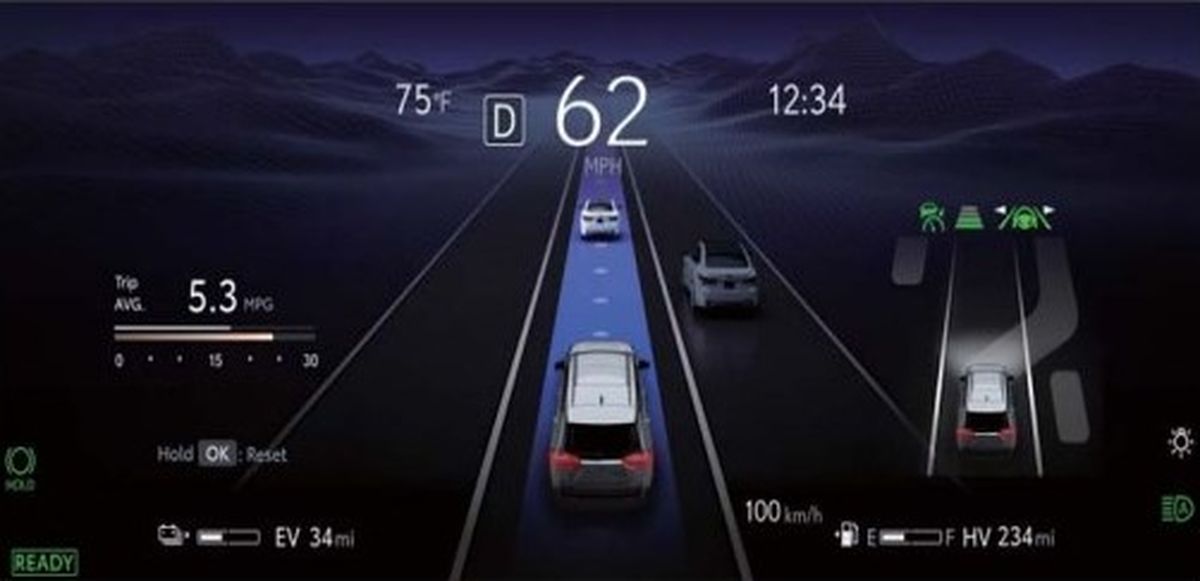
Furthermore, the car’s advanced equipment lineup is also not to be overlooked. It supports the latest connected services and offers enhanced smartphone connectivity. Using a dedicated app, users can remotely control the air conditioning, lock and unlock the doors, and even locate the vehicle. The adoption of a “digital key” that allows users to use their smartphone as a vehicle key is also expected, dramatically improving convenience. Ambient lighting is also a promising feature. By changing the interior lighting color to match the passengers’ preferences and driving mode, it can create a moody nighttime drive or a relaxing space, making travel more fulfilling and enjoyable. These advancements will elevate the interior of the next-generation Corolla Cross from a mere travel space to a high-quality private lounge where the driver and passengers can spend their time in comfort and fulfillment.
Completely renewed powertrain: A new generation unit incorporating the best of electrification technology
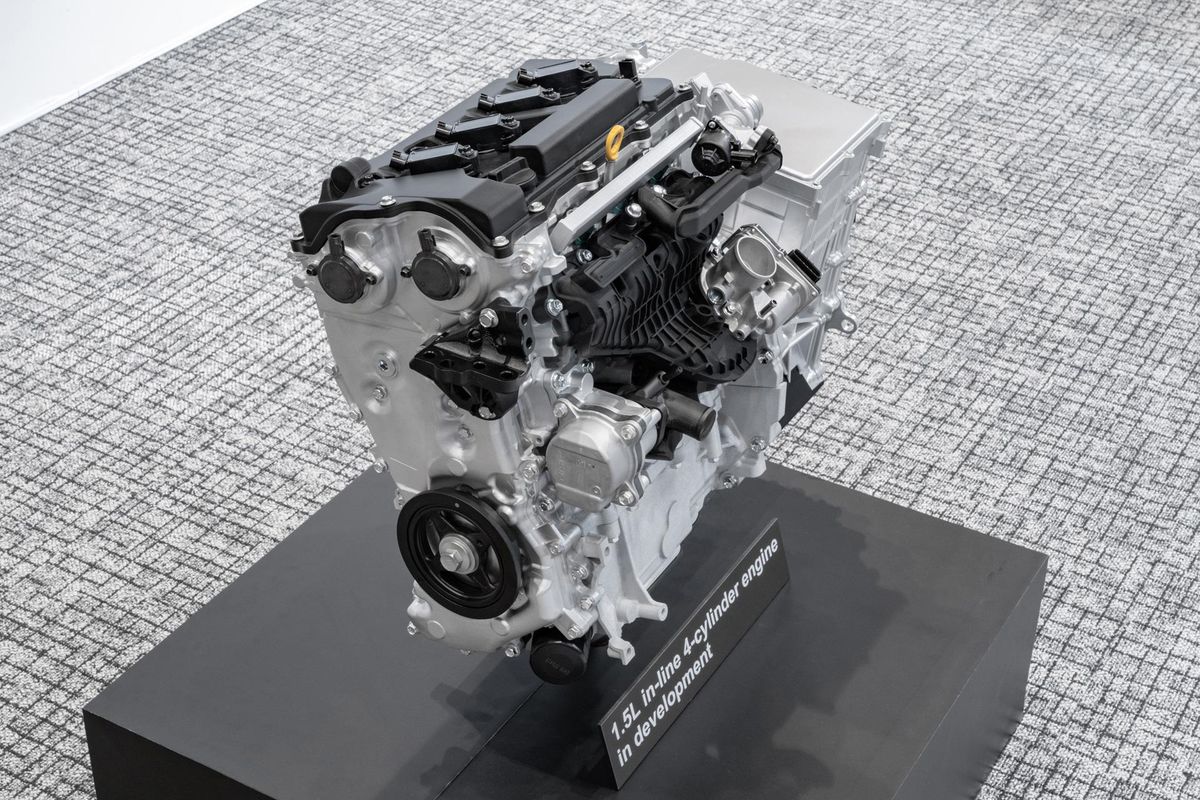
Toyota’s 1.5L inline 4-cylinder engine under development
Along with the exterior and interior, the complete overhaul of the powertrain symbolizes the evolution of the next-generation Corolla Cross. In today’s world, where higher levels of both environmental friendliness and driving performance are required than ever before, Toyota’s latest electrification technologies will be used generously. The main player in this development is the new-generation hybrid system, now in its fifth generation.
Currently, the most likely prediction is that the lineup will feature two hybrid systems: a 1.8L and a 2.0L. While the 1.8L hybrid system will be based on the unit also installed in the current model, improvements will be made to all components, from the motor and battery to the control system. This will further improve fuel efficiency, and it may not be a dream to achieve figures of over 30km/L in WLTC mode. At the same time, the motor assist will be more linear and powerful, significantly improving ease of handling and quietness in everyday city driving.
Meanwhile, a hybrid system combining a 2.0L Dynamic Force engine is expected to be installed in higher grade models. This unit is expected to achieve a maximum system output of nearly 200 PS, significantly exceeding the current model, and its driving experience can be best described as “exhilarating.” The moment you step on the accelerator, the motor’s powerful torque instantly rises, seamlessly coordinating with the engine to deliver a thrilling acceleration feel. It’s sure to deliver dynamic performance that will meet the driver’s expectations in any situation, from overtaking on the highway to sporty driving on winding roads. Of course, fuel economy won’t be sacrificed even with this high level of performance. Thanks to Toyota’s hybrid technology know-how cultivated over many years, it perfectly balances the seemingly contradictory elements of excellent fuel economy and driving enjoyment.
The biggest highlight of this full model change is likely to be the addition of a PHEV (plug-in hybrid) model. Toyota’s PHEV system, already highly acclaimed in the RAV4 and Prius, is likely to be featured in the Corolla Cross as well. The inclusion of a large-capacity drive battery will significantly extend the vehicle’s EV (electric vehicle) driving range, allowing it to run on the motor alone for most everyday activities, such as shopping and commuting, without starting the engine. This not only significantly reduces gasoline costs if the vehicle is primarily charged at home, but also reduces CO2 emissions and contributes significantly to reducing environmental impact. Furthermore, the PHEV model’s powerful motor performance is sure to make it the most powerful model in the series. Combining quiet, smooth EV driving with the impressive acceleration of a combined engine and motor, the PHEV model will likely play a flagship role, driving the image of the next Corolla Cross.
Dramatic advances in safety performance: Toyota’s latest technology aims for zero accidents
For SUVs, where families and loved ones are often transported, high safety performance is an important value that cannot be replaced by anything else. Toyota has long set the ultimate goal of “zero traffic fatalities and injuries” and has focused on developing safety technology. The next-generation Corolla Cross will of course come standard with the latest development, the preventive safety package “Toyota Safety Sense.” However, the content will be of an entirely new generation, with significantly improved and expanded functionality compared to the current model.
First, the detection range of the collision damage mitigation braking system (pre-crash safety) will be significantly expanded. Improved performance of the millimeter-wave radar and monocular camera will now enable the detection of motorcycles (daytime) in addition to vehicles, pedestrians, and cyclists. Other features added include a function to detect oncoming vehicles and pedestrians crossing the road when turning right or left at an intersection to help avoid a collision, and an emergency steering assist function that provides steering assistance if the system determines that a sudden steering input by the driver poses a risk of collision, dramatically improving safety in more complex traffic situations.
Driving assistance functions on highways and other roads will also be significantly improved. Radar cruise control (with full-speed tracking function) not only maintains a safe distance from the vehicle ahead while following the vehicle ahead, but also has a new function that reads the curvature of curves and automatically reduces the vehicle speed to an appropriate level. This significantly reduces driver fatigue and makes long drives safer and more comfortable. Lane Tracing Assist (LTA) has also been improved to provide smoother, more natural steering assistance, supporting a reassuring driving experience that makes you feel as if you are being driven by an experienced driver.
Even more noteworthy is the “Driver Abnormality Response System” which detects driver abnormalities and aims to avoid accidents and mitigate damage. If the system determines that the driver has become unable to operate the vehicle due to sudden illness or other reasons while driving, it will gradually slow the vehicle down, alert those around it with hazard lights and a horn, and bring the vehicle to a stop within its lane. It will then automatically connect to the Helpnet and call for emergency services, aiming to minimize damage in the unlikely event of an accident.
In the future, the adoption of “Advanced Drive,” a more sophisticated driver assistance technology, may also be on the cards. This is a technology in which the system takes over driving operations under certain conditions, such as enabling hands-off driving in traffic jams (0 km/h to approximately 40 km/h) on expressways and other roads. If this function were to be installed in the Corolla Cross, it would be a groundbreaking development for an SUV in this class and would undoubtedly garner significant attention. With the inclusion of these cutting-edge safety technologies, the next-generation Corolla Cross will have class-leading safety performance, allowing any driver to enjoy driving with peace of mind at any time.
Deepening the basic structure: maturing the TNGA platform and improving body rigidity
The basic framework of a vehicle, known as the platform, is what fundamentally supports a car’s driving performance, ride comfort, and safety. Like the current model, the next-generation Corolla Cross will use the GA-C platform, which was developed based on Toyota’s TNGA (Toyota New Global Architecture) structural reform of car manufacturing. However, this will not simply be a carryover. It will be a platform that can be considered a “mature version,” incorporating feedback from past knowledge and further improvements.
The greatest benefit of this improved GA-C platform is its lower center of gravity and improved body rigidity. By setting the vehicle’s center of gravity as low as possible, it is possible to reduce roll (body tilt) when cornering and maintain a stable driving posture. This allows the driver to enjoy the joy of controlling the car as they wish, and passengers to enjoy a comfortable drive without feeling any unpleasant shaking.
Improving body rigidity also contributes greatly to improved driving performance. By expanding the use of ultra-high tensile steel (high-tensile materials) and using the latest joining technologies such as structural adhesives and laser screw welding (LSW) in the right places, we have dramatically increased the body’s torsional rigidity. A highly rigid body serves as a solid foundation that allows the suspension to move precisely as designed. The body does not warp in response to inputs from the road surface, and the suspension strokes flexibly, achieving both excellent handling stability and a flat, high-quality ride.
It also contributes significantly to improved quietness. Sound-absorbing and sound-proofing materials have been optimally placed on the dash panel, floor, roof, and other areas to effectively suppress unwanted vibrations and noise from entering the cabin. Careful attention has also been paid to reducing wind noise, including by improving the sealing around the doors. These steady improvements will result in a quiet and comfortable interior space in the next-generation Corolla Cross, where conversations can be clearly heard even at highway speeds. By being thoroughly crafted from the ground up, the next-generation Corolla Cross will evolve into a vehicle that provides deep satisfaction to the driver and passengers not only in terms of its visual design and advanced equipment, but also in essential aspects of the car, such as its driving performance and ride comfort.
Expected price range and release date: The price of evolution and when to wait
With such a major full model change, the first thing that many users are concerned about is the price. Considering that the car will undergo significant evolution in every aspect, from the exterior and interior to the powertrain, safety features, and even the basic structure, it is natural to think that a price increase from the current model is inevitable.
Currently, the current Corolla Cross price range is approximately 2.2 million yen for the gasoline model and approximately 2.8 million yen for the hybrid model. Based on these prices, the next-generation model is expected to be priced at around 200,000 to 400,000 yen higher. In other words, it is entirely possible that even the entry-level hybrid model will be priced at over 3 million yen. And as for the PHEV model, which is expected to be newly added, if we take the pricing of the RAV4 PHEV and similar models into consideration, we cannot rule out the possibility that its price will be around 4.5 million to 5 million yen.
Of course, this is merely a prediction at this point. However, taking into account factors such as the recent rise in raw material prices and the standardization of advanced safety features, we should be prepared for some price hikes. Nevertheless, there is no doubt that the car will offer value that is worth, or even more than, that price. With class-leading fuel economy, dynamic driving performance, high-quality interior and exterior, and world-class safety features, this price is attractive enough that it will surely be supported by many users.
And as for the all-important release date, the most likely scenario at this point is that it will be sometime between late 2027 and early 2028. Developing a car takes many years, and when it comes to such a major model change, it’s only natural that all preparations would be made. As users, we can only hope for its release as soon as possible, but for now we’ll just have to patiently wait for further news. In any case, its release will be a historic moment that will have a major impact on the SUV market in Japan, and indeed the world.
Summary: A game changer that sets new standards for SUVs
So far, we’ve predicted the evolution of the next-generation Corolla Cross, rumored to be released in 2027, from various angles. It features a bold, cutting-edge exterior with a hammerhead design, an interior with a sense of quality that exceeds its class, innovative driving performance provided by a fifth-generation hybrid system and PHEV, and cutting-edge safety features that aim for “zero accidents.” All of these features are dramatic advances from the current model, and are sure to surprise and impress us in new ways.
The next-generation Corolla Cross is no longer just an “affordable SUV.” It is a new benchmark for SUVs, combining all the elements required of a modern car, including design, driving performance, comfort, safety, and environmental performance, at an extremely high level. It will undoubtedly be a formidable competitor to many of its SUV rivals, and has the potential to significantly change the market landscape.
Of course, much of what we’ve introduced here is based on speculation. Future official information from Toyota will likely clarify the car’s shape. However, one thing is certain: the next-generation Corolla Cross is a car that could truly be a game-changer, making our car life richer, safer, and more enjoyable. We’ll be waiting with bated breath for further news until its historic debut.