
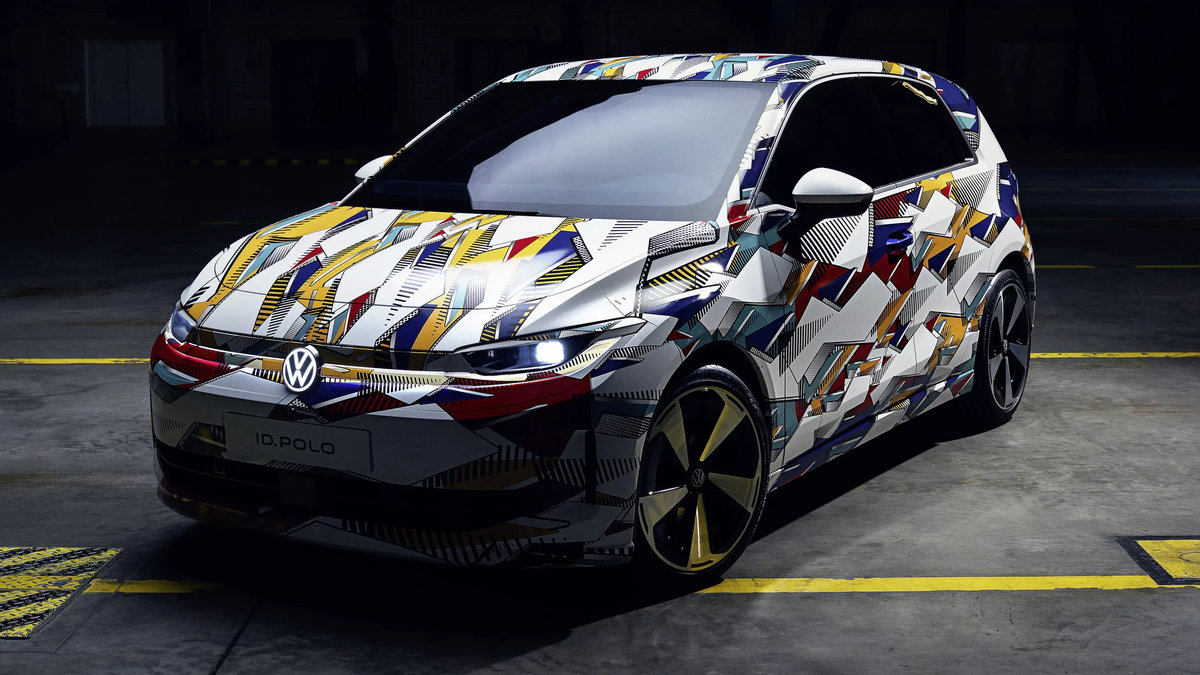
The new ID. Polo, unveiled by Volkswagen on September 3, 2025, is a key milestone in the company’s electrification strategy. The return to the beloved traditional “Polo” name from the previous numerically-based “ID.2” name has more significance than simply a name change.
With this change, Volkswagen has clearly demonstrated that it will maintain the brand identity that consumers have become familiar with, even in the electric vehicle. The ID.Polo is scheduled to debut in the European market in early 2026, with introduction to the Japanese market also being considered at a later date.
ID Polo Overview: A new standard for compact electric vehicles
VW-ID.-Polo
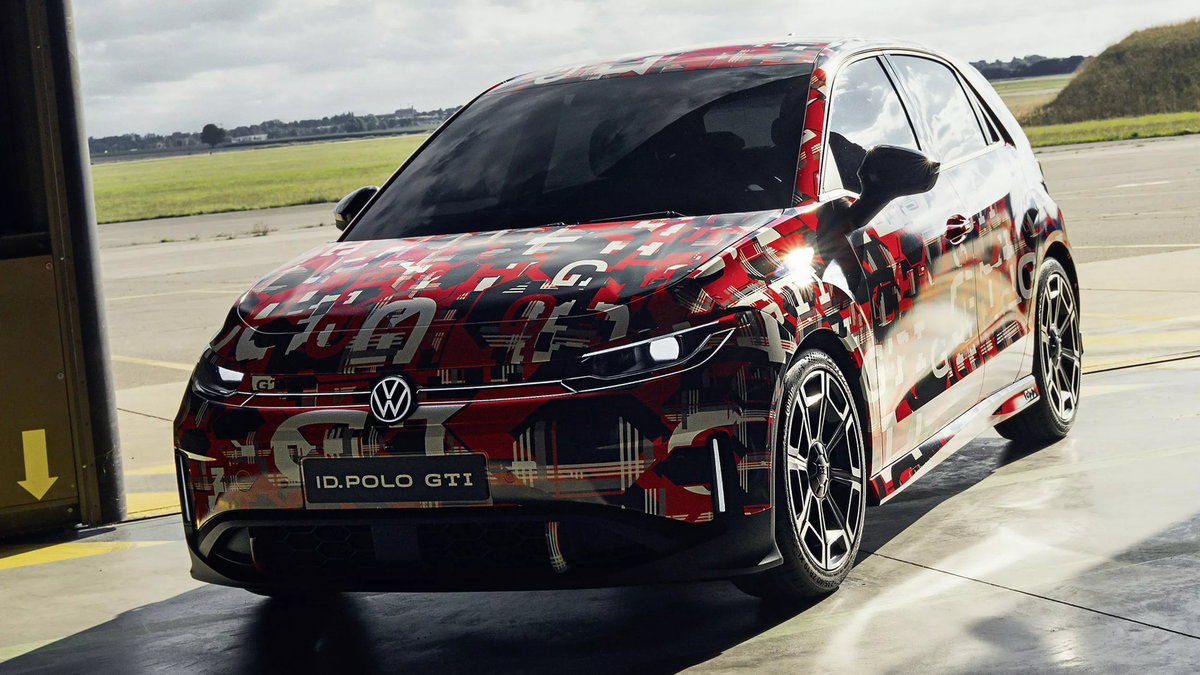
VW-ID.-Polo-GTI
Basic specifications and features
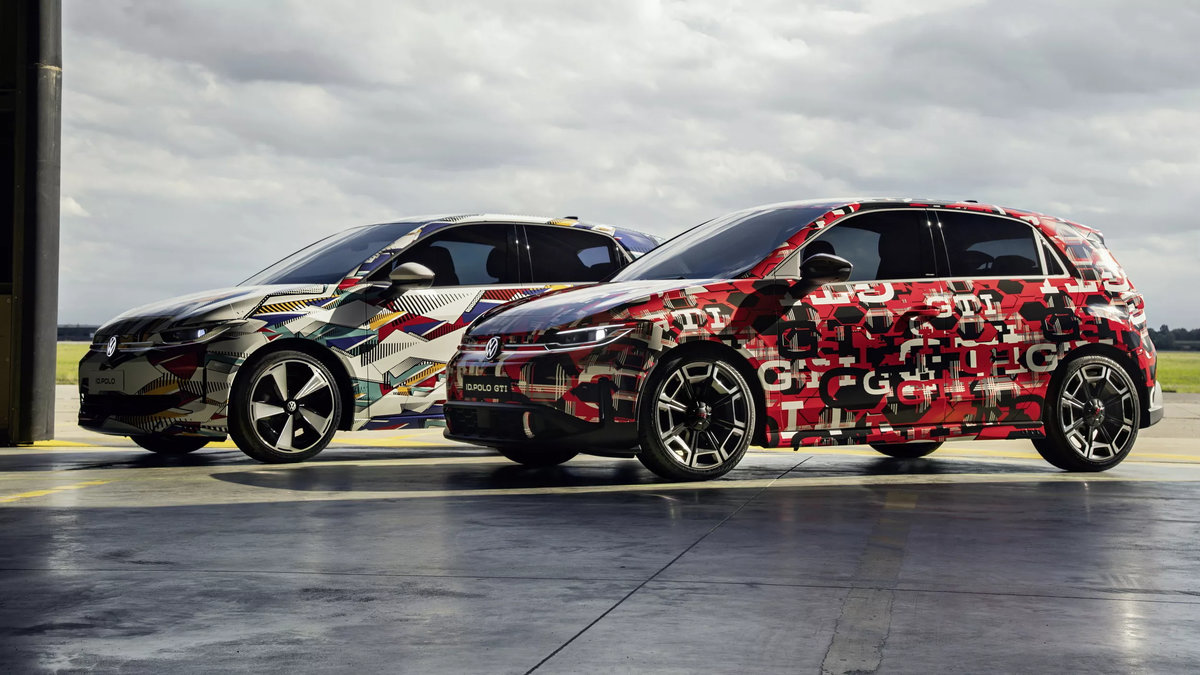
VW-ID.-Polo
The new ID.Polo is being developed as a compact electric vehicle with the following features:
Body size
- Overall length: 4,053mm
- Overall width: 1,816mm
- Overall height: 1,530mm
- Wheelbase: 2,600mm
These figures are slightly larger than those of the current internal combustion Polo, and the longer wheelbase in particular has significantly increased interior space. In fact, the company has set itself the ambitious goal of achieving interior space comparable to that of a Golf, while keeping the price within the Polo class.
Platform and Technological Innovation
The ID.Polo is built on Volkswagen’s MEB Entry platform, which is dedicated to electric vehicles. The adoption of this platform offers the following benefits:
- Optimized space efficiency : Specially designed for electric vehicles, it optimizes battery pack placement and maximizes interior space.
- Lower center of gravity : By placing the battery under the floor, excellent driving stability is achieved.
- Future-proof : Designed with built-in support for next-generation technologies
Powertrain and driving performance: Demonstrating the true value of electrification
Standard model powertrain
The standard ID.Polo model will be fitted with a front-drive electric motor, a departure from the rear-wheel drive used in previous ID models, and is seen as a more practical approach.
Basic performance
- Drive system: Front-wheel drive (FWD)
- Maximum power: 226 horsepower
- 0-100km/h acceleration: within 7 seconds
- Range: up to 450km (WLTP standard)
- Fast charging: 20 minutes to 80% (when using a fast charger)
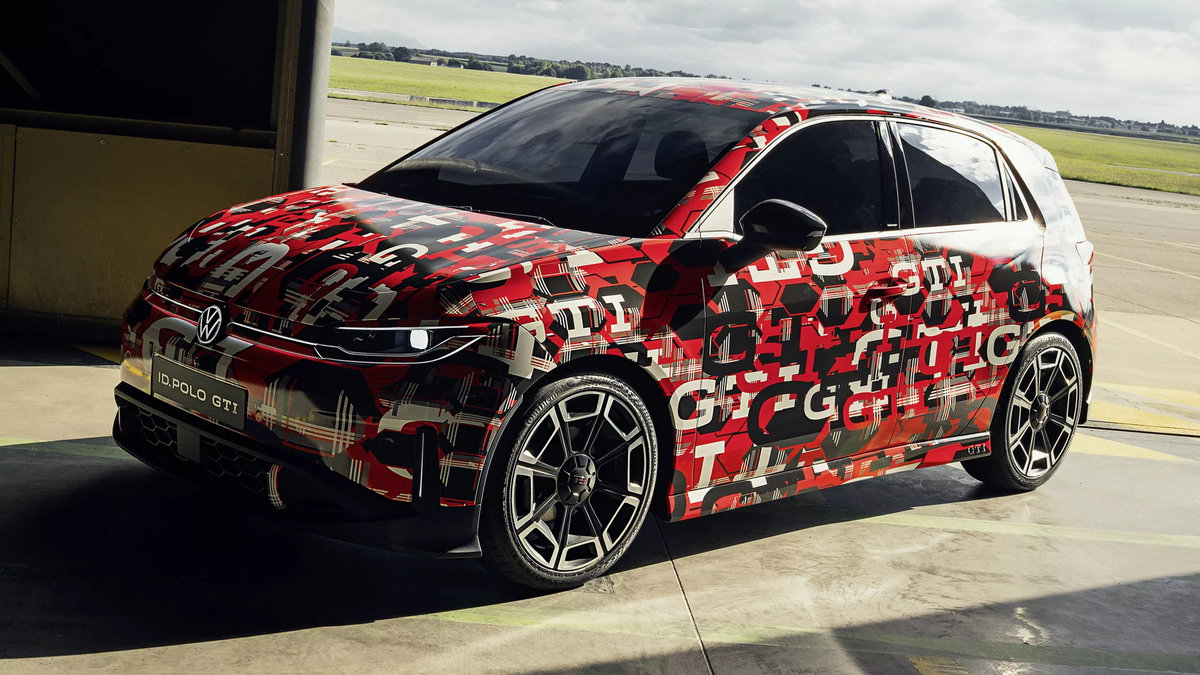
Innovative GTI model: the first GTI badge on an electric car
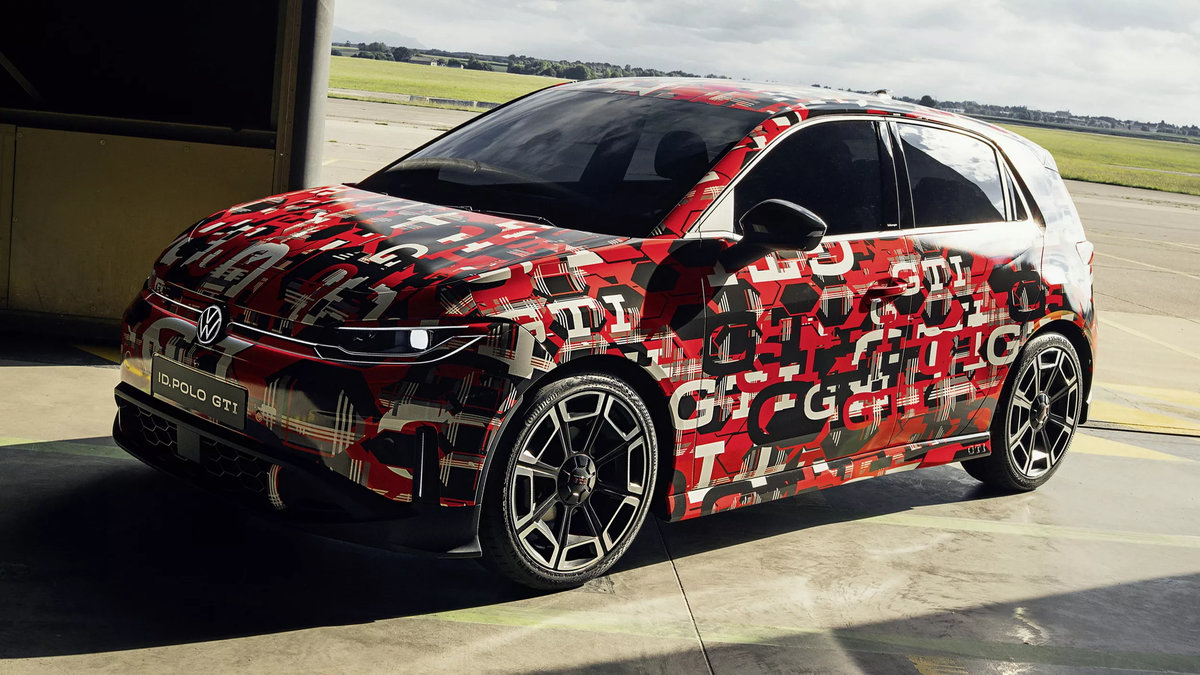
VW-ID.-Polo-GTI
The most notable feature is the launch of Volkswagen’s first electric GTI model, the ID. Polo GTI. This model marks the first time that the GTI badge, which had previously only been given to internal combustion engine vehicles, has been applied to an electric vehicle.
ID. Polo GTI Features
- Maximum output: 223 horsepower (approximately 165 kW)
- Exclusive exterior design: larger, more detailed wheels, flared arches, exclusive bumper, front diffuser, split spoiler on the tailgate
- Improved traction performance with electronically controlled LSD
- Low vehicle height for a sporty riding position
Martin Sander, Director of Sales and Marketing, commented, “We are bringing one of our strongest brands, the GTI, into the electric world,” showing how serious Volkswagen is about electrifying its sports models.
Exterior design: a fusion of tradition and innovation
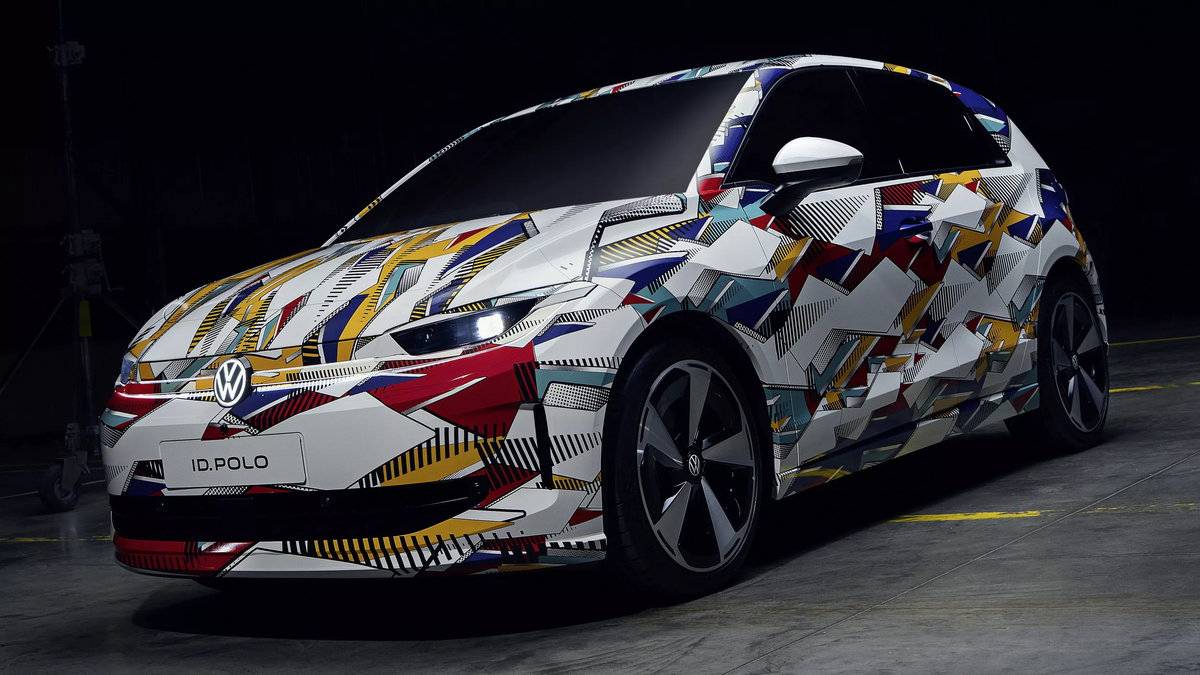
Design Philosophy
The ID. Polo’s exterior design adapts Volkswagen’s traditionally restrained design language for the electrified era, with clean, functional lines throughout, achieving both aerodynamic performance and visual appeal.
Key Design Elements
front
VW-ID.-Polo
- Advanced LED headlights connected on both sides by a light bar
- Front bumper design that takes aerodynamics into consideration
- A front mask that embodies Volkswagen’s new design identity
side
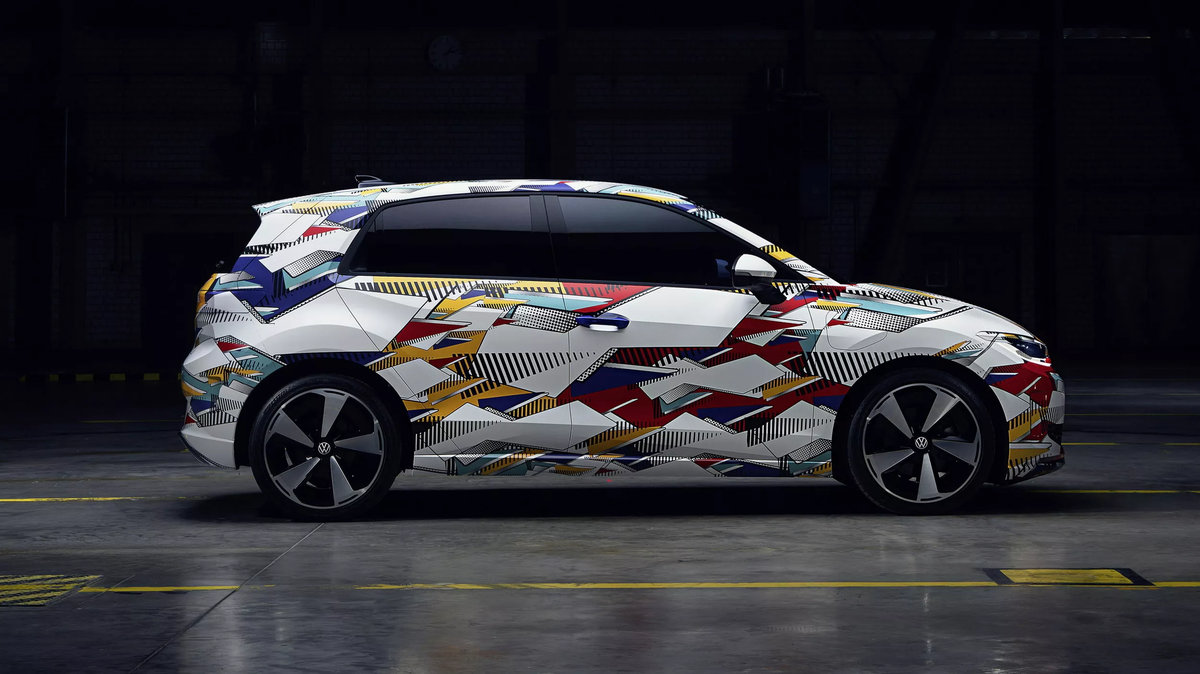
VW-ID.-Polo
- Powerfully flared fender flares
- Enhanced presence with 20-inch wheels (GTI model)
- An exquisite balance of coupe-like roofline and practicality
rear
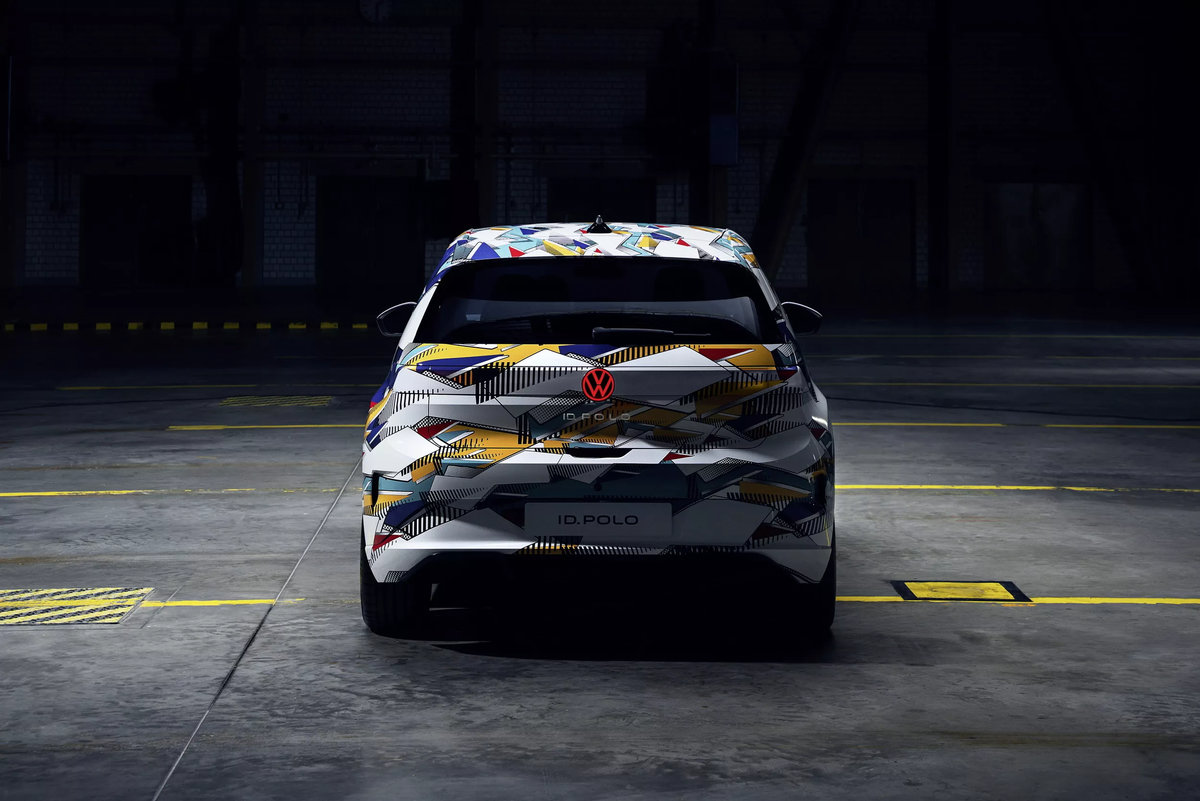
VW-ID.-Polo
- A design that minimizes window inclination to ensure interior space
- A roof spoiler that gives a light impression
- A taillight design that exudes innovation
Interior and technology: the cockpit for the digital age
Infotainment System
The interior of the ID.Polo is designed with the latest digital technology in mind, with a large infotainment system at its heart, providing integrated control of all vehicle functions.
Main interior equipment
- 10.9-inch digital meter cluster
- Large 12.9-inch infotainment display
- Intuitive touch interface
- Smartphone connectivity function
Interior space and practicality
Thanks to the adoption of a platform specifically for electric vehicles, the ID.Polo has an incredibly spacious interior.
Loadspace
- Normal: 490 liters
- Rear seats folded: 1,330 liters
- When the passenger seat is also folded down: A maximum of 2,200 mm of long items can be carried
This figure is extremely excellent compared to internal combustion engine vehicles in the same class, and is the result of taking advantage of the design freedom that is unique to electric vehicles.
Advanced safety technology: Car-to-X communication-based predictive safety system
Next-generation safety equipment
The ID.Polo is generously equipped with Volkswagen’s latest safety technologies, most notably the predictive safety system that utilizes Car-to-X communication technology.
Key Safety Features
- 360-degree monitoring with radar sensors and cameras
- Acquiring and utilizing information from other vehicles through Car-to-X communication
- Predictive Acceleration and Deceleration System
- Adaptive Cruise Assist
- Automatic regenerative braking system
Innovative Car-to-X Technology
Car-to-X technology communicates with other vehicles and traffic infrastructure to obtain real-time traffic information and provide predictive information to drivers, thereby detecting hazards that cannot be detected by conventional in-vehicle sensors alone and supporting safer and more efficient driving.
Pricing Strategy and Market Positioning
Competitive pricing
The expected price of the ID.Polo in Europe is said to start at around 25,000 euros (approximately 4.3 million yen), which is a strategic price setting that is about half the price of the higher-end ID.3 model.
Price Comparison
- ID Polo: Starting at around 4.3 million yen
- ID.3: Starting at around 7.6 million yen
- Conventional Polo (internal combustion engine): comparable price range
This price setting makes the product appealing to first-time electric vehicle buyers and consumers who prioritize cost-effectiveness.
Environmental performance and sustainability
Contributing to carbon neutrality
The ID.Polo is a key component of Volkswagen’s goal to achieve carbon neutrality in Europe by 2030. It contributes to sustainable mobility with the following environmental features:
Environmental performance
- Zero-emission driving
- Renewable energy charging support
- Active use of recyclable materials
- CO2 reduction throughout the entire life cycle
Coordination with charging infrastructure
With a practical range of 450km and the ability to charge to 80% capacity in 20 minutes, the ID.Polo is well-suited to the current charging infrastructure in Europe and Japan, which is expected to significantly ease users’ concerns about the transition to electric vehicles.
Impact and Outlook on the Japanese Market
Possibility of introduction in Japan
Volkswagen has revealed that it is considering introducing the ID.Polo to the Japanese market. The Japanese compact car market is highly competitive, and the following factors will likely determine the success of the ID.Polo:
Success Factors
- Competitive pricing
- Fully equipped
- A size suited to Japanese road conditions
- Charging infrastructure development status
Impact on competitors
The arrival of the ID. Polo could have a major impact on the Japanese electric vehicle market, particularly for Japanese manufacturers developing electric vehicles in the same class. It will pose new challenges in terms of both price competitiveness and technological capabilities.
Release date and future schedule
Expansion in the European market
Production of the ID Polo is scheduled to begin in late 2025 and debut in the European market in early 2026. The GTI model is also expected to be released around the same time, attracting the attention of Volkswagen fans.
Introduction to the Japanese market
The timing of its introduction to the Japanese market has not been made clear, but it is expected to be one to two years after its launch in Europe. During this time, it is expected that the product will be optimized to meet Japanese regulations and market needs.
A detailed analysis of technological innovation
MEB Entry Platform Features
The ID.Polo is based on the MEB Entry platform, a technology at the heart of the Volkswagen Group’s electric vehicle strategy. Key features of the platform include:
Technical Advantages
- Modular design improves production efficiency
- Flexible adaptability to different vehicle models
- Ready for future technology updates
- Achieving both cost reduction and quality improvement
Advances in battery technology
The battery technology used in the ID.Polo represents a significant improvement in both energy density and cost-effectiveness. With a range of 450km, the car is practical enough for everyday use and significantly reduces range anxiety.
Marketing strategy and consumer appeal
Target customer base
The ID.Polo is targeted at the following customer segments:
Main Target
- Electric car beginner
- Cost-effective consumers
- Environmentally conscious young people
- Urban residents
- Families considering a second car
Shift in brand strategy
The name change from “ID.2” to “ID.Polo” marks an important turning point in Volkswagen’s brand strategy. CEO Thomas Schäfer’s statement that “our model names are firmly rooted in people’s minds” clearly outlines the background to this strategic shift.
Competitive analysis and market positioning
Main competitors
Key competitors for the ID Polo include:
Competition in the European market
- Renault Twingo E-TECH
- Opel Corsa-e
- Peugeot e-208
- MINI Cooper SE
Technical differentiators
- Greater range
- Excellent interior space efficiency
- Advanced safety technology
- Comprehensive infotainment system
Market advantage
The ID.Polo’s market dominance is supported by the following factors:
- Brand Power : Volkswagen’s Reliability and Quality
- Technological capabilities : The advanced MEB Entry platform
- Price competitiveness : Best-in-class cost performance
- Practicality : Sufficient performance and convenience for everyday use
Sustainability and Social Responsibility
Environmental Considerations
Environmental friendliness is a key consideration in the development and production of the ID.Polo:
Environmentally conscious initiatives
- Carbon-neutral production process
- Active use of recycled materials
- Optimizing energy efficiency
- Establishment of a recycling system for scrapped vehicles
Social impact
Beyond the success of the ID.Polo product, its widespread adoption could have a social impact:
Expected social effects
- Reducing urban air pollution
- Reducing noise pollution
- Promoting the spread of renewable energy
- Building a sustainable transportation system
Future development possibilities
Direction of technological development
The ID.Polo is expected to benefit from the following future technological developments:
Future Technology Development
- Phased introduction of autonomous driving functions
- Further advances in battery technology
- Faster charging speed
- Implementing V2G (Vehicle to Grid) functionality
Expanded model lineup
The success of the ID.Polo is expected to lead to the following model developments:
Expected derivative models
- ID. Polo Crossover
- ID. Polo Wagon
- ID. Polo GTI Clubsport
- Commercial Variations
Summary: A new benchmark in the era of electrification
The Volkswagen ID.Polo is more than just a new electric car: its combination of reviving a classic name, competitive pricing and cutting-edge technology is set to set a new benchmark in the compact electric vehicle market.
In particular, the introduction of the first all-electric GTI model is a milestone for sports car enthusiasts, clearly demonstrating that electrification does not mean sacrificing performance.
With its planned launch in 2026, the ID.Polo is expected to play an important role in popularizing electric vehicles and inspire more consumers to choose electric mobility. With its imminent launch in the Japanese market, it has the potential to significantly contribute to revitalizing the domestic electric vehicle market.