
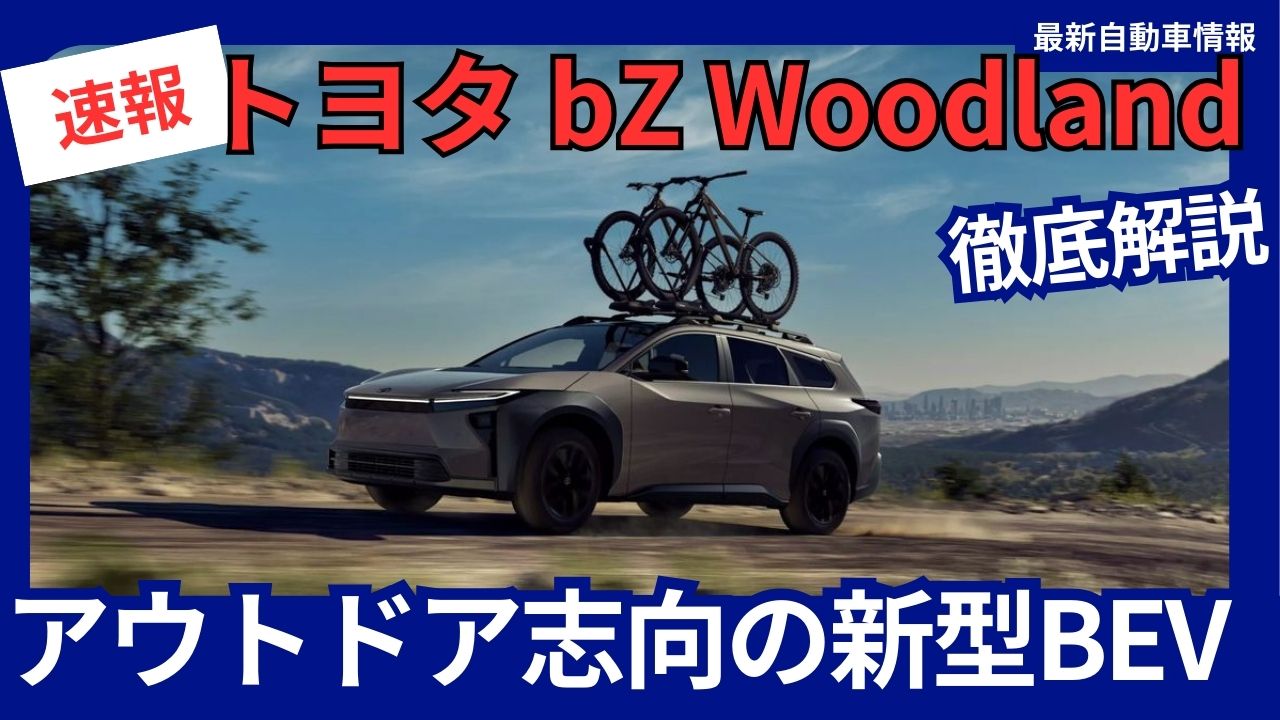
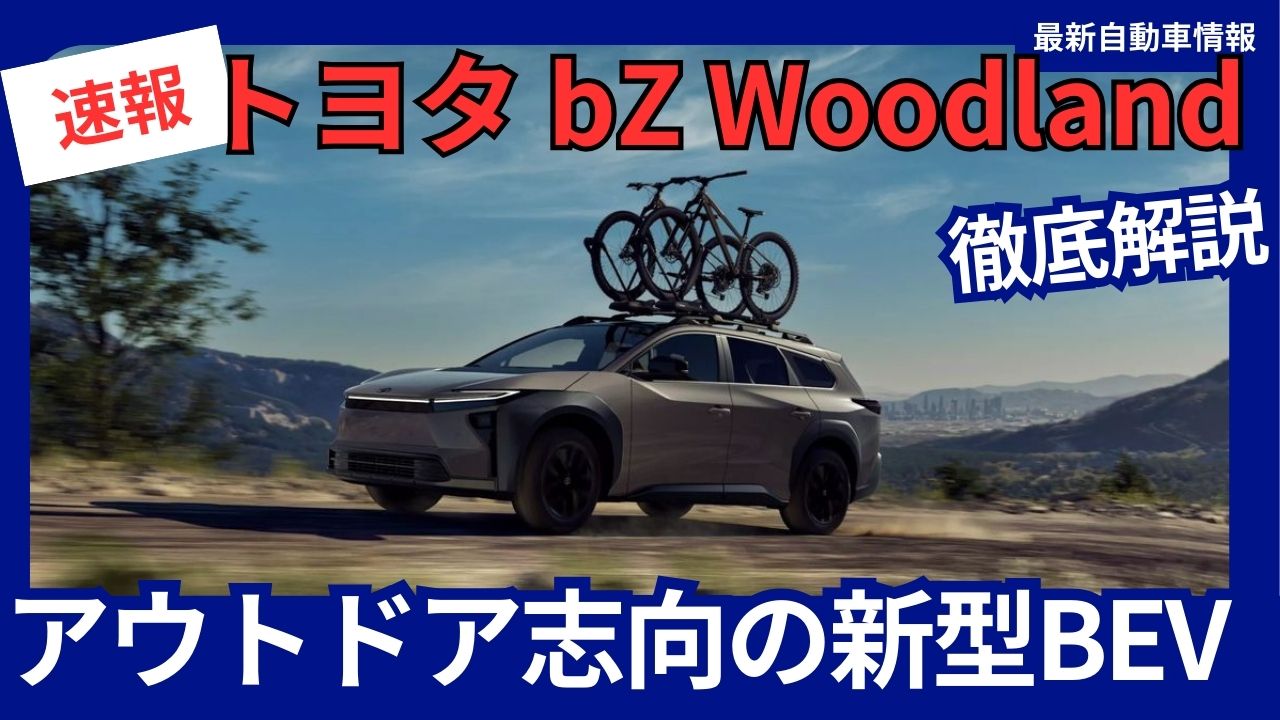
On May 15, 2025, Toyota unveiled the new outdoor-oriented BEV “bZ Woodland,” making clear its commitment to expanding electric SUV options in the market. This new vehicle is scheduled to go on sale in North America in early 2026.
It is expected to be introduced to the Japanese market as the “bZ4X Touring” around spring 2026. Furthermore, Toyota is taking rapid steps to strengthen its competitiveness in the BEV market, including the launch of a partially improved model of the existing “bZ4X” in the second half of 2025.
Toyota Motor Corporation is actively expanding its lineup of battery electric vehicles (BEVs), primarily in the North American market, in order to further accelerate its “Multi-Pathway” electrification strategy toward achieving carbon neutrality.
Toyota’s electrification strategy and the background to the launch of new BEVs
- To achieve carbon neutrality, Toyota is promoting a “multi-pathway” strategy that offers a variety of electric vehicles.
- We are actively expanding our lineup of battery electric vehicles (BEVs), particularly in the rapidly growing North American market.
- As part of this, the company will unveil a new outdoor-oriented BEV, the bZ Woodland, in North America (scheduled for release in early 2026).
- The “bZ Woodland” model for the Japanese market is scheduled to be introduced as the “bZ4X Touring” around spring 2026.
- A partially improved model of the existing BEV “bZ4X” will also be launched in the second half of 2025 to strengthen its product appeal.
- Although the US market is expected to see growth in BEVs, local manufacturers have a high market share, and Toyota aims to strengthen its competitiveness.
- With the launch of the new bZ Woodland, Toyota’s lineup of electric models (BEV, HEV, PHEV, FCEV) in the North American market has expanded to a total of 21 models.
Main features of the new BEV “bZ Woodland” (North American model)
- Announcement and positioning:
- This is an outdoor-oriented mid-size SUV that Toyota USA announced following the major minor change version of the “bZ” (formerly the bZ4X) and the new EV “C-HR.”
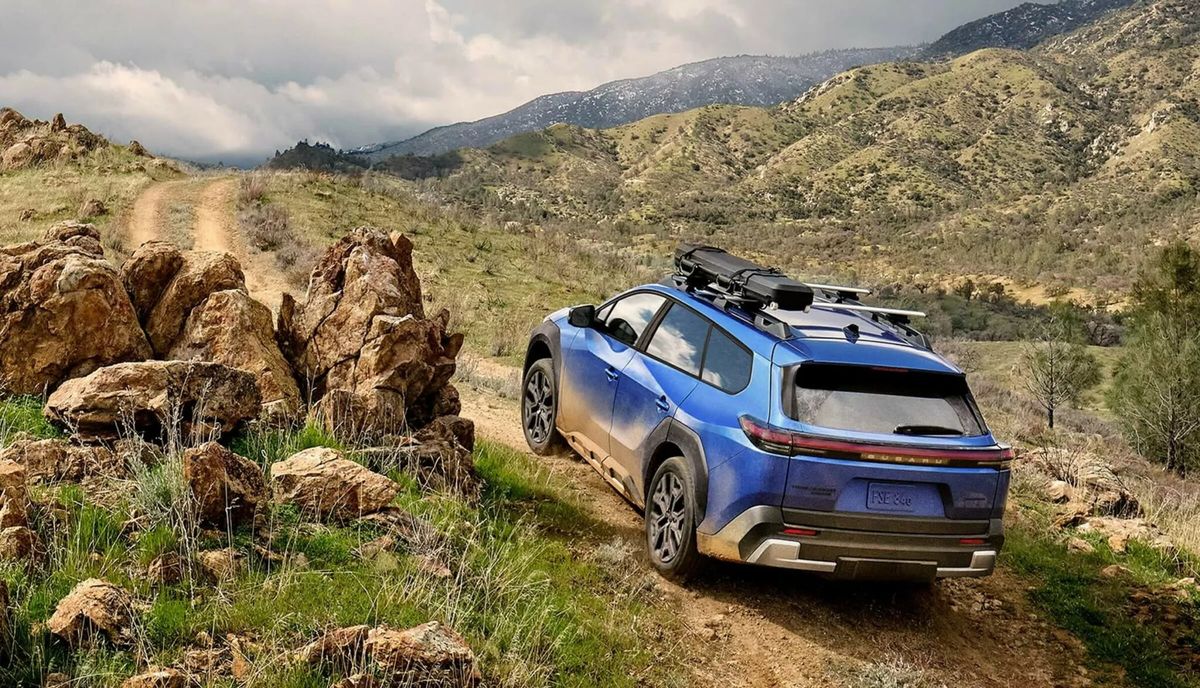
- It is a sister car to the “New Trail Seeker” announced by Subaru, sharing the same platform and major components.
- Exterior design:
- It emphasizes a tough and robust outdoor style reminiscent of the Land Cruiser EV.
- It features Toyota’s standard hammerhead design, full-width LED lights, and bold black over fenders.
- Body size: Length 4,830mm x Width 1,860mm x Height 1,620mm, Wheelbase 2,850mm. Larger than the “bZ”.
- Ground clearance: 8.3 inches (approximately 211 mm) ensures improved off-road performance.
- Equipment: Roof rails and specially designed 18-inch alloy wheels (with removable covers) are standard. All-terrain tires are available as an option.
- Rear design: Features a single-character taillight and a relatively small Toyota CI mark emblem.
- Interior design and equipment:
- The EV-specific “e-TNGA platform” provides a spacious cabin space.
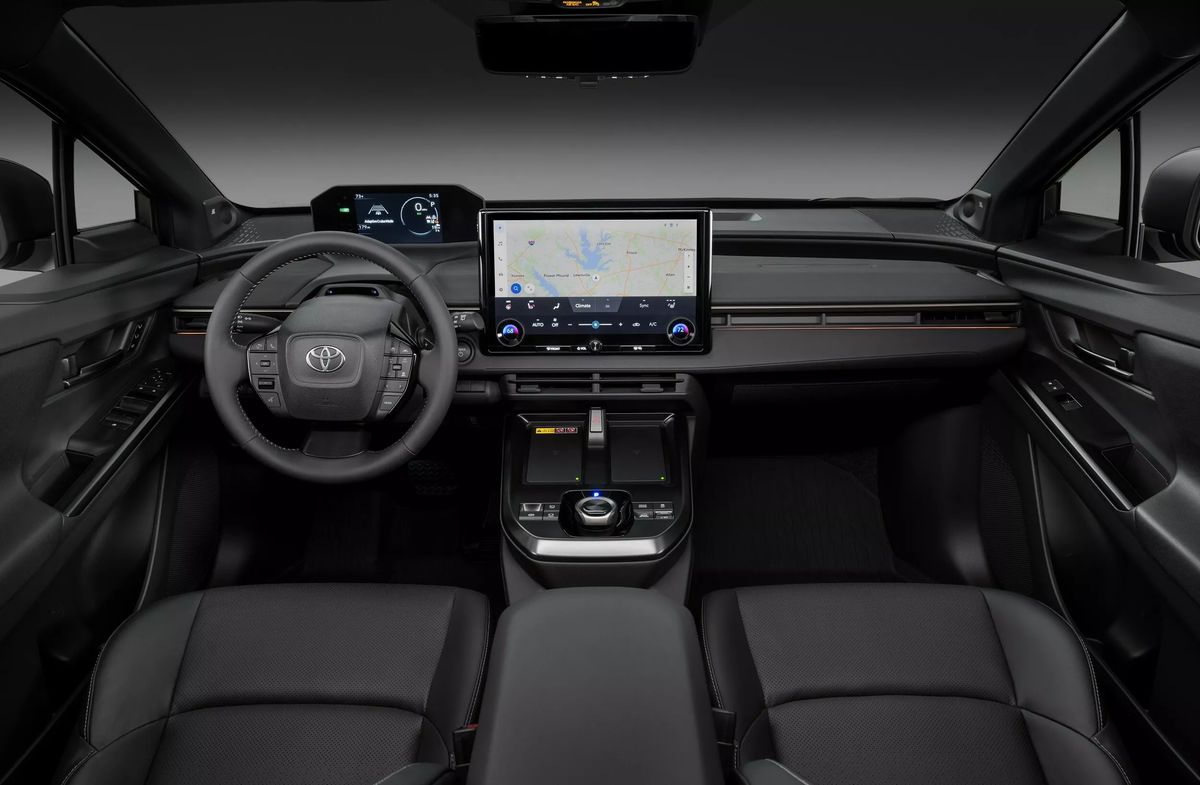
- Meter layout: A 7-inch digital instrument cluster is located above the steering wheel.
- Infotainment: Equipped with a large 14-inch touchscreen display and Toyota Audio Multimedia System.
- Heated SofTex®-trimmed seats (driver’s seat power adjustable). Interior colors include Stone Brown and Black.
- Cargo capacity: The rear cargo area offers over 30 cubic feet (over 850 liters).
- Comfortable features: Dual wireless Qi chargers and four USB Type-C charging ports.
- Optional Premium Package: Includes a JBL® premium audio system, a fixed glass panoramic roof, ventilated front seats, and heated front seats.
- Powertrain and driving performance:
- Drive system: All-wheel drive (AWD) with eAxle motors at the front and rear is standard equipment.
- Maximum system output: 375 horsepower (approximately 380 ps).
- Towing capacity: 3,500 lbs (approximately 1,500kg-1,600kg).
- Off-road performance: Equipped with the X-MODE® system, which allows you to select the driving mode according to road conditions, and the Grip Control function, which improves off-road performance at low speeds.
- Battery: A lithium-ion battery with a total capacity of 74.7 kWh is installed under the floor, contributing to a low center of gravity.
- Range: Manufacturer-estimated range is up to 260 miles (approximately 418km to 425km, AWD).
- Charging System:
- Charging port: Uses the North American charging standard “NACS (North American Charging Standard).”
- Fast charging: DC fast charging allows the battery to be charged from 10% to 80% of its capacity in approximately 30 minutes (under ideal conditions).
- Battery temperature management: Equipped with a “battery preconditioning function” that improves charging efficiency in cold climates.
- Improved convenience: Supports the “Plug & Charge” function, simplifying the authentication and billing process when charging.
- Other: Supports Level 1 and Level 2 AC charging (11kW onboard charger). Regenerative braking can be adjusted with paddle shifters.
- Connected technology and safety features:
- Infotainment: Toyota Audio Multimedia System with six standard speakers and an optional nine-speaker JBL® Premium Audio System.
- Smartphone connectivity: Bluetooth dual phone connectivity, wireless Apple CarPlay® and Android Auto™ compatibility.
- Communication function: The Wi-Fi Connect trial allows the car to be used as a Wi-Fi hotspot.
- Preventive safety package: “Toyota Safety Sense +3.0” is standard equipment, including full-speed radar cruise control, lane tracing assist, and pre-crash safety.
Expansion into the Japanese market: “bZ4X Touring”
- The model of “bZ Woodland” for the Japanese market will be released as “bZ4X Touring.”
- The release date is scheduled for spring 2026.
- A special website for Japan has been set up, and information is expected to be released in stages.
Toyota’s BEV strategy and future prospects
- The “bZ Woodland/bZ4X Touring” is a model jointly developed with Subaru, continuing and developing the collaborative relationship between the two companies.
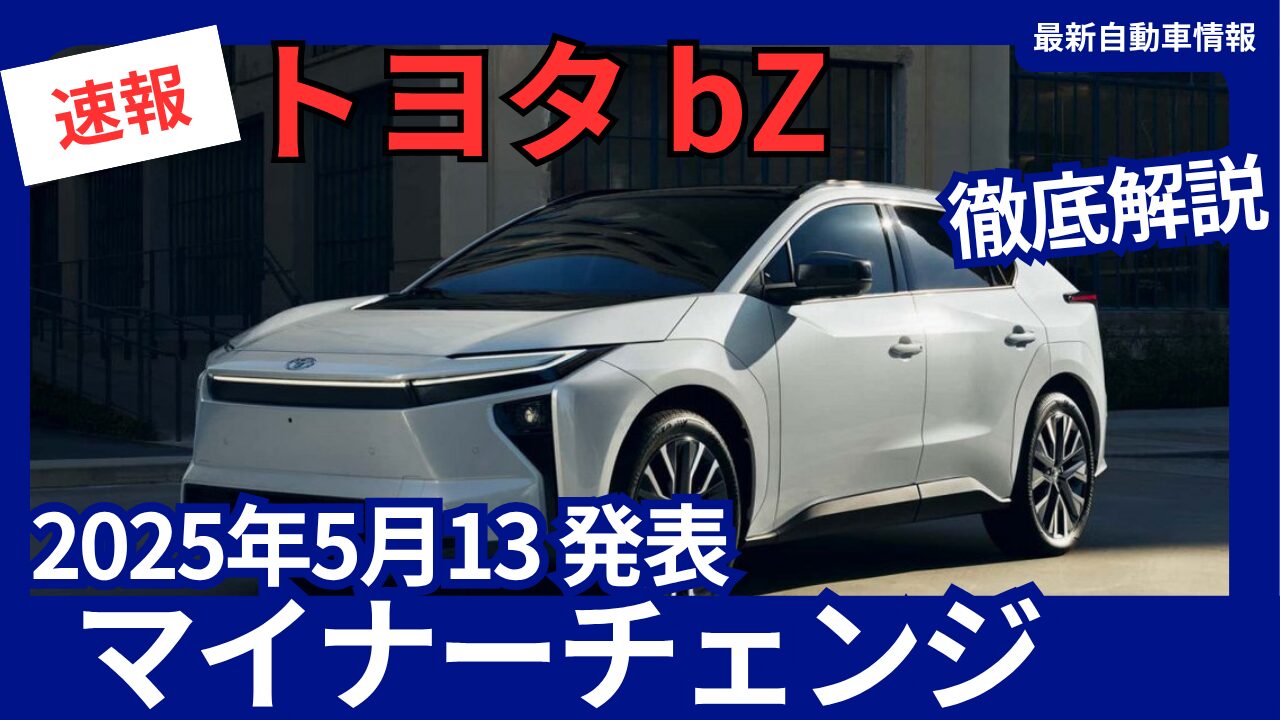
- Toyota is promoting the restructuring and strengthening of its BEV lineup, including changing the name of the “bZ4X” to “bZ” in the North American market and making major minor changes.
- A pure EV model of the new C-HR is also scheduled to be introduced to the North American market, expanding the range of BEVs in various segments.
- Under the “Multi-Pathway” strategy, the company will offer new value propositions, including outdoor-oriented BEV models.
- The company’s policy is to provide electric vehicles that combine environmental friendliness, driving performance, and practicality at a high level to meet the diverse needs of users.
Characteristics of the US market and Toyota’s electrification strategy
The US market is expected to see robust growth, primarily in BEVs, while US manufacturers have a high market share. In this market environment, Toyota, guided by its “ever-better car” philosophy, is promoting product- and region-based management and strengthening its “Multi-Pathway” initiative, which offers electrified vehicle options to meet diverse needs. This strategy offers all electric powertrains—hybrid electric vehicles (HEVs), plug-in hybrid electric vehicles (PHEVs), fuel cell electric vehicles (FCEVs), and BEVs—in the right places, leveraging each vehicle’s unique characteristics. This demonstrates Toyota’s commitment to pursuing optimal solutions tailored to customer lifestyles and social infrastructure, without relying on any particular technology. The launch of the new bZ Woodland further advances this Multi-Pathway strategy in the BEV segment. Along with the bZ (known as the bZ4X in North America) and the new C-HR, this new model aims to build a powerful lineup that covers the SUV category, which enjoys high demand in the North American market. This expansion expands Toyota’s electrified model lineup in the North American market to a total of 21 models (including BEVs, hybrids, plug-in hybrids, and fuel cell vehicles), enabling it to meet diverse customer choices.
New BEV “bZ Woodland” in detail: A fusion of toughness and innovation
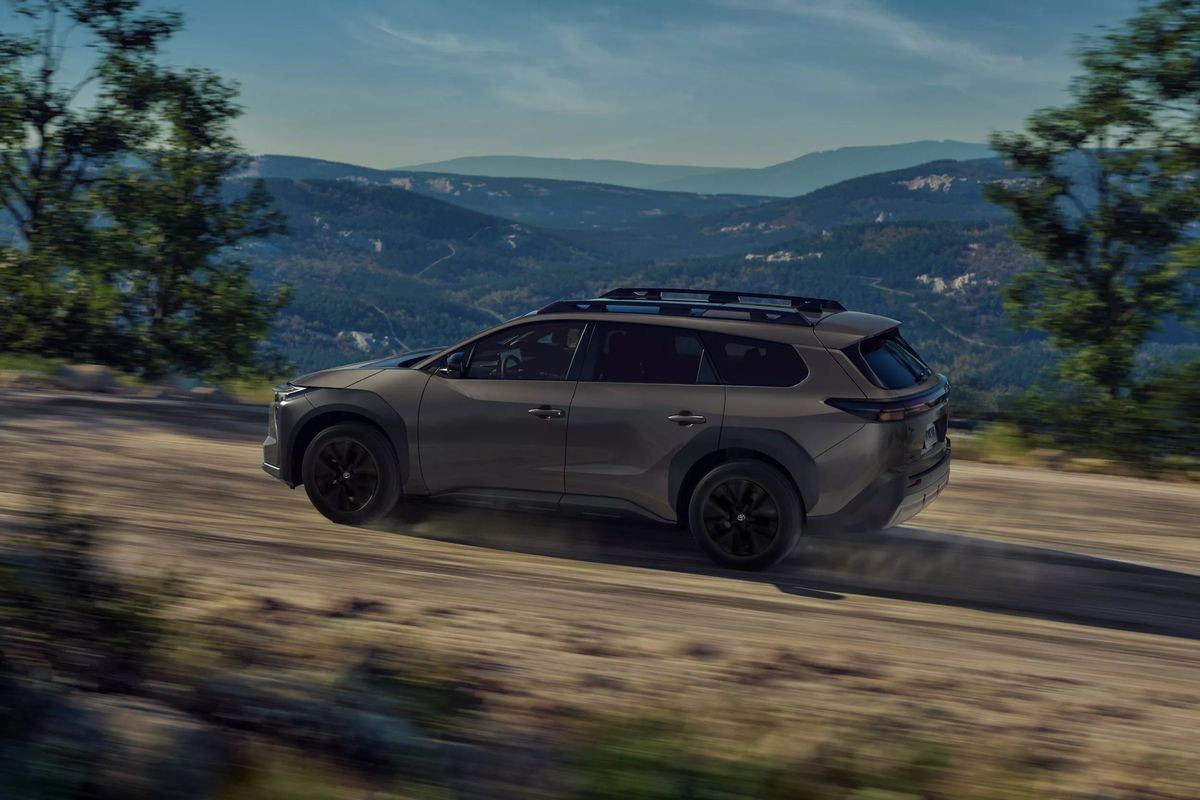
2026 Toyota bZ Woodland
The new “bZ Woodland” announced by Toyota USA on May 14, 2025, is something of a surprise, following the previously announced major facelift of the new “bZ” (renamed from the bZ4X) and the new “C-HR,” which is also making a comeback as a pure EV model after a three-year hiatus. These announcements demonstrate that Toyota is rapidly expanding its lineup to meet diverse needs in the BEV segment, and the “bZ Woodland” in particular has a character that is conscious of outdoor and off-road driving.
Exterior design: a blend of power and refinement
2026 Toyota bZ Woodland
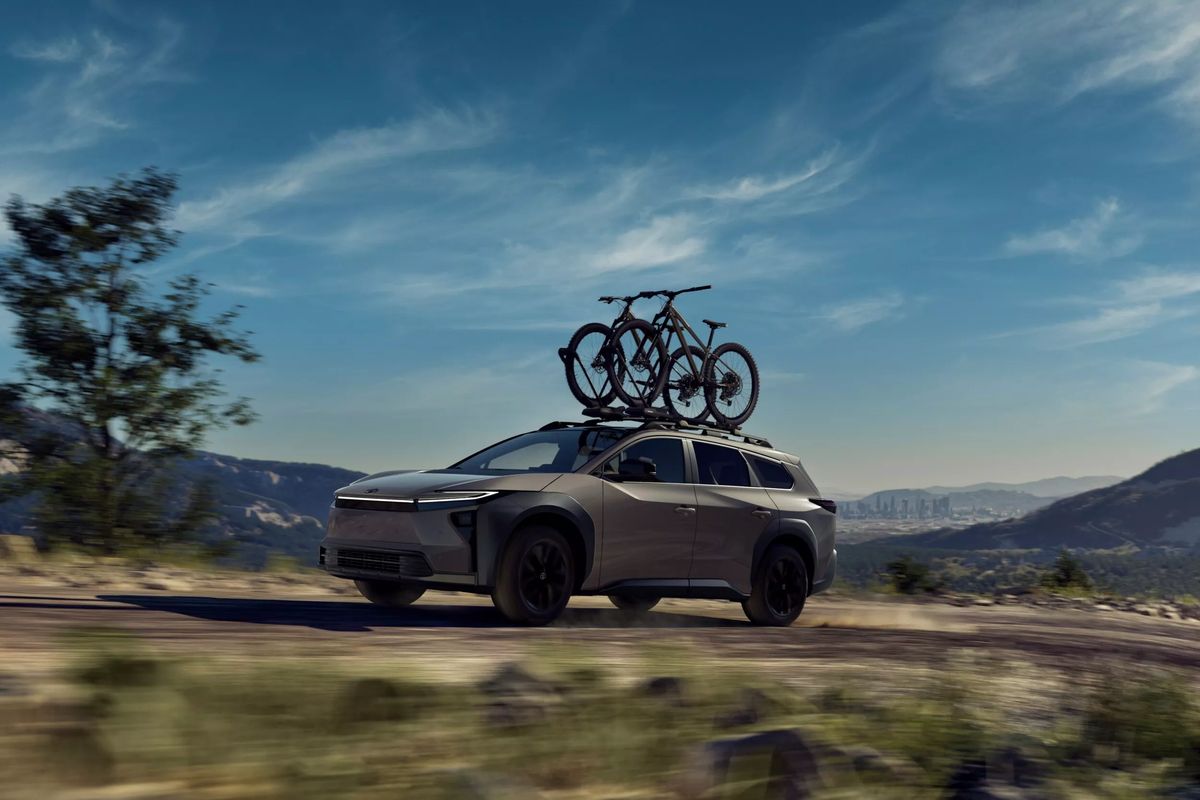
As its name suggests, the exterior design of the “bZ Woodland” features a tough, robust style that evokes activities in nature. The front mask adopts the hammerhead design common to recent Toyota vehicles, with a full-width LED light bar and independent LED headlights creating a cutting-edge look. The front grille-less design emphasizes the clean impression unique to BEVs. Compared to the bZ4X, the fender moldings have been changed to unpainted black resin, accentuating the vehicle’s more powerful SUV-like appearance. This design has even inspired expectations for serious off-road performance, with some saying it is reminiscent of the “Land Cruiser EV.”
2026 Toyota bZ Woodland
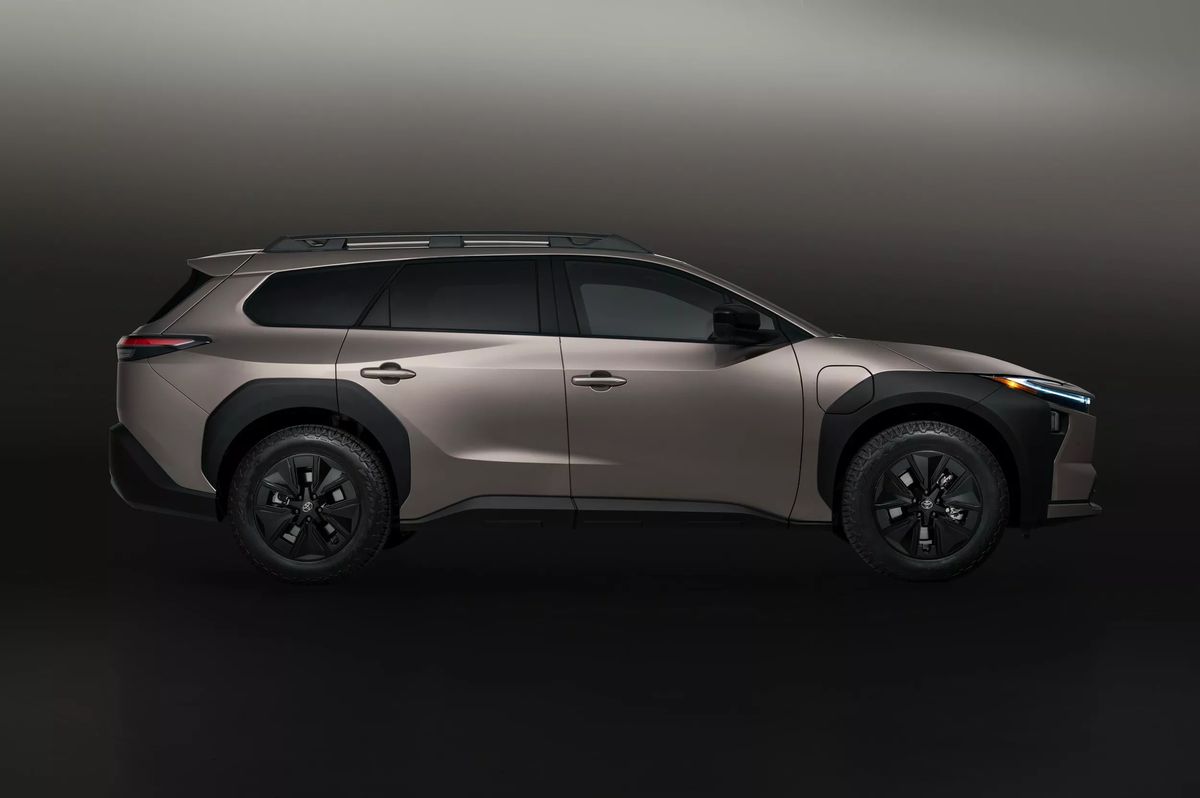
The body measures 4,830mm long, 1,860mm wide, and 1,620mm high, with a wheelbase of 2,850mm, making it a substantial mid-size SUV. Compared to the already announced new “bZ” (North American model bZ4X), it is approximately 152mm (approximately 6 inches) longer in length and 25mm (approximately 1 inch) taller, resulting in a more imposing profile. Ground clearance is also secured at 8.3 inches (approximately 20.8cm, or approximately 211mm in Japanese currency), suggesting consideration for off-road performance.
From the side, standard roof rails enhance convenience for outdoor activities and make it easy to load luggage, bike racks, and other items. The bZ Woodland features 18-inch aluminum wheels (with removable covers) designed specifically for the vehicle, giving it a modern yet rugged look. All-terrain tires are also available as an option for drivers looking to take on more serious off-road adventures.
2026 Toyota bZ Woodland
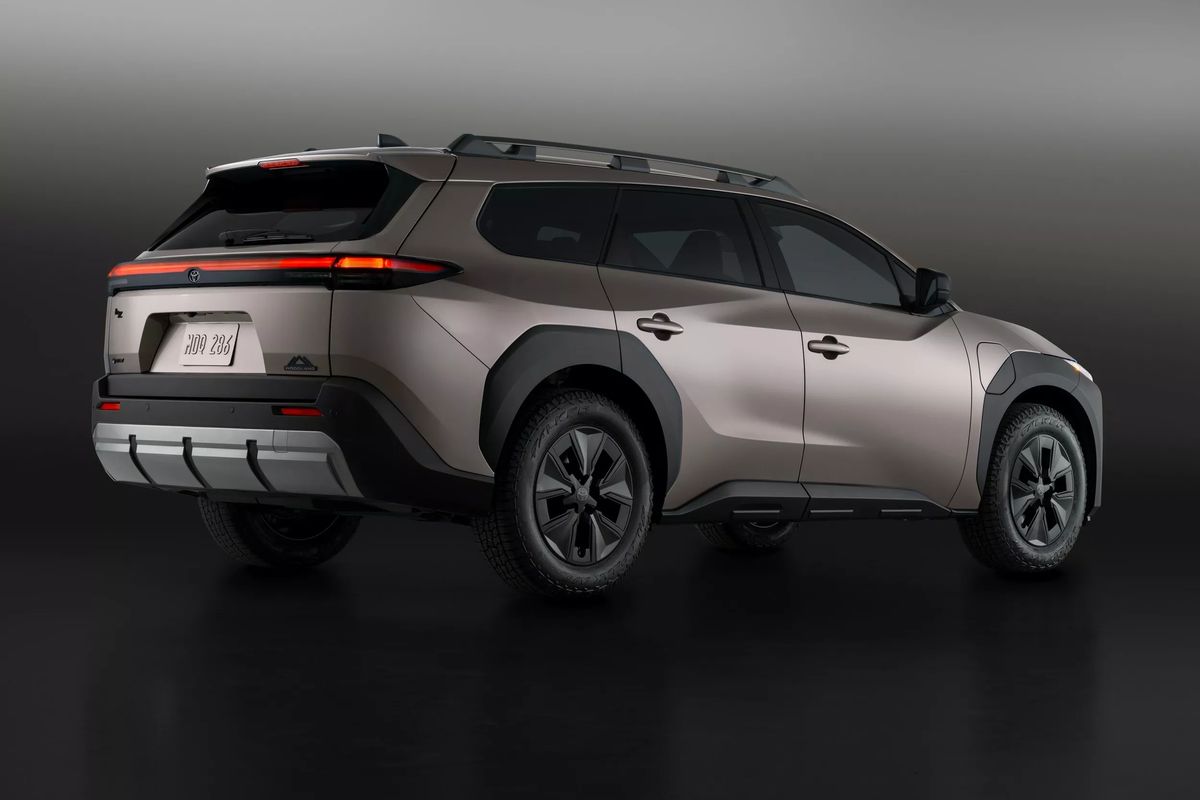
The rear design is also distinctive, with the taillights adopting a single letter type that connects in the center. This is a design element shared with Subaru’s new Trail Seeker, which is considered a sister car, and it emphasizes the sense of width while giving an impression of advanced technology. In the center of the rear gate, instead of the conventional “TOYOTA” lettering badge, there is a relatively small Toyota CI mark emblem.
Interior design: spaciousness and advanced interface
The interior of the bZ Woodland benefits from the e-TNGA platform, which is designed specifically for EVs, and realizes a spacious cabin. The design theme is shared with the new bZ and C-HR, while pursuing functionality and comfort suitable for outdoor use.
2026 Toyota bZ Woodland
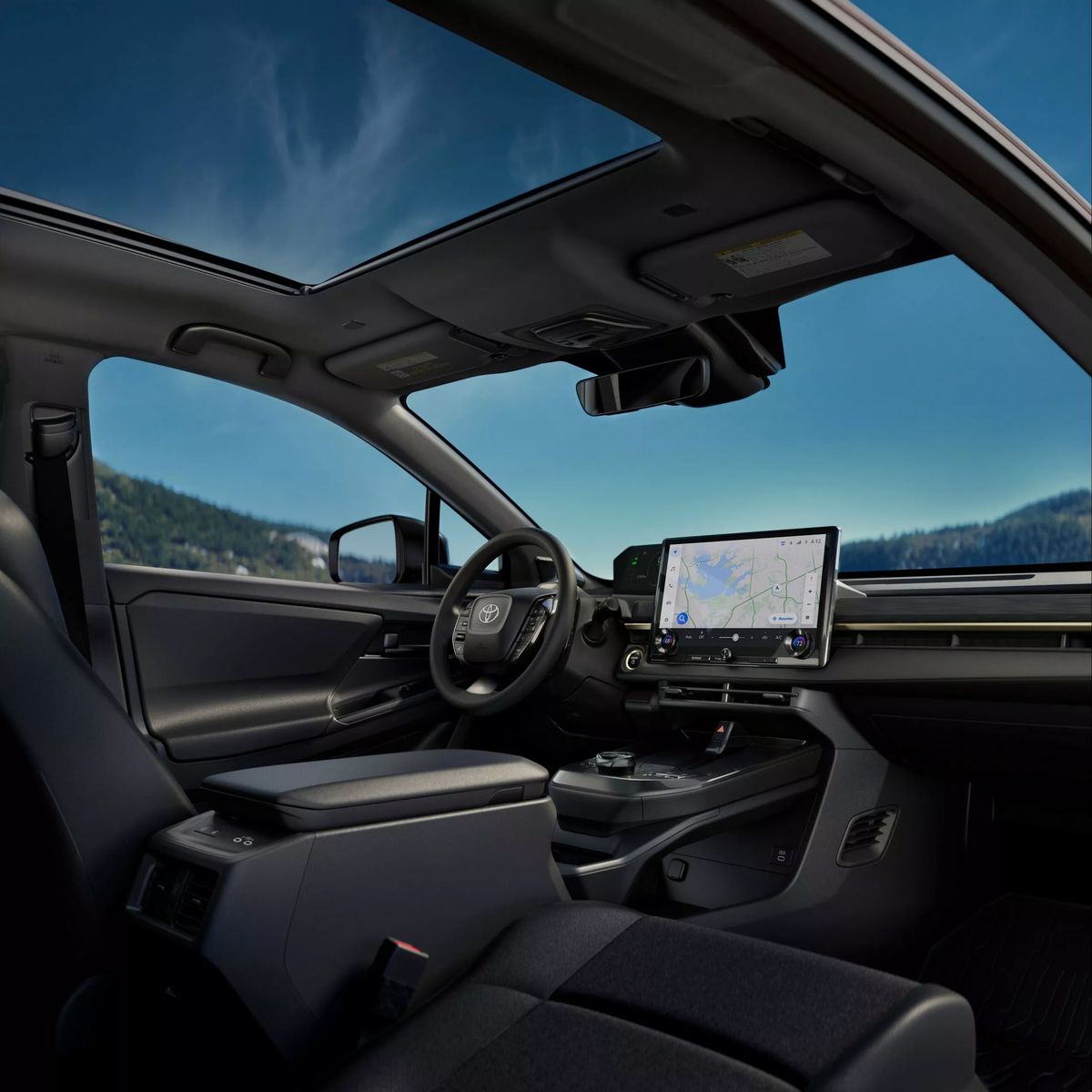
When you turn your eyes to the driver’s seat, the first thing you’ll notice is the freestanding 7-inch digital instrument cluster located above the steering wheel. It displays important information such as speed, estimated range, and charging status with excellent visibility. However, it has been pointed out that depending on the shape of the steering wheel rim, some of the meters may be hidden, so preferences may vary depending on the driver’s physique and driving position. A large 14-inch touchscreen display is standard on the center console, and it is equipped with the Toyota Audio Multimedia System. It allows intuitive operation of entertainment and vehicle settings.
The seats are made of durable and easy-to-clean SofTex® trim, and the driver and passenger seats are heated as standard. The driver’s seat is electrically adjustable. The interior colors follow the outdoor motif of the “bZ Woodland” and are available in two colors: stone brown and black, creating a calm yet active atmosphere.
2026 Toyota bZ Woodland
The spaciousness of the interior is also one of its attractions, with ample leg and shoulder room in both the front and rear seats, making it comfortable even on long drives. The rear cargo space has a capacity of over 30 cubic feet (approximately 850 liters in Japanese yen), so you can easily load outdoor gear and large luggage.
The car is also packed with amenities, including dual wireless Qi chargers in the front for convenient charging of smartphones and other devices, and a total of four USB Type-C charging ports located throughout the cabin to meet the charging needs of all passengers.
Additionally, the bZ Woodland is available with the optional Premium Package, which adds a JBL® premium audio system (8-channel 800W amplifier, 9 speakers including a 9-inch subwoofer), a fixed glass panoramic roof, ventilated front seats, and front radiant heaters, providing a more luxurious and comfortable driving environment.
Powertrain and driving performance: powerful driving and excellent off-road performance
2026 Toyota bZ Woodland
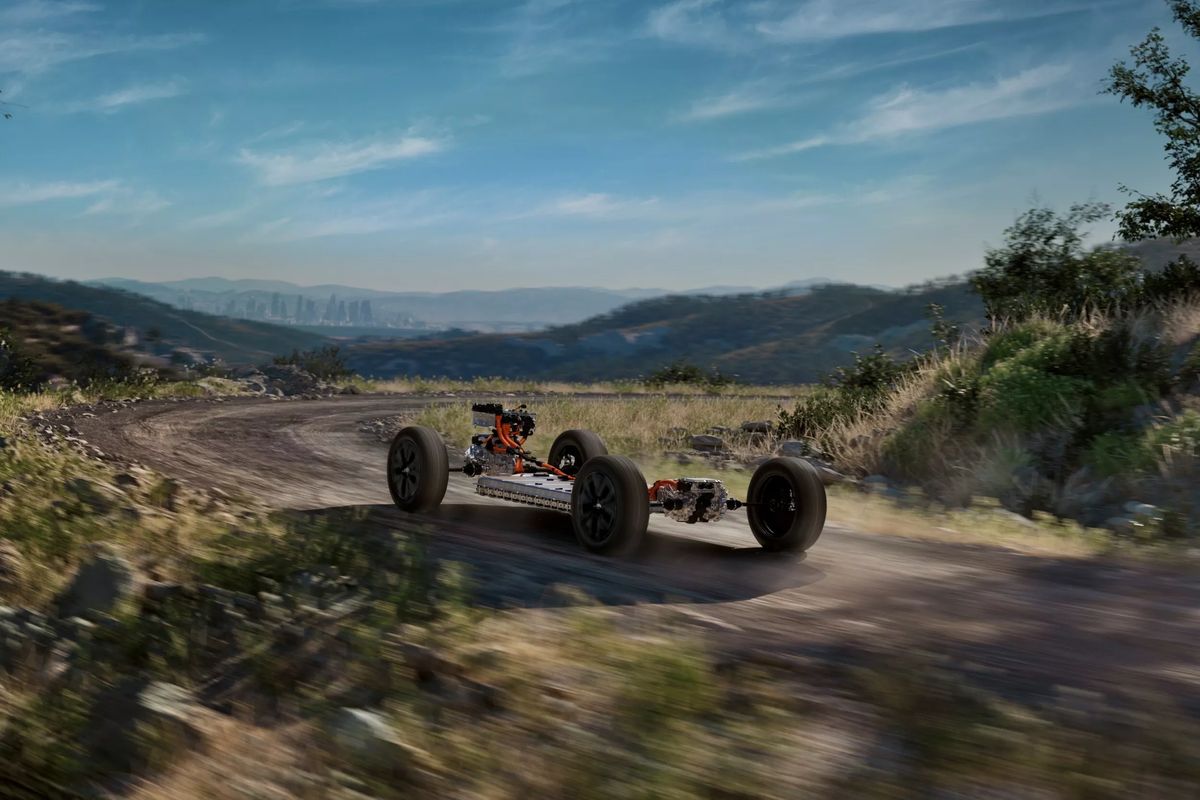
The bZ Woodland comes standard with an all-wheel drive (AWD) system powered by eAxles, which are equipped with electric motors at the front and rear. The system’s overall maximum output reaches 375 horsepower (approximately 380 ps), delivering the smooth, powerful acceleration that only an electric vehicle can offer. This AWD system not only provides excellent driving stability, but also a class-leading towing capacity of 3,500 pounds (approximately 1,500 kg to 1,600 kg).
The X-MODE® system is a feature that enhances off-road performance. With the flip of a switch, the driver can select the optimal mode for the road conditions (snow, dirt, mud, etc.), improving maneuverability and traction by optimizing brake control and power transmission to each wheel. Another feature of the X-MODE® system is the Grip Control function. When activated at low speeds, this finely adjusts the motor’s driving force to maintain a constant speed and suppress slippage even on rough or slippery surfaces, thereby reducing the burden on the driver and achieving excellent off-road performance.
The battery pack uses a lithium-ion battery with a total capacity of 74.7 kWh. It is placed flat under the floor to achieve a low center of gravity, and combined with the cross frame structure that increases the rigidity of the entire vehicle, it contributes to stable maneuverability and excellent handling performance. The manufacturer-estimated cruising range for the AWD model is up to 260 miles (approximately 418 km to 425 km, depending on road conditions and driving style), making it reliable for everyday use and long weekend trips.
Charging system: Pursuing convenience and efficiency
The charging system uses North American Charging Standard (NACS) ports, which are compatible with DC fast charging stations installed at thousands of locations across the country. Under ideal conditions, DC fast charging allows the battery to be charged from 10% to 80% in approximately 30 minutes.
To improve charging performance in cold climates, the vehicle is also equipped with a battery preconditioning function. This system adjusts the battery to the optimum temperature before DC fast charging, shortening charging times and ensuring more efficient charging, even in low temperatures. This function can be activated manually or automatically by setting a destination to a fast charging station in the navigation system.
It also supports Plug & Charge, an industry-standard protocol that automatically identifies, authenticates, and charges vehicles simply by connecting them to a charger on a compatible charging network, eliminating the need to use multiple mobile charging apps and significantly improving charging convenience.
To enhance charging flexibility at home and elsewhere, the vehicle is compatible with Level 1 and Level 2 AC charging and is equipped with an 11kW on-board AC charger. The steering wheel is also equipped with paddle shifters that the driver can use to turn regenerative braking on and off and gradually adjust it. This allows energy to be recovered more efficiently during deceleration and charged into the battery, thereby contributing to an extended driving range.
Connected Technology and Safety
The bZ Woodland also boasts advanced connected technology and a comprehensive range of safety features. The Toyota Audio Multimedia System, designed and developed by Toyota’s Texas-based Connected Technology team, delivers a wide range of functionality through a large 14-inch touchscreen. A six-speaker audio system is standard, and a nine-speaker JBL® premium audio system is available with the optional Premium Package.
Dual-phone connectivity via Bluetooth is supported, wireless Apple CarPlay® and Android Auto™ are standard, and a Wi-Fi Connect trial (30 days or up to 3GB after activation) enables 4G connectivity for up to five devices, turning your vehicle into an AT&T hotspot.
In terms of safety features, the latest preventive safety package “Toyota Safety Sense +3.0” will be standard equipment. This includes all-speed range dynamic radar cruise control, lane tracing assist (with lane centering function), pre-crash safety system with pedestrian detection, road sign assist, proactive driving assist, automatic high beams, lane departure alert with steering assist, safe exit assist (safe exit alert), blind spot monitor with rear cross traffic alert, and panoramic view monitor with multi-terrain monitor. However, some information suggests that the more advanced headlight control system, the adaptive high beam system (AHS), may not be installed.
Expansion to the Japanese market: Launched as “bZ4X Touring”
The “bZ Woodland,” announced in North America, will be introduced to the Japanese market under the name “bZ4X Touring.” The release date has been announced as around spring 2026, and a special website for Japan has already been launched, with information scheduled to be updated accordingly. The outdoor-oriented concept is likely to be well-received in Japan, and it is expected that the aim will be to differentiate the new bike from the existing bZ4X and attract a new customer base.
Sister cars and the deeper meaning of Toyota’s BEV strategy
Subaru Trailseeker
The bZ Woodland is a sister vehicle to Subaru’s previously announced pure EV crossover , the new Trail Seeker , sharing the platform, battery, and electric motor. Toyota and Subaru have previously collaborated on models such as the GR86/BRZ and bZ4X/Solterra, and this collaborative relationship continues in the era of electrification. This strategy can be seen as leveraging the strengths of both companies to improve development efficiency while developing models that reflect the characteristics of each brand.
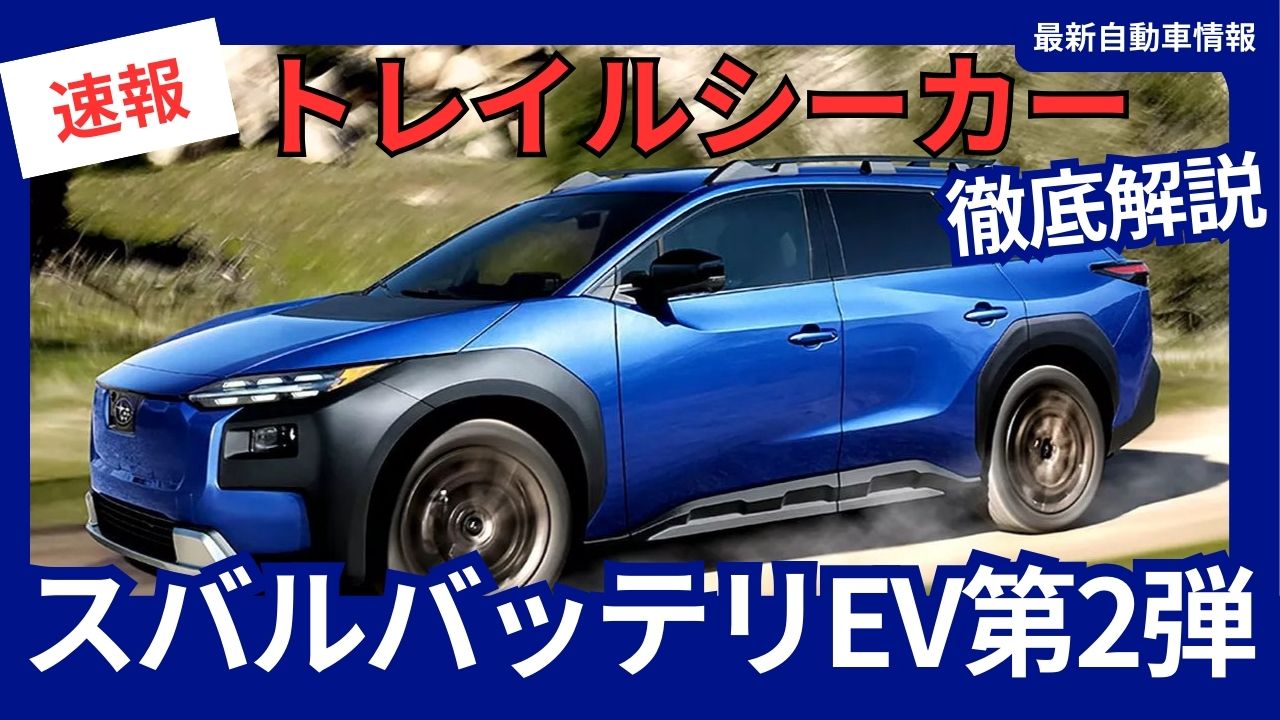
Prior to the announcement of the “bZ Woodland” and “bZ4X Touring,” Toyota changed the name of the “bZ4X” to “bZ” in the North American market and announced a major facelift. Toyota’s BEV lineup is rapidly expanding, with the introduction of a pure EV model of the new “C-HR,” which was first announced in Europe, in North America. These moves demonstrate Toyota’s strong commitment to catering to diverse segments and customer needs in the BEV market, and suggest a strategy of expanding market share through a meticulous product lineup rather than dominating the market with a single model.
A word from the editorial department
The launch of the new “bZ Woodland” and its Japanese version, the “bZ4X Touring,” symbolizes the new phase of Toyota’s “Multi-Pathway” electrification strategy. Toyota, which has led the market with hybrid technology, is now offering a variety of BEV options, demonstrating its steady progress toward realizing a carbon-neutral society.
The bZ Woodland and bZ4X Touring are not just EVs as a means of transportation, but are models that offer new value by considering outdoor activities and use in tough environments. Equipped with the excellent basic performance provided by the e-TNGA platform, a powerful AWD system and off-road assistance functions, as well as the latest connected technology and safety equipment, they combine environmental friendliness, driving enjoyment, and practicality at a high level.
Combined with the planned launch of the partially improved “bZ4X” model in the second half of 2025, Toyota’s BEV lineup will become even more attractive. It will be interesting to see what electric models Toyota will bring to market and what new value they will provide to users. Toyota’s ongoing pursuit of “making ever-better cars” through a variety of powertrains will likely further increase its presence in the automotive industry, where electrification is accelerating.
Toyota News Release