
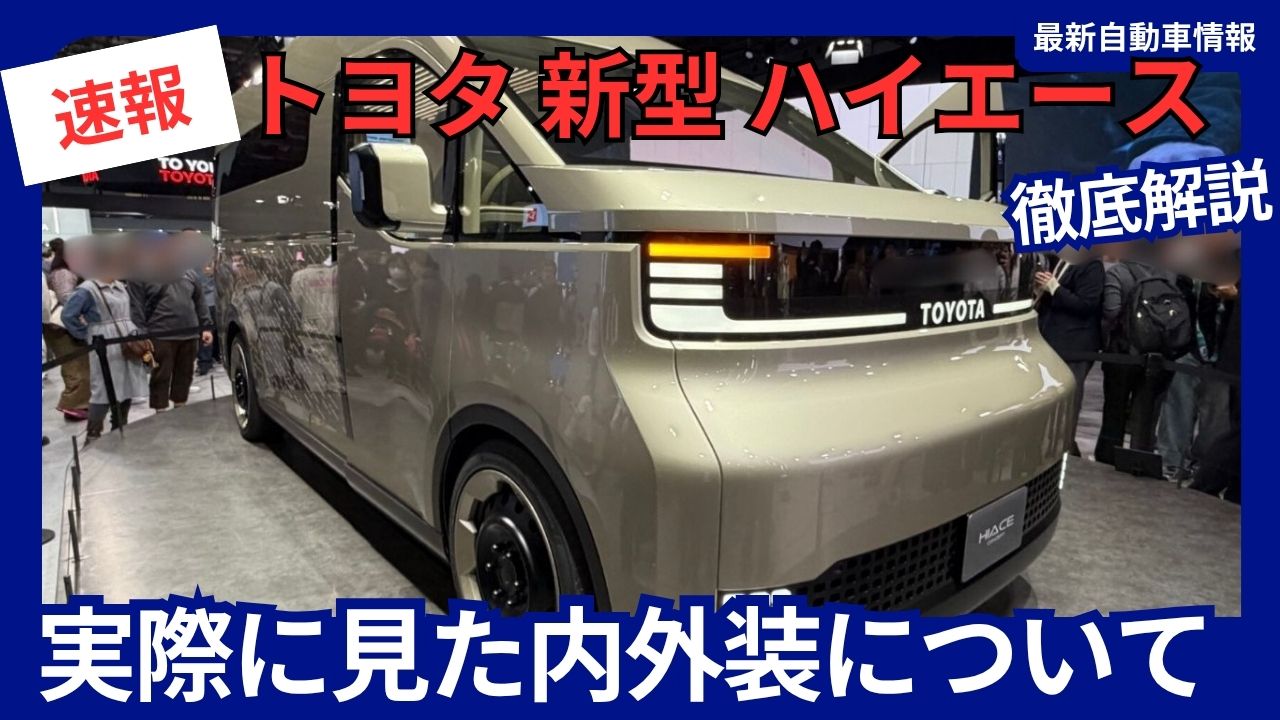
Toyota unveiled the long-awaited next-generation Hiace concept at the 2025 Japan Mobility Show . The Hiace , beloved both in Japan and overseas for nearly 60 years since the first model debuted in 1967, is finally evolving into a next-generation model. Considering that the current 200 series is a long-life model that has been on the market for over 20 years since 2004, this new model is sure to have a major impact on the commercial vehicle market.
In this article, we will thoroughly analyze the interior and exterior of the next-generation Hiace Concept, which was actually exhibited at the Japan Mobility Show 2025, and provide a detailed explanation of its appeal, advantages, and disappointments.
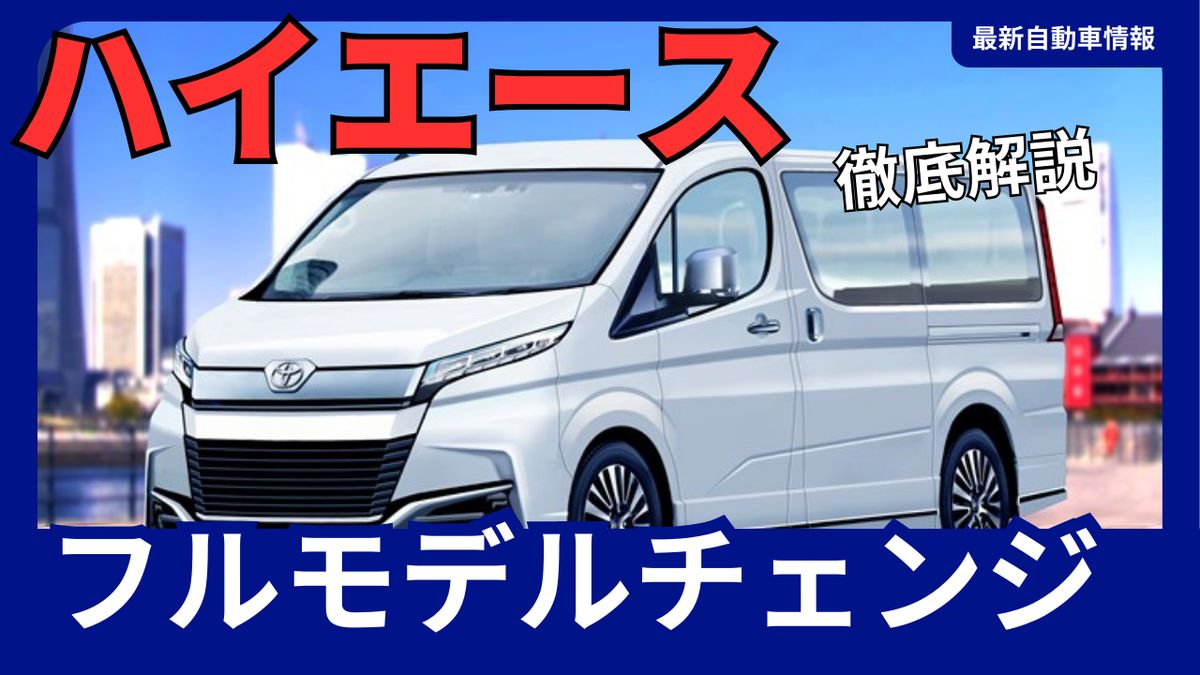
Next-generation commercial van unveiled for the first time at Japan Mobility Show 2025
Overview of the released Hiace concept
At this year’s JMS2025, two body types were exhibited.
Standard roof type
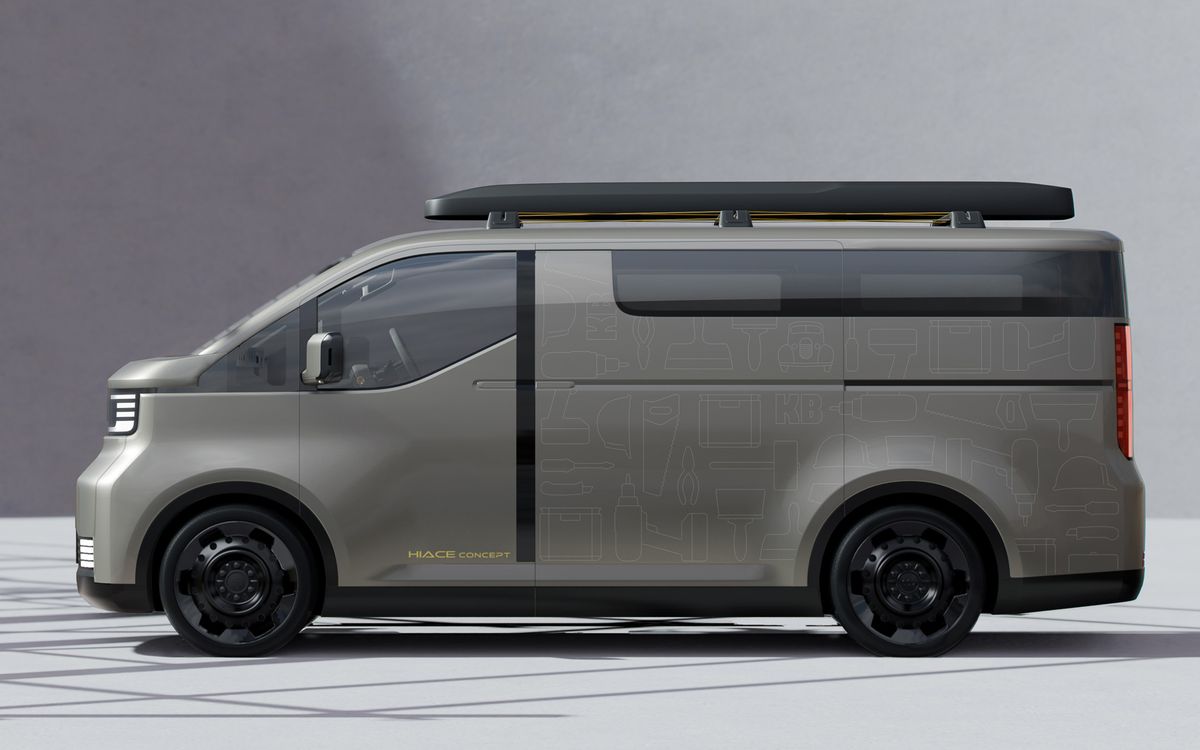
- Standard specification with short wheelbase
- Proposal with roof rails
- Simple and functional design
High roof type
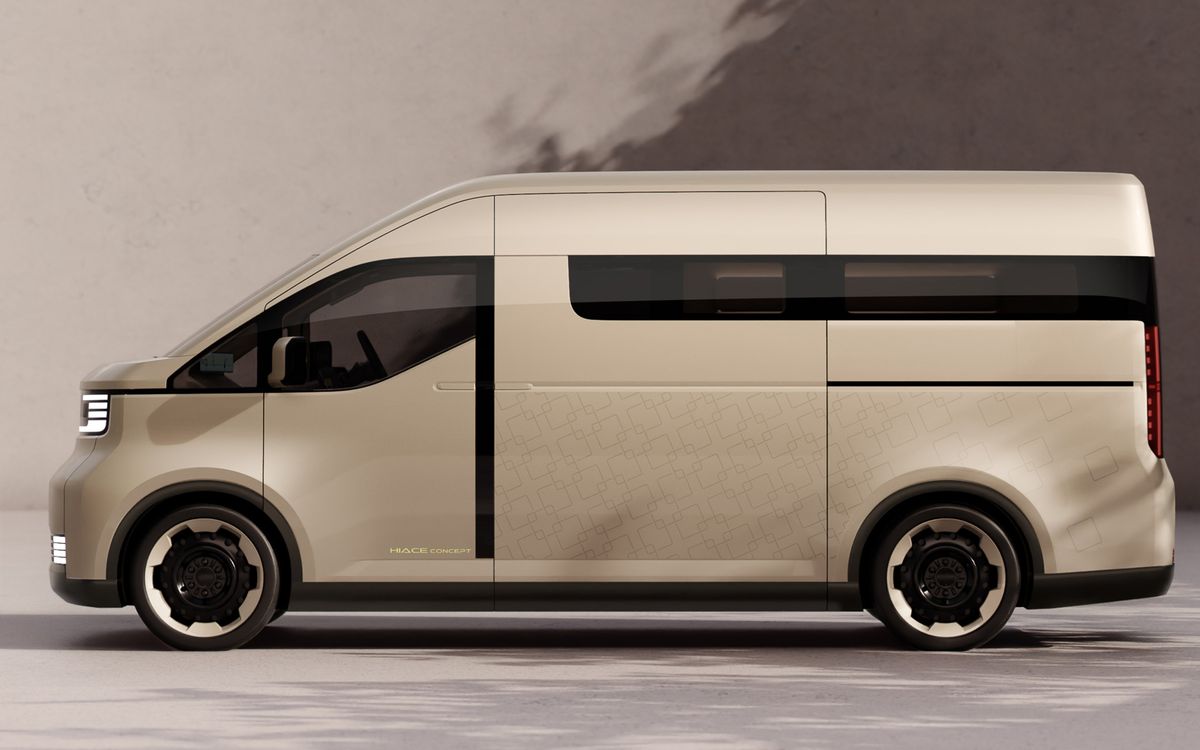
- Model with a high overall height
- The wheelbase has also been extended
- Achieves larger luggage space
This variation is expected to inherit the diverse body types offered by the current 200 series Hiace, such as the “long body” and “super long body.”
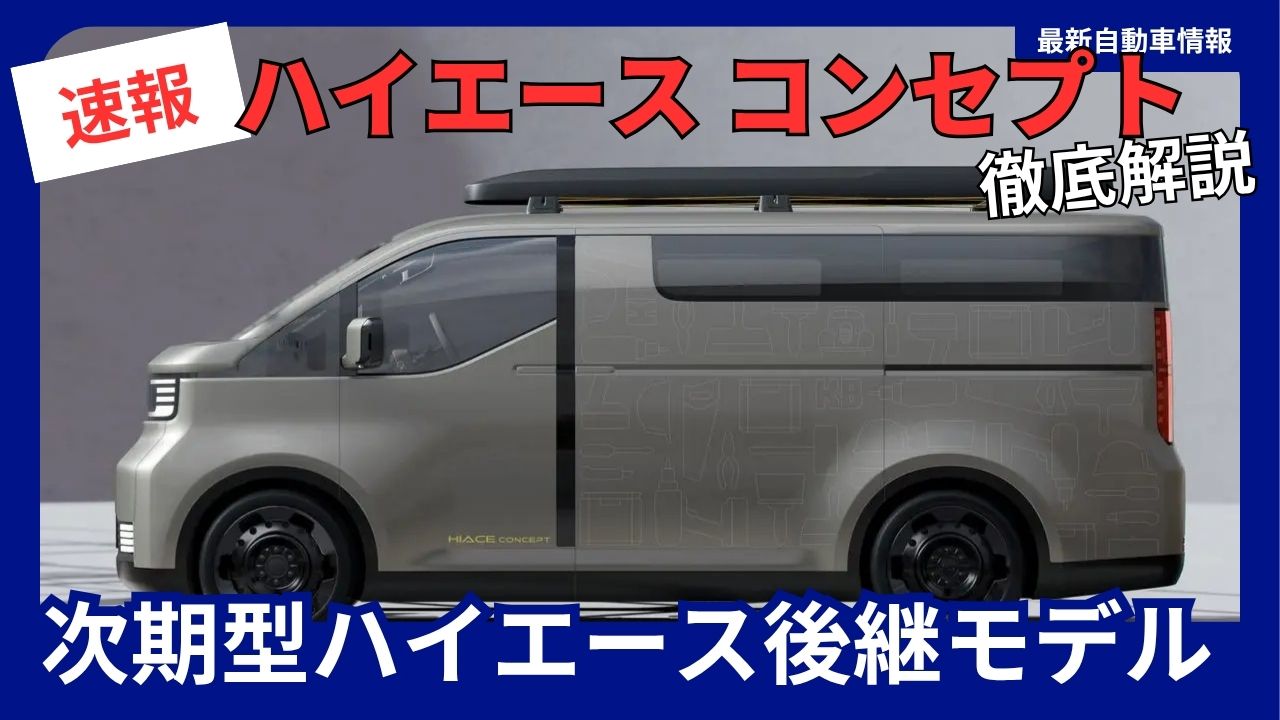
Appeal and features of the exterior design
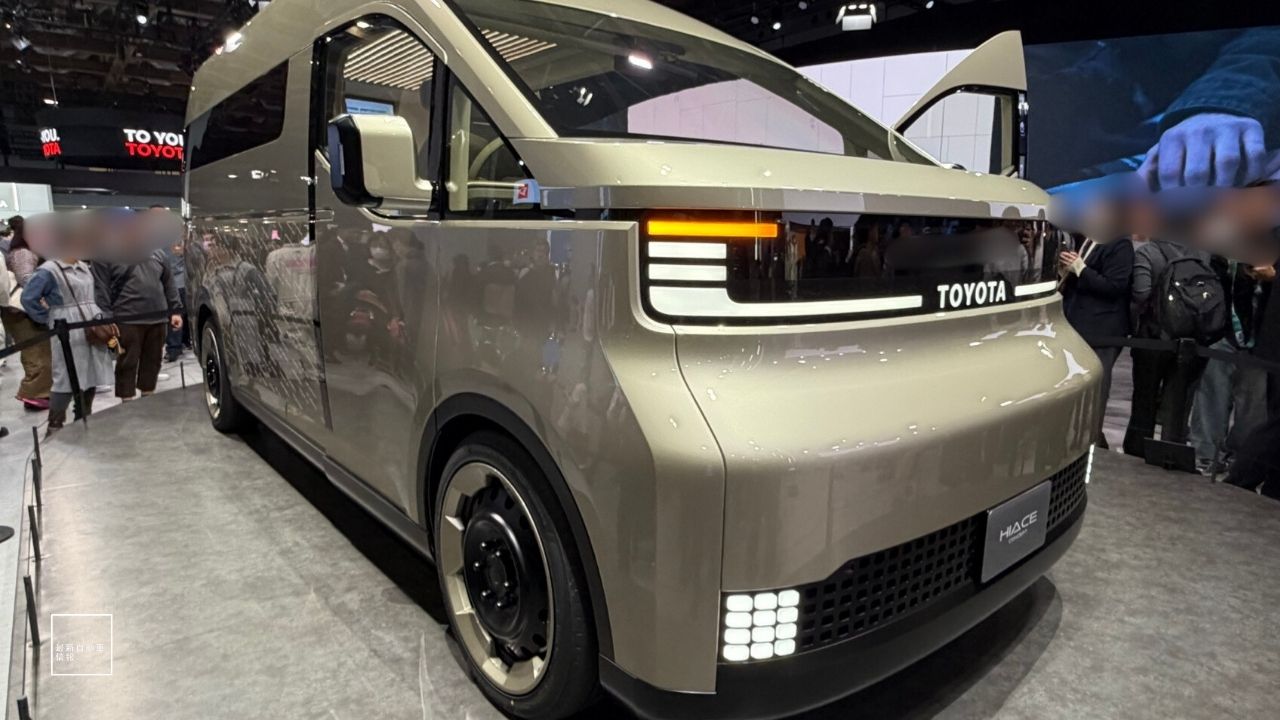
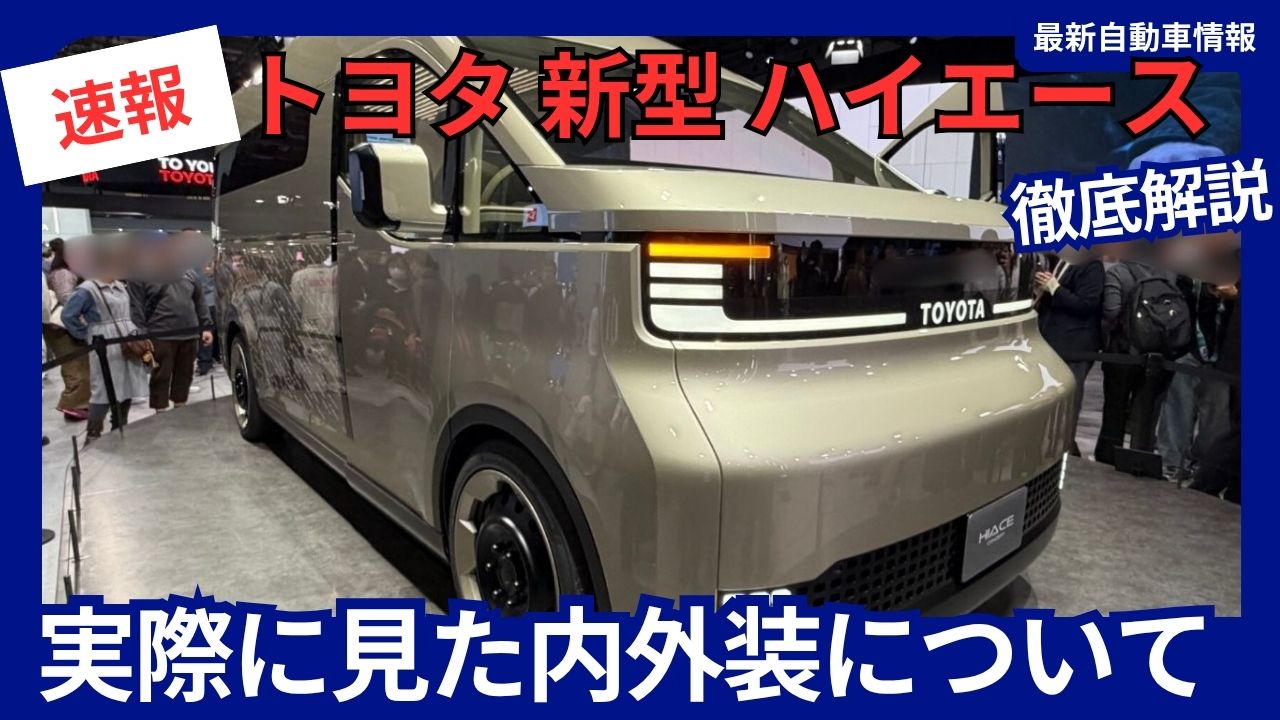
toyota-new-hiace-concept
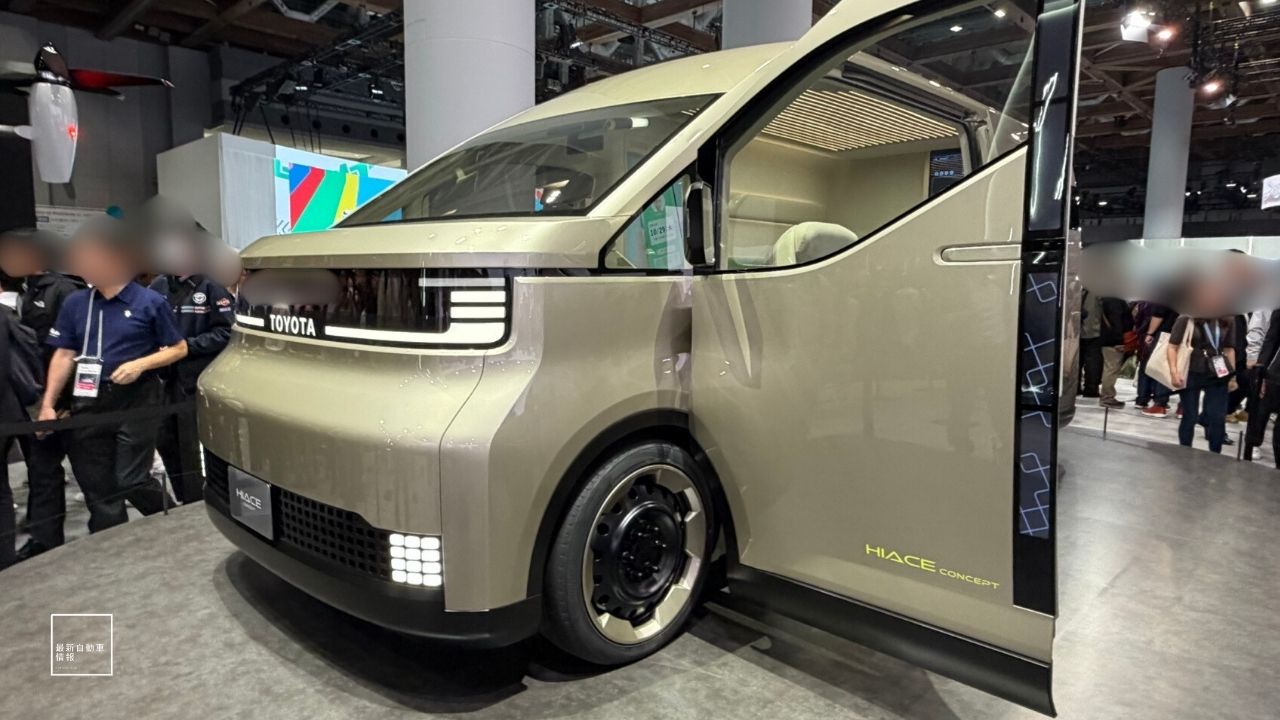
Revolutionary change with semi-bonnet
The biggest change to the next-generation Hiace is the change in body style from the conventional cab-over type to a semi-bonnet type. This is not just a design change, but an important evolution that will greatly improve safety and comfort.
The current 200 series Hiace uses a cab-over design in which the engine is located under the driver’s seat, which maximizes luggage space but creates issues in terms of safety and ride comfort in the event of a collision. By moving the engine to the front of the vehicle, the next-generation Hiace will have the engine compartment function as a crushable zone in the event of a collision, significantly improving passenger safety.
Front design that inherits the Hiace character
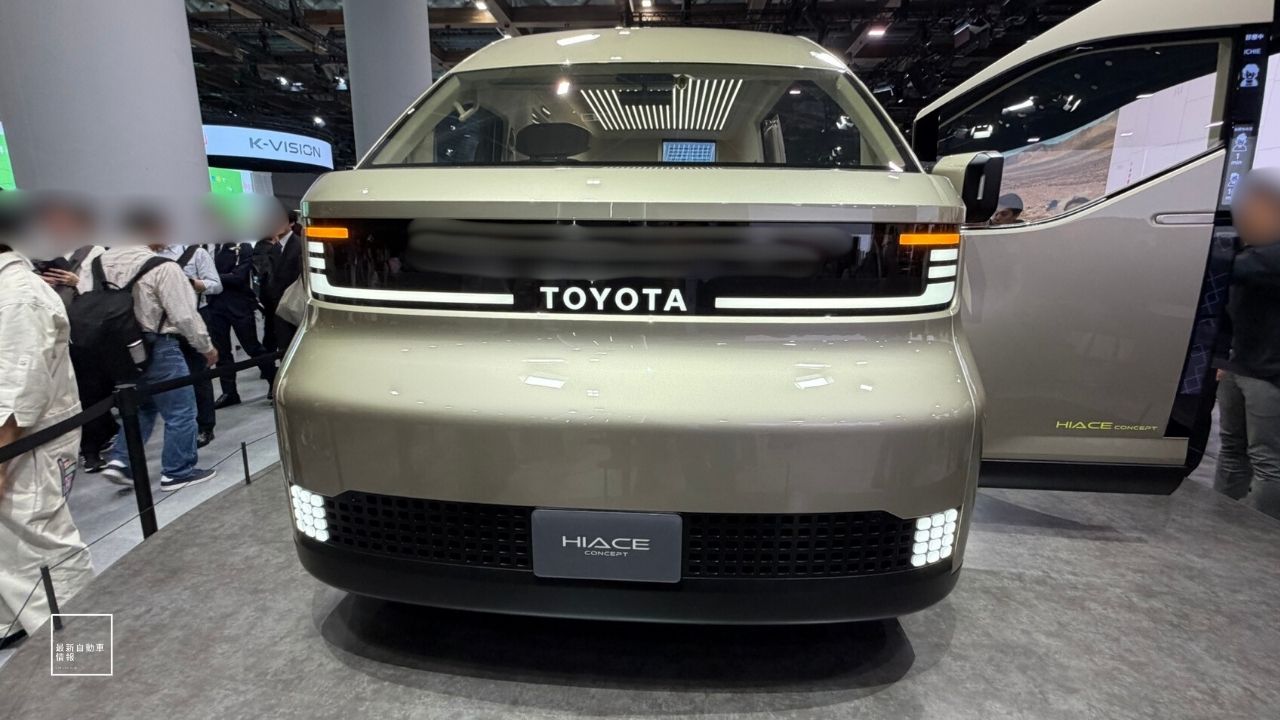
The front area of the concept model on display has a similar feel to the H300 series Hiace sold overseas, but the design has been optimized for the Japanese market.
What makes it great:
- The forward-moving hood improves collision safety
- The lower part of the front bumper protrudes forward, taking pedestrian protection performance into consideration.
- The design retains the Hiace’s iconic features, such as the vertical rear combination lamps
- Stylish yet functional as a commercial vehicle
Cons:
- The semi-bonnet design slightly increases the overall length, which may affect maneuverability in tight spaces.
- The excellent visibility that is unique to cab-over vehicles is slightly diminished.
- For existing Hiace fans, it may feel like its identity has changed.
Innovative Display Features
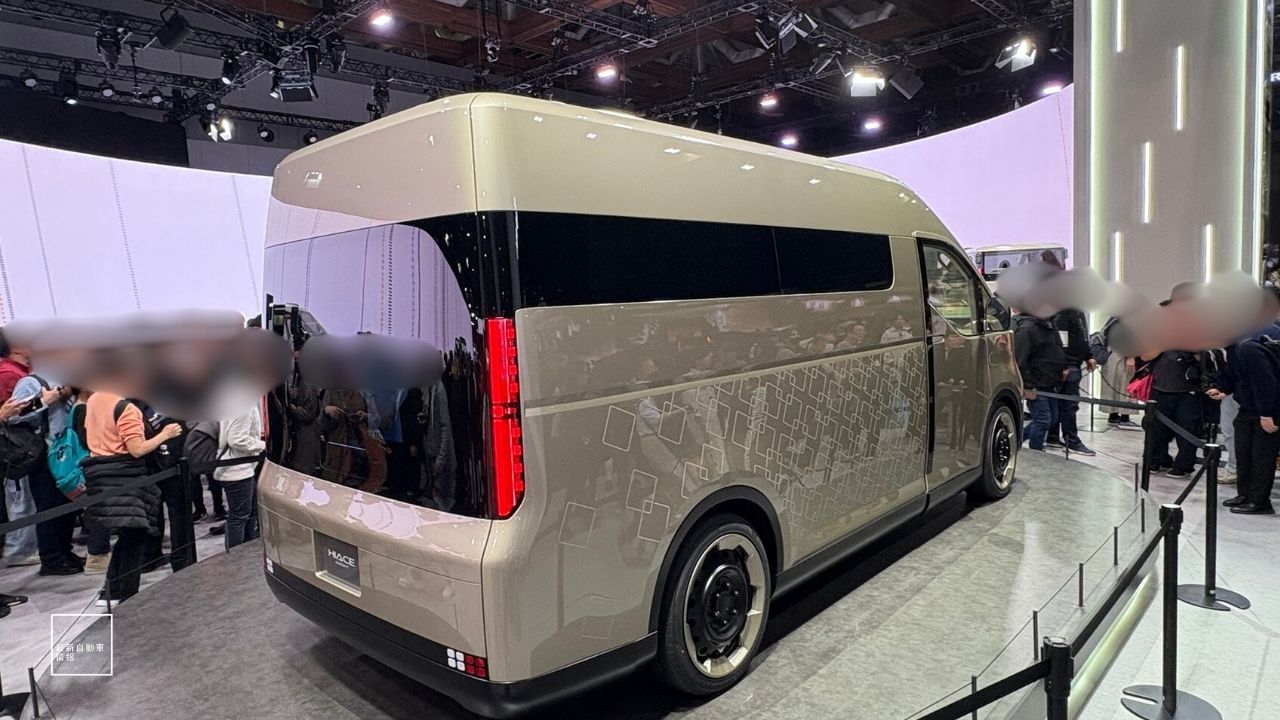
One thing that stands out about the exterior of the next-generation Hiace is the display function that is installed in the vehicle. Displays are installed on the A-pillars and rear window, and can display information such as “Consultation in progress” and “Waiting time 15 minutes.”
What makes it great:
- The range of applications for business use is expanding, including mobile clinics and sales vehicles.
- It functions as a signboard and can be expected to have advertising effects.
- Providing information while the vehicle is stopped contributes to improving customer service
- It can also be applied to public services such as mobile libraries.
Cons:
- There are concerns about increased costs when it is put into practical use
- Display maintenance and repair costs in case of breakdown
- Cannot be used while driving, so usage is limited
Evolution of interior design and functionality
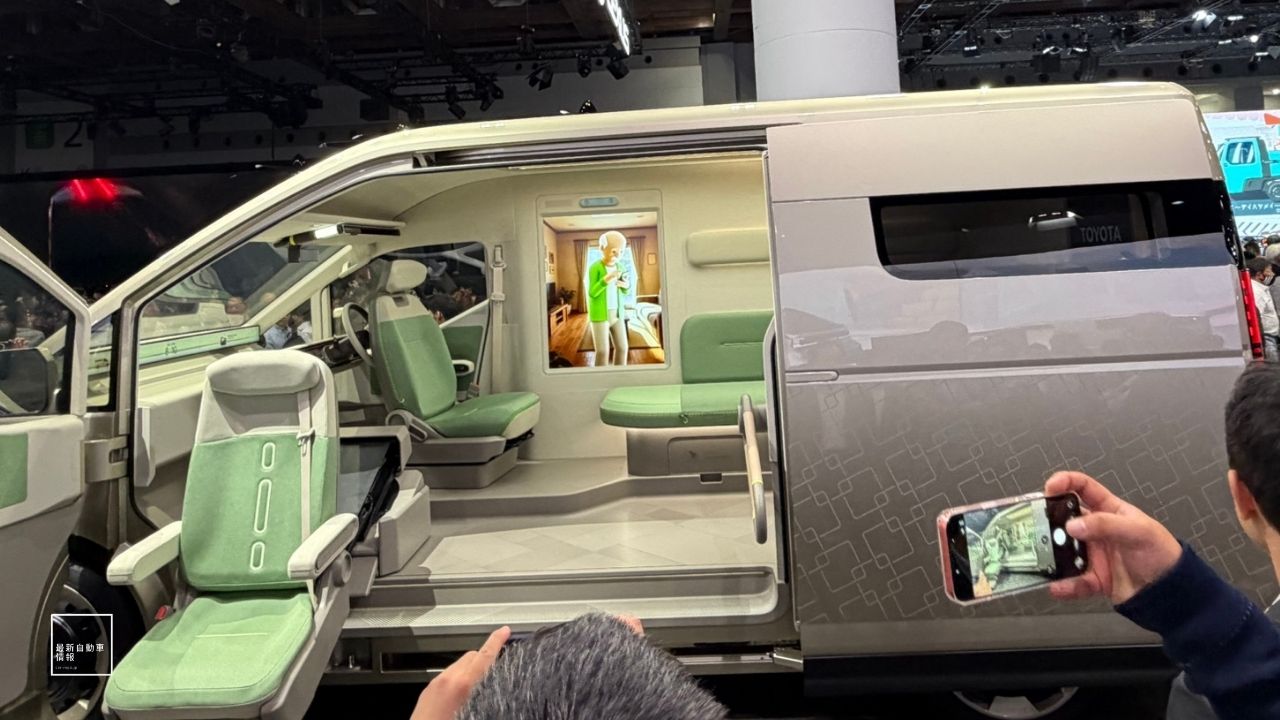
Flat floor for improved usability
The most notable feature of the interior of the next-generation Hiace is the completely flat floor, made possible by a design that takes into account the shift to BEVs (battery electric vehicles).
What makes it great:
- Loading and unloading luggage becomes much easier
- Easy wheelchair access
- Greatly improved freedom of customization
- The low floor makes it easier for elderly and physically disabled people to get on and off.
The vehicle on display was a visiting medical vehicle, and was equipped with a gimmick that allowed the chair to slide out of the vehicle, making it easy for people with mobility issues to board.
Advanced Steering System
The next-generation Hiace is equipped with a manual driving assistance system that Toyota has developed so far, which allows the driver to operate the accelerator and brake using only the steering wheel, and there are no pedals at the feet.
What makes it great:
- Even people with disabilities can drive
- Expanding use as welfare vehicles
- This can be evaluated as a sign of Toyota’s advanced technology.
- Achieving universal design
Cons:
- An operating system unfamiliar to general users
- It takes some getting used to the difference from conventional driving sensations
- There is a high possibility that this will be an optional feature, and there are concerns that it will not be standardized.
Ample storage and equipment
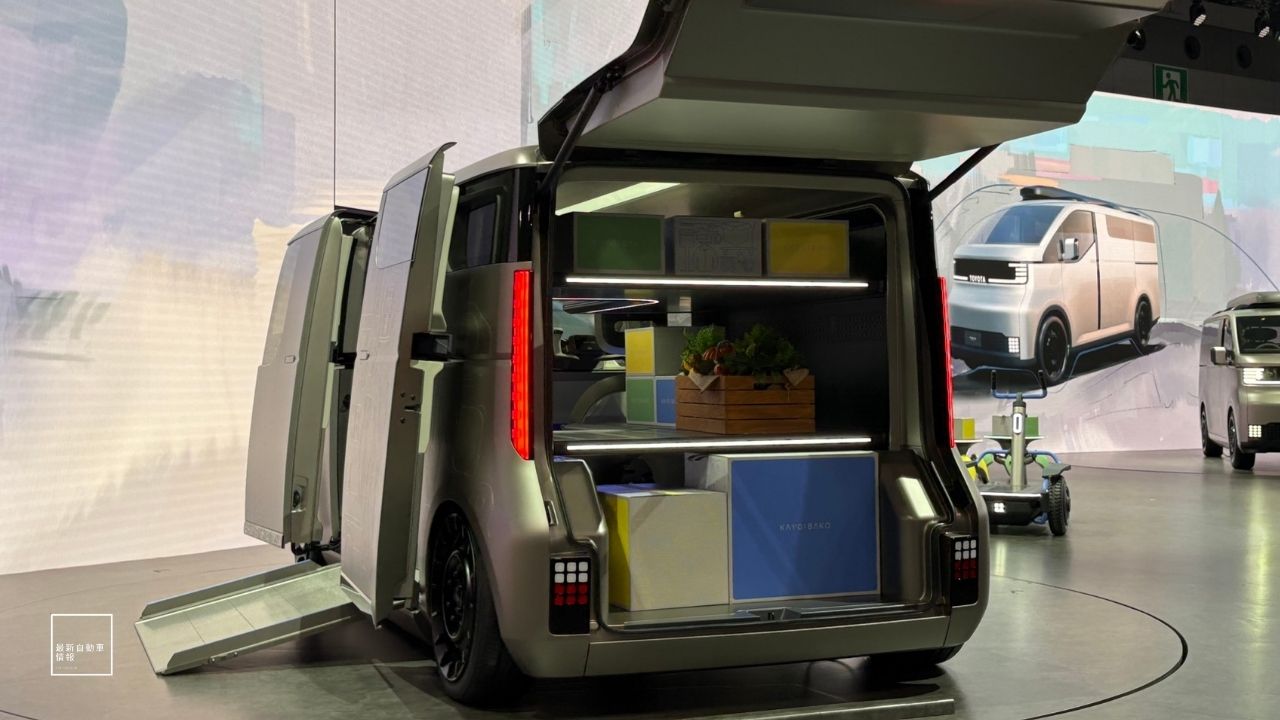
The on-site Hiace vehicle on display was loaded with items such as a stepladder, helmet, boots, and fan, demonstrating its careful construction in anticipation of actual usage scenarios.
What makes it great:
- Tie-down hooks are placed throughout the bag to make it easy to secure your luggage.
- The steps are high enough and strong enough to make it easy to get on.
- Durability of details such as door latches has been taken into consideration.
- Made from recycled resin, it also contributes to carbon neutrality
Cons:
- It emphasizes practicality like a commercial vehicle, and refrains from the luxury of a passenger car.
- Lots of storage space could be an optional extra
- Designed for customization, it gives a simple impression in its standard state.
Differences from the next Town Ace “KAYOIBAKO”
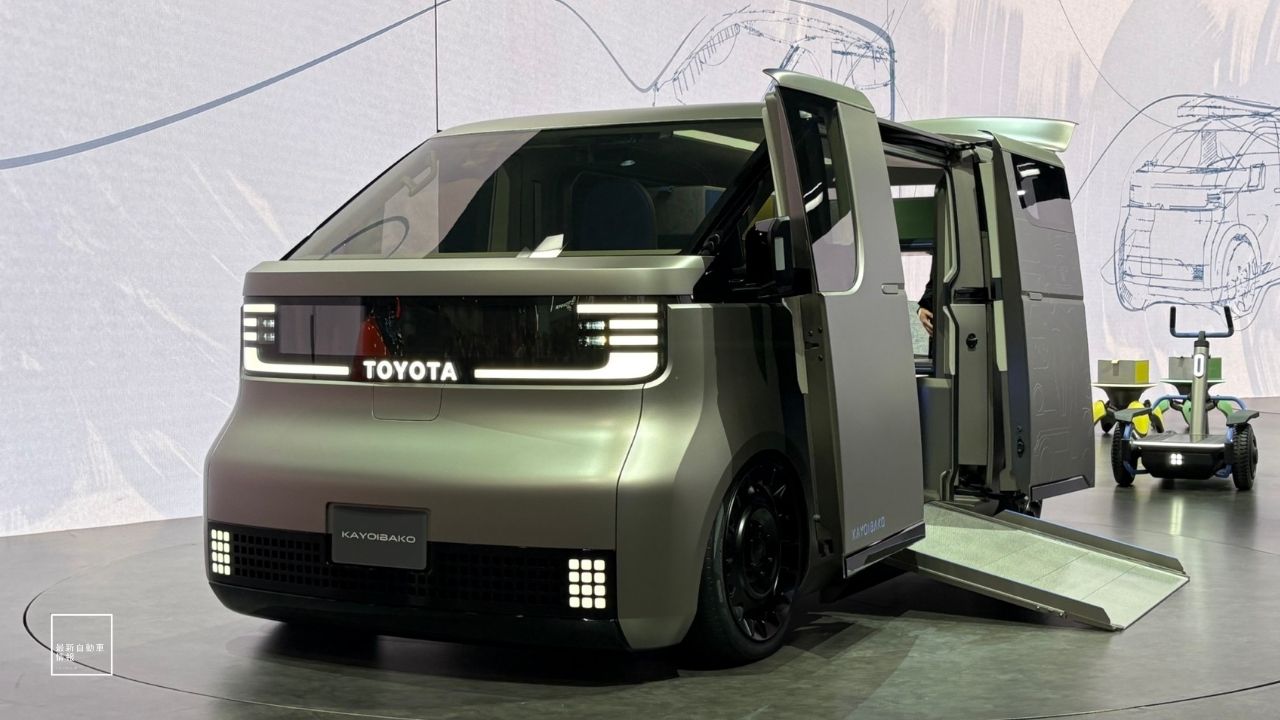
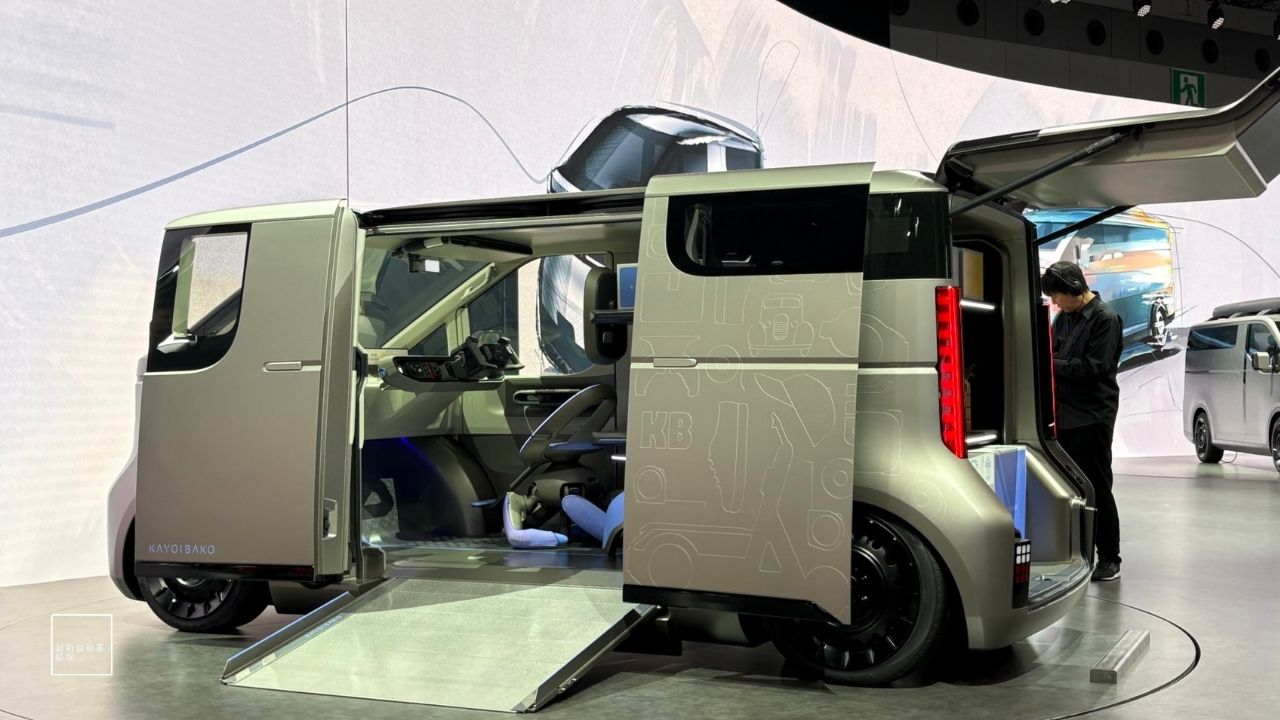
At the Japan Mobility Show 2025, the next-generation Hiace and the “KAYOIBAKO,” which is said to be the next-generation Townace, were exhibited at the same time. Understanding the differences between the two vehicles will make the position of the next-generation Hiace clearer.
Features of KAYOIBAKO
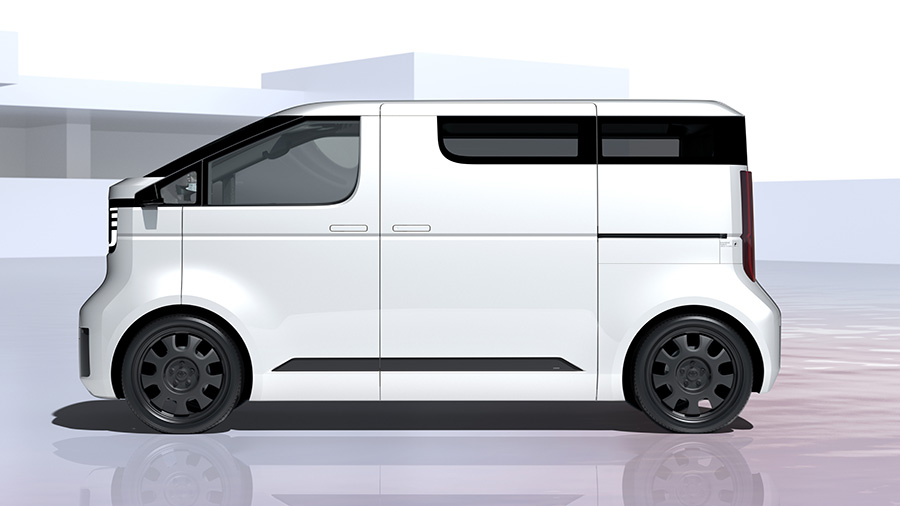
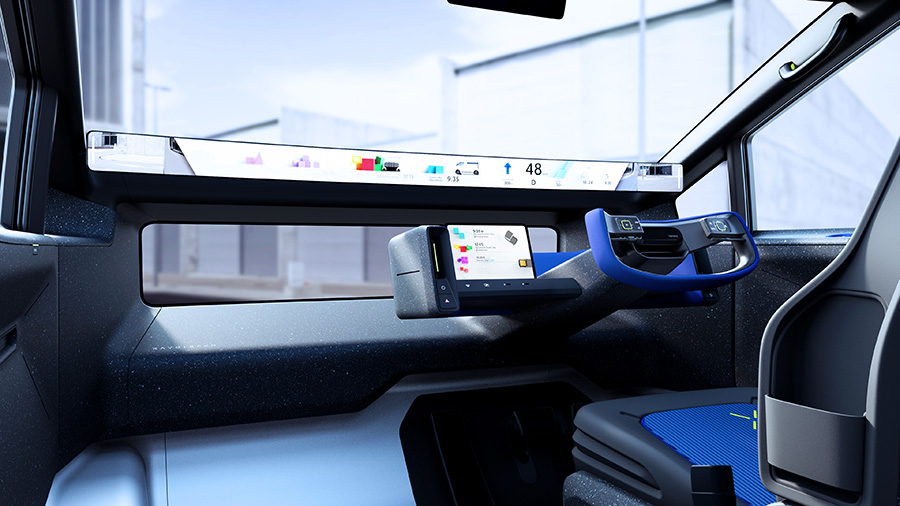
Body Size:
- Total length 3990mm x total width 1790mm x total height 1855mm
- Wheelbase 3127mm
- Smaller and easier to handle size
Door Configuration:
- An innovative structure with sliding doors on both the front and rear
- Large B-pillar-less opening improves loading efficiency
- The structure allows both sides to open up like a baby egg
Differences in use:
- KAYOIBAKO is focused on mobile sales and camper vans
- Light duty applications with emphasis on utility
- The next-generation Hiace will be primarily used for heavy-duty commercial purposes
The meaning behind tires
Interestingly, the KAYOIBAKO was fitted with Bridgestone’s premium tyre brand, Legno, an unusual choice for a commercial vehicle.
Considered meanings:
- Possibility of positioning it as a 3-number passenger car, going beyond a simple 4-number commercial vehicle
- A utility vehicle with an emphasis on quietness and ride comfort
- Hints at future grade development and differentiation
Electrification strategy and powertrain
Electrification centered on BEVs
All of the next-generation Hiace exhibited vehicles were BEVs (battery electric vehicles), but these were merely concept car proposals, and multiple powertrains are expected to be available when the car goes on sale.
Expected powertrain lineup:
- 2.0L inline 4-cylinder gasoline engine (136ps/18.6kgm)
- 2.8L inline 4-cylinder diesel engine “1GD” (177ps/45.9kgm)
- Plug-in Hybrid (PHEV)
- Battery Electric Vehicle (BEV)
Benefits of electrification:
- Realization of a flat floor
- Improved quietness
- Significant improvement in environmental performance
- Reduced maintenance costs (for BEVs)
Electrification challenges:
- Higher initial purchase costs
- Charging infrastructure development status
- Range concerns (in the case of BEVs)
- Verification of practicality as a commercial vehicle
Multipathway Strategy
Toyota has adopted a “multi-pathway” approach, creating a system that allows customers to select the optimal powertrain for each region and application. This strategy will likely be reflected in the next-generation Hiace.
What makes it great:
- Choices tailored to user needs
- Flexibility to sell globally
- Adapting to the market through gradual electrification
Challenges:
- Potential for vehicle model deployment to become too complicated
- Increasing complexity in inventory management and production planning
- Improving product knowledge among retail staff is essential
Evolution of safety equipment
Toyota Safety Sense standard equipment
The next-generation Hiace is expected to come standard with Toyota’s preventive safety package, Toyota Safety Sense.
Main safety features:
- Pre-crash safety (with pedestrian and bicycle detection function)
- Lane Departure Alert
- Automatic high beam
- Radar cruise control
- VSC & TRC (Electronic Stability Control)
- Hill Start Assist Control
- Auto alarm (anti-theft device)
What makes it great:
- Commercial vehicles equipped with safety features on a par with passenger cars
- Reduced accident risk reduces insurance premiums
- Reduced driver fatigue
- Responding to corporate safety management responsibilities
Cons:
- Increasing system complexity leads to increased repair costs
- Responding to malfunctions and the risk of accidents due to overconfidence
- Older users may find it difficult to use
Release date and price forecast
Release Schedule
The next-generation Hiace is scheduled to be released in 2027. The Hiace will celebrate its 60th anniversary in 2026, so the full model change will be a commemorative occasion.
Estimated release schedule:
- October 2025: Concept unveiled at Japan Mobility Show (completed)
- Late 2026: Reveal of production prototype
- Early 2027: Official announcement and launch
- Spring 2027: Addition of BEV model
Pricing
The price of the next-generation Hiace is expected to be around 2.6 million to 4.6 million yen, a slight increase from the current model.
Price forecast by grade:
- Base grade (2.0L gasoline): from approximately 2.6 million yen
- Mid-range grade (2.8L diesel): from approximately 3.2 million yen
- High-grade (wide/long body): from approximately 3.8 million yen
- Special edition model: from approximately 4 million yen
- BEV model: from approximately 4.5 million yen
Pricing considerations:
What makes it great:
- Realistic pricing for a commercial vehicle
- A wide range of grades available to suit a wide range of users
- Plenty of options, including electrified models
Cons:
- A price increase from the current model is inevitable
- BEV models may be expensive
- Standardization of safety equipment has led to an increase in entry-level model prices
Comparison with competing models
Competing with the Nissan NV350 Caravan
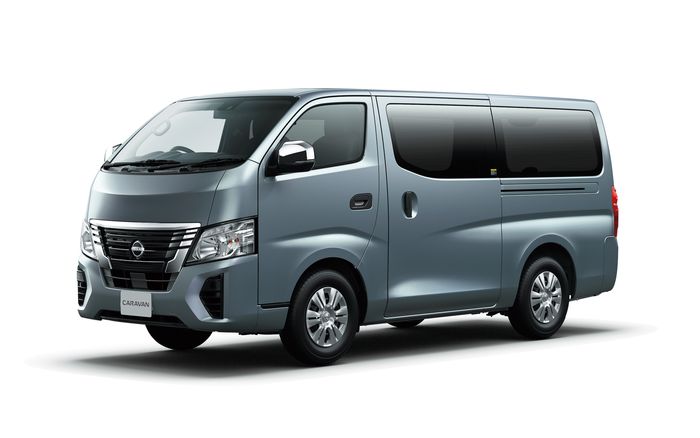
NV350
The Nissan NV350 Caravan, the Hiace’s biggest rival, has also undergone significant improvements in recent years.
Advantages of the Hiace:
- The reliability and high resale value of the Toyota brand
- A wealth of customization parts and modification know-how
- Diesel engines have a good reputation
- First launch of electrified models
Caravan advantages:
- High loading capacity due to low floor (maintaining cab-over)
- Relatively cheap pricing
- Designed to prioritize practicality as a commercial vehicle
Differentiation from the Honda N-VAN
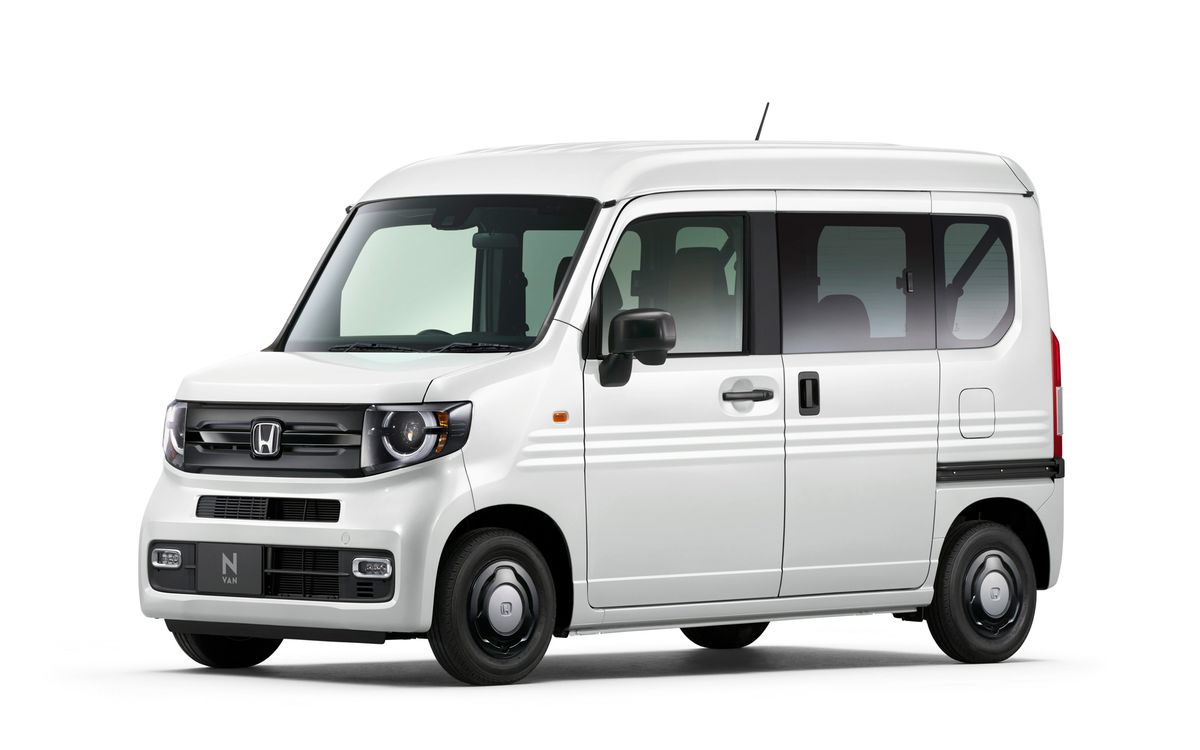
N-VAN-STYLE + NATURE
The N-VAN light commercial vehicle could be a potential alternative to the Hiace for small businesses.
Advantages of the Hiace:
- Overwhelming loading capacity
- Comfort for long distance riding
- Accommodating large numbers of passengers
- Powerful engine performance
Evaluation from a practical standpoint
Practicality as a commercial vehicle
What makes it great:
- Flat floor for improved loading efficiency
- Low floor makes it easy to load and unload luggage
- High degree of customization freedom
- Durability is taken into consideration throughout the construction
- Equipment designed for use on-site
Cons:
- The semi-bonnet design may result in a slightly shorter luggage compartment length.
- Concerns about reduced maximum load capacity compared to cab-over types
- There is a possibility that the body types that can be registered as number 4 vehicles will be limited.
- Electrification increases vehicle weight, affecting payload capacity
Comfort as a passenger car (wagon)
What makes it great:
- Semi-bonnet design significantly improves ride comfort
- Reduced engine noise and vibration
- Improved collision safety provides peace of mind
- Ease of driving thanks to advanced safety features
- Significant improvement in quietness due to electrification
Cons:
- Because it is based on a commercial vehicle, you cannot expect the same level of comfort as a passenger minivan.
- The seat texture and interior luxury are modest
- Ride comfort will be improved, but may not be as good as that of a passenger car.
Impact on the customization market
The Hiace is one of the vehicles with the largest customization market in Japan, and the next model change of the Hiace will have a major impact on this market.
Customization expectations:
- The flat floor allows for greater freedom in the layout of the camper.
- Electrification significantly improves the convenience of using electricity in the car
- Revitalizing the aero parts market in line with new designs
Concerns:
- Due to changes in the body structure, existing parts cannot be used.
- The increasing sophistication of electronic controls makes modifications more difficult.
- Rising vehicle prices make it more difficult to customize a vehicle.
Summary: Comprehensive evaluation of the next-generation Hiace
Summary of advantages
- Dramatic improvement in safety – Semi-bonnet design significantly improves collision safety
- Improved usability – Flat floor and low floor for improved loading capacity
- Improved comfort – Dramatically improved ride comfort and quietness
- Responding to electrification – Improving environmental performance and running costs
- Enhanced advanced equipment – Latest safety equipment such as Toyota Safety Sense
- Universal design – Consideration for the elderly and people with disabilities
- Expanding business use – Proposing new uses such as display functions
Disappointments and points of concern
- Loss of the appeal of cab-over vehicles – reduced visibility and maximum payload capacity
- Price increases – Cost increases due to adoption of new technologies
- Adaptation for existing users – Need to get used to the significantly different operating feel
- Challenges of electrification – Concerns about charging infrastructure and driving range
- Continuity of customization – Unavailability of existing parts and the need for new development
- Increasingly complex systems – increasing repair costs and difficult maintenance
Final evaluation
The next-generation Hiace is an ambitious model change that dramatically improves safety and comfort while maintaining its practicality as a commercial vehicle. The major decision to adopt a semi-bonnet design can be seen as an inevitable evolution to meet the needs of the times.
Considering the fact that the current 200-series Hiace has been loved for over 20 years, there are high expectations for the next-generation Hiace. Toyota’s multi-pathway strategy, offering a wide range of powertrains including gasoline, diesel, PHEV, and BEV, is a wise decision that meets the diversifying needs of users.
With just one year left until its release in 2027, we can’t take our eyes off the next-generation Hiace, for which we look forward to hearing more information. We hope that the next-generation Hiace will be a success as it ushered in a new era for commercial vehicles.
Frequently Asked Questions (FAQ)
Q1: When is the release date for the next-generation Hiace?
A: It is scheduled for release in 2027.
Q2: Can I register it as a 4-number vehicle?
A: Yes, we plan to continue offering body types that allow for 4-number registration.
Q3: Can I use the custom parts for the current Hiace?
A: Because the body structure will change significantly, it is expected that many existing parts will no longer be usable.
Q4: Will there be an electric vehicle model?
A: A BEV model is planned. Its release date may be later than the main unit.
Q5: How much will the price be?
A: It is expected to be around 2.6 million to 4.6 million yen. It will vary greatly depending on the grade and powertrain.
Q6: Is it different from the overseas H300 series?
A: Yes, it is specially designed for the Japanese market and is a different vehicle from the H300 series.
Q7: Will the cab-over model continue to be sold?
A: The next generation Hiace is expected to be unified as a semi-bonnet type, and there are no plans to continue selling the cab-over model.
Toyota News Release