
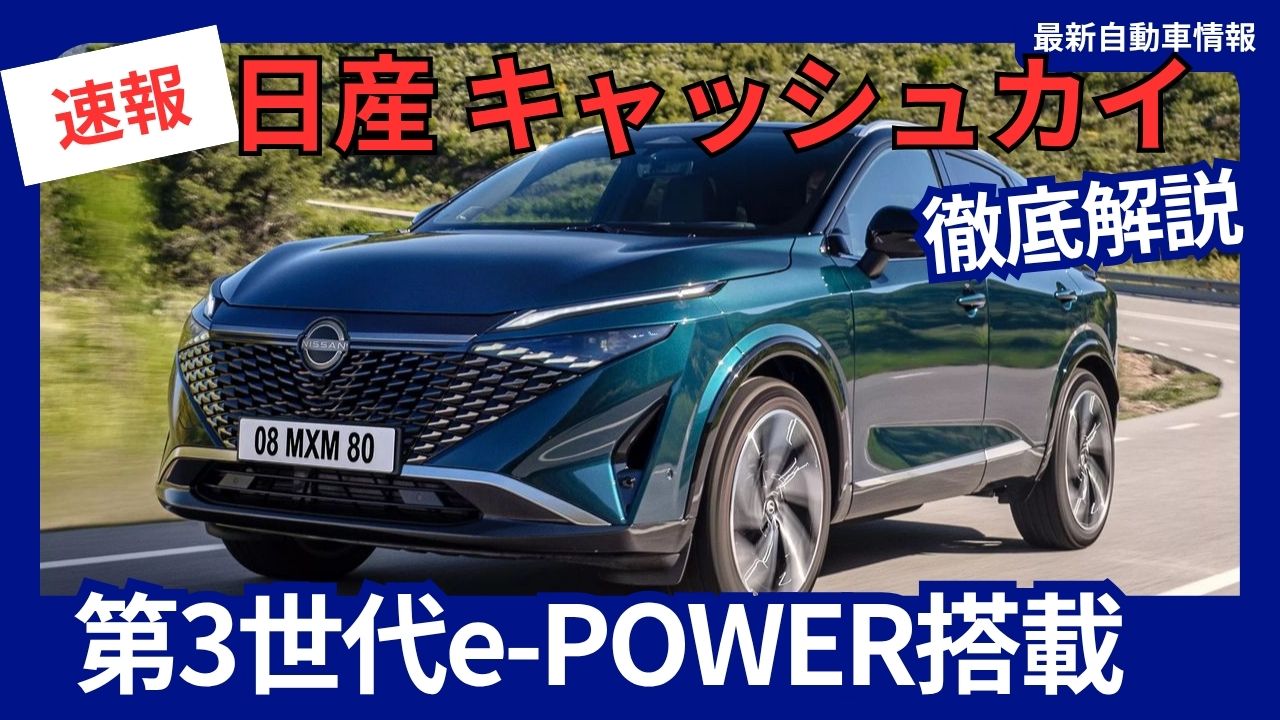
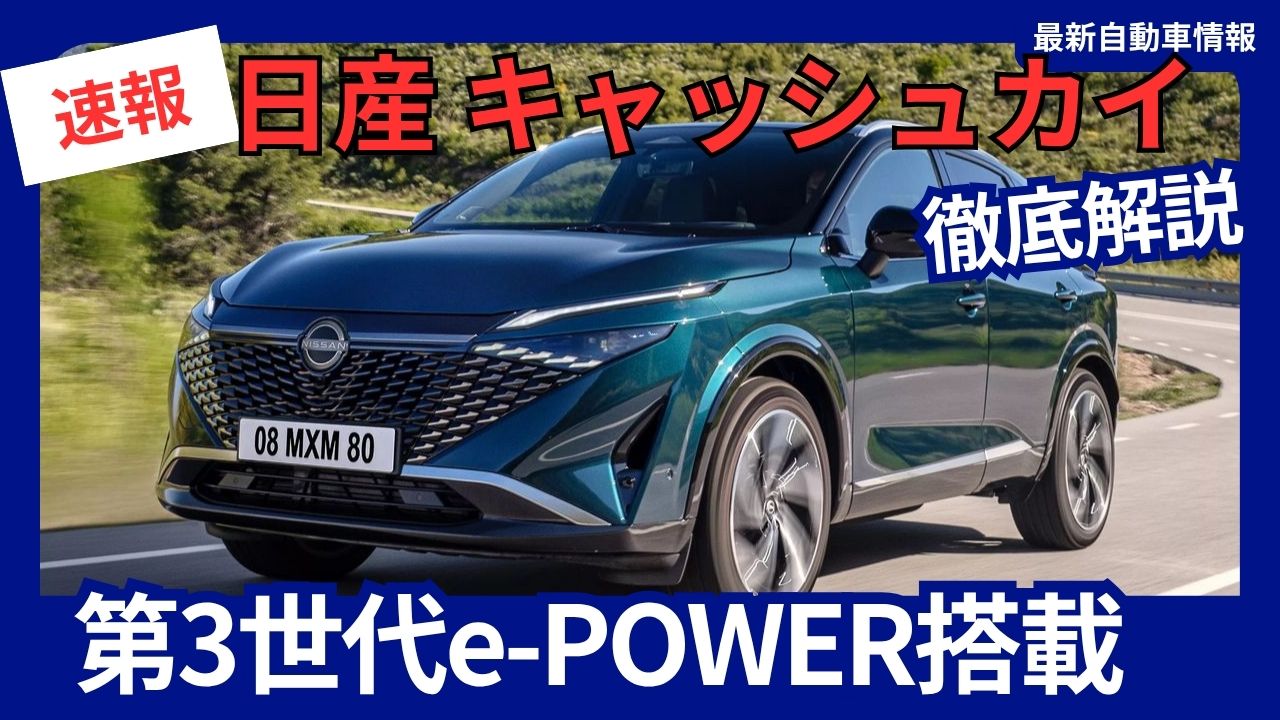
The Nissan Qashqai will undergo a facelift and be launched in the European market in September 2025. At the heart of this new model is the dramatic evolution of the third-generation e-POWER electric powertrain , whose outstanding performance and environmental friendliness perfectly meet the needs of today’s drivers.
The third-generation e-POWER system, unveiled in Europe on June 26, 2025, represents a revolutionary breakthrough that opens up new horizons in hybrid technology. The Qashqai, equipped with this latest system, is attracting attention as a next-generation crossover SUV that overturns conventional wisdom about hybrid vehicles and combines the smooth driving feel of an electric vehicle with the practicality of a diesel vehicle.
The third-generation e-POWER will be installed in the new Elgrand, scheduled for release in the Japanese market in fiscal 2026, and in the new Rogue, scheduled for release in the North American market in fiscal 2026.
The revolutionary technological evolution of the third-generation e-POWER
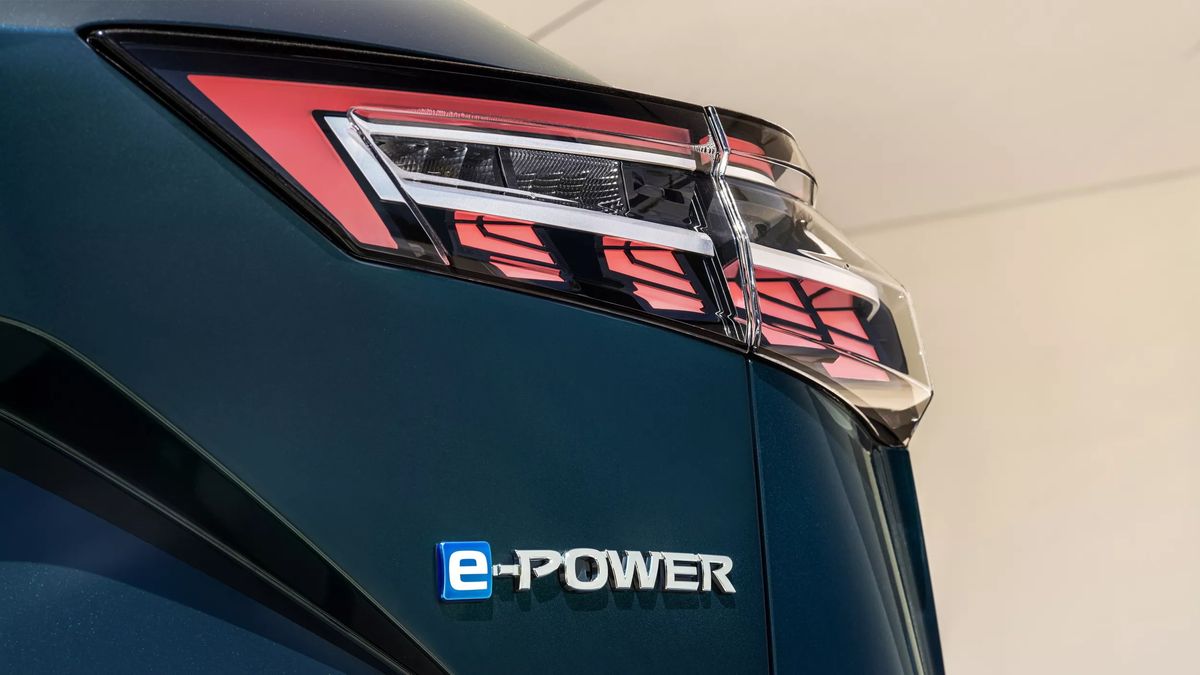
2025-Nissan-Qashqai-e-Power
Nissan’s e-POWER system has undergone steady technological advancements since its market launch in 2016. This third-generation system maintains the previous system’s excellent driving performance and driving experience, while achieving dramatic improvements in fuel efficiency and quietness.
The biggest feature of this new system is that it uses a series hybrid configuration, where the engine is used exclusively for generating electricity and the drive is 100% powered by an electric motor. Unlike conventional parallel hybrid systems that require complex mechanical coupling, e-POWER has a simpler yet more efficient structure. This provides the smooth and quiet driving feel of an electric vehicle while completely eliminating dependence on charging infrastructure.
The technological advantage of the new generation e-POWER is its motor and control system, which can be shared with electric vehicles. This commonality makes it an ideal bridge to gradually familiarize users with electrification during the transition to a future zero-emission society.
Outstanding fuel economy and segment-leading cruising range
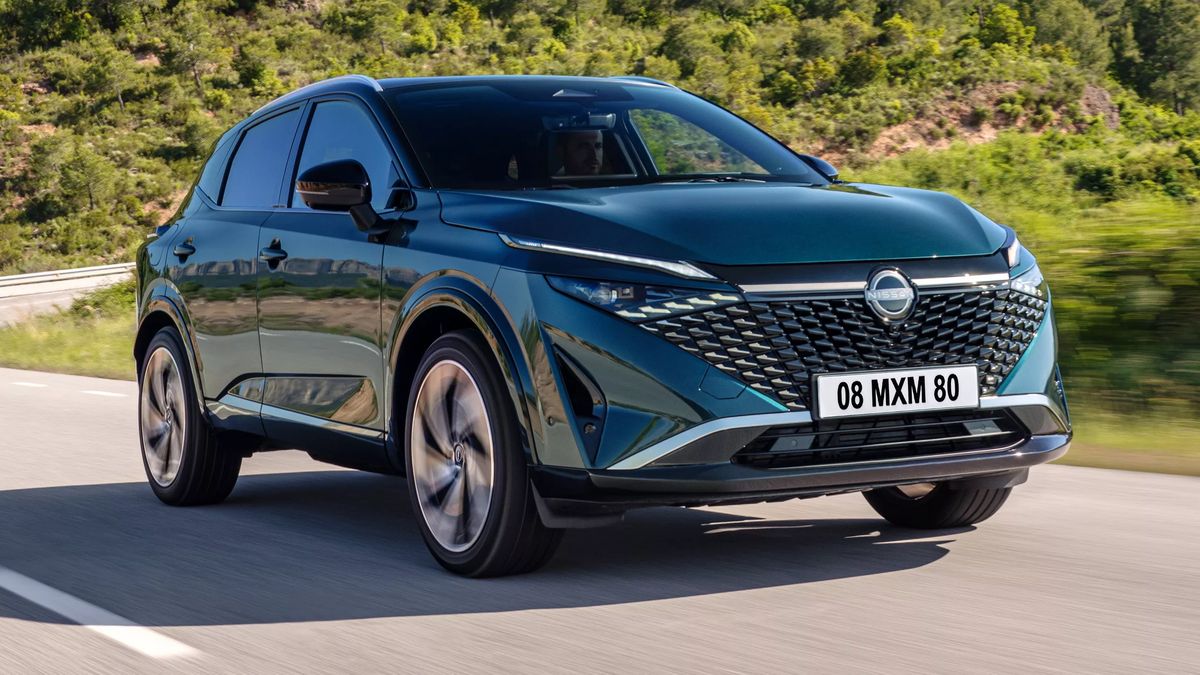
2025-Nissan-Qashqai-e-Power
The third-generation e-POWER engine installed in the new Qashqai has achieved a groundbreaking improvement in fuel economy, recording a fuel economy of 4.5L/100km (approximately 22.2km/L) in WLTP mode , making it one of the best figures in the European C-segment crossover market.
This excellent fuel efficiency has resulted in an astonishing maximum cruising range of 1,200 km. This provides practicality comparable to that of diesel vehicles, significantly reducing the number of times you need to refuel during long drives or trips. Even under real-world driving conditions, the range is still over 1,000 km, making it suitable for a wide range of needs, from everyday use to long-distance travel.
Significant improvements have also been made in terms of environmental performance, with CO2 emissions reduced by 12% from 116g/km to 102g/km, making the car competitive even in the European market where environmental regulations are becoming increasingly strict.
Independent testing by ADAC (German Automobile Association) has confirmed an improvement in fuel economy of up to 16% in real-world driving conditions and 14% on the highway compared to the current Qashqai. This objective evaluation by a third-party organization is an important indicator of the new system’s high practical performance.
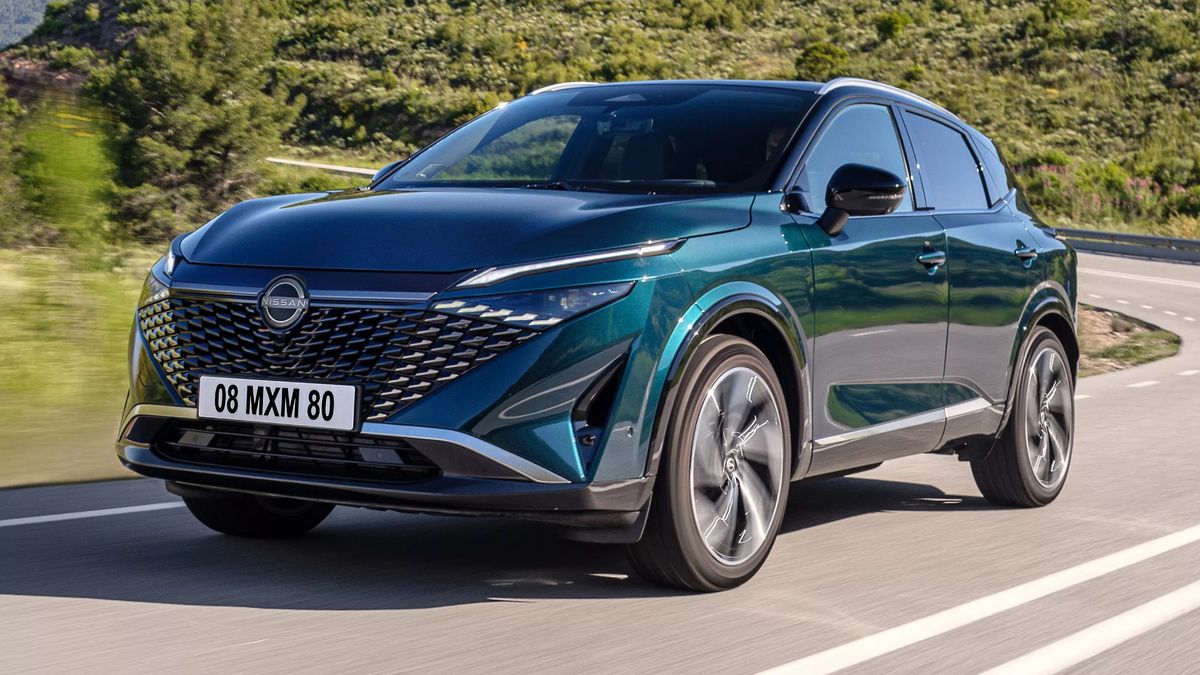
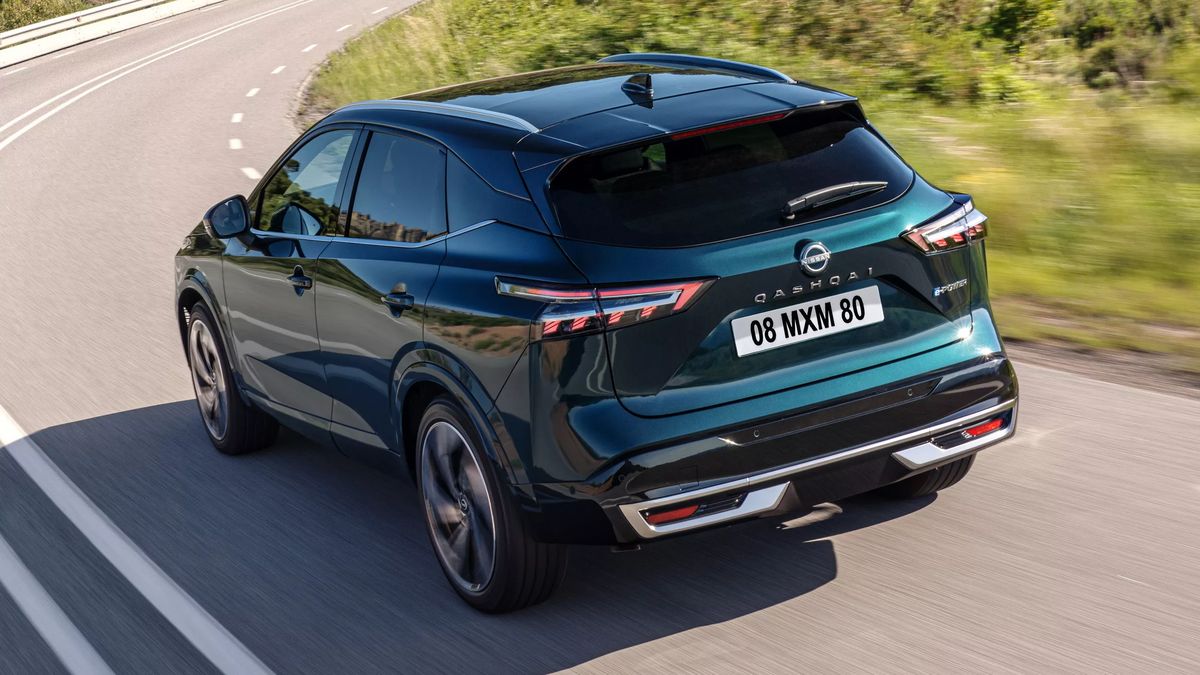
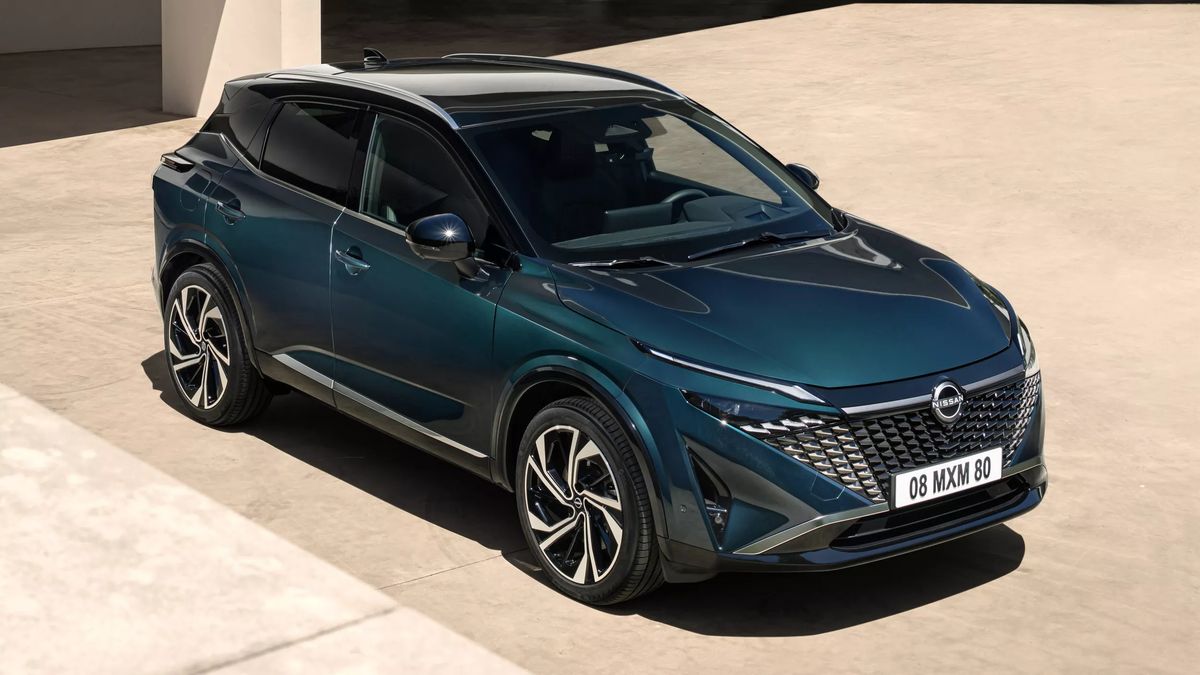
Innovative packaging with 5-in-1 integrated unit
2025-Nissan-Qashqai-e-Power
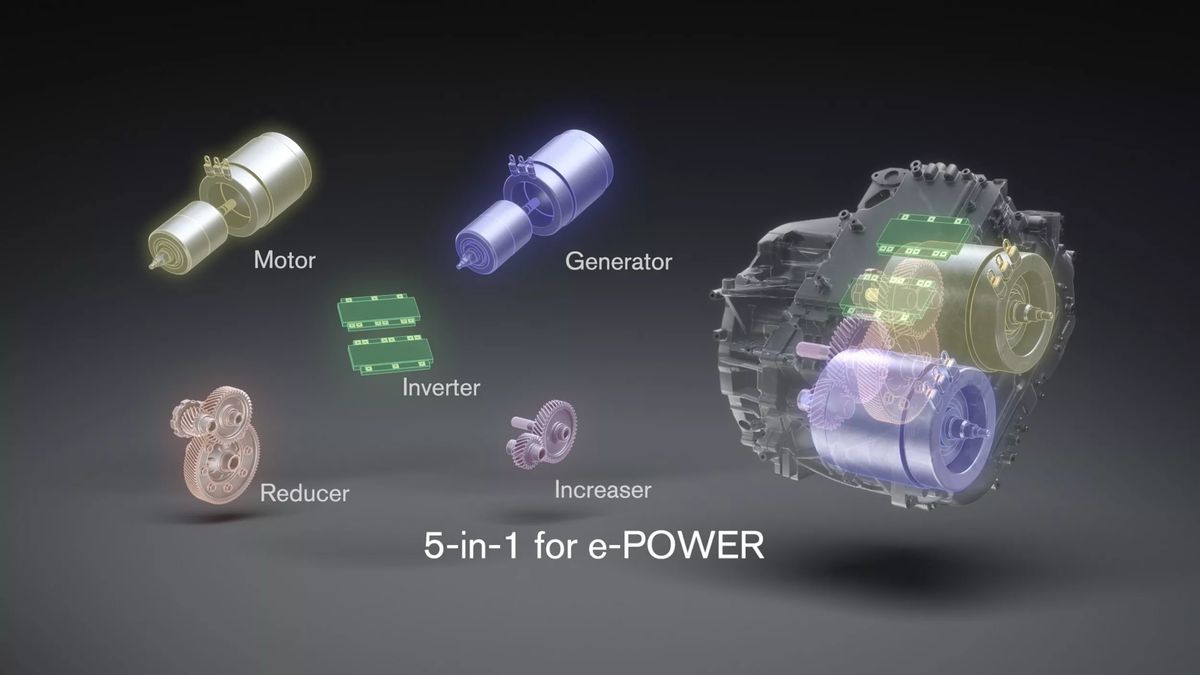
The technological core of the third-generation e-POWER is its newly developed 5-in-1 integrated powertrain unit, an innovative design that combines five major components – motor, generator, inverter, reducer and gearbox – into a single compact and lightweight case.
The motor output has been improved by 11kW (15PS) compared to the previous model, generating a maximum output of 151kW (205PS). While the battery capacity remains the same at 2.1kWh, noise and vibration during driving have been significantly reduced by increasing the rigidity of the entire unit and optimizing the shaft structure.
Of particular note is the significant improvement in quietness. Noise has been reduced by up to 5.6 dB compared to the second generation, achieving quietness on the same level as an electric vehicle. This means you can enjoy conversations and music in the car comfortably, even at high speeds.
Furthermore, when Sport mode is selected, an additional 10 kW (14 PS) of power can be increased, bringing the total output up to 161 kW (219 PS), achieving both everyday comfort and sporty driving performance when required.
Maximizing efficiency with a completely new, dedicated engine
2025-Nissan-Qashqai-e-Power
Another technological highlight of the third-generation e-POWER is the all-new 1.5-liter inline three-cylinder turbo engine, developed exclusively for e-POWER and specifically designed to maximize power generation efficiency.
By adopting Nissan’s unique STARC combustion concept, combustion stability within the cylinder has been significantly improved, achieving a high thermal efficiency of 42%. This high efficiency enables quiet and efficient power generation even at low speeds.
A large turbocharger is used to maximize efficiency, and together with an optimized final drive ratio, engine speed at high speeds has been reduced by approximately 200 rpm compared to the previous model. This improvement has significantly reduced noise levels at high speeds, making long-distance driving more comfortable.
The e-POWER’s exclusive design eliminates the need for variable compression ratio technology, which was necessary with conventional multi-link engines. Also, by using low-viscosity 0W-16 engine oil, internal friction resistance is kept to a minimum.
Major improvements have also been made in terms of maintenance: the oil change interval has been extended from the previous 15,000km to 20,000km, contributing to reduced maintenance costs and improved convenience for users.
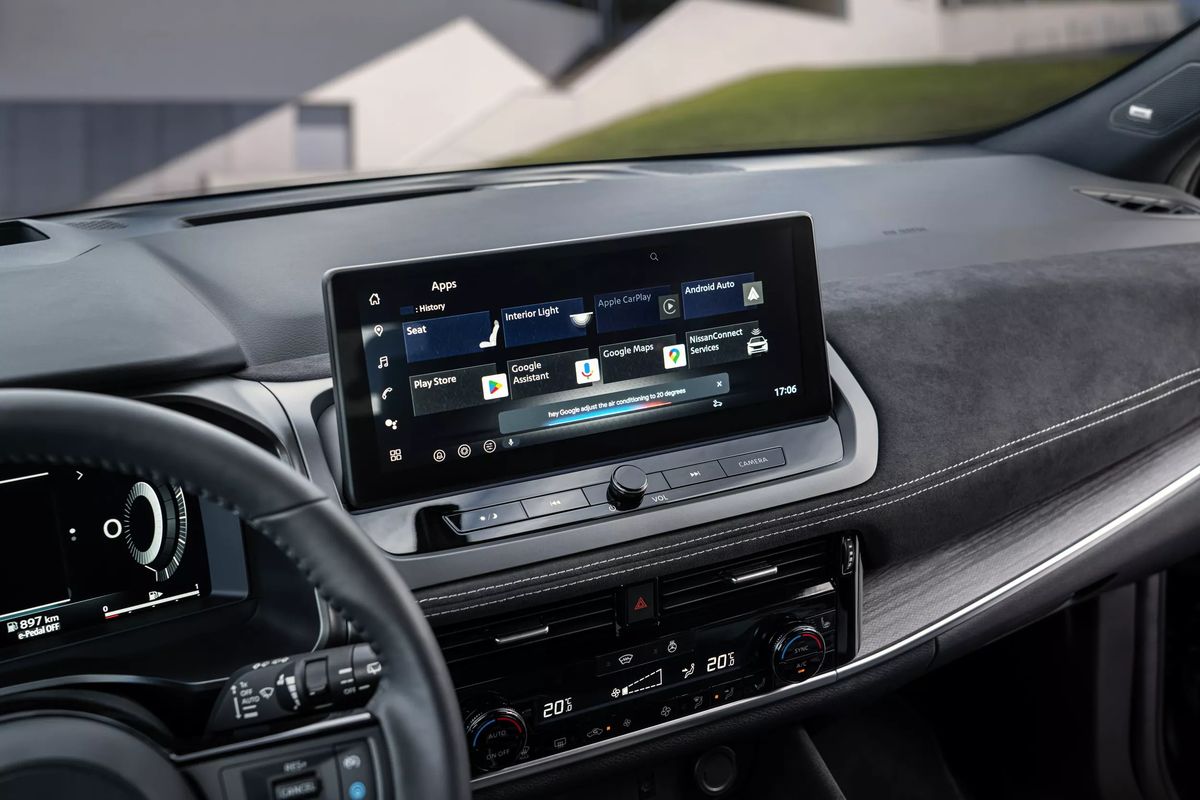
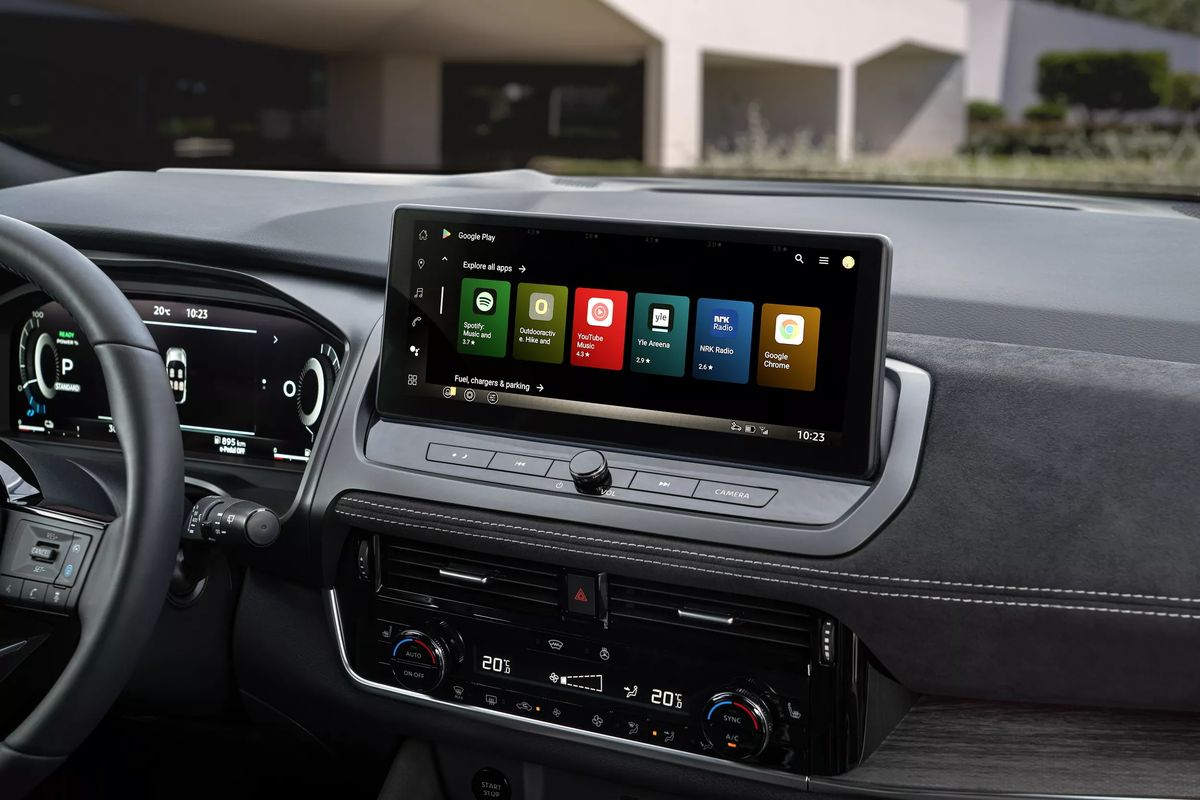
The ideal transition solution for the electrified era
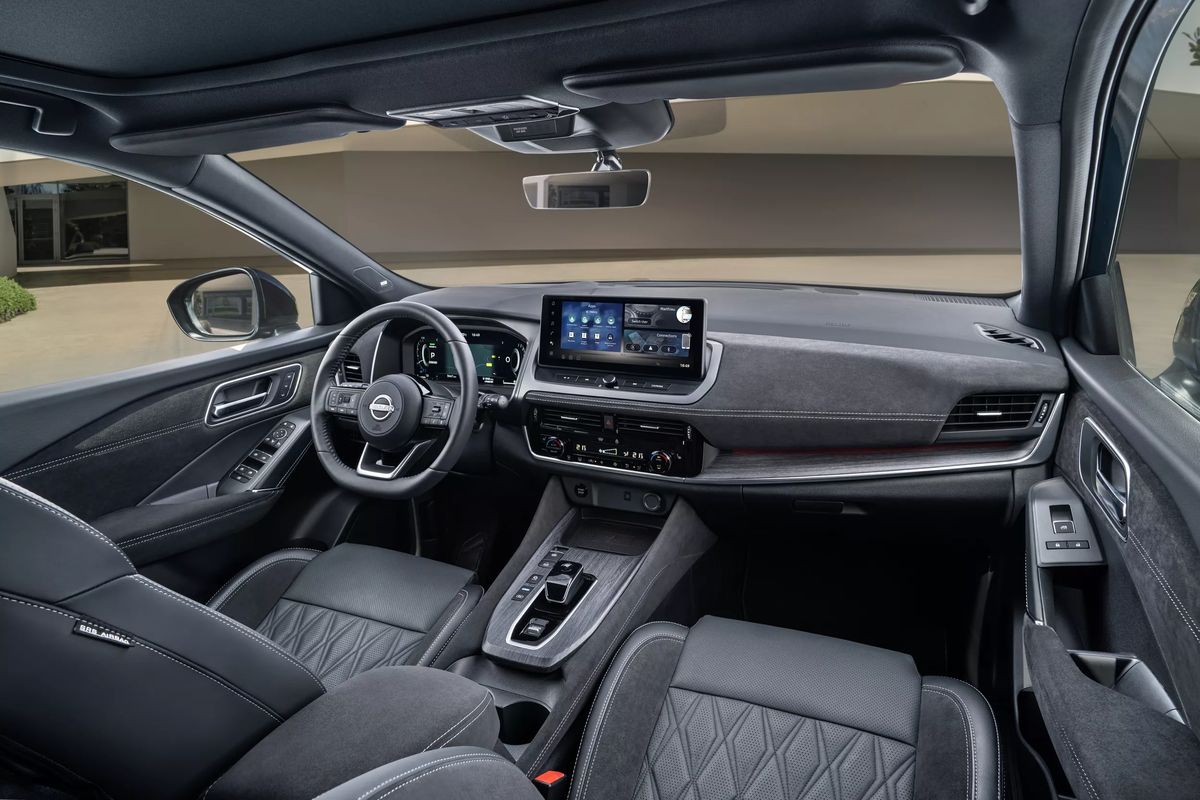
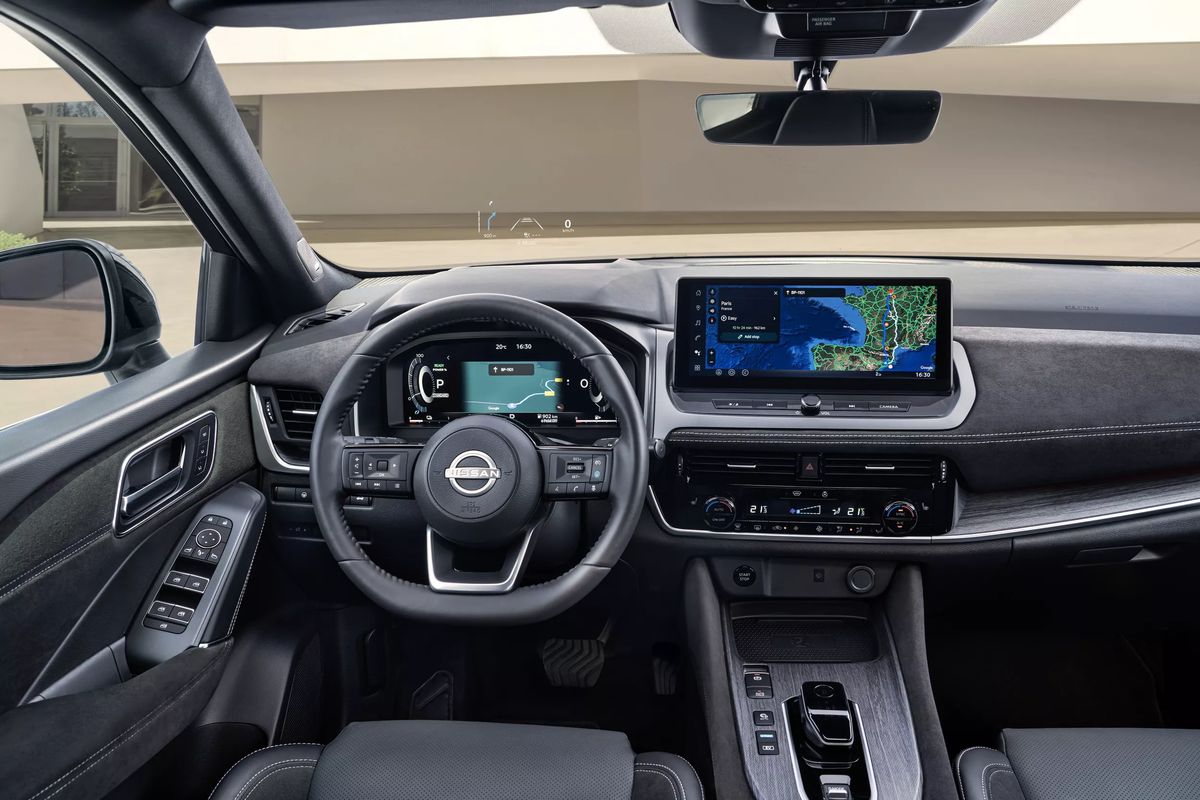
The third-generation e-POWER is positioned as an ideal solution for the transition to fully electrified vehicles. Driven by an electric motor similar to that of an electric vehicle, it provides smooth acceleration without gear shift shock or power delay, and because it is not dependent on charging infrastructure, it can continue to be used by refueling at existing gas stations.
This feature provides an ideal opportunity for users who are interested in electrification but are concerned about the development of charging infrastructure and charging time to experience the appeal of electric driving.The vehicle is also equipped with a regenerative braking system, just like an electric vehicle, which converts deceleration energy into electricity and recovers it in the battery, further improving efficiency.
e-POWER is an optimal solution that combines technological advancement with ease of use to meet the needs of modern users who seek both interest in new things and practicality. It is expected that as more users experience the fun and convenience of electric driving, it will also promote a natural transition to fully electric vehicles in the future.
Global expansion plans and market strategies
The Qashqai equipped with the third-generation e-POWER will be produced at the Sunderland plant in the UK, and sales in the European market are scheduled to begin in September 2025. Thereafter, expansion to the African and Oceanian markets is planned.
The third-generation e-POWER system plays an important role in Nissan’s long-term electrification strategy. It is scheduled to be installed in the new Elgrand for the Japanese market and the new Rogue for the North American market in fiscal 2026, furthering its global expansion.
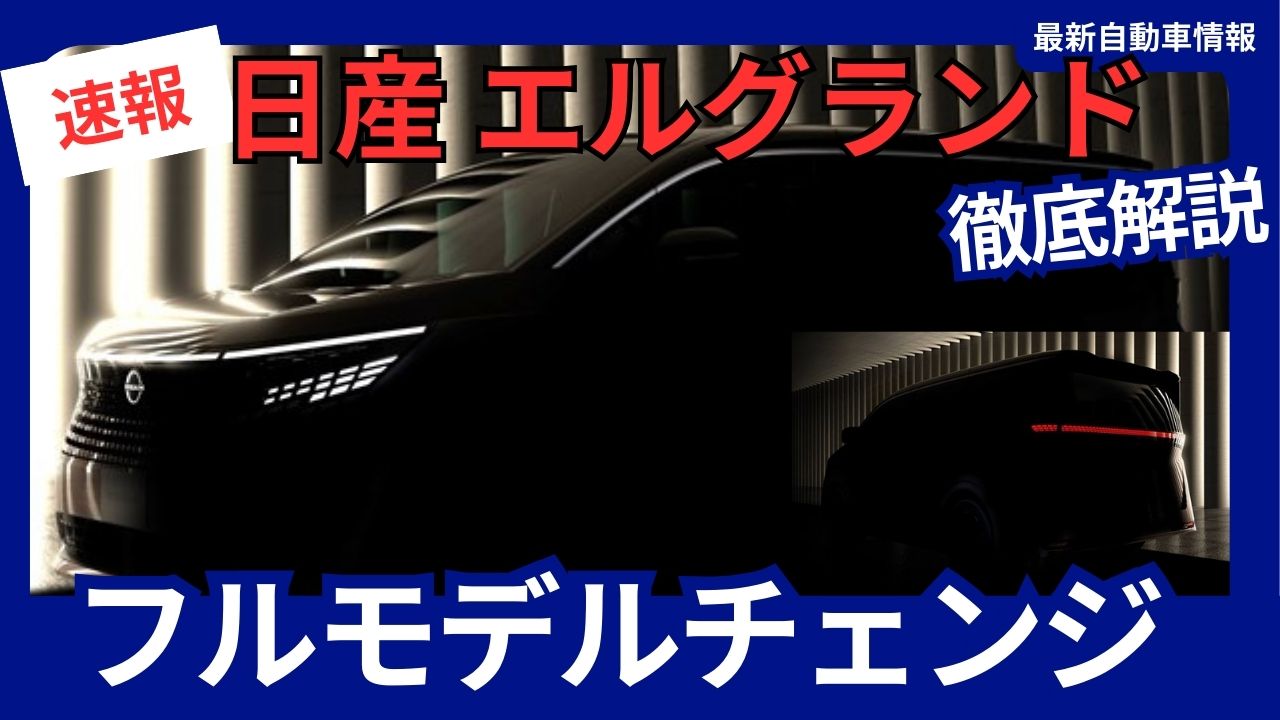
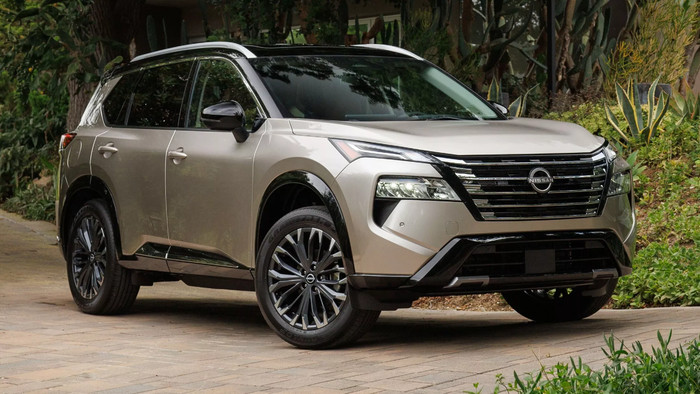
This global expansion will enable us to provide electrification solutions tailored to the market characteristics and user needs of each region. The self-contained e-POWER system will be a major advantage, especially in regions with limited charging infrastructure.
Nissan Motor Co., Ltd. Chief Technology Officer, Nagakazu Akaishi, stated, “This third-generation e-POWER redefines Nissan’s hybrid technology, providing a smooth and responsive ride in all conditions. We have combined our knowledge from nearly a decade of development to create a more efficient, sophisticated and competitive system.” He expressed strong confidence in the company’s technological development.
Market competitiveness and future impacts
The arrival of the third-generation e-POWER has the potential to bring about major changes in the competitive structure of the European crossover SUV market. Compared to conventional diesel engines and plug-in hybrid vehicles, e-POWER is expected to establish a unique position by providing electric vehicle-level driving quality without the need for charging.
The car’s long range of 1,200 km will be particularly appealing in the European market, where long-distance travel is common. Its excellent fuel economy and environmental friendliness, combined with the ease of use of a conventional gasoline-powered vehicle, without the need to worry about charging time, will appeal to a wide range of users.
There is also a cost advantage. Compared to plug-in hybrid vehicles, there is no need for a large-capacity battery or complex mechanical coupling systems, which reduces manufacturing costs. This makes advanced electrification technology more affordable.
From a technological perspective, the development of e-POWER also contributes to building the technological foundation for future full electrification. It is expected to have many benefits, including accumulating technology for electric motors and control systems, increasing user familiarity with electric drives, and enabling production systems to be electrified.
Environmental performance and contribution to sustainability
The third-generation e-POWER is one of the key answers to the environmental challenges facing the automotive industry. Its 12% reduction in CO2 emissions represents a concrete contribution to combating climate change.
Furthermore, the combination of a highly efficient engine and electrification technology contributes to reducing fossil fuel consumption. By significantly improving the driving distance per liter, fuel consumption can be significantly reduced even for the same distance traveled.
e-POWER offers a realistic and practical solution to the realization of sustainable mobility. During the transition to fully electrified vehicles, it can play an important role in promoting electrification throughout society by reducing the environmental impact while utilizing existing energy infrastructure.
Recyclability and long life are also important considerations. Simple structure and high reliability allow for long-term use, contributing to the effective use of resources.
Continuing technological innovation and outlook for the next generation
Nissan’s third-generation e-POWER represents the current culmination of the company’s electrification technologies, while also serving as the foundation for further development. After nearly 10 years of development and accumulated market experience, the system has reached a high level of both technological maturity and market adaptability.
Future technological developments are expected to lead to further improvements in efficiency, weight reduction, and cost reduction. There is also potential for development into next-generation mobility, such as by combining it with other electrification technologies and integrating it with autonomous driving technology.
Feedback and technical data gained through global market expansion will be used to develop next-generation systems, creating a continuous cycle of technological innovation.
The success of the third-generation e-POWER is of great significance to Nissan’s overall electrification strategy. It is expected to become a key technological foundation that will support the company’s sustainable growth through its multifaceted effects of establishing technological superiority, improving market competitiveness, and paving the way for future full electrification.
This innovative hybrid system offers a new option for promoting electrification in the automotive industry, and as a practical solution that meets user needs, it is likely to have a major impact on future market trends.
Nissan news release