



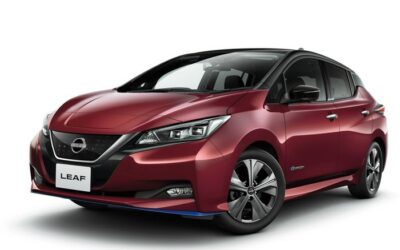
Nissan Motor Co., Ltd. announced a full model change of its electric vehicle (EV) “LEAF” on June 17, 2025. It will be unveiled in Japan in October 2025 and released on January 15, 2026. A major highlight of this third-generation model change is the transformation from the previous hatchback style into a stylish crossover SUV. The design can truly be described as a “mini Ariya.”
On March 26, 2025, Nissan Motor Co., Ltd. unveiled new models scheduled for release between fiscal 2025 and 2026, and also unveiled the design of the new Leaf for the first time in the world. As of 2025, development of the next-generation Leaf is progressing, test drives have begun, and spy shots have been taken. With the EV market expanding rapidly, what appeal will the new Leaf have and how will it captivate us?



Overview of the new Nissan Leaf
- Release date : Announced in October 2025, released on January 15, 2026
- Model change : 3rd generation, full model change
- Body type : Crossover SUV
- It combines the traditional hatchback style with the strength of an SUV and the elegance of a coupe.
- design :
- Based on the “Nissan Chill-Out” concept
- It adopts Nissan’s latest design language, “Timeless Japanese Futurism,” to express modernity and elegance.
- Adopts “Digital V Motion”
- The roofline has a Japanese sword motif, and the rear is coupe-SUV style.
- Flush door handles
- The car achieves a drag coefficient (Cd) of 0.26 in the US and Japan, an improvement of up to 2dB over the previous model, while the European version achieves a drag coefficient (Cd) of 0.25 thanks to special wheels and door mirror designs.
- Platform : CMF-EV, a new-generation EV platform
- Japan spec body size :
- Total length: 4,360mm
- Overall width: 1,810mm
- Overall height: 1,550mm
- Wheelbase: 2,690mm
- Minimum turning radius improved by 0.1m to 5.3m
- interior :
- 14.3-inch dual display
- Connected technology and personal assistance features
- Flat floor and ample legroom
- High-quality materials and sophisticated design provide a comfortable space.
- Powertrain :
- First use of new 3-in-1 electric powertrain
- 55kWh battery model: 177ps/35.2kgm
- 75kWh battery model: 218ps/36.2kgm
- Improved EV performance: The latest battery technology significantly improves range.
- Battery and range :
- “B5” grade 55kWh battery: 400km
- “B7” grade 75kWh battery: European WLTC range of 600km
- Supports fast charging of up to 130kW, allowing for 400km of driving in 30 minutes and 250km of driving in approximately 14 minutes.
- Fast charging ports: North America NACS Europe CCS2 Japan CHAdeMO
- Safety equipment :
- ProPilot 2.0 driving assistance system
- “ProPilot Parking”
- “ProPilot Remote Parking”
- Advanced safety technology: ProPilot has evolved to assist driving not only on highways but also in urban areas.
- Price : From 4.6 million yen
- Summary of changes :
- Changed body type to SUV
- Adopting a new generation platform
- Equipped with the latest electric powertrain
- 14.3-inch dual display
- Adopts the driving assistance system “ProPilot 2.0”
Looking back at the history of the Leaf: A pioneer of EVs
To understand the innovation of the new Leaf, it’s important to look back at the Leaf’s history. The first-generation Leaf was released in 2010 and shocked the world as a pioneer of mass-produced EVs. At the time, EVs faced many challenges, including a short driving range and a lack of charging infrastructure. However, the Leaf’s practical design and innovative technology made a significant contribution to the widespread adoption of EVs.
The second-generation Leaf was released in 2017. It underwent significant evolution, including an extended driving range, the incorporation of advanced safety technology, and the addition of the sporty NISMO model. The second-generation Leaf not only enhanced the car’s level of perfection as an EV, but also earned high praise around the world as a model that combined environmental friendliness with driving enjoyment.
The current Leaf underwent a full model change on October 2, 2017, and was released, marking the first full model change in eight years since its release.
Nissan’s new “Leaf” full model change, third generation
The third-generation Leaf will finally be unveiled in January 2025. The biggest change in this full model change is in the exterior design. The previous hatchback style will be replaced by a roofline design inspired by a Japanese sword, and the car will be reborn as a crossover SUV that combines the strength of an SUV with the elegance of a coupe.
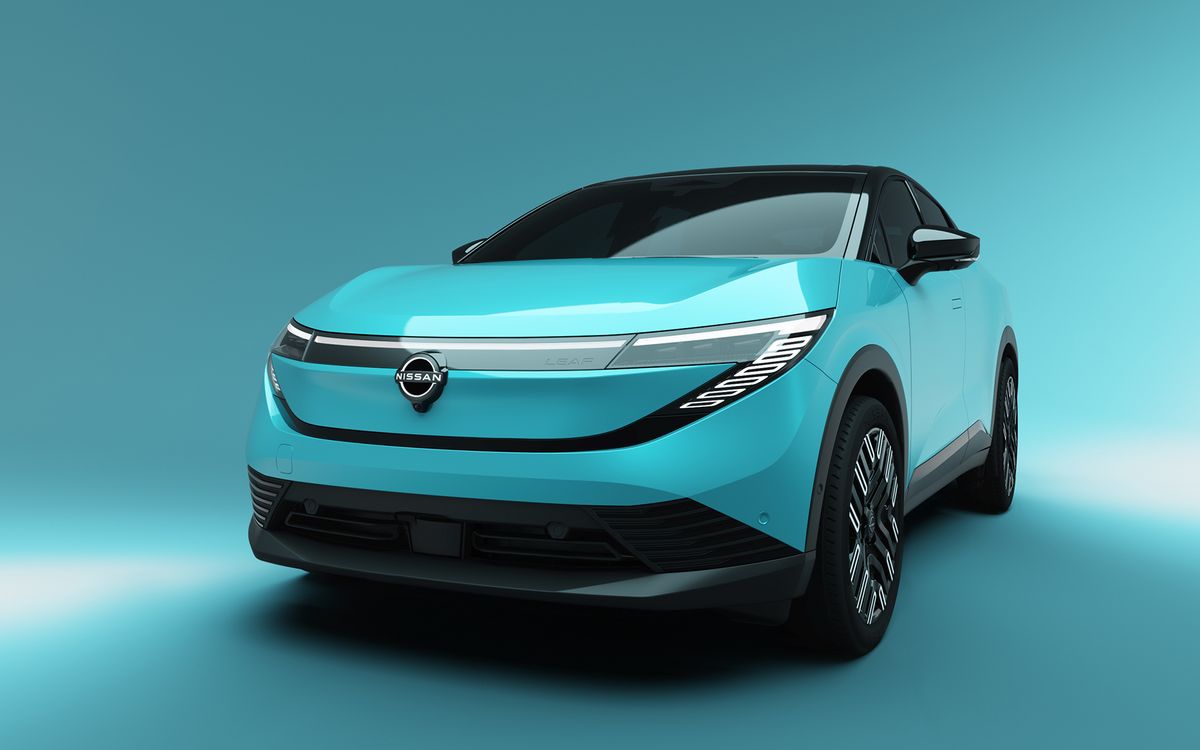
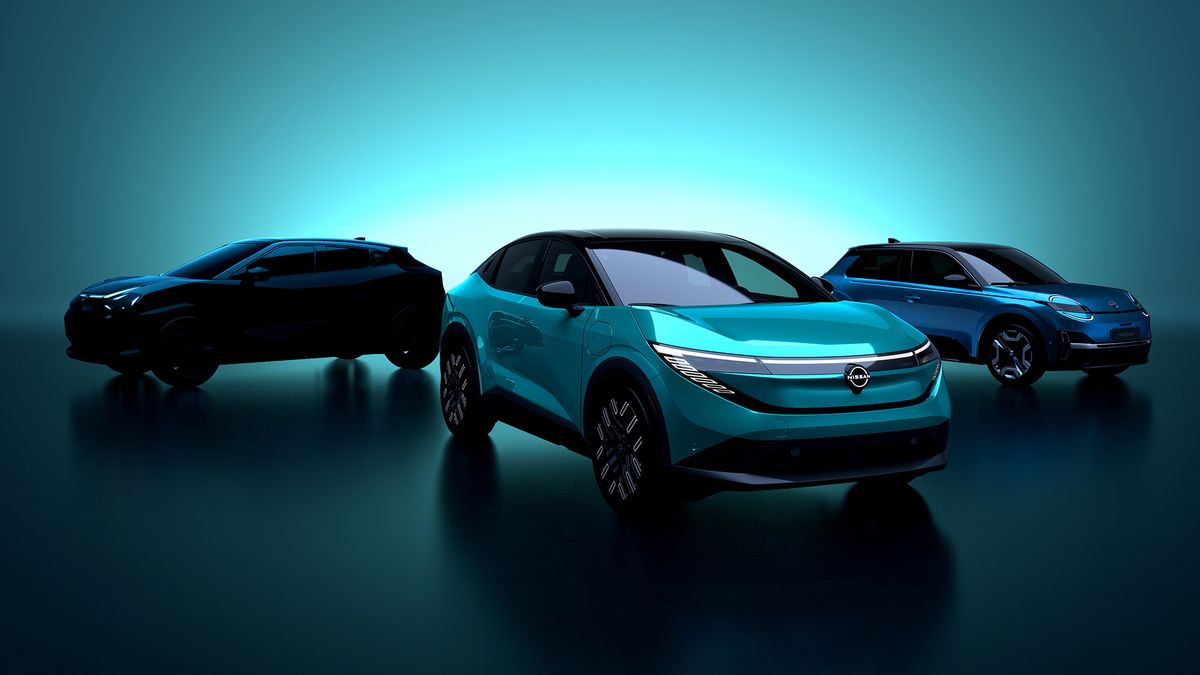
Released third-generation Leaf exterior image
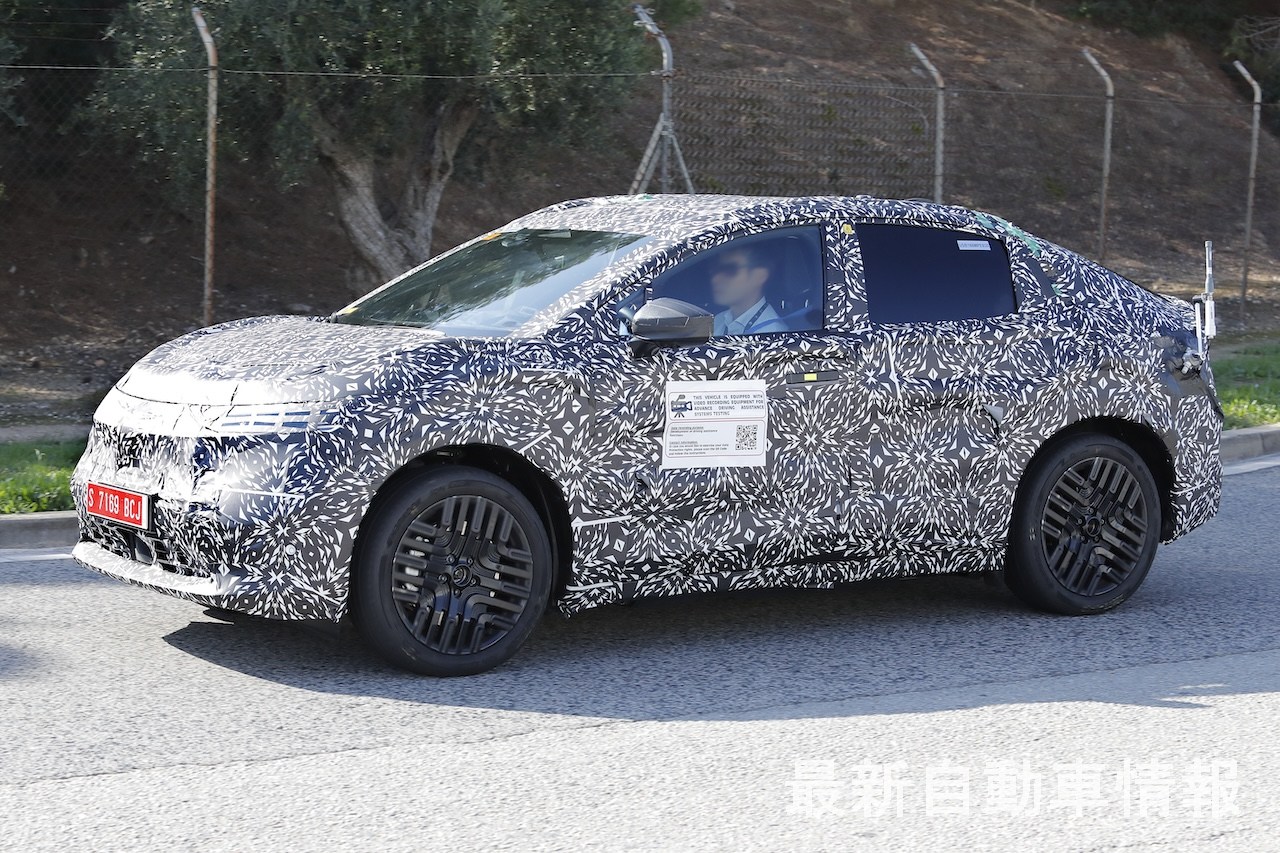
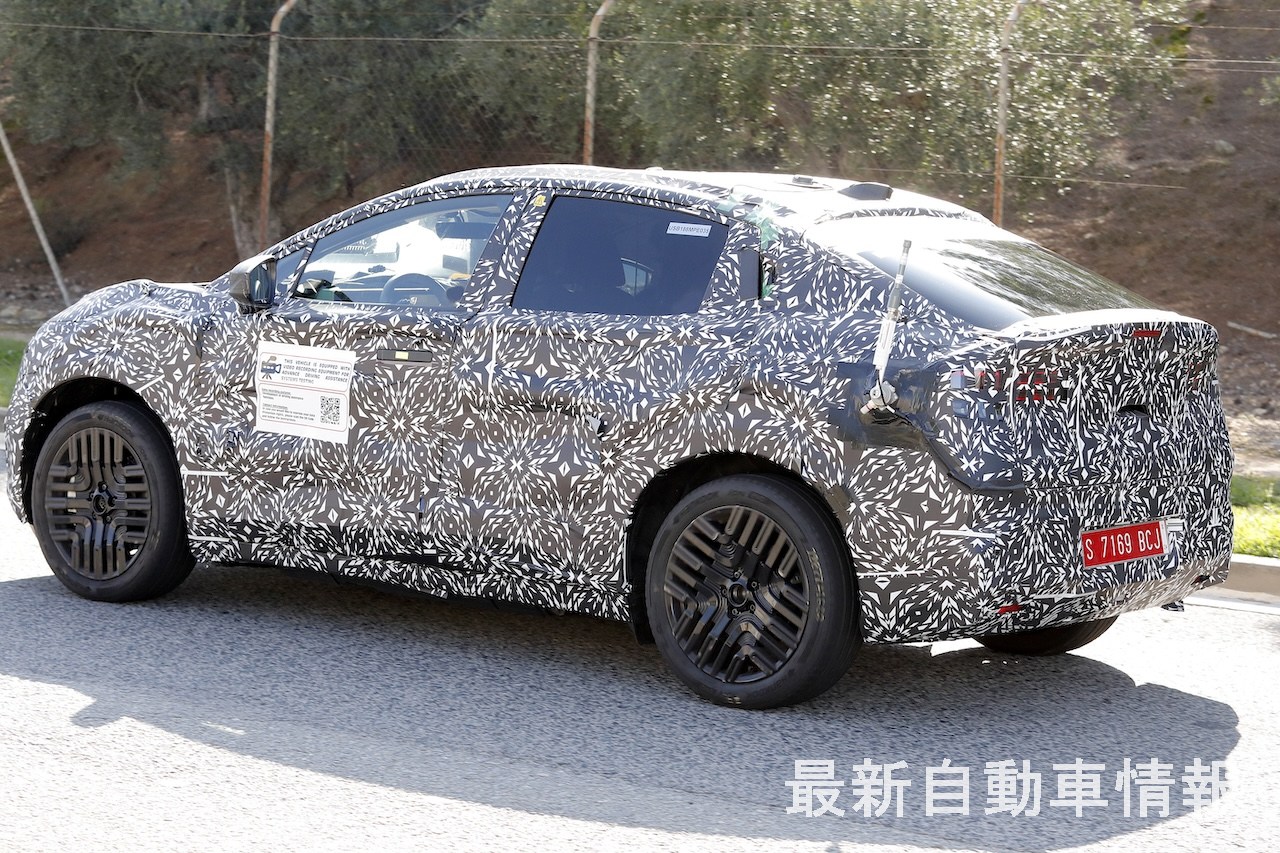
Leaf spy shots
This bold transformation reflects trends in the EV market. SUVs have become increasingly popular worldwide in recent years, and SUV-type models are appearing one after another in the EV market. Nissan is quickly capturing this trend and aims to attract new customers by evolving the Leaf into a crossover SUV.
The exterior design of the new Leaf is based on Nissan’s latest design language, “Timeless Japanese Futurism.” It features styling that combines modernity and elegance, including sharp headlights, a V-motion grille, and a flowing roofline. It has been announced that the Leaf has achieved an air resistance coefficient (Cd) of 0.26 in the U.S. and Japan, and that the European version achieves an air resistance coefficient (Cd) of 0.25 with the addition of special wheels and door mirror designs.
The interior is designed for spaciousness and comfort. High-quality materials and a sophisticated design create a premium atmosphere. The latest infotainment system and connected services are also installed, improving convenience.
The new Nissan Leaf will be equipped with the CMF-EV, a common platform for EVs that was announced on January 27, 2022. This platform has already been adopted by the Nissan Ariya and Renault Megane E-Tech Electric, and has received rave reviews. The new Leaf’s updated platform is expected to significantly improve ride comfort and driving performance.
The new Leaf’s performance as an EV has also been significantly improved. By adopting the latest battery technology, the driving range has been significantly extended. Furthermore, efforts have been made to improve the convenience of EVs, such as by shortening charging times and expanding charging infrastructure.
Furthermore, the advanced safety technology “ProPilot” has also been improved. In addition to the driving assistance function on highways, the driving assistance function in urban areas has also been strengthened, making for a safer and more comfortable drive.
On July 1, 2021, Nissan announced its EV promotion vision, “EV36Zero,” to accelerate carbon neutrality.
The company unveiled “EV36Zero” as a hub for building the world’s first electric vehicle (EV) production ecosystem, aiming to achieve carbon neutrality in Europe. This is an ambitious plan to establish a new 360-degree solution for achieving zero CO2 emissions.
As a concrete initiative, Toyota announced that it will produce a new generation crossover EV following the Ariya at its Sunderland plant in the UK. This new generation crossover EV is said to be the next Leaf.
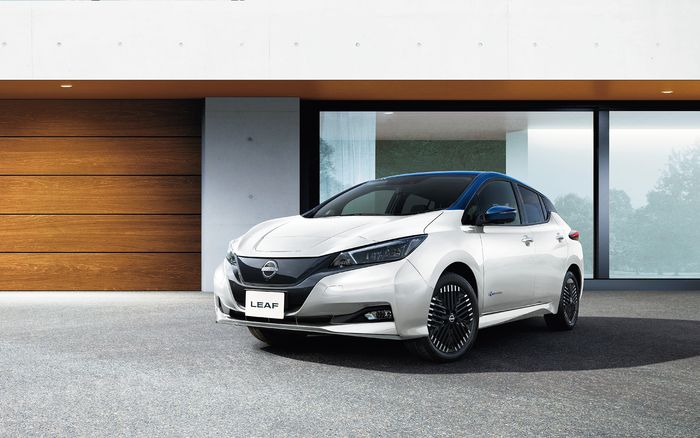
Nissan’s new “Leaf” full model change, third generation exterior
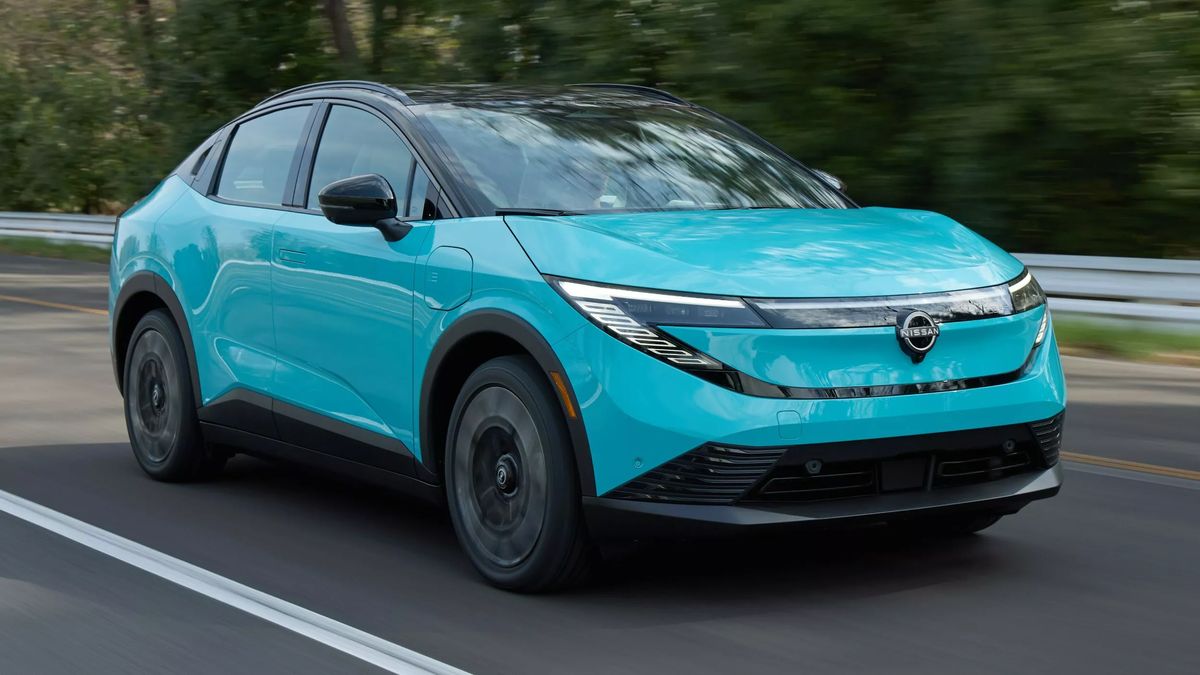
2026 Nissan Leaf
Development of the new Leaf is based on the electric concept car “Nissan Chill-Out” unveiled in 2021. As this concept car suggests, the new Leaf will have a sophisticated exterior design that beautifully combines the strength unique to an SUV with the sleek form of a coupe.
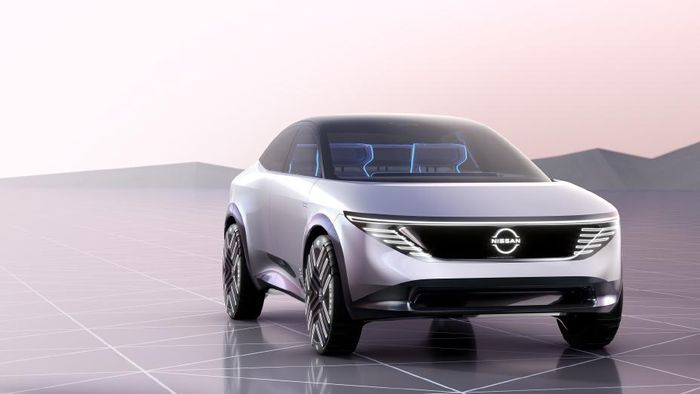
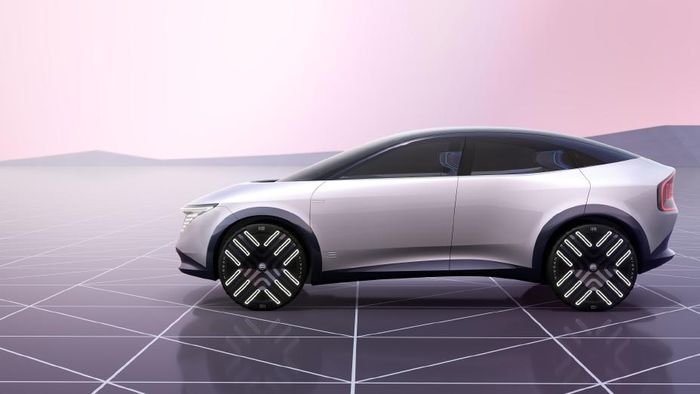
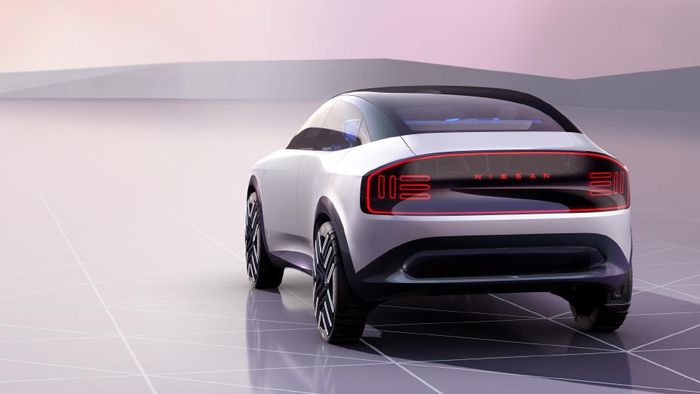
This time, the exterior design will feature a completely new radiator grille and the “Digital V-Motion” adopted by Nissan’s ” Serena ,” ” Roox ,” ” Dayz ,” and “Sakura.” It will incorporate a V-shaped grille and aggressive 3D holographic LED lights . Furthermore, a new body color will be added to the lineup.
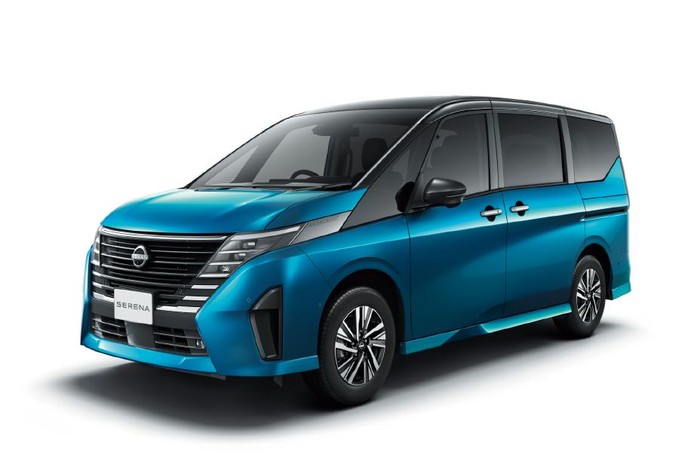
Serena
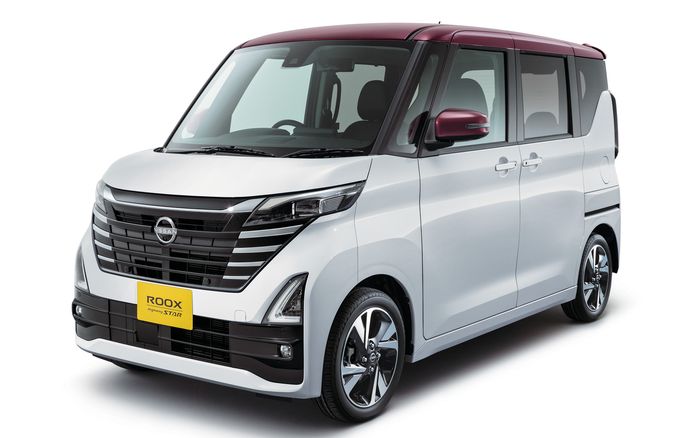
Luke’s
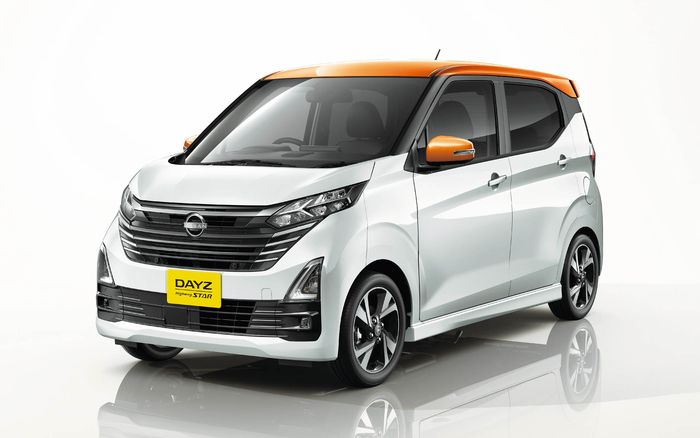
Days
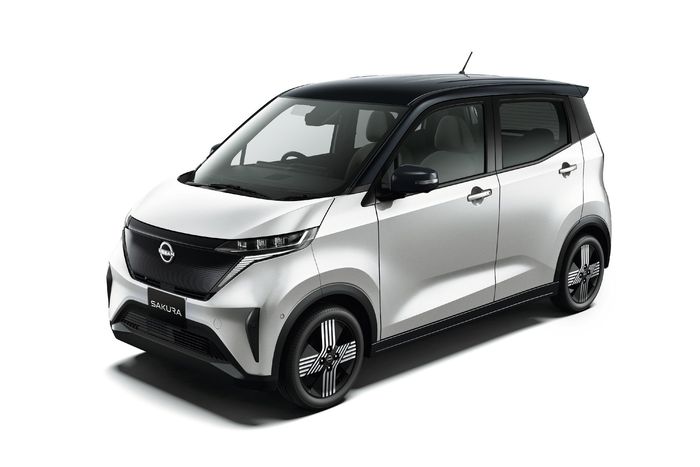
Sakura
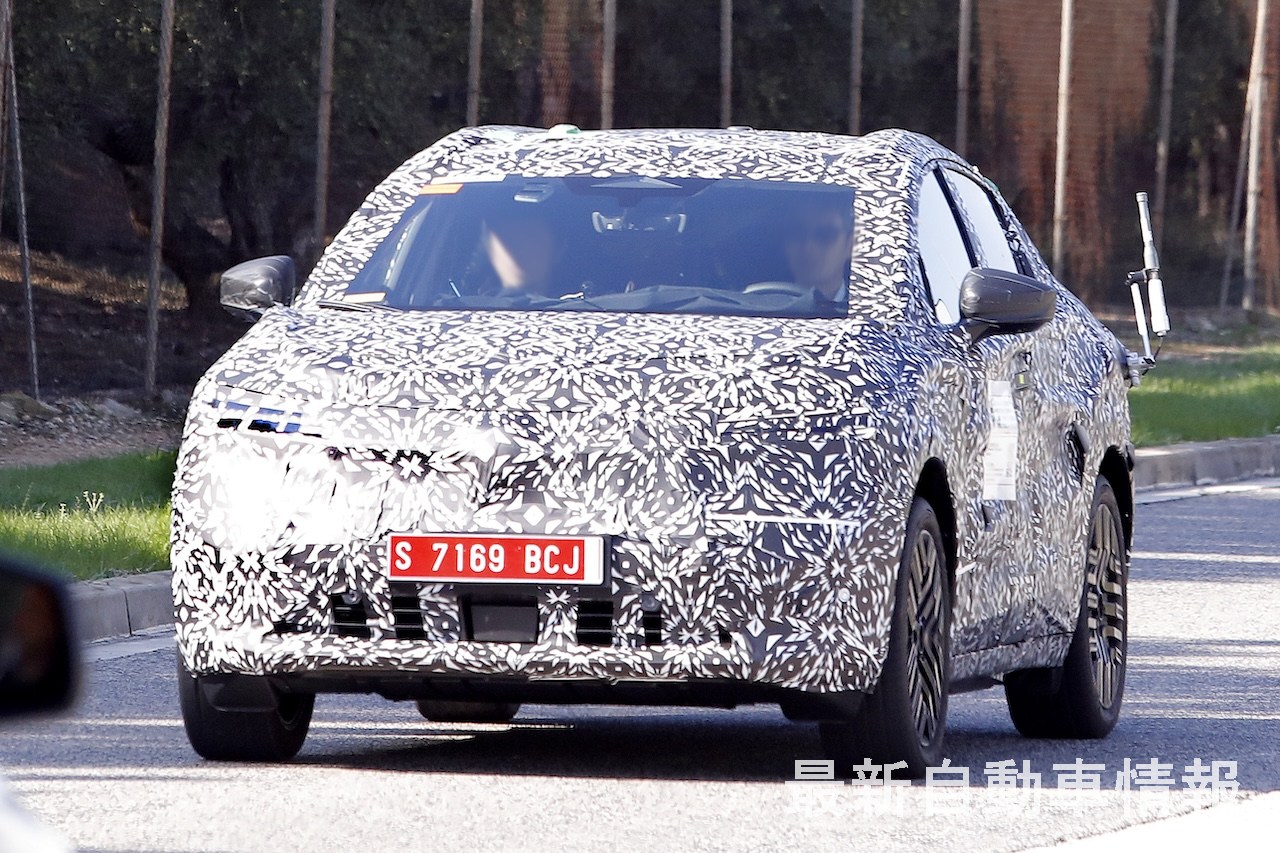
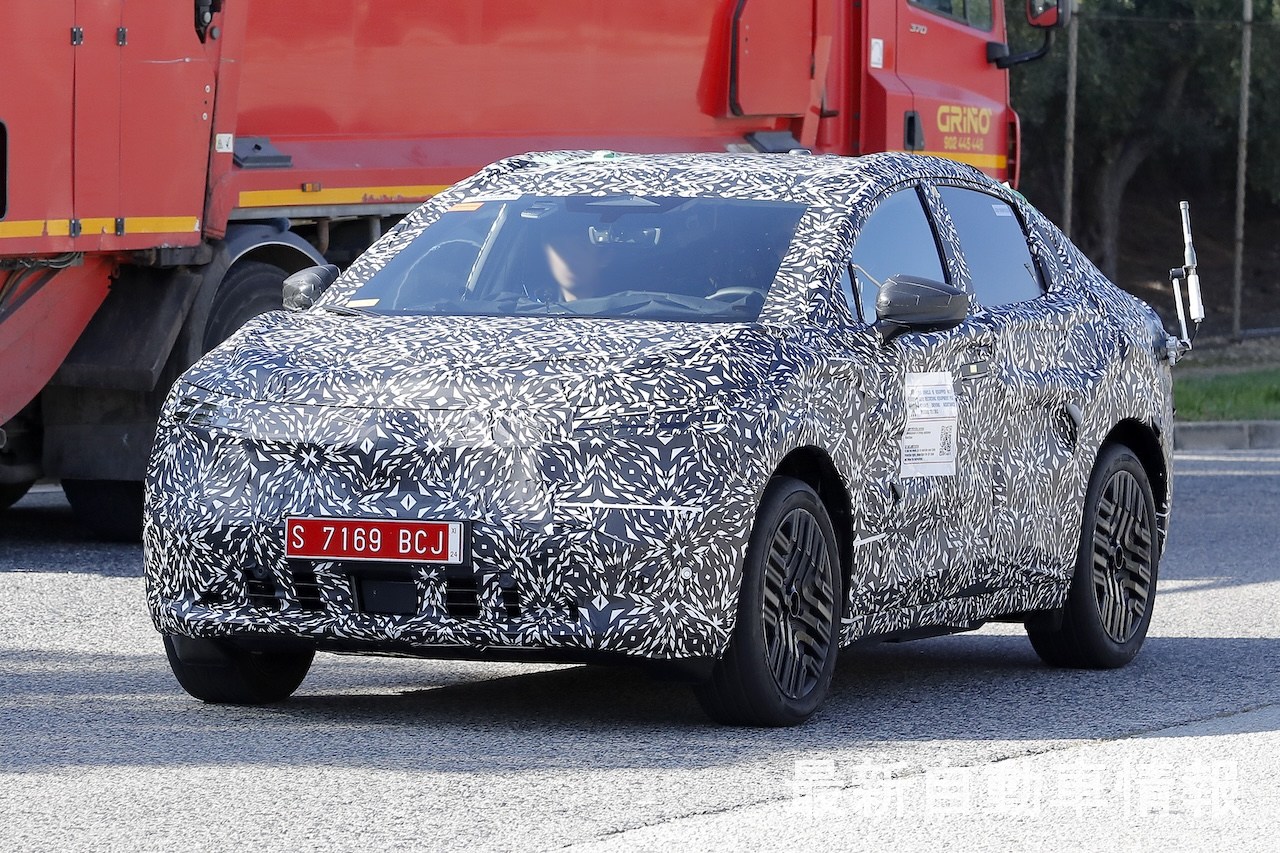
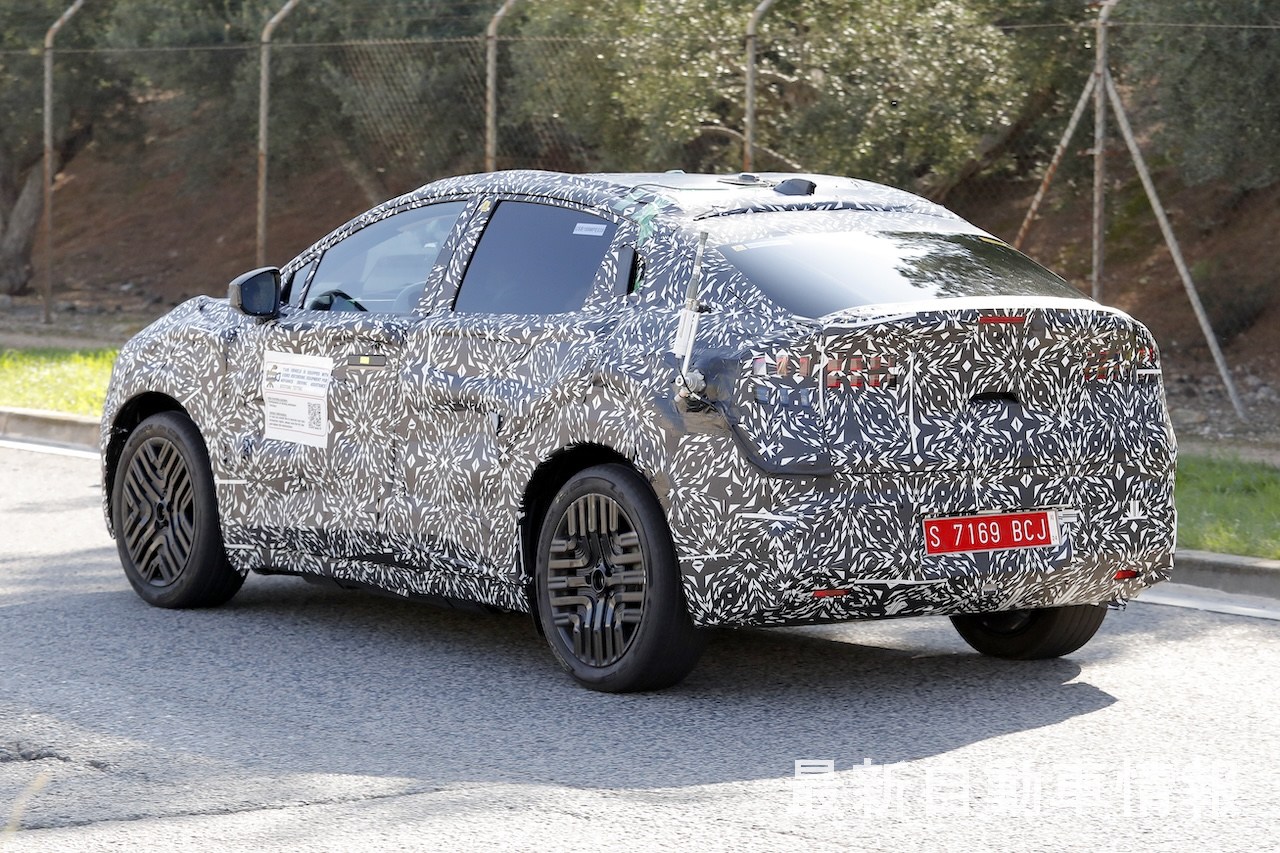
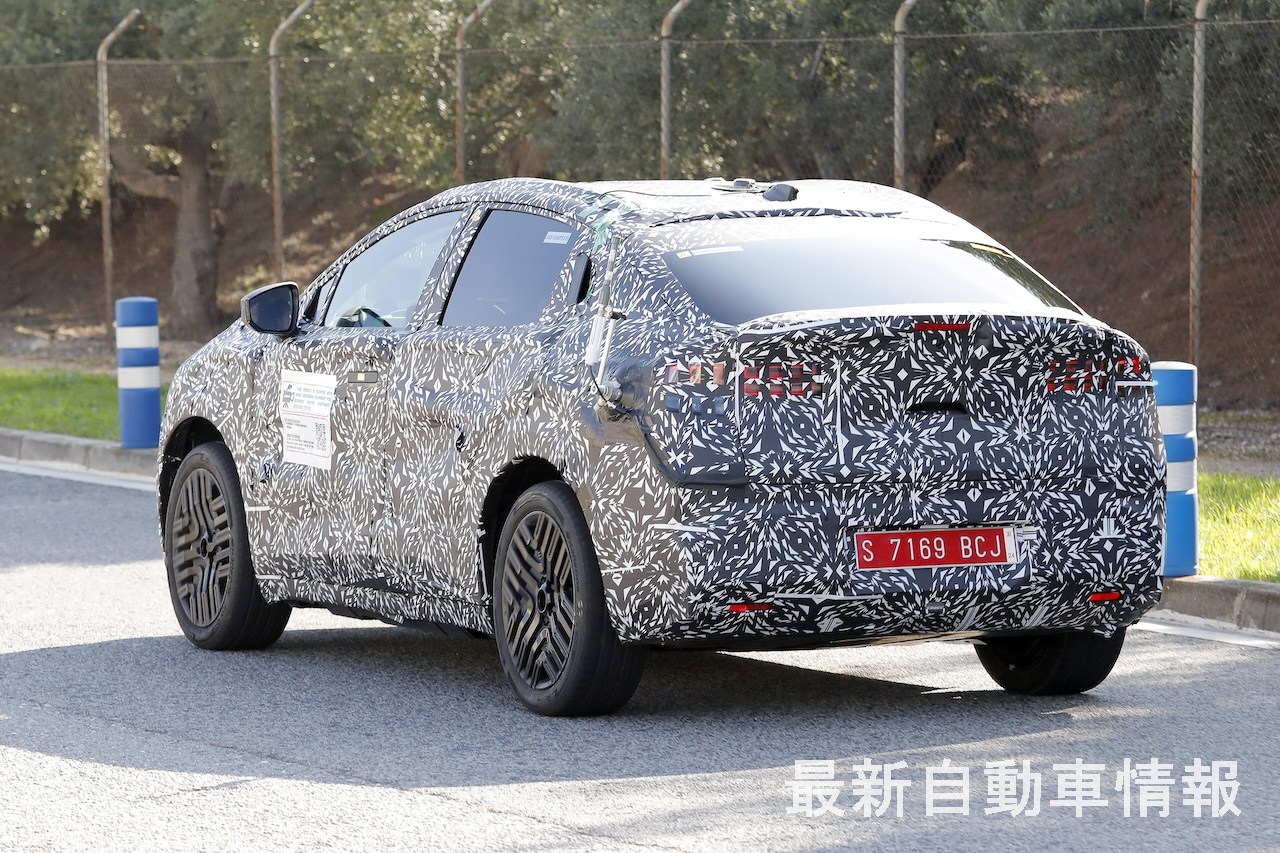
Leaf spy shots
The rear features a coupe-SUV style that maximizes aerodynamic performance, and the latest LED lights give it an advanced, futuristic impression.
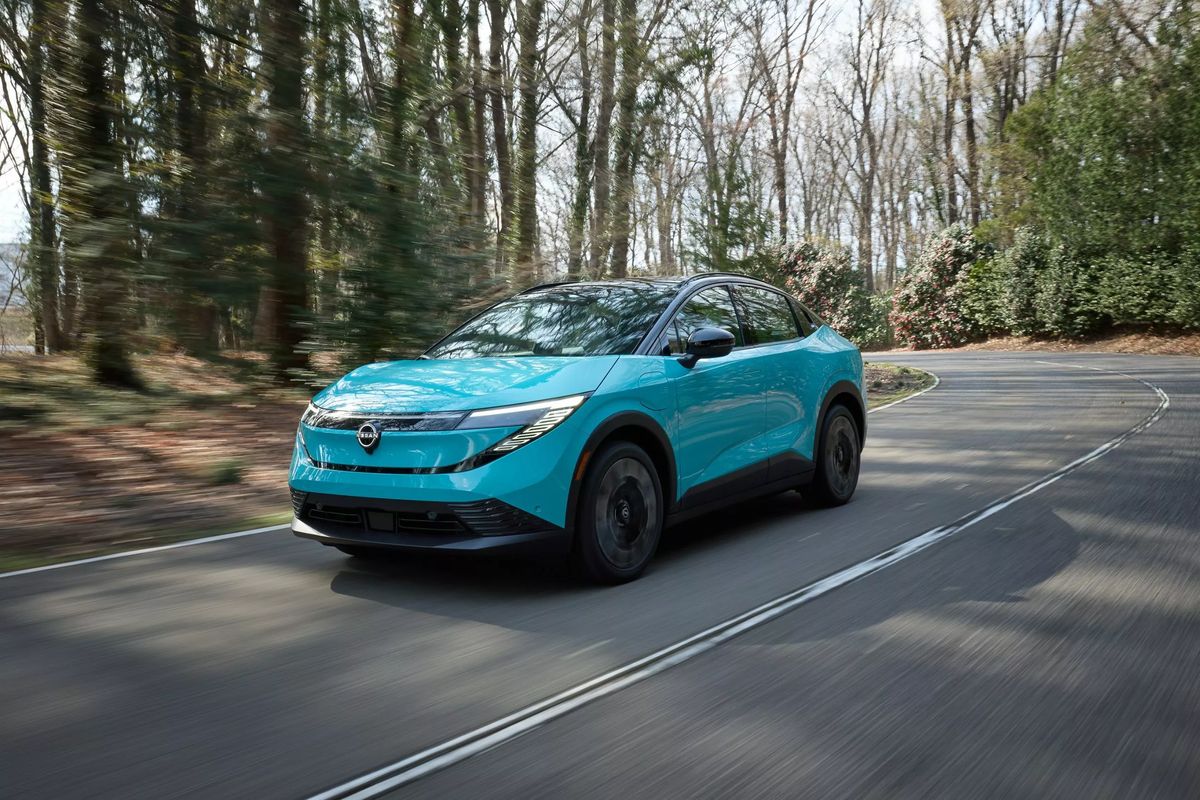
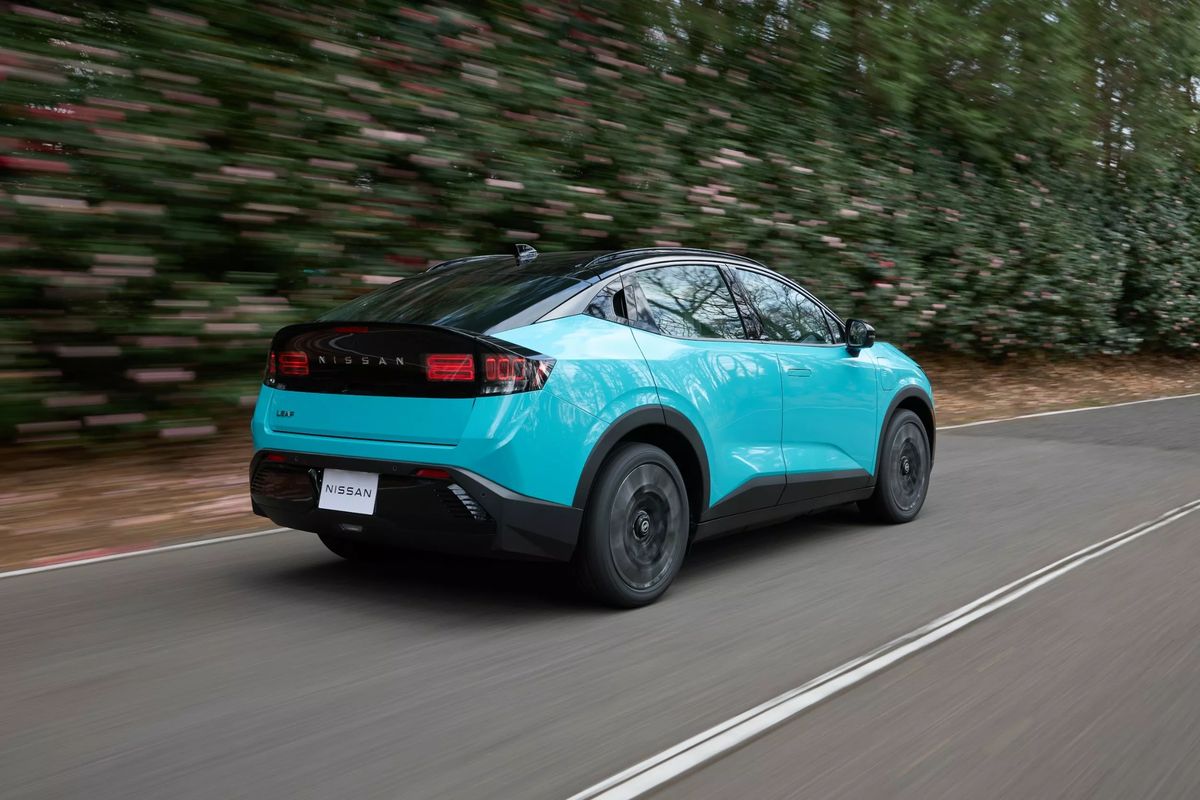
The body dimensions are 4,360mm in length, 1,810mm in width, 1,550mm in height, and 2,690mm in wheelbase. This design is one step larger than the current model. The minimum turning radius has been improved by 0.1m to 5.3m. This increase in size was made possible in order to expand the interior space and ensure efficient installation space for the large-capacity battery. In particular, by improving the ground clearance and optimally positioning the battery under the body, the interior space has been significantly expanded, allowing all occupants to enjoy a more comfortable driving experience. Despite being a hatchback, it is said to have a “fastback-like design” with “sedan-like styling.”
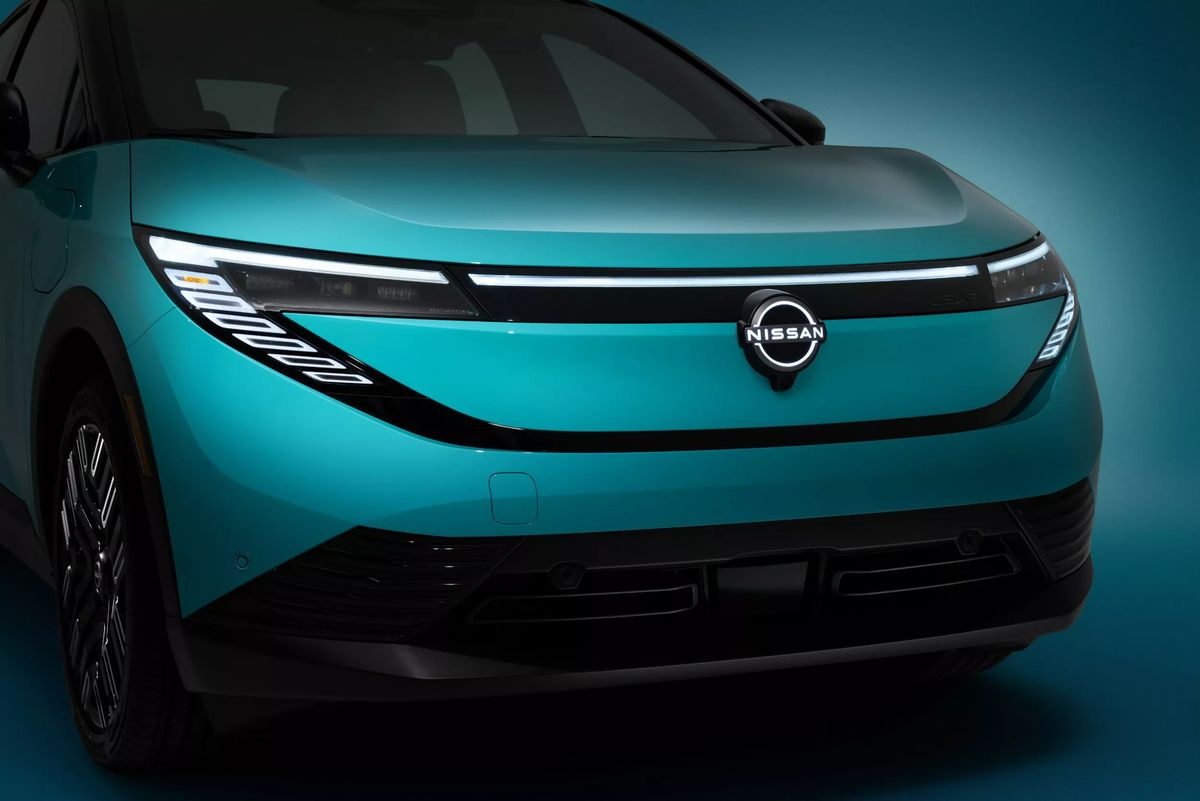
“Digital V-motion” front mask adopted
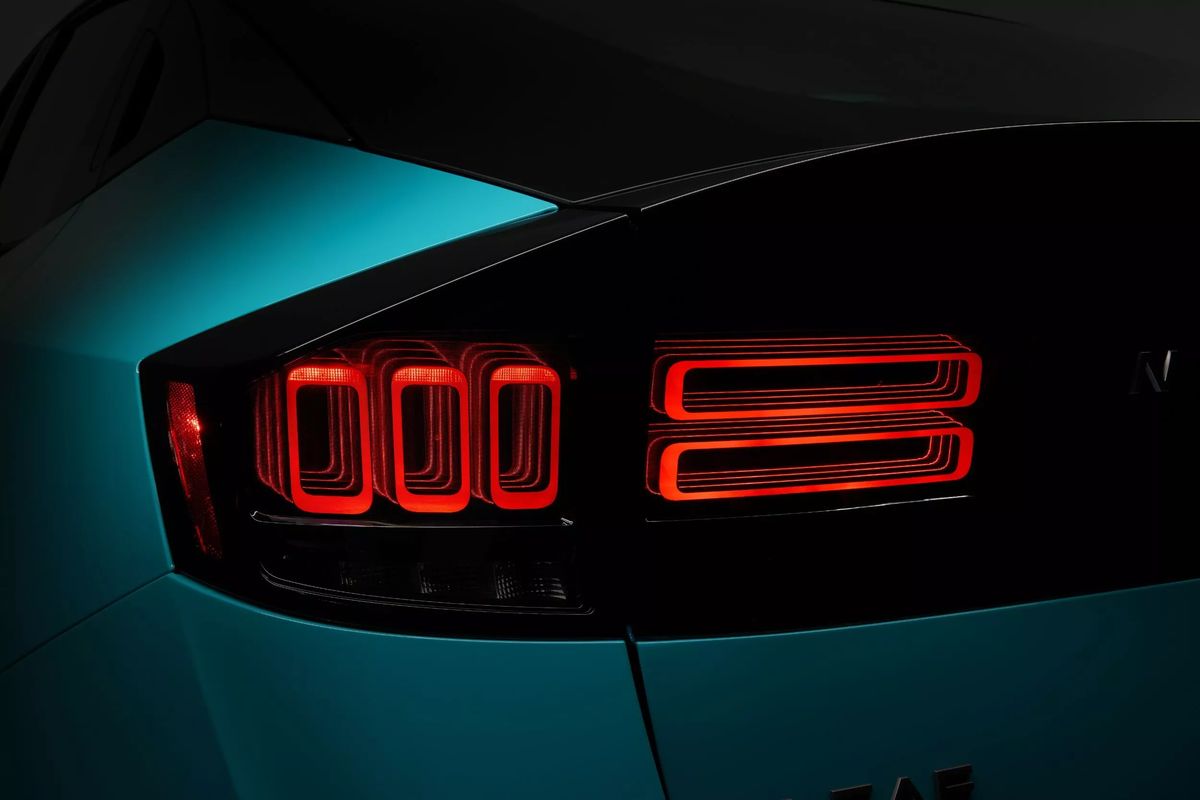
“LED3 Holographic Rear Combination Lamps” that represent the “2” and “3” in Nissan
It features large 18-inch and 19-inch wheels, and the latest LED taillights feature a unique pattern design (they feature “LED3 Holographic Rear Combination Lamps” with two vertical and three horizontal lines that “represent the 2 and 3 in Nissan.”) Personally, I think it’s great that Nissan has kept the overall height to under 1,550mm, making it tall enough to fit into a multi-story parking garage.
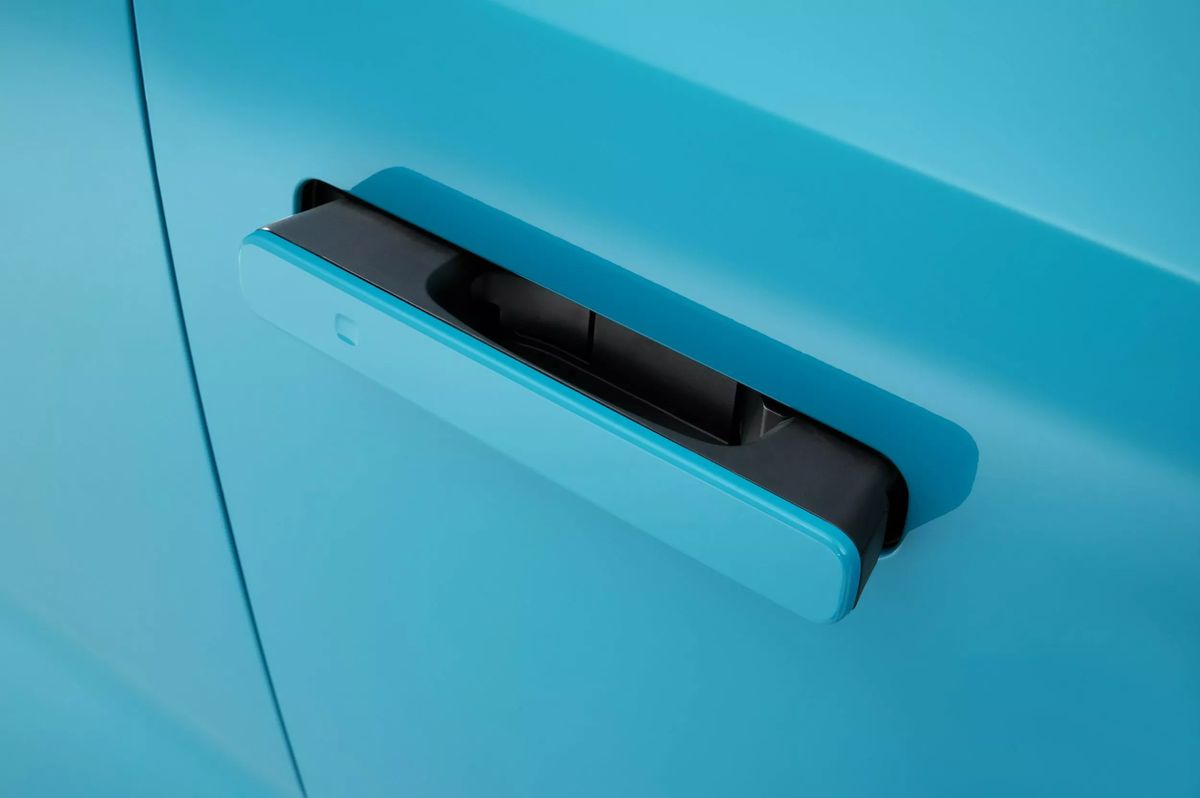
New Leaf adopts flush door handles
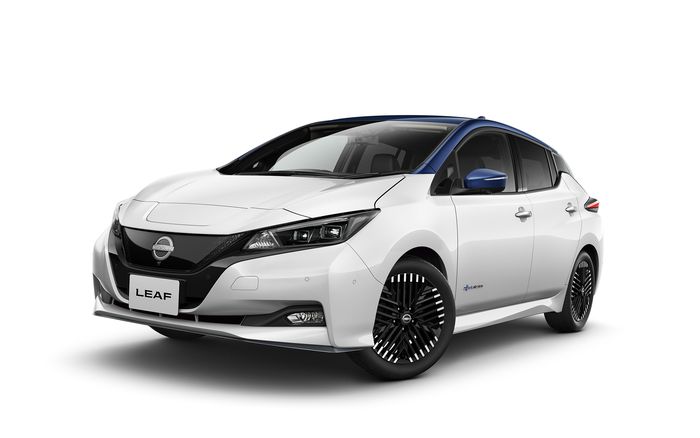
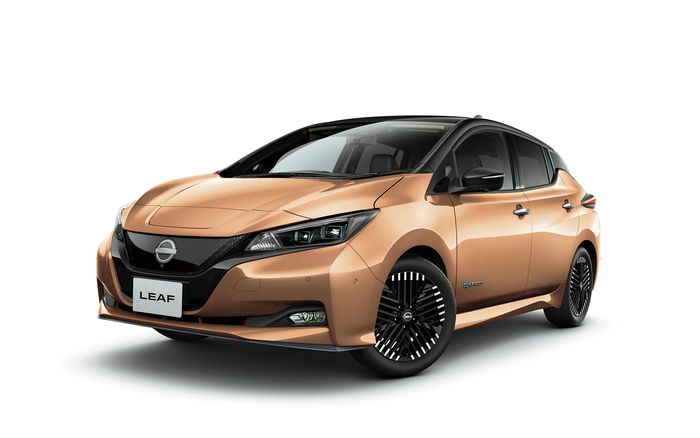
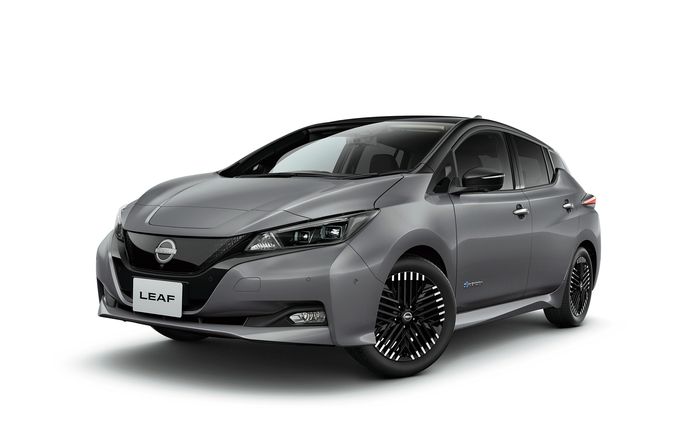
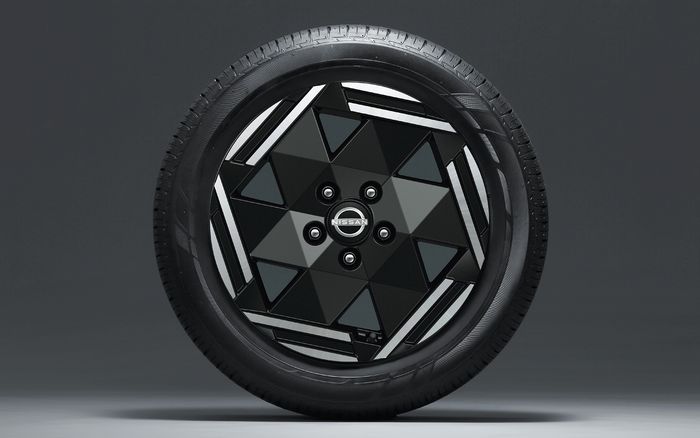
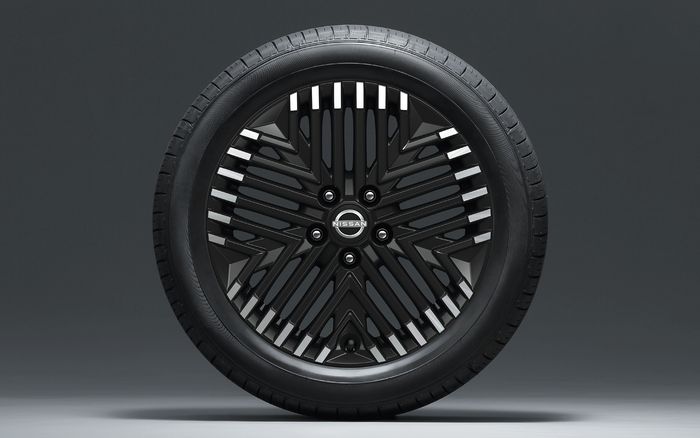
The car is fitted with Bridgestone Alenza Sport A/S 235/45R19 19-inch wheels, which feature a checkerboard-like digital graphic design.
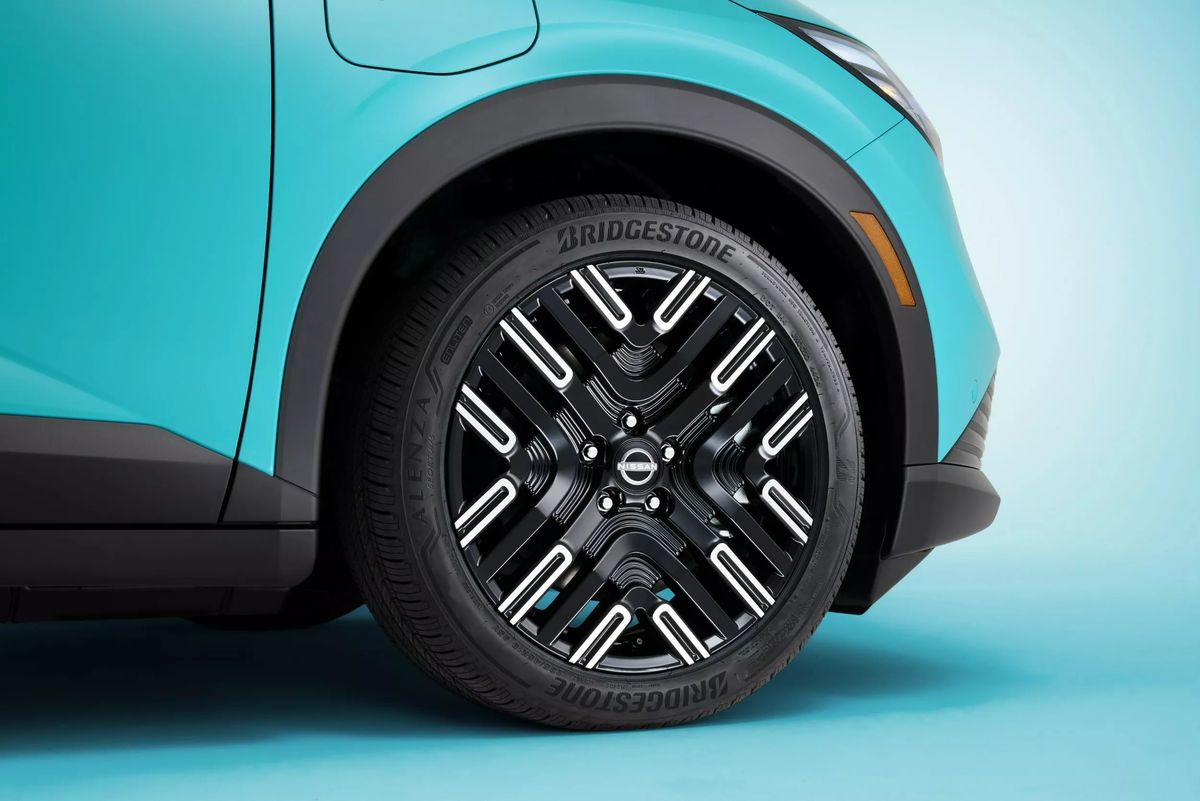
Bridgestone Alenza Sport A/S 235/45R19 19-inch wheels
New Leaf vs current Leaf body size comparison
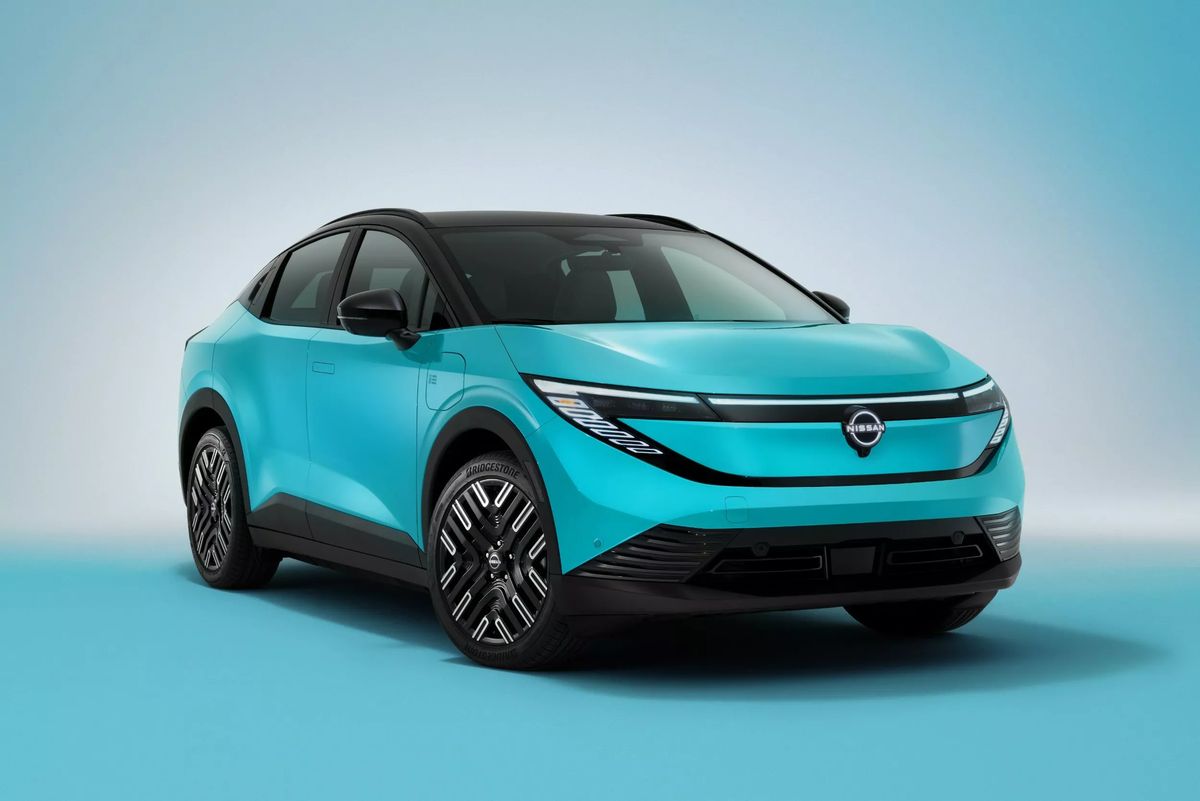
New Leaf
Current Leaf
| Body size | New Leaf | Current Leaf | comparison |
|---|---|---|---|
| full length | 4,360mm | 4,480mm | The new model is 120mm shorter |
| Overall width | 1,810mm | 1,790mm | The new model is 20mm wider |
| Overall height | 1,550mm | 1,560mm | The new model is 10mm lower |
| Wheelbase | 2,690mm | 2,700mm | The new model is 10mm shorter |
- Overall length and wheelbase: The new Leaf is 120mm shorter in overall length and 10mm shorter in wheelbase than the current Leaf, which may make it more compact and easier to handle.
- Overall width: The new Leaf is 20mm wider than the current Leaf, which is expected to improve interior space and driving stability.
- Overall height: The new Leaf is 10mm lower than the current Leaf. The lower center of gravity is expected to give the car a sportier appearance and improved driving performance.
Nissan’s new “Leaf” full model change, third-generation interior
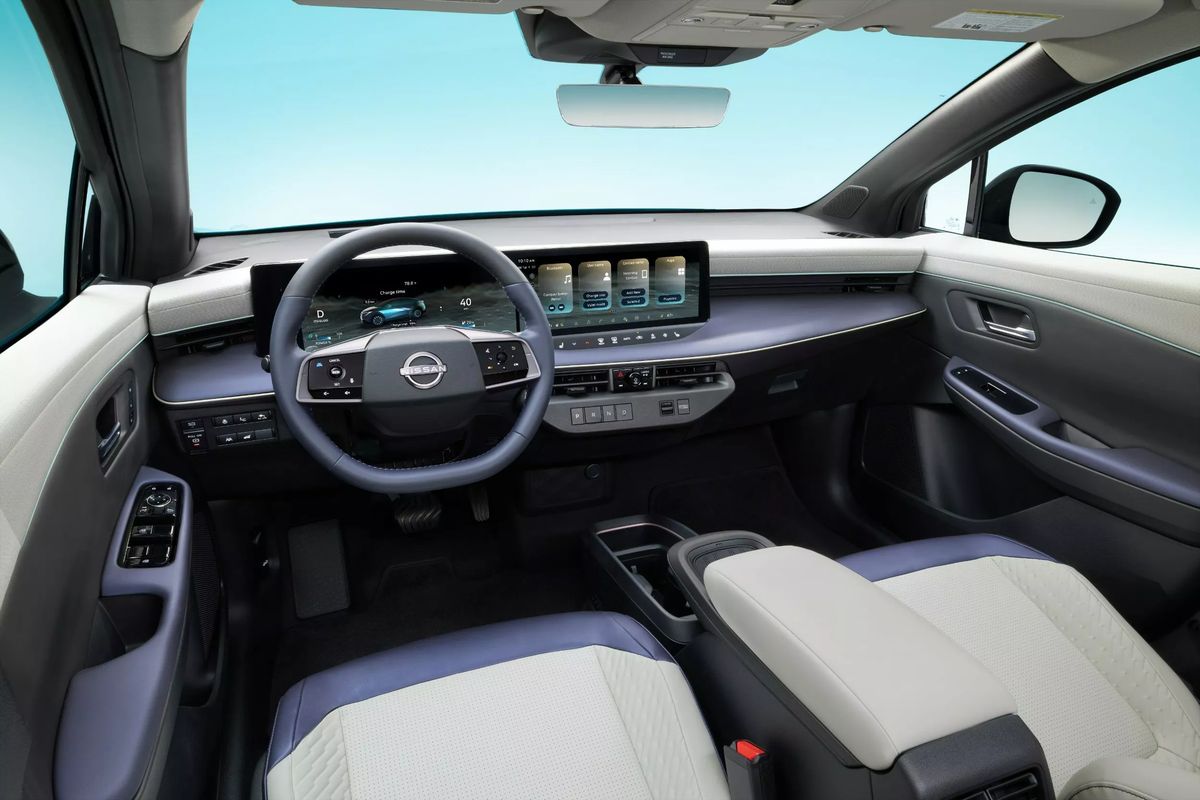
New Leaf adopts large 14.3-inch dual display
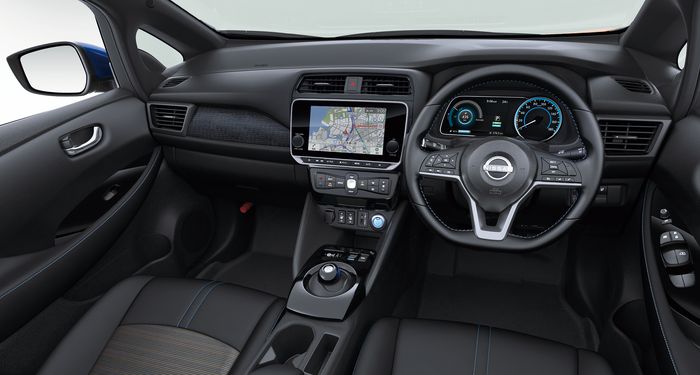
The interior has undergone the same innovative evolution as the exterior. The instrument panel has been redesigned with a stylish yet functional design, allowing the driver to intuitively grasp the information they need. A large 14.3-inch dual display, known as a “monolith style design,” sits in the center, providing easy access to a wide range of functions, including navigation, music, and smartphone connectivity. The navigation system incorporates Google Maps, always updating the latest map information, and third-party apps can be installed from the Google Play Store. Wireless Apple CarPlay and Android compatibility are also supported. The infotainment system utilizes connected technology to enable climate control from outside the vehicle and destination information transfer. Furthermore, a personal assistance function that allows natural conversational control is also included, dramatically improving convenience.
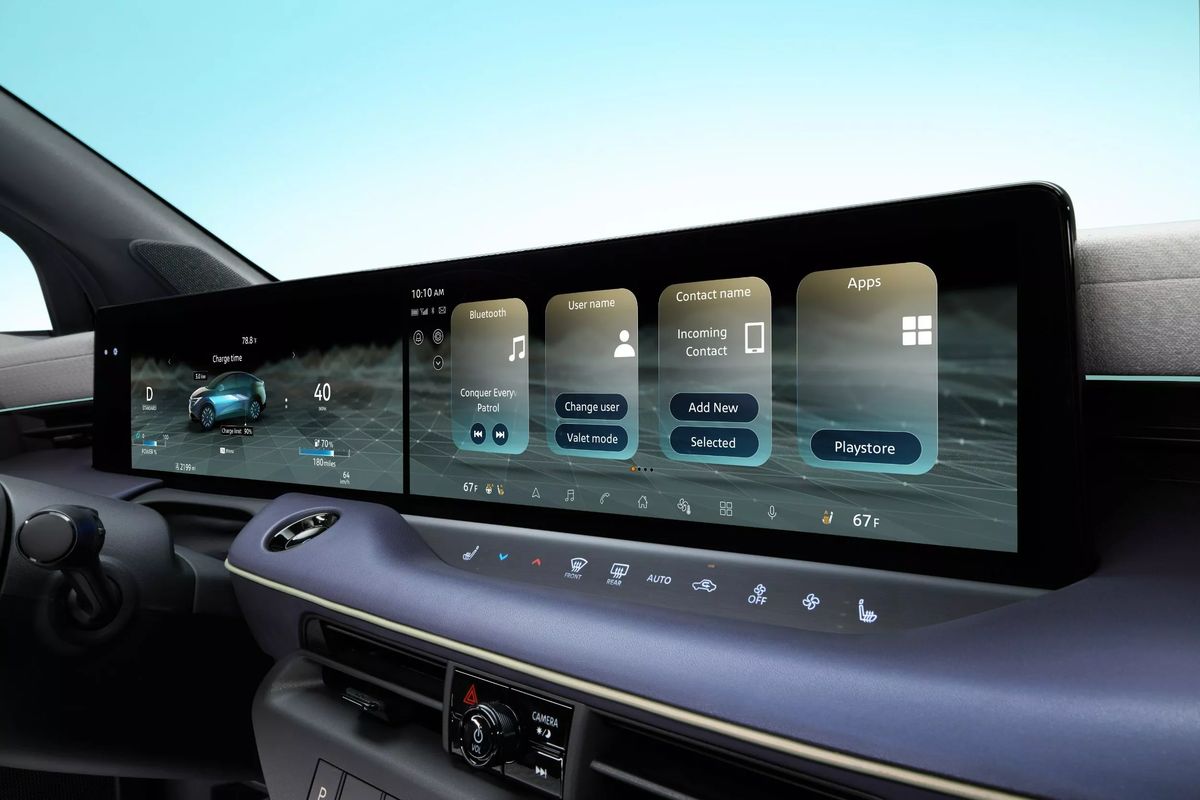
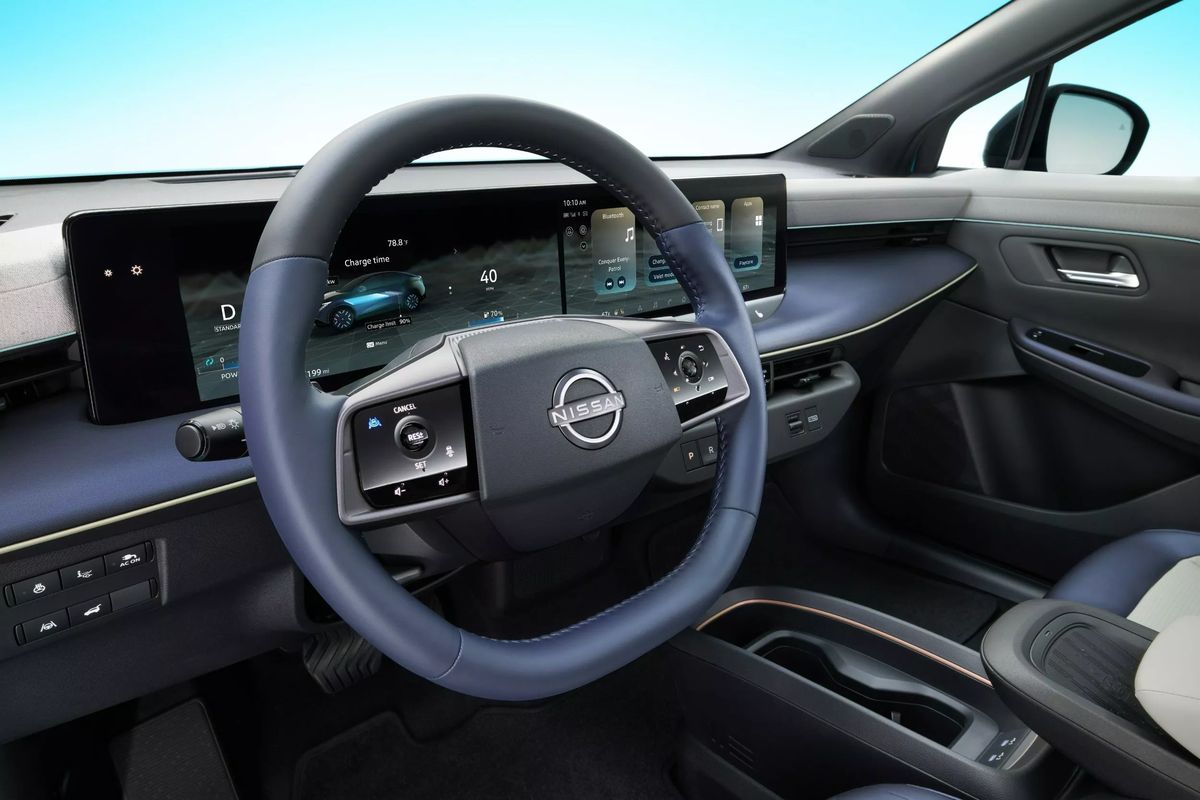
Nissan Leaf: Large 14.3-inch dual display called “Monolith Style Design”
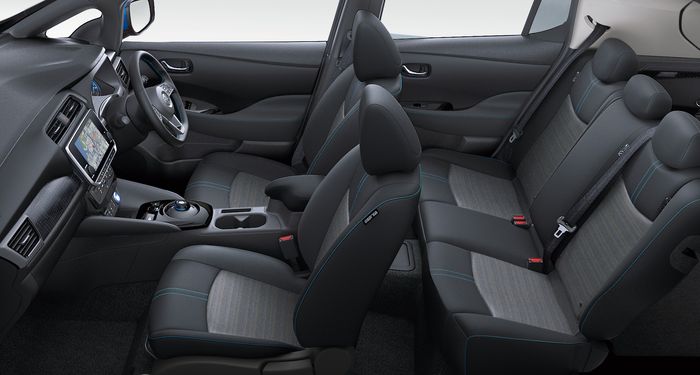
The lateral rigidity of the vehicle body has been improved by 66%, and this, combined with the high-rigidity body structure, improves agility and ride comfort. The adoption of the latest EV-specific platform, the CMF-EV, achieves a flat floor and ample legroom. The previous model’s rear suspension was a torsion beam, but the new Leaf employs a multi-link suspension. High-quality materials and a refined design create a luxurious and comfortable interior. The 14.3-inch full-screen digital meter clearly displays important information such as speed and battery level, and the electric parking brake and hold function provides powerful support for a comfortable driving experience. The vehicle is equipped with a dimming panoramic glass roof. One-touch interior brightness adjustment is possible, and the IR (infrared) reflective coating reduces heat from the sun. The white dashboard’s upper section and the ambient lighting along the lines create a high-quality feel, and the ambient lighting can be changed to one of 64 colors. Most surfaces that come into contact with the hands are finished with soft padding. The shifter has been changed to a “button type” shifter, which is used in the new Serena and other models, allowing for more freedom around the center console and more legroom. The “Zero Gravity Seat” is also used, which is expected to provide comfort on long-distance journeys. The luggage capacity is also 420L, ensuring practicality.
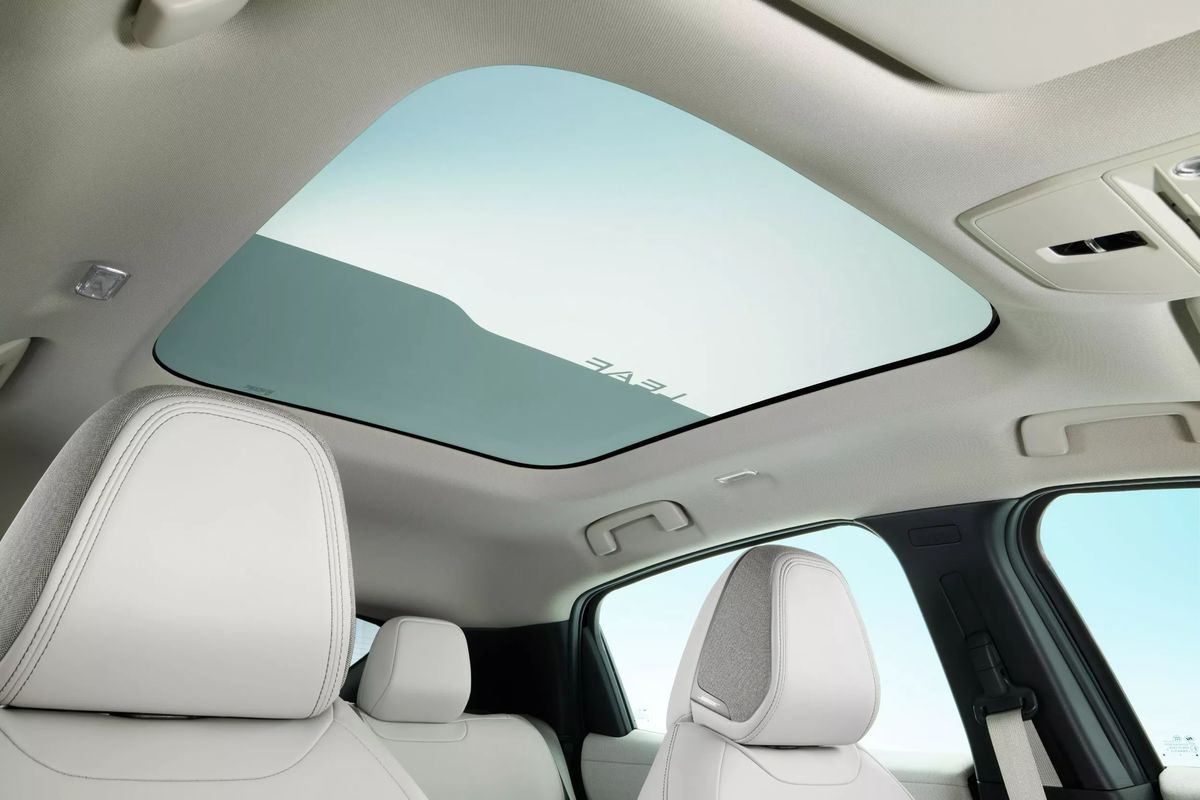
Dimmable panoramic glass roof
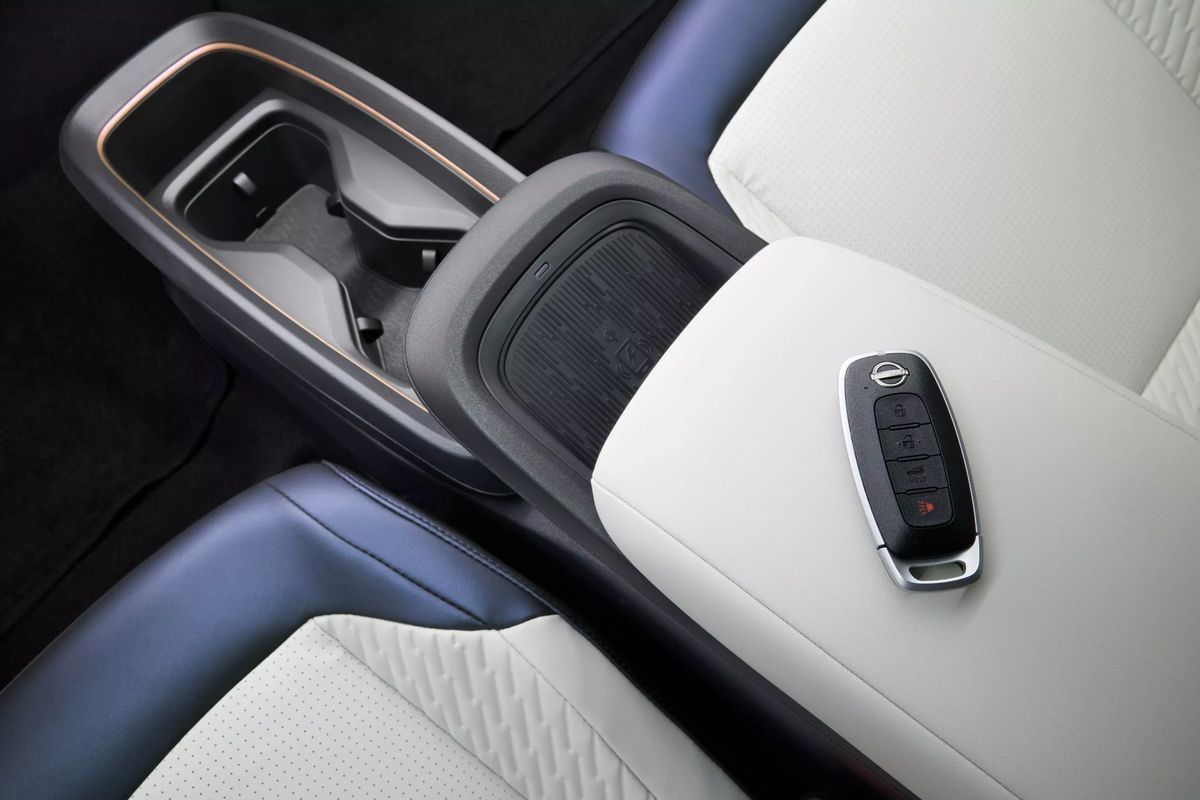
Simply place the drink holder to charge (contactless charging)
The audio system is a “Personal Plus Premium Audio System” with 10 speakers, and is particularly notable for its inclusion of “BOSE headrest speakers.” Because it’s an EV, there’s no vibration noise from the engine, so it’s expected that you’ll be able to enjoy music in the car with better sound quality.
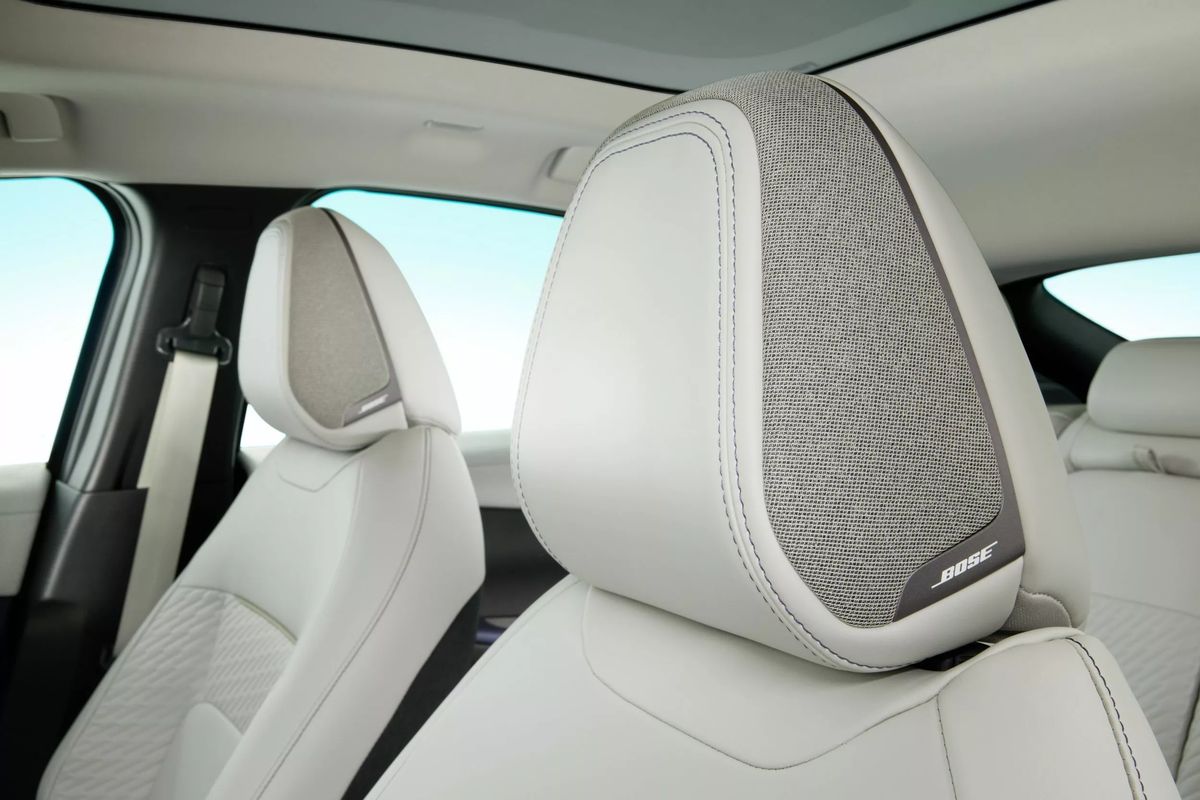
BOSE headrest speakers
Nissan’s new “Leaf” full model change: 3rd generation powertrain
The powertrain is the first to feature a new “3-in-1” electric powertrain consisting of an inverter, motor, and gear (reduction gear).The main components, which were previously divided into three, are packaged together to create a state-of-the-art electric powertrain that is 10% smaller than the previous model, significantly improving driving performance.
Two battery sizes are available: a smaller one with 52.9kWh (177ps/35.2kgm, 345Nm) and a larger one with 75.1kWh (218ps/36.2kgm, 350Nm).
The larger battery has been announced to have a range of over 600km according to the European WLTC standard, and even if you consider that it is actually only around 80% of that, it is likely to be able to travel over 500km, which is considered to be a level that will alleviate concerns about the range.
Battery Management : Superior battery management includes Navi-link Battery Conditioning, which works in conjunction with the navigation system to manage battery temperature. This is similar to Tesla’s preconditioning function and helps maximize charging efficiency.
Fast Charging: When connected to a 150kW fast charger, “it can be charged from 10% to 80% in as little as 35 minutes.” It’s also possible to “restore a range of approximately 250km in just 15 minutes.” This performance is said to be “roughly on par with Tesla’s Superchargers.” This significantly exceeds the current model’s maximum range of 450km. Supporting fast charging at up to 130kW, a 30-minute charge will provide up to 400km of range. A water-cooled temperature control system maintains optimal battery temperature at all times, maximizing charging efficiency. Top speed: Up to 160km/h.
- V2L/V2H compatible: V2L (Vehicle-to-Load): Supports power supply during disasters and outdoors. The US model has 120V outlets in the interior and luggage compartment, with a total output of up to 1500W.
- V2L adapter: Maximum output is 1500W in Japan, 1800W in the US, and 3.7kW in Europe.
- V2H (Vehicle-to-Home): The Japanese model naturally supports V2H.
Nissan’s new “Leaf” full model change, third generation safety features
The new Nissan Leaf is equipped with the latest driver assistance systems to make driving safer and more comfortable.
ProPilot 2.0
On highways, “hands-off” driving is possible, meaning you can take your hands off the steering wheel. This is made possible by using the car’s many sensors, cameras, and map information to fully grasp the situation around it. In the event of an emergency, the system will issue a warning or stop the car to ensure your safety. The color of the meter screen changes, so you can immediately see the system’s status. The new Leaf will also be equipped with a feature that allows hands-off driving on highways with no speed limit and up to 10km above the speed limit.
Intelligent Distance Control
This system adjusts the distance between vehicles and controls the brakes when the accelerator is released, even when cruise control is not in use. If the vehicle ahead stops, your vehicle will follow until it comes to a complete stop, and the deceleration energy used at that time is regenerated into the battery, making it very efficient.
ProPilot Parking
Even if you’re not good at parking, rest assured! It automatically finds a parking space and supports steering, making parking easy. It supports all parking methods, including forward, backward, and parallel parking.
ProPilot Remote Parking
You can even get out of the car and park it using the remote control, making it easy to park even in tight spaces.
In this way, the new Leaf is a reliable vehicle that supports the driver with the latest technology.
Nissan’s new Leaf will be released in summer 2022 with some upgraded specifications.
Nissan’s new “Leaf” full model change, third generation, price
Reflecting the new Leaf’s advanced technology and comprehensive equipment, the price is expected to start at 4.6 million yen, which is higher than the current model but significantly lower than the higher-end Ariya model.
Nissan’s new “Leaf” full model change, third generation specifications
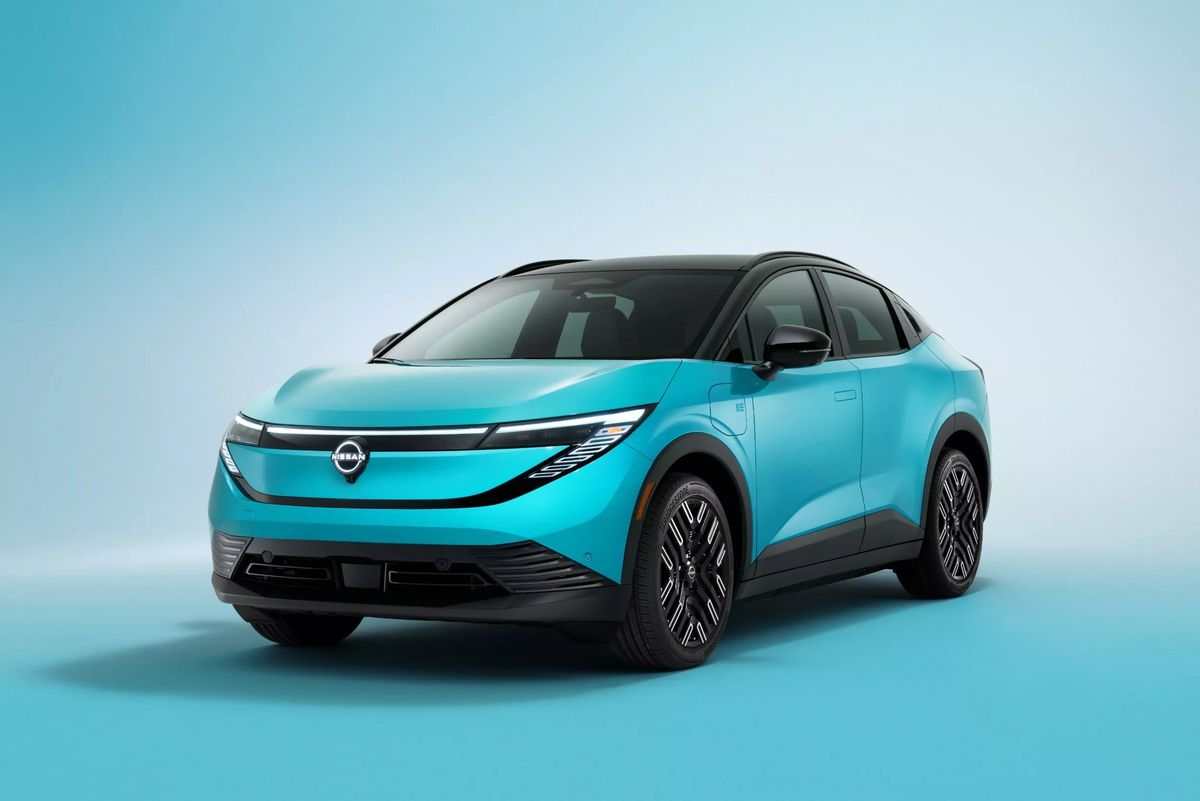
2026 Nissan Leaf
| Specifications | Leaf specs |
|---|---|
| full length | 4360mm |
| Overall width | 1,810mm |
| Overall height | 1,550mm |
| Wheelbase | 2,690mm |
| Passenger capacity | 5 people |
| Powertrain | electric motor |
| Battery capacity | “B5” grade 55kWh battery “B7” grade 75kWh battery |
| Range | 55kWh battery: 400km 75kWh battery: 600km |
| Drive system | 2WD/4WD (e-4ORCE) |
| Charging time | Rapid charging takes about 30 minutes to reach 400km of range, or about 14 minutes to reach 250km of range. |
| price | From 4.6 million yen |
Leaf specs
Three things to consider before you buy
While it has many attractive features, some concerns have also been raised.
Will seat ventilation be provided?
The information released confirms the presence of heated seats and a heated steering wheel, but there is no switch for seat ventilation (air blowing function). As this is an essential piece of equipment for comfortably spending the hot and humid Japanese summer, we await its inclusion in the final model.
Will Google Navi simplify highway directions?
With Google Maps now installed as standard, it’s possible that the illustrated guides for highway junctions and service areas familiar to Japanese drivers will no longer be displayed. Similar issues have been observed in other companies’ Google-equipped vehicles, raising concerns about a loss of convenience. However, this issue may be resolved by using a compatible app via Apple CarPlay or Android Auto.
Can Japan’s charging infrastructure (CHAdeMO) perform to its full potential?
The new Leaf has a high rapid charging capability of 150kW, but there are still only a limited number of locations where this capability can be fully utilized using Japan’s CHAdeMO charging standard.
- Insufficient charger output : Currently, many CHAdeMO chargers have low output, which often results in slow charging times.
- Infrastructure availability : The availability of high-output chargers (150kW class) will be a key factor in determining the convenience of the new Leaf.
As North America moves towards adopting Tesla’s NACS standard, the current state of the CHAdeMO infrastructure in the Japanese market may pose a challenge to maximizing the potential of the new Leaf.
Release schedule
Important Dates
- October 8, 2025 : Japanese specifications announced and details released
- Pre-orders expected to begin around December 2025
- January 15, 2026 : Official launch
Production system issues
On the other hand, there have been reports that production has been halved even before the launch , and attention is being paid to the supply system to meet demand. This is thought to be due to issues such as a shortage of semiconductors and battery procurement.
A word from the editorial department
The new Nissan Leaf has undergone significant evolution in every aspect, from design and driving performance to battery technology, charging performance, and advanced driver assistance technology and V2L/V2H functionality. Overall, the new Nissan Leaf has been praised for its “excellent design and interior.” Its new SUV styling, refreshed interior, significantly improved range and charging performance, and adoption of ProPILOT 2.0 are particularly appealing. Its refined design, superior aerodynamics, improved driving performance thanks to the new platform, and liquid-cooled battery and intelligent energy management system are particularly noteworthy. Its 600km range will make it a competitive model in today’s EV market. Issues with the CHAdeMO charging infrastructure in the Japanese market have been raised as a concern. The final assessment is “price matters,” and it will be interesting to see how the new Leaf will be priced in a market where Asian EV manufacturers like BYD and Hyundai, as well as Tesla, offer aggressive discounts.

About Reef
First generation ZE0 type
It was announced on August 2, 2009, and released in December 2010. A minor change was made on November 20, 2012. The special edition “Aero Style” was released on January 8, 2014. The special edition “X 80th Special Color Limited” was released to commemorate the company’s 80th anniversary on May 15, 2014. The special edition “Thanks Edition” was released to commemorate the company’s cumulative global sales of 200,000 units on October 3, 2016.
Second generation ZE1 type
September 6, 2017: Full model change. October 2, 2017: Release. June 1, 2018: Special edition “X 100,000 Unit Commemorative Model” released. July 19, 2018: “NISMO” announced. July 31, 2018: Release. May 23, 2019: “AUTECH,” a custom car created by Autech Japan, announced. June 21, 2019: Release. July 25, 2019: Special edition “XV Selection” released. December 16, 2019: Minor changes announced. February 2020: Release. January 16, 2020: Announcement of the “Premium Personalization Program” for “AUTECH.” February 2020: Release. July 20, 2020: “NISMO” performance improved. In April 2021, the car underwent some improvements and the special edition ” Urban Chrome ” was added. It will be released in the summer of 2022 with some improved specifications . Orders will resume and prices will be revised from December 22, 2022 .
About Leaf Specs
| Specifications | Leaf | Leaf e+ |
|---|---|---|
| full length | 4,480mm | |
| Overall width | 1,790mm | |
| Overall height | 1,540mm | 1,545mm |
| Wheelbase | 2,700mm | |
| engine | Regular model “EM57” |
High performance model “EM57” |
| Maximum power | 110kW (150ps) / 3283-9795rpm |
160kW/(218ps) 4,600-5,800rpm |
| Maximum torque | 320Nm (32.6kgm) / 0-3283rpm |
340Nm (34.7kgm) / 500-4,000rpm |
| Number of passengers | 5-seater | |
| Aerodynamic drag (Cd value) | 0.28 | |
| Vehicle weight | 1,490-1,520kg | 1,670–1,680 kg |
| Normal charging | 6 hours (3kW) / 8 hours (6kW) |
12.5 hours (6kW) |
Time required to charge to 80% (fast charge) |
40 minutes | 60 minutes |
| Lithium-ion battery | 40kWh | 62kWh |
| JC08 mode range | 400km | 570km |
| WLTP mode range | 322km | 458km |
Nissan Leaf new price
| grade | Prime mover | Drive system |
Battery capacity |
Price (10%) |
|---|---|---|---|---|
| X | EM57 | 2WD | 40kWh | 4,081,000 yen |
| X V Selection |
4,318,600 yen | |||
| G | 4,448,400 yen | |||
| AUTECH | 4,444,000 yen | |||
| NISMO | 4,642,000 yen | |||
| e+ X | 60kWh | 5,253,600 yen | ||
| e+ G | 5,834,400 yen | |||
| e+ AUTECH | 5,616,600 yen |
Nissan news release
https://global.nissannews.com/ja-JP/releases/220127-02-j
https://global.nissannews.com/ja-JP/releases/250326-01-j
Nissan