
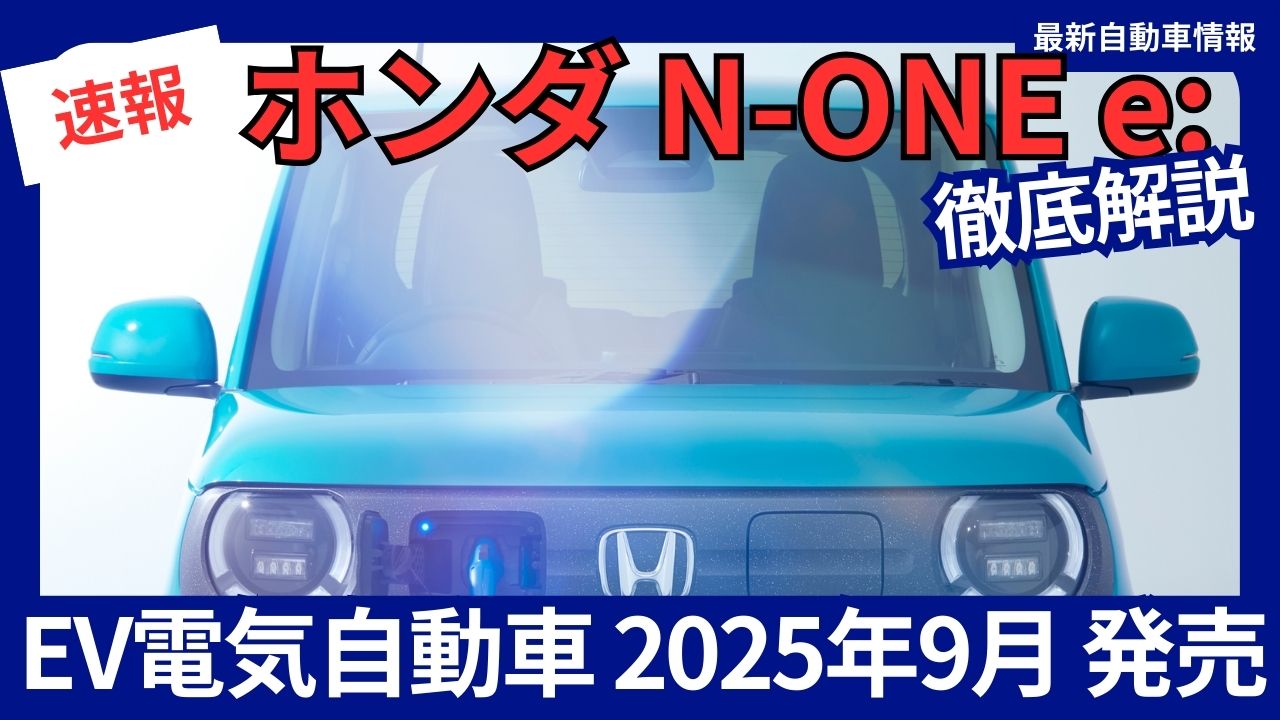
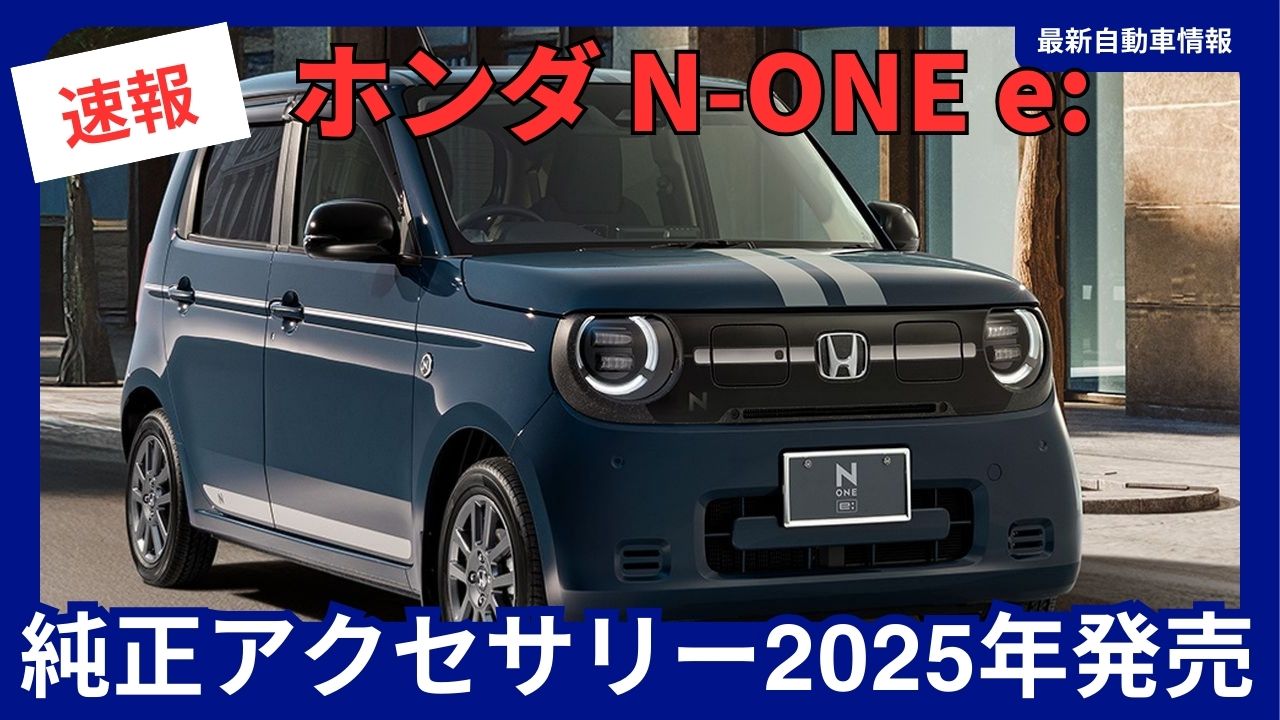
Honda will announce the new N-ONE e: light electric vehicle (BEV) on September 11, 2025, with a release date of September 12, 2025. Prices will range from 2,699,400 yen to 3,198,800 yen. We will explain in detail what kind of model it will be. On April 26, 2023, Honda released its “2023 Business Update Overview,” announcing that in Japan it will release an N-ONE-based EV in 2025 and two compact EV models, including an SUV type, in 2026.
Summary of the new Honda N-ONE e
- overview
- A light battery EV scheduled for release on September 12, 2025.
- The base is N-ONE.
- It achieves the quietness and powerful acceleration that only an EV can offer.
- The cruising range is 295km, making it suitable for everyday use.
- Prices start from 2,699,400 yen.
- Exterior
- Inheriting the design of the N-ONE, it has a timeless design based on the concepts of “circle, square, and trapezoid.”
- We pursue a design that gives a sense of driving fun and safety.
- interior
- The latest design is attractive and easy to use.
- Equipped with electronic parking brake and auto brake hold function.
- A telescopic and tilt steering mechanism is used to achieve the optimal driving position.
- safety
- Honda SENSING is standard equipment on all models.
- Equipped with a collision mitigation braking system (CMBS), road departure prevention function, LKAS (lane keeping assist system), ACC with congestion following function, sign recognition function, false start prevention function, preceding vehicle start notification function, rear false start prevention function, auto high beam, etc.
- Specifications
- Motor maximum output: 47kW (64ps)
- Lithium-ion battery capacity: 30kWh
- WLTC mode range: 295km
- Normal charging time: Approximately 5 hours (6.0kW output)
- Fast charging time: 30 minutes (up to 80%)
- price
- From 2.69 million yen
- Rival car
- Nissan Sakura
- assignment
- The range is 295km, which is shorter than that of a gasoline vehicle.
- Length of charging time.
- Competition with rival models such as the Nissan Sakura.
About the new Honda N-ONE e:
Like the N- VAN e:, the N- VAN EV model to be released in 2024 , the motor’s maximum output is 47kW (64ps), but it also achieves the exceptional quietness unique to EVs and powerful acceleration suited to stop-and-go traffic environments. With a lithium-ion battery capacity of 30kWh, the range, which is a challenge for EVs, is 295km, making it practical enough for daily shopping, commuting to work or school, and hobbies.
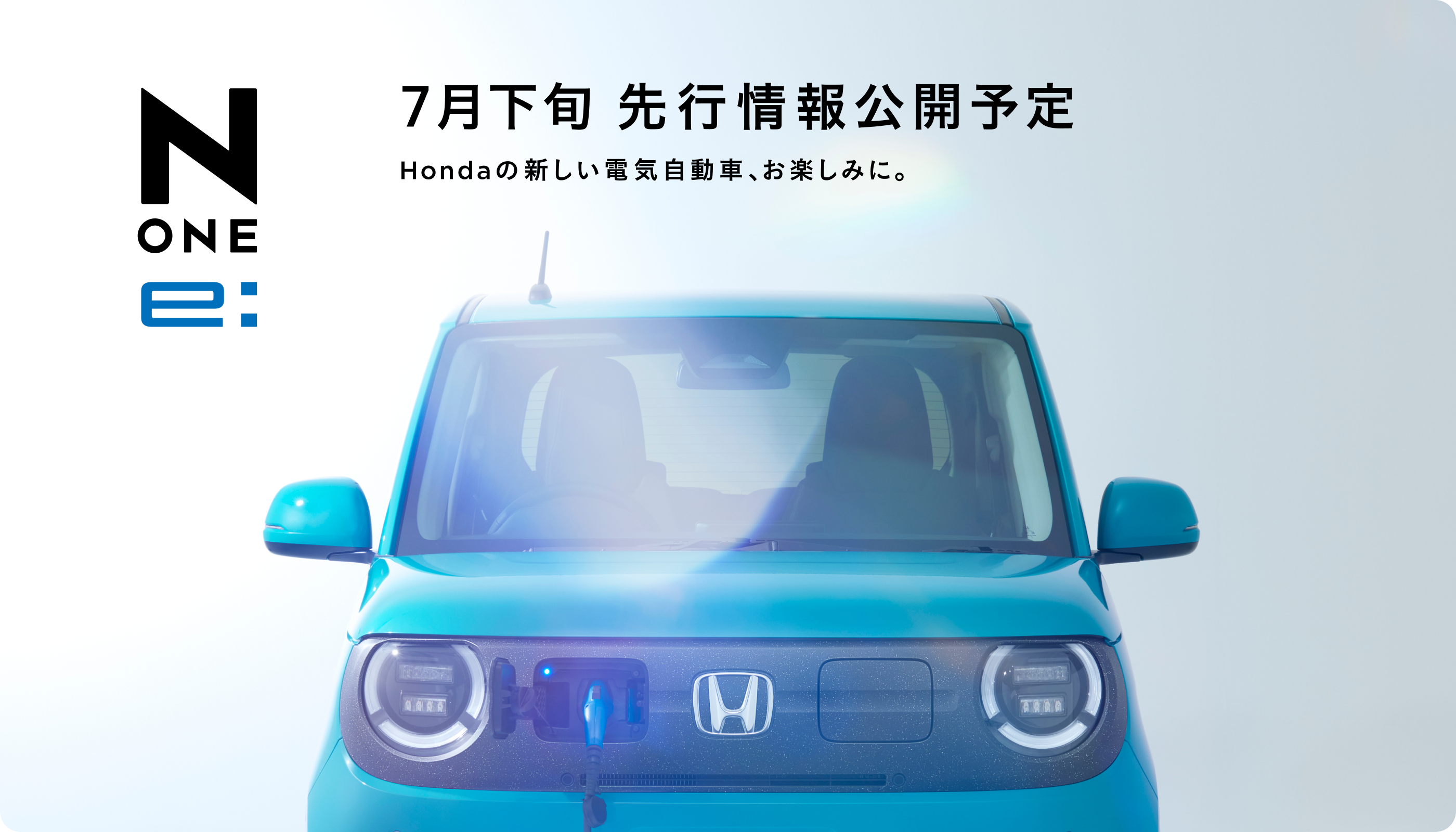
Reference: N-ONE e:
Honda New N-ONE e: Exterior
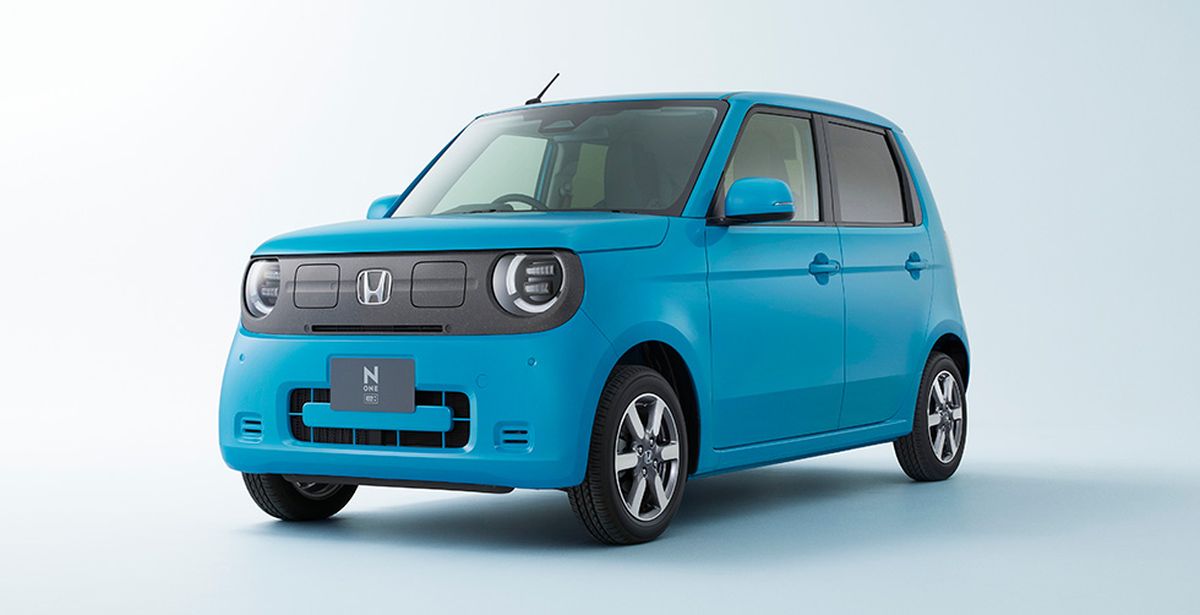
N-ONE e:
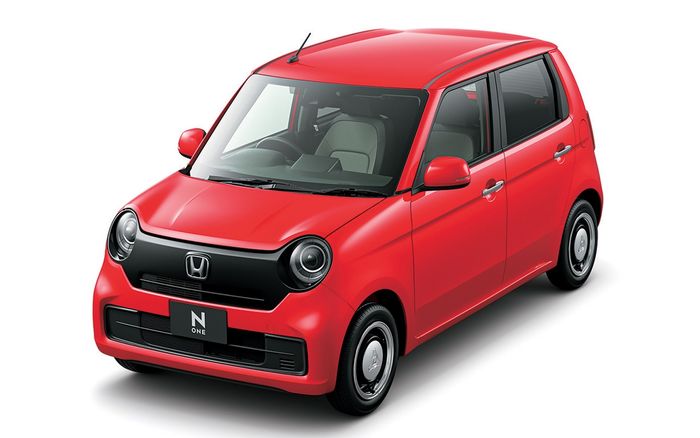
N-ONE
The design, like the base N-ONE, is based on the “circle, square, and trapezoid” design of the first-generation N-ONE, which inherited the design of the N360, and based on this timeless design, it pursues a design that conveys the joy of driving and safety. The overall length is 3395mm x width 1475mm x height 1545mm, and the wheelbase is 2520mm, maintaining the light vehicle standard.
Based on the N-ONE design, it adds the cleanliness that only an EV can have. The strongly taut curves of the entire tailgate, including the front fenders and rear glass, create a high-quality three-dimensional feel and a clean impression. In addition, the rear bumper is rounded to fit the fenders, allowing the rear tires to be seen from behind, expressing a light and stable stance.
Honda New N-ONE e: Body Color
The N-ONE e: is available in five body colors that will brighten the customer’s mood. The new color, “Cheerful Green,” embodies the grand concept of the N-ONE e: and is a color that adds color and a positive feeling to everyday life.
- Cheerful Green
- Platinum White Pearl
- Lunar Silver Metallic
- Fjord Mist Pearl
- Seabed Blue Pearl
Honda New N-ONE e: Interior
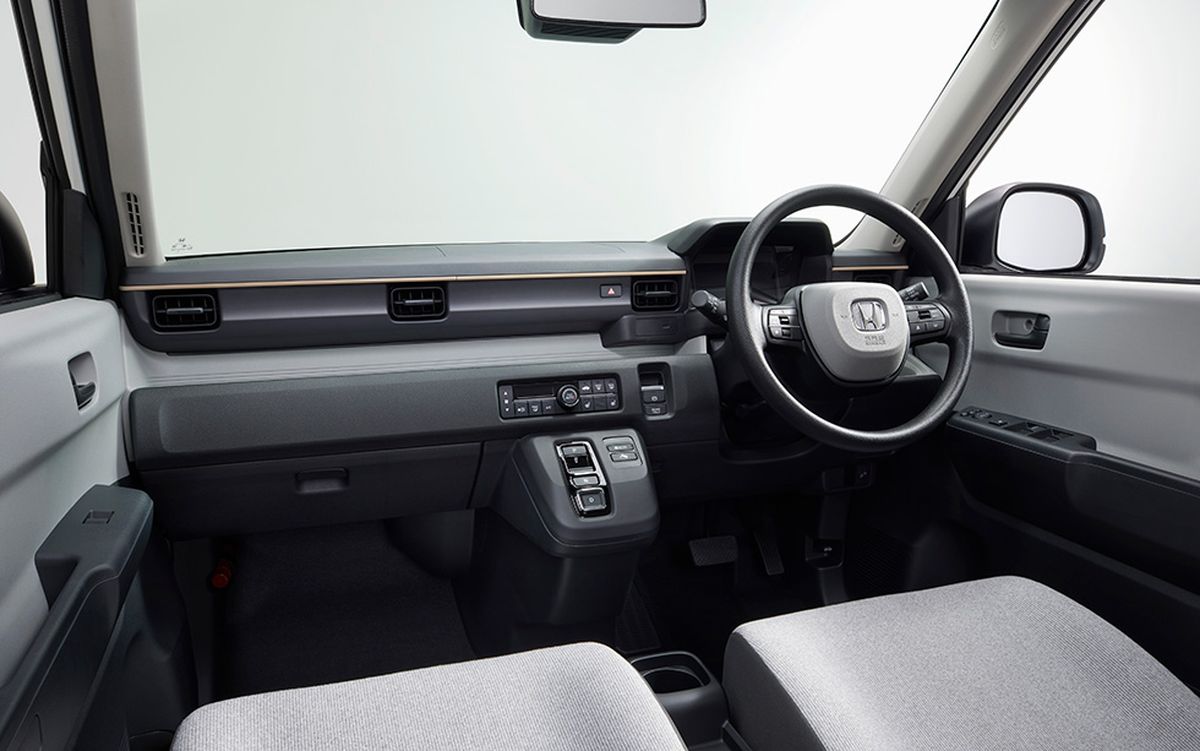
N-ONE e:
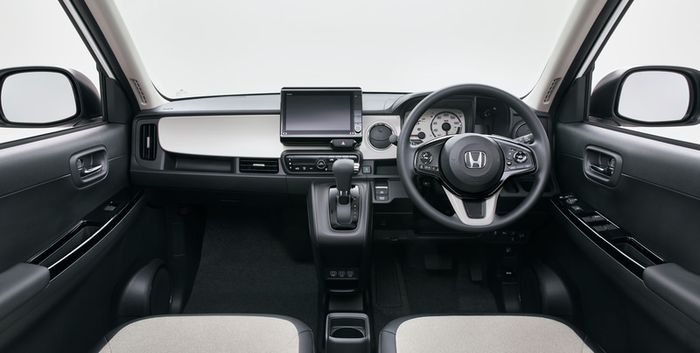
N-ONE
The interior features a thin, light design for the upper part of the instrument panel, which is visible to the driver, and a design that eliminates the sense of corners and sharp edges, creating a sense of spaciousness within the cabin. In addition, the use of a similar bright color for the instrument panel, parts of the door panels, and the steering pad enhances the overall sense of unity within the cabin and the impression of horizontality, aiming for a comfortable driving environment. The flat finish on the top surfaces of the bonnet and instrument panel makes it easy to see ahead and get a sense of the vehicle’s width, resulting in a field of vision that allows for safe driving. Furthermore, the control switches for each function have been concentrated in the center of the instrument panel for easy use. A wide tray has been installed in the middle level, making it easy to reach from the driver’s seat, further enhancing convenience for everyday use.
The latest design gives it an attractive finish and improves ease of use. Equipped with an ” electronic parking brake & auto brake hold ” function, it keeps the vehicle stationary even when you take your foot off the brake pedal, and is released when you step on the accelerator, making it useful in traffic jams . The ” telescopic & tilt steering mechanism ” allows people of all sizes to find the best driving position.
Honda New N-ONE e: Honda SENSING standard equipment on all models
The driving assistance system “Honda SENSING” will also be standard equipment on all models. The safety package will be changed to Honda’s advanced technology, “Honda SENSING”, and safety improvements will be made in the future. It is equipped with a “rearward false start prevention function”. It also has “auto high beam”.
Collision Mitigation Braking System (CMBS) helps avoid collisions with preceding vehicles, oncoming vehicles, pedestrians (daytime and nighttime), and crossing bicycles. If the system determines there is a risk of collision with a preceding vehicle or pedestrian whose speed difference with the vehicle is approximately 5 km/h or more, or an oncoming vehicle (excluding motorcycles and bicycles), while the vehicle is traveling at approximately 5 km/h or more, the system activates and automatically stops or slows down to avoid a collision or mitigate damage. For oncoming vehicles (excluding motorcycles and bicycles) and pedestrians, the system activates when the vehicle is traveling at approximately 80 km/h or less.
Road Departure Mitigation Function: Detects lane departures and helps prevent the vehicle from drifting out of the lane. This function activates when the vehicle deviates from the road or when the system predicts that the vehicle will deviate while driving at approximately 60km/h to 100km/h. It does not replace the driver’s steering operation. It will not activate if the system determines that the driver is accelerating, braking, or making sudden steering movements, or if the turn signal is activated.
LKAS (Lane Keeping Assist System) Assists steering to keep the vehicle within the lane. It activates when the vehicle deviates from the road or when the system predicts that the vehicle will deviate from the road while driving at approximately 60km/h to 100km/h. It does not replace the driver’s steering operation. It will not activate if the system determines that the driver is accelerating, braking, or making sudden steering movements, or if the turn signal is activated.
ACC with Traffic Jam Following function maintains an appropriate distance between vehicles, reducing driving stress. Operates from approximately 0 km/h to approximately 100 km/h . Can be used when driving on expressways or expressways with few sharp curves or repeated acceleration and deceleration.
Sign Recognition Function: Prevents overlooking signs and supports safe driving.
Prevents sudden acceleration due to carelessness and alerts the driver . When the vehicle is stopped or traveling at approximately 10 km/h or less and the accelerator pedal is depressed despite there being a vehicle or other obstacle almost directly in front of the vehicle, the system suppresses engine output to prevent sudden acceleration and alerts the driver with an audible and visual warning of the approaching obstacle.
When the preceding vehicle departure notification function is disabled, you will be notified when the preceding vehicle has started moving.
False backward start prevention function This function prevents the vehicle from suddenly rolling backward when the accelerator pedal is pressed hard with the selector lever in R (reverse) even though there is an obstacle behind the vehicle.
Auto High Beam: Detects oncoming vehicles and vehicles ahead and automatically switches high/low beams
Honda New N-ONE e: Specifications
| Specifications | N-ONE e: |
|---|---|
| full length | 3,395mm |
| Overall width | 1,475mm |
| Overall height | 1,545mm |
| Wheelbase | 2,520mm |
| engine | electric motor |
| Maximum power | 64ps |
| Maximum torque | 18.5kgm |
| Vehicle weight | 1,030 kg |
| Lithium-ion battery capacity |
30kWh |
| WLTC mode cruising range |
295km |
| Normal charger (6.0kW output) | Approximately 5 hours |
| fast charging | 30 minutes (up to 80%) |
New Honda N-ONE e: Price
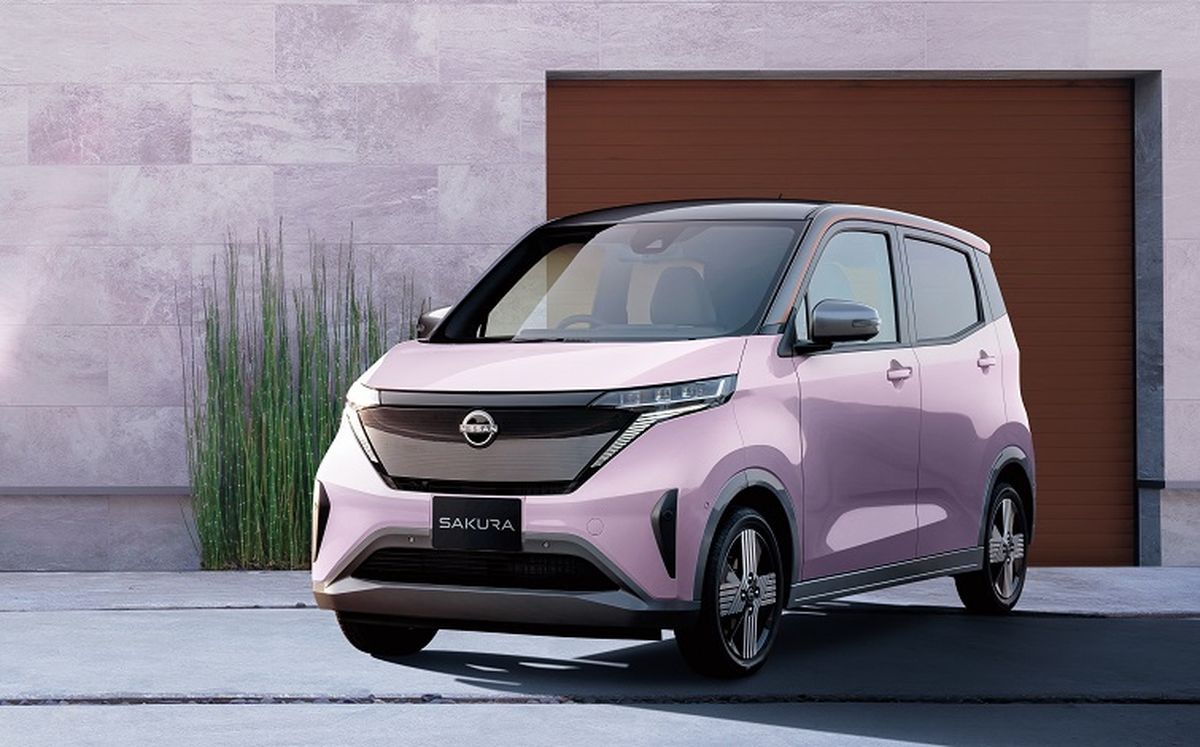
The price of the N-VAN e: starts at 2.69 million yen, but the new model starts at 2.69 million yen. This is due to the price difference between the base N-VAN and N-ONE, as well as the fact that the rival Nissan Sakura starts at 2.33 million yen, so it’s interesting to see how this price difference will be perceived.
Price of the new Honda N-ONE e:
| grade | price |
| e: G | 2,699,400 yen |
| e: L | 3,198,800 yen |
| CEV subsidy | 574,000 yen |
Thoughts on the new Honda N-ONE e:
Even with a range of over 270km, some people may find it a little short for everyday use. Because electric vehicles take longer to charge than gasoline vehicles, it is also important to consider how quickly they can be charged.
Nissan’s battery electric vehicle (BEV) “SAKURA” is set to be a realistically priced model, with an effective purchase price starting from approximately 1.78 million yen (including consumption tax) when using the clean energy vehicle introduction promotion subsidy (550,000 yen). The current models of ” SAKURA ” and ” ek Cross EV ” have a maximum driving range of 180 km (WLTC mode).
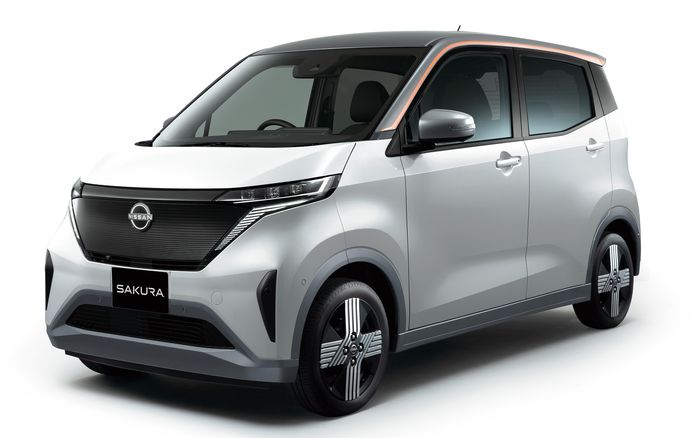
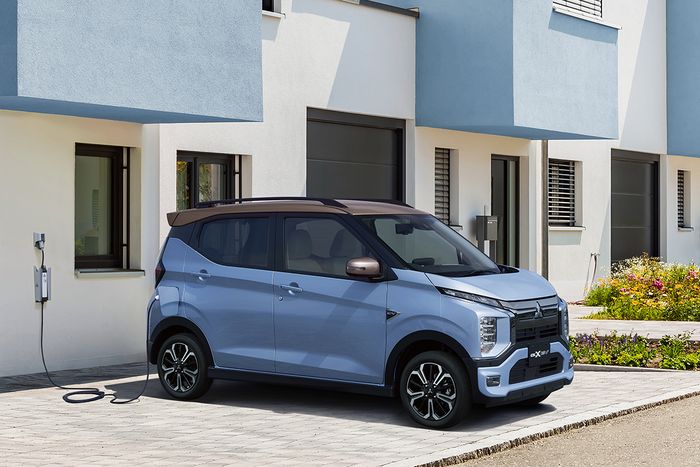
Furthermore, the Sakura is expected to account for approximately 41% of domestic EV sales in 2023, leading the spread of EVs in the Japanese market. Given this, Honda is also considering launching the N-ONE e: to compete with the Sakura. Compared to the Sakura, the specs include an increased range of 90km and a 10kWh lithium-ion battery capacity. The N-ONE e: in 2025 is sure to be a highlight.
Honda news release