
This time, we’ll be presenting a ranking of the cheapest standard-priced cars as of March 2025 ( Reiwa 7 ). We’ll be presenting models currently available for sale. Standard-priced cars are more durable and have more driving comfort than kei cars, so we hope this ranking will be helpful for first-time car buyers, second-car buyers, and those who absolutely need a new car rather than a used one.
Top 10 cheapest standard cars released in 2025
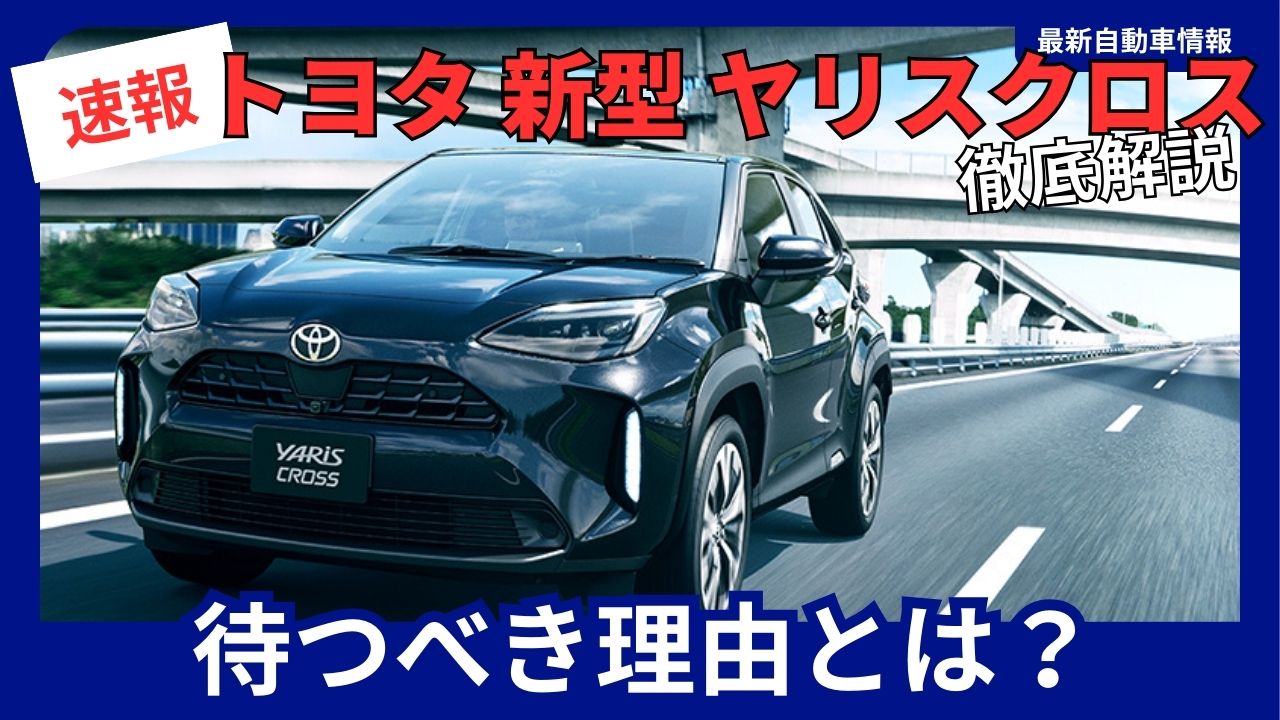
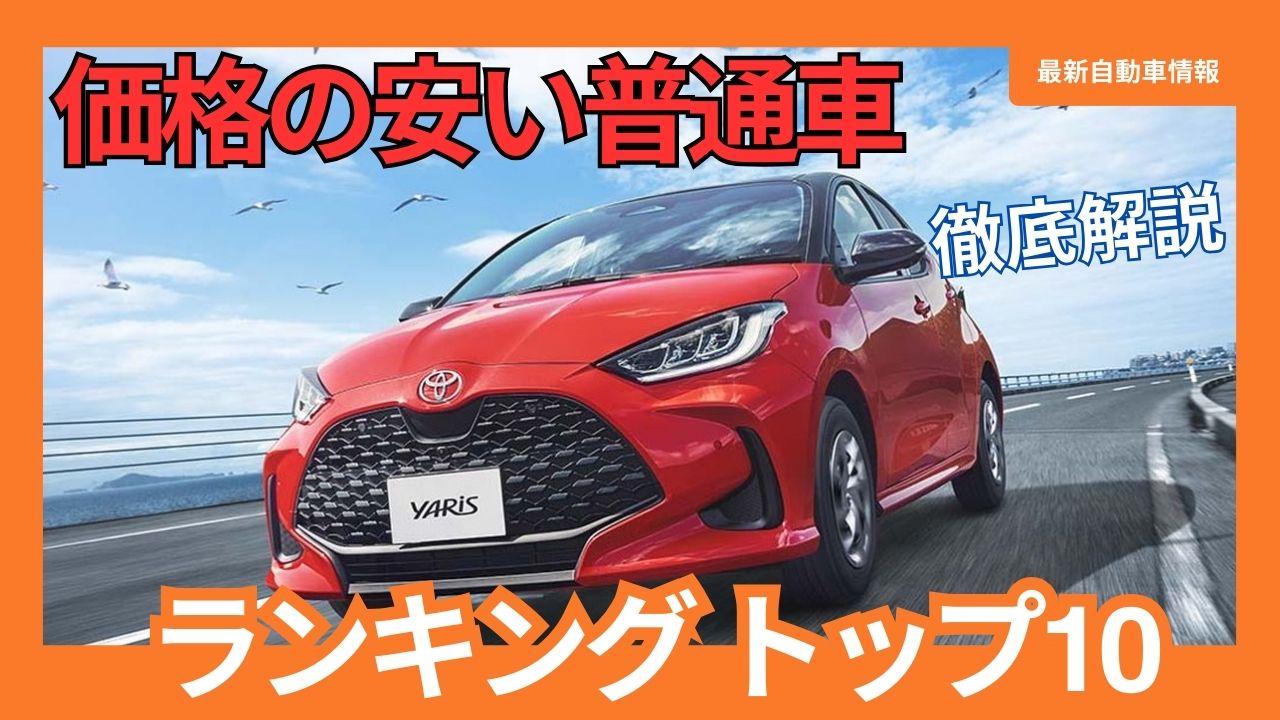
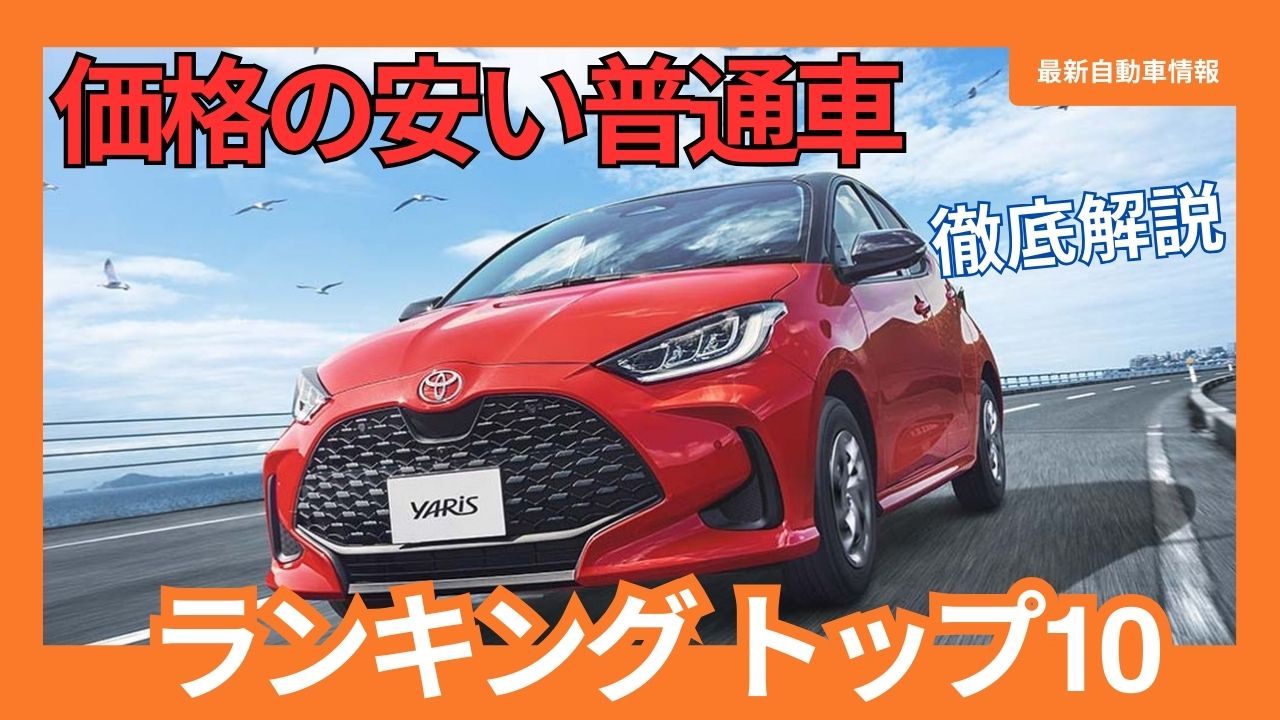
After researching light vehicles on sale as of March 2025, we found that the cheapest was Toyota’s Yaris, priced at 1,470,000 yen.
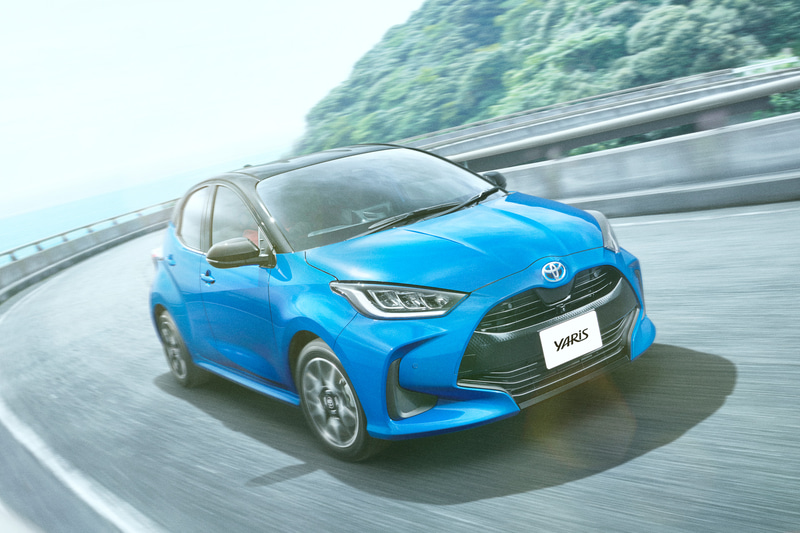
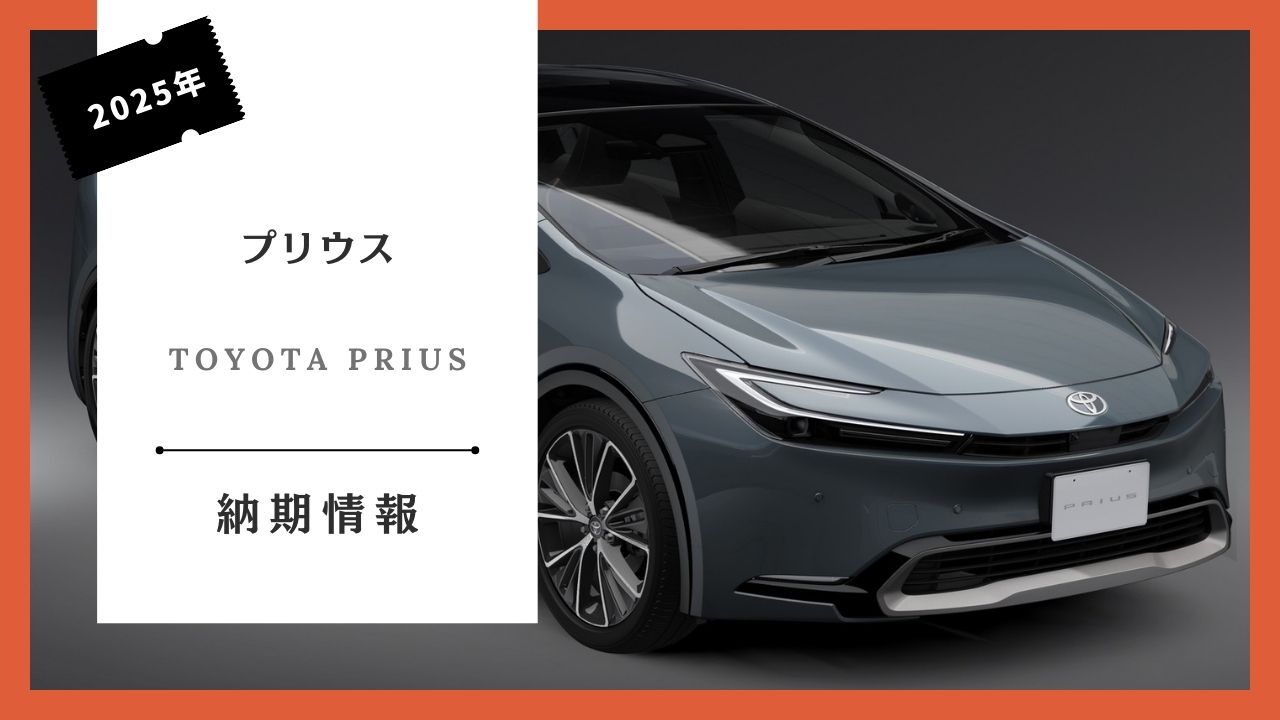
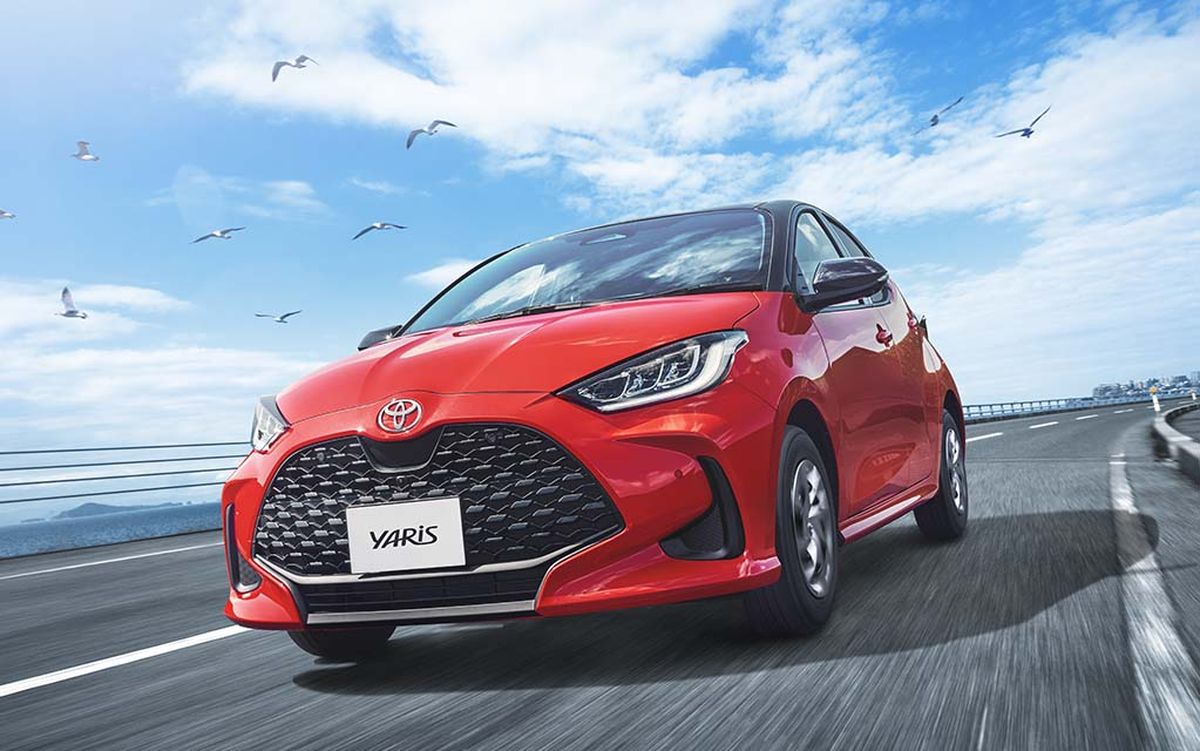
Yaris
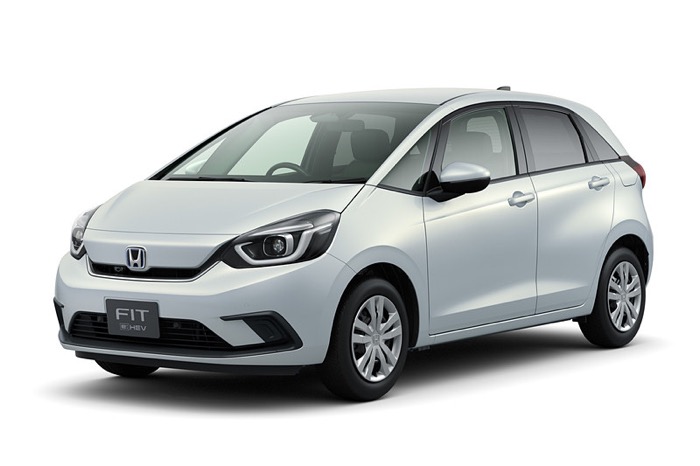
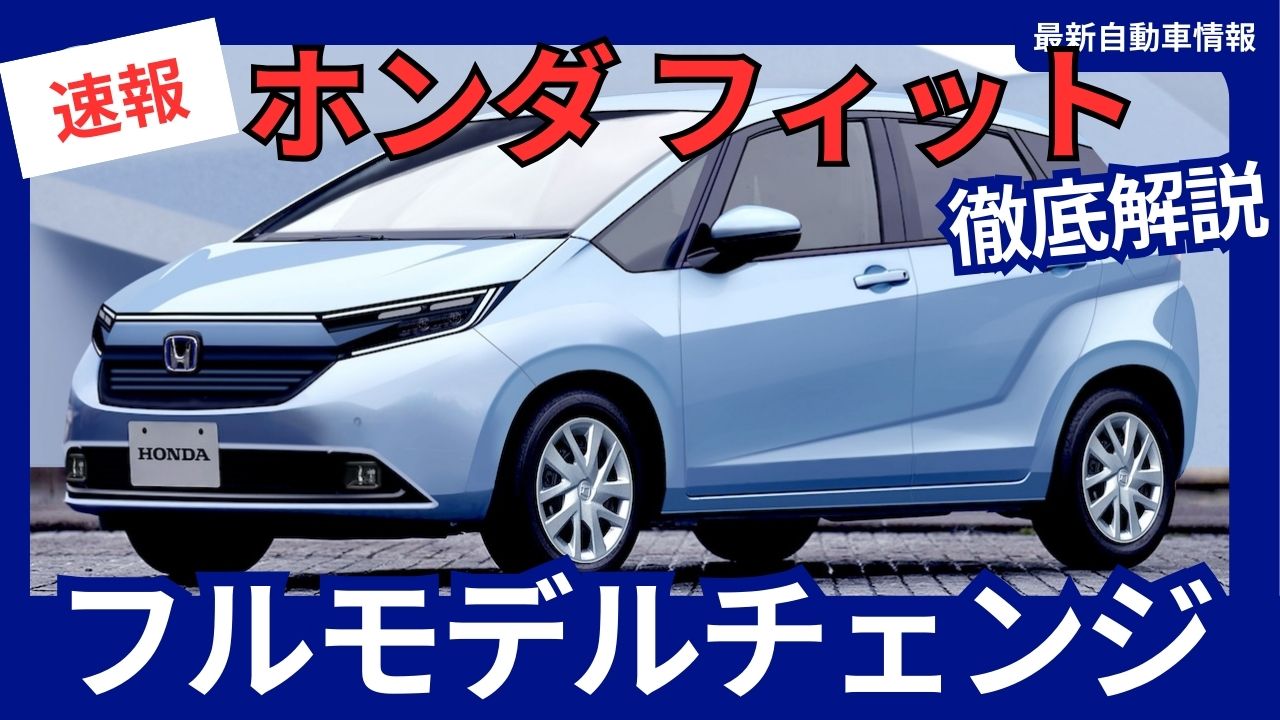
fit
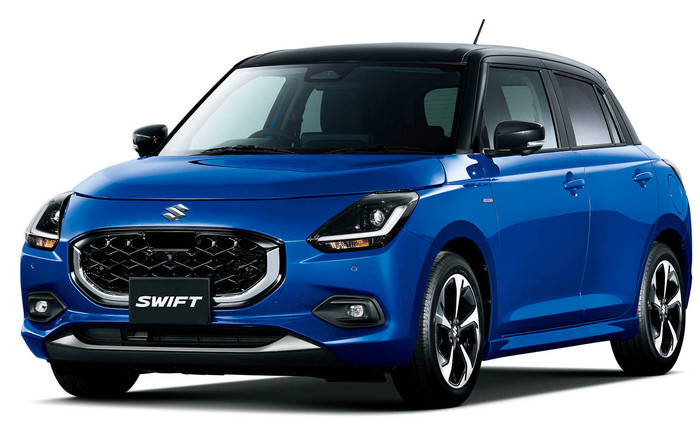
Swift
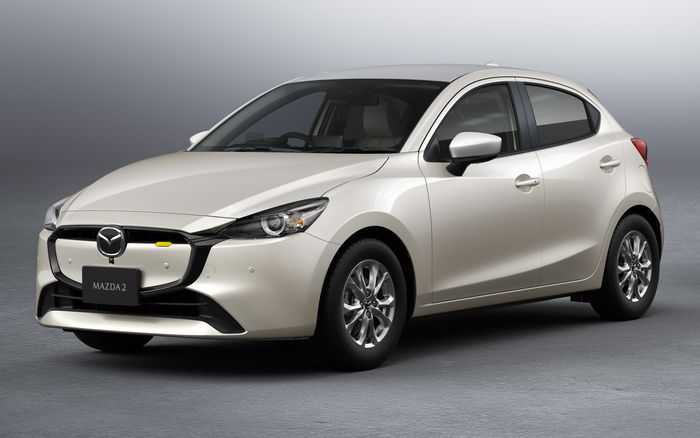
MAZDA2
Although the cheapest cars from each manufacturer are all compact cars, each manufacturer has adopted its own unique technology, ensuring spaciousness inside the car and allowing it to seat five people, and further improving fuel efficiency through weight reduction and engine performance.Even when considering long-term maintenance, these cars are all very cost-effective and very attractive models.
The top three cars are all very economical, costing around 1.5 million yen even when purchased new . What’s even more attractive is that each manufacturer offers a full range of safety features. For those familiar with new cars from a while back, some may feel that the prices have risen considerably, but safety features are standard even on the base grade, so it’s safe to say that the prices are reasonable.
2025 Ranking
| Ranking | Manufacturer | Car name | grade | Price (10%) |
|---|---|---|---|---|
| 1st place | Toyota | Yaris | X (2WD) |
1,501,000 yen |
| 2nd place | Mazda | MAZDA2 | 15C (2WD) |
1,548,800 yen |
| 3rd place | Toyota | Roomy | X (2WD) |
1,566,500 yen |
| 4th place | Suzuki | Solio | G (2WD) |
1,647,800 yen |
| 5th place | Honda | fit | BASIC (2WD) |
1,655,500 yen |
| 6th place | Daihatsu | Rocky | L (2WD) |
1,677,000 yen |
| 7th place | Toyota | Rise | X (2WD) |
1,717,000 yen |
| 8th place | Suzuki | Swift | XG (2WD) |
1,727,000 yen |
| 9th place | Toyota | Yaris Cross | X (2WD) |
1,907,000 yen |
| 10th place | Suzuki | Crosby | HYBRID MV (2WD) |
1,941,500 yen |
Top 10 Cheapest Standard Cars in 2024 Latest Automotive Information
2023 Ranking
Surprisingly, compared to last year’s ranking, four models have disappeared from the ranking due to their discontinuation: the Daihatsu Boon, Toyota Passo, Mitsubishi Mirage, and Suzuki Ignis. Furthermore, all improved models have had their prices revised, with base prices increasing from 2023 to 2024.
| Ranking | Manufacturer | Car name | grade | Price (10%) |
|---|---|---|---|---|
| 1st place | Daihatsu | Boom | X “SA III” (2WD) |
1,275,000 yen |
| 1st place | Toyota | Passo | X (2WD) |
1,275,000 yen |
| 2nd place | Toyota | Yaris | X (2WD) |
1,470,000 yen |
| 3rd place | Mitsubishi | Mirage | M (2WD) |
1,490,500 yen |
| 4th place | Mazda | MAZDA2 | 15C (2WD) |
1,529,000 yen |
| 5th place | Suzuki | Swift | XG (2WD) |
1,551,000 yen |
| 6th place | Toyota | Roomy | X (2WD) |
1,566,500 yen |
| 7th place | Suzuki | Solio | G (2WD) |
1,581,800 yen |
| 8th place | Honda | fit | BASIC (2WD) |
1,592,800 yen |
| 9th place | Daihatsu | Rocky | L (2WD) |
1,677,000 yen |
| 10th place | Toyota | Rise | X (2WD) |
1,717,000 yen |
| 11th place | Suzuki | Ignis | HYBRID MV (2WD) |
1,758,900 yen |
Top 10 Cheapest Standard Cars of 2023 Latest Automotive Information
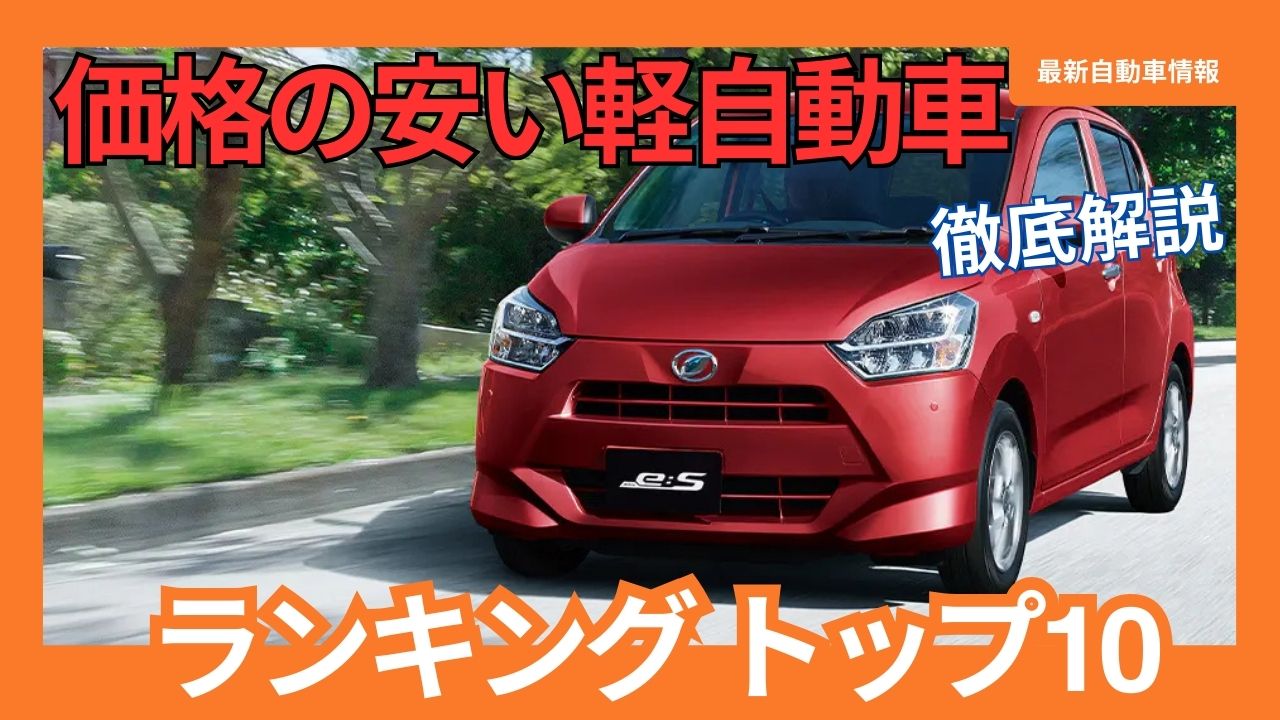
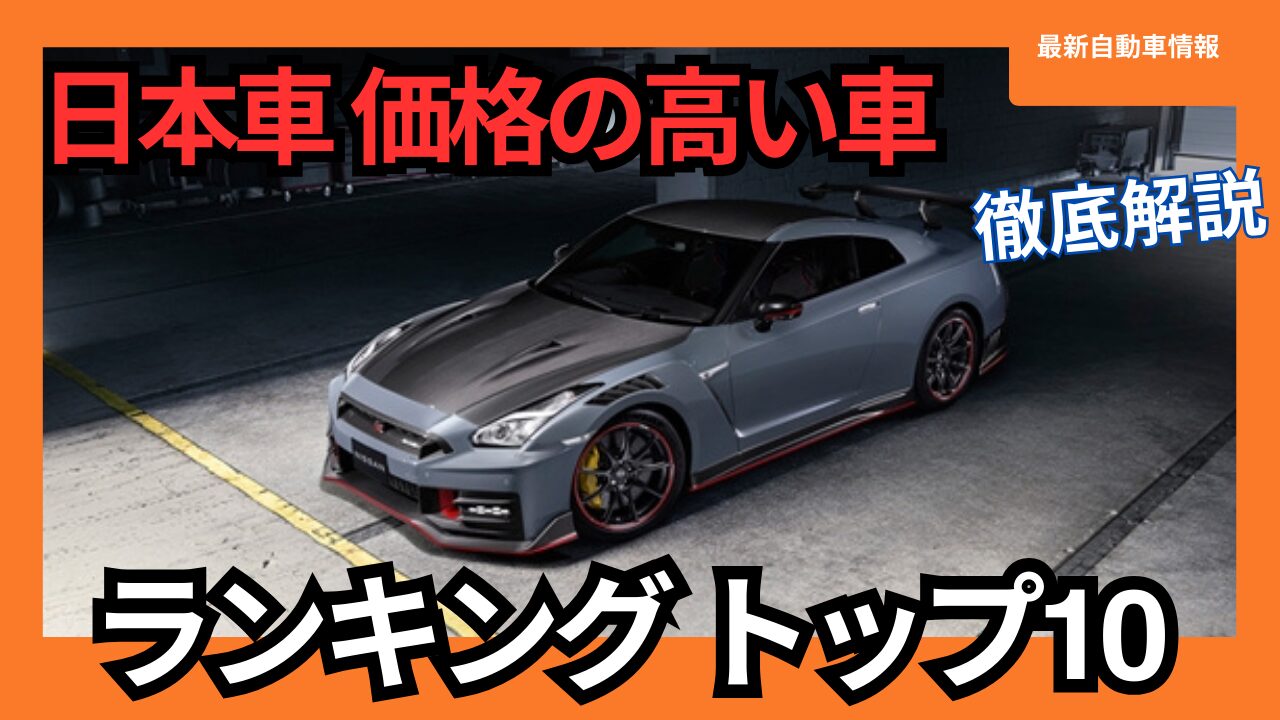
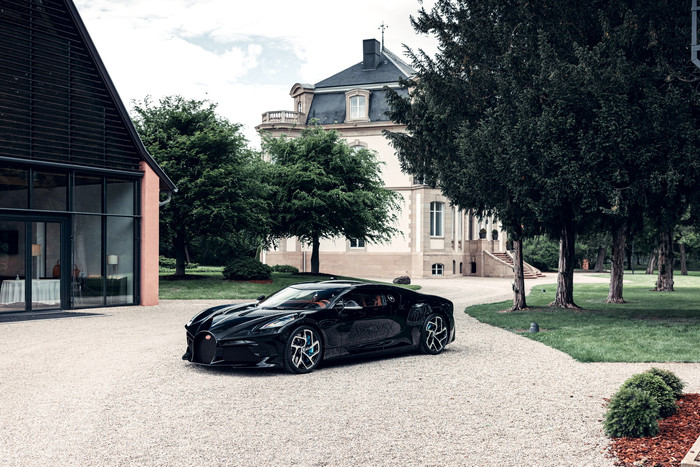
What car model do you recommend?
The cars I personally recommend are the Toyota Yaris, Honda Fit, Daihatsu Rocky, and Toyota Raize. The reason is that despite being base grades, they are equipped with a full range of safety features, and although they have the basic base configuration and minimal equipment, they have only recently undergone a full model change, so they have good resale value.
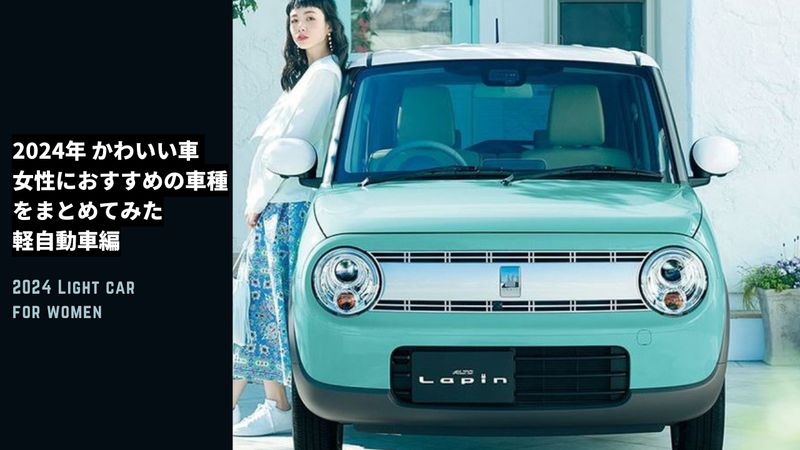
About Yaris
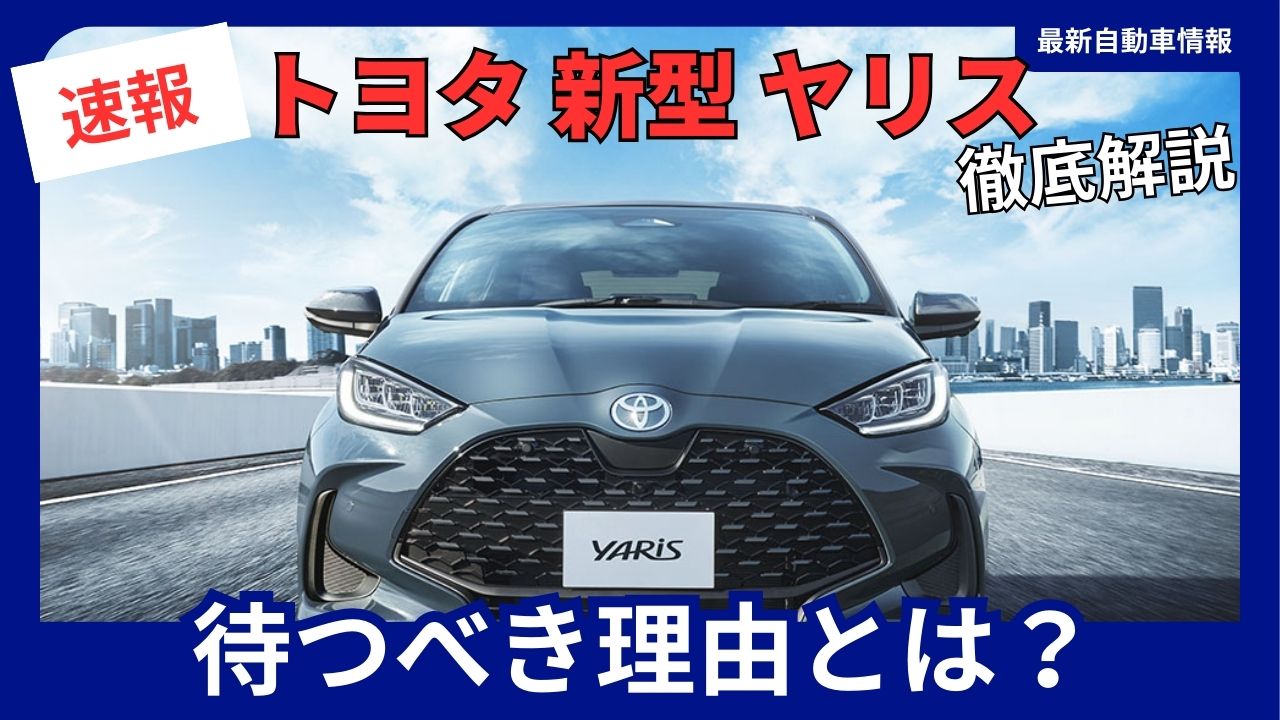
Toyota has completely redesigned the fourth-generation Vitz and at the same time renamed it the new Yaris, which will be announced in Japan on December 20, 2019, and released on February 10, 2020. The gasoline 4WD model will be released in April 2020.
- It adopts the newly developed TNGA (Toyota New Global Architecture) ” GA-B platform .”
- The new generation ” inline 3-cylinder 1.5L direct injection Dynamic Force Engine M15A type ” uses the compact ” THS II “.
- It is equipped with the second-generation Toyota Safety Sense , an advanced preventive safety technology .
- The car comes standard with a display audio system and supports Apple CarPlay and Android Auto. A DCM in-car communication device is also included as standard.
The previous Vitz is a globally popular car model that was officially announced and launched on December 22, 2010. It is undergoing a full model change exactly nine years after its release . Toyota applied for the name “YARIS” with the Japanese Patent Office on April 16, 2018 , and with this full model change, the name will be changed from Vitz to the same as it is used overseas. This will result in the discontinuation of the Vitz brand, and the car will be reborn as the globally unified brand “YARIS . ” This shows the importance of Toyota’s compact cars in the coming aging society .
Exterior
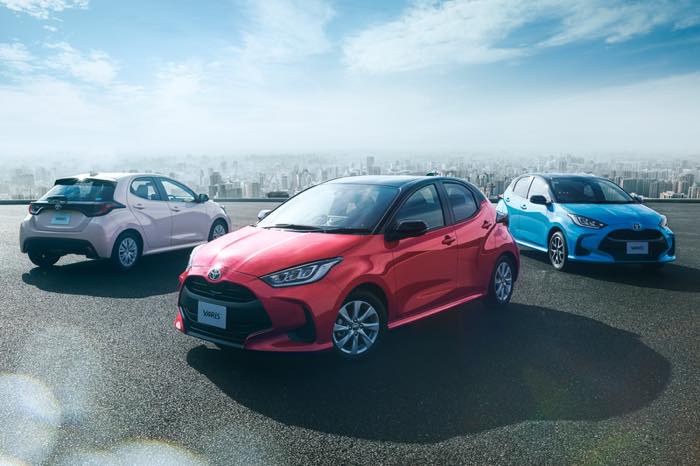
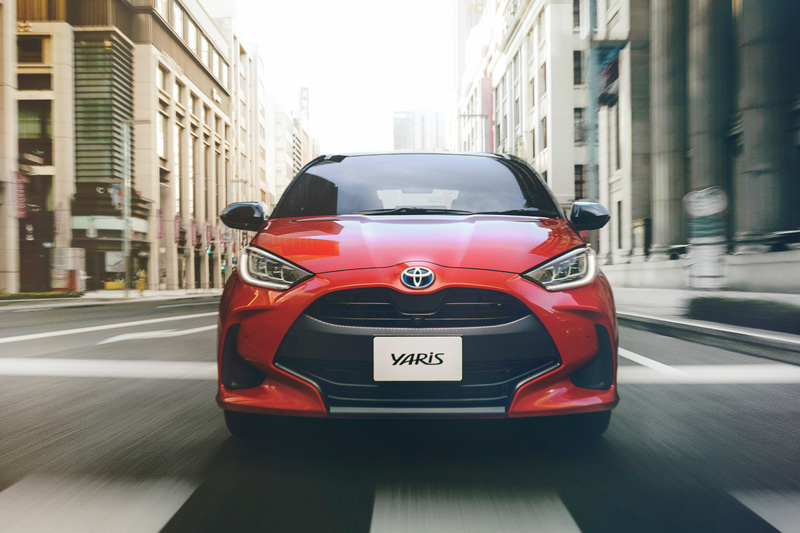
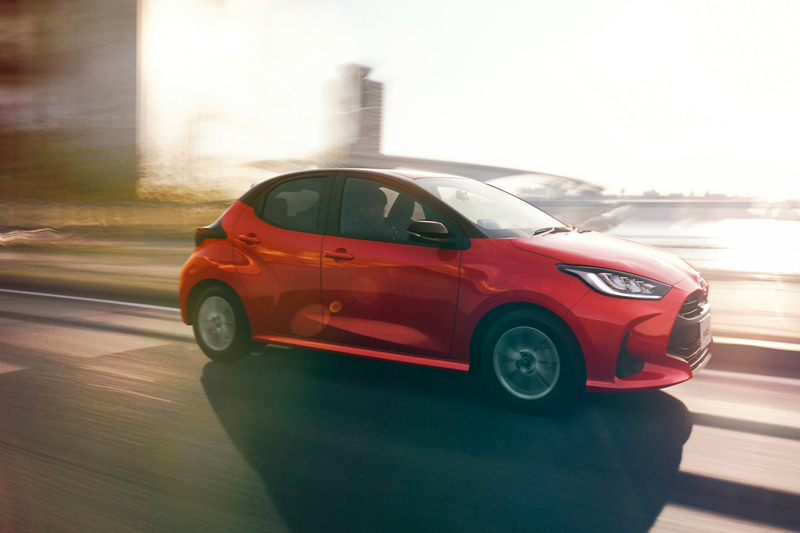
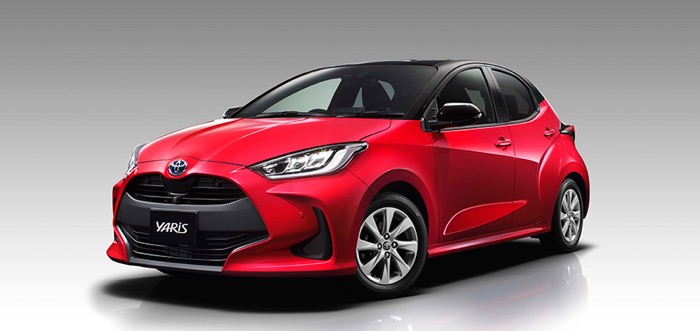
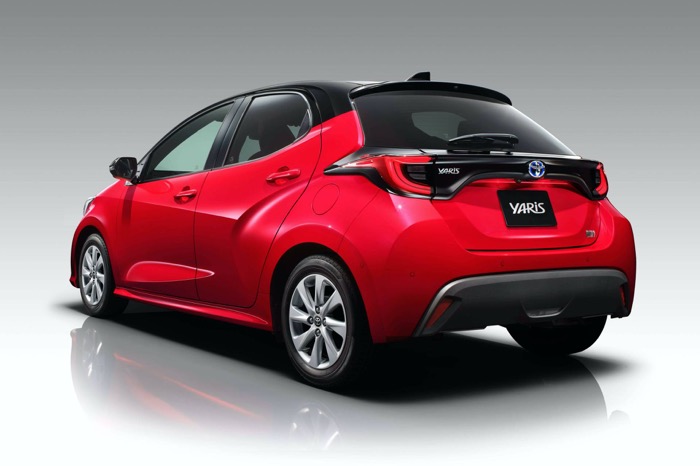
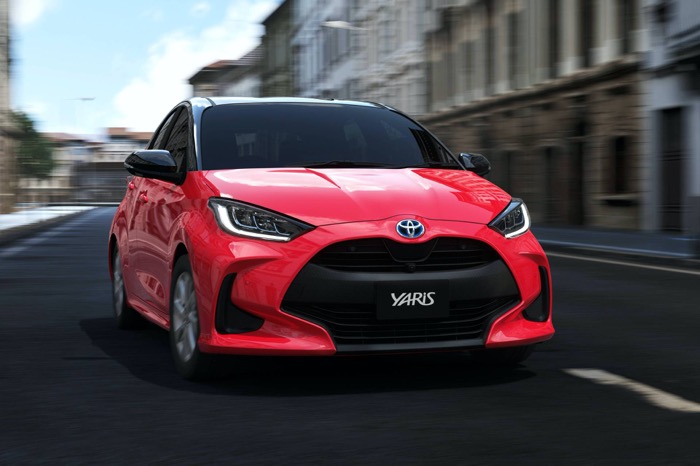
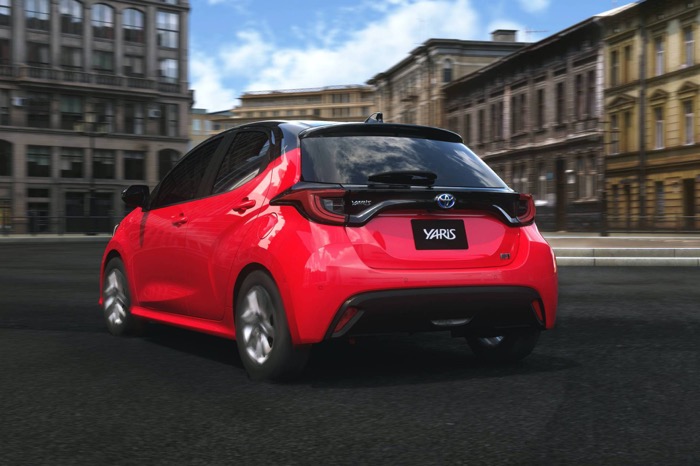
Selling global cars in Japan as part of a global strategy, rather than just Japan-exclusive models, and standardizing them worldwide will also lead to cost reductions. Toyota plans to change its sales network and standardize its models, eliminating waste to the fullest extent possible. The fourth-generation new “Yaris (Vitz)” was unveiled at the Tokyo Motor Show 2019, held from October 24th to November 4th, 2019 .
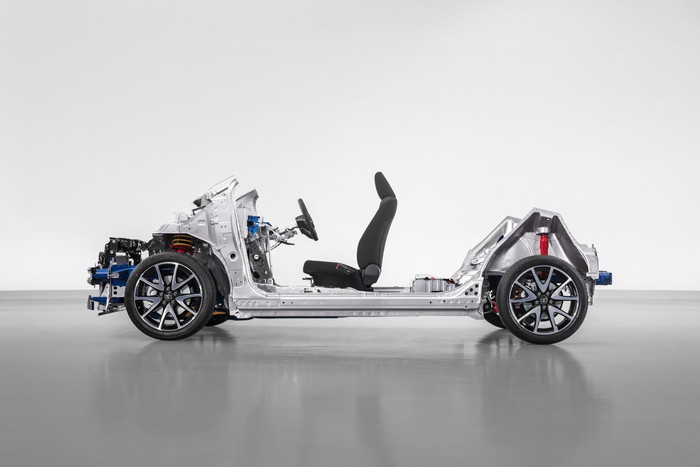
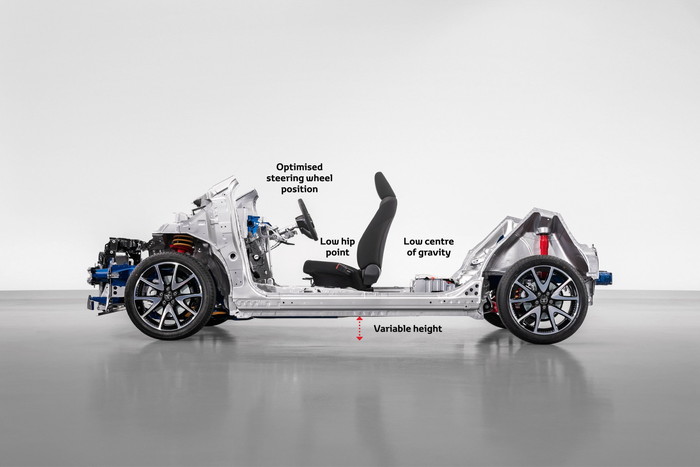
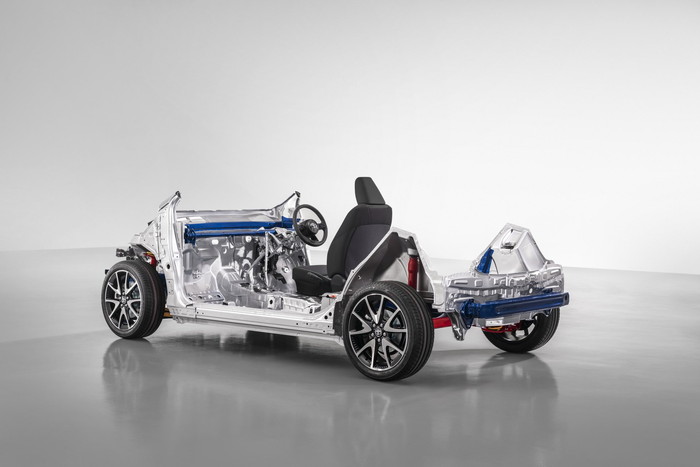
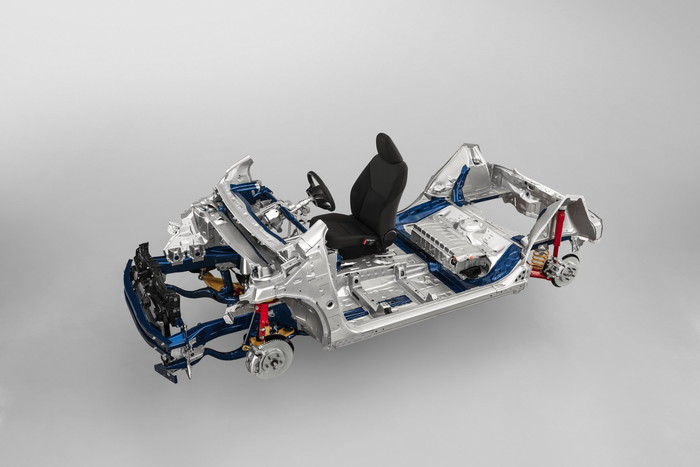
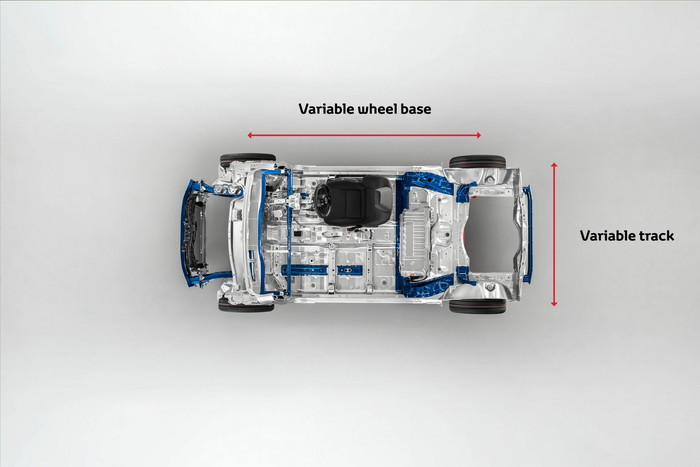
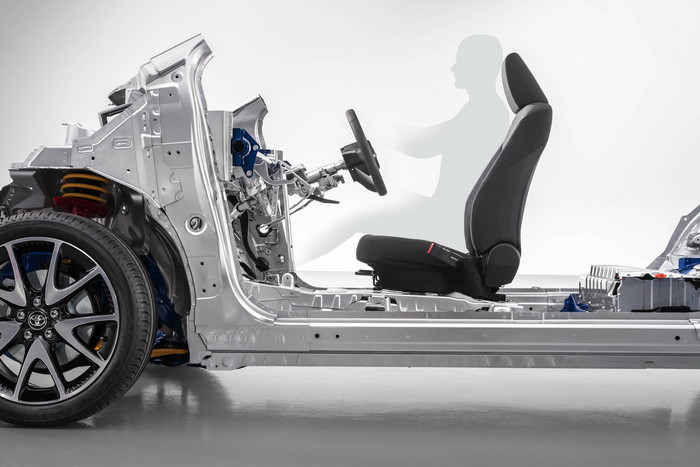
This time, the new car employs the newly developed ” GA-B platform ” based on the ” TNGA (Toyota New Global Architecture) ,” resulting in a larger interior space than the previous model. The newly developed platform achieves excellent aerodynamic performance and results in a 50kg (development target) weight reduction, a 15mm lower center of gravity, and more than 30% increased body rigidity, making it a significant improvement over the previous model. It achieves a weight of 940kg to 1090kg, falling below 1000kg. Despite being a 5-number size (length: 3940mm, width: 1695mm, height: 150mm, wheelbase: 2550mm), the new car boasts a spacious interior and is expected to feature more luxurious specifications than the previous model. It also achieves world-class fuel economy of 36.0km/L in WLTC mode.
interior
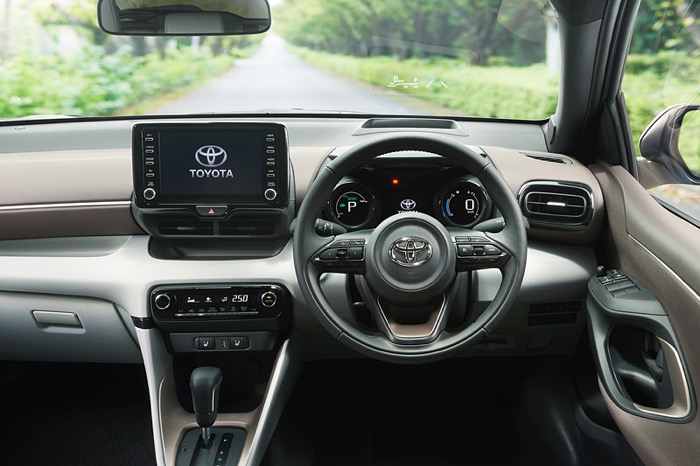
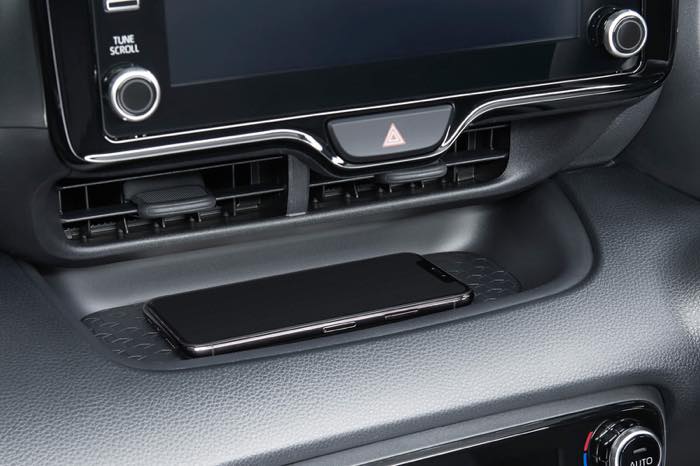
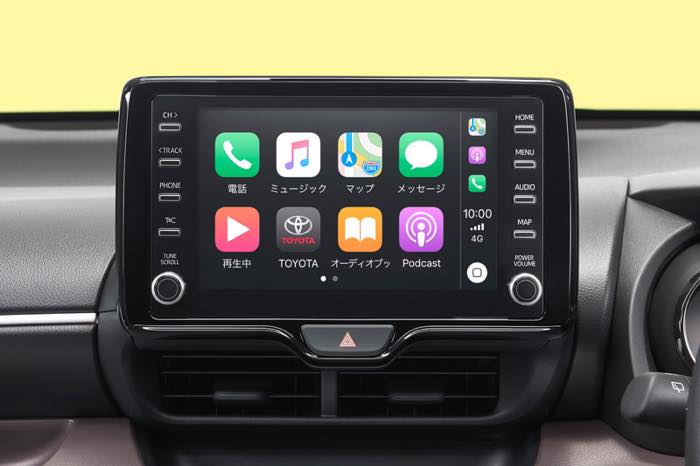
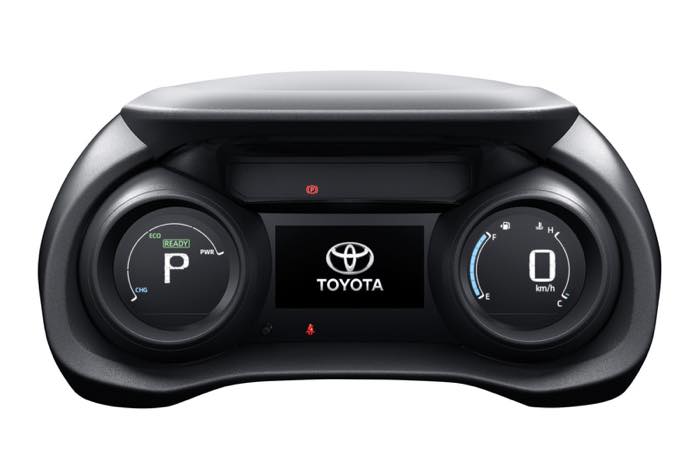
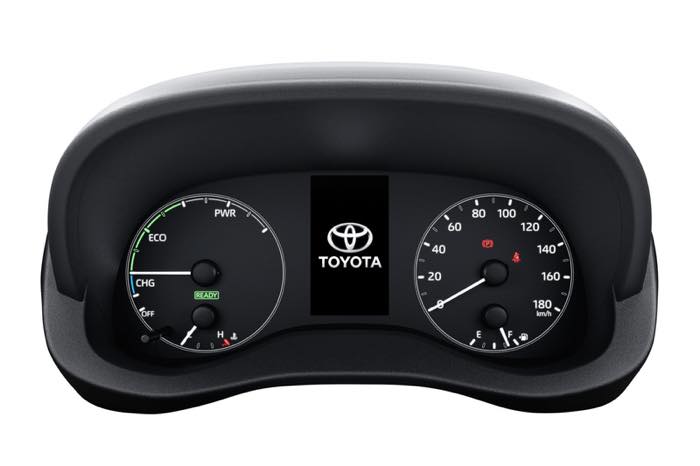
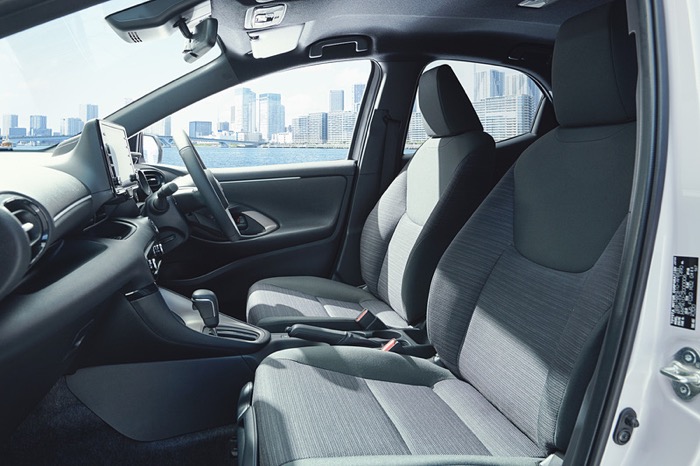
Display audio is standard and Apple CarPlay and Android Auto are adopted. DCM in-car communication device is also standard. Furthermore, the dedicated communication device DCM is standard on all vehicles, and the T-Connect service is provided free of charge for three years. The luggage compartment size is 1,000mm wide, 630mm long (when five people are riding), and 692mm to 830mm high. All vehicles have a 60/40 split folding rear seat. An AC100V 1500W “accessory outlet” can be added to the hybrid model (optional 44,000 yen).
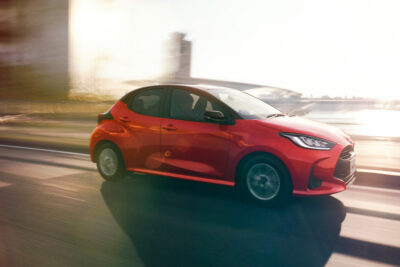
New Yaris minor change specs
| Specifications | New Yaris Hybrid |
New Yaris gasoline vehicle |
New Yaris gasoline vehicle |
|---|---|---|---|
| full length | 3,940mm | 3,940mm | 3,940mm |
| Overall width | 1,695mm | 1,695mm | 1,695mm |
| Overall height | 1,500mm (2WD) 1,515mm (4WD) |
1,500mm (2WD) 1,515mm (4WD) |
1,500mm (2WD) 1,515mm (4WD) |
| Wheelbase |
2,550mm | 2,550mm | 2,550mm |
| engine | Inline 3 1.5L + motor M15A-FXE type |
In-line 3-cylinder 1.5L engine M15A-FKS type |
Inline 3-cylinder 1.0L engine 1KR type |
| Maximum power | 67kW (91ps) / 5500rpm |
88kW (120ps) / 6600rpm |
51kW (69ps) / 6000rpm |
| Maximum torque | 120Nm (12.2kgfm) / 3800-4800rpm |
145Nm (14.8kgfm) / 4800-5200rpm |
92Nm (9.4kgfm) / 4400rpm |
| Motor maximum output |
Front: 59kW (80ps) Rear: 3.9kW (5.3ps) |
– | – |
| Motor Max Torque |
Front: 141Nm (14.4kgm) Rear: 52Nm (5.3kgm) |
– | – |
| WLCT mode fuel economy |
36.0-35.4km/L (2WD) 30.2km/L (4WD) |
21.4-21.6km/L 19.2km/L |
19.6-20.2km/L |
| Drive system | 2WD/4WD (E-Four) |
2WD/4WD | 2WD |
| Passenger capacity | 5 people | 5 people | 5 people |
| Minimum turning radius |
4.8m to 5.1m | 4.8m to 5.1m | 4.8m to 5.1m |
transmission |
Electric continuously variable transmission |
Direct Shift- CVT 6-speed MT |
CVT |
About Fit
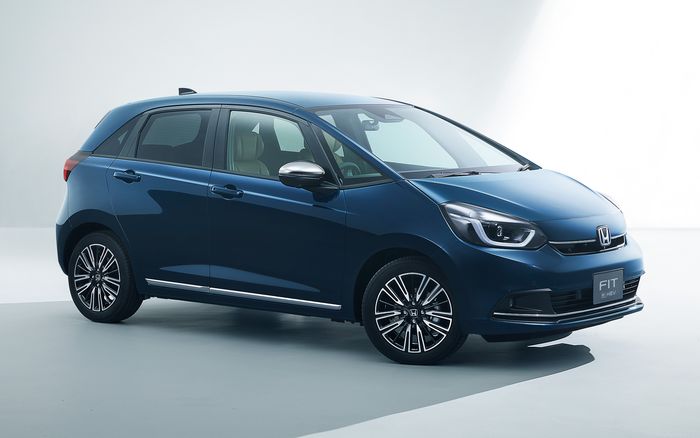
Honda has completely redesigned the new Fit and will release it on February 14, 2020. It adopts the “i-MMD (e:HEV) two-motor hybrid system.” The new “CROSSTAR” model features a crossover-style exterior design. “Honda Connect” is being adopted for the first time in Japan.
Exterior
The new fourth-generation Fit keeps the same concept as the previous model, but has been extended in length, making the interior more spacious and improving usability. It’s not quite as long as the new Freed , but it has a total length of 3,995mm. There are five different types: “BASIC,” “HOME,” “NESS,” “LUXE,” and “CROSSTAR.” NESS is a sports type, and comes from the word “fitness.” HOME is inspired by the image of a comfortable home.
Like the new Freed , the new CROSSTAR is the only grade with a ground clearance that is 5mm to 25mm higher than other grades, a total length of 4,090mm, and a total width of 1,725mm, making it a 3-number size crossover-style exterior design . The CROSSTAR features a specially designed front grille, front and rear bumpers, and aluminum wheels. The door outer handles and door mirrors are painted silver, and the side sill garnish has been changed to black. Exclusive roof rails have also been added.
Fit “HOME”
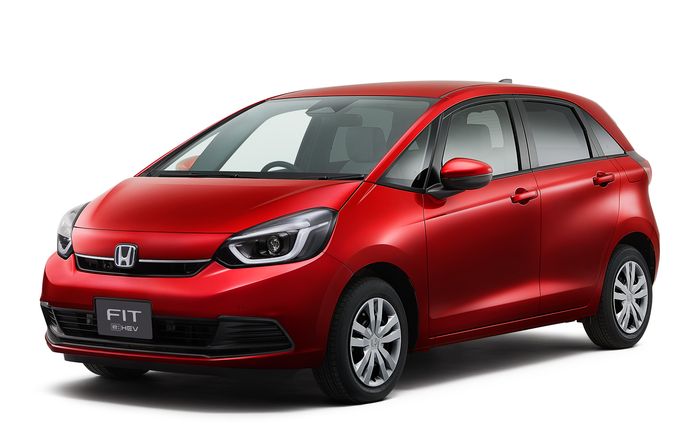
Fit “HOME” after minor change
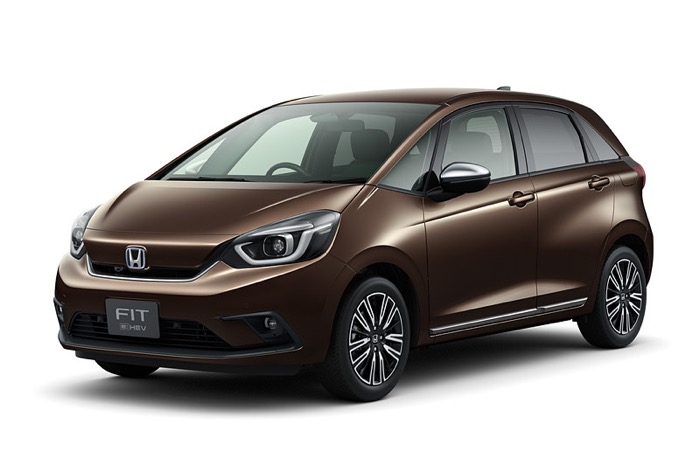
Fit “LUXE”
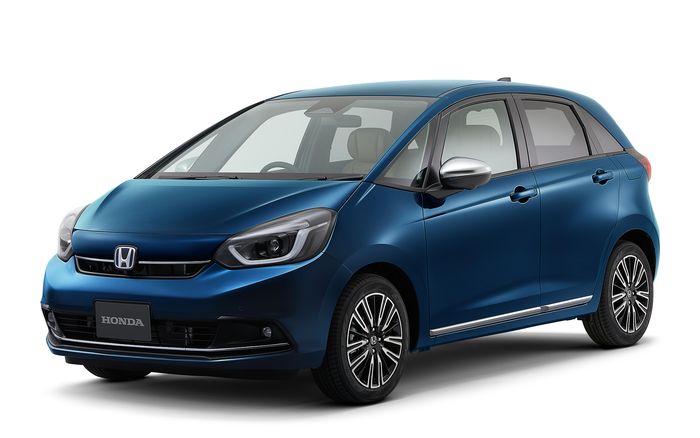
Fit “LUXE” after minor change
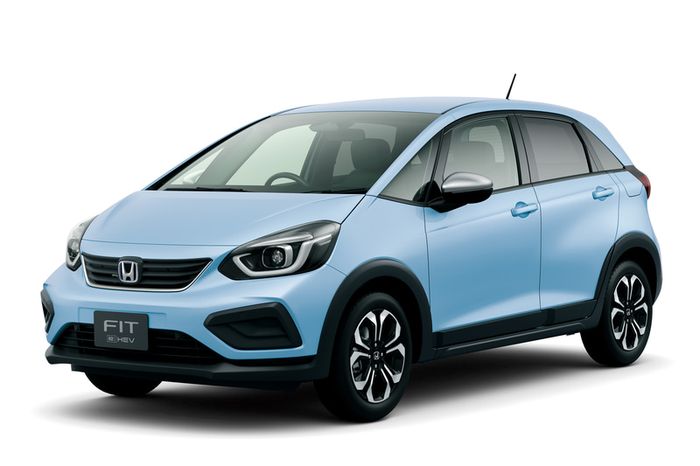
Fit “CROSSTAR”
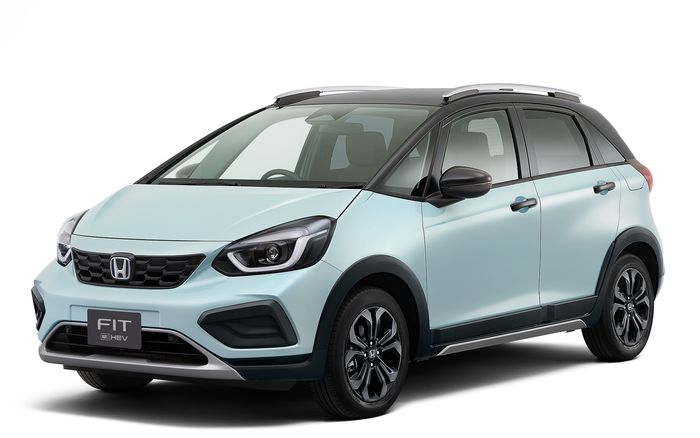
Fit “CROSSTAR” after minor change
interior
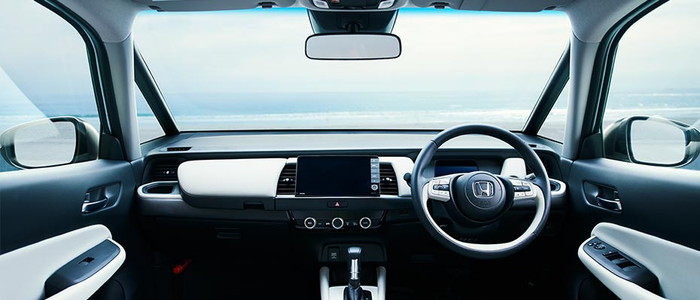
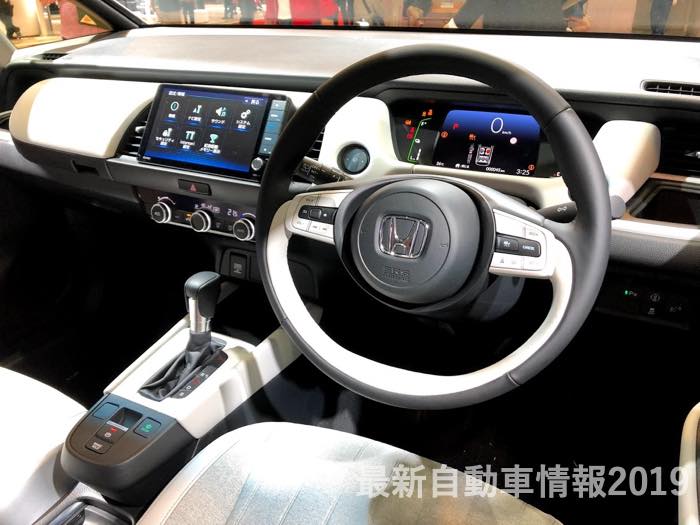
The interior panels have a horizontal, straight-line design, and the wipers are less visible from inside the car, improving visibility. When you get in the car, you’ll see that the wipers and other parts are positioned out of the way, giving the impression of improved visibility .
The front pillars feature a different cross-section than conventional models, allowing for load distribution to the body in the event of a collision. The front A-pillars are incredibly thin, almost to the point of being unnatural, but they certainly offer minimal obstruction to visibility when turning right or left. The interior features a new-generation ” body stabilizing seat ” for the front seats, developed with a view to being installed in high-end sedans . This seat structure provides a soft, comfortable seating position that reduces fatigue even during long drives. The ” Auto Brake Hold ” function maintains the vehicle stationary even when the driver’s foot is removed from the brake pedal, and is released when the accelerator is pressed, making it useful in traffic jams . The ” telescopic and tilt steering mechanism ” allows for optimal driving positioning for both large and small passengers. The ” parking brake system ” employs four sensors in the rear bumper to detect obstacles behind the vehicle and provide audible and visual alerts. The rear seats, like the first generation, have maintained a center-tank layout, giving the impression of spaciousness.
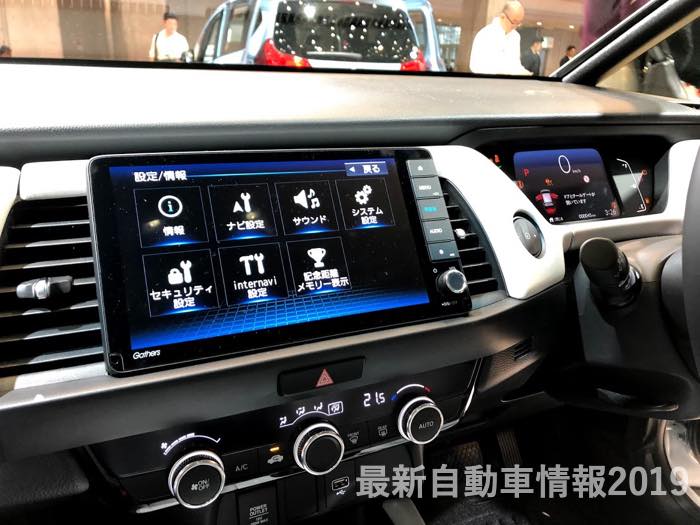
Advanced Equipment
This is the first car in Japan to be equipped with Honda CONNECT, an in-vehicle communication module exclusively for Honda vehicles . It allows remote operation via smartphone, and in the event of an emergency such as an accident, the car itself will connect to an emergency support center, enabling quick and accurate response and trouble-shooting support.
The advanced safety driving support system , Honda SENSING , now features a new front wide-view camera, and in combination with a total of eight sonar sensors installed at the front and rear of the vehicle, Honda has added a near-collision mitigation brake system, a first for Honda, which is now standard equipment on all vehicles.
New Fit minor change specs
Honda has made minor changes to the Fit, releasing it on October 7, 2022. By changing the 1.3L DOHC i-VTEC engine to a 1.5L direct-injection DOHC i-VTEC engine , maximum power and torque have been increased, resulting in a more comfortable ride.
| Specifications | New Fit | |
|---|---|---|
| full length | 3,990mm (4,090mm) | |
| Overall width | 1,695mm (1,725mm) | |
| Overall height | 1,515 to 1,565 mm (1,545 mm) | |
| Wheelbase | 2,530mm | |
| engine | 1.5L i-VTEC engine | 1.5L i-VTEC engine + new i-MMD (e:HEV) |
| Maximum power | 96kW (131PS)/ 6,600rpm |
72kW (98PS) / 5,600-6,400rpm |
| Maximum torque | 155Nm (15.8kgfm)/ 4,600rpm |
127Nm (13.0kgfm) / 4,500-5,000rpm |
| Motor maximum output |
– | 80kW (109PS) / 3,500-8,000rpm |
| Motor Max Torque |
– | 253Nm (25.8kgfm) / 0-3,000rpm |
transmission |
CVT | Electric continuously variable transmission |
| Drive system | 2WD (FF) / 4WD |
2WD (FF) / 4WD |
| Passenger capacity | 5 people | |
| JC08 mode fuel economy | – | 38.6km/L (2WD) 30.8km/L (4WD) |
| WLTC mode fuel economy | 20.2km/L (2WD) 18.2km/L (4WD) |
29.4km/L (2WD) 24.0km/L (4WD) |
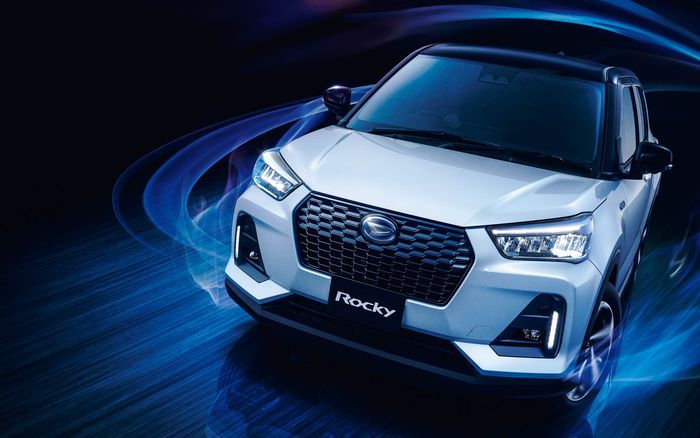
About the new Rocky
Daihatsu released the new 5-number size compact SUV “Rocky” on November 5, 2019. Daihatsu will be responsible for everything from planning and development to production, and will release the new ” Raize ,” an OEM vehicle supplied to Toyota.
Exterior
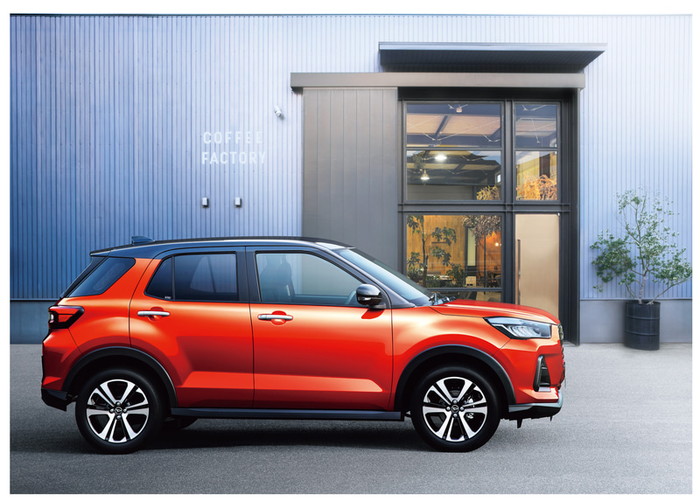
The new Rocky is a compact SUV with a body size of 3,995mm in length, 1,695mm in width, and 1,620mm in height, within the 5-number size. The exterior features an outdoor-oriented design, similar to that used in the new RAV4, as well as a powerful and bold design that follows the tradition of Toyota SUVs . The platform is Daihatsu’s DNGA platform , and it is the second DNGA model following the new Tanto . LED sequential turn lamps (flowing blinkers) are adopted in the top grades, G and Premium.
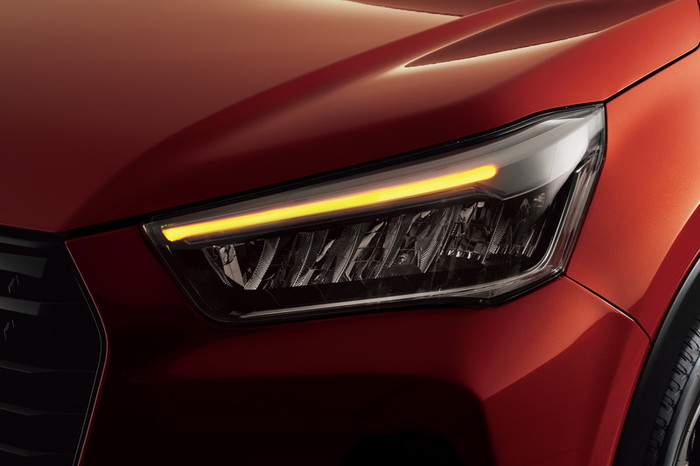
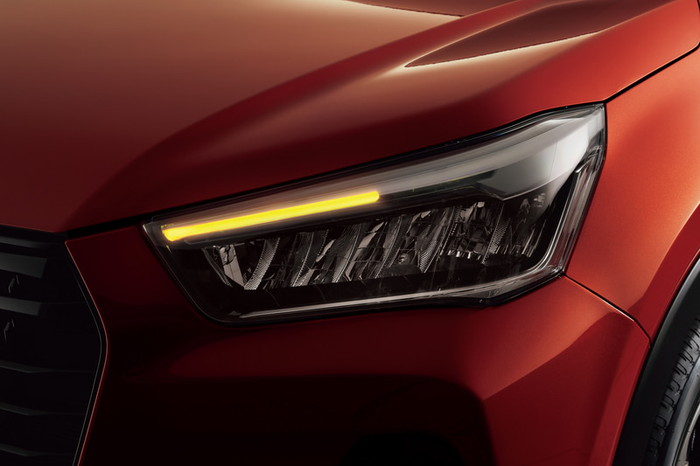
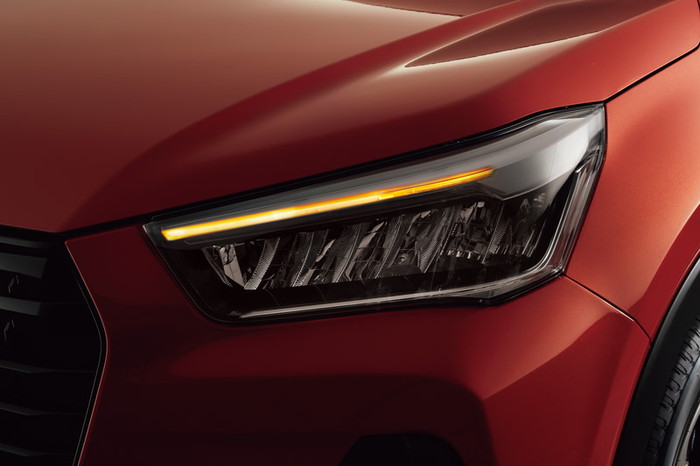
It uses large 17-inch or 16-inch tires. The minimum turning radius is 4.9 to 5.0 meters. It also features Dynamic Torque Control 4WD. As it is designed, developed and manufactured by Daihatsu, it also uses the advanced technology ” Next Generation Smart Assist .”
interior
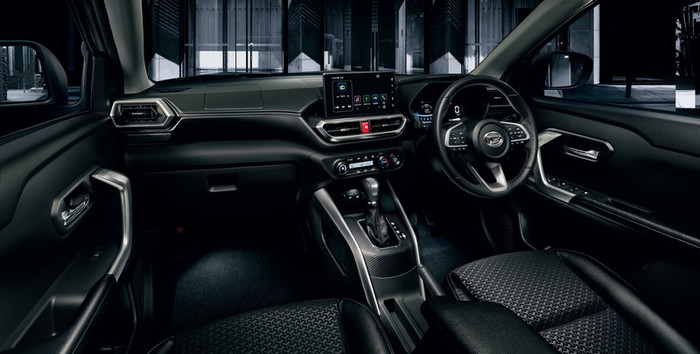
The meter uses a 7-inch full LCD display “Active Multi-Information Meter.” It also uses a “9-inch Display Audio” exclusive to the Raize. Apps compatible with SmartDeviceLink and Apple CarPlay can be operated on the display. It also uses ” Daihatsu Connect, ” a service that connects the display audio and car navigation system to smartphones.
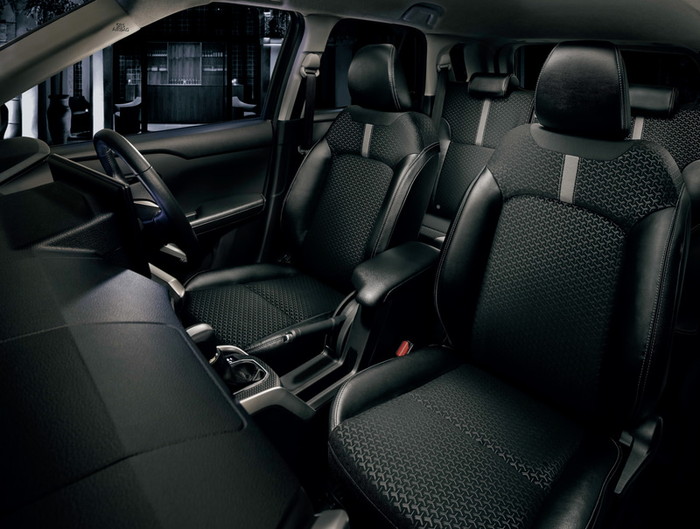
The luggage capacity is 369L.
New Rocky minor change specs
Daihatsu will make minor changes to the new Rocky , adding a new hybrid grade, e-SMART HYBRID , which will go on sale on November 1, 2021. The company will also release a hybrid model of the new Raize , an OEM vehicle supplied to Toyota .
| Specifications | New Rocky Hybrid |
New Rocky | |
|---|---|---|---|
| full length | 3,995mm | ||
| Overall width | 1,695mm | ||
| Overall height | 1,620mm | ||
| Wheelbase | 2,525mm | ||
| engine | 1.2L inline 3-cylinder engine + motor |
1.2L inline 3-cylinder engine |
1.0L inline 3-cylinder turbo engine |
| Maximum power | 60kW (82ps) / 5,600rpm |
64kW (87ps) / 6,000rpm |
72kW (98ps) / 6,000rpm |
| Maximum torque | 105Nm (10.7kgfm) / 3,200-5,200rpm |
113Nm (11.5kgfm) / 4,500rpm |
140Nm (14.3kgm) / 2,400-4,000rpm |
| Motor maximum output |
78kW (106ps) | – | – |
| Motor Max Torque |
170Nm (17.4kgm) | – | – |
transmission |
Electric continuously variable transmission |
D-CVT | D-CVT |
| Drive system | 2WD | 2WD | 4WD |
| Minimum turning radius | 4.9 to 5.0 m | ||
| Tire size | 195/60R17 | ||
| WLCT mode fuel economy | 28.0km/L | 20.7km/L (2WD) | 17.4km/L (4WD) |
| JC08 mode fuel economy | 34.8km/L | 23.6-24.6km/L (2WD) | 21.2km/L (4WD) |
Summary of cheap standard cars
Even if you’re not looking for an entry-level model, the Raize, Rocky, Yaris, and Fit are all priced at under 2 million yen, so they are highly recommended. The Raize and Rocky are especially popular SUV models, but the fact that they can be purchased for around 2 million yen is a great advantage for potential buyers. We hope this information will be helpful when making your purchase.
https://car-repo.jp/blog-entry-2024-a-car-that-can-be-bought-for-3-million-yen.html