

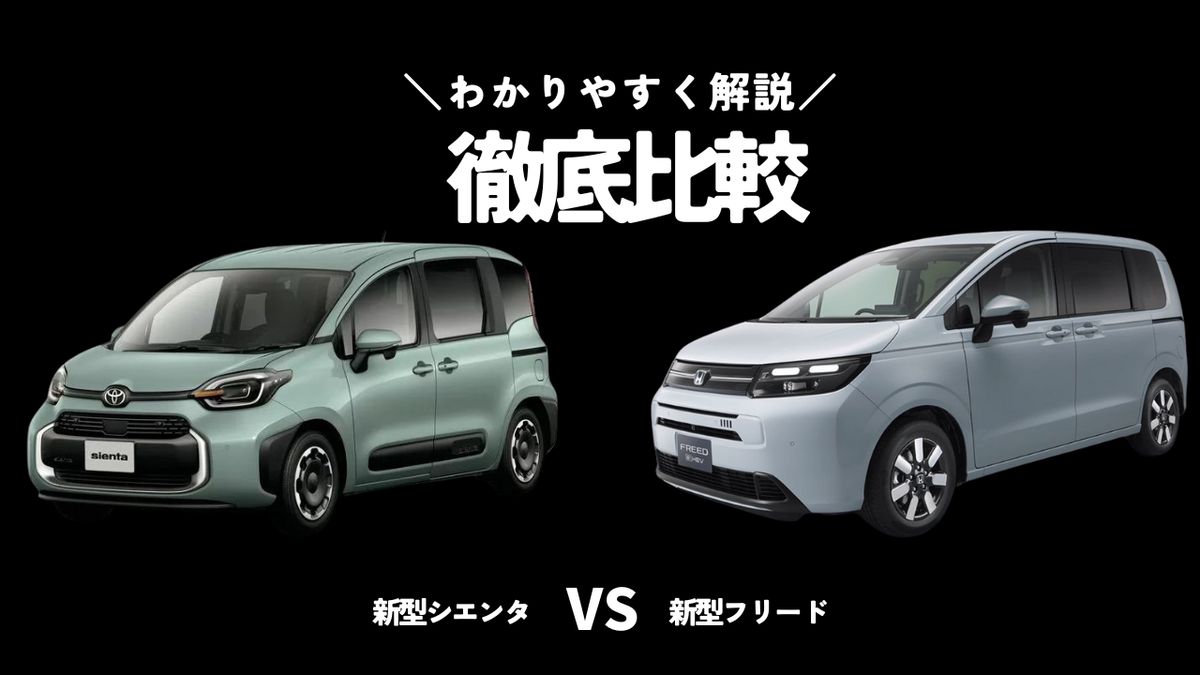
Compact minivans are perennially popular as family cars. Despite their compact size, they offer numerous advantages, including seating for up to seven people, the ability to carry large luggage, and easy access to the rear seats thanks to sliding doors . Here, we compare the specs of the 2024 models of the third-generation Honda Freed and Toyota Sienta, two of the most powerful compact minivans. We hope this review helps you decide whether to buy one.
About Sienta
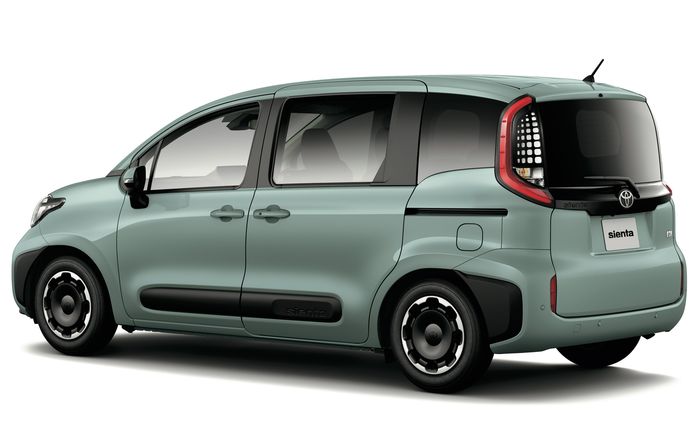
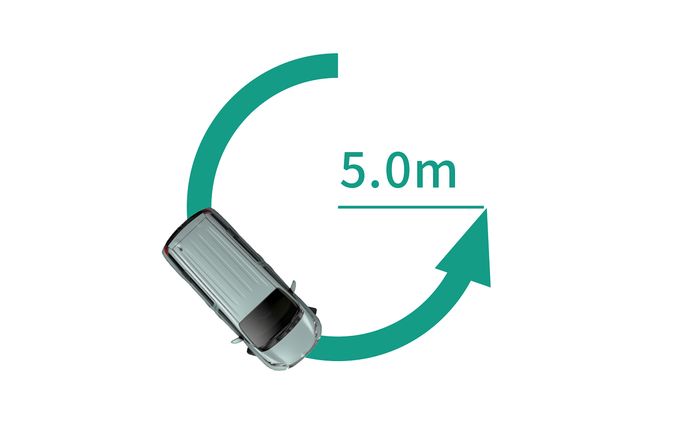
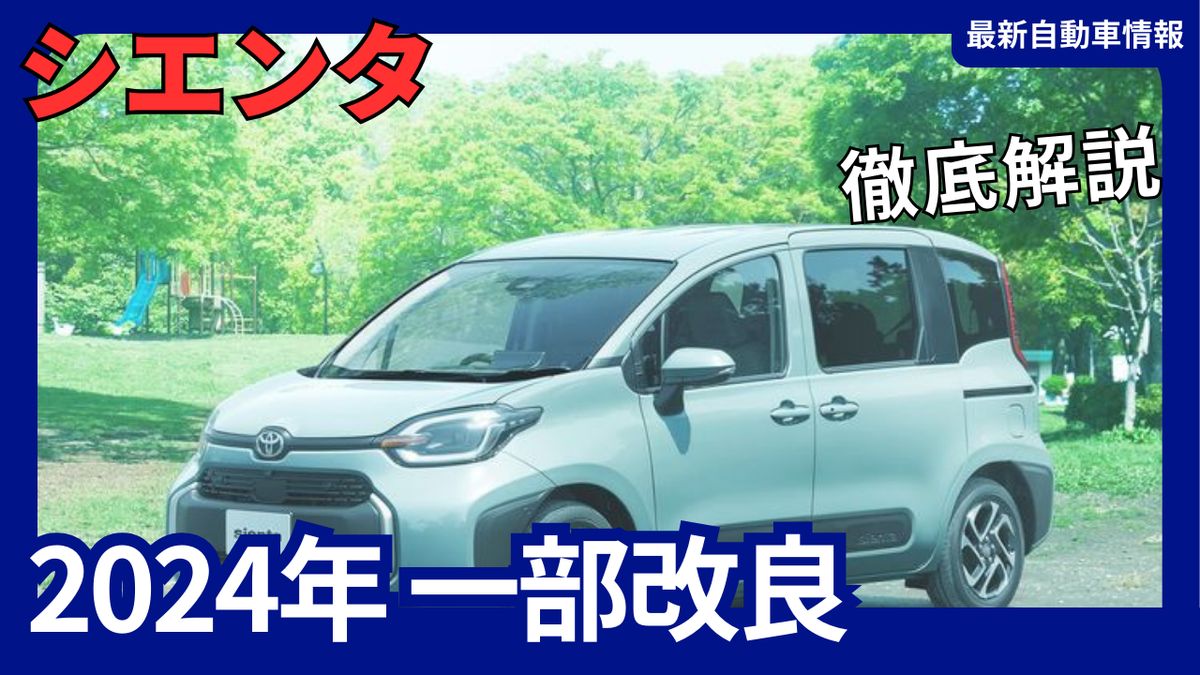
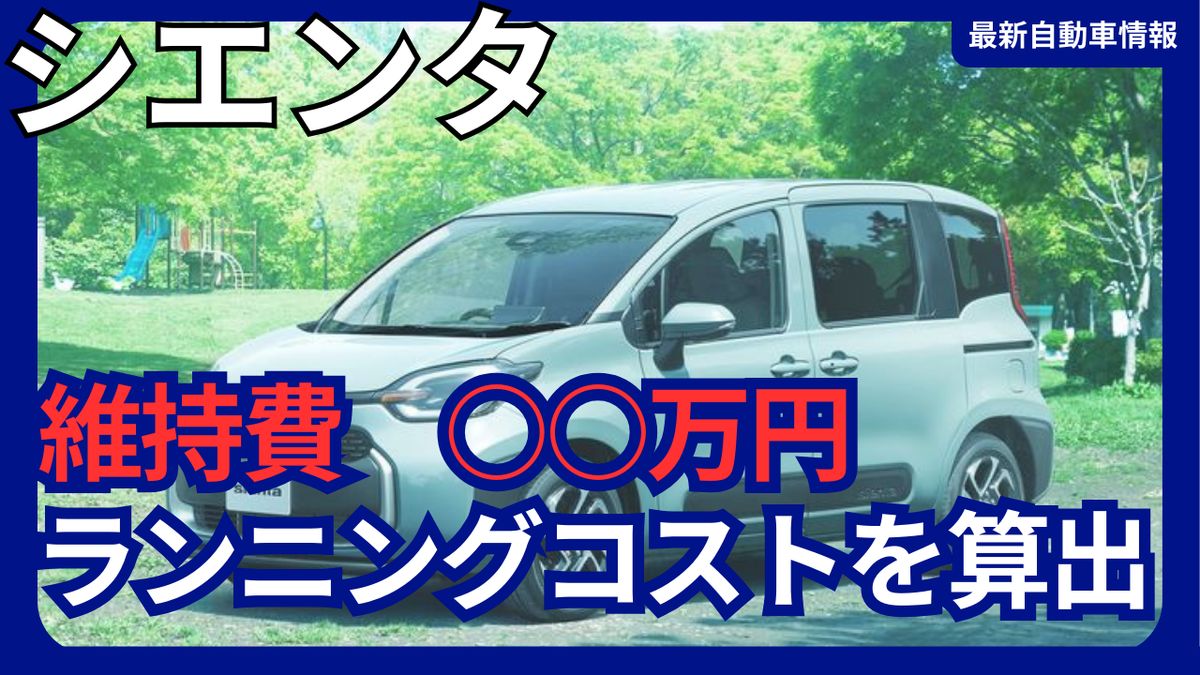
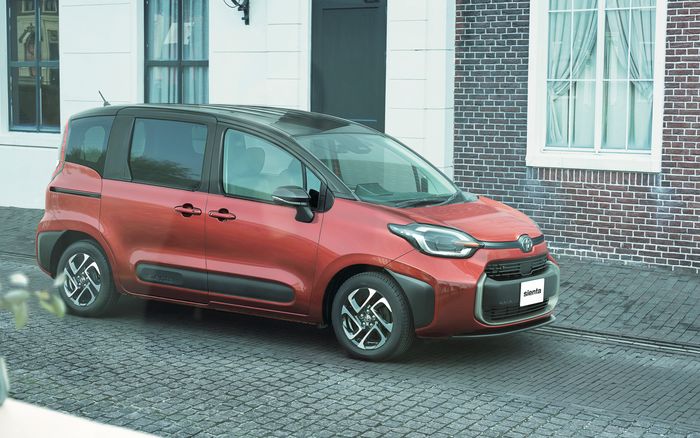
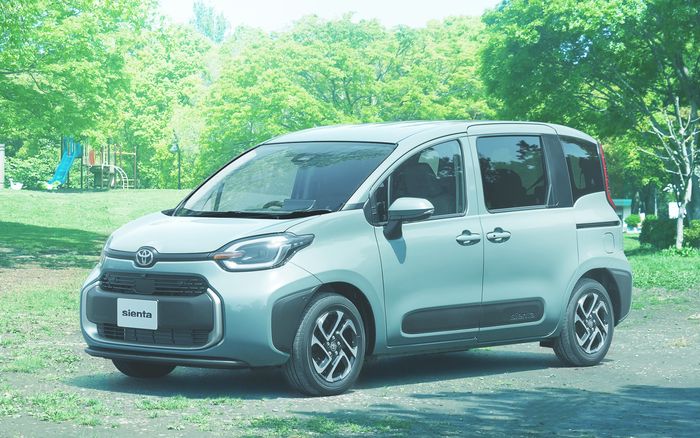
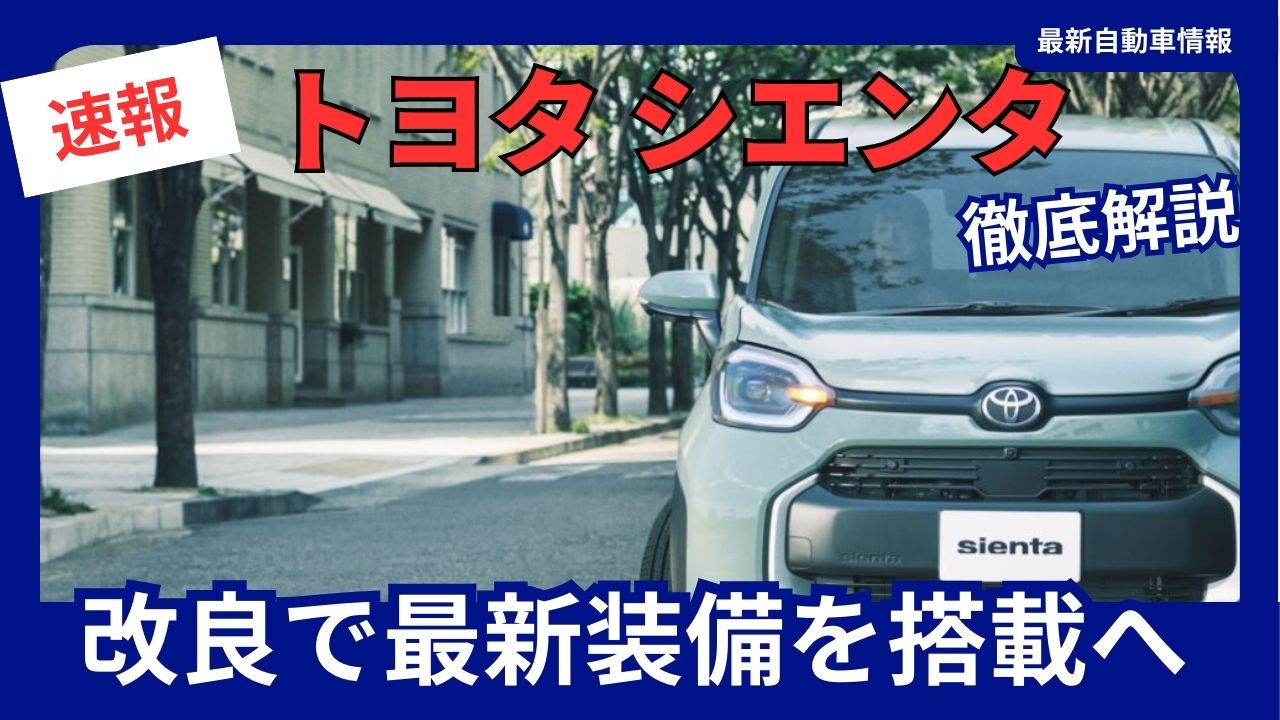
While many car models are now tending to have wider body sizes, the Sienta maintains its 5-number size in response to market needs. The standard model measures 4,280mm in length, 1,695mm in width, and 1,695mm in height, with the width remaining the same but the length and height increased by 20mm. The wheelbase is the same as the previous model at 2,750mm, and the minimum turning radius is 5.0m, allowing for smooth maneuvering on narrow roads and in parking lots.
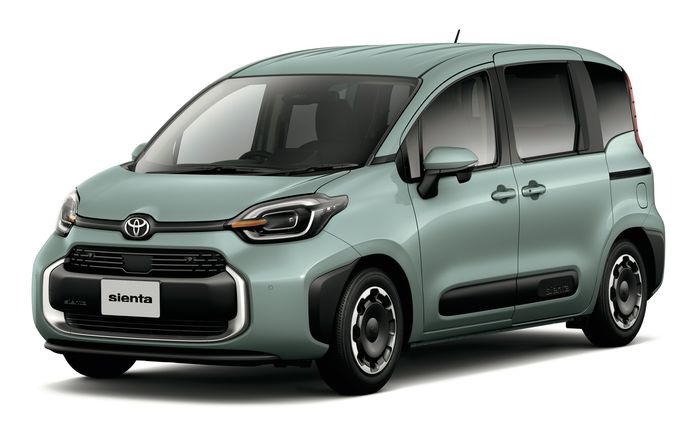
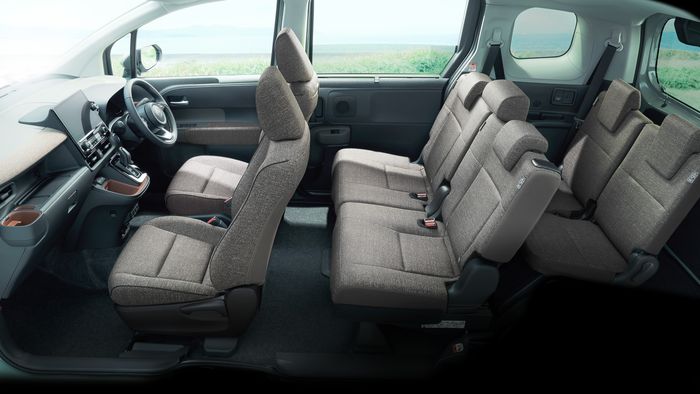
The Sienta, positioned at the top level of compact minivans, provides ample space for a large shopping basket by ensuring sufficient distance between the front and rear seats. With an interior height of 1,300 mm and ample headroom, it creates an open and spacious interior. Ease of movement within the vehicle has also been taken into consideration, allowing for smooth movement between the first and second rows.
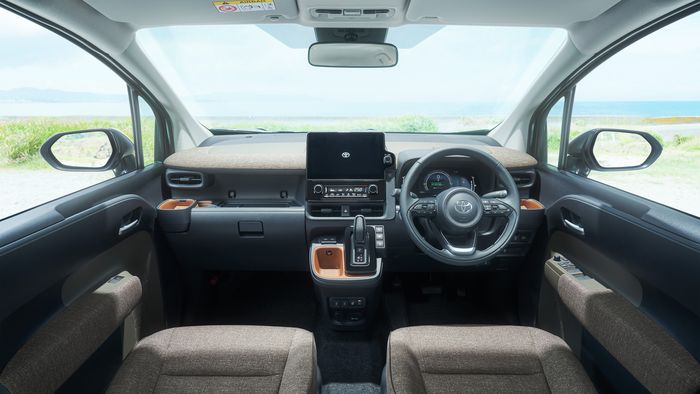
The Z grade comes standard with rear seat sunshades and ceramic dots (sliding door glass), and the interior is also well-designed. The meter is equipped with either an Optitron meter + large 7.0-inch TFT multi-information display (standard on the Z grade) or an analog meter + 4.2-inch TFT color multi-information display (standard on the GX).
The front seats are equipped with an 8-inch or 10.5-inch display audio and a T-Connect SD navigation system, which is also compatible with CarPlay and AndroidAuto. Furthermore, a DCM in-car communication device is standard equipment, and the basic fee for connected services is free for five years. The car also comes with “Nanoe X (manufacturer option),” which emits OH radicals containing fine particle ions from the air vent on the driver’s seat side, providing a comfortable interior environment.
Finally, the switches on the steering wheel and around the instrument panel are well-placed and appear easy to use.
This latest model has evolved into a completely different vehicle. Improved soundproofing and body composites have significantly improved ride comfort. It also uses the newly developed GA-B platform based on the Toyota New Global Architecture (TNGA) , which has completely revamped the vehicle’s basic structure. The suspension employs a MacPherson strut front suspension and a torsion beam coil spring rear suspension .
Additionally, the car is equipped with a new generation in-line 3-cylinder 1.5L direct injection Dynamic Force Engine M15A , which incorporates a new, downsized Toyota Hybrid System (THS II), delivering more efficient power and fuel economy.
About Freed
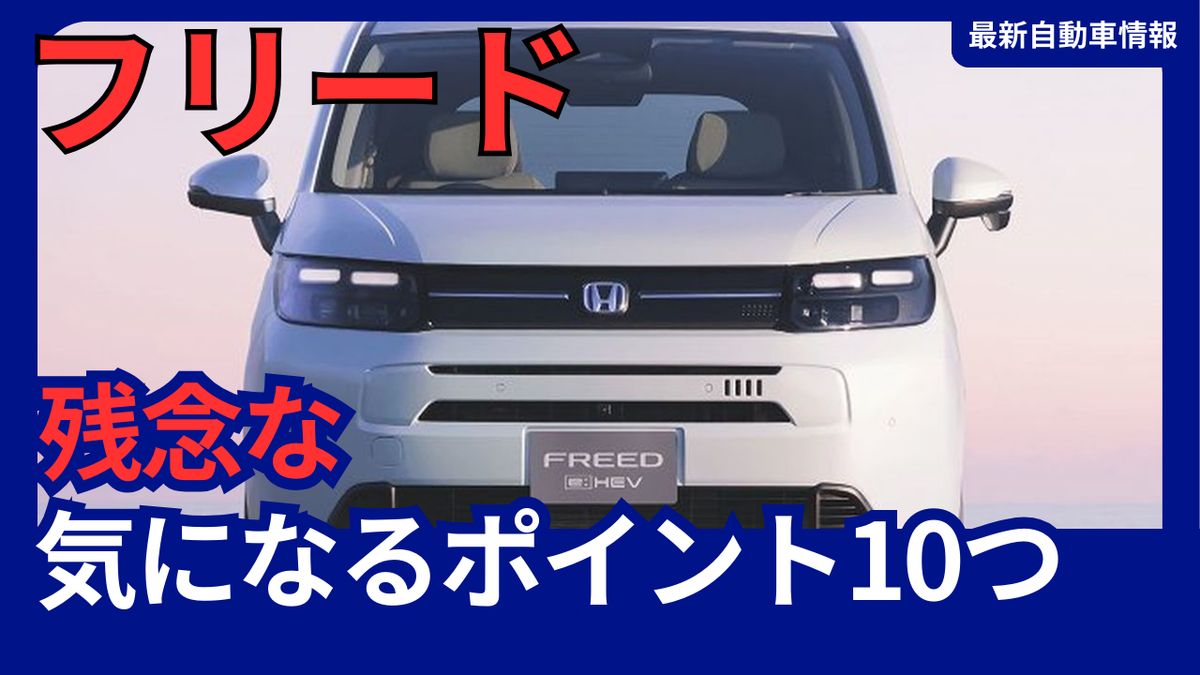
The third Freed will be announced on May 9, 2024, and released on June 28, 2024. While maintaining its 5-number size (AIR), the overall length has been extended, further expanding the interior space and improving usability. It also features the i-MMD (e:HEV) two-motor hybrid system. Honda SENSING, the advanced safety driver assistance system, now features a new front wide-view camera, combined with a total of eight sonar sensors installed at the front and rear of the vehicle, adding features such as near-collision mitigation braking and blind spot information, which are now standard equipment on all vehicles.
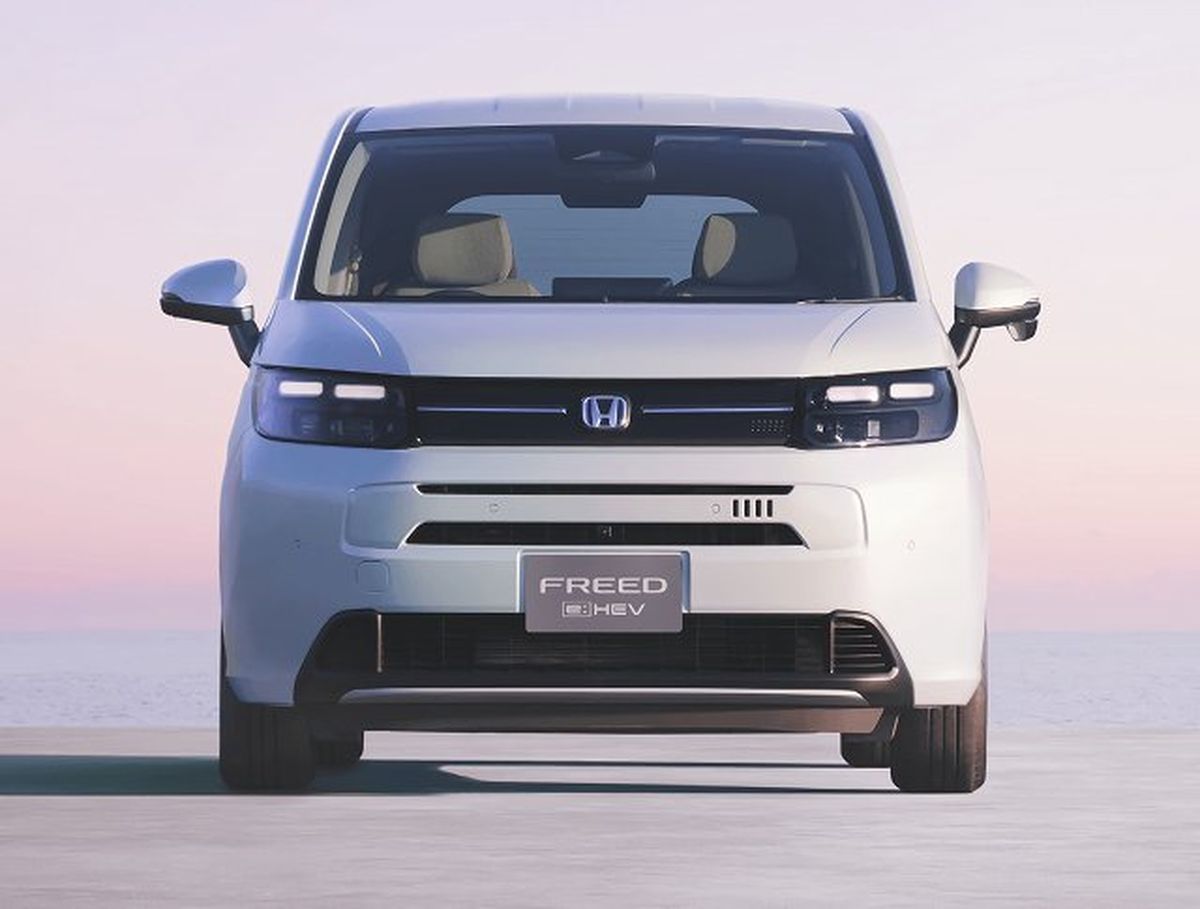
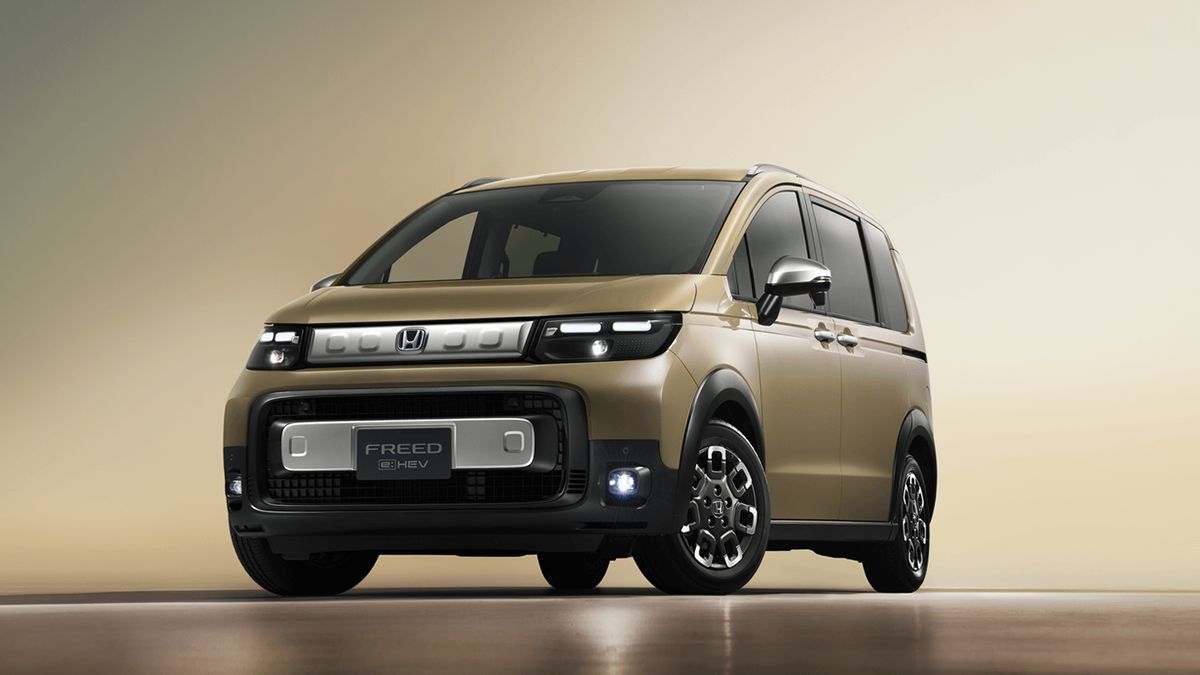
The lineup includes the standard model ” Freed AIR” and the active style “CROSSTAR.” The Freed AIR maintains its 5-number size with a total length of 4,310mm, a total width of 1,695mm, a total height of 1,755mm, and a wheelbase of 2,740mm. The Freed CROSSTAR is a 3-number size with a total length of 4,310mm, a total width of 1,720mm, a total height of 1,755mm, and a wheelbase of 2,740mm. Compared to the previous model, the total length and height have been increased by 45mm and 40mm, respectively, further expanding the interior space and improving usability.
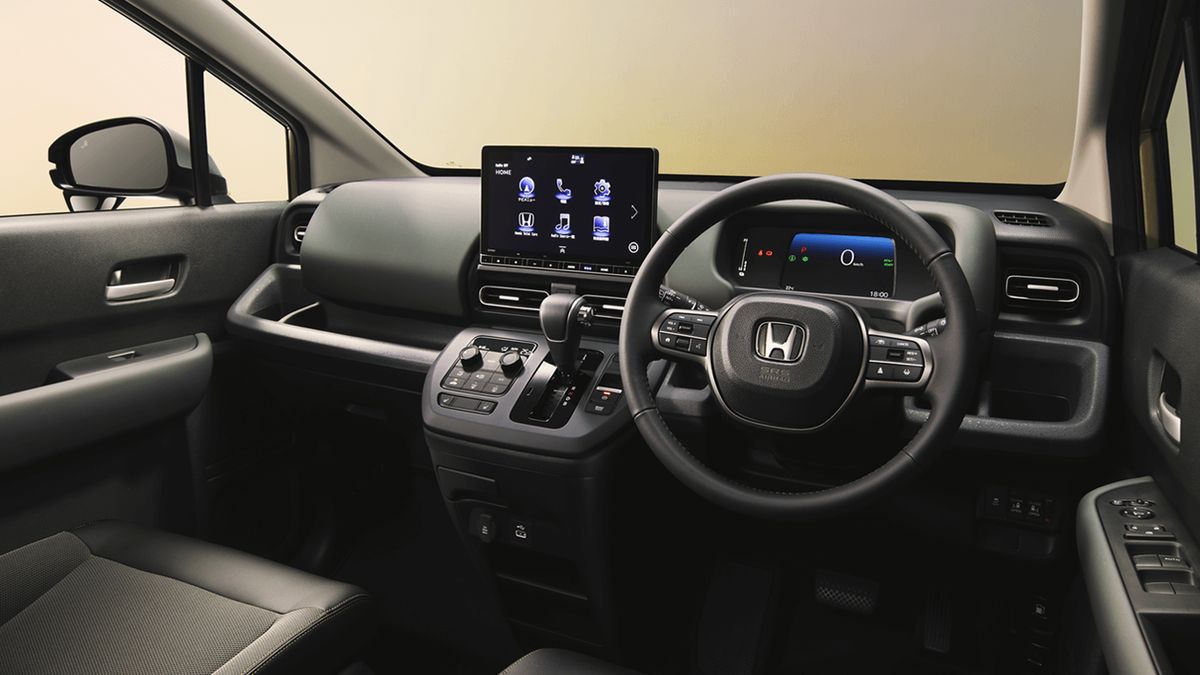
The interior features a steering wheel design similar to that of the current Fit. The LCD meter also has a similar design to that of the current Fit. The front control panel has a design similar to that of the Step WGN. The shift mechanism uses a lever that moves back and forth. Equipped with an “electric parking brake” and “auto brake hold” function, the vehicle remains parked even when the driver’s foot is removed from the brake pedal and is released when the accelerator is pressed, making it useful in traffic jams. The “telescopic and tilt steering mechanism” allows drivers of all sizes to find the optimal driving position. The “parking brake system” employs four sensors in the rear bumper that detect obstacles behind the vehicle and alert the driver with sound and display. The rear seats are equipped with “rear ventilation.”
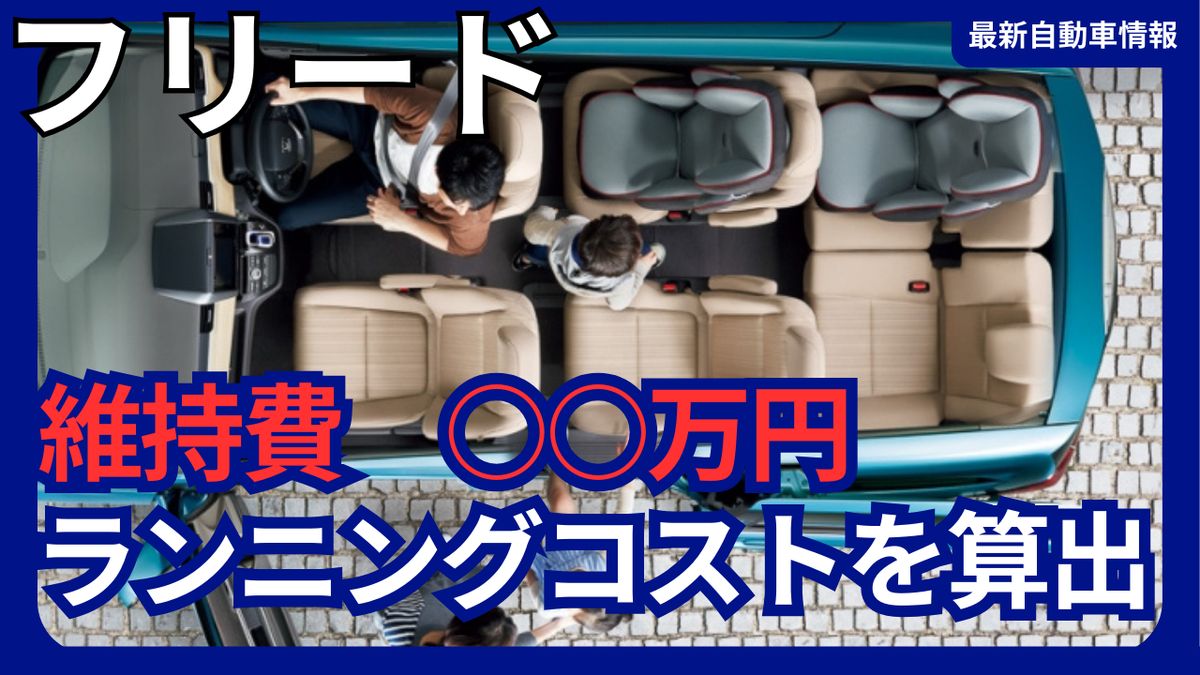
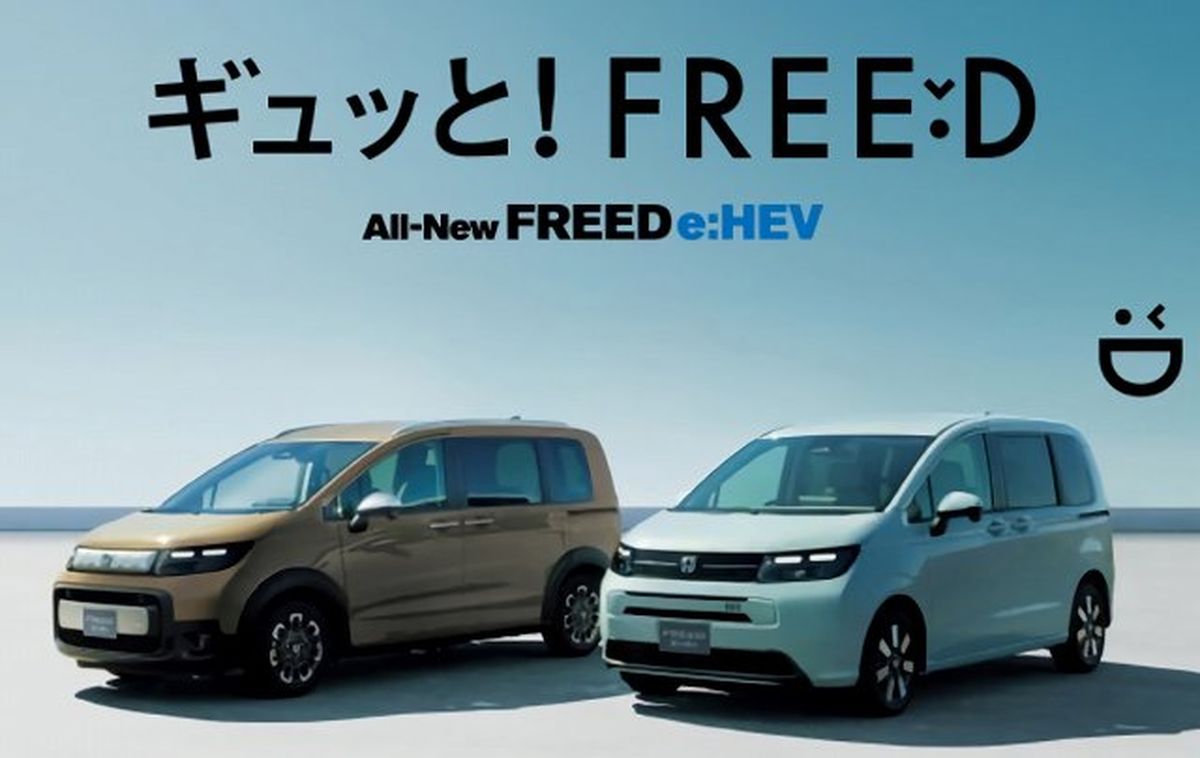
Sienta vs. Freed body size comparison
Comparing the body sizes of the Sienta and Freed, the Freed is longer in overall length and taller, so the interior space of the fully redesigned Freed is larger. These two models, with improved and fully redesigned models announced almost simultaneously, will be particularly noteworthy!
sienta
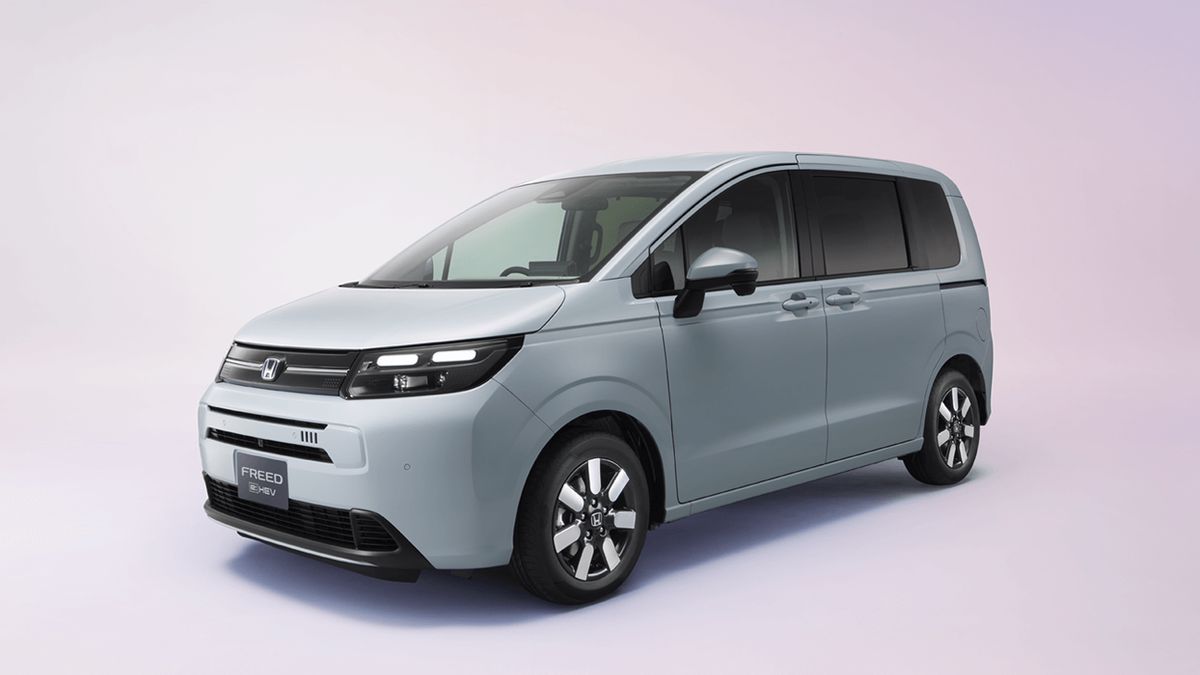
FREED AIR
| Specifications | Sienta | Freed AIR |
|---|---|---|
| full length | 4,280mm | 4,310mm |
| Overall width | 1,695mm | 1,695mm 1,720mm (Clostar) |
| Overall height | 1,695mm (2WD) 1,715mm (4WD) |
1,750mm |
| Wheelbase | 2,750mm | 2,740mm |
Sienta Freed body size comparison
Interior comparison between Sienta and Freed
There is a significant difference in performance compared to the Freed. However, the biggest difference between the Freed and the Sienta is that the six-seater Freed features walk-through second-row “captain seats.” This is something the Sienta cannot replicate, so it only has five- or seven-seater seats.
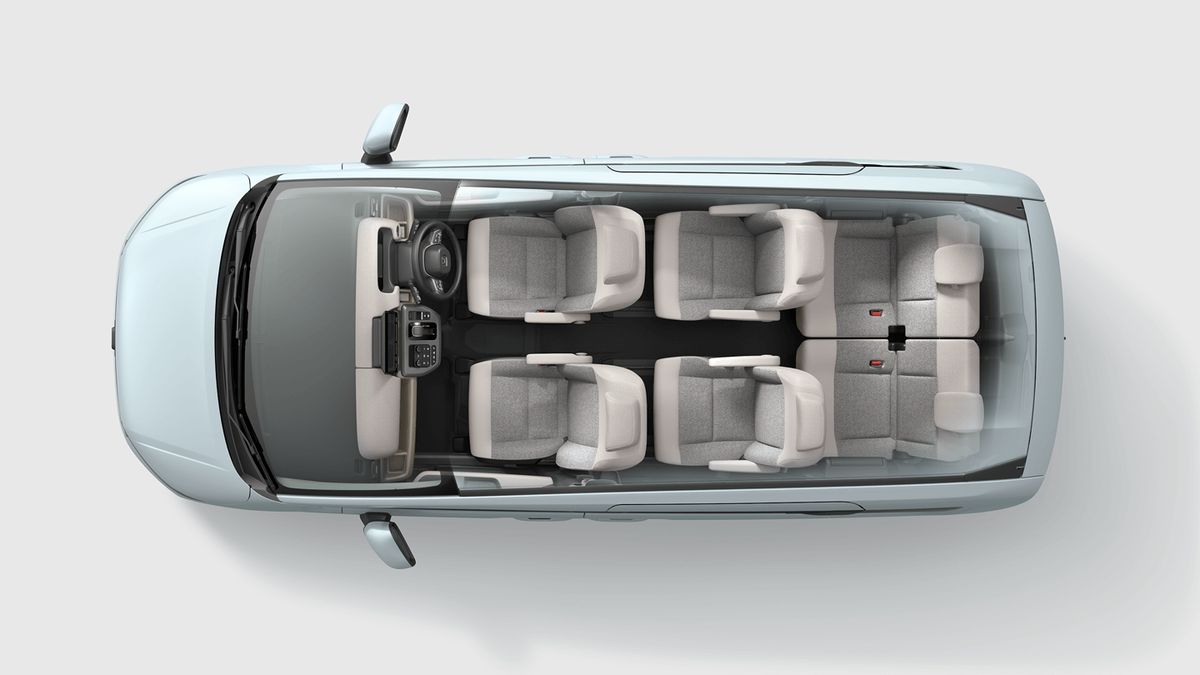
Freed: Walk-through second-row “captain seats”
The Freed also has a 6-seater model with a “rear air conditioner (manufacturer option)” installed in the rear seats, allowing passengers in the rear seats to adjust the temperature and airflow of the air conditioner while also sending air to the rear seats. This is also not available in the Sienta.
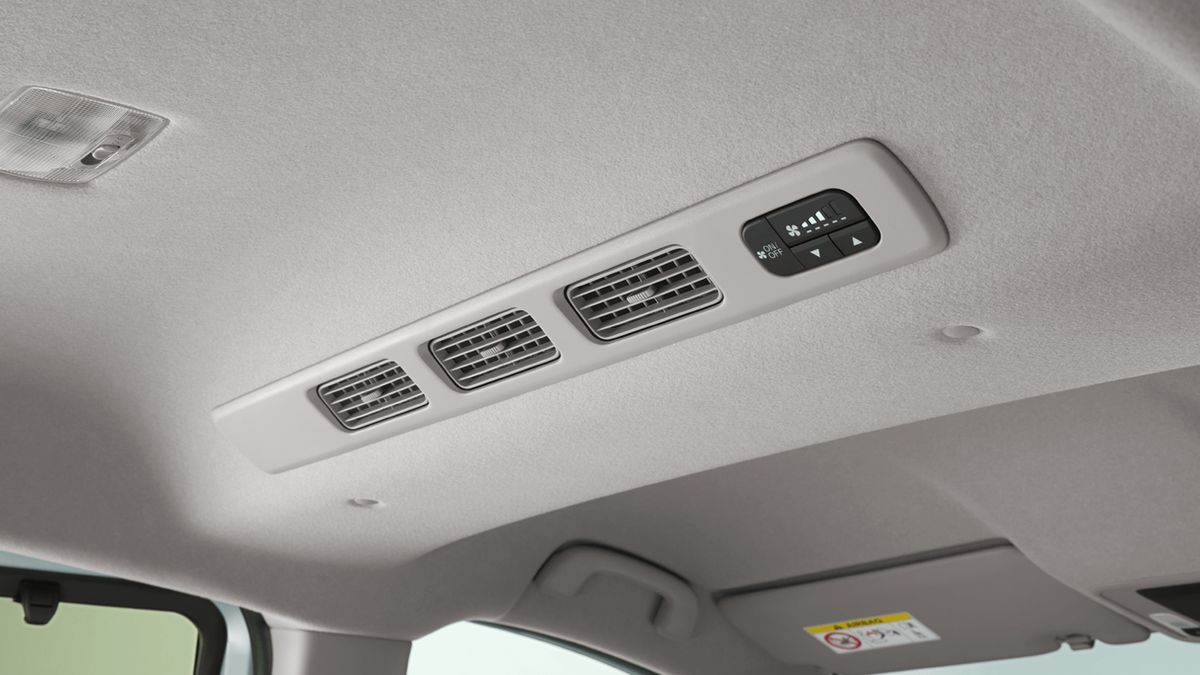
Rear air conditioner
The Freed is equipped with an “electric parking brake” and “auto brake hold” function, which keeps the car stopped even when you take your foot off the brake pedal and releases it when you step on the accelerator, making it useful in traffic jams. This function is also not available in the Sienta.
Freed exterior electric parking brake
The Freed’s center display is equipped with a maximum of an 11.4-inch Honda CONNECT Honda Display or a 9-inch Honda CONNECT Honda Display. In contrast, the Sienta uses a 10.5-inch display audio , meaning the Freed has a larger maximum display size.
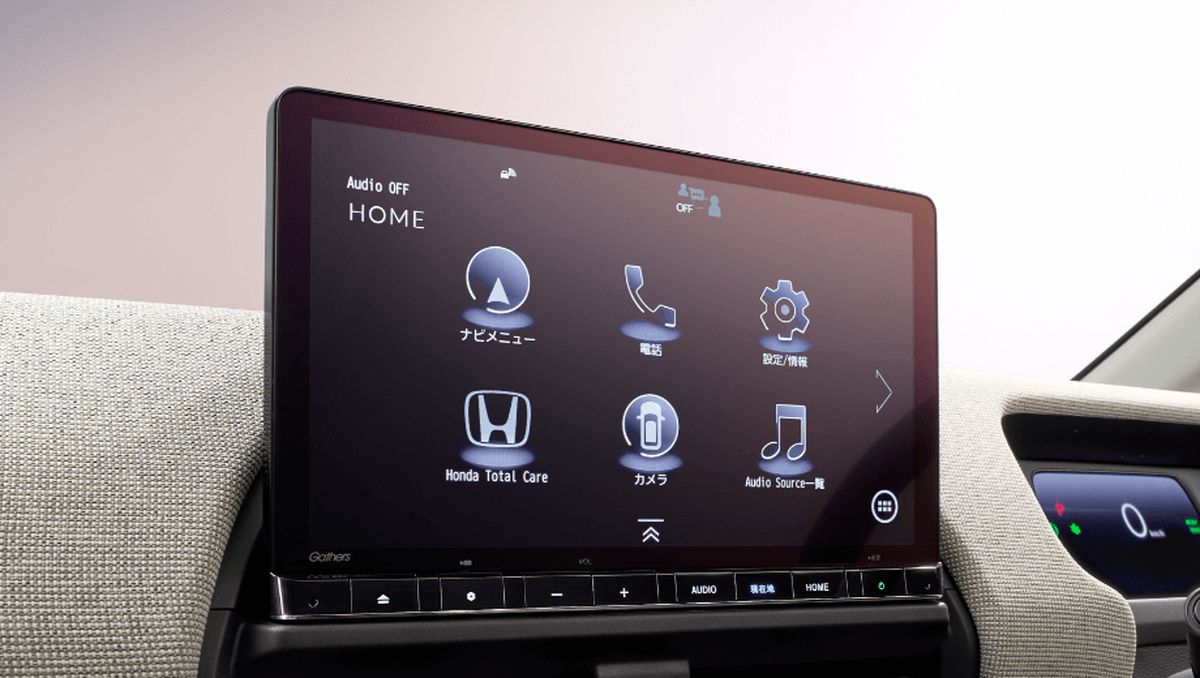
Freed 11.4-inch display
In the case of the Freed, the third row seats are stored by flipping up, which is easy to do, but you have to take into consideration the fact that they protrude upwards, whereas in the Sienta, the storage method is a dive-down type, which creates a flat cargo area and allows for more luggage to be loaded.
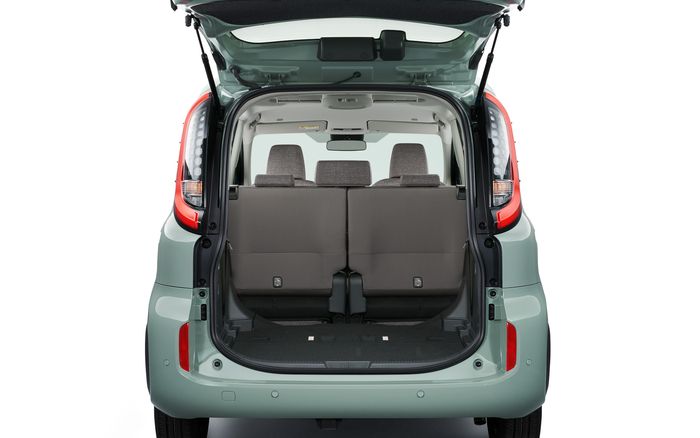
Sienta vs. Freed engine comparison
Comparing the engines of the Sienta and Freed, the Freed has a higher motor output and is expected to outperform the Sienta in terms of driving comfort. However, the Sienta is likely to be superior in terms of fuel economy.
| Specifications | Sienta Hybrid |
Freed Hybrid |
|---|---|---|
| engine | Inline 3 1.5L + motor M15A-FXE type |
1.5L i-VTEC engine + motor (e:HEV) |
| Maximum power | 67kW (91ps) / 5500rpm |
78kW (106ps) / 6,000-6,400rpm |
| Maximum torque | 120Nm (12.2kgfm) / 3800-4800rpm |
127Nm (13.0kgfm) / 4,500-5,000rpm |
| Motor maximum output |
Front: 59kW (80ps) Rear: 2.2kW (3.0ps) |
90kW (123ps) / 3,500-8,000rpm |
| Motor Max Torque |
Front: 141Nm (14.4kgm) Rear: 44Nm (4.5kgm) |
253Nm (25.8kgfm) / 0-3,000rpm |
transmission |
Electric continuously variable transmission |
Electric continuously variable transmission |
| Drive system | 2WD (FF) / 4WD |
2WD (FF) / 4WD |
| Passenger capacity | 5 people | 5 people |
| WLTC mode fuel economy |
28.2-28.8km/L (2WD) 25.3km/L (4WD) |
25.5km/L (2WD) 21.2km/L (4WD) |
*This comparison is based on currently known specs. We will update this page as soon as an official announcement is made.
Sienta vs. Freed safety technology comparison
Both vehicles are equipped with numerous safety features that exceed their class and will support the driver.
| System Equipment | Sienta | Freed |
|---|---|---|
| Collision Mitigation Braking System |
◯ (Daytime and nighttime pedestrians and bicycles) |
◯ (Daytime and nighttime pedestrians and bicycles) |
| False start prevention function | ◯ | ◯ |
| Pedestrian Accident Reduction Steering |
◯ | ◯ |
| Road departure prevention function | ◯ | ◯ |
| ACC with traffic jam following function | ◯ | ◯ |
| LKAS | ◯ | ◯ |
| Preceding vehicle departure notification function | ◯ | ◯ |
| Sign recognition function | ◯ | ◯ |
| False backward start prevention function | ◯ | ◯ |
| Automatic high beam | ◯ | ◯ |
| Blind Spot Information |
◯ | ◯ |
| Traffic Jam Assist |
◯ | ◯ |
| Parking Sensor System |
◯ | ◯ |
| Back-up and exit support | ◯ | ◯ |
| Near-Collision Mitigation Braking | ◯ | ◯ |
*This comparison is based on currently known specs. We will update this page as soon as an official announcement is made.
Sienta vs. Freed equipment comparison
The new Freed is equipped with an electric parking brake and auto brake hold, so it is one step ahead in terms of functionality.
| System Equipment | Sienta | Freed |
|---|---|---|
| Electric parking brake & auto brake hold |
– | ◯ |
| Display Audio | ◯ | ◯ |
| Parking Assistance System | ◯ | – |
*This comparison is based on currently known specs. We will update this page as soon as an official announcement is made.
Price comparison between Sienta and Freed
The Freed is priced between 2,508,000 and 3,437,500 yen, while the gasoline-powered Sienta has a cheaper base grade X starting price of 1,995,000 yen, so the Sienta may be recommended for those looking for a budget purchase. The higher grades of both are in the same price range of 3 million yen, so it’s best to decide based on the differences in functionality and interior space. For those looking for an affordable model, the Sienta is recommended.
Toyota “Sienta” partial improvement 2024 model price grade
Gasoline vehicles
| grade | Passenger capacity | Drive system | Price (10%) |
|---|---|---|---|
| X | 5-seater | 2WD | 1,995,000 yen |
| X | 7-seater | 2WD | 2,035,000 yen |
| G | 5-seater | 2WD | 2,337,500 yen |
| G | 7-seater | 2WD | 2,375,000 yen |
| Z | 5-seater | 2WD | 2,646,600 yen |
| Z | 7-seater | 2WD | 2,686,600 yen |
Hybrid vehicles
The previous Sienta hybrid car was priced between 2,236,500 and 2,580,000 yen, but the new model is priced between 2,380,000 and 3,108,000 yen, a price difference of 143,500 and 528,000 yen. Furthermore, the previous model did not have an E-Four (4WD) model, but this one has been added to the lineup, widening the price difference.
| grade | Passenger capacity | Drive system | Price (10%) |
|---|---|---|---|
| X | 5-seater | 2WD | 2,390,000 yen |
| X | 5-seater | 4WD | 2,588,000 yen |
| X | 7-seater | 2WD | 2,430,000 yen |
| X | 7-seater | 4WD | 2,628,000 yen |
| G | 5-seater | 2WD | 2,687,500 yen |
| G | 5-seater | 4WD | 2,885,500 yen |
| G | 7-seater | 2WD | 2,727,500 yen |
| G | 7-seater | 4WD | 2,925,500 yen |
| Z | 5-seater | 2WD | 2,996,600 yen |
| Z | 5-seater | 4WD | 3,046,600 yen |
| Z | 7-seater | 2WD | 3,194,600 yen |
| Z | 7-seater | 4WD | 3,234,600 yen |
Honda “Freed” 2024 model price and grade
The grade structure is limited to the 7-seater model “AIR” and “AIR EX”, and the 5-seater model “CROSSTAR”. The 6-seater model can be selected from all grades (except the CROSSTAR 4WD).
| type | engine | transmission |
Drive system |
Crew capacity |
Price (10%) |
|---|---|---|---|---|---|
| e:HEV AIR | 1.5L DOHC i-VTEC + 2-motor hybrid (e:HEV) |
Electric continuously variable transmission |
2WD | 6 people | 2,857,800 yen |
| 4WD | 6 people | 3,088,800 yen | |||
| e:HEV AIR EX | 2WD | 6 people | 3,047,000 yen | ||
| 4WD | 6 people | 3,278,000 yen | |||
| 2WD | 7 people | 3,091,000 yen | |||
| e:HEV CROSSTAR |
2WD | 5 people | 3,162,500 yen | ||
| 4WD | 5 people | 3,393,500 yen | |||
| 2WD | 6 people | 3,206,500 yen | |||
| 4WD | 6 people | 3,437,500 yen | |||
| AIR | 1.5L direct injection VTEC engine |
Continuously variable automatic (with torque converter) |
2WD | 6 people | 2,508,000 yen |
| 4WD | 6 people | 2,739,000 yen | |||
| AIR EX | 2WD | 6 people | 2,697,200 yen | ||
| 4WD | 6 people | 2,928,200 yen | |||
| 2WD | 7 people | 2,741,200 yen | |||
| CROSSTAR | 2WD | 5 people | 2,812,700 yen | ||
| 4WD | 5 people | 3,043,700 yen | |||
| 2WD | 6 people | 2,856,700 yen | |||
| 4WD | 6 people | 3,087,700 yen |
Finally, a word from the editorial team
The Freed employs a hybrid (e:HEV) system and boasts excellent fuel economy of approximately 25.5 km/L (2WD) in WLTC mode. However, the Sienta Hybrid boasts even better fuel economy, achieving 28.2-28.8 km/L in WLTC mode. The gasoline-powered Sienta is also cheaper than the Freed in terms of price. However, the Freed excels in terms of equipment and usability, with features like an electric parking brake, auto brake hold, and second-row captain seats. While tastes differ when it comes to design, the Freed is in competition with the Sienta. Both will be announced in May 2024, so we’re looking forward to seeing how they stack up against each other.
*Based on the latest automobile information. Some information is pre-release and may contain errors.
Sienta related articles
Sienta
Freed