
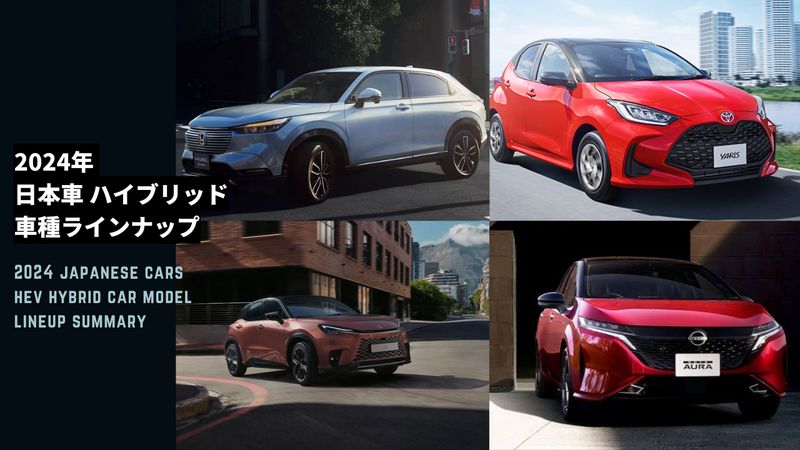
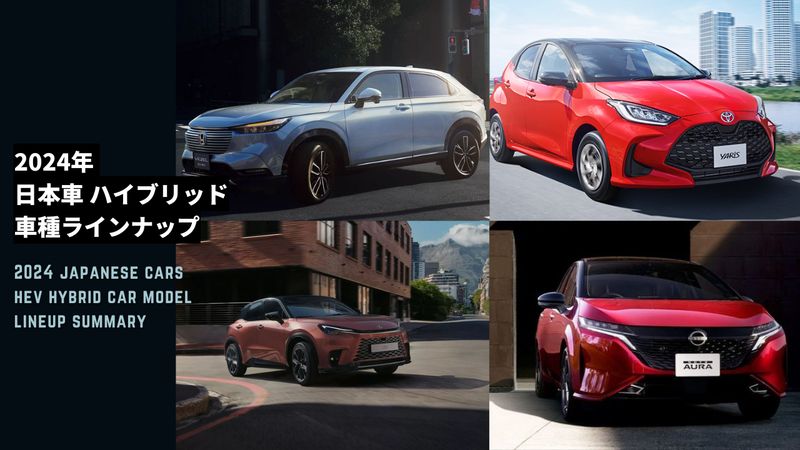
As of 2024 (Reiwa 6), the number of hybrid electric vehicles (HEVs) is increasing. Here we have compiled a list of which vehicles are using hybrids.
List of hybrid vehicles for 2024
As of March 2024, there are over 40 Japanese HEV (hybrid) models on sale in Japan. In recent years, HEVs have become increasingly popular due to growing awareness of environmental concerns and fuel efficiency. We’ve compiled a list of Japanese HEV models on sale as of March 2024, categorized by body type. We’ll introduce the hybrid system and body type of each model, so please use this as a reference when choosing an HEV.
| Manufacturer | Car model | Body Type | Hybrid types |
|---|---|---|---|
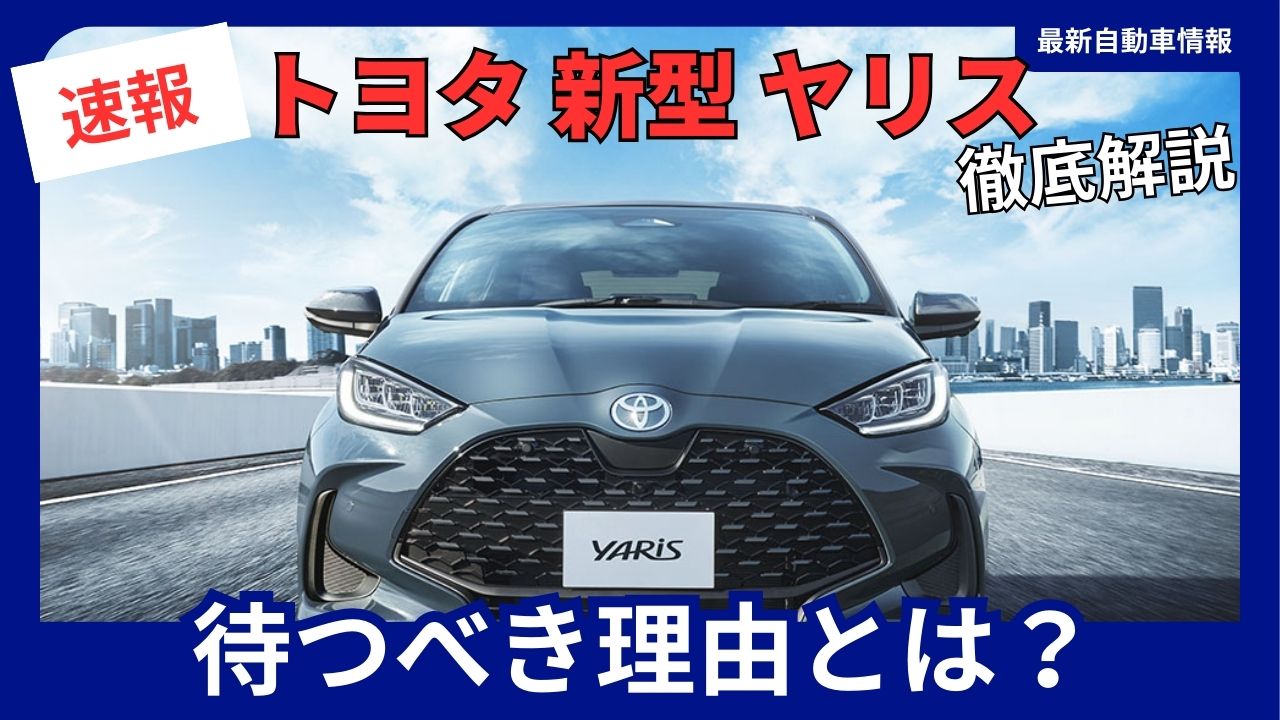
| Toyota | Yaris | compact car | Split Method |
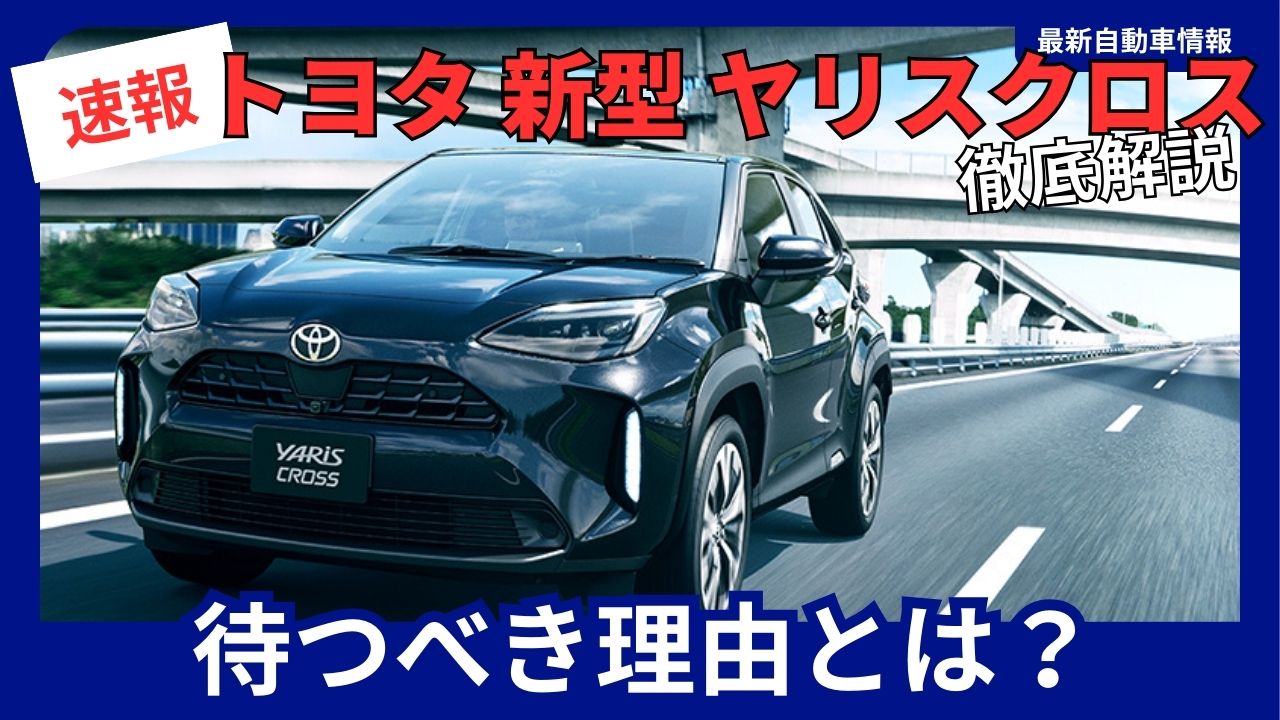
| Toyota | Yaris Cross | compact car | Split Method |
| Toyota | Corolla Sport | compact car | Split Method |
| Toyota | Aqua | compact car | Split Method |
| Toyota | Rise | SUV | Series Method |
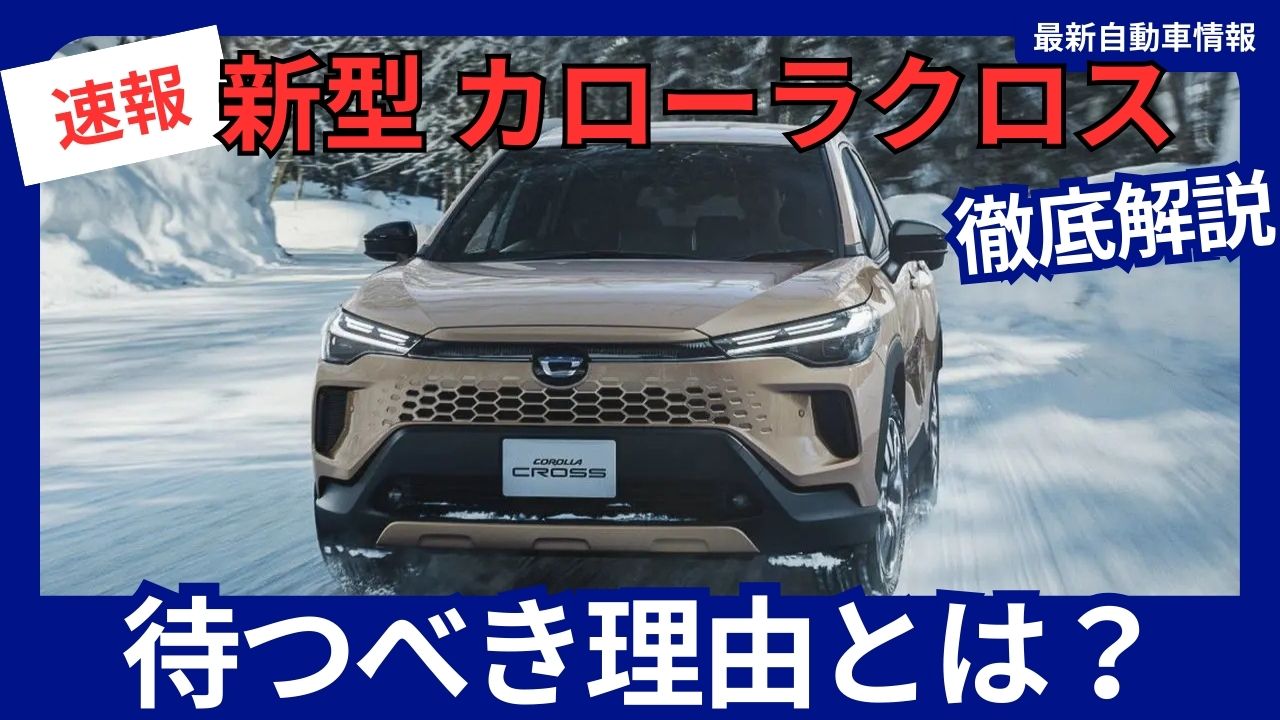
| Toyota | Corolla Cross | SUV | Split Method |
| Toyota | RAV4 | SUV | Split Method |
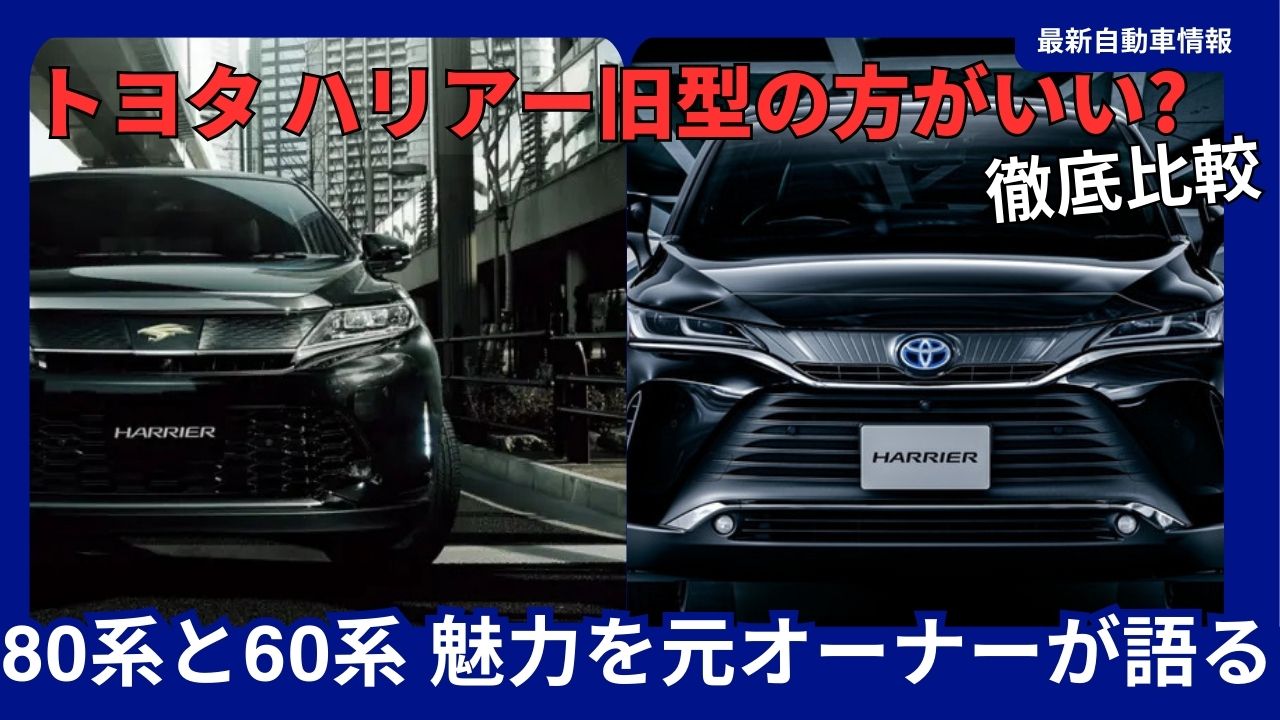
| Toyota | Harrier | SUV | Split Method |
| Toyota | Crown Sport | SUV | Split Method |
| Toyota | Corolla Touring | wagon | Split Method |
| Toyota | Prius | sedan | Split Method |
| Toyota | Crown | sedan | Split Method |
| Toyota | Century | sedan | Split Method |
| Toyota | Sienta | minivan | Split Method |
| Toyota | Voxy | minivan | Split Method |
| Toyota | Noah | minivan | Split Method |
| Toyota | Alphard | minivan | Split Method |
| Toyota | Vellfire | minivan | Split Method |
| Lexus | LBX | SUV | Split Method |
| Lexus | UX300h | SUV | Split Method |
| Lexus | NX350h | SUV | Split Method |
| Lexus | RX350h RX500h |
SUV | Split Method |
| Lexus | IS300h | sedan | Split Method |
| Lexus | RC300h | sedan | Split Method |
| Lexus | LC500h | sedan | Split Method |
| Lexus | ES300h | sedan | Split Method |
| Lexus | LS500h | sedan | Split Method |
| Lexus | LM500h | minivan | Split Method |
| Honda | Fit e:HEV |
compact car | Split Method |
| Honda | Freed e:HEV |
minivan | Split Method |
| Honda | Stepwagon e:HEV |
minivan | Split Method |
| Honda | Odyssey e:HEV |
minivan | Split Method |
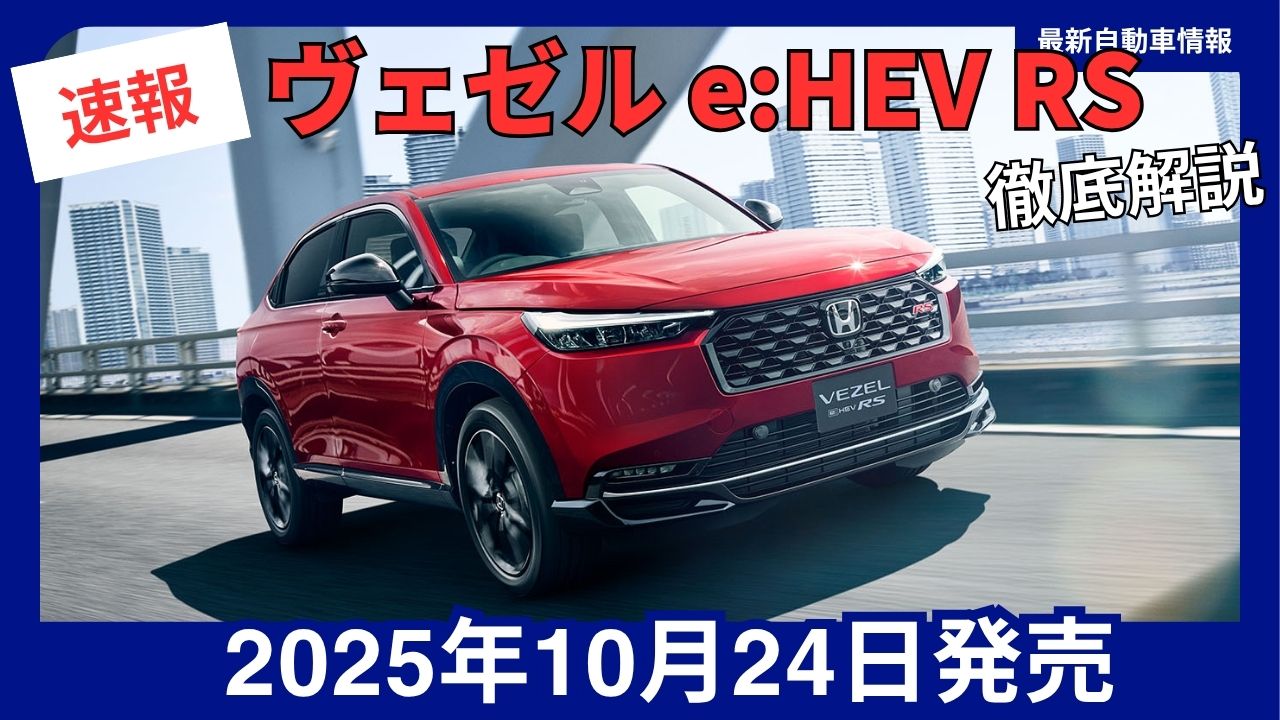
| Honda | VEZEL e:HEV |
SUV | Split Method |
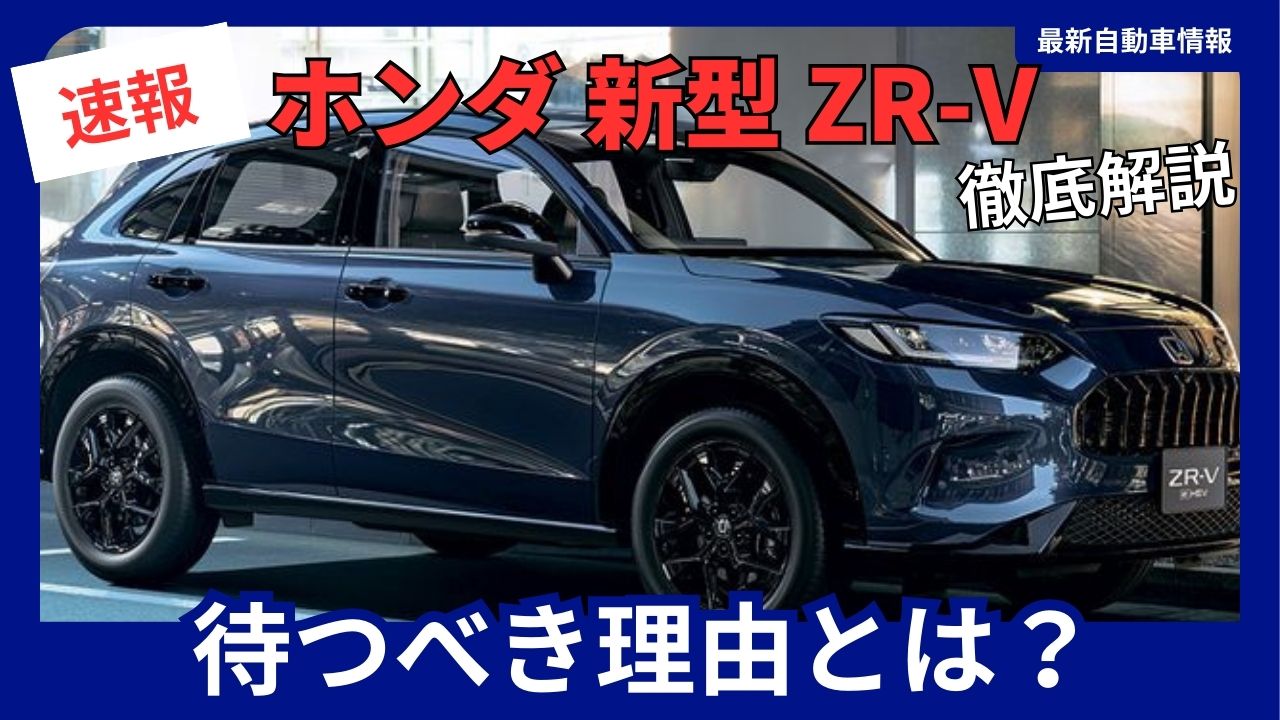
| Honda | ZR-V e:HEV |
SUV | Split Method |
| Honda | CIVIC e:HEV |
sedan | Split Method |
| Honda | Accord e:HEV |
sedan | Split Method |
| Nissan | NOTE e-POWER |
compact car | Series Method |
| Nissan | Note Aura e-POWER |
compact car | Series Method |
| Nissan | X-Trail e-POWER |
SUV | Series Method |
| Nissan | Kicks e-POWER |
SUV | Series Method |
| Nissan | Serena e-POWER |
minivan | Series Method |
| Subaru | Impreza e-BOXER |
compact car | Parallel method |
| Subaru | Forester e-BOXER |
SUV | Parallel method |
| Subaru | Crosstrek e-BOXER |
SUV | Parallel method |
| Mazda | Flare | Light vehicle | Parallel method |
| Mazda | Flair Crossover |
Light vehicle | Parallel method |
| Mazda | Flair Wagon | Light vehicle | Parallel method |
| Mazda | MAZDA3 e-SKYACTIV G |
compact car | Parallel method |
| Mazda | MX-30 e-SKYACTIV G |
SUV | Parallel method |
| Mazda | CX-30 e-SKYACTIV G |
SUV | Parallel method |
| Mazda | CX-60 e-SKYACTIV-D |
SUV | Parallel method |
| Mitsubishi | Delica Mini | Light vehicle | Parallel method |
| Mitsubishi | ek Cross | Light vehicle | Parallel method |
| Mitsubishi | ek Space | Light vehicle | Parallel method |
| Suzuki | Swift | compact car | Parallel method |
| Suzuki | Crosby | compact car | Parallel method |
| Suzuki | Alto | Light vehicle | Parallel method |
| Suzuki | Wagon R | Light vehicle | Parallel method |
| Suzuki | Spacia | Light vehicle | Parallel method |
| Suzuki | Hustler | Light vehicle | Parallel method |
| Daihatsu | Rocky | SUV | Series Method |
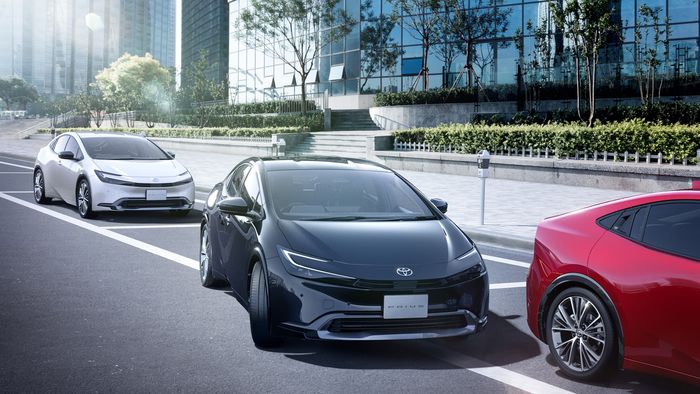
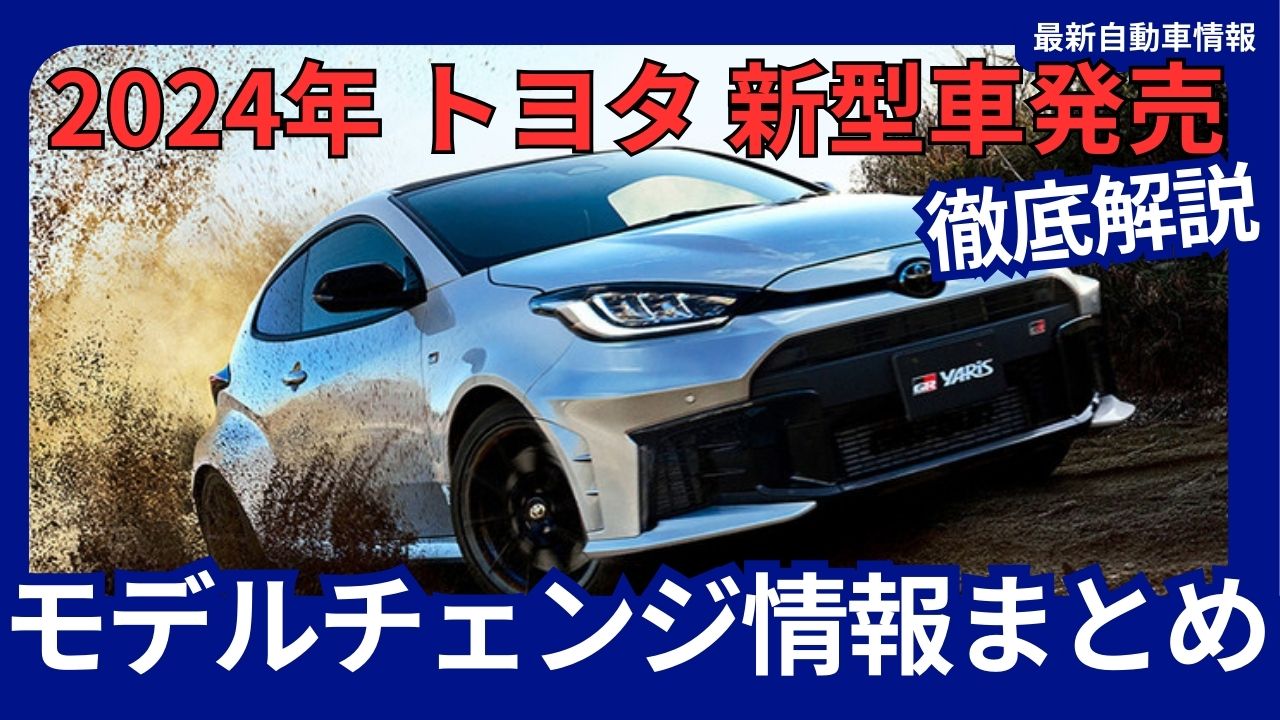
Toyota Prius
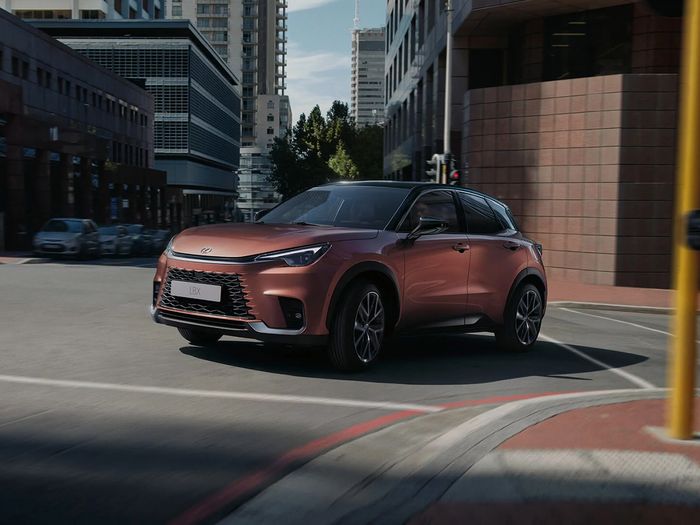
lexus lbx
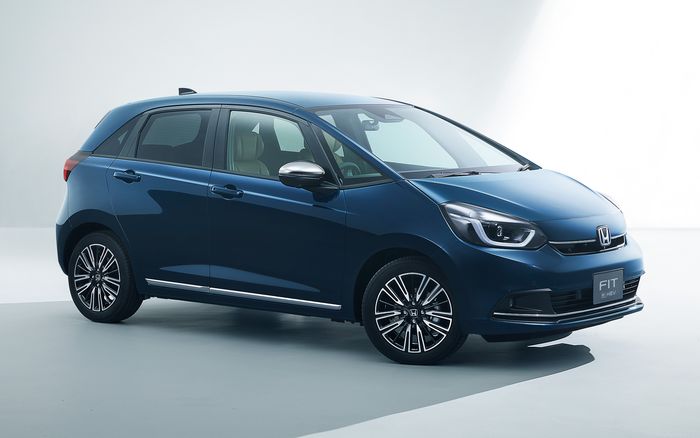
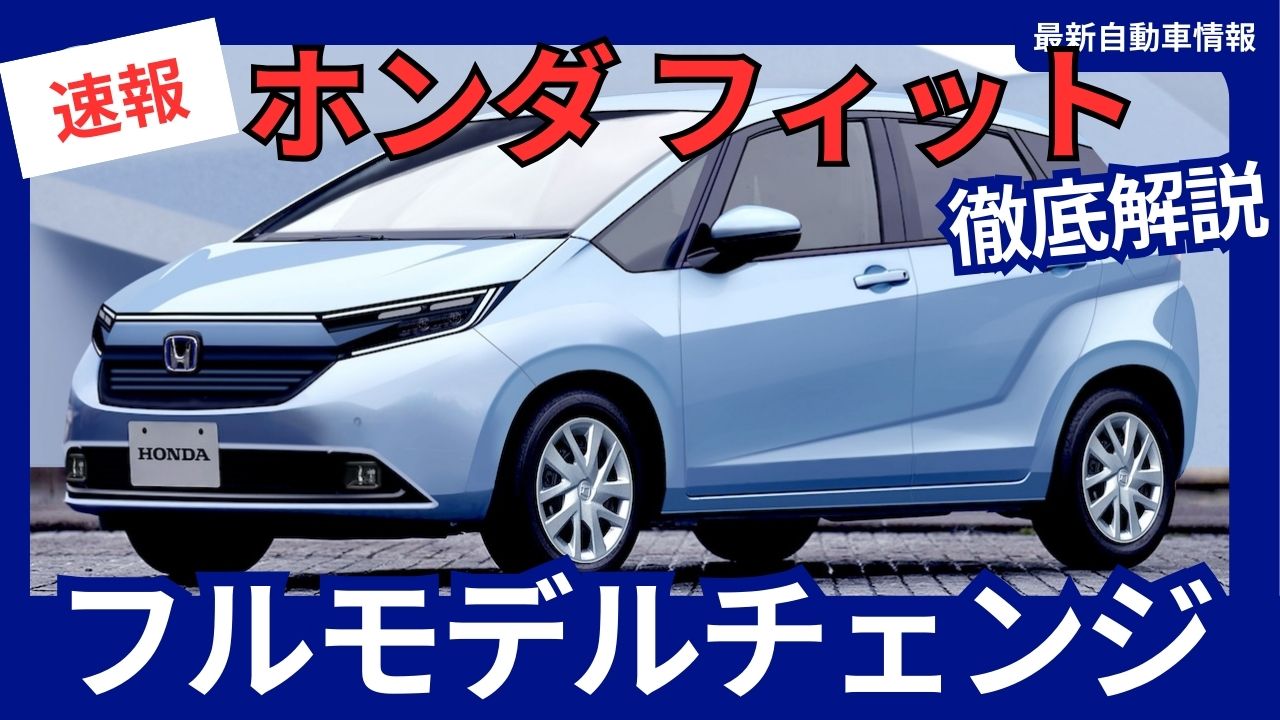
Honda Fit
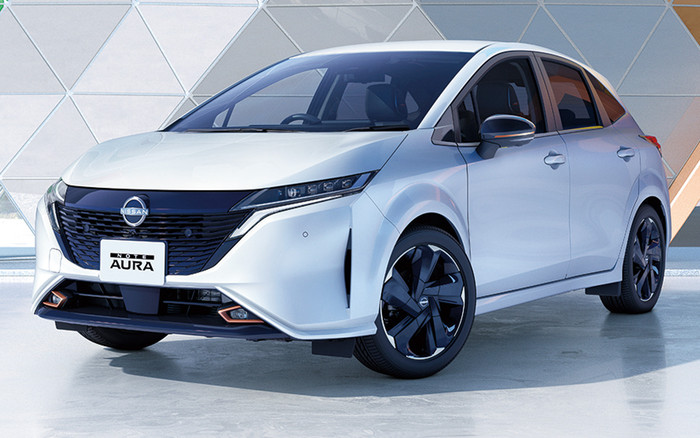
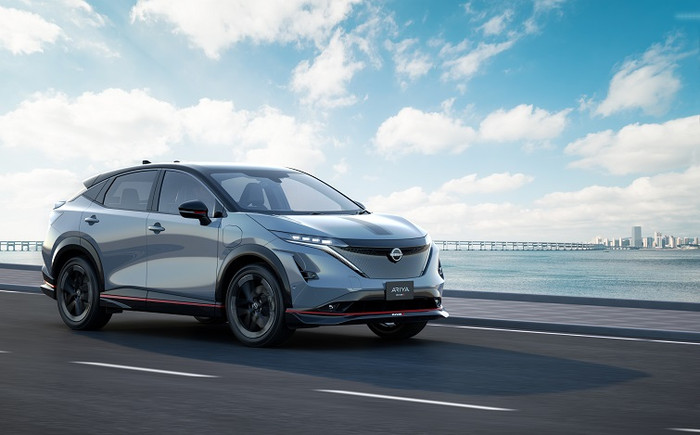
Nissan Note Aura
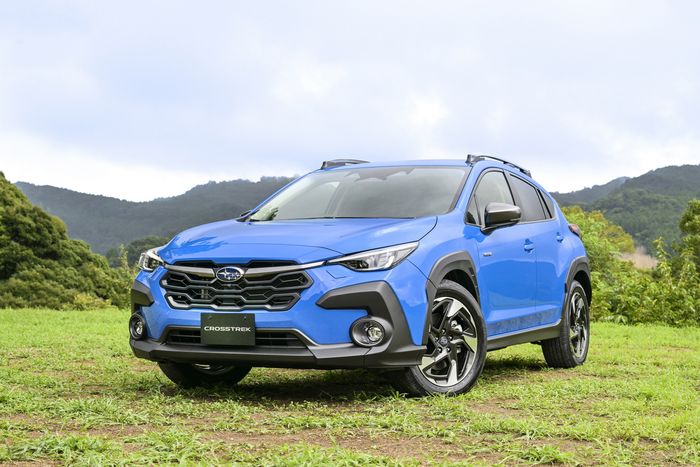
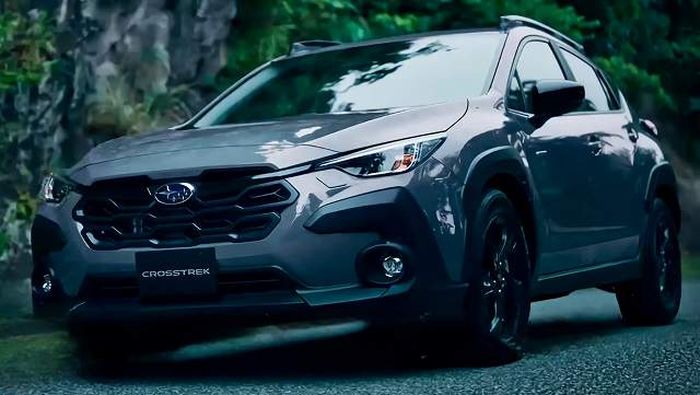
Subaru Crosstrek
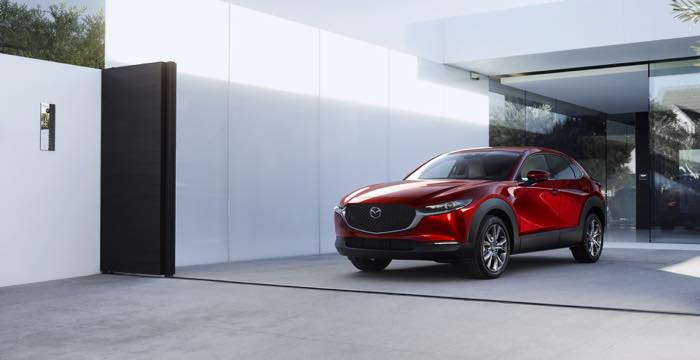
mazda cx-30
Hybrid system types
Parallel system (mild hybrid)
The engine is always running, and the motor is used to assist. Generally, the motor output is low and a small battery is used. The advantage is that the fuel efficiency is improved without increasing the unit price too much.
Split Method
The engine is used for both power generation and driving. Basically, the motor drives the vehicle when it starts moving, and the engine starts at a certain speed, reducing engine power and improving fuel efficiency. The base price is higher than that of gasoline models.
Series system (range extender, different names used by different companies)
The engine is used solely to generate electricity and the vehicle is driven solely by the motor. When electricity is insufficient, the engine generates electricity. In other words, it can be said to be an electric vehicle (BEV) that does not require charging. The driving sensation is that of an electric vehicle itself, with distinctive driving characteristics and the ability to accelerate and decelerate using only the accelerator pedal. It is also possible to derive it from an electric vehicle (BEV).
2024: Is hybridization a new global trend?
The electric vehicle (EV) market has grown rapidly in recent years, but signs of slowing are beginning to appear around 2023.
- The challenges to the widespread adoption of EVs are evident, including a lack of charging infrastructure, concerns about range, and high prices.
- Global EV market growth shows signs of slowing
In February 2024, Mercedes-Benz announced that it would continue selling and developing internal combustion engine vehicles into the 2030s . This was a major shift from its original goal of making all of its models electric vehicles (EVs) by 2030. This may be a sign that the world is beginning to realize that relying solely on EVs is not enough. It may also be that the day is approaching when hybrid vehicles will come into the global spotlight.
lastly
As of 2024, there is a wide lineup of Japanese HEV models, from compact cars to SUVs and minivans. Their fuel efficiency has also improved, and their running costs are lower than those of gasoline-powered vehicles, making them appealing. If you are considering purchasing an HEV, please use this article as a reference to find the model that best suits your needs.