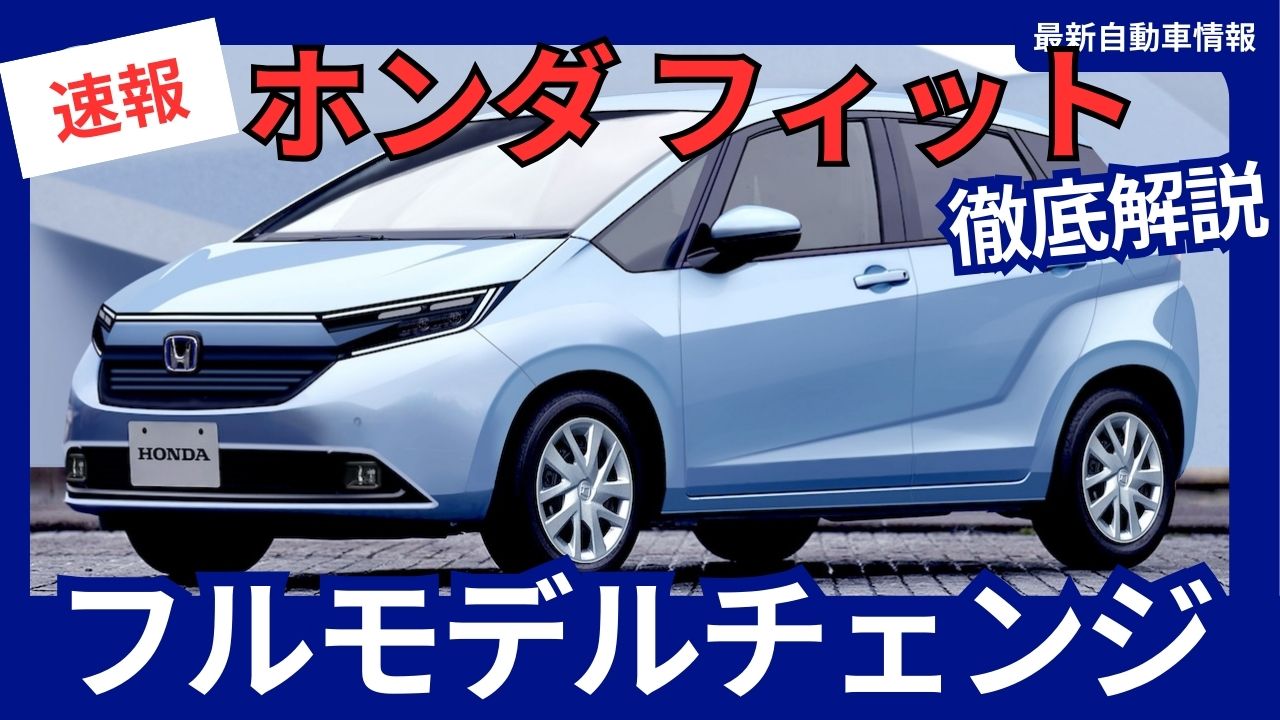

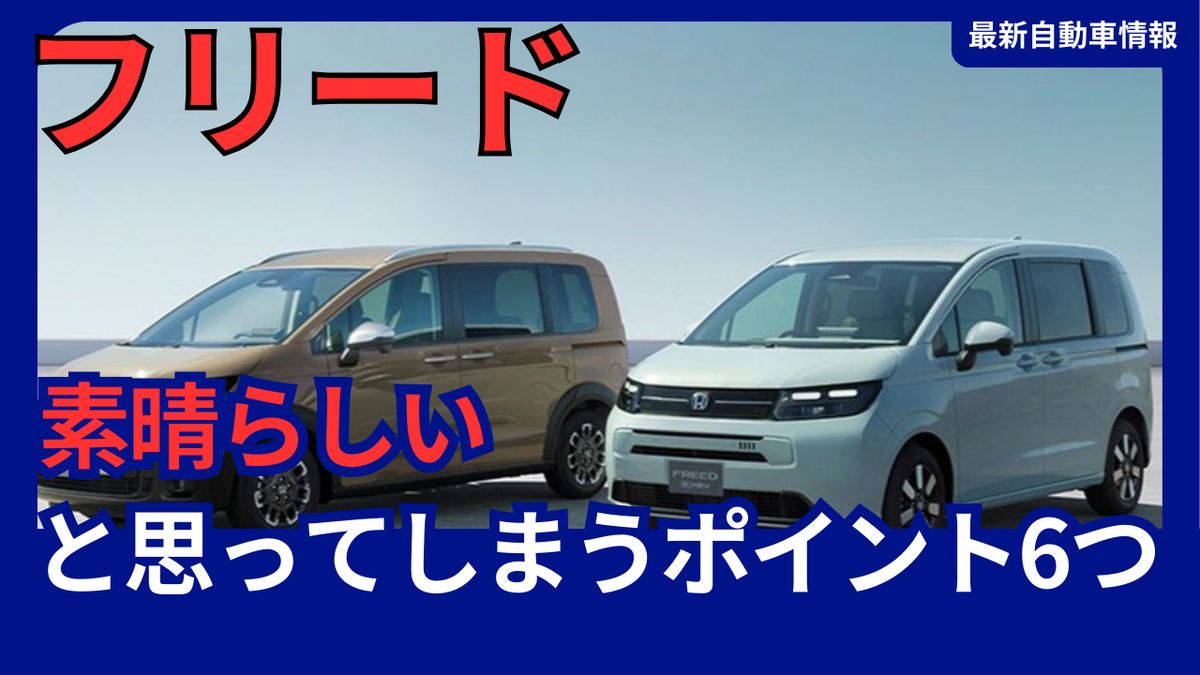
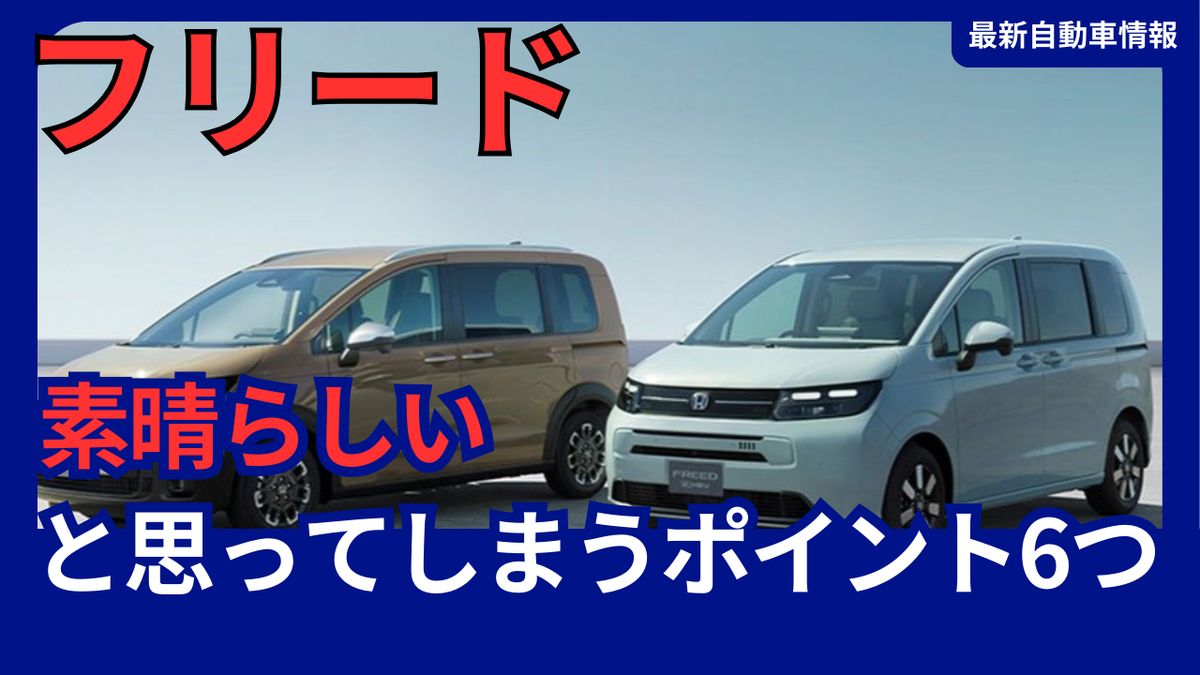
The new 2024 model of the Freed was announced on May 9, 2024 , and pre-orders have begun, revealing further details. We’ve found some particularly recommended points from our research, which we hope you’ll find useful when making your purchase.
Articles often read together
» New Freed full model change information New!
» New Freed Recommended Grades New!
» Freed discount information New!
» New Freed delivery information New!
» 10 things about the Honda Freed that are disappointing and cause concern New!
Freed: Points that make you think “Amazing!” and “Recommended!”
I actually considered purchasing it and did some research, and have compiled a list of things that I think are “great!”, “good!”, and “recommended!”
1. Body size
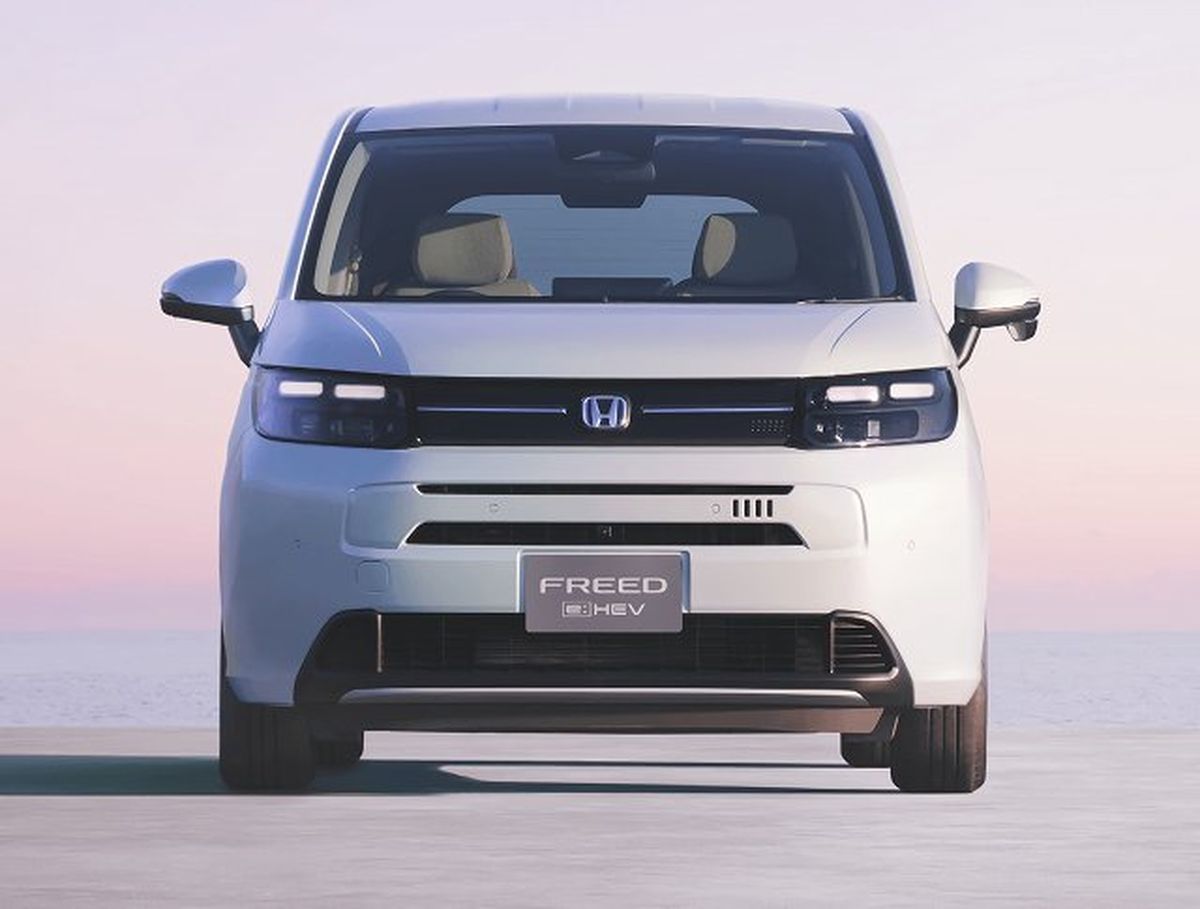
FREED AIR
While maintaining its size within the 5-number range, the overall length has been extended, making the interior space even more spacious and improving usability.
The lineup includes the standard model ” Freed AIR” and the active style “CROSSTAR.” The Freed AIR maintains its 5-number size with a total length of 4,310 mm, a total width of 1,695 mm, a total height of 1,755 mm, and a wheelbase of 2,740 mm.
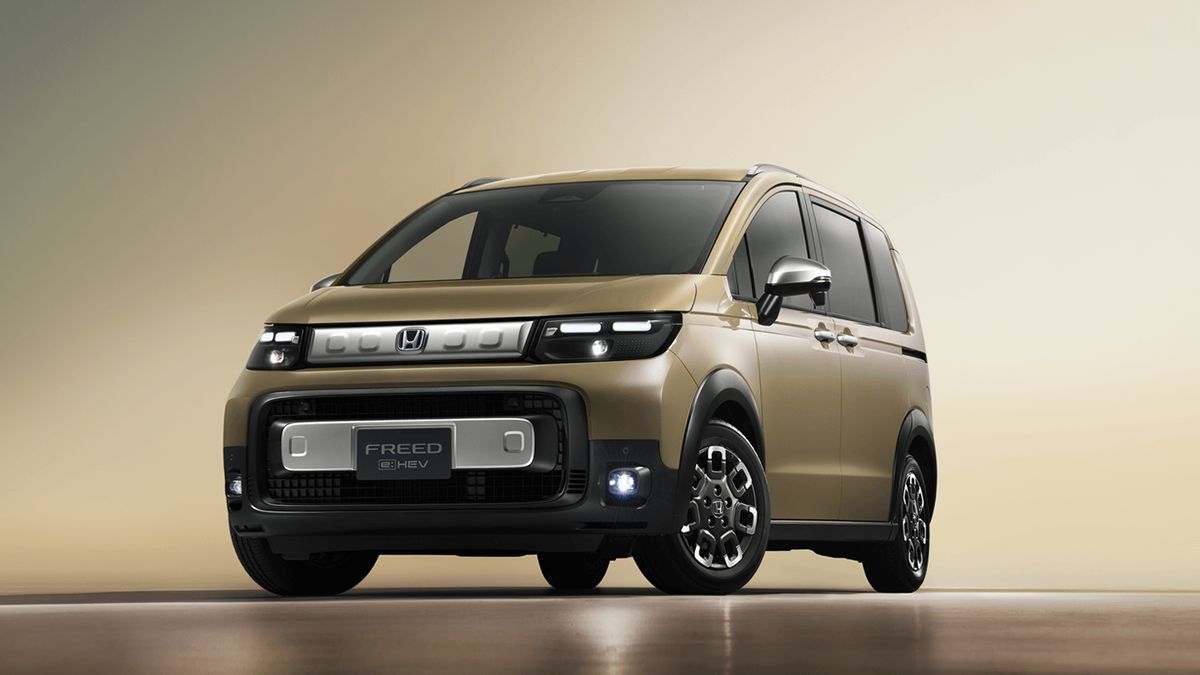
FREED CROSSTAR
The Freed CROSSTAR is a 3-number size vehicle with a total length of 4,310 mm, a total width of 1,720 mm, a total height of 1,755 mm, and a wheelbase of 2,740 mm. Compared to the previous model, the total length and height have been increased by 45 mm and 40 mm, respectively, further expanding the interior space and improving usability.
Freed old model and body size comparison
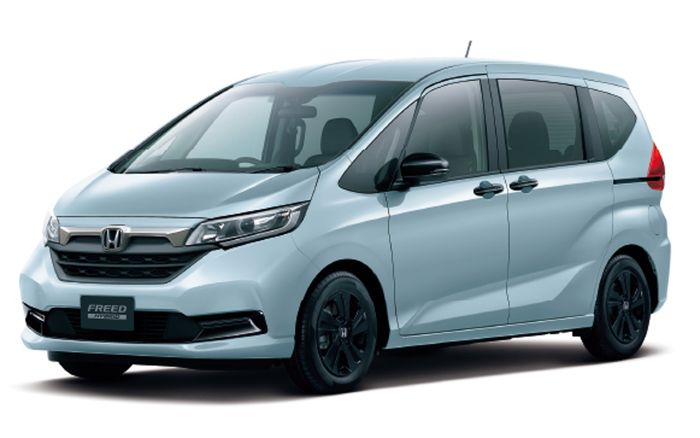
Old model Freed
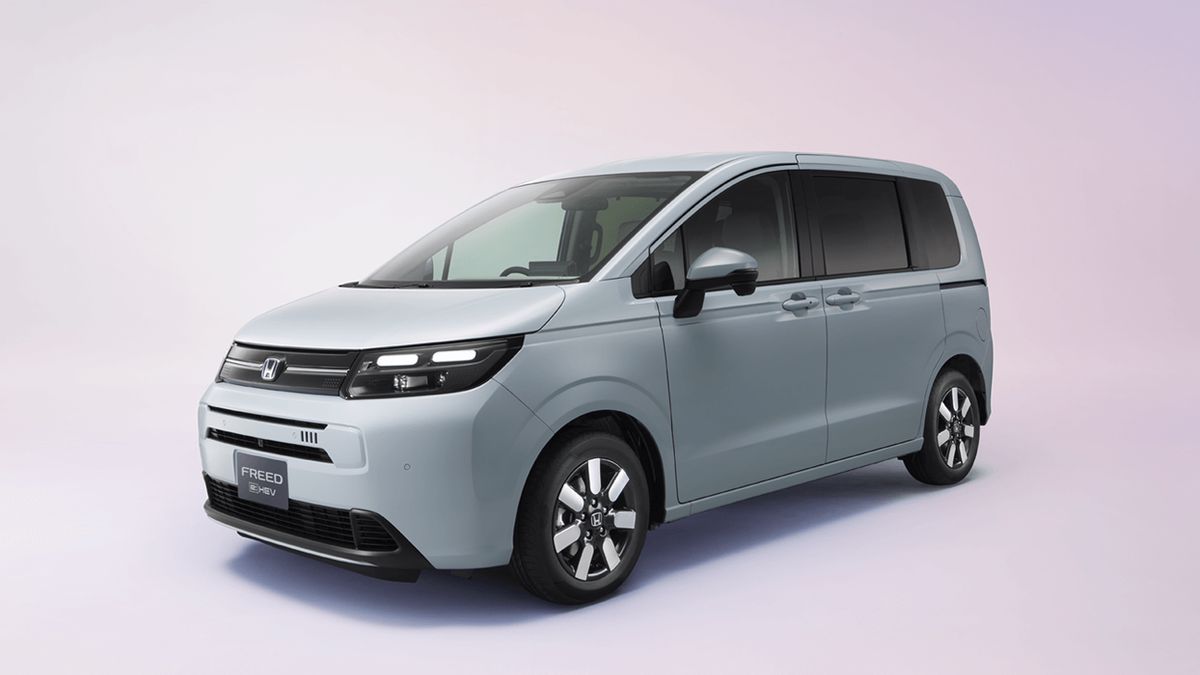
New FREED AIR
The overall length and height have been slightly extended compared to the previous model, while maintaining the 5-number size. By extending the overall length and height of the body size, the interior space has been expanded and usability has been improved.
| Specifications | Old model Freed | New Freed |
|---|---|---|
| full length | 4,265mm | 4,310mm |
| Overall width | 1,695mm | 1,695mm |
| Overall height | 1.710mm (2WD) 1,735mm (4WD) |
1,755mm |
| Wheelbase | 2,760mm | 2,740mm |
Sienta vs. Freed body size comparison
Comparing the body sizes of the Sienta and Freed, the Freed is longer in overall length and taller, so the interior space of the newly redesigned Freed is larger.
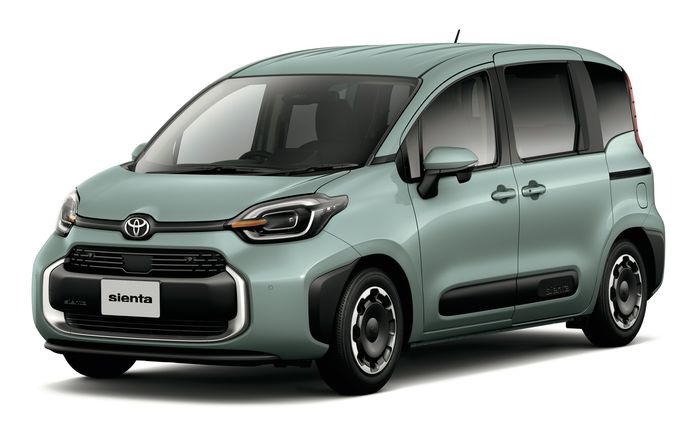
sienta
FREED AIR
| Specifications | Sienta | Freed AIR |
|---|---|---|
| full length | 4,280mm | 4,310mm |
| Overall width | 1,695mm | 1,695mm 1,720mm (Clostar) |
| Overall height | 1,695mm (2WD) 1,715mm (4WD) |
1,750mm |
| Wheelbase | 2,750mm | 2,740mm |
Sienta Freed body size comparison
2. The interior space is wonderfully designed
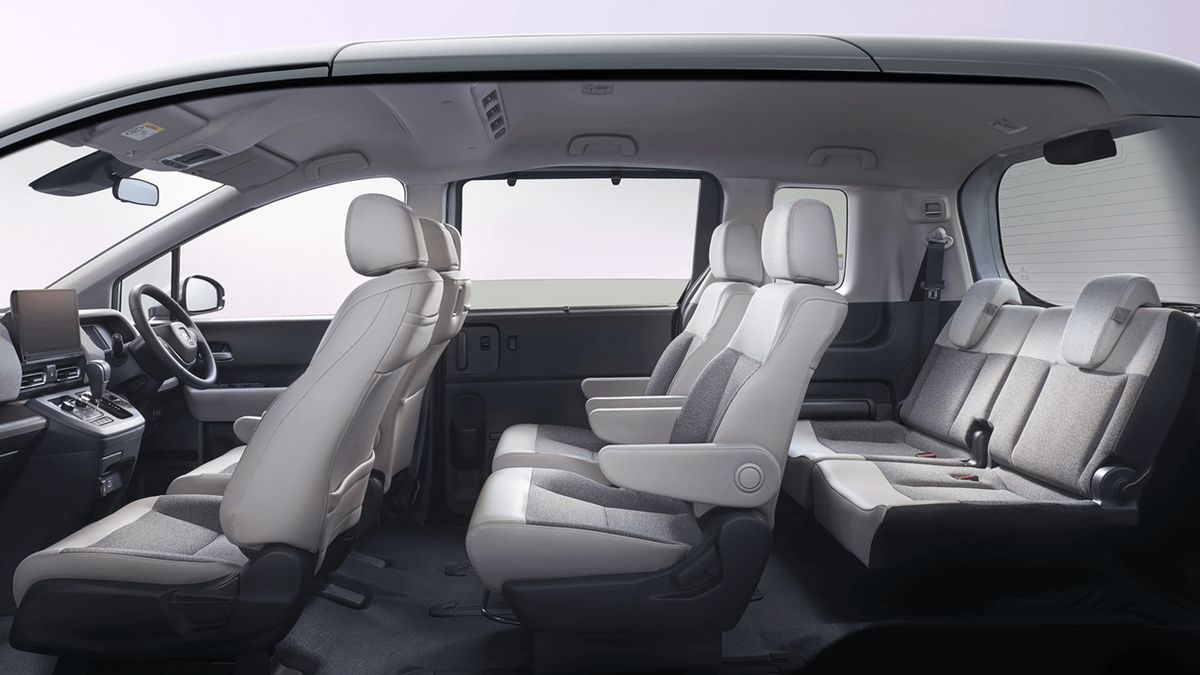
Like its predecessor, the Freed, a three-row, six-seater model, features walk-through second-row “captain seats. ” Its rival, the Sienta, offers five or seven seats and does not feature captain seats.
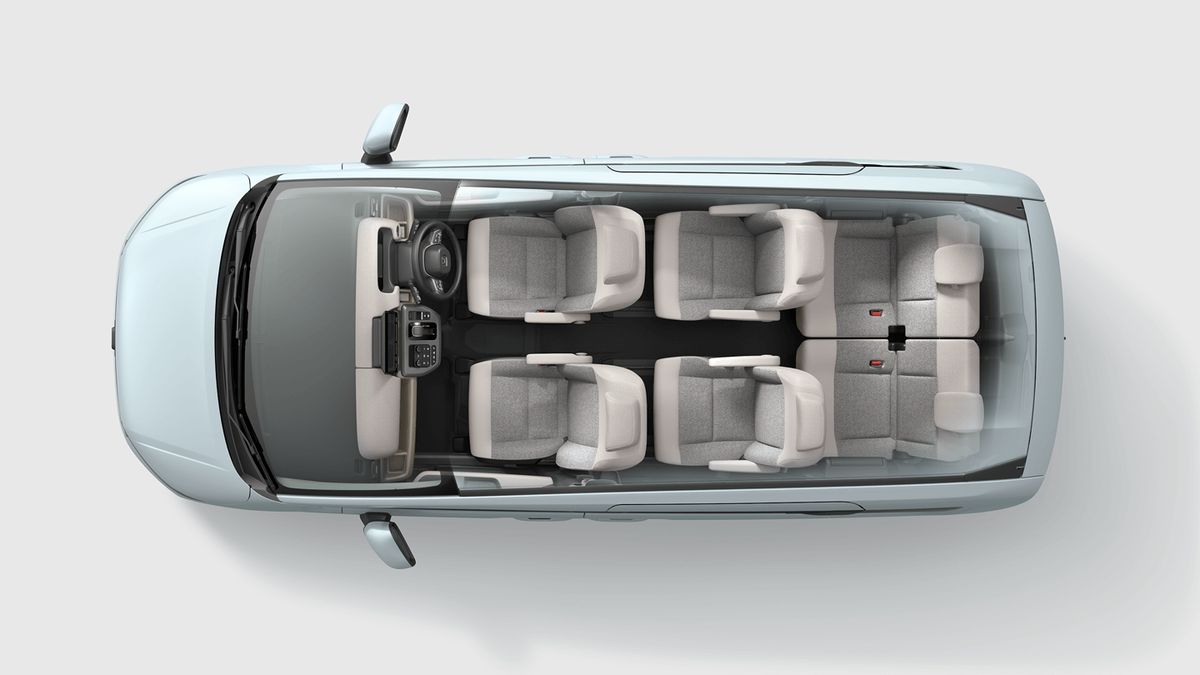
Freed: Walk-through second-row “captain seats”
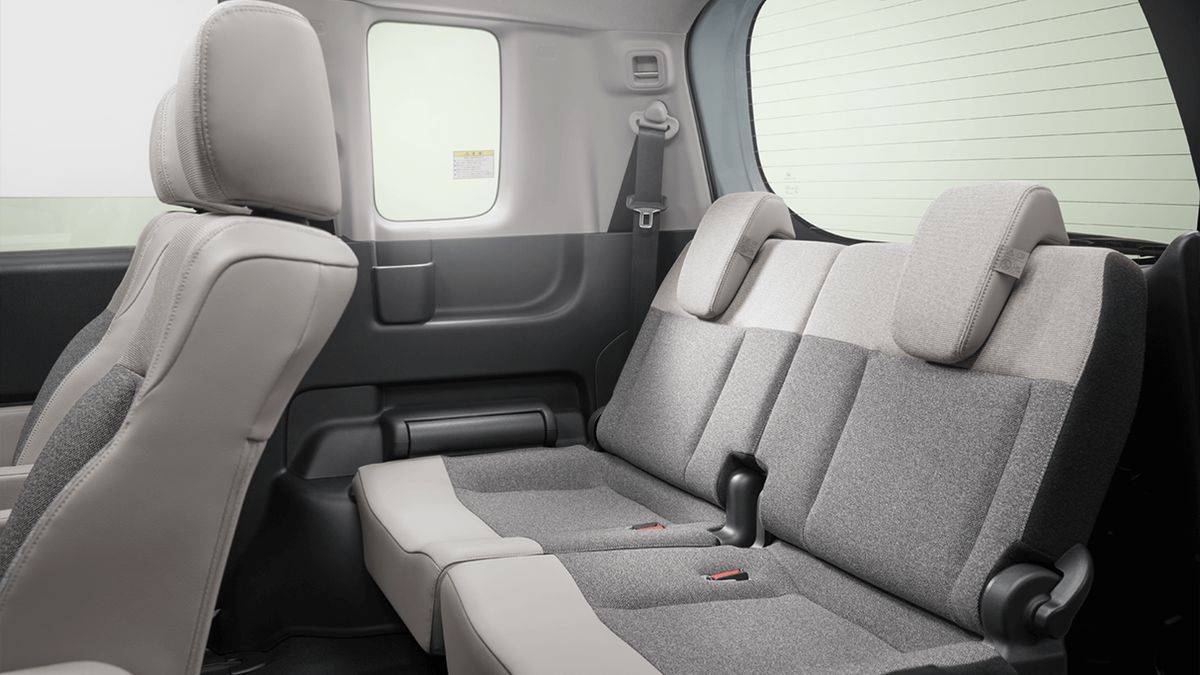
In addition, the overall length has been increased compared to the previous model, resulting in more space in the second and third rows and improved usability.
3. Electric parking brake and auto brake hold (with memory function)
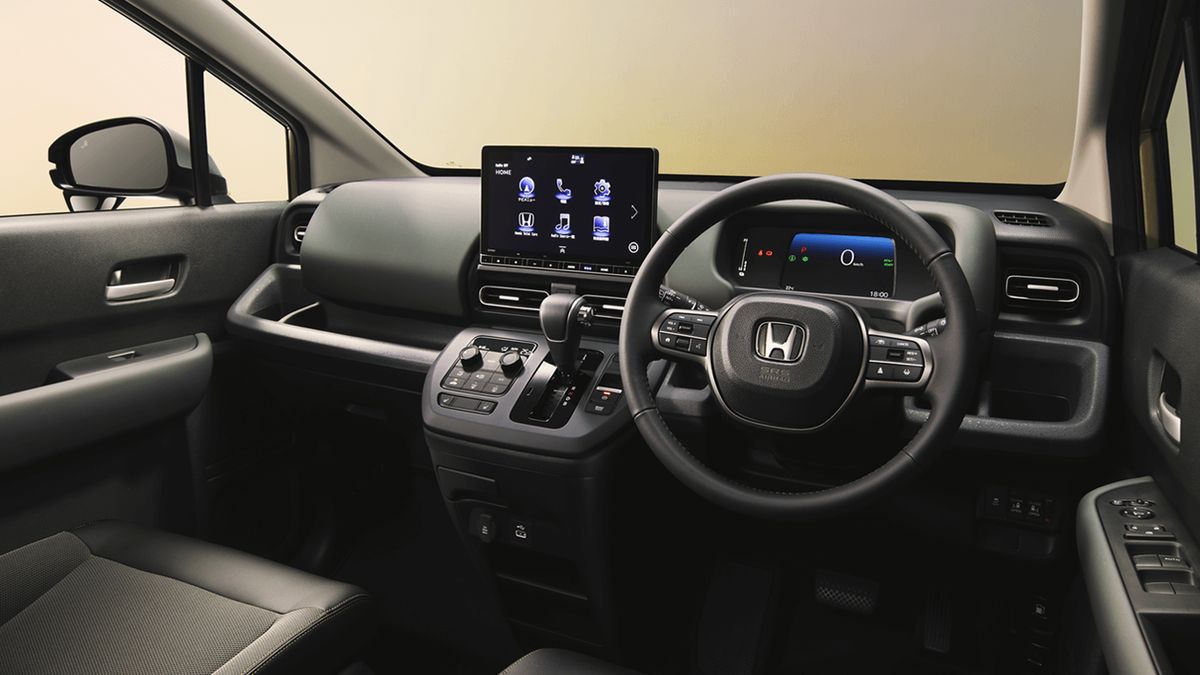
As for the interior, the steering wheel adopts a design similar to that of the current Fit. The LCD meter also adopts a design similar to that of the current Fit. The front control panel adopts a design similar to that of the Step WGN. The shift system uses a type where the lever moves back and forth. It is equipped with an “electric parking brake” and “auto brake hold” function, which keeps the car stopped even if you take your foot off the brake pedal while stopped, and is released when you step on the accelerator, making it useful in traffic jams. What’s more, it has a memory function! This means that if you turn the hold button on once, it will remain active the next time you get in the car without having to press the hold button again. It’s amazing!
4. Rear air conditioning, rare in this class
The Freed also has a 6-seater model with a “rear air conditioner (manufacturer option)” installed in the rear seats, allowing passengers in the rear seats to adjust the temperature and airflow of the air conditioner while also sending air to the rear seats. This is also not available in the Sienta.
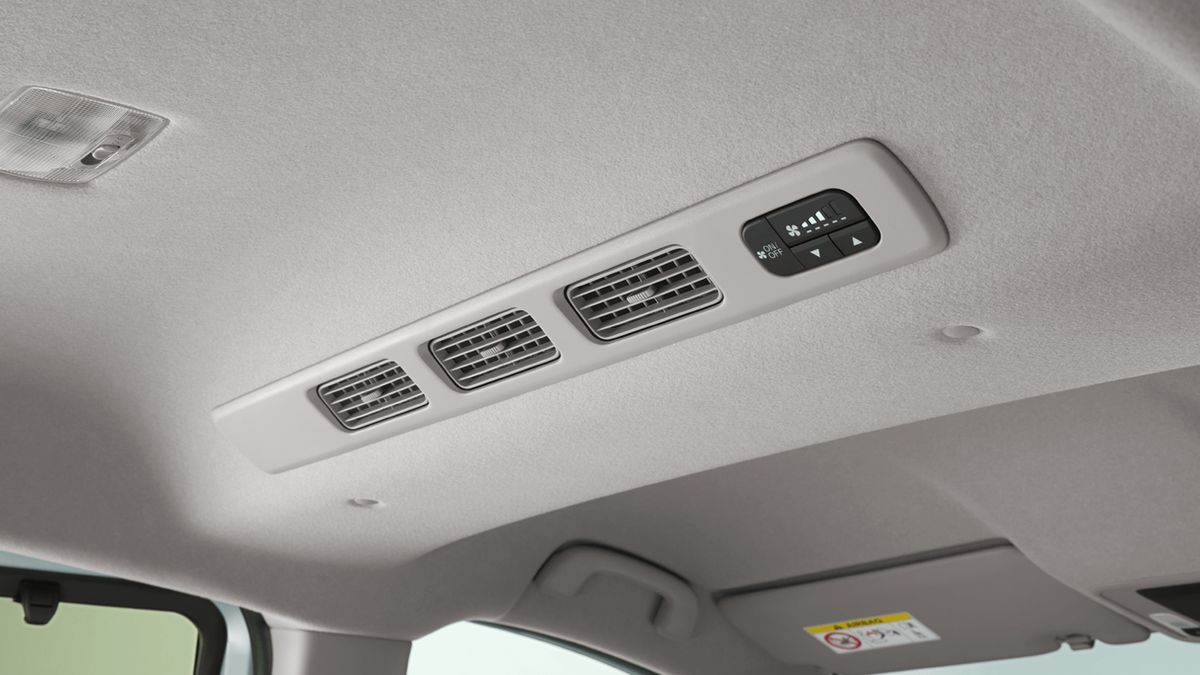
Rear air conditioner
5. Honda’s latest hybrid system (e:HEV)
The previous model was equipped with the “SPORT HYBRID i-DCD” inline 4-cylinder 1.5L Atkinson DOHC i-VTEC + motor, but now it’s finally equipped with Honda’s two-motor hybrid system, “e:HEV.” It’s now installed in a wide range of vehicles, including the “Fit,” “Vezel,” ” Step Wagon ,” “Accord,” “Odyssey,” and “Civic.” It’s finally being installed in the ” Freed ” after a full model change. You’ll notice that WLTC mode fuel economy has improved significantly compared to the previous model (please note that these are not final specifications). Furthermore, motor output has been significantly increased, so you can expect a comfortable ride.
| Specifications | Old Freed Hybrid |
New Freed Hybrid |
|---|---|---|
| engine | Inline 4-cylinder 1.5L i-VTEC + motor (i-DCD) |
1.5L i-VTEC engine + motor (e:HEV) |
| Maximum power | 81kW (110ps) / 6,000rpm |
72kW (98PS) / 5,600-6,400rpm |
| Maximum torque | 134Nm (13.7kgm) / 5,000rpm |
127Nm (13.0kgfm) / 4,500-5,000rpm |
| Motor maximum output |
22kW (29.5ps) / 1,313~2,000rpm |
80kW (109PS) / 3,500-8,000rpm |
| Motor Max Torque |
160Nm (16.3kgm) / 0~1,313rpm |
253Nm (25.8kgfm) / 0-3,000rpm |
transmission |
Electric continuously variable transmission |
Electric continuously variable transmission |
| Drive system | 2WD (FF) / 4WD |
2WD (FF) / 4WD |
| Passenger capacity | 5 people | 5 people |
| WLTC mode fuel economy |
Approx. 19.8km/L (4WD) Approx. 20.8km/L (2WD) |
Approx. 24.4km/L (2WD) Approx. 21.0km/L (4WD) |
6. Latest safety equipment
Honda SENSING has evolved even further and is now standard on all vehicles. A new front wide-view camera and eight front and rear sonar sensors are a first for a Honda vehicle. The Collision Mitigation Braking System (CMBS) helps avoid collisions with pedestrians and cyclists, day or night. Adaptive Cruise Control (ACC) with Traffic Jam Follow has also been adopted, further improving the Adaptive Cruise Control (ACC). New features have been added, including a rearward-facing collision prevention function and auto high beams, and improvements have been made to the near-collision mitigation braking system, traffic jam assist, and blind spot information. These features are considered the most important factors when switching from the previous model.
| System Equipment | Old model Freed | New Freed |
|---|---|---|
| CMBS | ◯ (Daytime pedestrians) |
◯ (Daytime and nighttime pedestrians and bicycles) |
| False start prevention function | ◯ | ◯ |
| Pedestrian Accident Reduction Steering |
◯ | ◯ |
| Road departure prevention function | ◯ | ◯ |
| ACC | ◯ | ◯ (with traffic jam following function) |
| LKAS | ◯ | ◯ |
| Preceding vehicle departure notification function |
◯ | ◯ |
| Sign recognition function | ◯ | ◯ |
| False backward start prevention function |
◯ | ◯ |
| Near-Collision Mitigation Braking | – | ◯ |
| Traffic Jam Assist (traffic jam driving assistance function) |
– | ◯ |
| Sudden acceleration control function | – | ◯ |
| Blind Spot Information |
– | ◯ |
| Back-up and exit support | – | ◯ |
| Automatic high beam |
– | ◯ |
| Multi-view camera system (manufacturer option) |
– | ◯ |
A word from the editorial department
This time I’ve explained what I think is great about the Freed, but the “electric parking brake” and “auto brake hold” are extremely important and will likely become indispensable equipment for many users. The “blind spot monitor” is also used in many current models, and its equipment and design are just as appealing as the compact Stepwagon. I’ll be paying close attention to where the Freed ranks in terms of sales from June and July 2024.