
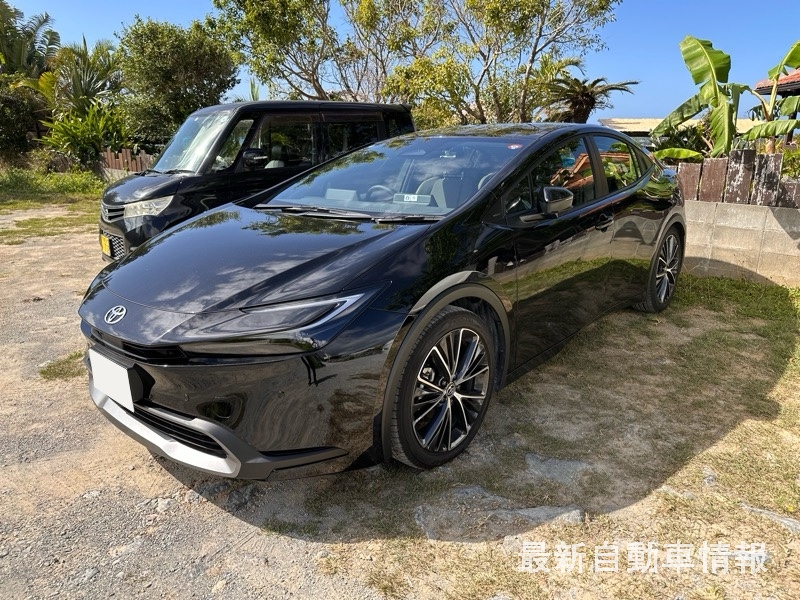
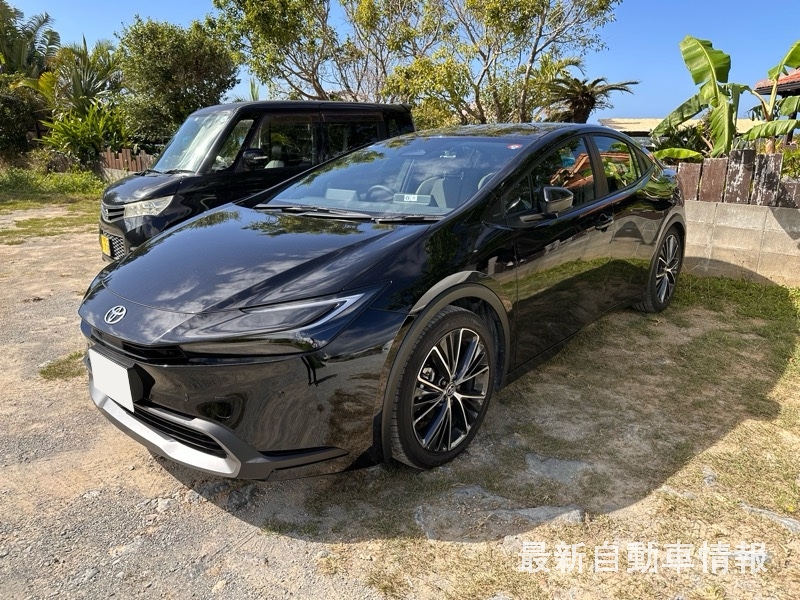
Toyota has completely redesigned the new Prius , which will go on sale on January 10, 2023. Here, we ‘ve compiled our impressions of the new Prius , a 2.0L hybrid model in the Z grade, after driving it for over 500km. We’ve thoroughly explored the car’s appealing features, including what we saw and felt, as well as its catalog and specifications . We hope this information will be helpful when making your purchase.
Toyota 5th Generation New Prius Test Drive Impressions and Review
First, let me be frank about my experience driving the car. The second-generation TNGA platform delivers excellent straight-line stability and handling, and I can clearly see the low center of gravity and body rigidity. What surprised me most was the precision of the radar cruise control. It’s even more accurate than my current Harrier, which is supposed to be a higher-grade car, and I’m jealous. The accuracy of the lane detection, along with the ability to detect and notify pedestrians cutting in, and the ability to slow down on curves are particularly impressive. I previously owned the previous fourth-generation model, and I felt there were far too many advancements. The car I drove was a 2.0L hybrid, and while the long driving time of the electric motor is impressive, the engine noise is quite strong inside the cabin, which may be a bit of a concern for some , and I felt it was an area for further improvement. The excellent visibility, interior design, and the generous use of soft padding were also impressive. Since the car I drove was the Z grade, it was equipped with 19-inch aluminum wheels, and as expected, the ride felt a bit bumpy over bumps and other obstacles.
What is the actual fuel consumption?
I drove normally, without thinking about anything, on many roads, including highways, regular roads, and traffic jams, without stepping on the accelerator too hard. The actual fuel economy was 22.1km/L. This is quite good for a car of this size. There was no change in fuel economy from the previous Prius.
Minus points
While it varies from person to person, I felt it was a little harder to get in and out of than the previous Prius. The body’s low center of gravity and steep angle make it a little difficult to get in and out of the front and rear seats. The height of both the front and rear seats felt quite tight. The rear seats also don’t recline. If you’re considering buying one, I highly recommend taking a test drive to see for yourself.
Exterior design
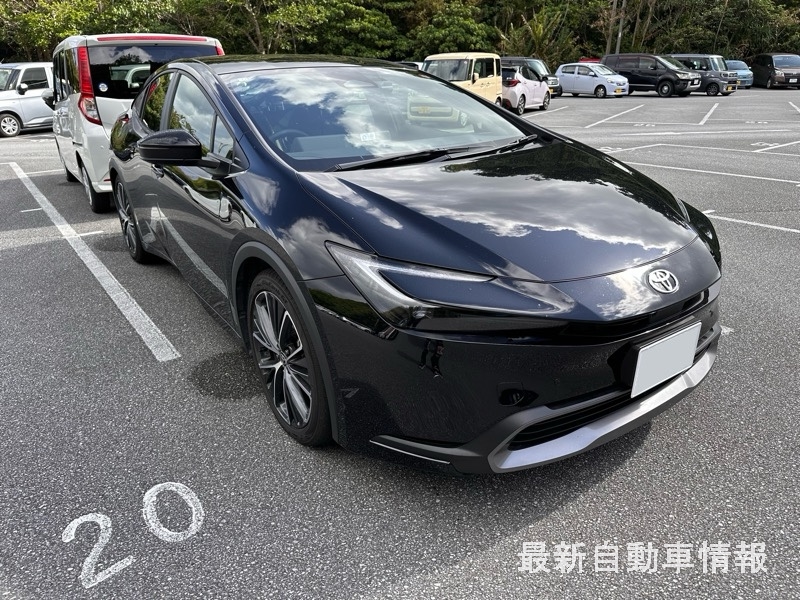
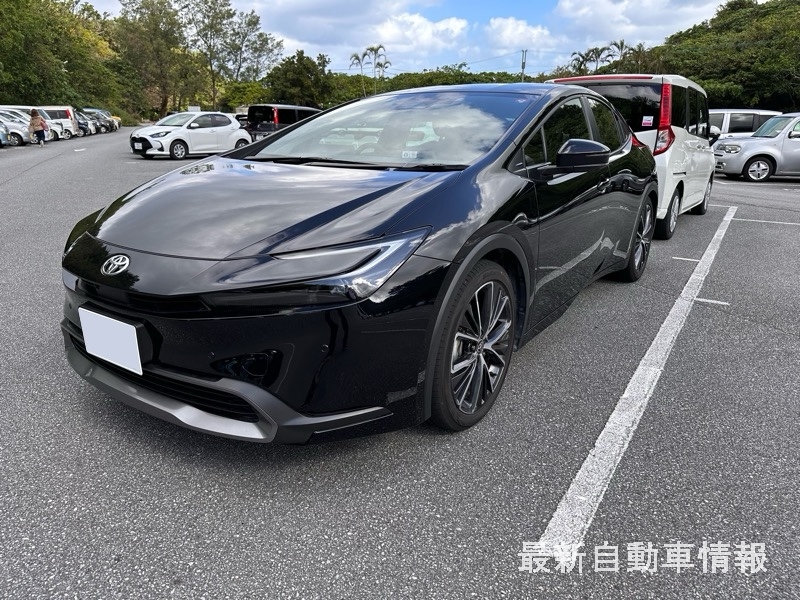
Compared to its predecessor, it looks cool to anyone.
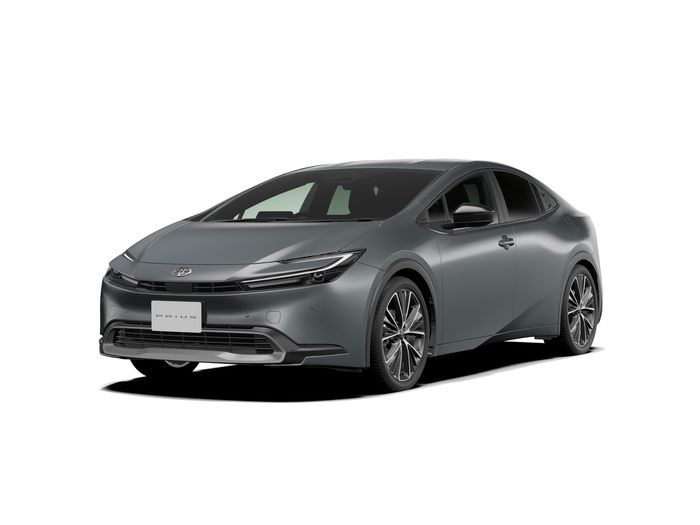
The front design, based on a hammerhead motif, combines functionality and design at a high level, and the full model change finally brings with it the DRL (Daytime Running Light) “Signature Lamp.” It is highly likely that the headlights will come standard with “Bi-Beam LED headlights + LED turn lamps + LED clearance lamps” and “LED fog lamps.” The rear design features a thin, single-character rear combination lamp .
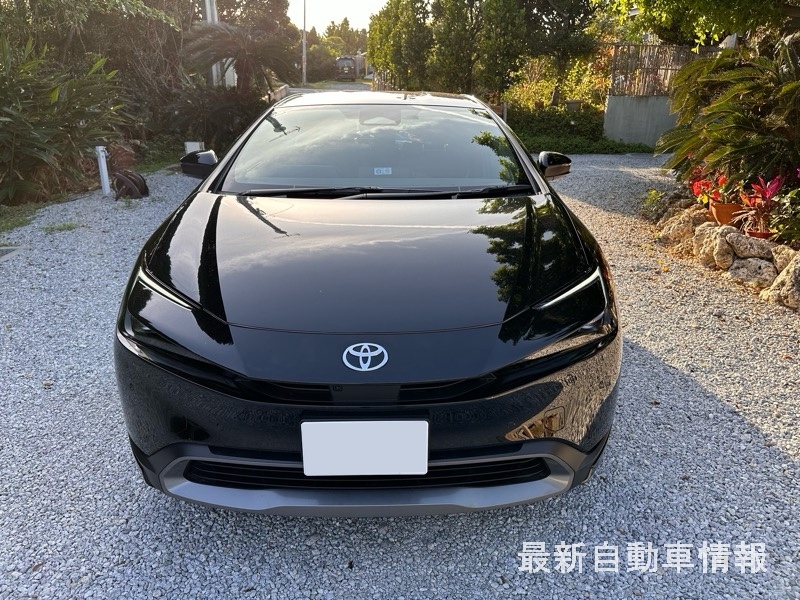
Large “U-shaped” daytime running lights
The car features large, “U-shaped” daytime running lights, a design that has never been seen before by Toyota, giving it a sense of advanced technology. Several models in the new BEV (battery electric vehicle) “bZ” series, unveiled on December 14, 2021 , feature a similar headlight design, and it is likely to become a headlight design that will be widely adopted in future Toyota vehicles.
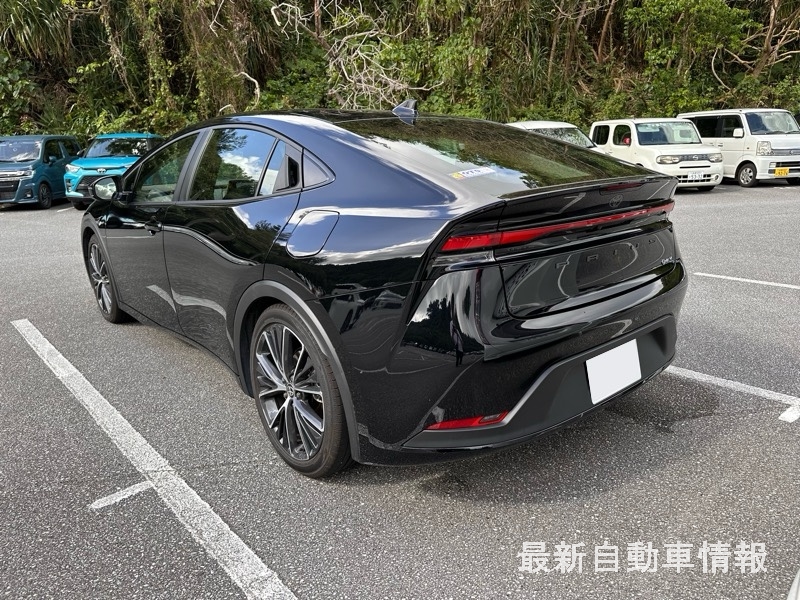
New Prius
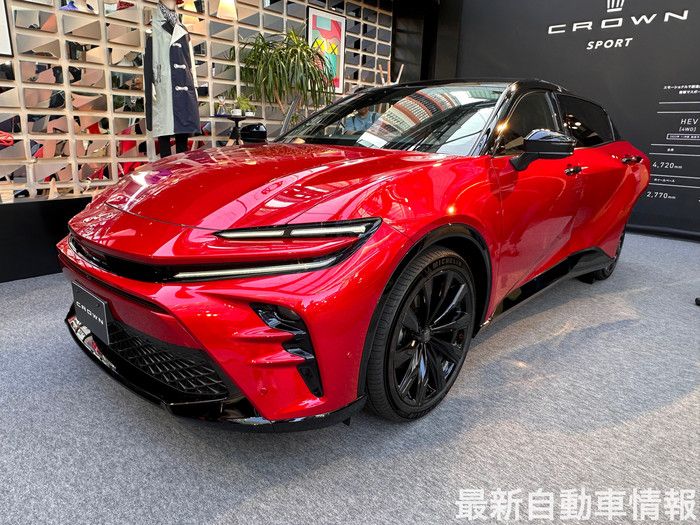
Crown Sport
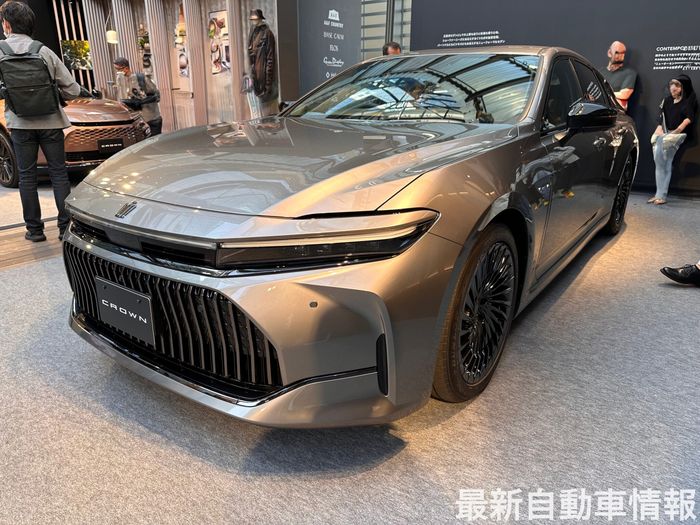
Crown Sedan
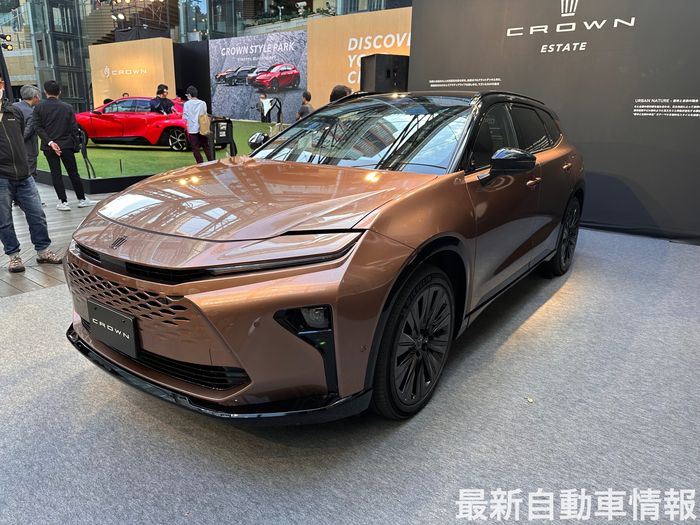
Crown Estate
Toyota Crown Series
Adopts a complete horizontal taillight
The rear features a completely horizontal taillight. Toyota vehicles such as the Harrier and Crown also feature similar horizontal taillights, but the Toyota emblem was in between them, so the taillights were not completely horizontal.
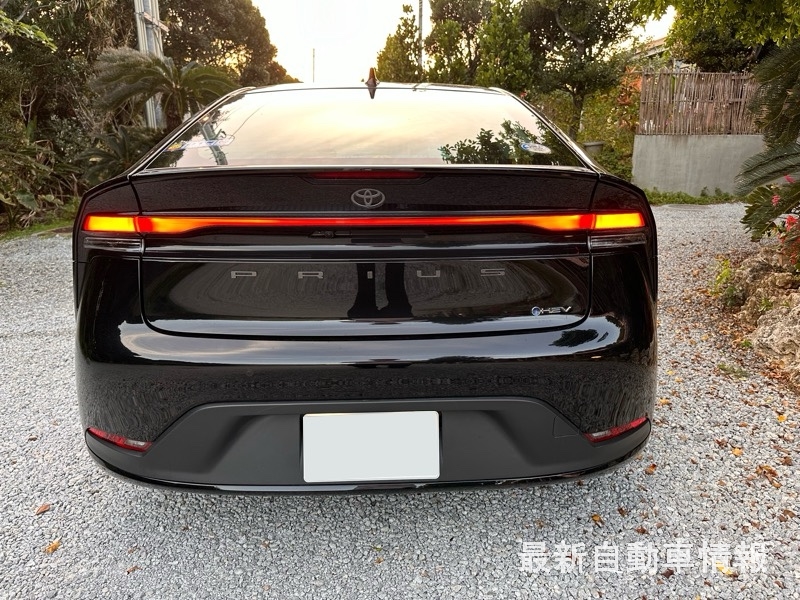
New Prius
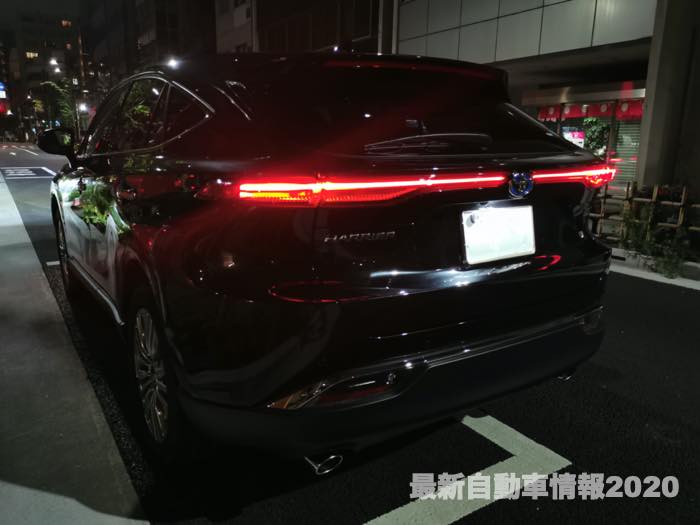
New Harrier
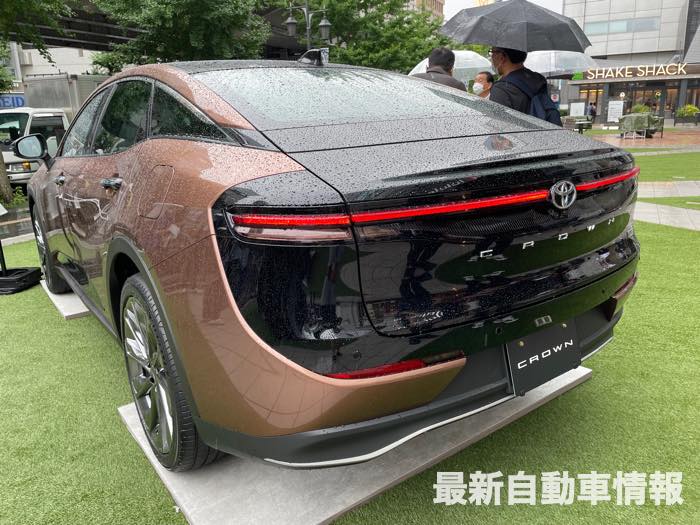
New Crown Crossover
Sporty and stylish appearance
Hatchbacks are characterized by their sporty and stylish appearance, making them popular with young people and active drivers. Their dynamic design, combined with their compact body, gives them a unique impression.
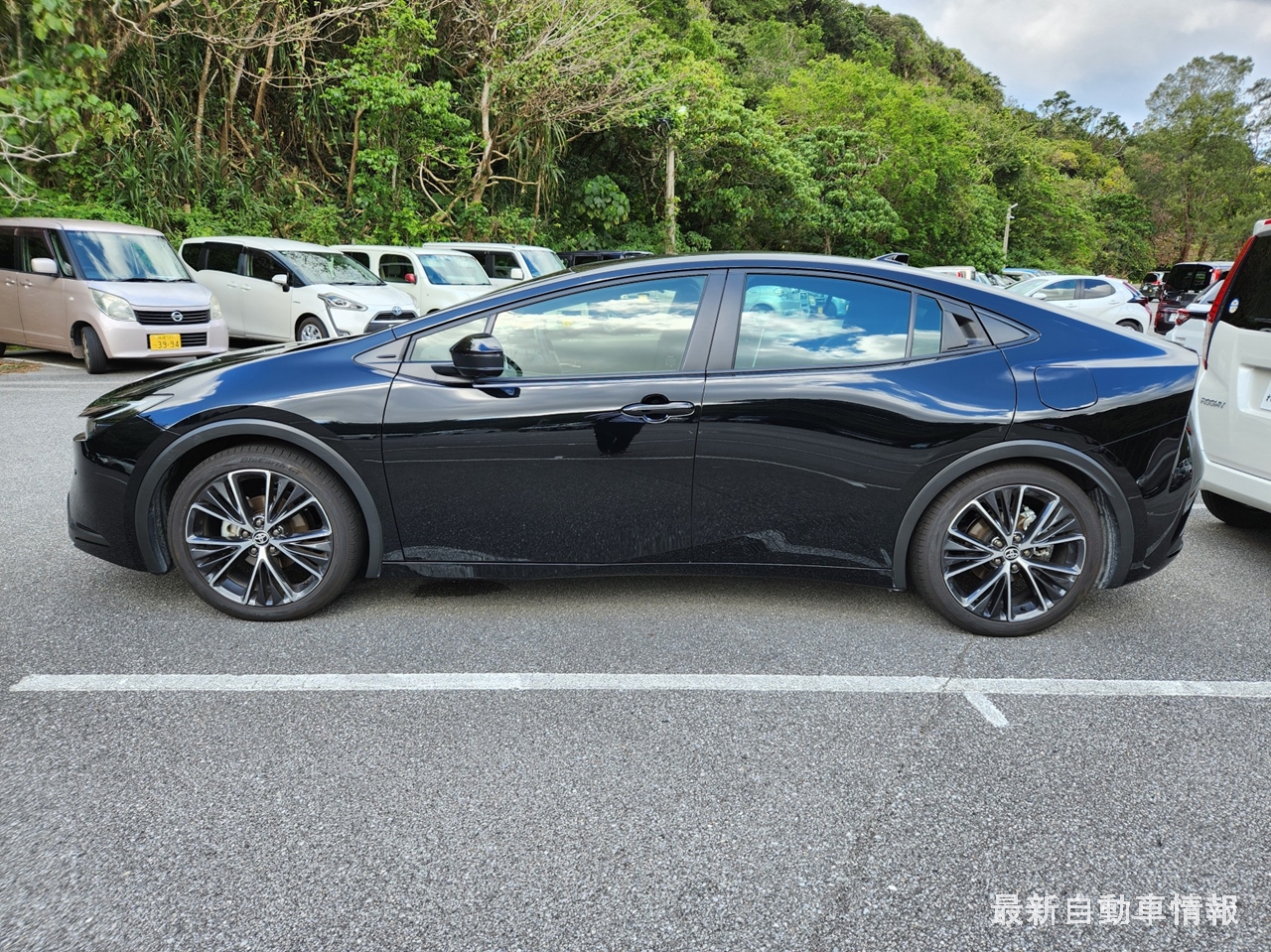
Due to the lower center of gravity, the vehicle height is also lower, so care must be taken when going over bumps and other uneven surfaces.
Great body size
The body size is 4,600mm long, 1,780mm wide, and 1,420mm high, which is about 20mm longer and wider than the previous model, and the wheelbase has also been extended. The height has been lowered by about 50mm, giving it a more sporty feel and a more refined design. However, the interior space still feels cramped due to its lack of height.
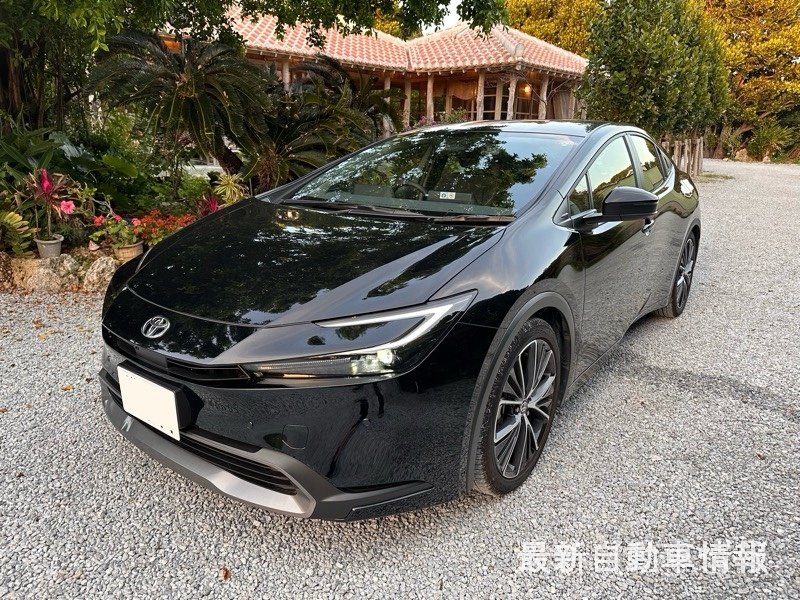
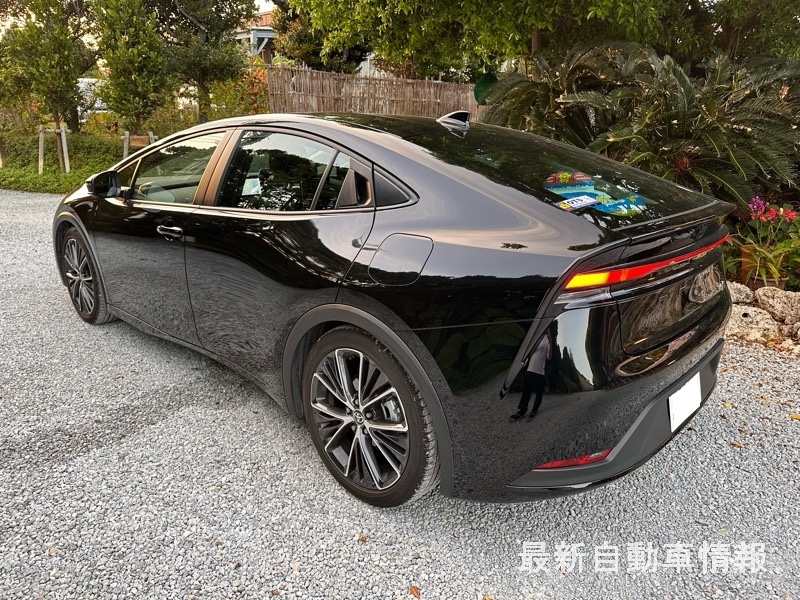
| Specifications | 4th generation Prius late model | 5th generation Prius | difference |
|---|---|---|---|
| full length | 4,575mm | 4,600mm | +25mm |
| Overall width | 1,760mm | 1,780mm | +20mm |
| Overall height | 1,470mm (2WD) 1,475mm (4WD) |
1,420mm (2WD) 1,430mm (4WD) |
-50mm -45mm |
| Wheelbase | 2,700mm | 2,750mm | +50mm |
The body size is designed with the Japanese environment in mind. The overall length and width are extremely precise. Compared to other cars common in Japan, the Corolla Sport is slightly larger in all respects except for width, with the Corolla Sport having a length of 4,375mm, width of 1,790mm, height of 1,460mm, and wheelbase of 2,640mm.
| size | 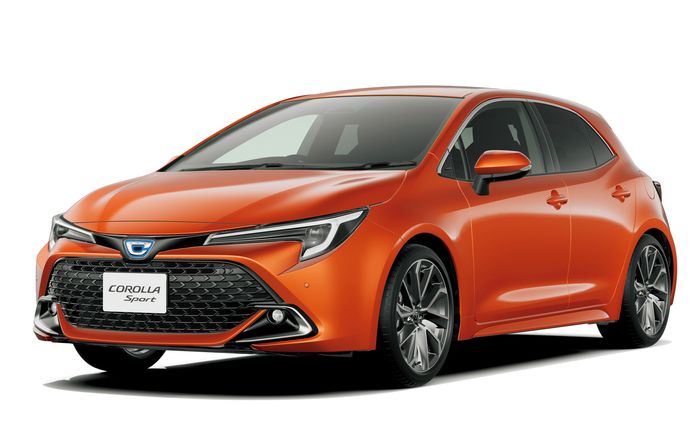 Corolla Sport |
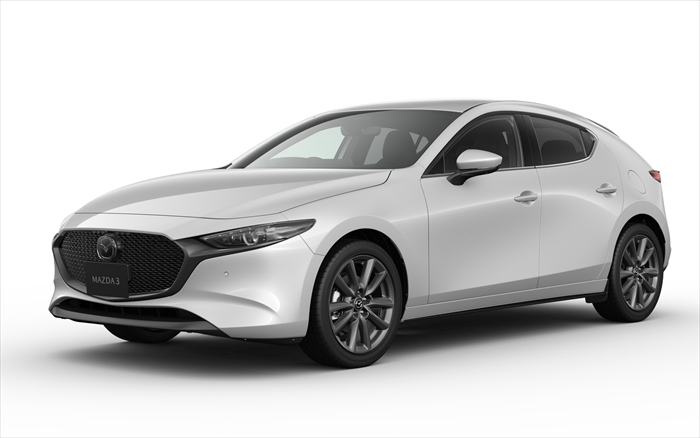 MAZDA3 |
 Prius |
|---|---|---|---|
| full length | 4,375mm | 4,460mm | 4,600mm |
| Overall width | 1,790mm | 1,795mm | 1,780mm |
| Overall height | 1,460mm | 1,440mm | 1,420mm 1,430mm |
| Wheelbase | 2,640mm | 2,720mm | 2,750mm |
Rare 5-door hatchback
In fact, there are very few 5-door hatchbacks in the hatchback category these days. Examples include the Toyota Corolla Sport, Mazda MAZDA3, and Volkswagen Golf.
What’s the appeal of a 5-door hatchback?
Hatchbacks are generally compact, making them easy to drive in urban areas and on narrow roads. Finding a parking space is relatively easy, and they’re easy to maneuver. The distinctive design of hatchbacks provides access through a large rear hatch (trunk) door, making it easy to load various items, such as luggage, shopping bags, and sports equipment. Folding the rear seats provides even more space. Hatchbacks are generally lighter and have smaller engines, which means they tend to have better fuel economy. Their compact size also reduces vehicle weight, contributing to improved fuel economy. Hatchbacks are generally more affordable than other body styles. Their affordable price point makes them an attractive choice for first-time car buyers and those on a budget.
The interior is fully equipped with the latest features
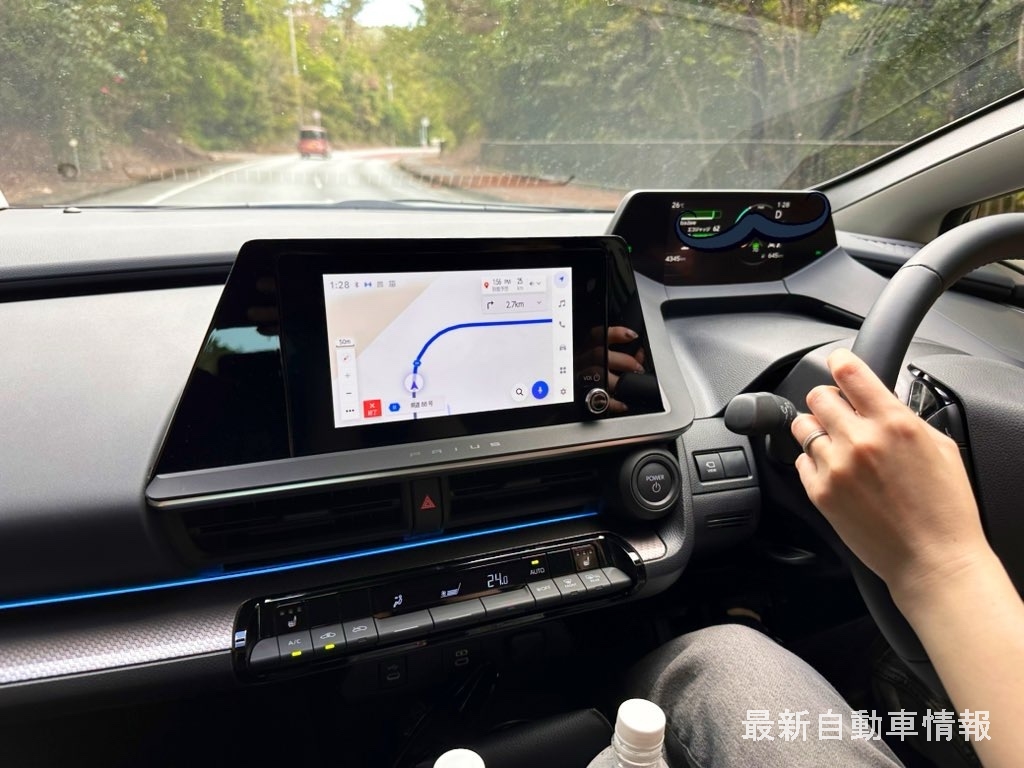
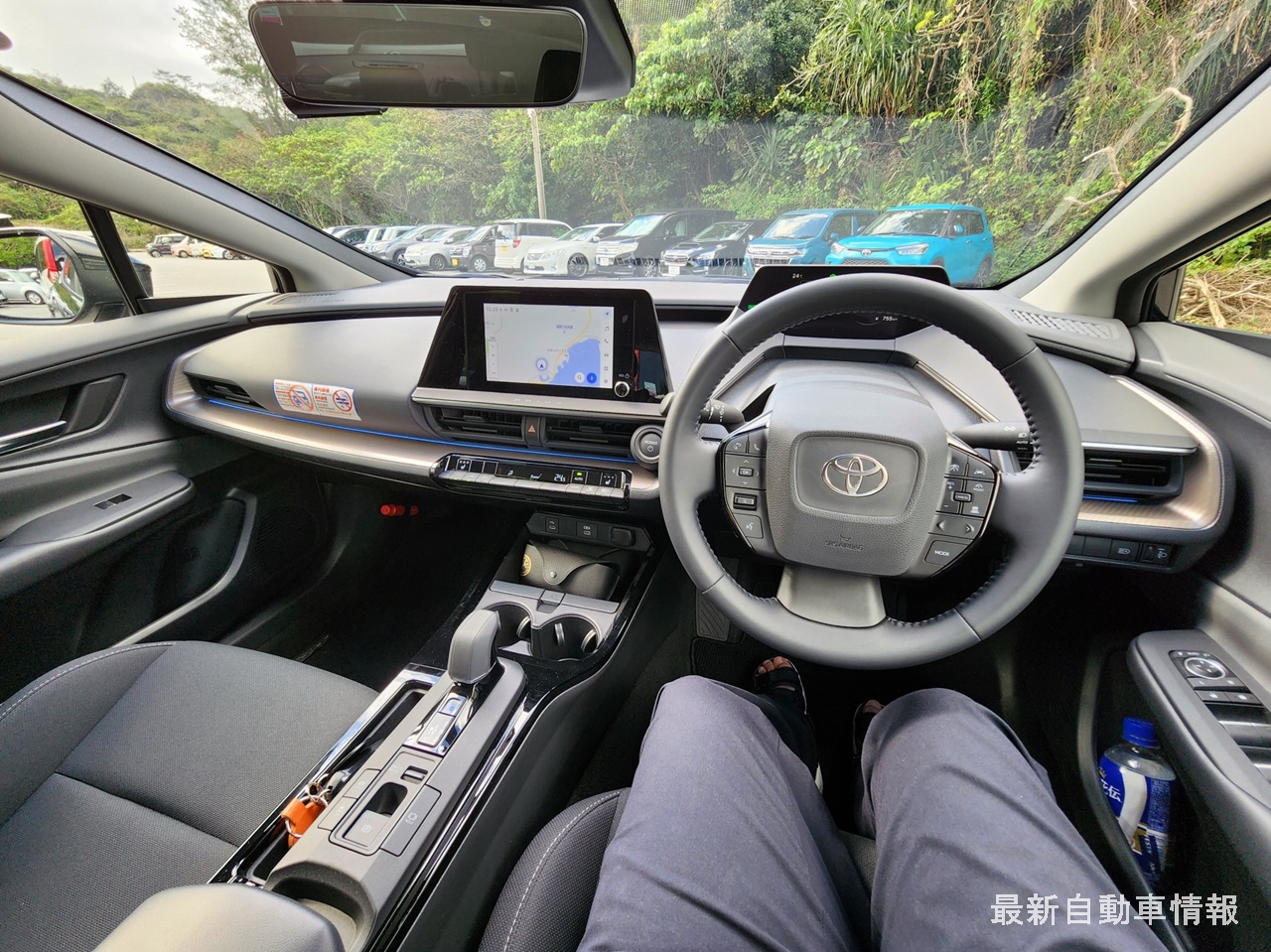
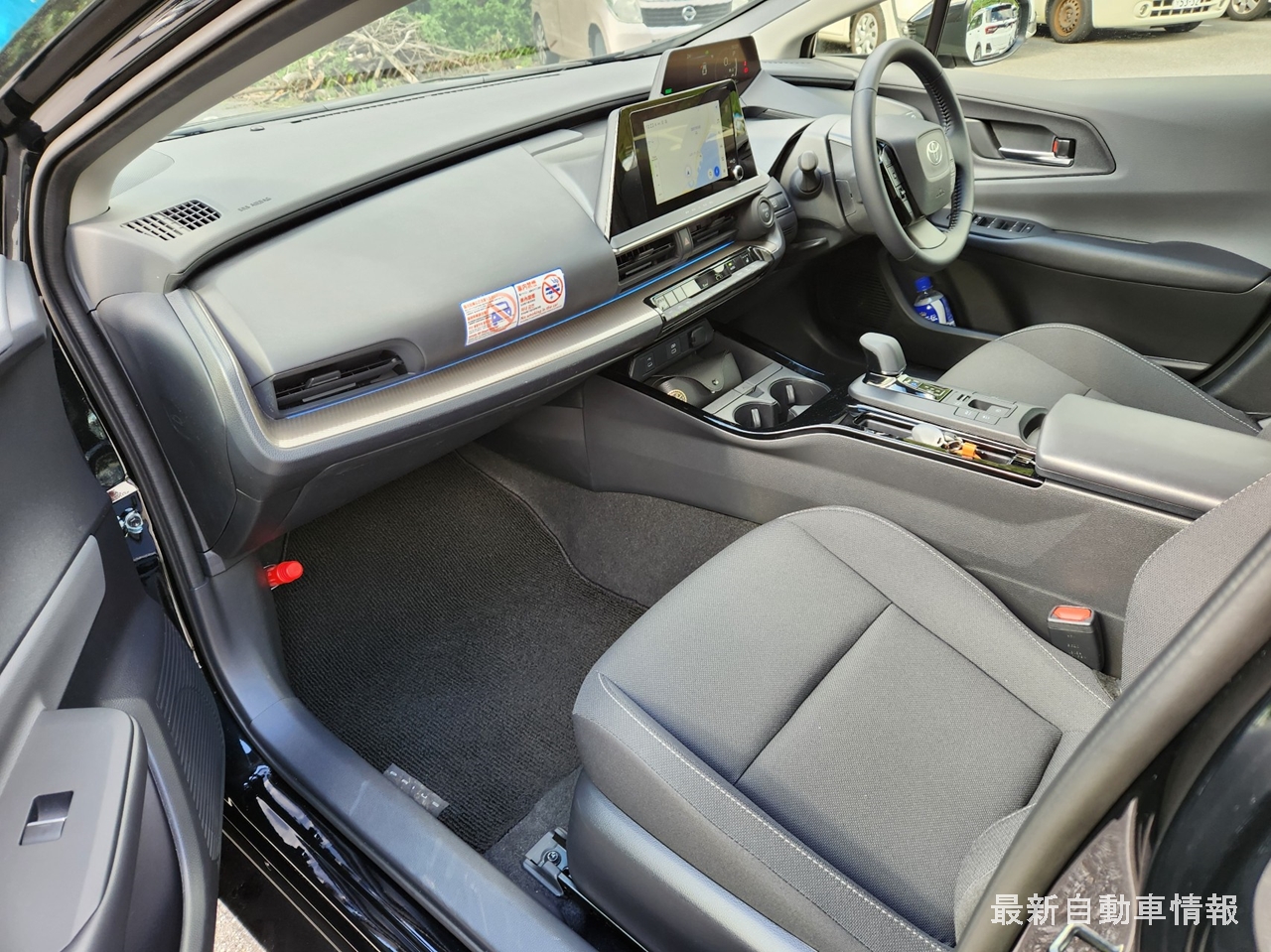
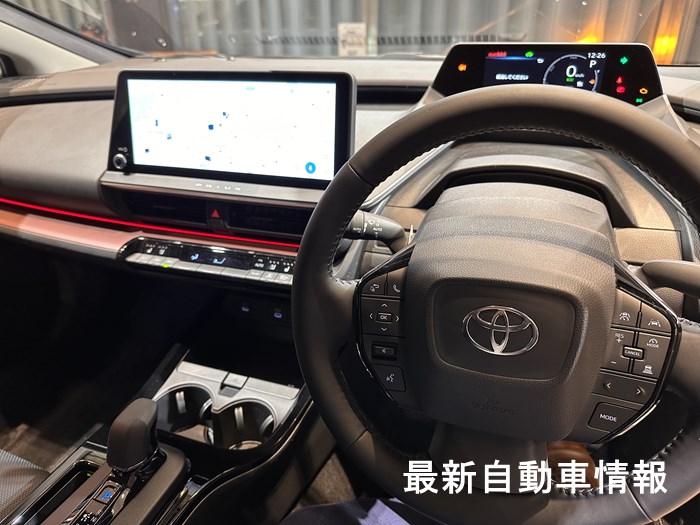
The interior will no longer feature a center meter, instead adopting a digital meter at the front . Following the trend of Toyota vehicles like the new Mirai, Crown, and Harrier, the dashboard will likely be redesigned for greater ease of use by relocating the air conditioning vents and repositioning the navigation display higher. It will also feature an 8-inch or 12.3-inch display audio system . It will also feature an electric parking brake and hold system. The optional digital inner mirror displays images from a camera mounted at the rear of the vehicle on the rearview mirror. It also has a recording function. The layout of the controls on the steering wheel and around the dashboard was excellent and easy to use. Personally, I’m thrilled by the improved visibility from the rearview mirror. Until the previous model, the Prius had two rear windows, which made it difficult to see through the middle. The fifth-generation model now has a single rear window, improving visibility. Of course, times have changed, and the digital inner mirror offers even better rearward visibility, so I recommend it.
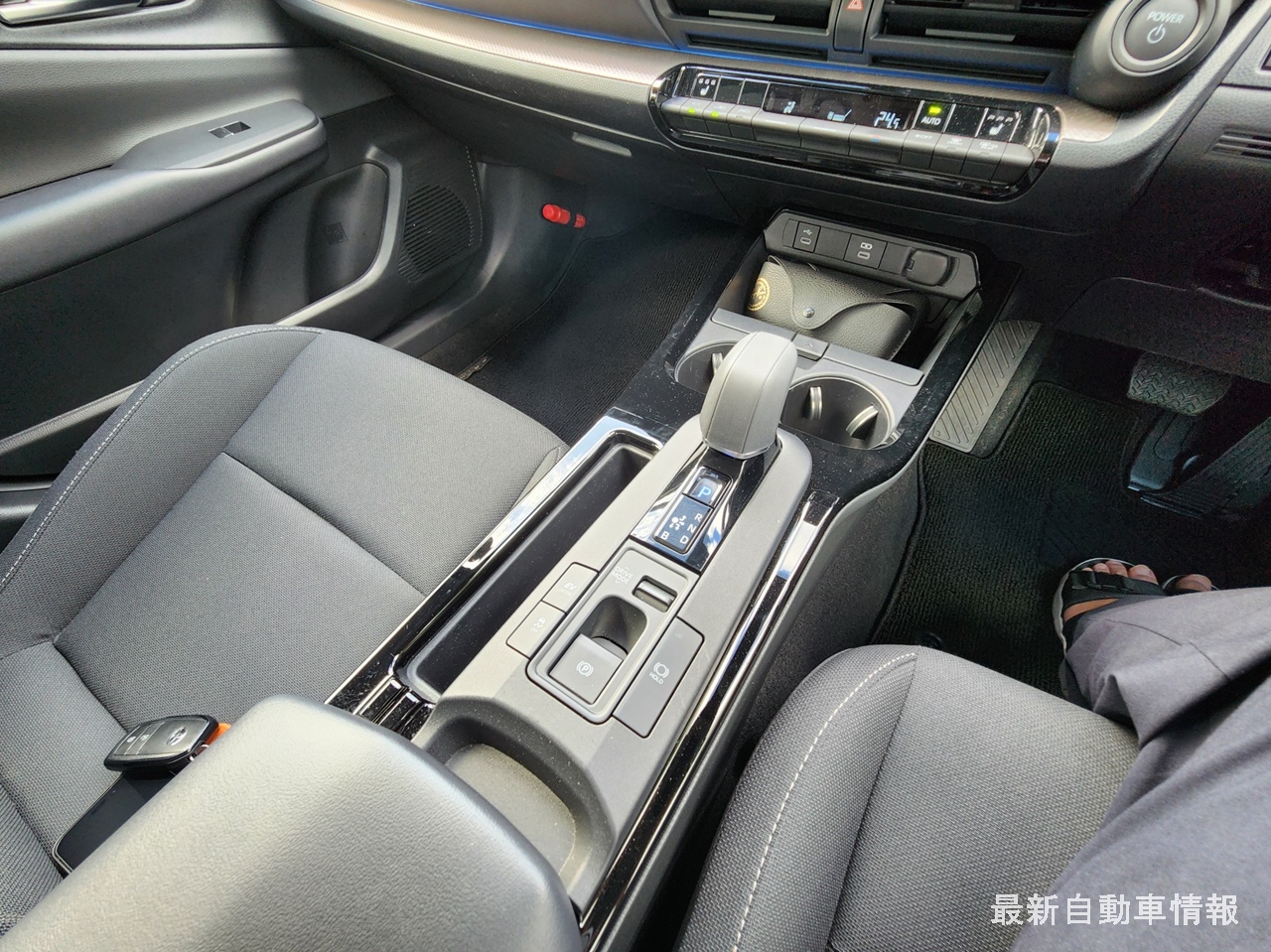
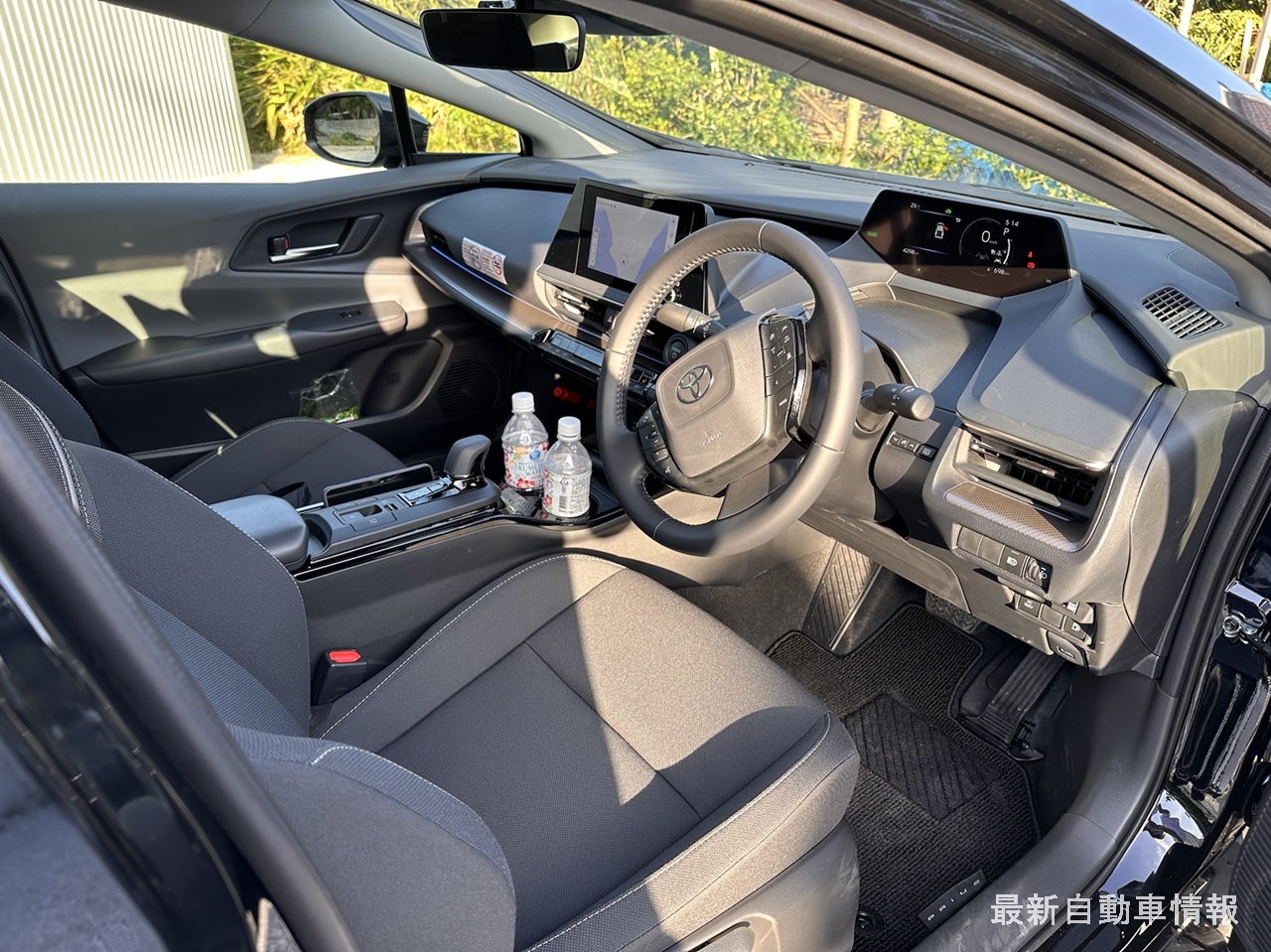
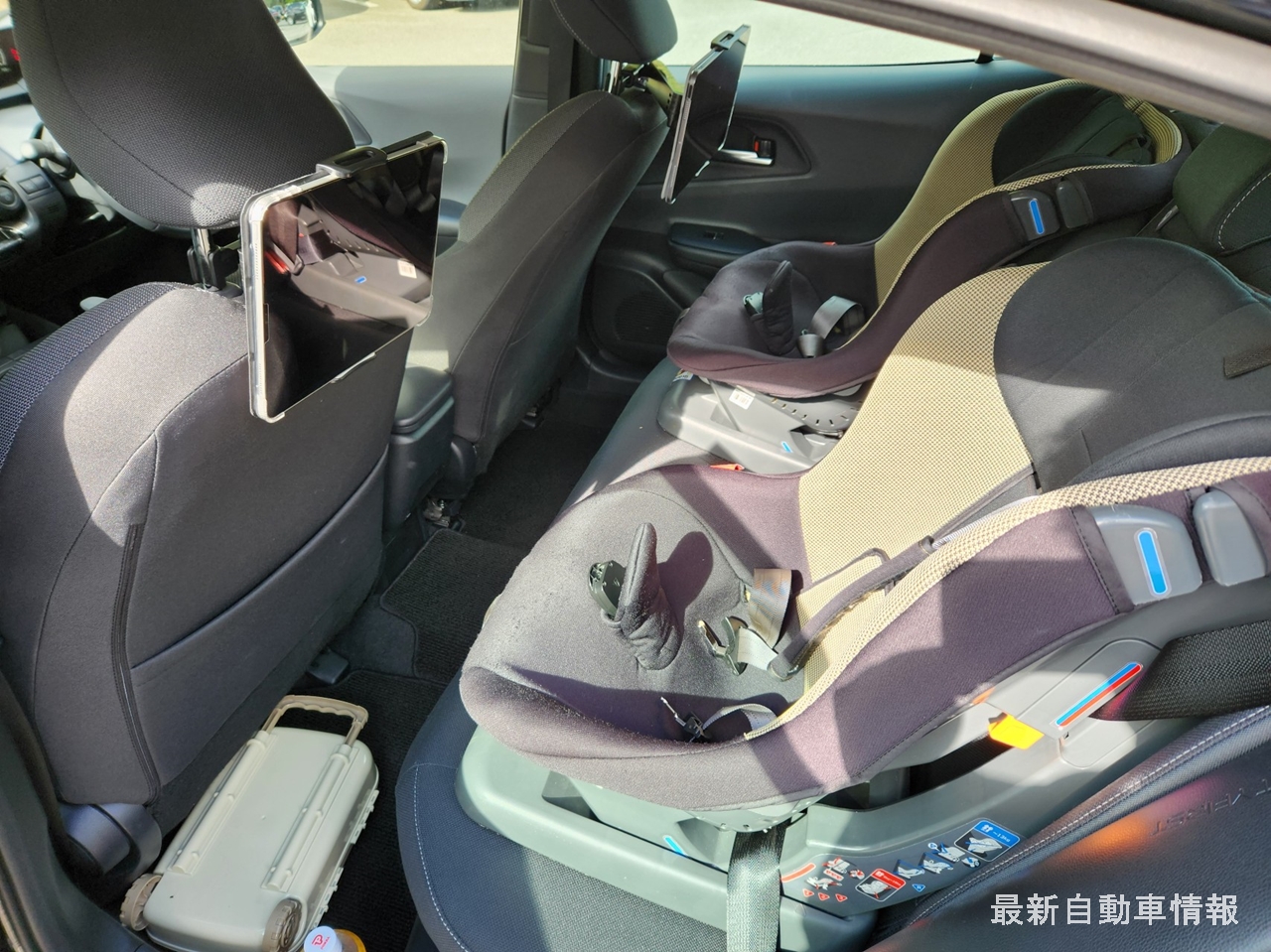
High-quality interior
As you’ll see when you test drive it, visibility from the driver’s seat is excellent, and the shape of the side mirrors and pillars has been carefully thought out, making it easier to see and drive than the previous model.
Organ Pedal
The sensor-integrated organ pedal is designed for ease of operation. Linear pedal force allows the driver to feel more one with the car, resulting in a pleasant ride.
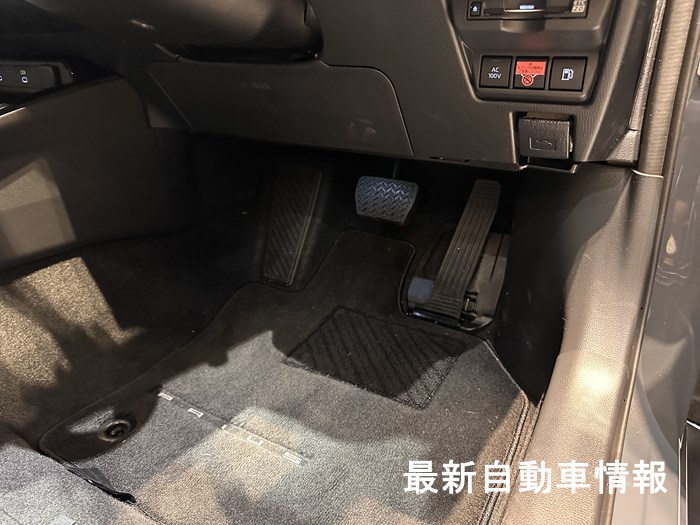
Seat ventilation (standard equipment on grade Z)
The seat back and cushion of the “Z” grade seats are equipped with a ventilation function that draws in hot air from the seat surface to provide a cool feeling. The seats also draw in cool air from the air conditioner, so you can feel cooler in a shorter time.
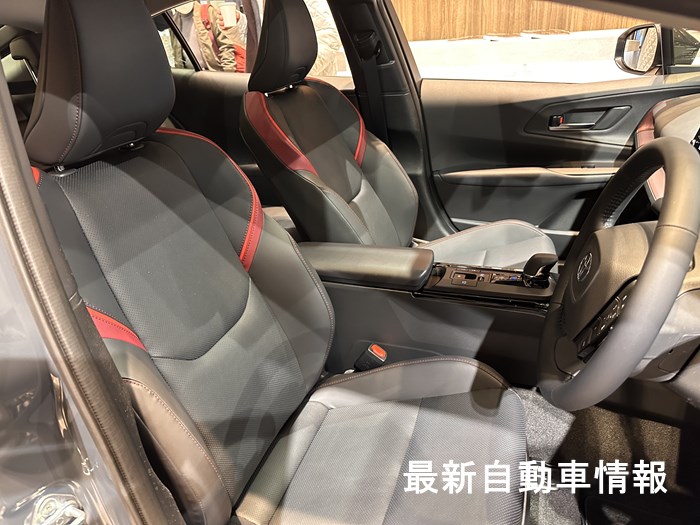
8-way power driver’s seat with lumbar support and automatic driver’s seat retraction function (standard on the Z grade)
Standard equipment “Z” allows for stepless electric adjustment of forward/backward sliding, reclining, seat height, and seat front edge up/down. Two-way adjustment of the lumbar support that supports the lower back is also possible with the flip of a switch. The driver’s seat automatically slides when getting in and out.
Panoramic view monitor with a camera that looks down from above
“Panoramic View & Wide Front View Function” Once you use it, you can look down from above, making parking easier, checking the stopping position, and easily seeing obstacles in blind spots.
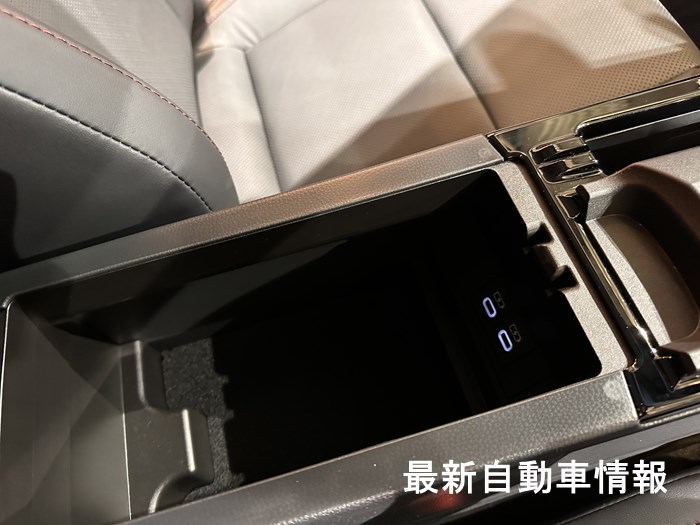
USB Type-C power supply in front seats (4 units)
Two USB output power sources (DC5V) are provided, one in the center tray and one in the rear seats, for convenient charging of smartphones and other devices.
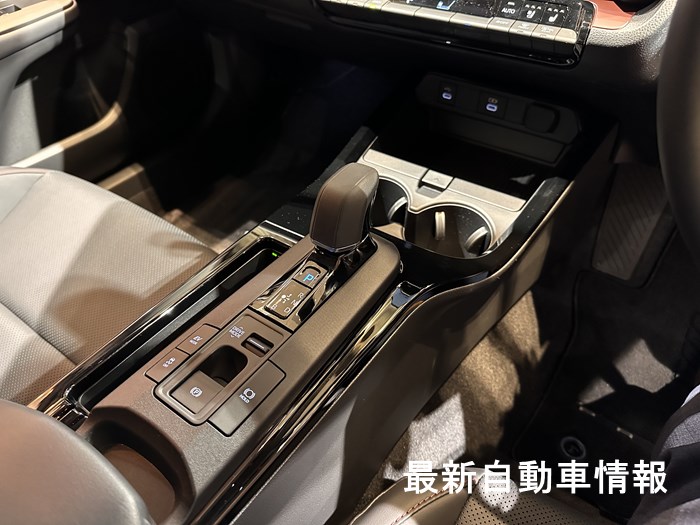
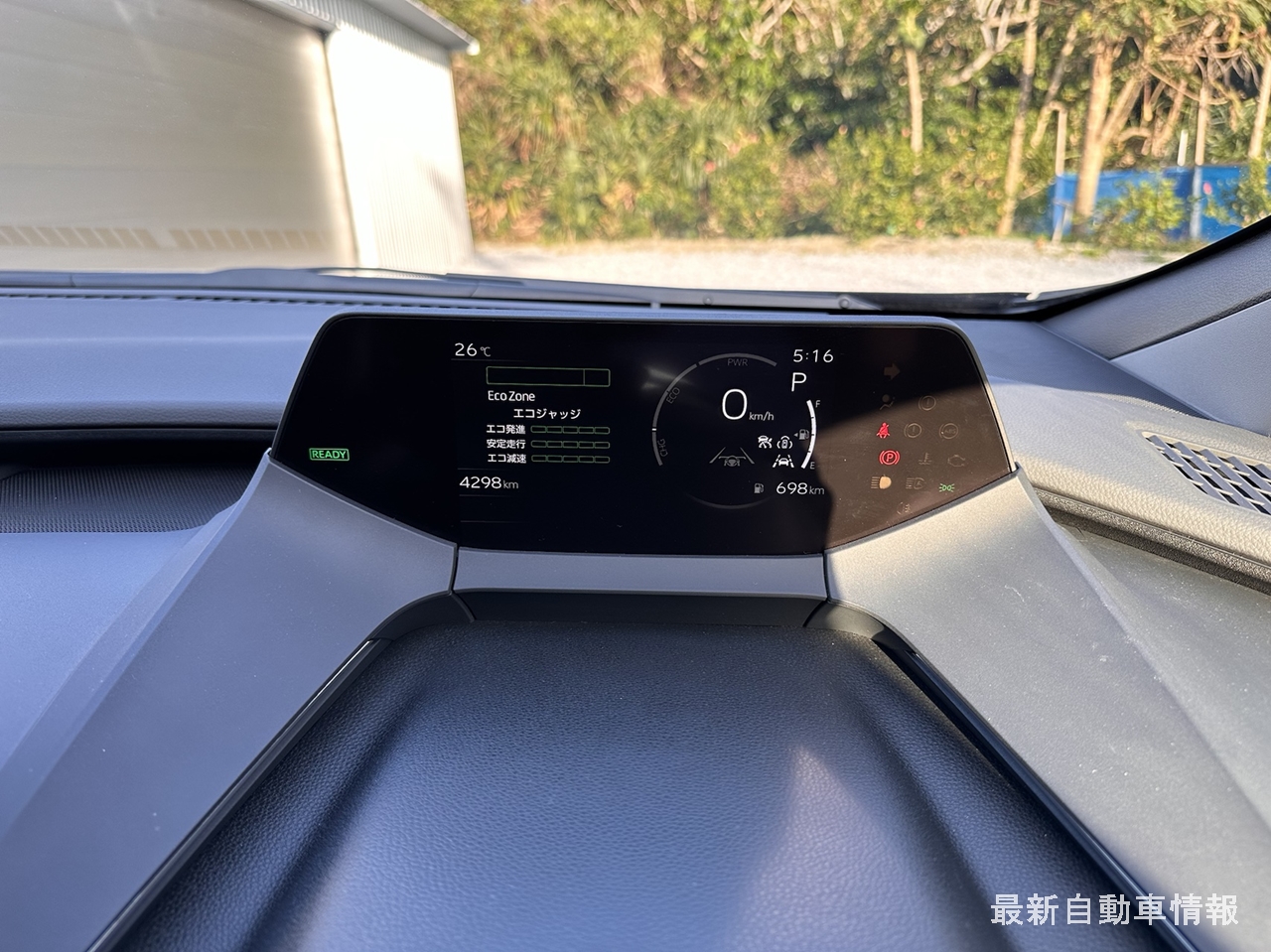
The digital meter on the front is hard to see
The interior no longer has a center meter, but instead uses a digital meter at the front .
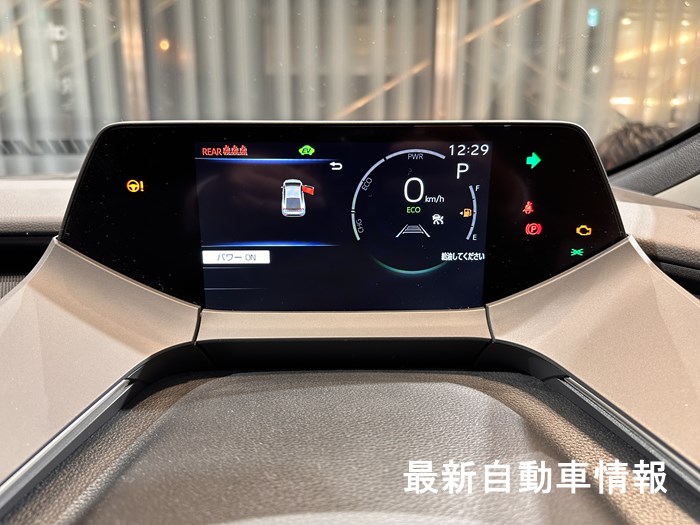
No matter how much you adjust the steering wheel position, it will always be hidden by the area below the digital meter, which may bother some people when driving. It bothers me. → After actually considering various positions, I decided that rather than changing the steering wheel position, I should set the seat higher and aim for a position that allows you to lower the steering wheel so that it doesn’t overlap with the steering wheel .
Evolution through adoption of TNGA (Toyota New Global Architecture)
By adopting the newly developed “GA-C platform” called TNGA (Toyota New Global Architecture), which was used in the new “Prius” that went on sale on December 9, 2015 , the new second-generation platform has a “lower center of gravity” and “increased body rigidity”, marking a significant evolution from the previous model.
Top-class fuel economy with the latest 5th generation hybrid system
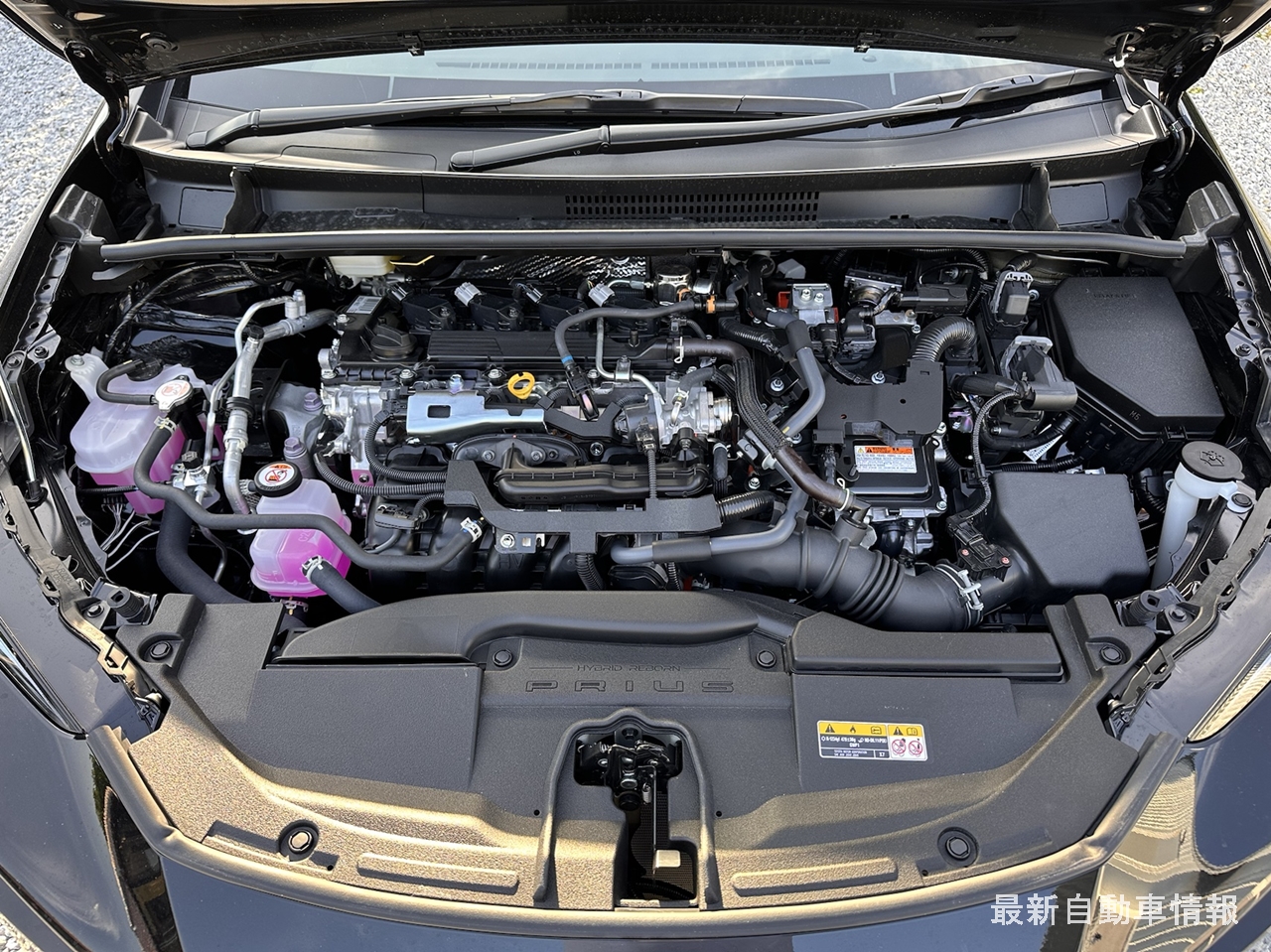
The fifth-generation hybrid system is a series-parallel hybrid with a reduction mechanism that combines a 1.8L inline 4-cylinder DOHC engine “2ZR-FXE” with a motor . The higher-grade model also features a 2.0L inline 4 DOHC “M20A-FXS” with a motor, achieving both performance and fuel economy. It is more powerful and easier to drive than its predecessor.
| Specifications | New Prius 1.8L (X/U) |
New Prius 2.0L (G/Z) |
|---|---|---|
| full length | 4,600mm | 4,600mm |
| Overall width | 1,780mm | 1,780mm |
| Overall height | 1,430mm | 1,420mm |
| Wheelbase | 2,750mm | 2,750mm |
| engine | Inline 4 DOHC 1.8L + motor ( series-parallel hybrid with reduction mechanism ) |
Inline 4 DOHC 2.0L + motor ( series-parallel hybrid with reduction mechanism ) |
| Maximum power | 72kW (98ps) / 5,200rpm |
112kW (152ps) |
| Maximum torque | 142Nm (14.5kgm) / 3,600rpm |
188Nm (19.2kgm) / 4,400-5,200rpm |
| Front motor maximum output |
70kW (95PS) |
83kW (113PS) |
| Front motor maximum torque |
185Nm (18.9kgfm) |
206Nm (21.0kgfm) |
| Rear motor maximum output |
30kW (41PS) |
30kW (41PS) |
| Rear motor maximum torque |
84Nm (8.6kgfm) |
84Nm (8.6kgfm) |
| System Output | 103kW (140ps) |
144kW (190PS) |
| 0-100km/h acceleration | 9.3 seconds | 7.5 seconds |
| WLTC mode fuel economy | 32.6km/L | 28.6km/L |
Top-class safety equipment is included. Toyota’s advanced safety equipment “Toyota Safety Sense” is adopted.
Toyota Safety Sense has been improved and fine-tuned to further enhance safety technology ( including nighttime pedestrian detection and a preceding vehicle departure notification function ). The previous name “Toyota Safety Sense P/C” has been unified as “Toyota Safety Sense” to become a collision avoidance support package. Intelligent clearance sonar (parking support brake) is standard equipment on all models except for the G “X”. The vehicle is now a “Safety Support Car S (Wide)” eligible vehicle.
The new fifth-generation Prius will adopt the “Next Generation Toyota Safety Sense,” replacing the ” Toyota Safety Sense P ” used in the fourth-generation Prius, which will significantly add functionality and improve safety.
“Pre-Collision Safety” can recognize pedestrians and bicycles at night , “Lane Departure Alert” increases the number of road detection items, and “Lane Tracing Assist” assists the driver in steering to keep the vehicle in the center of the same lane when using radar cruise control , reducing the burden on the driver .
Road Sign Assist displays road signs (‘speed limit’, ‘stop’, ‘no entry’, ‘no going outside’) on the instrument panel to prevent you from forgetting to look.
The “electric parking brake and hold” system, which is now a minor feature , was not adopted in the previous model but will be adopted in the new model. The ” panoramic view and wide front view function ” allows you to look down from above, making parking easier, and allowing you to easily check the parking position and obstacles in blind spots. Beyond appearances, the fourth and fifth generations have made significant improvements. The equipment is overwhelming compared to cars in the same class. It is equipped with a 12.3-inch display audio (optional).
| System equipment | 4th generation Prius |
5th generation new Prius |
|
|---|---|---|---|
| Toyota Safety Sense |
Pre-crash safety system with collision avoidance support |
◯ Daytime pedestrians |
Daytime and nighttime pedestrians , bicycles, and motorcycles |
| Proactive Driving Assist |
– | ◯ | |
| Lane Departure Alert ( with steering control function) |
Steering control White line/yellow line detection Wobble alarm |
Steering control White/yellow line detection Road edge detection Wandering alarm |
|
| Adaptive High Beam System |
◯ | ◯ | |
| Radar cruise control (with full-speed tracking function) |
◯ | ◯ | |
| Lane Tracing Assist |
– | ◯ | |
| Road Sign Assist: Reading traffic signs |
– | ◯ | |
| Leading vehicle departure notification | – | ◯ | |
| preventative safety equipment |
Blind Spot Monitor |
◯ | ◯ |
| Intelligent Clearance Sonar |
◯ | ◯ | |
| Rear Cross Traffic Auto Brake |
◯ | ◯ | |
| Advanced Park remote function |
– | ◯ | |
| Safe Exit Assist (SEA) | – | ◯ | |
| Driver emergency response system |
– | ◯ | |
| Hill Start Assist Control |
◯ | ◯ | |
| Panoramic View Monitor |
– | ◯ | |
| Comfortable equipment |
Comfortable heated seat + seat ventilation |
◯ | ◯ |
| Heated steering wheel | – | ◯ | |
| Digital inner mirror (with front and rear recording function) |
– | ◯ | |
| ITS Connect | ◯ | ◯ | |
| Electric parking brake & hold |
– | ◯ | |
| power seats | ◯ | ◯ | |
| Hands-free power tailgate |
– | ◯ | |
| Head-up display |
◯ | ◯ | |
| Digital Key | – | ◯ | |
| Navigation-less | ◯ | – | |
| Toyota Display Audio |
– | ◯ * Excluding base grade X |
|
| In-vehicle communication device (DCM) | – | ◯ | |
New Prius 5th generation price grade
The price is higher than the previous model, but with the current global rise in raw material prices and logistics costs, the market price of cars is also rising, so even this price seems cheap. Furthermore, it is equipped with many advanced features, so it seems like a good deal.
| grade | engine | transmission |
Drive system |
Price (10%) |
|---|---|---|---|---|
| X | Inline 4-cylinder 1.8L engine + motor |
Electric continuously variable transmission |
2WD | 2,750,000 yen |
| X E-Four | 4WD (E-Four) |
2,970,000 yen | ||
| U | 2WD | 2,999,000 yen | ||
| U E-Four | 4WD (E-Four) |
3,210,000 yen | ||
| G | Inline 4-cylinder 2.0L engine + motor |
2WD | 3,200,000 yen | |
| G E-Four | 4WD (E-Four) |
3,420,000 yen | ||
| Z | 2WD | 3,700,000 yen | ||
| Z E-Four | 4WD (E-Four) |
3,920,000 yen |
” KINTO Unlimited ” is a new car subscription service that was launched today and will be available starting with the new Prius U Grade (exclusive to ” KINTO Unlimited “).
What grade do you recommend?
As we’ve explained so far, the new Prius not only has many options that are unavailable on the entry-level X model, but also has a different exterior design. The new model also has a significant design difference with the top-of-the-line Z model, with glossy black front lower grille and rear bumper lower trim, and gray accents on the rear combination lamps. Those who care about the exterior design should choose the Z model.
At present, we recommend the hybrid model “Z” as it offers the most comprehensive equipment.
summary
Personally, I think it has a cool, sporty exterior, a user-friendly interior, and is a reasonably priced model with plenty of features, including the “Next Generation Toyota Safety Sense” and the long-awaited “Electric Parking Brake & Hold .” I believe some improvements will be made in the future to address its shortcomings. If you’re considering purchasing one now, this is a car I’d recommend.