

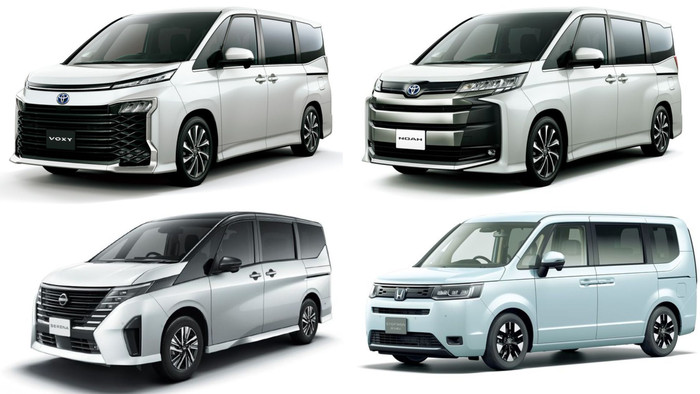
Cars remain an essential part of raising children. They are often used for family trips, shopping, and everyday outings. As of May 2024, we’ll introduce recommended cars for those considering replacing their car or buying their first one.
What are the requirements for a car that is useful for raising children?
For families with children, a car is not just a means of transportation, but an important partner that supports their lives. Here we have compiled a list of car requirements that are useful for raising children. Use these requirements to choose a car that suits your family’s lifestyle and budget.
sliding door
It is easy to get in and out of the car while holding a child, and it is also easy to open and close in a narrow parking lot.
minivan
The interior space is spacious, making it easy to install a child seat and change children’s clothes.
Can carry a lot of luggage
It can carry a lot of luggage, such as strollers, children’s luggage, and shopping.
The height is appropriate
It’s easy to get children in and out of the car and to take care of them inside, and it also gives a sense of openness.
safety
Choose a car with high safety features, such as automatic braking and collision mitigation braking.
Economic efficiency
Choosing a car with good fuel economy will help you reduce fuel costs. Choose a car with low maintenance costs, such as taxes and insurance.
Number of passengers
Choose a car with the appropriate number of passengers for your family. Light cars generally seat up to four people, while standard cars generally seat five to eight people.
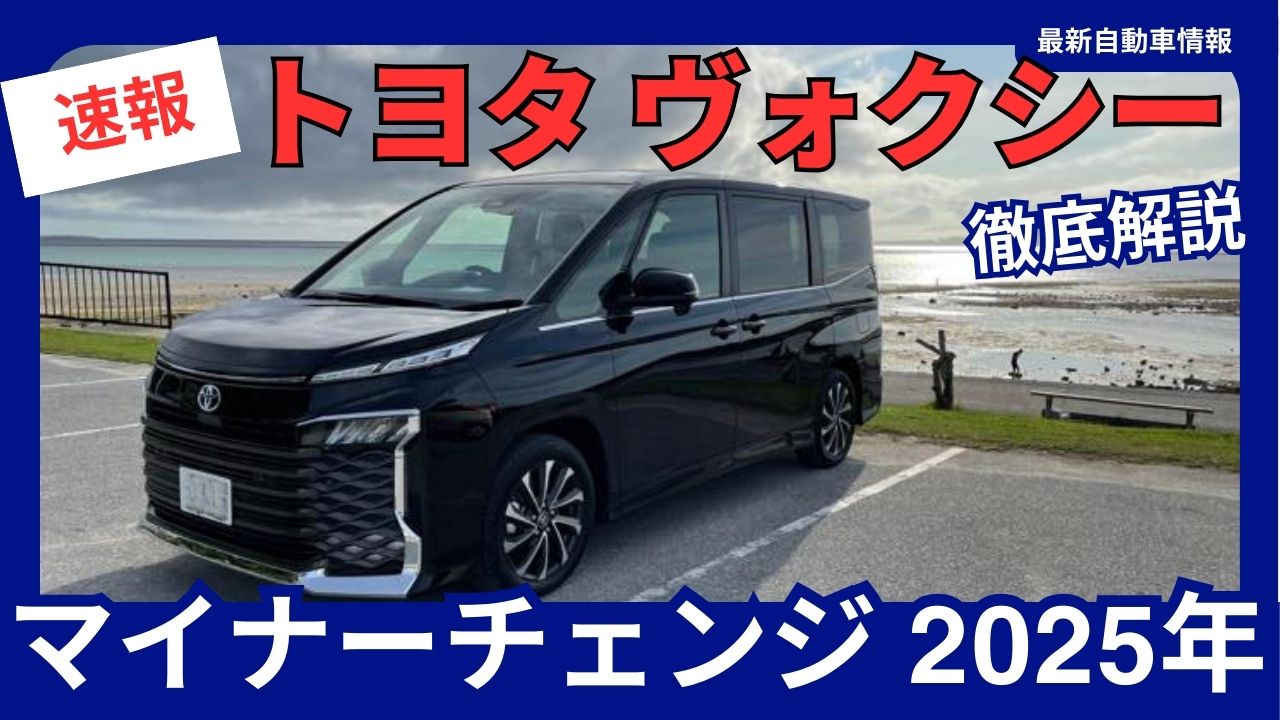
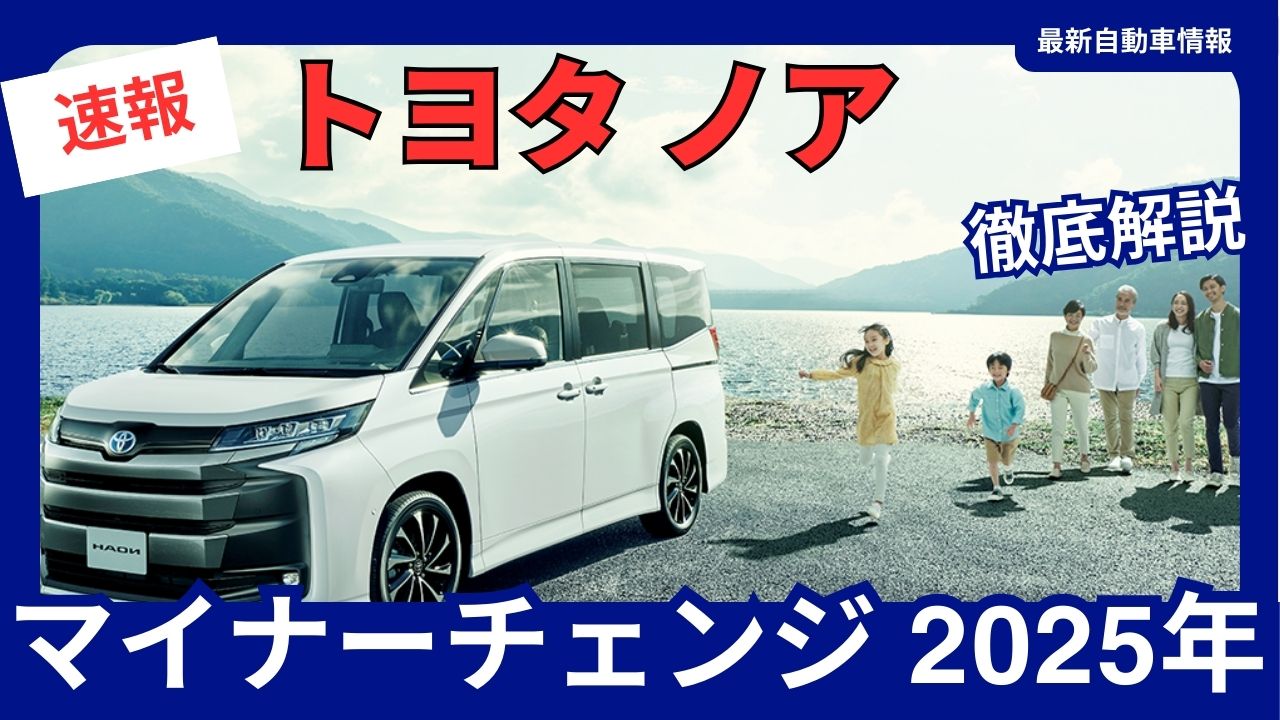
Toyota New Noah/Voxy
Toyota has completely redesigned the new Noah and Voxy models and will begin selling them on January 13, 2022.
Exterior design
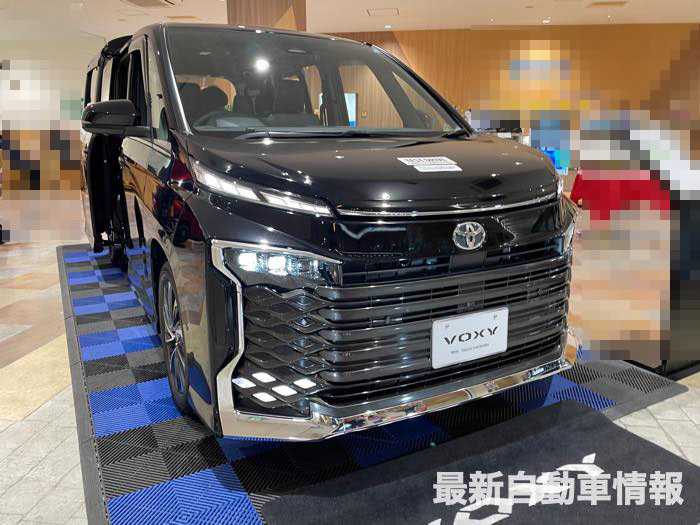
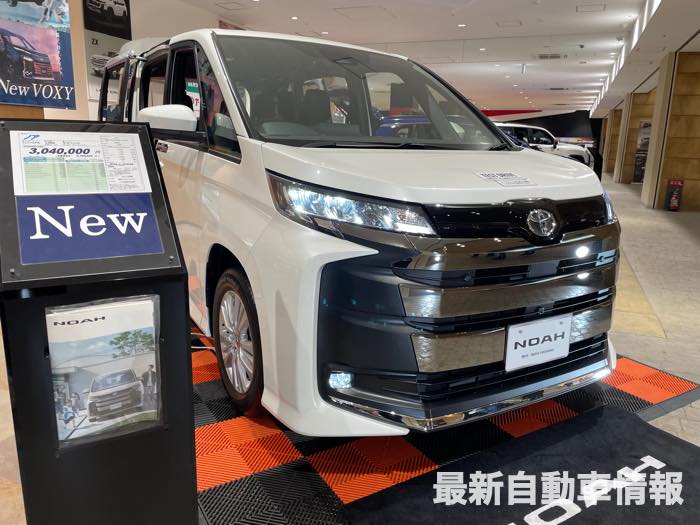
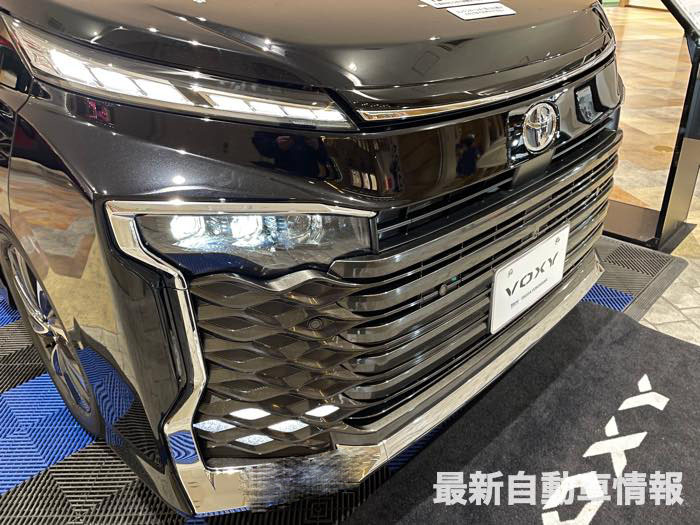
The previous generation Noah Voxy Japanese model was designed to fit Japanese road conditions and was limited to a 5-number size , but with this new model, the entire series has been made into a 3-number size. The wider body size gives the car a more stable ride and a more luxurious exterior, making it look like a major upgrade despite the fact that the price has not increased significantly . Furthermore, both the Noah and Voxy look wilder, more powerful, and more luxurious than their predecessors, giving them a finish that is truly Toyota.
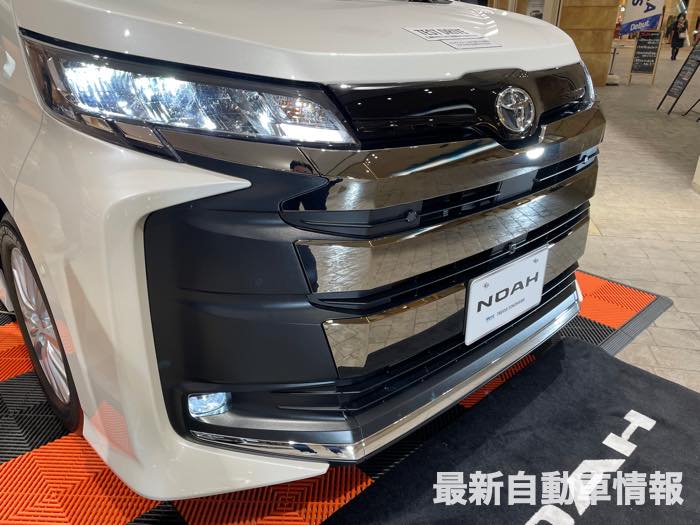
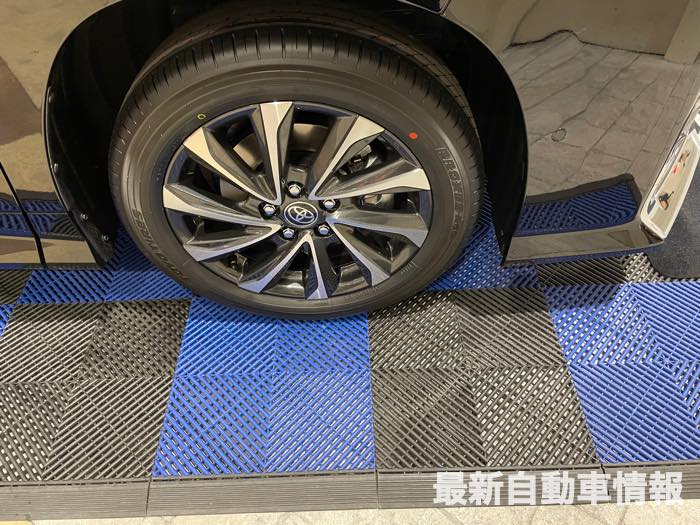
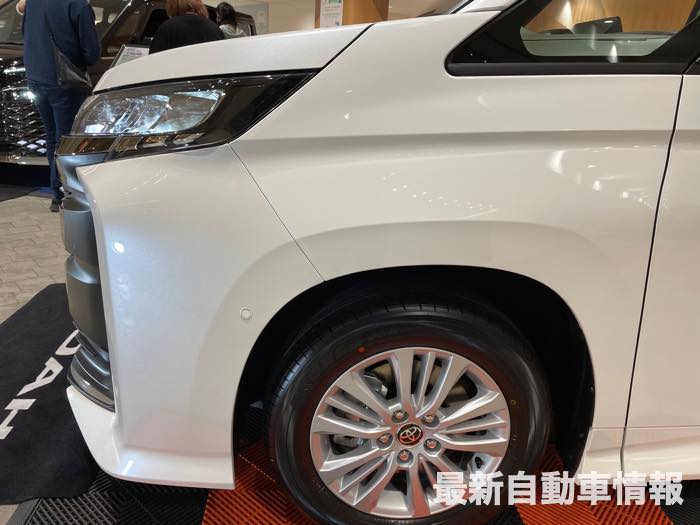
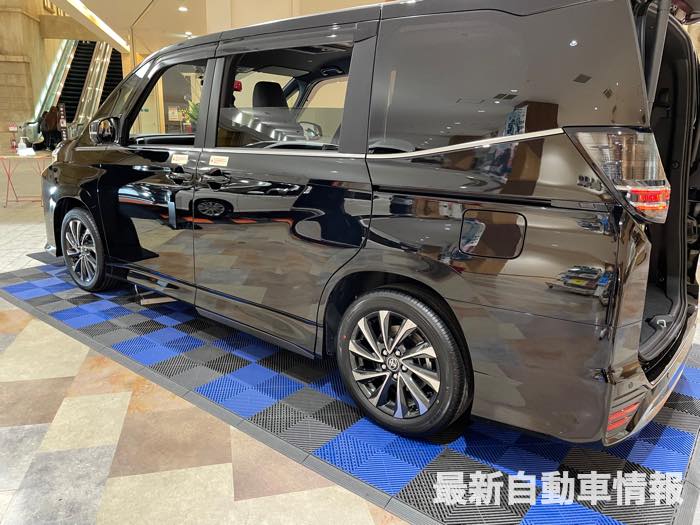
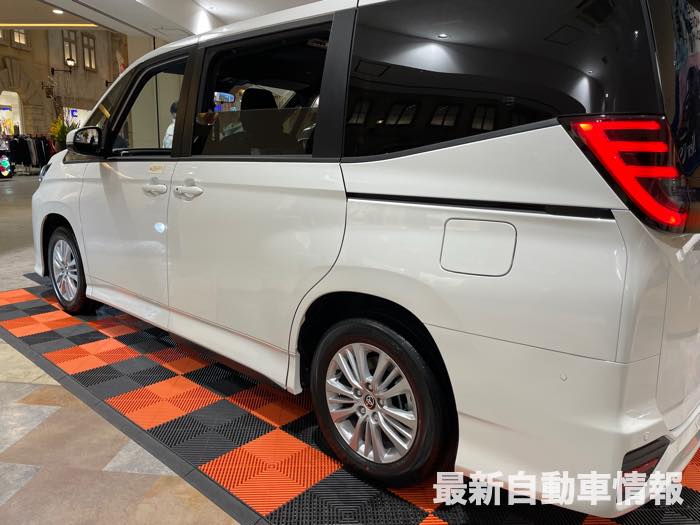
Great body size
With the entire series now number 3, the body size of the standard model is 4,695mm in length, 1,730mm in width, and 1,895mm in height. While the length remains the same, the width is 35mm wider than the standard car, and the wheelbase is the same as the previous model at 2,850mm.
| Specifications | 3rd generation Noah Voxy | 4th generation Noah Voxy | difference |
|---|---|---|---|
| full length | 4,695mm | 4,695mm | 0mm |
| Overall width | 1,695mm | 1,730mm | +35mm |
| Overall height | 1,825mm | 1,895mm | +70mm |
| Wheelbase | 2,850mm | 2,850mm | 0mm |
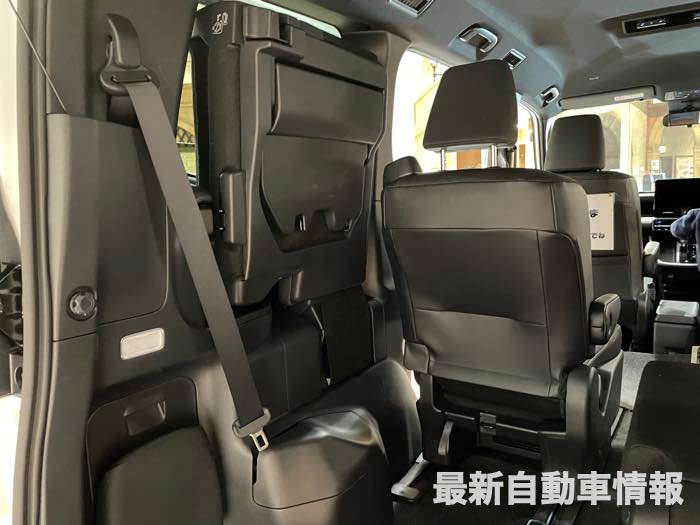
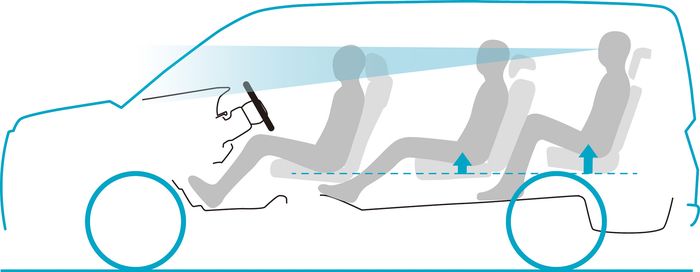
In terms of interior space, the distance between the left and right C-pillars has been increased to 1295mm (75mm more than the previous model), expanding left and right. The second-row seat has been raised 20mm from the ground, increasing the interior height by 5mm to 1405mm. The overall height has been increased by 70mm, including the 50mm shark antenna, increasing the interior height.
Large interior space
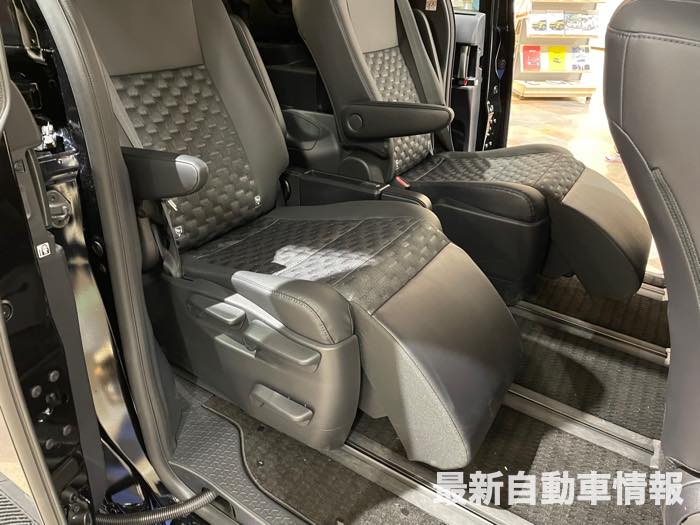
The second-row seats slide a long distance of 745mm when seated in captain’s chairs for seven people . They are also equipped with a class-first ottoman, heated seats, and a folding side table.
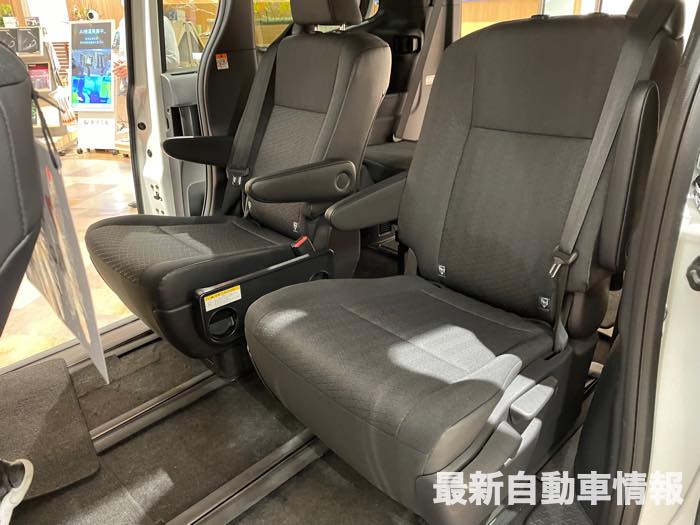
The 8-seater second seat uses a 3-seat bench seat type 60:40 split tip-up seat. It achieves a long slide of 705 mm . By optimizing the body frame , the distance between the left and right C-pillars has been expanded in the left and right directions by 1,295 mm (+75 mm) . The interior height has been increased by 5 mm to 1,405 mm, while the height of the second seat has been raised from the ground by 20 mm .
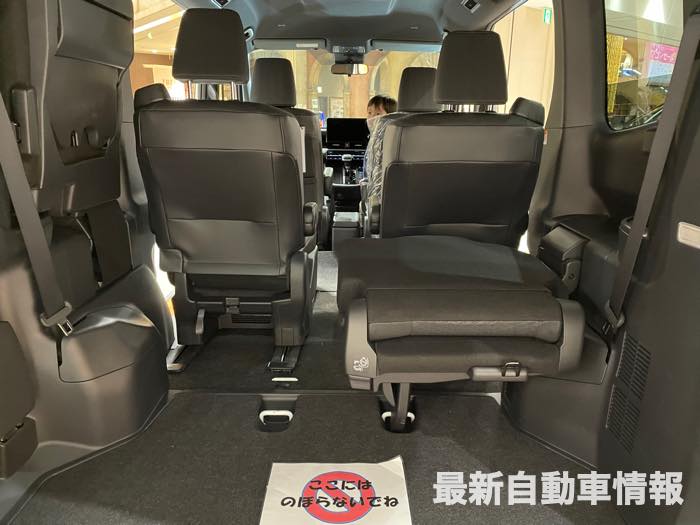
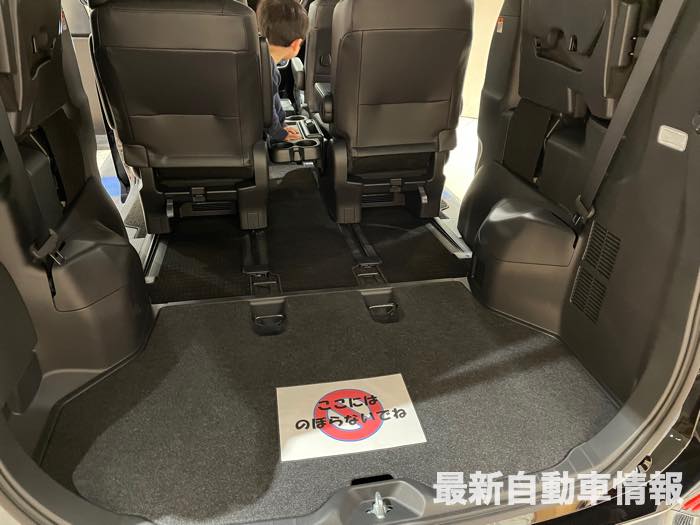
For vehicles equipped with power sliding doors, the “Universal Step” is available as an option. The step is mechanically deployed, retracted, and linked from the bottom of the door using a mechanism to come out at a position of 200mm (2WD) or 255mm (4WD) from the ground. The motor is eliminated, which mechanically links with the movement of the door, reducing the number of parts and lowering the price.
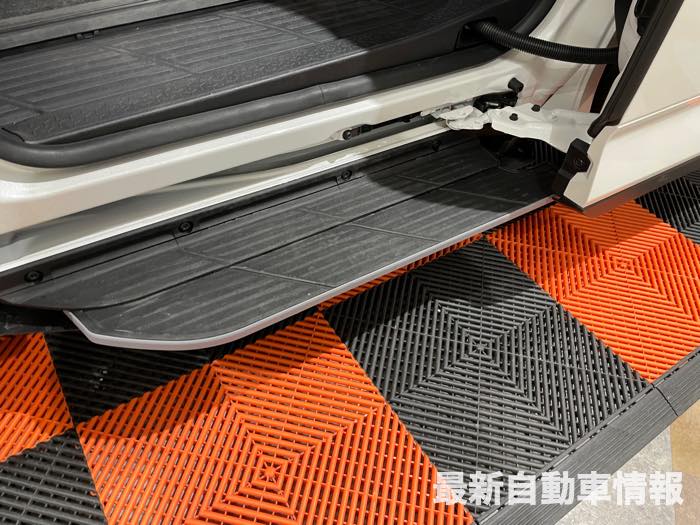
As a parent of small children, I found this feature extremely appealing. The way the door opens and closes is great and doesn’t get in the way, but I was worried that it would be a bit expensive if it broke.
The interior is fully equipped with the latest features
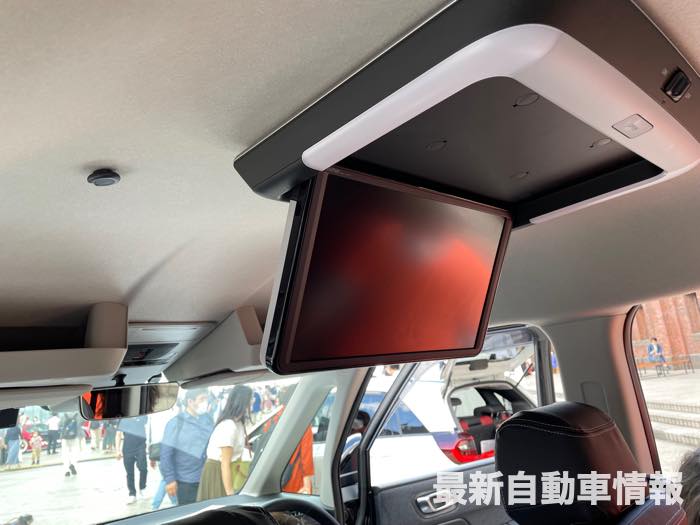
The interior features LED interior lighting and an electric parking brake and hold . A 7.0 -inch TFT multi-information display is centrally placed on the meter . The front seats are equipped with an 8-inch or 10.5-inch display audio, a T-Connect SD navigation system + Yamaha premium sound system with 8-channel speakers , and a 14-inch OLED display for the rear seat entertainment system . Display audio compatible with CarPlay and Android Auto is standard equipment. A DCM in-car communication device is standard equipment, and the basic fee for connected services is free for five years. Nanoe X is used. Fine particle ions containing OH radicals at 10 times the amount of nanoe come out of the air outlet on the driver’s side.
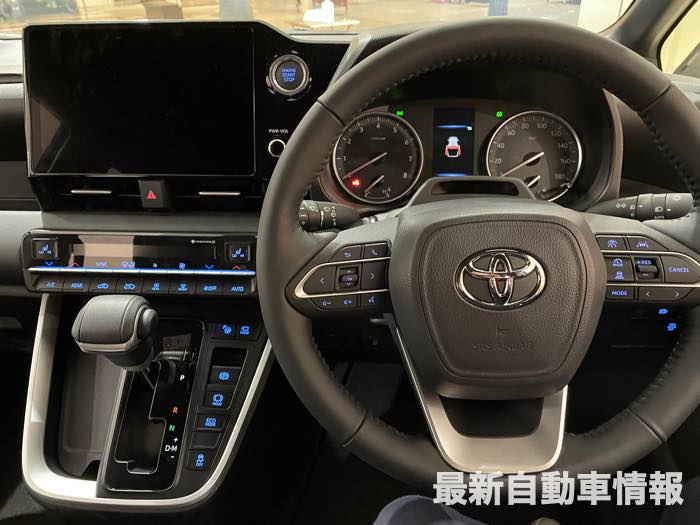
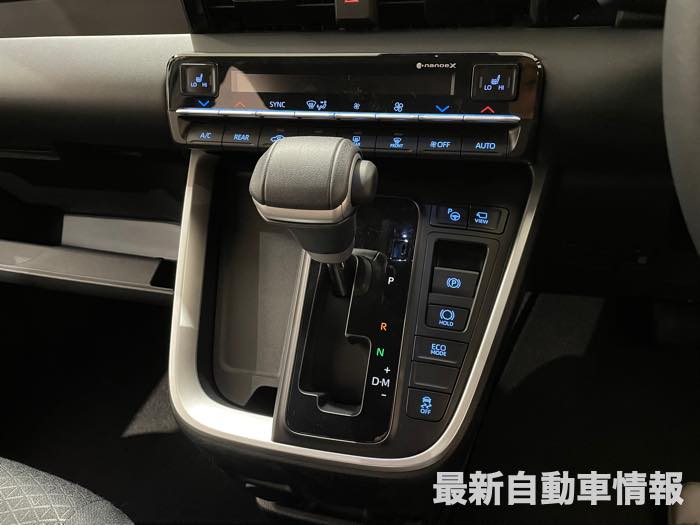
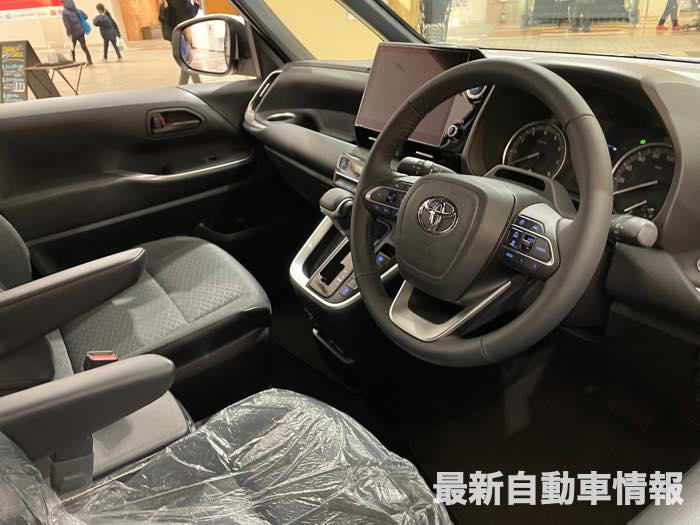
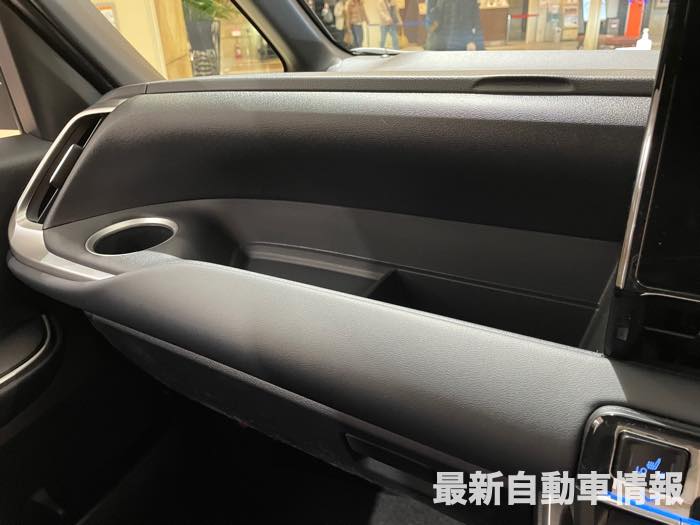
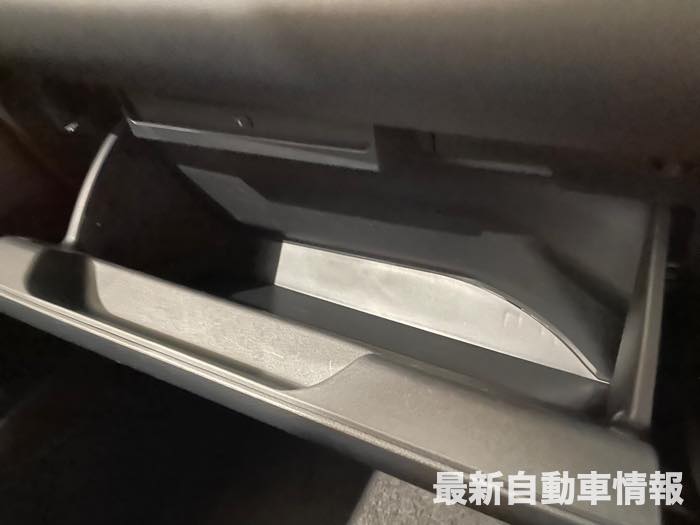
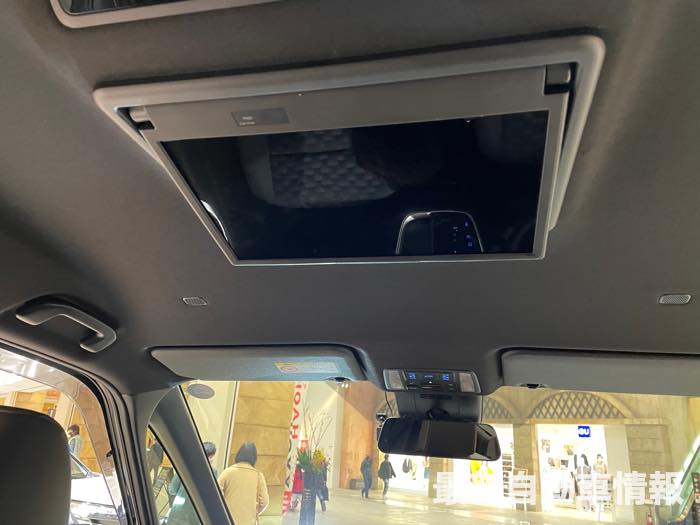
The layout of the switches around the steering wheel and instrument panel is excellent and seems easy to use.
Top-class fuel economy with the latest 5th generation hybrid system
The vehicle employs a series-parallel hybrid system with a reduction mechanism, combining a 1.8L inline-four DOHC engine “2ZR-FXE” with a motor . Compared to the Prius, the front and rear motors have been significantly upgraded. The front motor’s maximum output has increased from 53kW (72ps) to 70kW (95PS) and maximum torque from 163Nm (16.6kgm) to 185Nm (18.9kgfm), while the rear motor’s maximum output has increased from 5.3kW (7.2ps) to 30kW (41PS), maximum torque from 55Nm (5.6kgm) to 84Nm (8.6kgfm), and system output has increased from 90kW (122ps) to 103kW (140ps). Improved engine thermal efficiency and transmission transmission efficiency have resulted in improved fuel economy for the entire powertrain system (engine and transmission), achieving a WLTC mode fuel economy of 23.4km/L .
Top-class safety equipment is included. Toyota’s advanced safety equipment “Toyota Safety Sense” is adopted.
Toyota Safety Sense has been improved and fine-tuned to further enhance safety technology ( including nighttime pedestrian detection and a preceding vehicle departure notification function ). The previous name “Toyota Safety Sense P/C” has been unified as “Toyota Safety Sense” to become a collision avoidance support package. Intelligent clearance sonar (parking support brake) is standard equipment on all models except for the G “X”. The vehicle is now a “Safety Support Car S (Wide)” eligible vehicle.
For more details, please refer to this article.
New Noah/Voxy full model change model grades
New Noah grade
There are five grades available: “X”, “G”, “Z”, “SG”, and “SZ”. As there are more grades than the Voxy, Toyota is clearly focusing on the Noah. “SG” and “SZ” are the top grades. There is a difference of 1.22 million yen between the prices of 2.67 million yen and 3.89 million yen.
Noah gasoline model
| grade | Passenger capacity | Drive system | Price (10%) |
|---|---|---|---|
| X | 7-seater | 2WD | 2,670,000 yen |
| 4WD | 2,868,000 yen | ||
| 8-seater | 2WD | 2,670,000 yen | |
| 4WD | 2,868,000 yen | ||
| G | 7-seater | 2WD | 2,970,000 yen |
| 4WD | 3,168,000 yen | ||
| 8-seater | 2WD | 2,970,000 yen | |
| 4WD | 3,168,000 yen | ||
| Z | 7-seater | 2WD | 3,240,000 yen |
| 4WD | 3,438,000 yen | ||
| SG | 7-seater | 2WD | 3,040,000 yen |
| 4WD | 3,238,000 yen | ||
| 8-seater | 2WD | 3,040,000 yen | |
| 4WD | 3,238,000 yen | ||
| SZ | 7-seater | 2WD | 3,320,000 yen |
| 4WD | 3,518,000 yen |
Noah Hybrid Model
| grade | Passenger capacity | Drive system | Price (10%) |
|---|---|---|---|
| X | 7-seater | 2WD | 3,050,000 yen |
| E-Four (4WD) | 3,270,000 yen | ||
| 8-seater | 2WD | 3,050,000 yen | |
| E-Four (4WD) | 3,270,000 yen | ||
| G | 7-seater | 2WD | 3,320,000 yen |
| E-Four (4WD) | 3,540,000 yen | ||
| 8-seater | 2WD | 3,320,000 yen | |
| E-Four (4WD) | 3,540,000 yen | ||
| Z | 7-seater | 2WD | 3,590,000 yen |
| E-Four (4WD) | 3,810,000 yen | ||
| SG | 7-seater | 2WD | 3,390,000 yen |
| E-Four (4WD) | 3,610,000 yen | ||
| 8-seater | 2WD | 3,390,000 yen | |
| SZ | 7-seater | 2WD | 3,670,000 yen |
| E-Four (4WD) | 3,890,000 yen |
New Voxy grade
There are two grades available: “SG” and “S-Z.” The price ranges from 3.09 million yen to 3.96 million yen, with a difference of 870,000 yen.
Voxy gasoline model
| grade | Passenger capacity | Drive system | Price (10%) |
|---|---|---|---|
| SG | 7-seater | 2WD | 3,090,000 yen |
| 4WD | 3,288,000 yen | ||
| 8-seater | 2WD | 3,090,000 yen | |
| 4WD | 3,288,000 yen | ||
| SZ | 7-seater | 2WD | 3,390,000 yen |
| 4WD | 3,588,000 yen |
Voxy Hybrid Model
| grade | Passenger capacity | Drive system | Price (10%) |
|---|---|---|---|
| SG | 7-seater | 2WD | 3,440,000 yen |
| E-Four (4WD) | 3,660,000 yen | ||
| 8-seater | 2WD | 3,440,000 yen | |
| SZ | 7-seater | 2WD | 3,740,000 yen |
| E-Four (4WD) | 3,960,000 yen |
For more details, please refer to this article.
- Toyota New Noah Voxy: Hybrid or Gasoline? Which Grade is Recommended?
- Toyota 4th Generation New Noah/Voxy Test Drive Impressions and Review: Evolution
- New Noah partial improvement special edition “W×B (Double By B)” added, popular grade to be revived, released in January 2025
- New Voxy partial improvement special edition “SZ Kirameki” added, popular grade revived, released in January 2025
Honda Step WGN
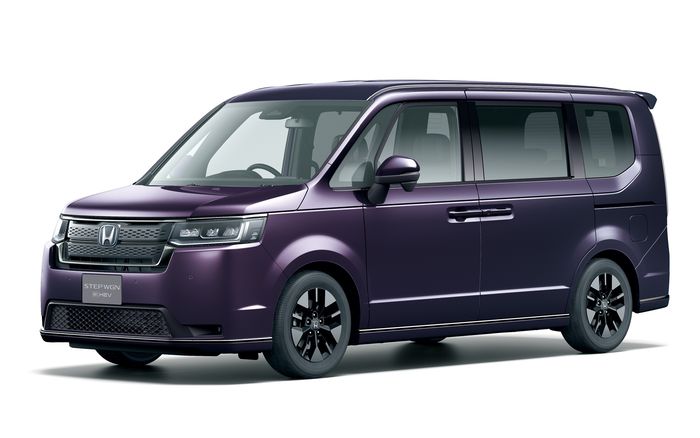
Honda will release the new STEP WGN on May 27, 2022.
For more details, please refer to this article.
Exterior
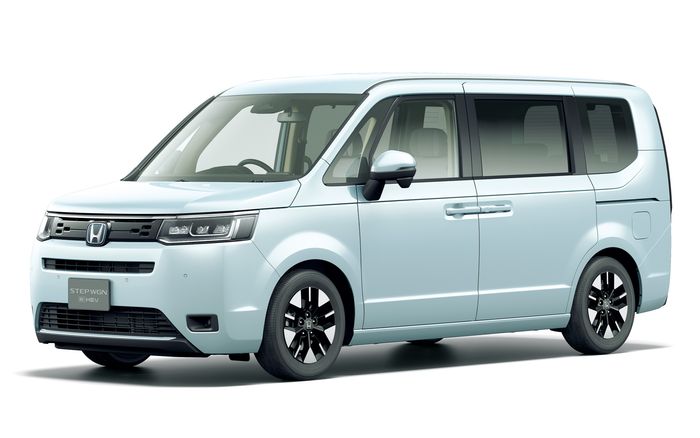
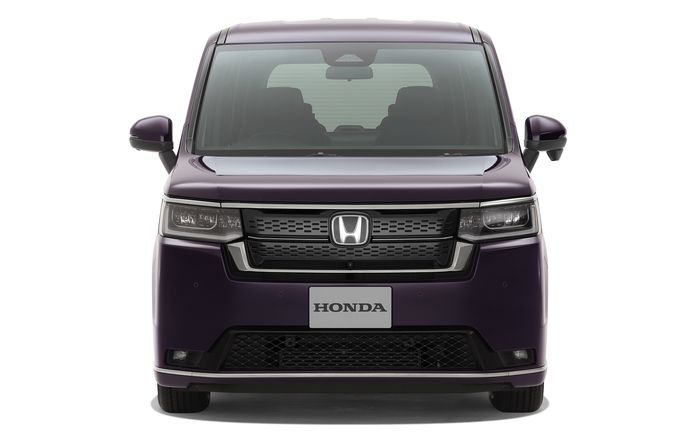
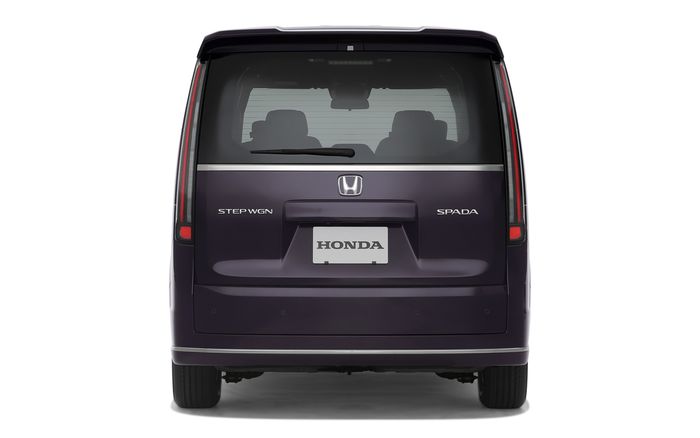
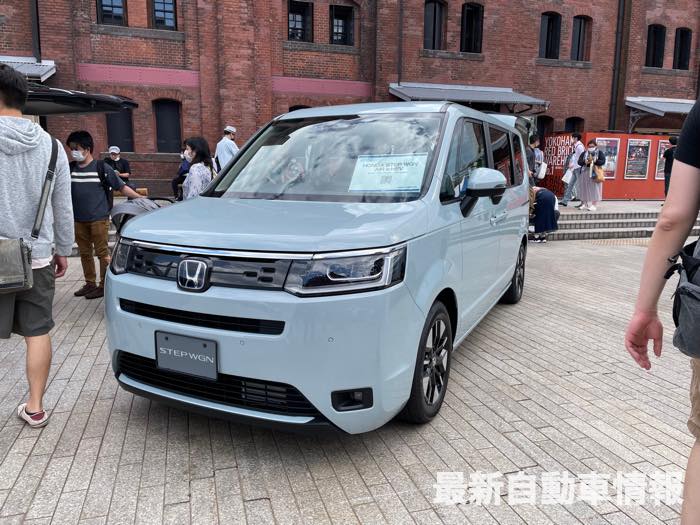
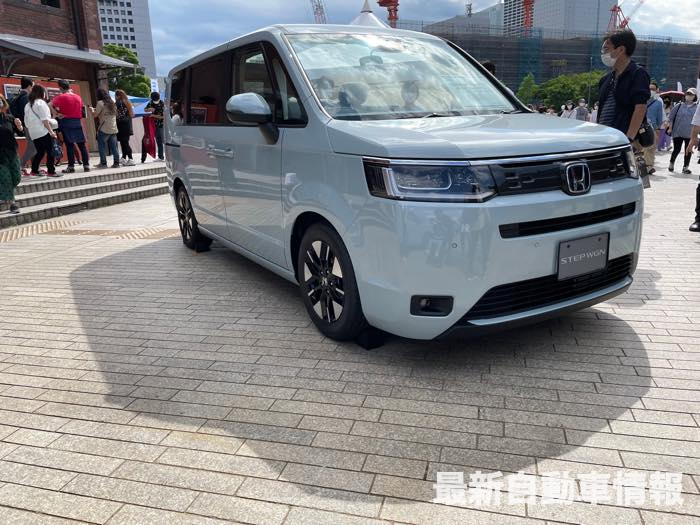
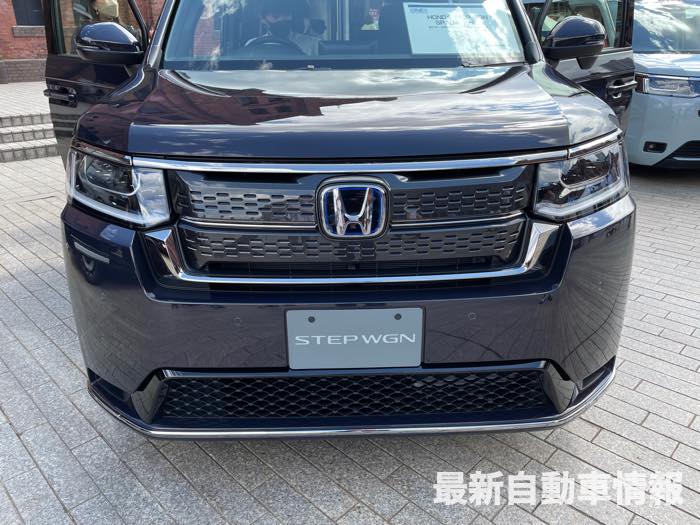
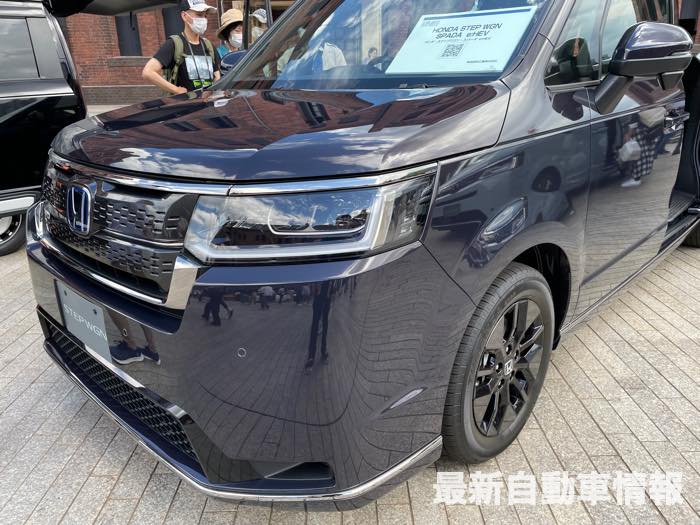
The overall solid body of the car gives a sense of security, while the simple, free-flowing form suits anyone. The exterior was designed to complement the customer’s lifestyle beautifully. Two types, “STEP WGN AIR” and “STEP WGN SPADA,” are available, allowing customers to choose based on their lifestyle and living style.
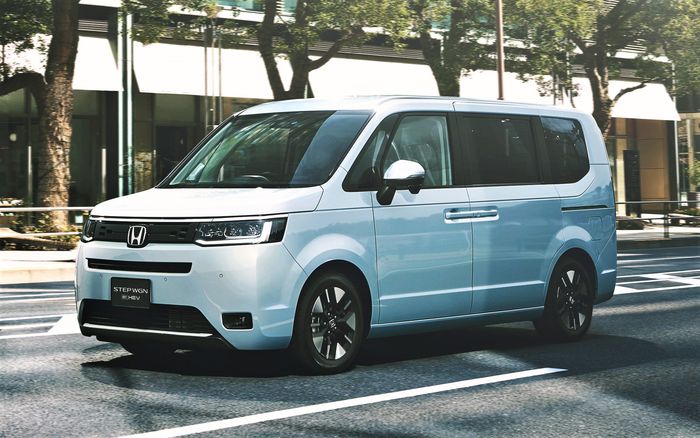
The power tailgate now features a memory function that allows the opening angle to be set as desired , making it easier to use even in tight spaces.In addition to the conventional handle operation, the power sliding door now features a world-first electrostatic touch sensor that can be opened and closed with just a light touch of the fingertip.
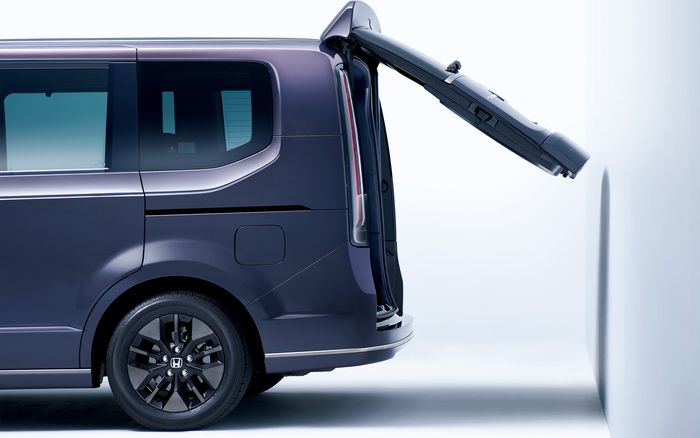
STEP WGN AIR
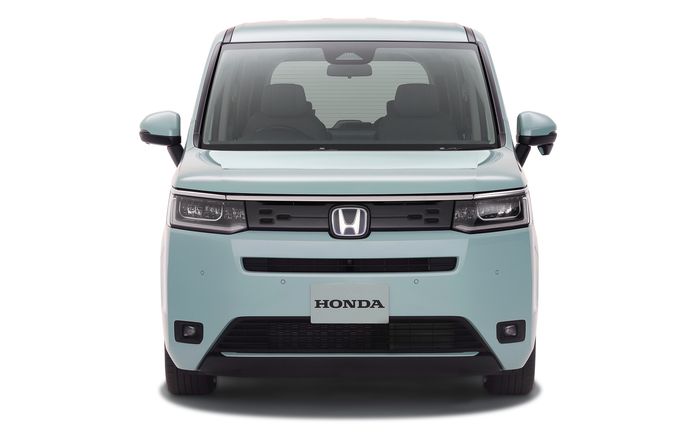
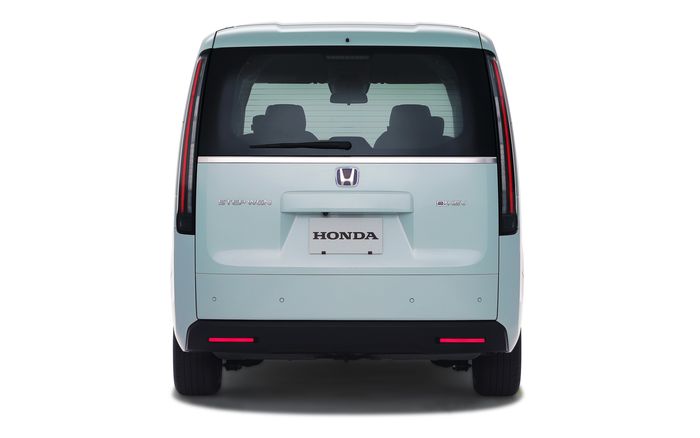
STEP WGN SPADA
interior
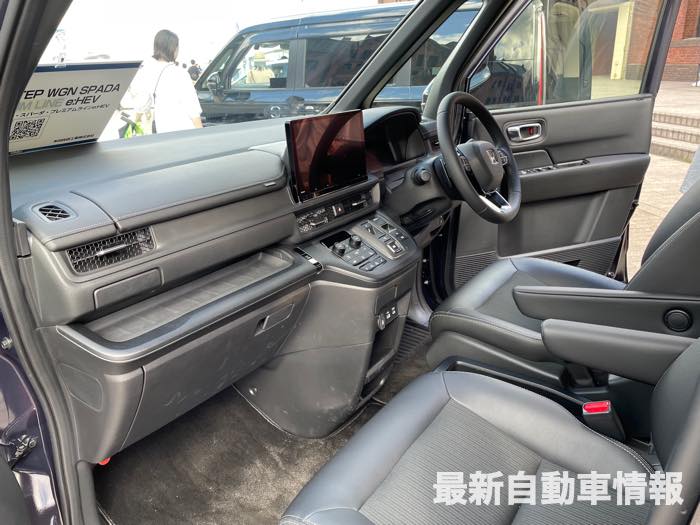
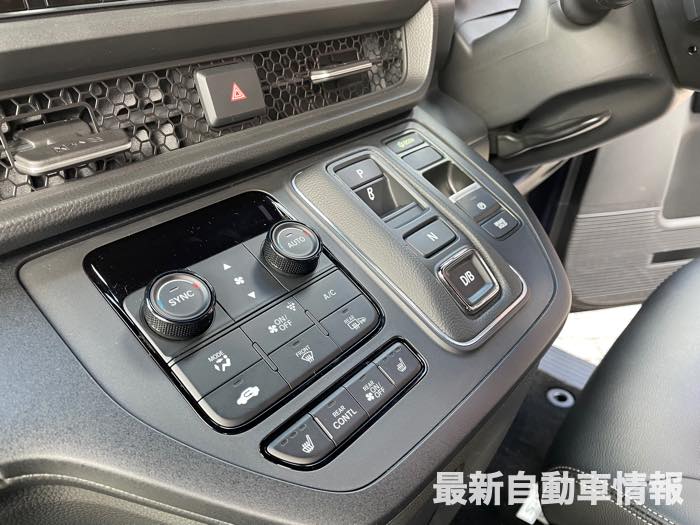
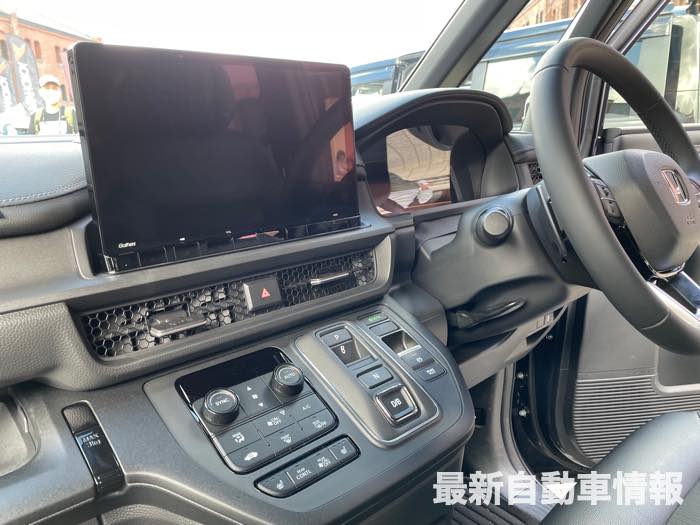
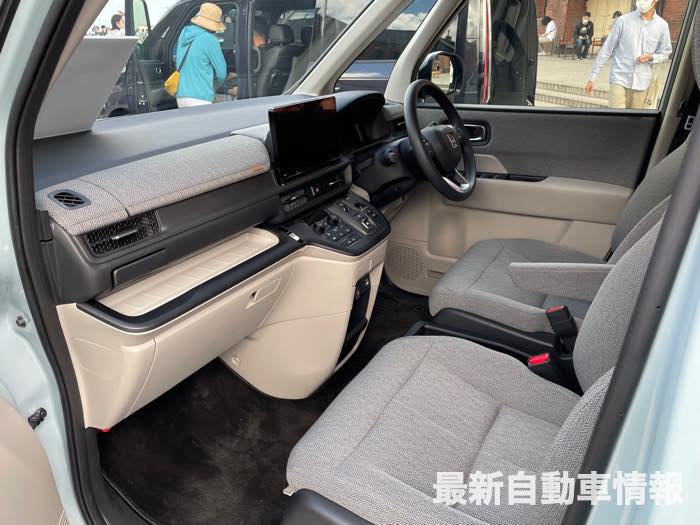
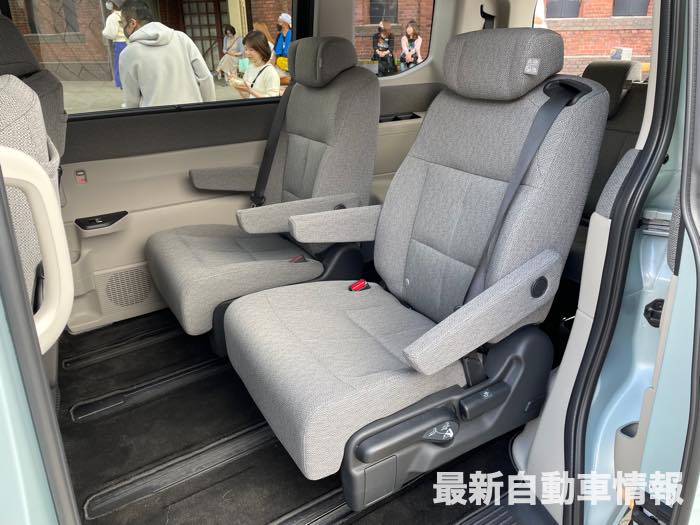
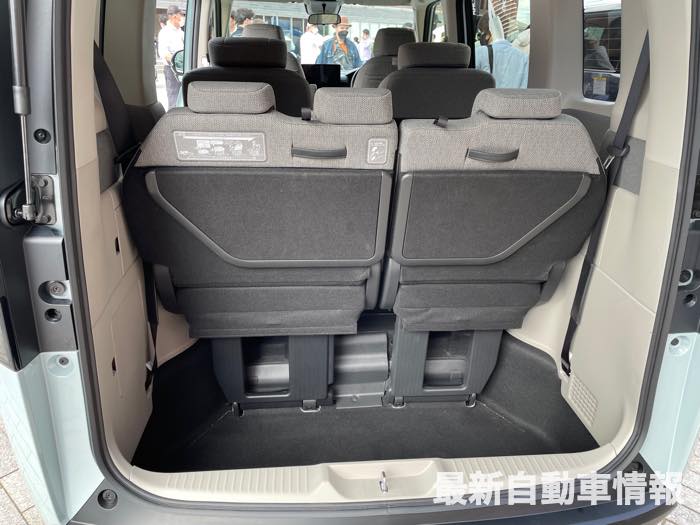
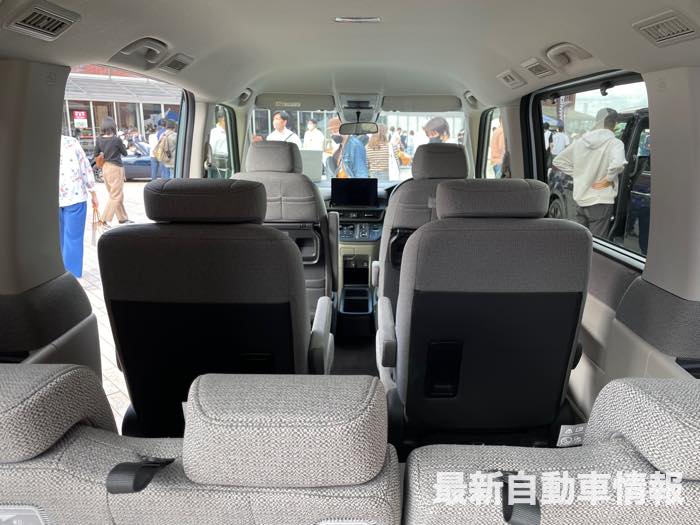
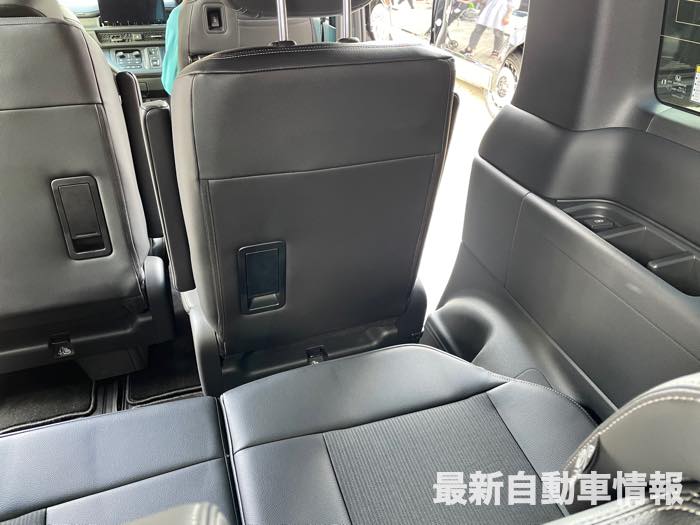
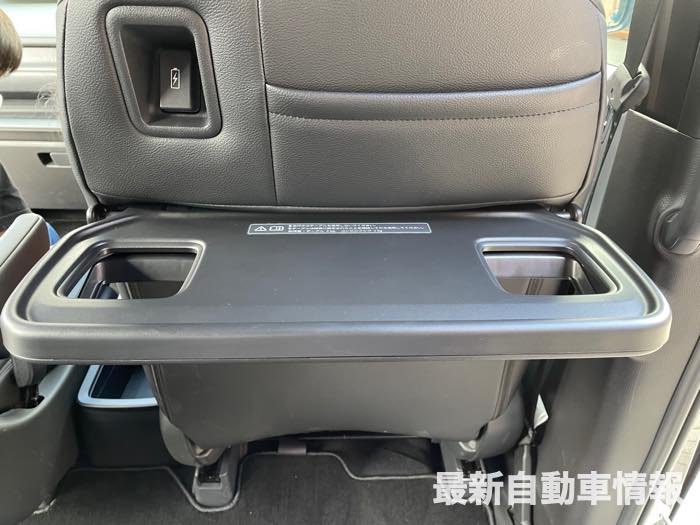
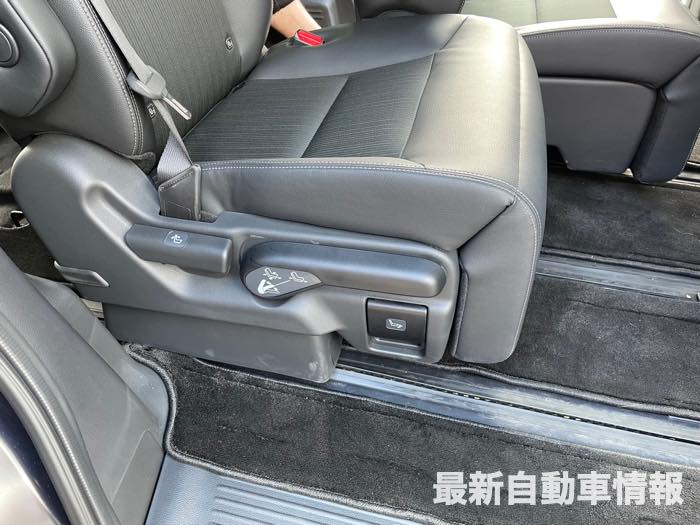
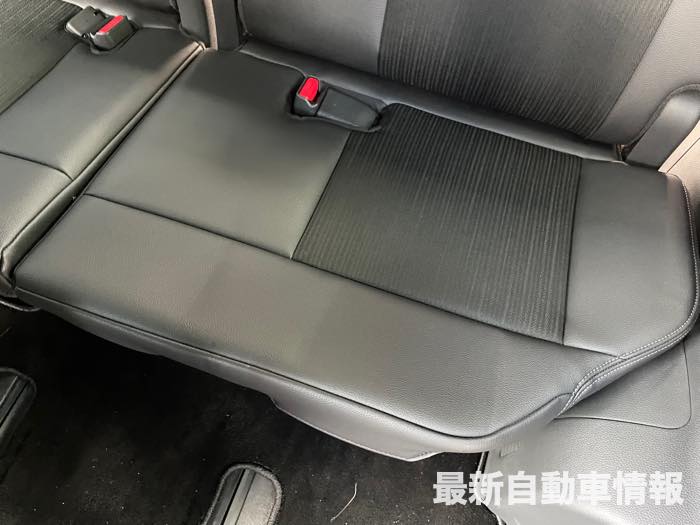
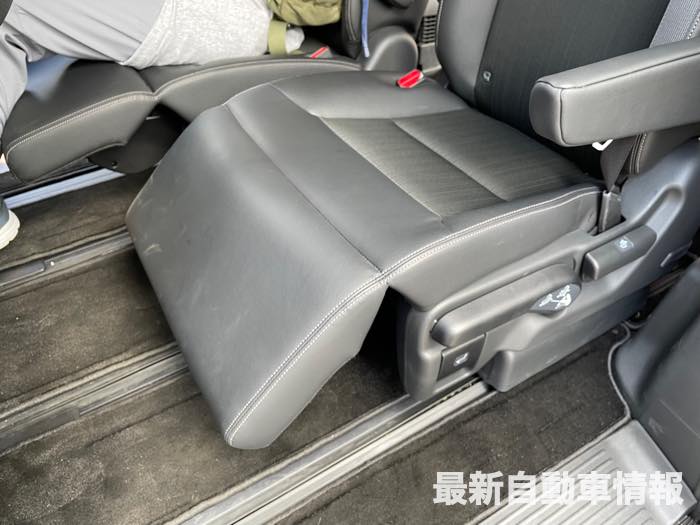
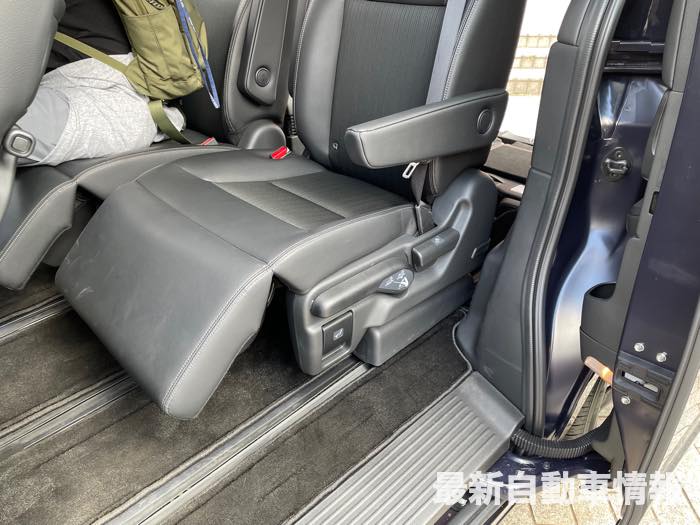
The car aims to offer the largest interior space ever built for a Honda vehicle in Japan, with a living-room-like interior that allows passengers to feel comfortable in any seat. The horizontally-oriented design stabilizes the driver’s field of vision, allowing for an easy grasp of the vehicle, and features features that reduce motion sickness, creating an interior where all passengers can feel safe and secure. The latest safety and driving support features are standard equipment. A 10.2-inch digital graphic meter is used for instant recognition and intuitive operation. Infotainment information, such as audio, along with navigation and driving support information, are displayed on the left and right meters, supporting intuitive operation. The “Clean Air” air conditioning system, which detects fine particles such as PM2.5 in the air and purifies the air through a combination of air conditioning control and filters, is standard equipment on all types. This provides clean interior air conditioning for all passengers.
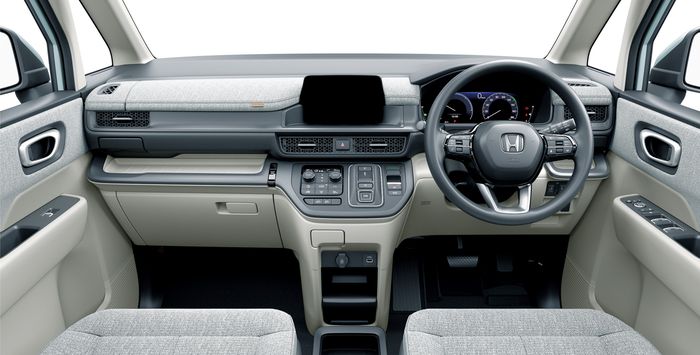
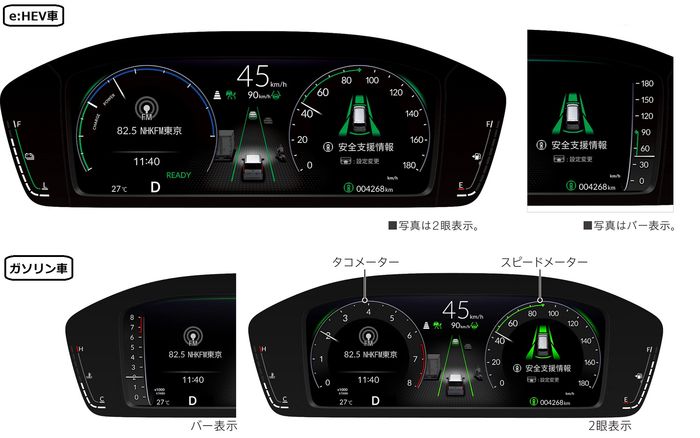
The interior has evolved from the “large space for families” that has been established in previous models, aiming to create a comfortable space that makes you feel like you’re at home and a free space that allows you to find new uses. The Step WGN Air has a bright interior with warm colors that gives it a sense of security like a living room, while the Step WGN Spada has a high-quality interior with dark tones that give it a stylish impression.
In addition to the long wheelbase, the tread has been widened both front and rear, achieving high stability when driving straight and when cornering despite the large body. By adding sound-insulating and sound-absorbing materials, particularly in the rear, and increasing the rigidity of the floor, the car achieves driving performance that combines high levels of quietness and ride comfort in all seats from the first to third rows.
engine
The hybrid model is equipped with Honda’s unique two-motor hybrid system “e:HEV,” which utilizes various drive modes, primarily motor driving. It is equipped with a 2.0-liter i-VTEC engine with a maximum output of 107kW (145ps)/6,200rpm and a maximum torque of 175Nm/3,500rpm, and a maximum motor output of 135kW (184ps)/5,000-6,000rpm and a maximum torque of 315Nm/0-2,000rpm. The lineup includes two gasoline models with a 1.5-liter direct-injection VTEC TURBO engine, which achieves improved quietness and high output, a maximum output of 110kW (150ps)/5,500rpm and a maximum torque of 203Nm/1,600-5,000rpm, and a WLTC mode fuel economy of 13.9km/h.
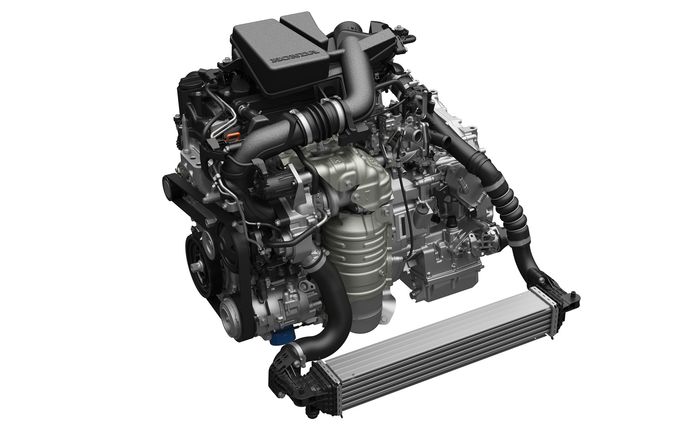
1.5L direct injection VTEC TURBO engine
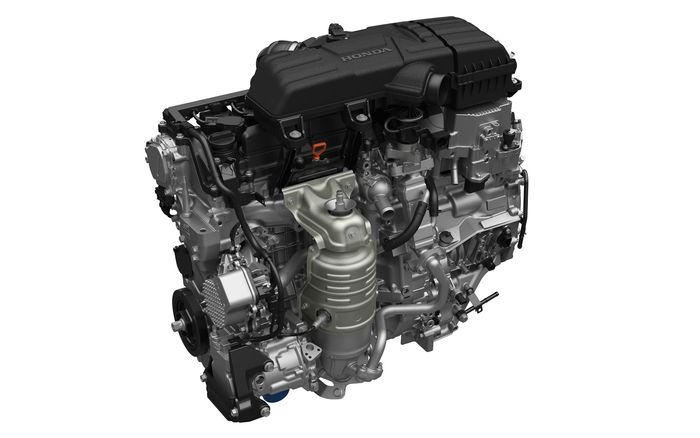
2.0 L i-VTEC engine e:HEV
Honda CONNECT
Through the Honda CONNECT in-vehicle communication module equipped with next-generation connected technology, customers can enjoy the connected service Honda Total Care Premium, which allows them to enjoy a safer and more comfortable car life.
Honda SENSING
The latest safety driving support system, Honda SENSING, is standard equipment on all types. Adaptive Cruise Control (ACC) now comes with a traffic jam following function, rearward false start prevention function, near-collision mitigation braking, auto high beam, and Traffic Jam Assist, a traffic jam driving support function, on all types. The Step Wagon Spada Premium Line is equipped as standard with Adaptive Driving Beam, which automatically controls the headlight illumination range according to the surrounding conditions. A multi-view camera system and blind spot information have also been newly adopted.
Specifications of the new 6th generation Honda Step Wagon
| Specifications | New Step Wagon | |
|---|---|---|
| Model | Hybrid model | NA model |
| full length | 4,800mm to 4,830mm | 4,800mm to 4,830mm |
| Overall width | 1,750mm | |
| Overall height | 1,840mm to 1,845mm | |
| Wheelbase | 2,890mm | |
| engine | Inline 4 2.0L DOHC i-VTEC + Motor “SPORT HYBRID i-MMD” |
1.5L straight 4 direct injection DOHC i-VTEC turbo |
| Maximum power | 107kW (145ps) / 6,200rpm |
110kW (150ps) / 5,500rpm |
| Maximum torque | 175Nm (17.8kgm) / 4,000rpm |
203Nm(20.7kgm)/ 1,600-5,000rpm |
| Motor maximum output |
135kW (184ps) / 5,000-6,000rpm |
– |
| Motor Max Torque |
315Nm (32.1kgm) / 0-2,000rpm |
– |
transmission |
Electric continuously variable transmission |
Continuously variable automatic |
| battery | Lithium-ion battery |
– |
| Drive system | 2WD (FF) | 2WD(FF)/4WD |
| JC08 mode fuel economy | -km/L | 14.5-15.4km/L |
| WLTC mode fuel economy | 19.5 to 20.0 km/L | 13.1 to 13.9km/L |
| price | 3,382,500 yen to 3,846,700 yen |
2,998,600 yen to 3,653,100 yen |
6th generation Honda Stepwagon new model price and grade
| grade | engine | transmission |
Drive system |
Passenger capacity |
Price (10%) |
|---|---|---|---|---|---|
| STEP WGN e:HEV AIR |
2.0L DOHC i-VTEC + 2-motor hybrid |
Electric continuously variable transmission |
2WD | 7 people | 3,382,500 yen |
| 8 people | 3,404,500 yen | ||||
| STEP WGN e:HEV SPADA |
2WD | 7 people | 3,641,000 yen | ||
| 8 people | 3,663,000 yen | ||||
| STEP WGN e:HEV SPADA PREMIUM LINE |
2WD | 7 people | 3,846,700 yen | ||
| STEP WGN AIR | 1.5L direct injection VTEC TURBO |
Continuously variable automatic (with torque converter) |
2WD | 7 people | 2,998,600 yen |
| 8 people | 3,020,600 yen | ||||
| 4WD | 7 people | 3,240,600 yen | |||
| 8 people | 3,262,600 yen | ||||
| STEP WGN SPADA | 2WD | 7 people | 3,257,100 yen | ||
| 8 people | 3,279,100 yen | ||||
| 4WD | 7 people | 3,477,100 yen | |||
| 8 people | 3,499,100 yen | ||||
| STEP WGN SPADA PREMIUM LINE |
2WD | 7 people | 3,462,800 yen | ||
| 4WD | 3,653,100 yen |
For more details, please refer to this article.
Nissan Serena
Nissan will fully redesign the new Serena (C28 model) and release the gasoline version on December 22, 2022, with the e-POWER model on April 20, 2023. The fifth-generation Serena went on sale on August 24 , 2016. This will be the sixth generation, a full model change seven years later.
The new Serena is equipped with the second-generation e-POWER, marking a new generation
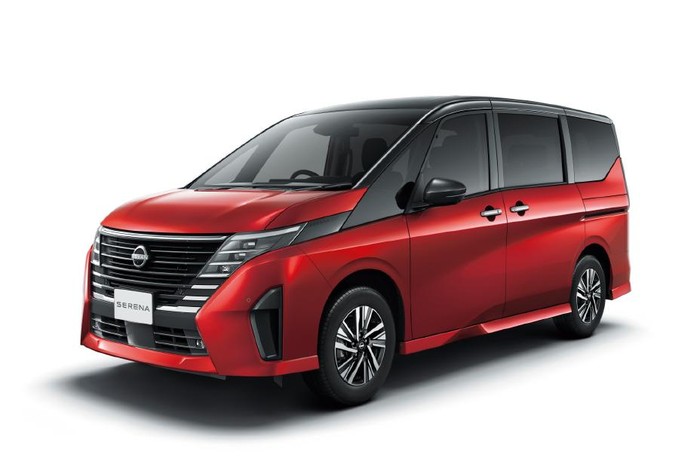
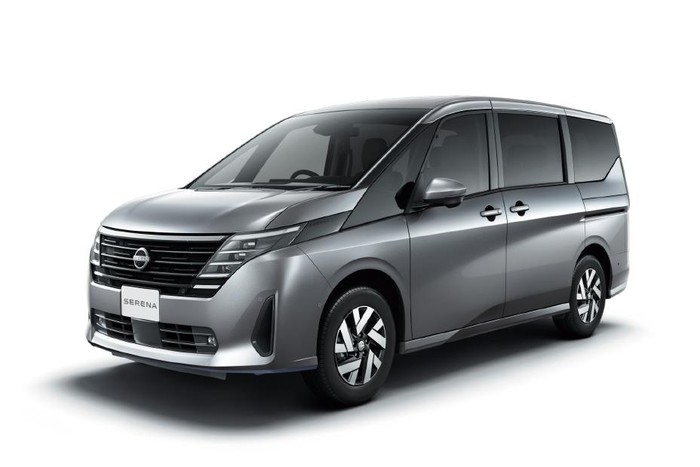
It uses Renault-Nissan’s new platform, CMF (Common Module Family) . The exterior design and front and rear bumper designs have been changed. It features a large grille with LED daytime running lights mounted on top.
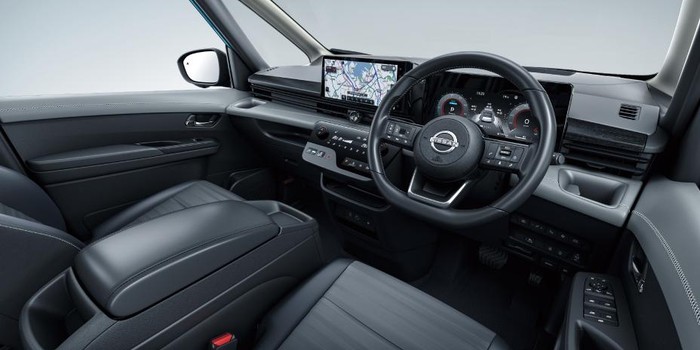
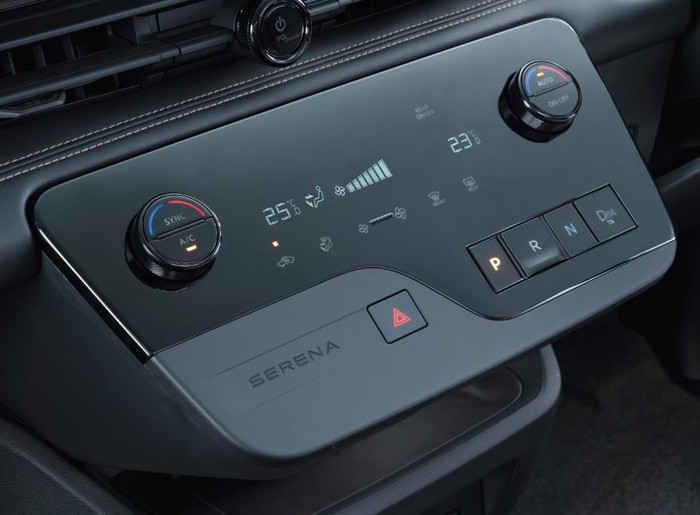
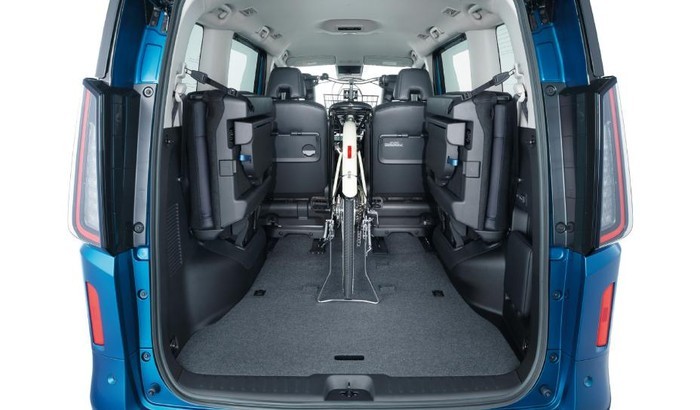
The interior features a new steering wheel, a 12.3-inch full LCD digital meter , and a large 9-inch or 12.3-inch latest infotainment system. Soft padding has been used on the top surface of the instrument panel to enhance the sense of luxury. The NissanConnect infotainment system is compatible with Apple CarPlay and Android Auto. The center console features a small shifter knob and rotary selector for terrain settings, as well as an electric parking brake and hold function.
The dual back door, which allows luggage to be loaded and unloaded without opening the entire back door, has also been made easier to use. By reviewing the opening size, it can now be used in tighter parking spaces.

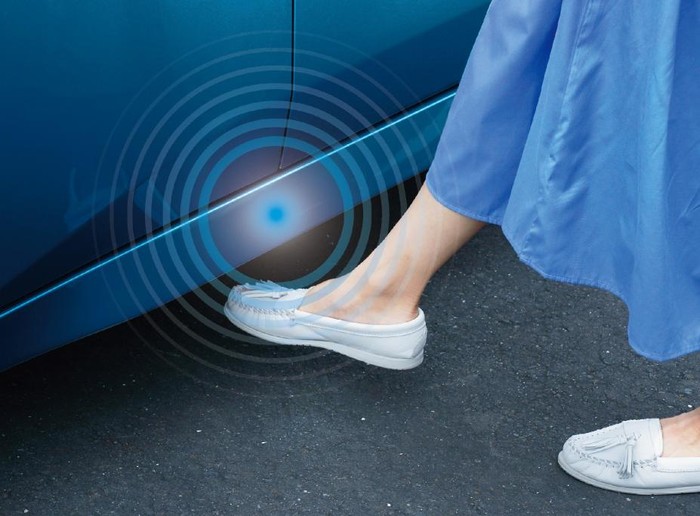
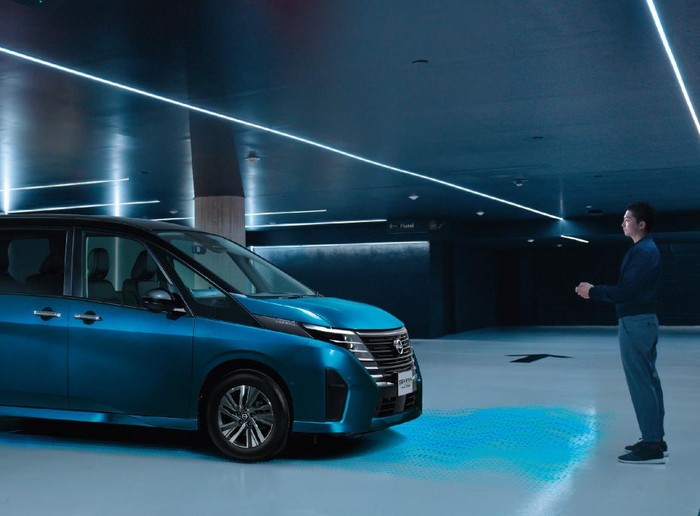
The hands-free automatic sliding door has been designed with an emphasis on ease of operation, including improved sensor sensitivity.
The engine is a 1.4L in-line 3-cylinder engine , and the second-generation “e-POWER” has been upgraded with a newly developed motor and inverter for improved power, smoothness, and quietness .
The new model is equipped with the “360° Safety Assist” system, which has more advanced functions than the previous model , and is made up of seven types of advanced driving assistance systems: “Intelligent Emergency Braking,” “Pedal Misapplication Prevention Assist,” “Adaptive High Beam Assist/High Beam Assist,” “Reverse Vehicle Detection Alert (RCTA),” “Intelligent Lane Departure Warning (LI/LDW),” “RCTA Reverse Vehicle Detection Alert,” and “Sign Detection Function.”
The exterior and interior designs have been completely redesigned.
Adopts a new “Nissan emblem.”
It will adopt Renault-Nissan’s new platform, CMF (Common Module Family) .
It is equipped with the next-generation “e-POWER” and uses a ” 1.4L inline 3-cylinder gasoline engine .”
Equipped with a “12.3-inch full LCD digital meter” and “9-inch or 12.3-inch touchscreen display NISSAN CONNECT.”
The car is equipped with the ProPilot driving assistance system . The top-of- the-line LUXION model will be equipped with the new ProPilot 2.0 driving assistance system .
The new Serena exterior design incorporates the latest design while retaining its original design.
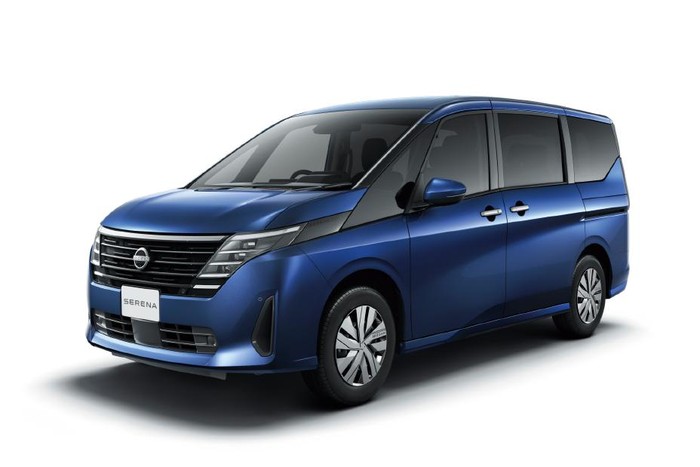
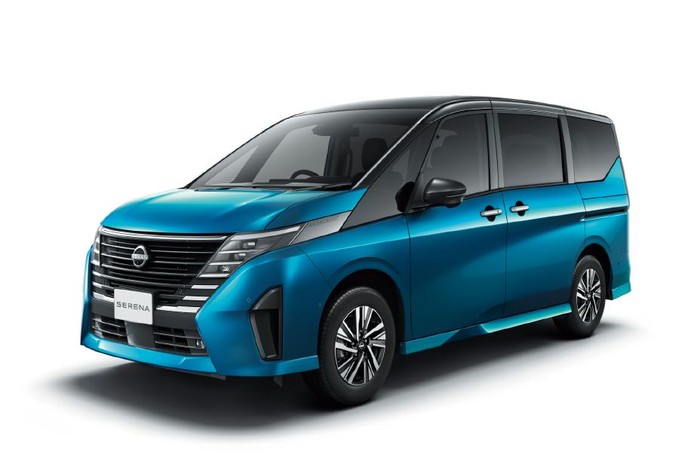
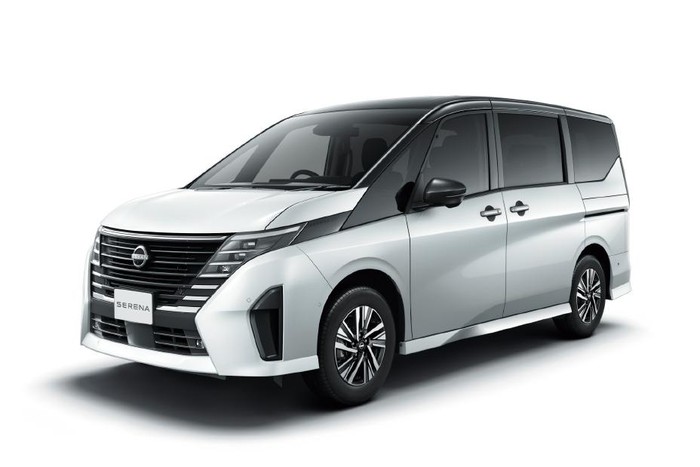
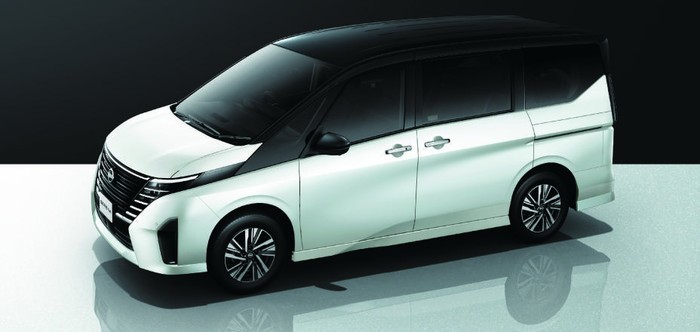
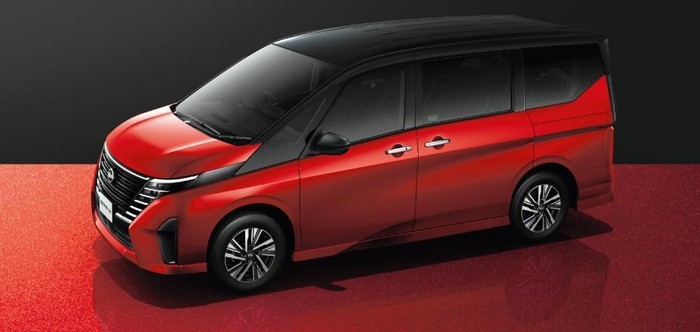
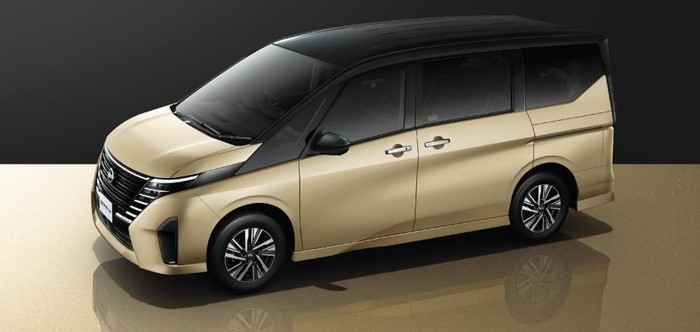
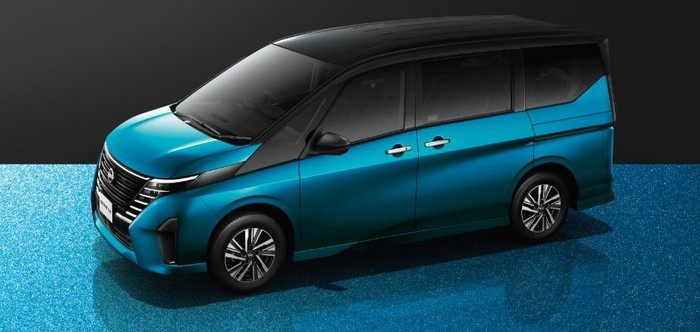
The Serena’s full model change has retained the same exterior design concept, but with a more modern design, adopting the latest V-motion design language like the electric vehicle ” Ariya ” and the new ” Note .” It incorporates a V-shaped grille and aggressive headlights. It adopts the large V-motion grille “V-motion Grille,” and incorporates many Nissan design features such as boomerang-shaped headlights, a unique floating roof, and a powerful body shape. Furthermore, it is equipped with horizontal signature LED lamps, and the headlights are delicately designed to further accentuate the distinctive boomerang shape.
New Serena interior design
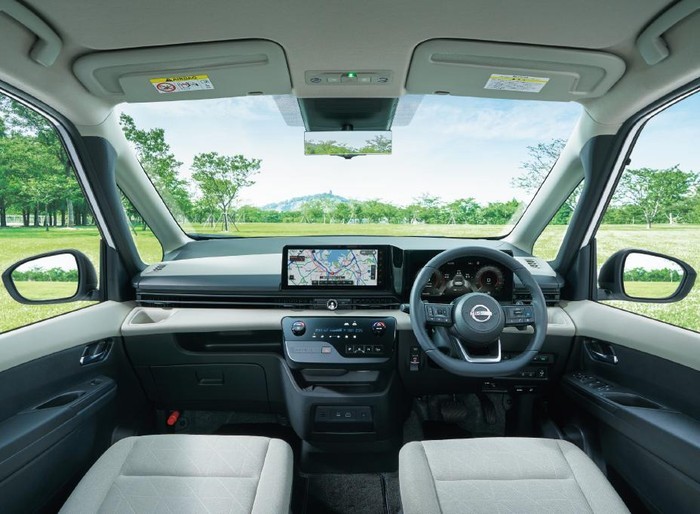
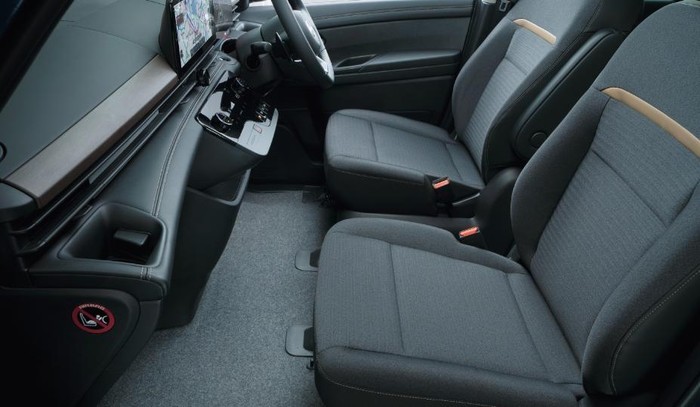
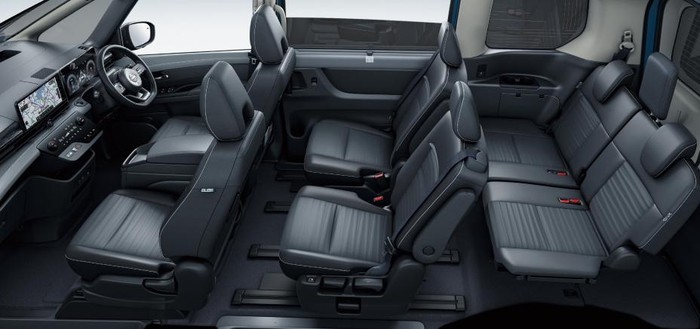
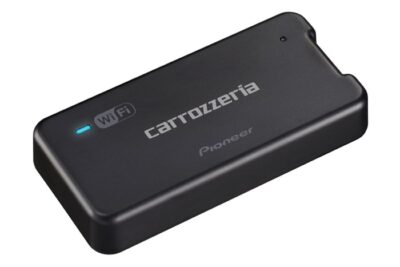
The interior design was created to accommodate the new instrument panel, infotainment screen, steering wheel, and seats. The meter features the Advanced Drive Assist Display, a digital LCD meter , and a 12.3-inch full-color LCD digital meter . The stylish, comprehensive infotainment system, NISSAN CONNECT, is dominated by a centrally mounted 9-inch or 12.3-inch full-color display (optional) . The car features an electric parking brake and hold . Three drive modes are available: SPORT, ECO, and NORMAL. Three interior color and material variations are available. The car also features a communication unit (TCU) that enables the in-car internet connection service, docomo in Car Connect. In-car Wi-Fi is available using LTE high-speed data communication.
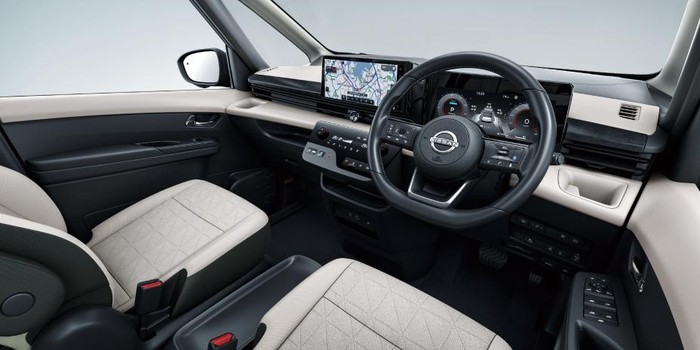
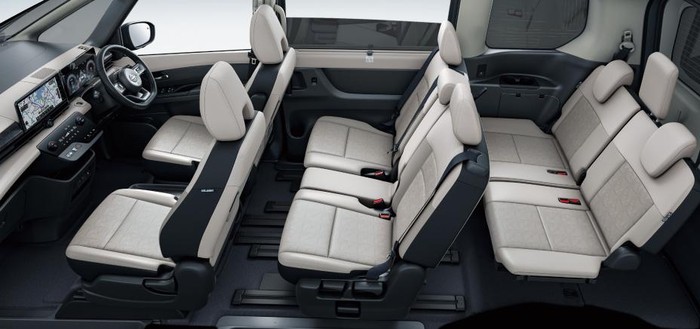
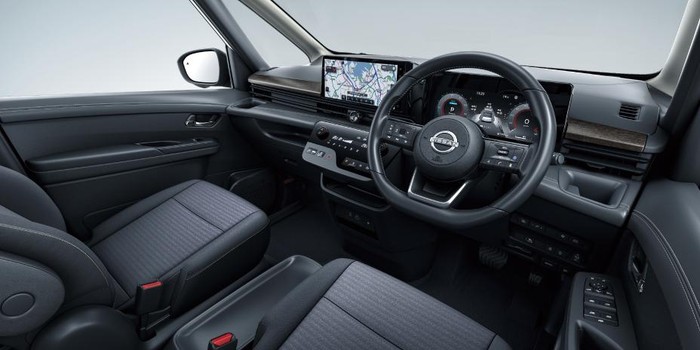
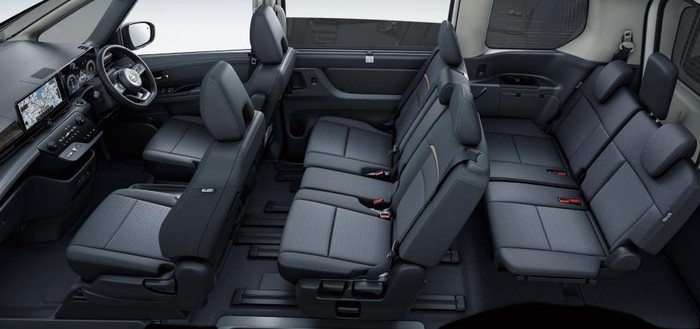
New Serena equipped with second-generation e-POWER + 1.4L inline 3-cylinder engine
The car is equipped with the second-generation “e-POWER” system, which has evolved to be more powerful, smooth, and quiet by renewing the motor and inverter . The adoption of a newly developed 1.4L engine tuned for e-POWER has significantly improved output , and reducing engine revolutions has contributed to fuel efficiency.
The new Serena features car sickness reduction technology that has been thoroughly developed from every angle.
The second-generation “e-POWER” and high-rigidity suspension smooth the body’s movements, while the newly developed seats reduce the transmission of body sway and suppress sudden head shaking that can lead to car sickness. The operability of “e-Pedal Step,” which allows you to freely control the vehicle speed using only the accelerator pedal, has also been improved. Furthermore, the adoption of a high-rigidity steering system improves handling stability, and the body structure, which deflects crosswinds, a weakness of minivans, reduces wobble, resulting in stable driving even at high speeds.
The new Serena is equipped with top-class safety features and the 360° Safety Assist all-round driving assistance system.
The 360° Safety Assist system, which offers improved functionality compared to the previous model, is comprised of seven advanced driving assistance systems: Intelligent Emergency Braking, Pedal Misapplication Prevention Assist, Adaptive High Beam Assist/High Beam Assist, Reverse Traffic Alert (RCTA), Intelligent Lane Departure Warning (LI/LDW), Reverse Traffic Alert (RCTA), and Traffic Sign Detection.
New Serena Fully Redesigned: 360° Safety Assist Driving Assist System
Nissan’s advanced driver assistance systems, “ProPilot 2.0” and “360° Safety Assist,” consist of seven types of advanced driver assistance systems: “Intelligent Emergency Braking,” “Pedal Misapplication Prevention Assist,” “Adaptive High Beam Assist/High Beam Assist,” “Reverse Traffic Alert (RCTA),” “Intelligent Lane Departure Warning (LI/LDW),” “RCTA Reverse Traffic Alert,” and “Sign Detection Function.”
Intelligent Emergency Braking The front camera detects vehicles (approximately 10-80km/h) and pedestrians (approximately 60km/h or less) ahead. It also works when driving at night. If the possibility of a collision increases, a warning is displayed on the meter display and a buzzer sounds to alert the driver and urge them to take evasive action. In the unlikely event that the driver is unable to safely slow down, the system will support collision avoidance operations by braking or reduce damage and injuries in the event of a collision.
When parking in a place where there is a wall or other obstacle in the direction of travel (less than approximately 15 km/h), if you apply the brakes too late or mistake the accelerator pedal for the brake, the system will warn you and control engine output and braking to help prevent excessive acceleration and collisions.
Intelligent LI/LDW (Lane Departure Warning) If the vehicle is about to unintentionally depart from its lane, it alerts you with a visual and audible warning.
Adaptive High Beam Assist/High Beam Assist A forward detection camera detects the headlights of preceding and oncoming vehicles, as well as the brightness of the road surroundings, and automatically switches between high and low beams.
Intelligent BSI (Rear Side Collision Prevention Assist System) When it detects a vehicle traveling behind the vehicle in an adjacent lane, which is prone to being in a blind spot, it notifies the driver with a display. Furthermore, if the driver begins to change lanes, it issues an alarm and generates force to return the vehicle to its original lane, assisting in avoiding contact with the vehicle in the adjacent lane.
Intelligent Rearview Mirror The intelligent rearview mirror projects an image from a camera behind the vehicle onto the mirror surface.
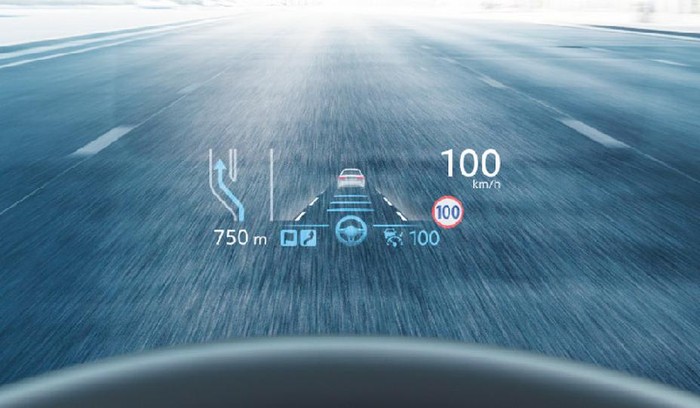
Intelligent Cruise Control: When a vehicle ahead is detected, the system follows the vehicle at a speed between a stop and approximately 100 km/h, maintaining a safe distance from the vehicle ahead, with the upper limit set by the driver (approximately 30 to 100 km/h).
Intelligent Around View MonitorThe display provides an aerial view of the surrounding area, helping to make parking easier.
ProPilot 2.0 (available on the top-of-the-line LUXION model ) uses seven cameras, five radars, and 12 sonar sensors onboard to detect white lines, signs, and surrounding vehicles. It also uses the navigation system and high-precision 3D map data to understand road conditions, including speed limits. As long as the driver is constantly paying attention to the road ahead and is ready to immediately and reliably steer in response to road, traffic, and vehicle conditions, it allows hands-off driving within the same lane, ensuring safe and smooth driving. It also receives high-precision positioning information from sources such as the Quasi-Zenith Satellite System, enabling it to determine the vehicle’s position with even greater precision. The operating status is displayed in real time on the meter display and head-up display, allowing for intuitive understanding of the driving assistance system’s status.
New “Serena” full model change price grade
With this full model change, the “G” grade has been discontinued. A new grade, “LUXION,” has been added to the lineup. “LUXION” is equipped with many advanced features, including “ProPilot 2.0,” “12.3-inch meter display,” and “12.3-inch Connect Navigation & 6 speakers.” Starting prices have risen across the board, with a price increase of approximately 200,000 yen.
Inline 4-cylinder DOHC 2.0L engine Model Grade Price
| grade | engine | transmission |
Drive system |
Passenger capacity |
Price (10%) |
|---|---|---|---|---|---|
| X | Inline 4-cylinder DOHC 2.0L direct injection engine |
CVT | 2WD | 8 people | 2,768,700 yen |
| XV | 3,088,800 yen | ||||
| Highway Star V | 3,269,200 yen | ||||
| AUTECH | 3,733,400 yen | ||||
| X | 4WD | 3,034,900 yen | |||
| XV | 3,355,000 yen | ||||
| Highway Star V | 3,535,400 yen | ||||
| AUTECH | 3,933,600 yen |
e-POWER equipped model Grade Price
| grade | engine | Drive system |
Passenger capacity |
Price (10%) |
|---|---|---|---|---|
| e-POWER X | Inline 3-cylinder DOHC 1.4L + motor (EM57) |
2WD | 8 people | 3,198,800 yen |
| e-POWER XV | 3,499,100 yen | |||
| e-POWER Highway Star V | 3,686,100 yen | |||
| e-POWER AUTECH | 4,150,300 yen | |||
| e-POWER LUXION | 7 people | 4,798,200 yen |
Toyota Sienta
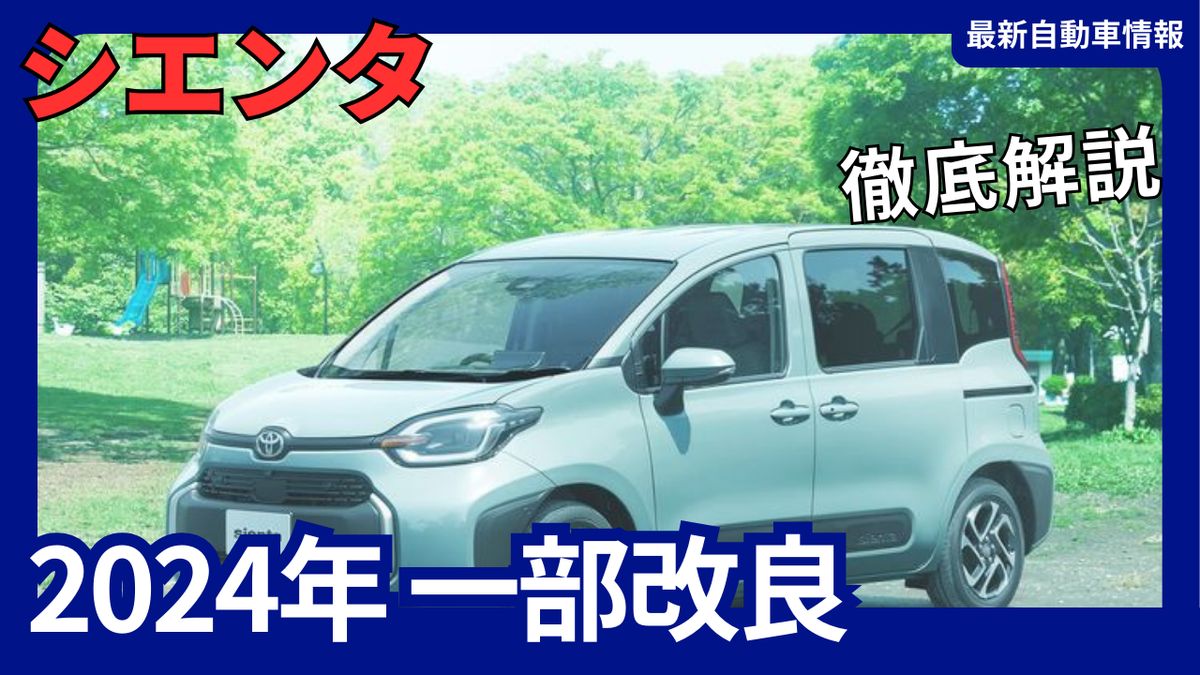
Toyota released a full model change of its compact minivan, the Sienta , on August 23, 2022. Despite the many significant improvements, the car has been priced strategically, starting at 1.95 million yen.
New Sienta full model change points
In developing the new Sienta, the company aims to further refine the “user-friendly interior space” of the first generation, while retaining the attractive features of the “easy-to-handle 5-number size,” “latest safety and security equipment,” “low fuel consumption,” and “affordable price.”
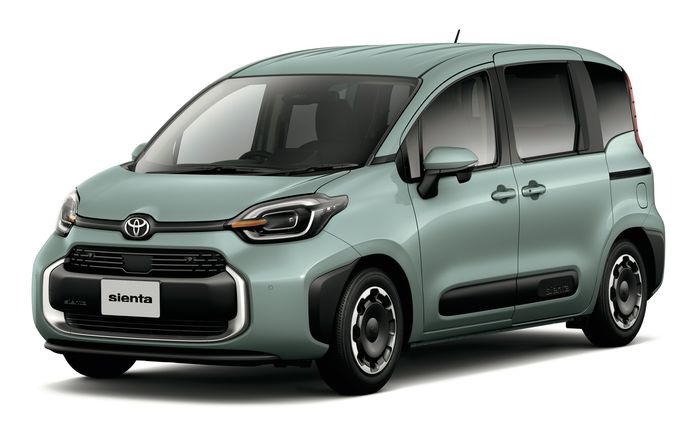
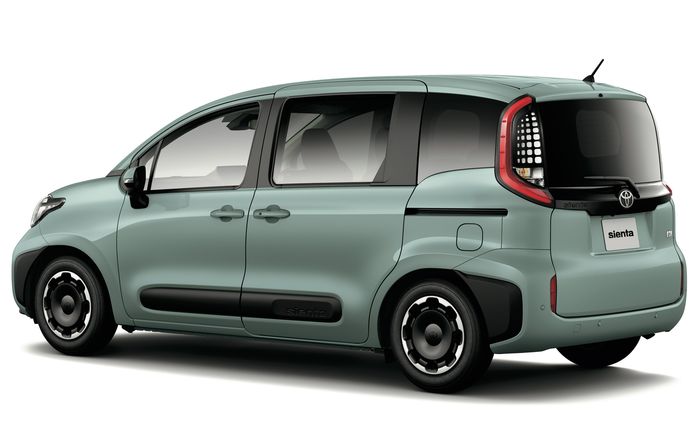
It offers a larger interior space than the previous model. It achieves high aerodynamic performance and adopts a newly developed platform that reduces weight, lowers the center of gravity, and increases body rigidity by more than 30%, making it a significant improvement over the previous model. The suspension employs a MacPherson strut front suspension and a torsion beam coil spring rear suspension. The minimum turning radius is 5.0m, allowing for smooth maneuvering on narrow roads and in parking lots.
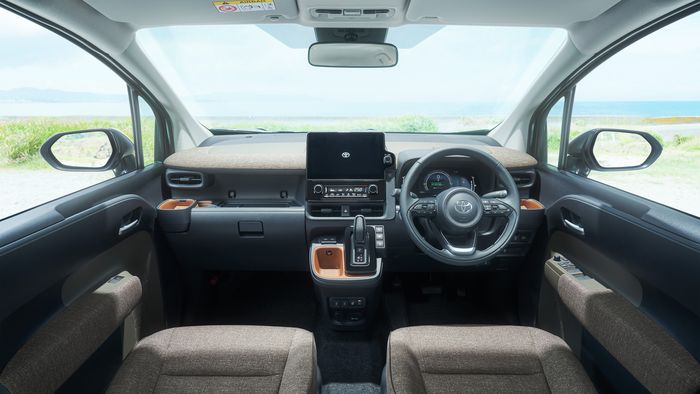
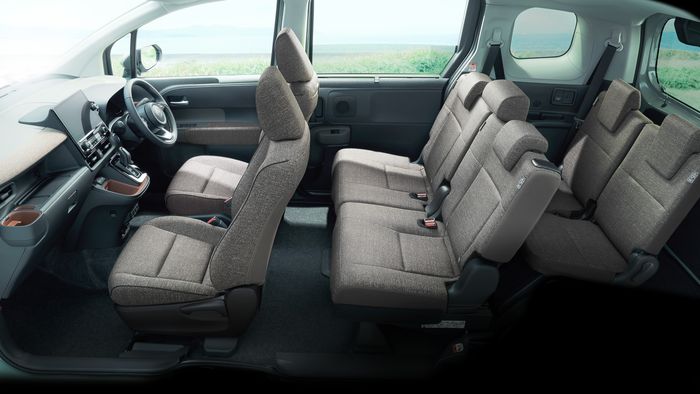
There’s no doubt that this new model will evolve into a completely different car. The ride quality will change with more soundproofing and improved body construction. Despite being a 5-number size, the interior space is spacious and the interior is more luxurious than the previous model.
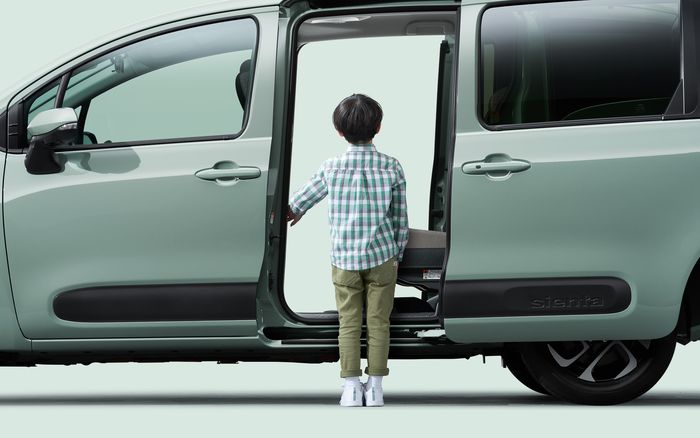
While maintaining the easy-to-handle 5-number size that prioritizes maneuverability in everyday life, the overall height has been increased by 20 mm from the previous model to a low floor ground clearance of 330 mm, and the height of the power sliding door opening has been widened to 1200 mm, an increase of 60 mm from the previous model , making it easier to get in and out. While maintaining the flat floor with no steps, it has achieved excellent ease of getting in and out of the rear seats.
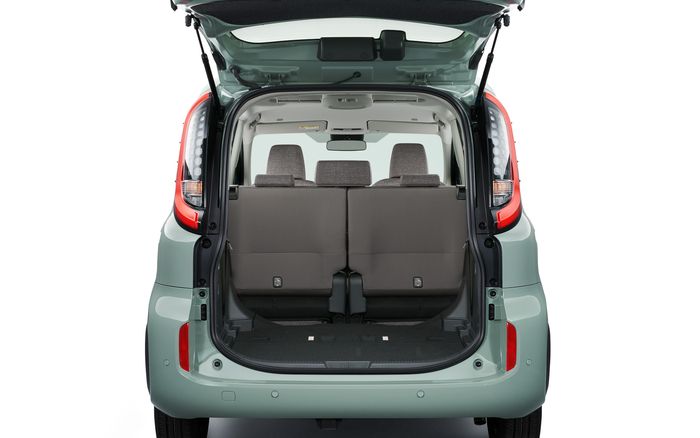
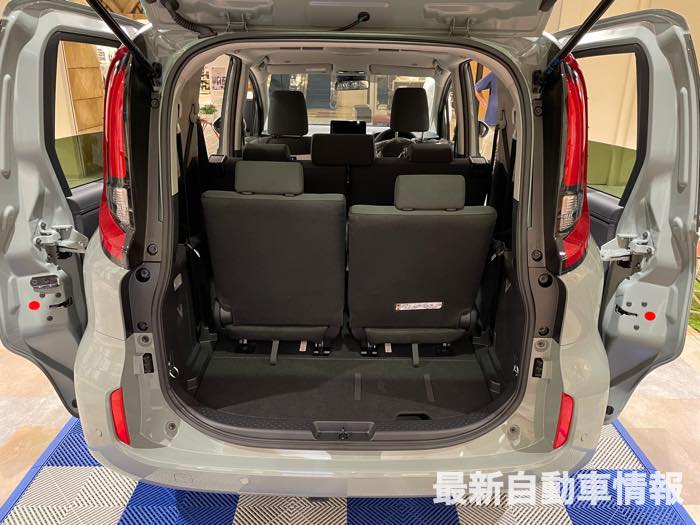
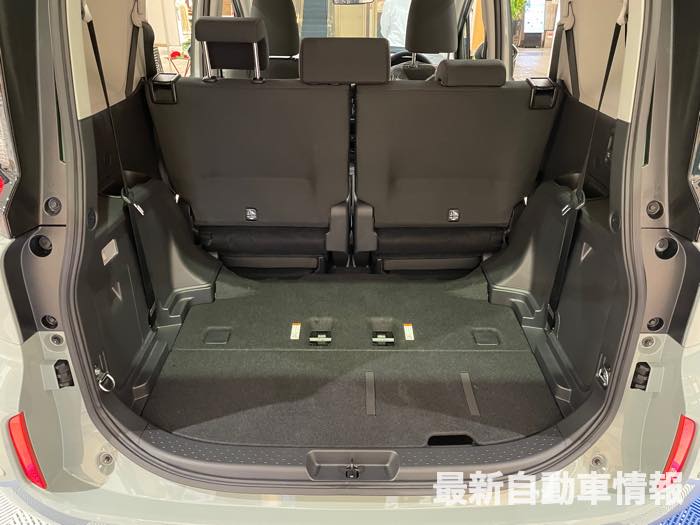
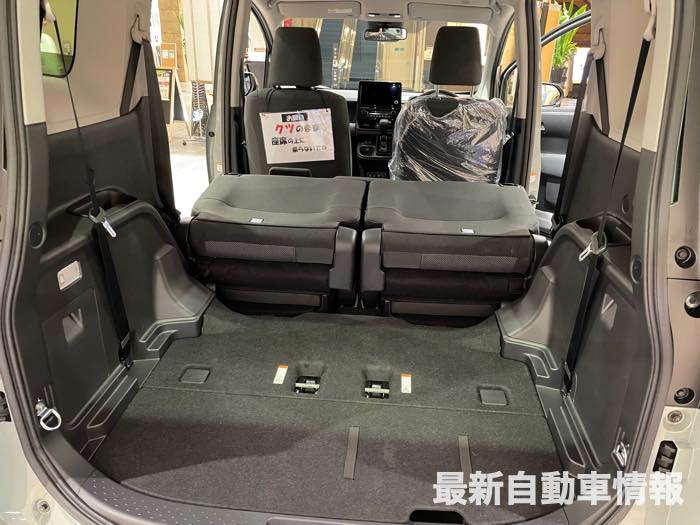
The height of the back door opening has been increased by 15 mm (compared to the previous model), and the luggage compartment height has also been increased by 20 mm (compared to the previous model), making it easier to load and unload luggage.
Large interior space
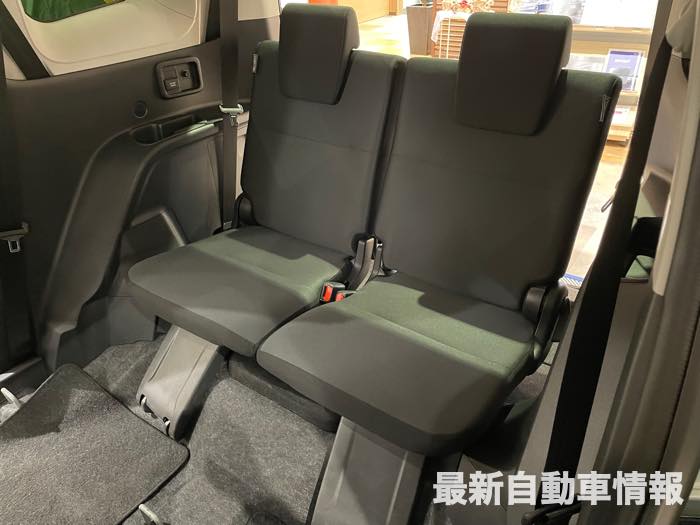
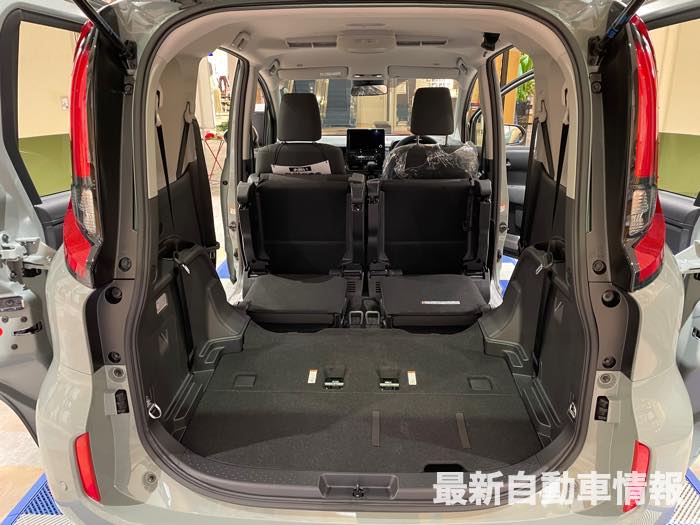
By securing one of the best front and rear seat distances among compact minivans, the car has a spacious interior that is large enough to accommodate a large shopping basket.With an interior height of 1,300 mm and ample headroom, the car offers a sense of openness.
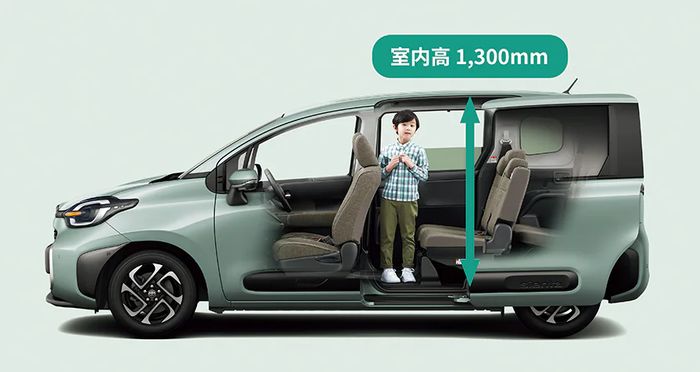
Consideration has been given to ease of movement within the vehicle, including between the first and second rows. Rear seat sunshades/ceramic dots (sliding door glass) (standard equipment on Z grade).
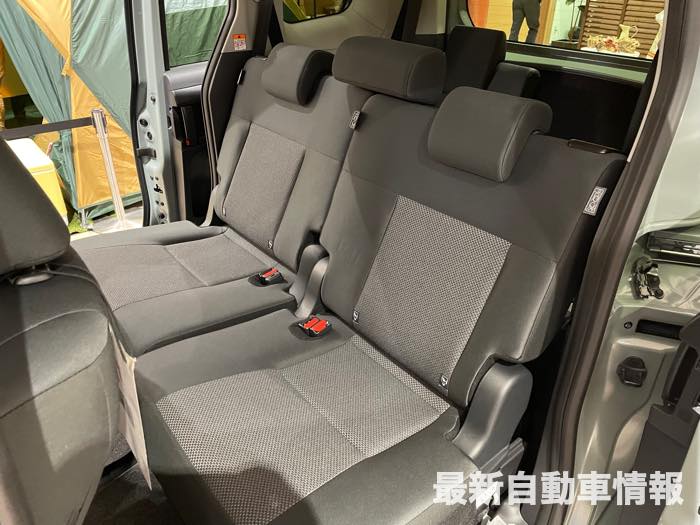
The interior is fully equipped with the latest features
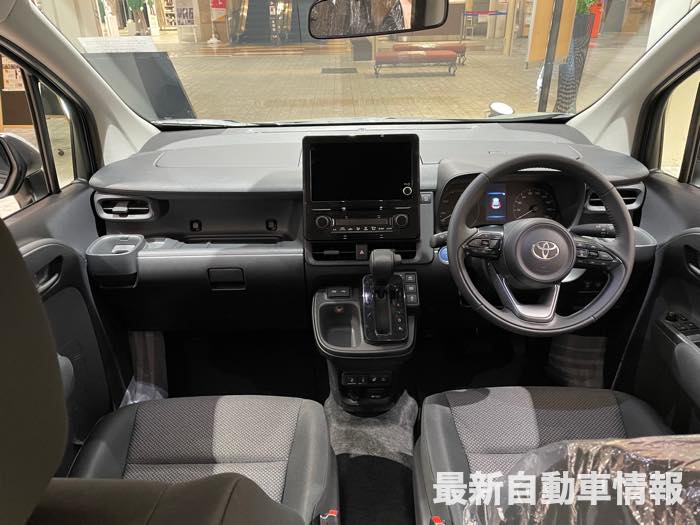
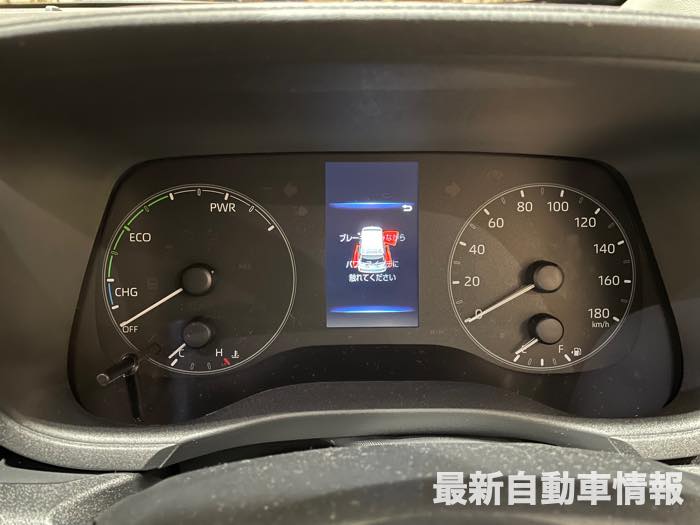
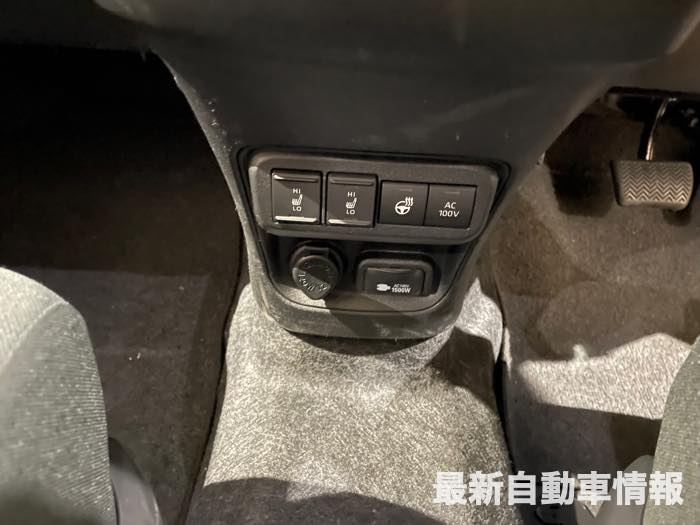
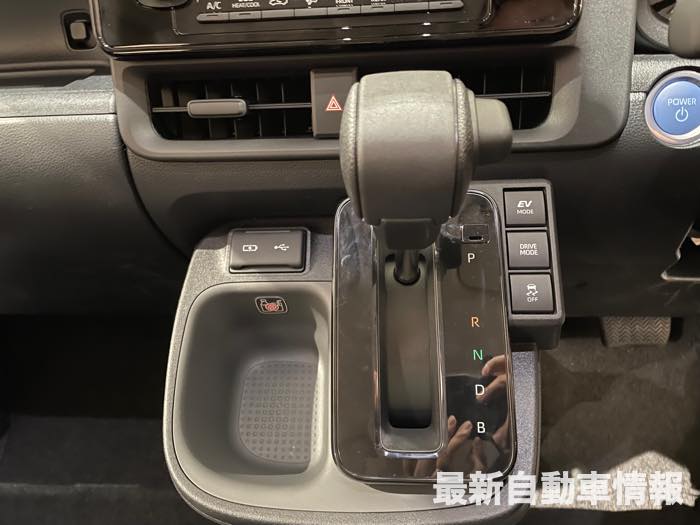
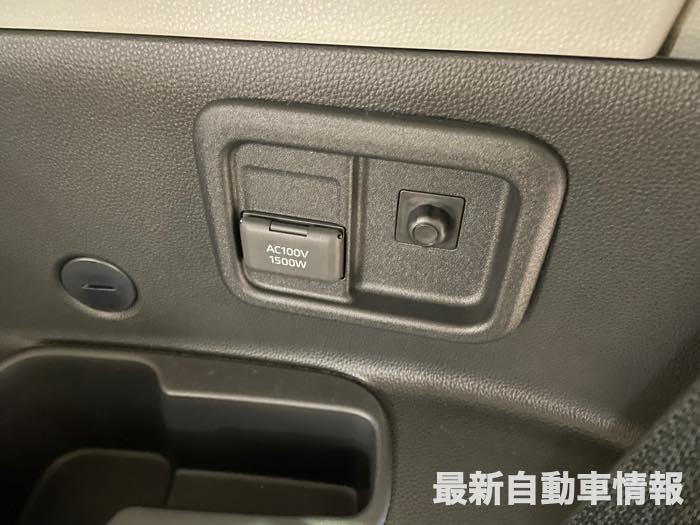
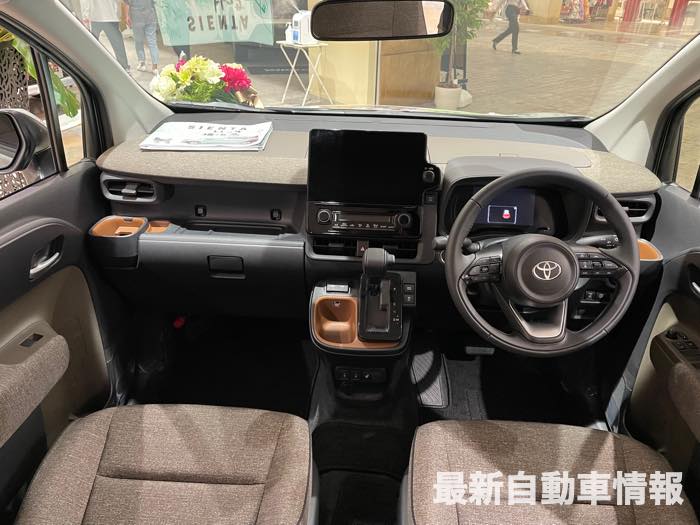
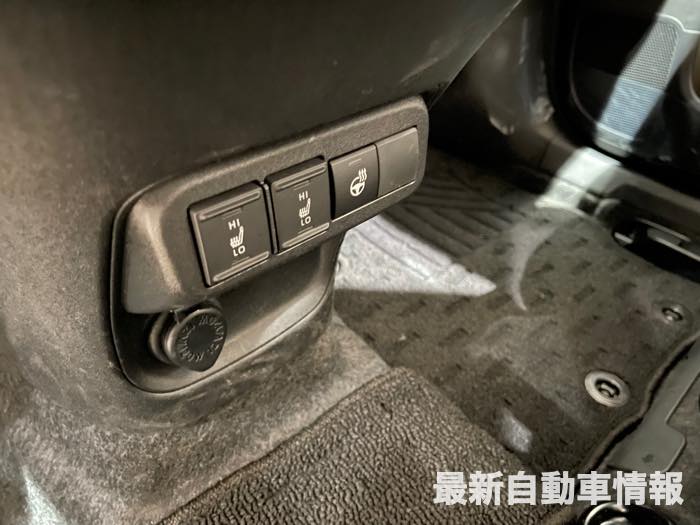
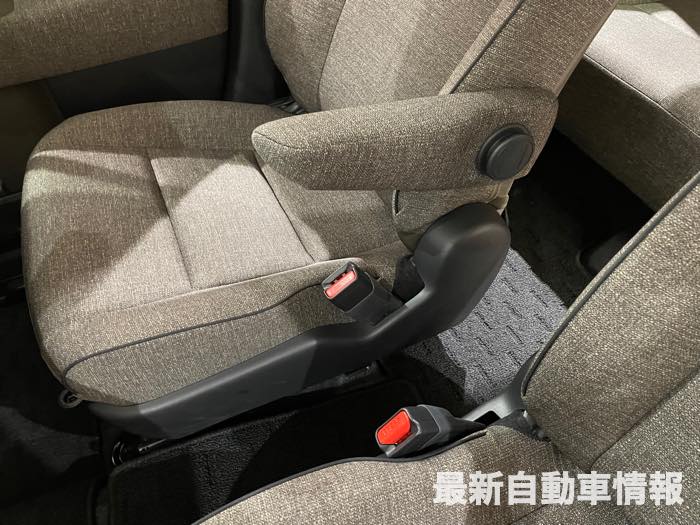
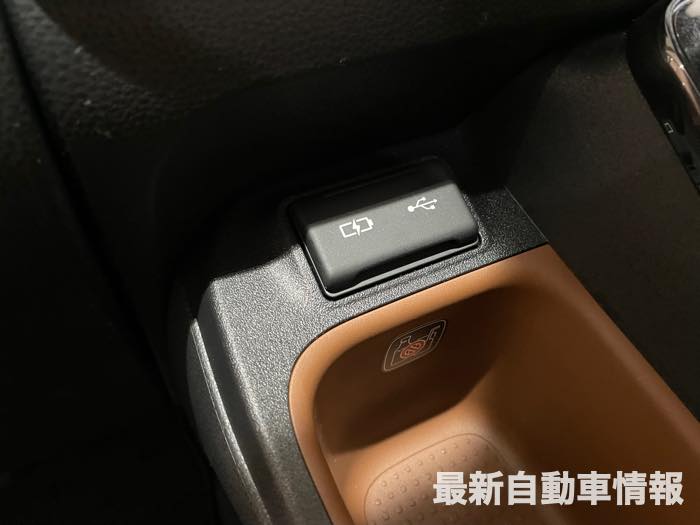
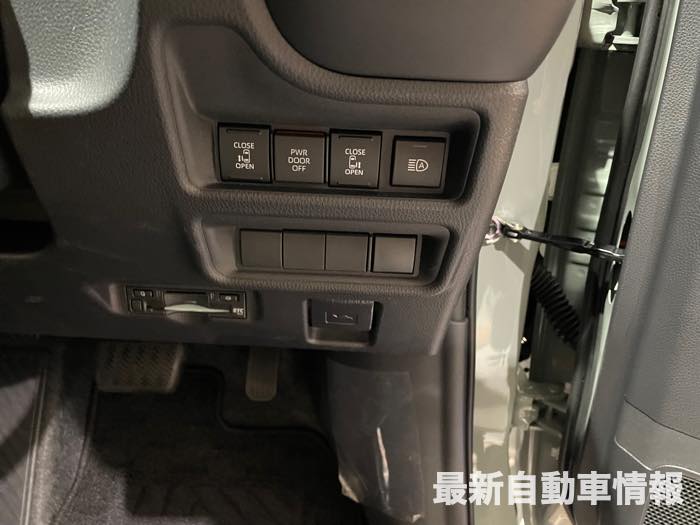
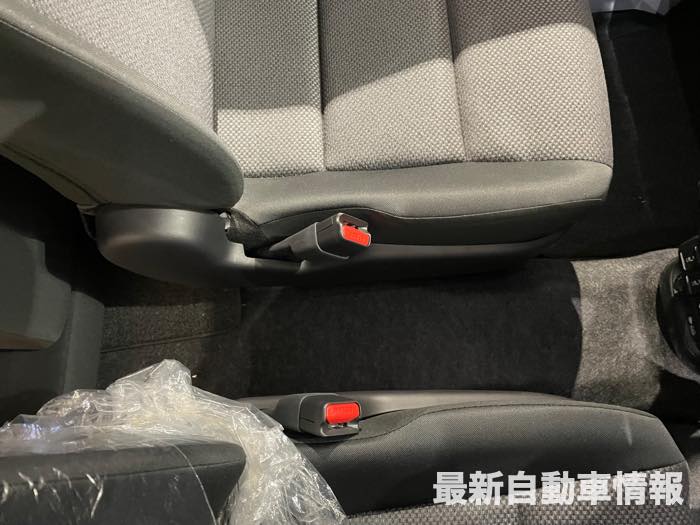
The interior features a centrally placed meter configuration of either an Optitron meter + large 7.0-inch TFT multi-information display (standard on the Z grade) or an analog meter + 4.2-inch TFT color multi-information display (standard on the GX). The front seats are fitted with an 8-inch or 10.5-inch display audio and a T-Connect SD navigation system . The display audio is compatible with CarPlay and AndroidAuto . A DCM in-car communication device is fitted as standard, and the basic fee for connected services is free for five years. The car is fitted with Nanoe X (manufacturer option). Fine particle ions containing OH radicals at 10 times the amount of Nanoe come out of the driver’s seat vent. The layout of the switches around the steering wheel and instrument panel is excellent and looks easy to use.
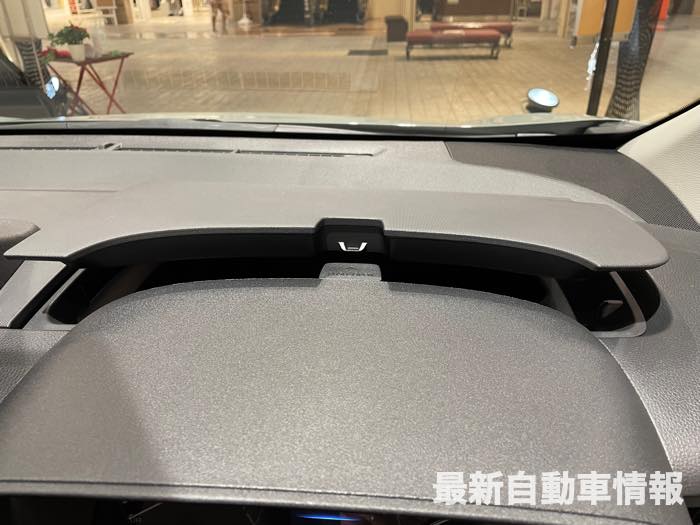
Evolution through adoption of TNGA (Toyota New Global Architecture)
The new Prius , which went on sale on December 9, 2015, is based on the newly developed GA-B platform, also known as TNGA (Toyota New Global Architecture) , making it possible to obtain a larger interior space than the previous model. The adoption of the newly developed platform has resulted in a lower center of gravity and increased body rigidity, achieving high aerodynamic performance and marking a significant evolution from the previous model.
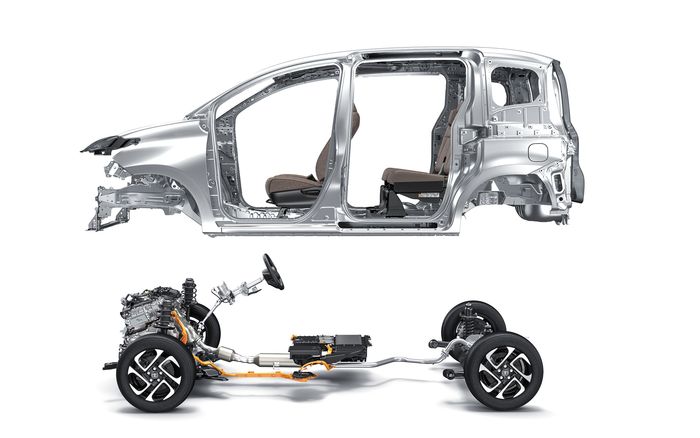
Adopts ” TNGA (Toyota New Global Architecture) ” and “GA-B platform.”
The new generation ” inline 3-cylinder 1.5L direct injection Dynamic Force Engine M15A type ” employs a new, compact THS II engine. It is combined with a ” Direct Shift-CVT “ with a launch gear .
The hybrid model also features an E-Four (4WD) model . A newly developed double wishbone rear suspension is used exclusively for 4WD. The gasoline 4WD model will be discontinued.
It is equipped with the second-generation Toyota Safety Sense , an advanced preventive safety technology .
The car comes standard with an 8-inch or 10.5-inch display audio , Apple CarPlay, and Android Auto. A DCM in-car communication device is also standard.
It features an external power supply function (optional for hybrid vehicles) that can supply up to approximately 5.5 days’ worth of electricity for an average household.
Differences between the next-generation Toyota Safety Sense and Toyota Safety Sense C
The new Yaris will adopt the “Next Generation Toyota Safety Sense” instead of the “Toyota Safety Sense C” used in the Vitz, which will result in significantly added functionality and improved safety.
| system | Next-generation Toyota Safety Sense |
Toyota Safety Sense C |
|---|---|---|
| method | Monocular camera + millimeter wave radar |
Monocular camera + laser radar |
| Automatic high beam |
◯ | ◯ |
Pre-crash safety system with collision avoidance support |
Daytime and nighttime pedestrian and bicycle |
◯ |
Detects oncoming vehicles and pedestrians when turning right at an intersection |
◯ | × |
| Lane Tracing Assist |
◯ | × |
| Lane Departure Alert |
Steering control White/yellow line detection Road edge detection Wandering alarm |
◯ White line/yellow line detection |
| Road Sign Assist | ◯ | × |
| Radar cruise control |
◯ | × |
| Leading vehicle departure notification | ◯ | ◯ |
| Emergency steering avoidance assist function |
◯ | × |
| Low speed acceleration suppression function |
◯ | × |
New Sienta full model change price grade
The biggest difference in this lineup is the addition of an E-Four (4WD) model to the hybrid lineup . Conversely, the 4WD model has been discontinued for gasoline models, so if you want a 4WD, you’ll have to choose the hybrid. In my opinion, the new model is significantly different from the previous model, adopting the TNGA platform and changing the safety equipment from the collision avoidance support package “Toyota Safety Sense (C)” to the latest “Toyota Safety Sense .” Furthermore, it employs a new generation ” inline 3-cylinder 1.5L direct injection Dynamic Force engine ” and a new generation “hybrid system,” and with such a significant performance improvement, the price difference is probably quite satisfactory.
Gasoline vehicles
The previous generation Sienta gasoline-powered vehicle was priced at 1,888,500 to 2,358,000 yen, but the new model is priced at 1,950,000 to 2,560,000 yen, a price difference of 61,500 to 202,000 yen. The previous model had a 4WD model, but the gasoline-powered version is not available in the new model, so the price difference is not as great.
| grade | Passenger capacity | Drive system | Price (10%) |
|---|---|---|---|
| X | 5-seater | 2WD | 1,950,000 yen |
| G | 5-seater | 2WD | 2,300,000 yen |
| G | 7-seater | 2WD | 2,340,000 yen |
| Z | 5-seater | 2WD | 2,520,000 yen |
| Z | 7-seater | 2WD | 2,560,000 yen |
Hybrid vehicles
The previous Sienta hybrid model was priced between 2,236,500 and 2,580,000 yen, but the new model is priced between 2,380,000 and 3,108,000 yen, a price difference of 143,500 and 528,000 yen. Furthermore, the previous model did not have an E-Four (4WD) model, but this one has been added to the lineup, widening the price difference.
| grade | Passenger capacity | Drive system | Price (10%) |
|---|---|---|---|
| X | 5-seater | 2WD | 2,380,000 yen |
| X | 5-seater | 4WD | 2,578,000 yen |
| G | 5-seater | 2WD | 2,300,000 yen |
| G | 5-seater | 4WD | 2,650,000 yen |
| G | 7-seater | 2WD | 2,690,000 yen |
| G | 7-seater | 4WD | 2,888,000 yen |
| Z | 5-seater | 2WD | 2,870,000 yen |
| Z | 5-seater | 4WD | 3,068,000 yen |
| Z | 7-seater | 2WD | 2,910,000 yen |
| Z | 7-seater | 4WD | 3,108,000 yen |
New Sienta specs
| Specifications | New Sienta Hybrid |
New Sienta gasoline |
|---|---|---|
| full length | 4,280mm | |
| Overall width | 1,695mm | |
| Overall height | 1,695mm (2WD) 1,715mm (4WD) |
|
| Wheelbase |
2,750mm | |
| engine | Inline 3 1.5L + motor M15A-FXE type |
In-line 3-cylinder 1.5L engine M15A-FKS type |
| Maximum power | 67kW (91ps) / 5500rpm |
88kW (120ps) / 6600rpm |
| Maximum torque | 120Nm (12.2kgfm) / 3800-4800rpm |
145Nm (14.8kgfm) / 4,800-5,200rpm |
| Motor maximum output |
Front: 59kW (80ps) Rear: 2.2kW (3.0ps) |
– |
| Motor Max Torque |
Front: 141Nm (14.4kgm) Rear: 44Nm (4.5kgm) |
– |
| WLCT mode fuel economy |
28.2-28.8km/L (2WD) 25.3km/L (4WD) |
18.3km/L |
| Drive system | 2WD/4WD (E-Four) |
2WD |
| Passenger capacity | 5 people/7 people | 5 people/7 people |
| Minimum turning radius |
5.0m | |
| Drive system | Electric continuously variable transmission |
Direct Shift- CVT |
| price | 2,380,000 yen to 3,108,000 yen |
1,950,000 yen to 2,560,000 yen |
Honda Freed
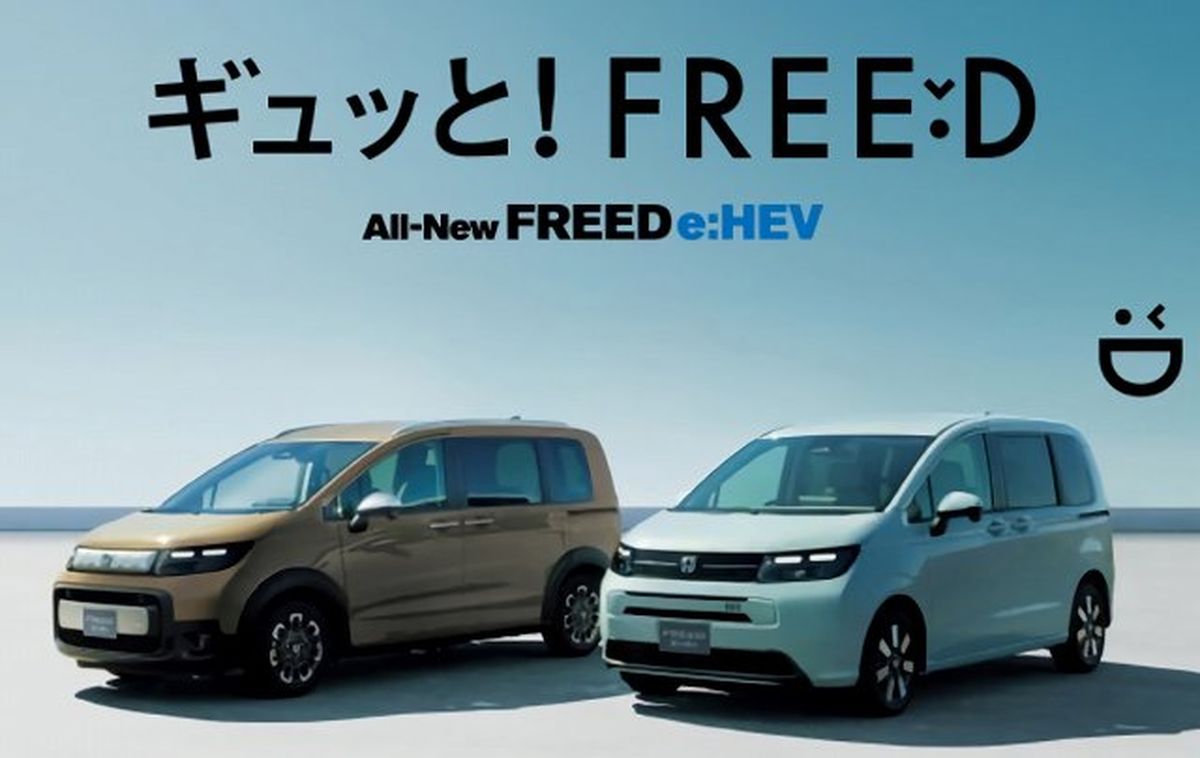
Honda will fully redesign the new Freed, announcing it on May 9, 2024, and releasing it on June 28, 2024. The current model was released on September 16, 2016, and this will be the first full model change in about eight years.
This time, the car was developed on a new platform. While maintaining its 5-number size, the overall length has been extended, further expanding the interior space and improving usability. It also features the i-MMD (e:HEV) two-motor hybrid system. The advanced safety driving support system, Honda SENSING, now features a new front wide-view camera, which, combined with a total of eight sonar sensors installed at the front and rear of the vehicle, adds functions such as near-collision mitigation braking and blind spot information, and is now standard equipment on all vehicles.
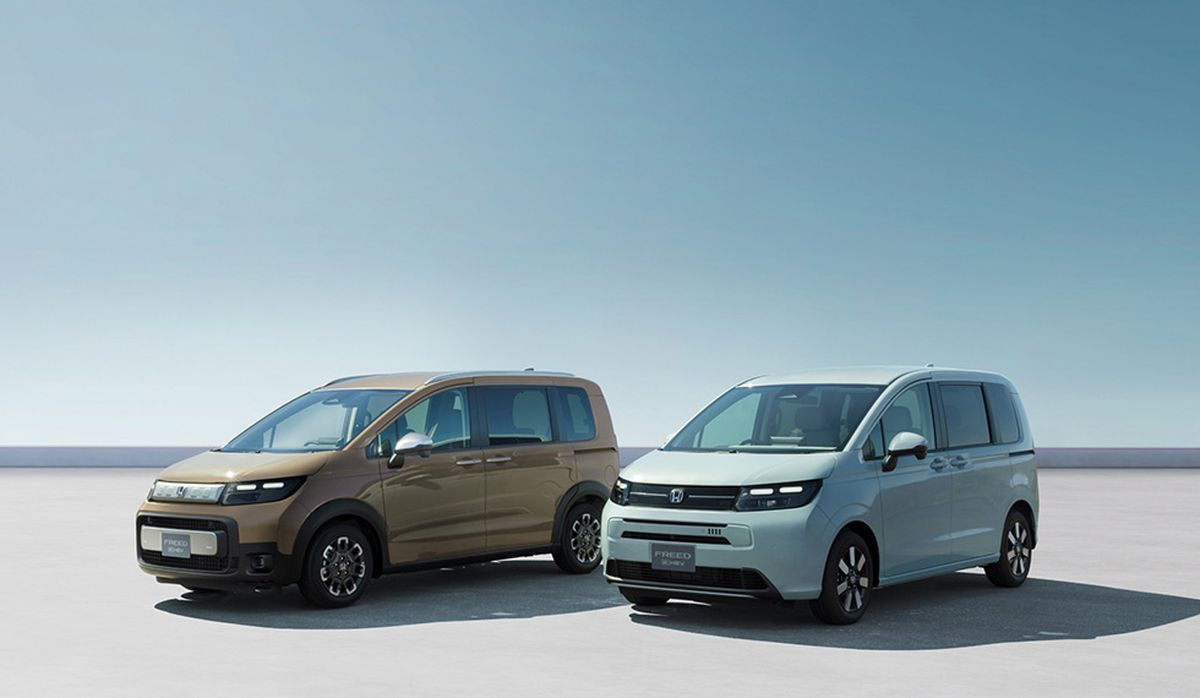
- Honda’s latest exterior design has been changed.
- The lineup includes the standard model “Freed AIR” and the active style “CROSSTAR.”
- Like the previous model, the second-row seats feature captain seats, allowing for walk-through seating.
- Honda genuine navigation system with a maximum size of 11.4 inches
- It is equipped with “Honda CONNECT,” an in-vehicle communication module exclusively for Honda vehicles.
- The long-awaited “electric parking brake” and “auto brake hold” features are adopted.
- The hybrid model is equipped with Honda’s two-motor hybrid system, “e:HEV.”
New Freed interior fully equipped
- Equipped with the long-awaited “electric parking brake” and “auto brake hold”
- The six-seater model features rear air conditioning in the rear seats.
- Equipped with “Honda CONNECT Honda Display up to 11.4 inches” and “Honda CONNECT”
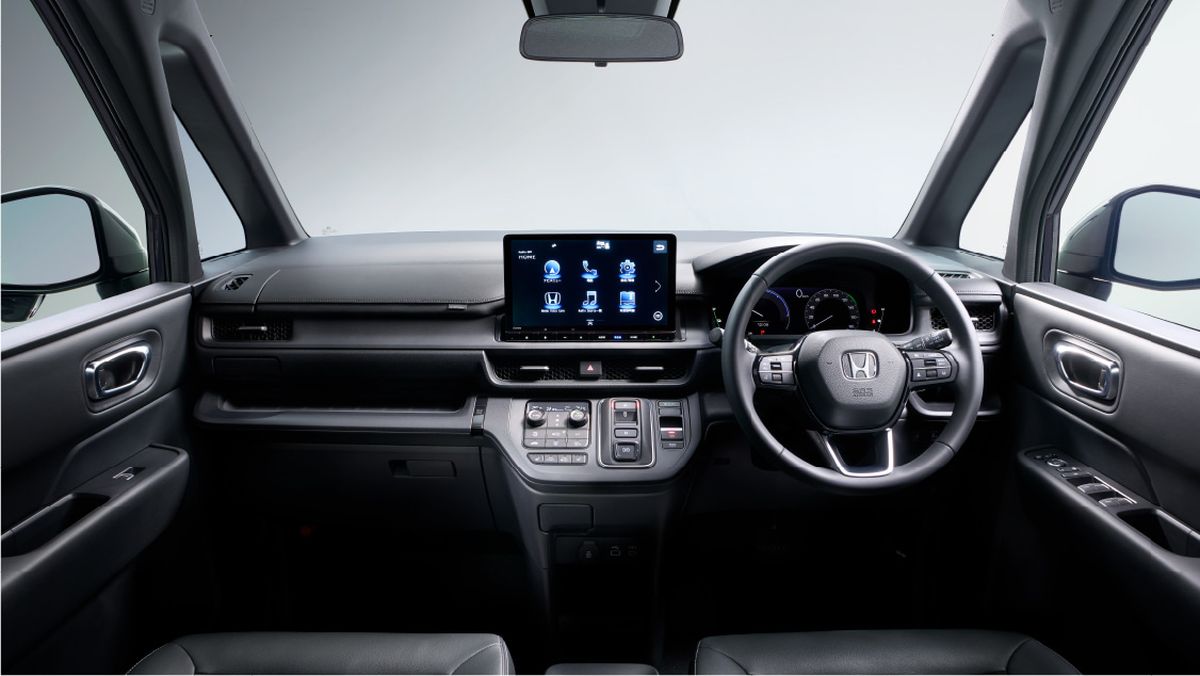
Step WGN
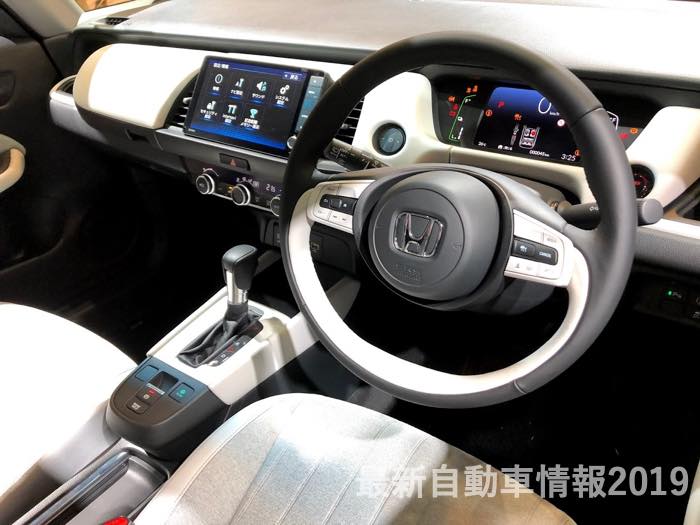
Fit interior
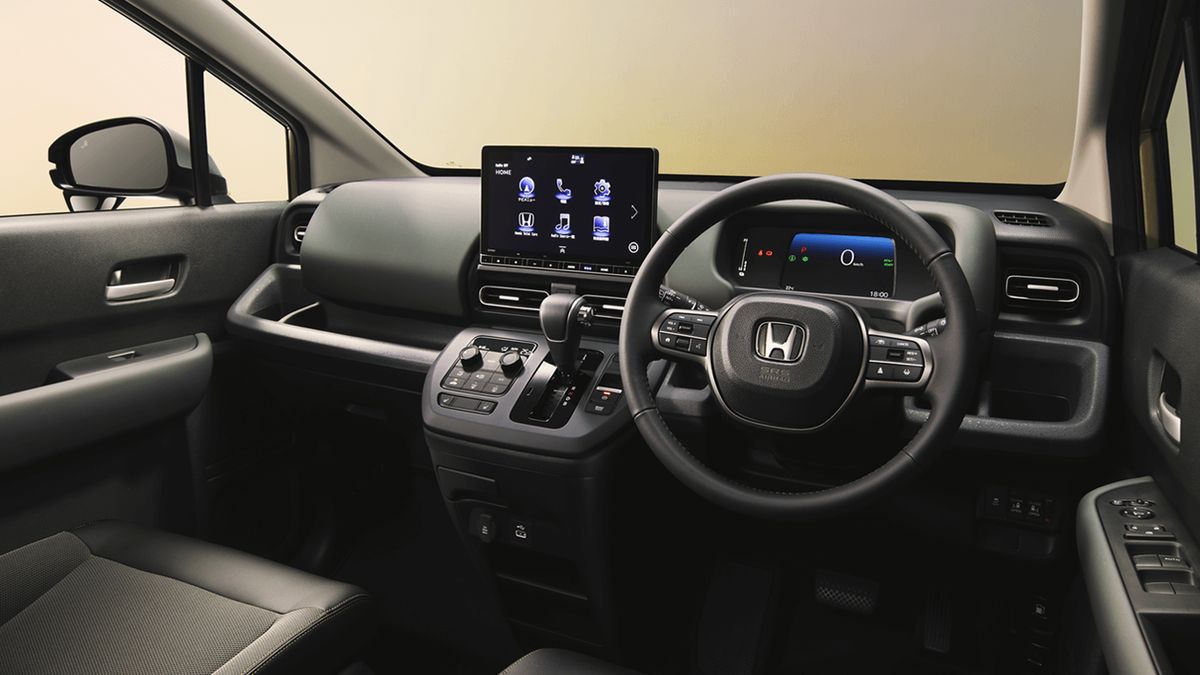
New Freed interior
The interior of the new Freed features a steering wheel with a design similar to that of the current Fit. The LCD meter also has a design similar to that of the current Fit. The front control panel has a design similar to that of the Step WGN. The shift system uses a lever that moves back and forth.
Honda’s unique seat arrangement
- Captain seats are installed in the second row, allowing for flexible seating arrangements in the second and third rows.
- Like the previous model, it features a double fold-down mechanism that flips the rear seat cushion forward and folds the backrest forward.
- Like the previous model, the six-seater model allows walk-through access from the first to third rows.
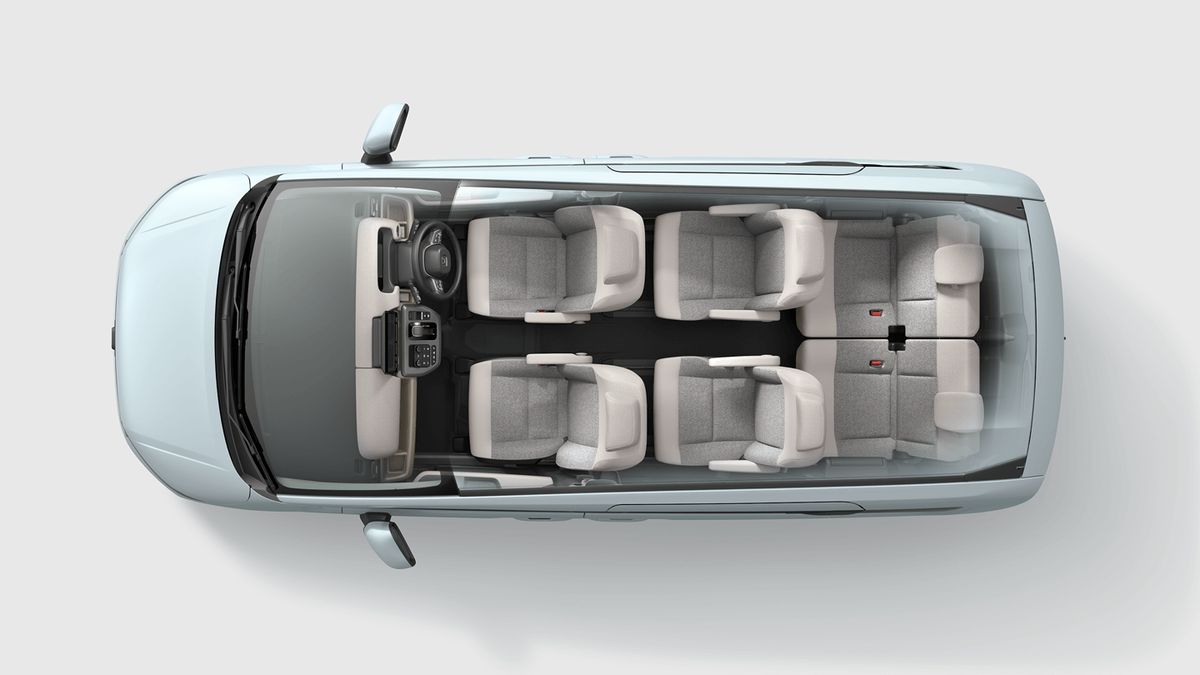
Previous model Freed: Adopted walk-through second-row “captain seats”
The front pillars have a different cross-sectional structure than conventional ones, and are designed to transfer the load to the body in the event of a collision. The front A-pillars are so thin that it feels a little strange, but it certainly does not obstruct visibility when turning right or left.
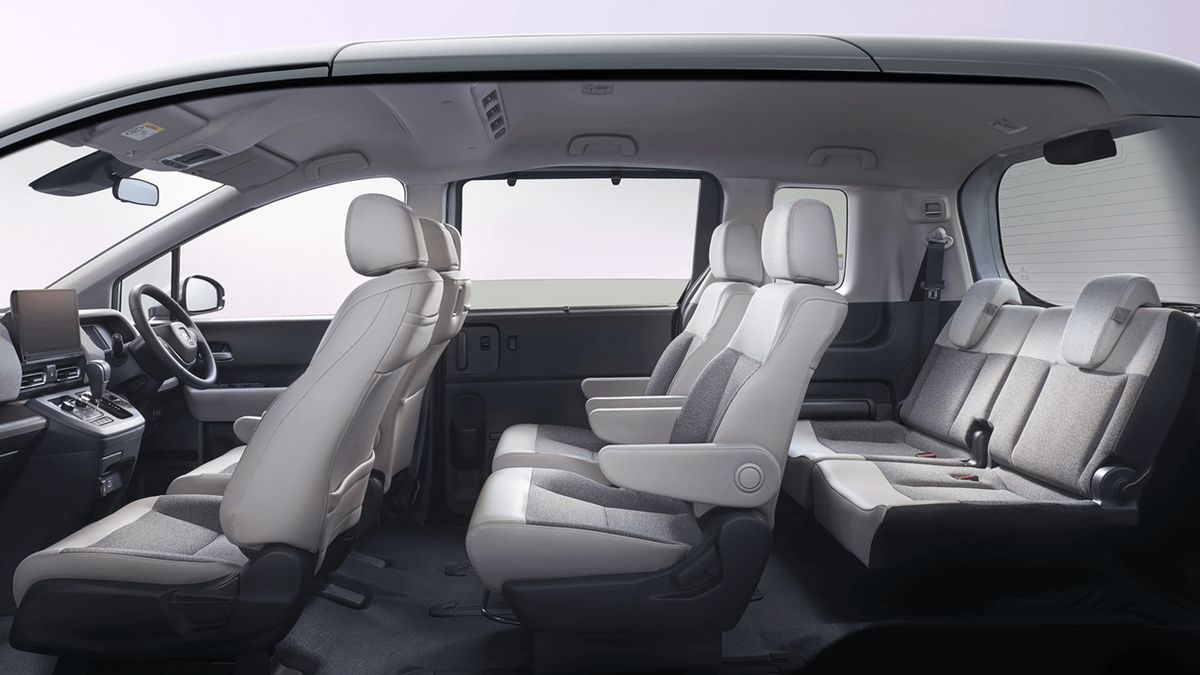
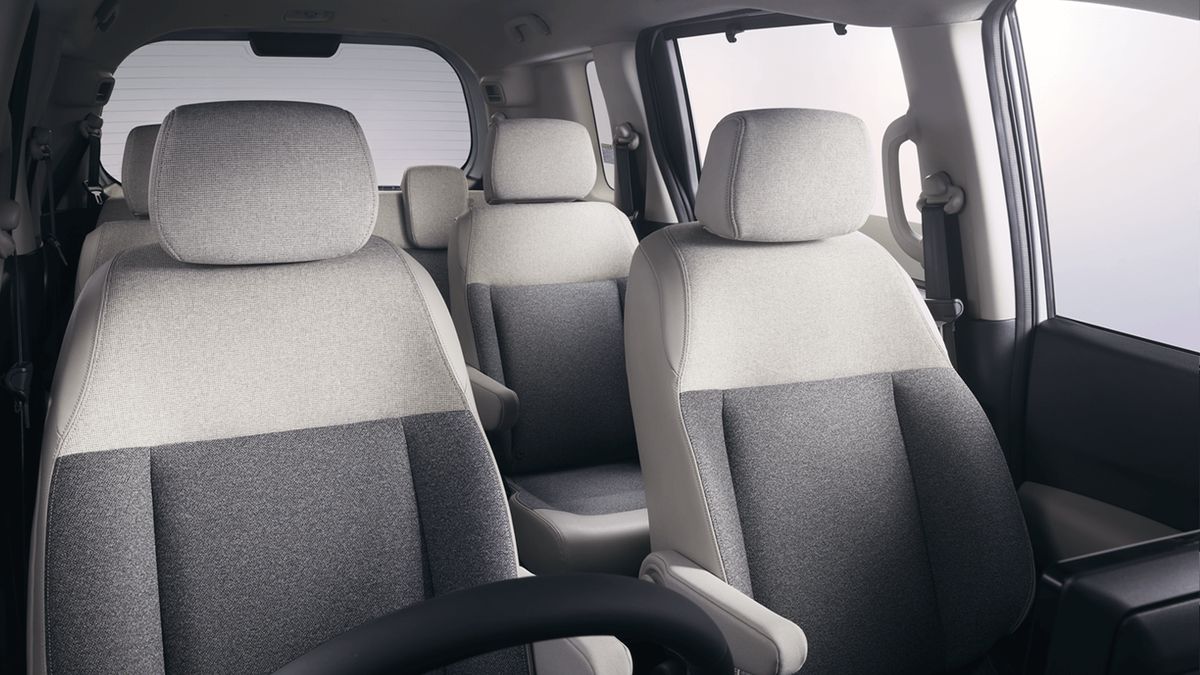
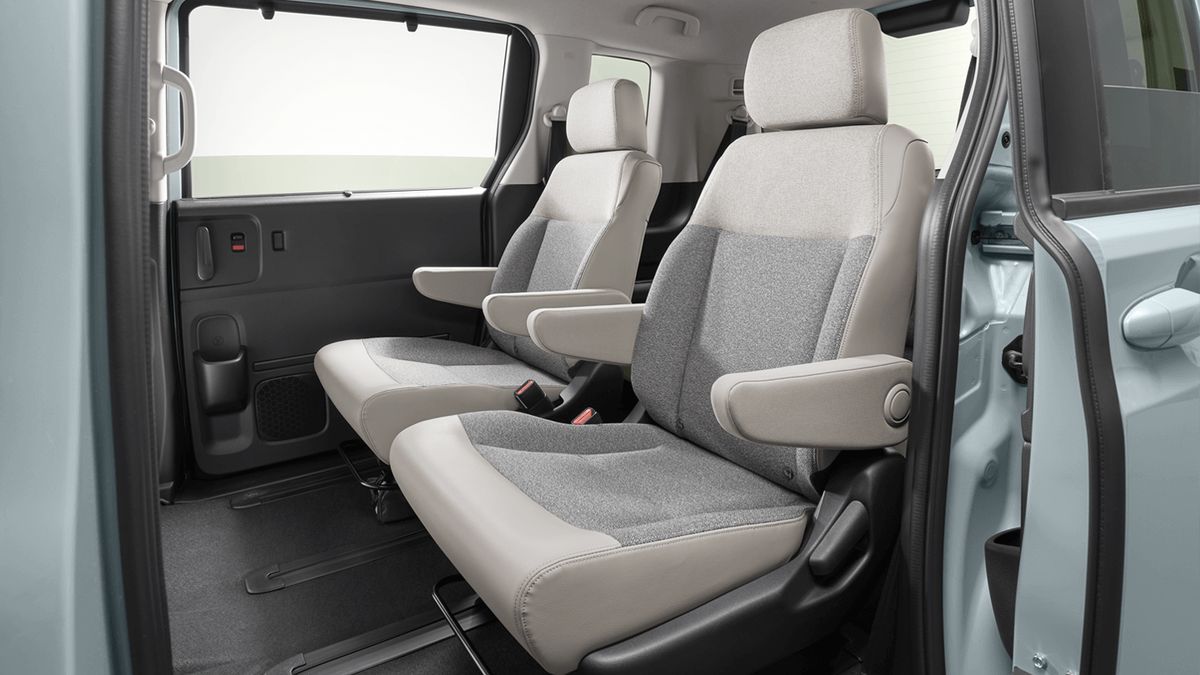
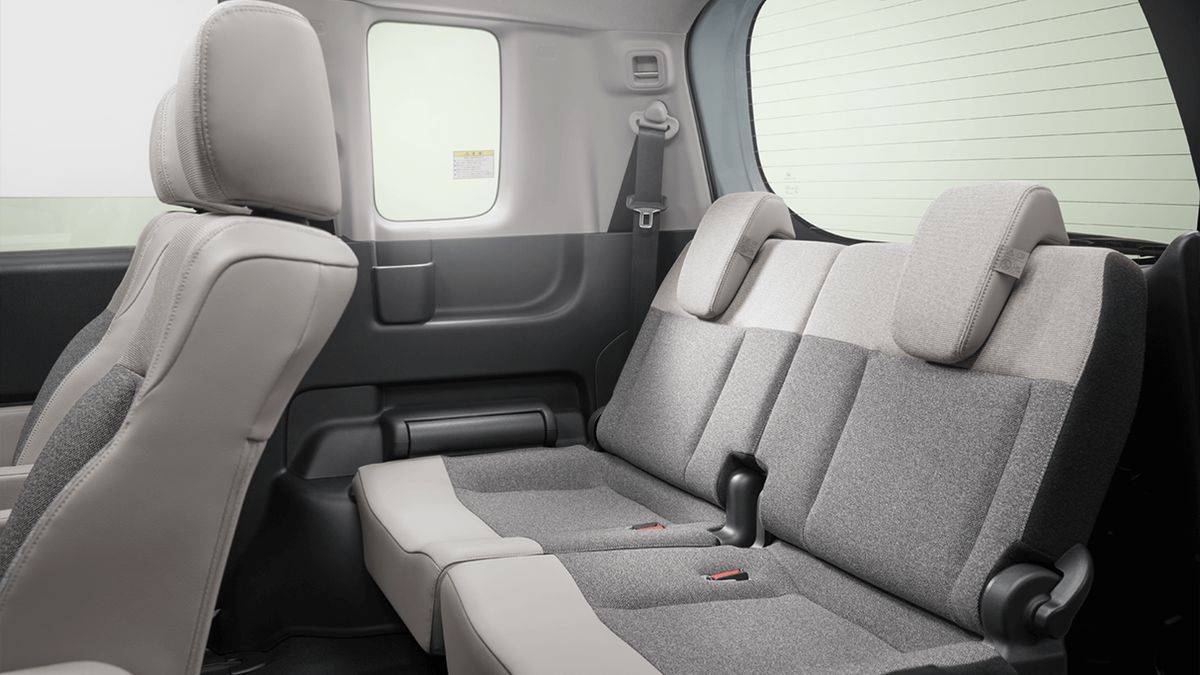
The Freed ‘s interior space is spacious enough for adults to sit comfortably in the first through third rows . Furthermore, the six-seater model features walk-through second-row “captain seats ,” which can slide up to 360mm, making the second-row space larger and more comfortable.
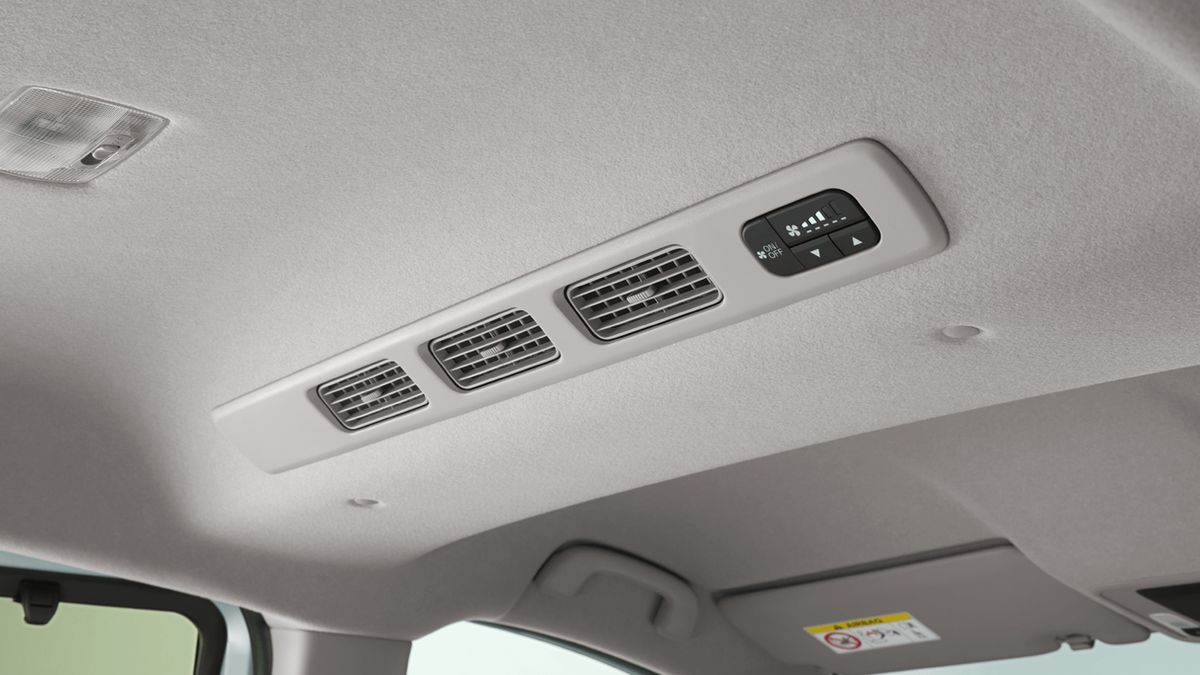
Rear air conditioner
In addition, the six-seater model is equipped with a rear air conditioner (manufacturer option) for the rear seats, allowing passengers in the back seats to adjust the temperature and airflow of the air conditioner while also sending air to the rear seats.
Ottoman not included
Honda Step Wagon Ottoman
It was rumored that an ottoman would be included in the Captaincy version of the second row seats, but this model does not have one.
Equipped with the long-awaited “electric parking brake” and “auto brake hold”
Freed exterior electric parking brake
The interior’s front seats feature a new generation of “body stabilizing seats,” newly developed with a view to being installed in high-end sedans. The seat structure provides a soft, comfortable seating position that reduces fatigue even during long drives. The car is equipped with an “electric parking brake” and “auto brake hold” functions, which keep the vehicle stationary even when the driver’s foot is removed from the brake pedal and are released when the accelerator is pressed, making it useful in traffic jams. The “telescopic and tilt steering mechanism” allows drivers of all sizes to find the optimal driving position. The car also features a “parking brake system” with four sensors in the rear bumper that detect obstacles behind the vehicle and alerts the driver with sound and display. The rear seats feature rear ventilation.
Equipped with an 11.4-inch Honda CONNECT Honda display
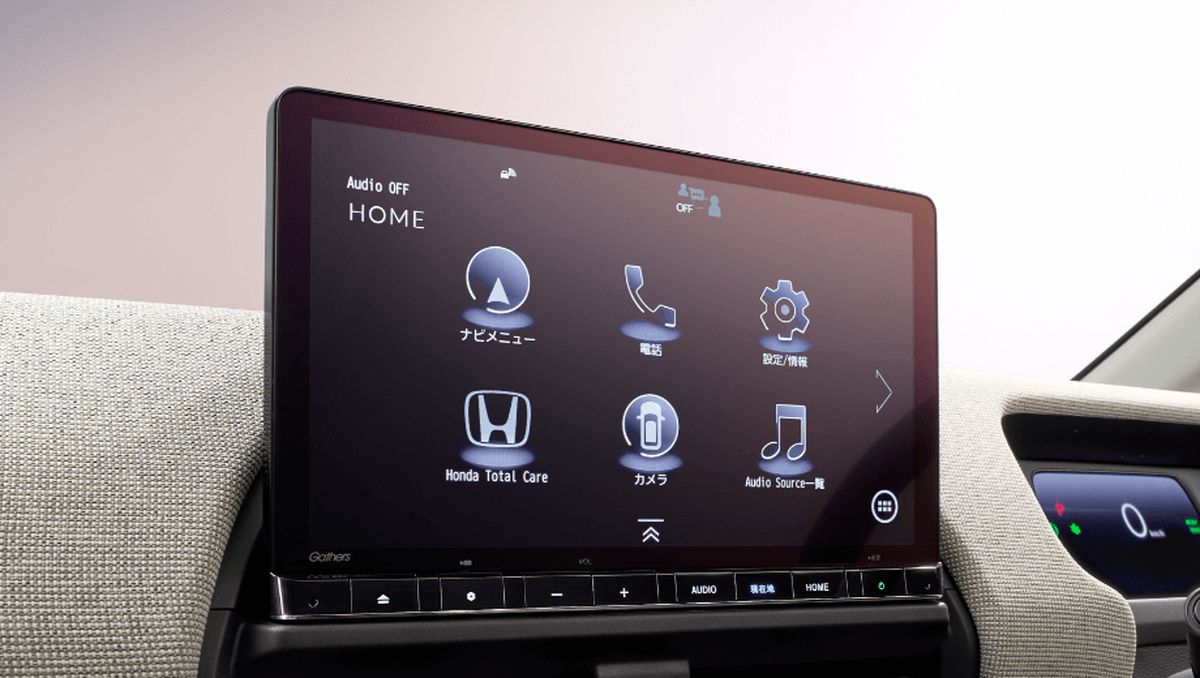
Freed 11.4-inch display
The center display features either an 11.4-inch Honda CONNECT Honda Display or a 9-inch Honda CONNECT Honda Display. Both are compatible with Apple CarPlay and Android Auto. The vehicle also features Honda CONNECT, an in-vehicle communication module exclusive to Honda vehicles, and Honda Total Care Premium. This allows remote operation via smartphone, and automatically connects the vehicle to an emergency support center in the event of an emergency for fast, accurate troubleshooting support. The vehicle also features an automatic map update service. The Honda Digital Key, which allows your smartphone to function as a key, and the Honda App Center are also available. Additionally, in-car Wi-Fi allows you to purchase data and connect to the internet in the car.
New Freed: Full safety equipment
Honda SENSING has evolved even further and is now standard on all vehicles. A new front wide-view camera and eight front and rear sonar sensors are a first for a Honda vehicle. The Collision Mitigation Braking System (CMBS) helps avoid collisions with pedestrians and cyclists, day or night. Adaptive Cruise Control (ACC) with Traffic Jam Follow has also been adopted, further improving the Adaptive Cruise Control (ACC). New features have been added, including a rearward-facing collision prevention function and auto high beams, and improvements have been made to the near-collision mitigation braking system, traffic jam assist, and blind spot information. These features are considered the most important factors when switching from the previous model.
The new Freed is equipped with the long-awaited hybrid “e:HEV”
- It is equipped with Honda’s long-awaited two-motor hybrid system, “e:HEV.”
- While the body size remains within the 5-number size range, the overall length has been increased, meaning that the interior space exceeds that of the previous model.
The previous model was equipped with the “SPORT HYBRID i-DCD” inline 4-cylinder 1.5L Atkinson DOHC i-VTEC + motor, but now it is finally equipped with Honda’s two-motor hybrid system “e:HEV (E-HEV)”. It is now installed in a wide range of vehicles, including the “Fit”, “Vezel”, ” Step Wagon “, “Accord”, “Odyssey”, and “Civic”. Finally, with the full model change, it will be installed in the ” Freed “.
The Freed AIR maintains its license plate size with a total length of 4,310mm, a total width of 1,695mm, a total height of 1,755mm, and a wheelbase of 2,740mm.
| Specifications | New Freed | New Freed |
|---|---|---|
| full length | 4,310mm | 4,310mm |
| Overall width | 1,695mm 1,720mm (Clostar) |
1,695mm 1,720mm (Clostar) |
| Overall height | 1,755mm | 1,755mm |
| Wheelbase | 2,740mm | 2,740mm |
| engine | 1.5L direct injection DOHC i-VTEC engine |
1.5L i-VTEC engine + motor (e:HEV) |
| Maximum power | 131ps/ 6,600rpm |
72kW (98PS) / 5,600-6,400rpm |
| Maximum torque | 15.8kgm/ 4,600rpm |
127Nm (13.0kgfm) / 4,500-5,000rpm |
| Motor maximum output |
– | 80kW (109PS) / 3,500-8,000rpm |
| Motor Max Torque |
– | 253Nm (25.8kgfm) / 0-3,000rpm |
transmission |
CVT | Electric continuously variable transmission |
| Drive system | 2WD (FF) / 4WD |
2WD (FF) / 4WD |
| Passenger capacity | 5 people | 5 people |
| WLTC mode fuel economy | 15.6km/L (4WD) 17.0km/L (2WD) |
24.4km/L (2WD) 21.0km/L (4WD) |
Toyota Alphard/Vellfire
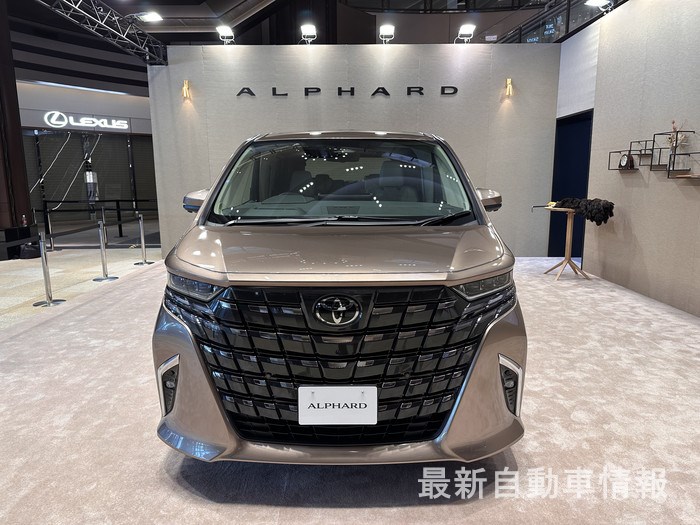
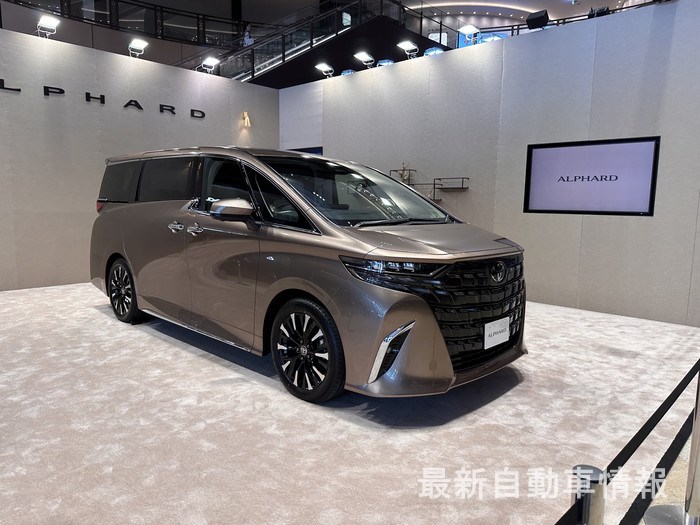
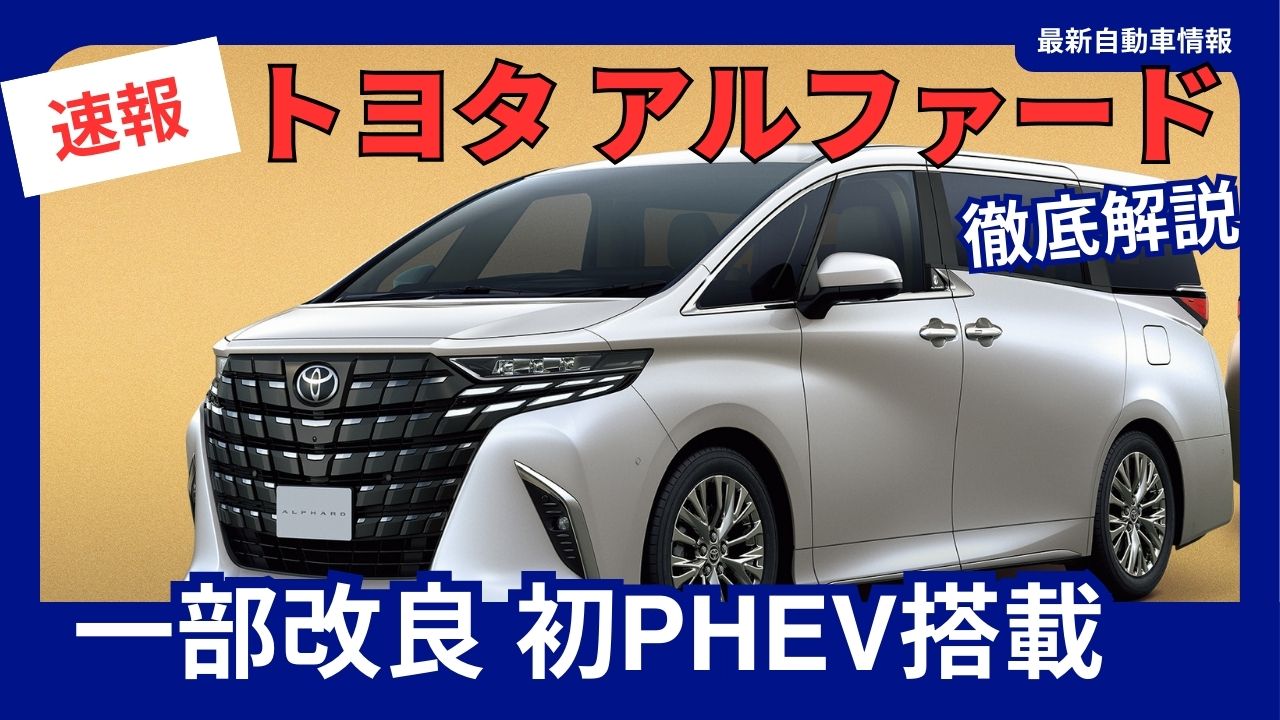
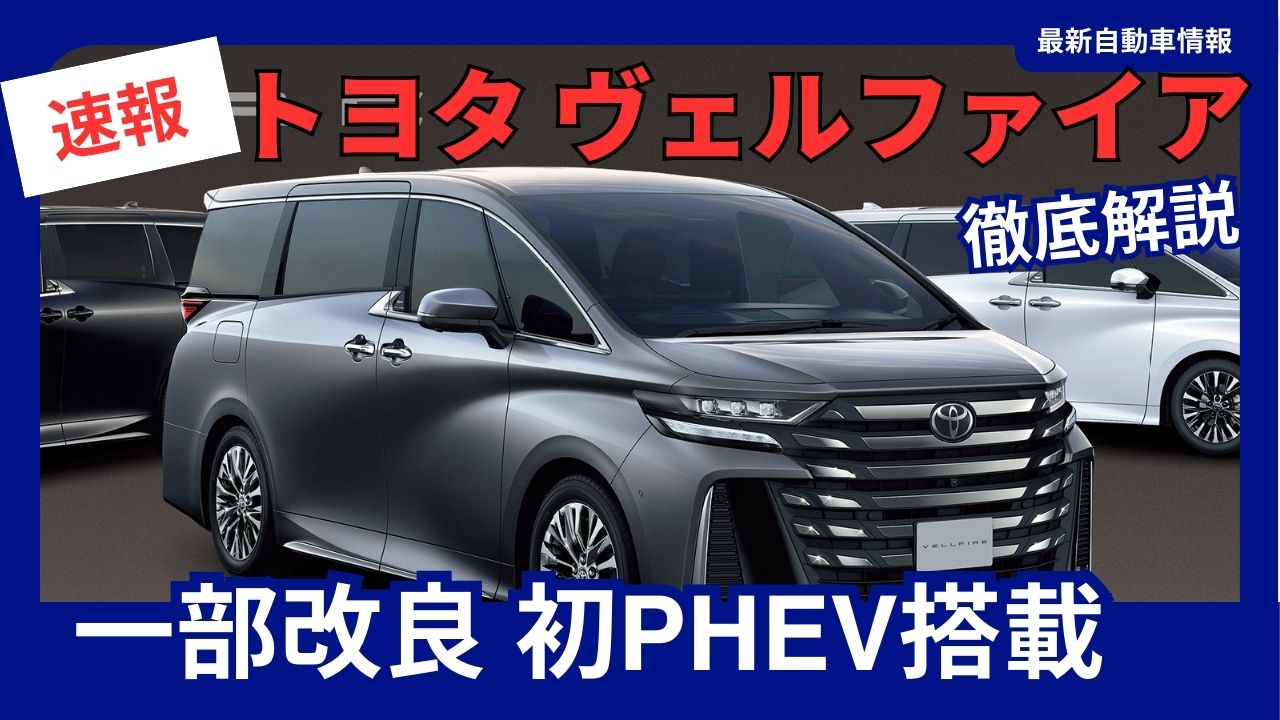
Toyota released the fully redesigned 40-series Alphard and Vellfire on June 21, 2023. This time, the lineup includes gasoline vehicles, turbocharged vehicles, and hybrid vehicles (HEVs), but the company also plans to introduce plug-in hybrid vehicles (PHEVs) in the future .
About the new Alphard/Vellfire
It adopts the newly developed “GA-K platform” based on TNGA (Toyota New Global Architecture) .
It is equipped with a new engine: a 2.5L inline 4-cylinder direct injection engine (Dynamic Force Engine) + hybrid system and a 2.4L direct injection turbo engine .
Equipped with the latest version of Toyota Safety Sense ( TSS3 ) and advanced driving assistance technology Toyota Teammate [Advanced Drive] .
The front seats are equipped with a 12.3 – inch large full LCD digital meter , a 14-inch display audio, a T-Connect SD navigation system and a Yamaha premium sound system (all higher grades), while the rear seat entertainment system uses a 14.1-inch display. It also features a JBL premium sound system (15 speakers) , Apple CarPlay and Android Auto. A DCM in-car communication device is standard equipment.
A power tailgate (with anti-pinch function) is available on all higher grade models.
Hands-free sliding doors are available on all higher grades.
Advanced Park (HV has remote function) provides operation guidance through on-screen displays, voice and buzzer sounds, and assists with backing into a target parking position confirmed on the screen and exiting from parallel parking by operating the steering wheel, shift position, accelerator and brake.In addition, a dedicated smartphone app is available, allowing you to park remotely from outside the vehicle.
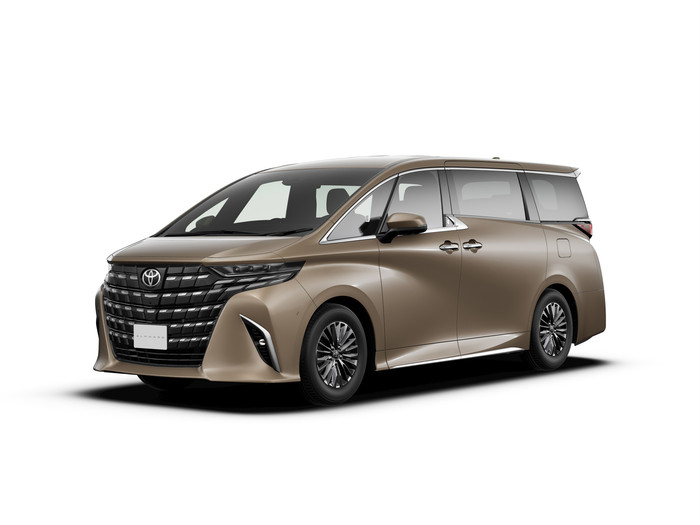
Alphard
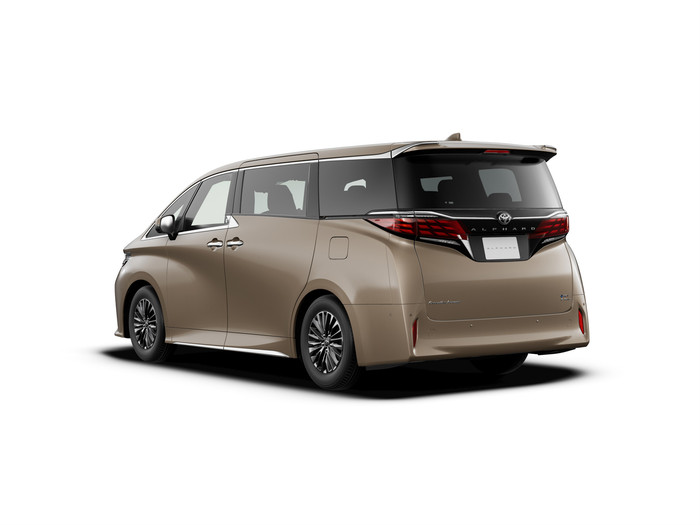
Alphard
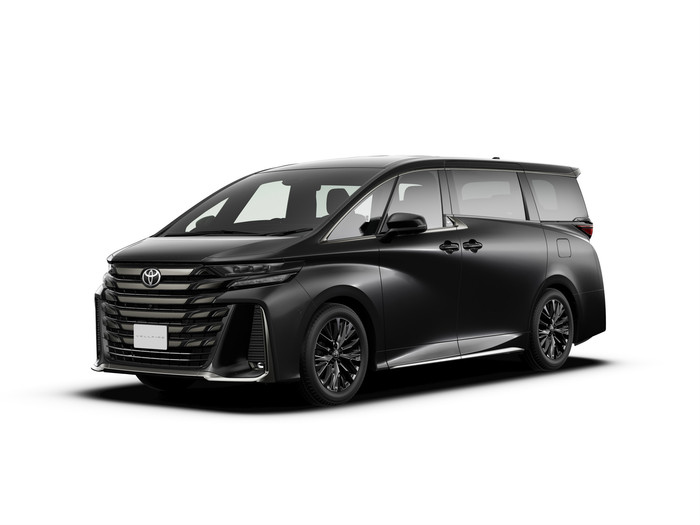
Vellfire
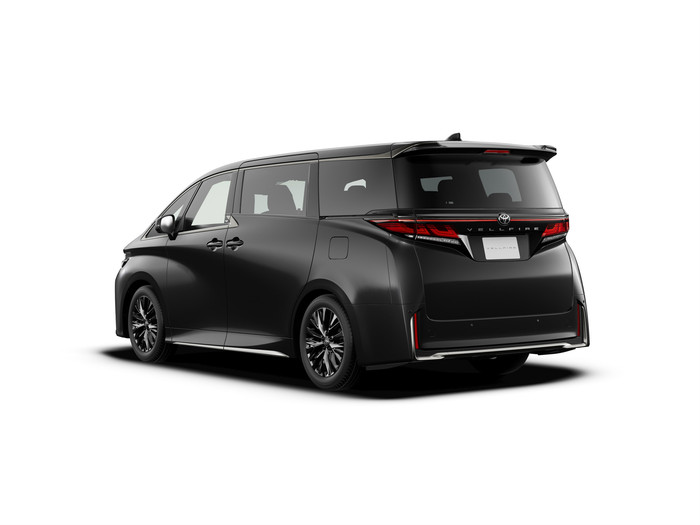
Vellfire
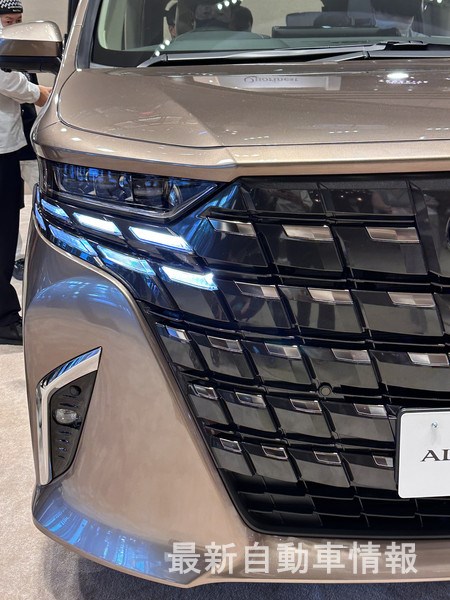
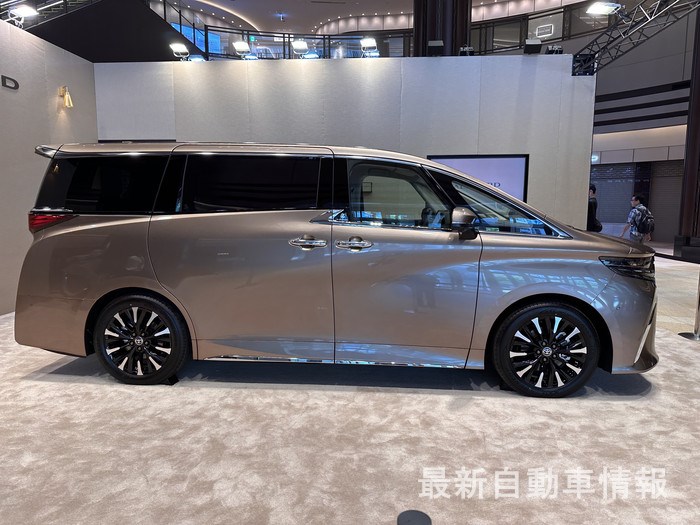
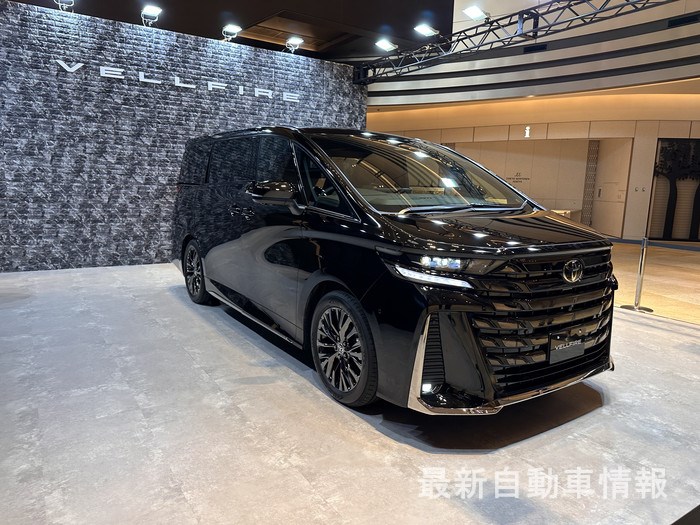
While maintaining the same concept as the previous model, the exterior design and front and rear bumper designs have been revised. Following on from its predecessor, the new car features ” flowing turn signals (sequential turn signals) .” The body size (length 4,995mm, width 1,850mm, height 1,935mm, wheelbase 3,000mm) remains within the standard parking garage limits (length 5,000mm x width 1,850mm or less). The new car builds on the newly developed platform known as ” TNGA (Toyota New Global Architecture) ,” which was introduced with the new Prius released in December 2015. Engine models feature a 2.5L inline- four direct-injection engine (Dynamic Force Engine) , which achieves a maximum thermal efficiency of over 40%, the same as the new Camry. The hybrid model also uses this engine, and employs a smaller, lighter, “High-Performance Multi-Stage THS II” hybrid system for improved fuel economy. The new Alphard/Vellfire Hybrid uses the same 2AR-FXE 2.5L inline-four DOHC + motor as the Camry Hybrid, achieving a WLTC mode fuel economy of 16.5-17.7km/L. The previous model only had a 4WD (E-Four) hybrid model, but this time, for the first time, a 2WD (FF) model will be available. The 8-seater model has also been discontinued.
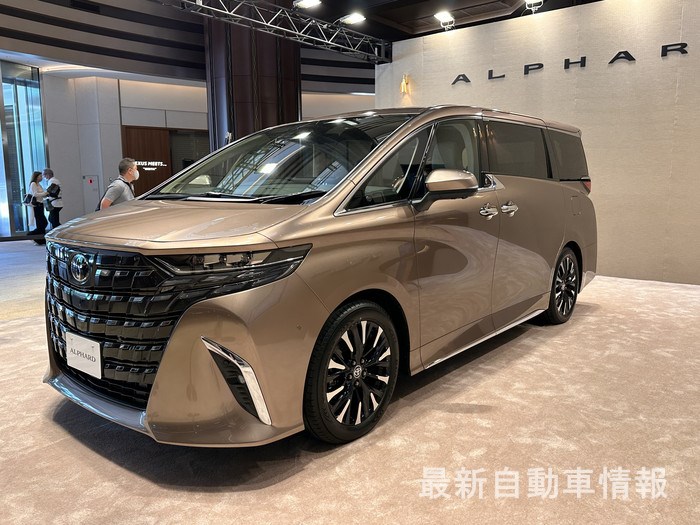
Executive Lounge
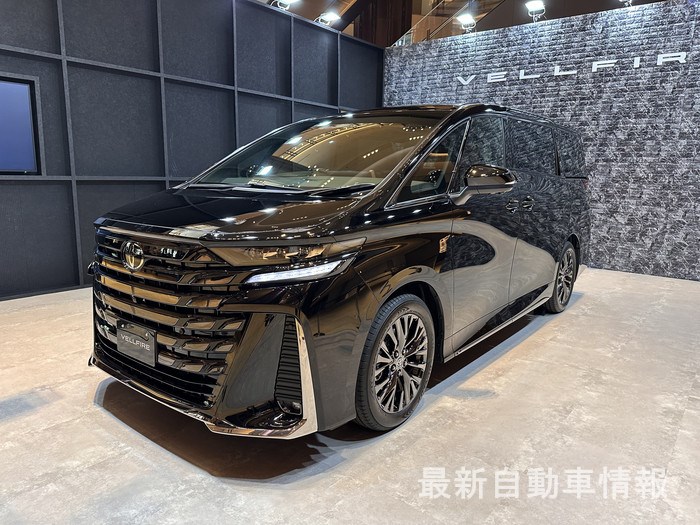
Vellfire
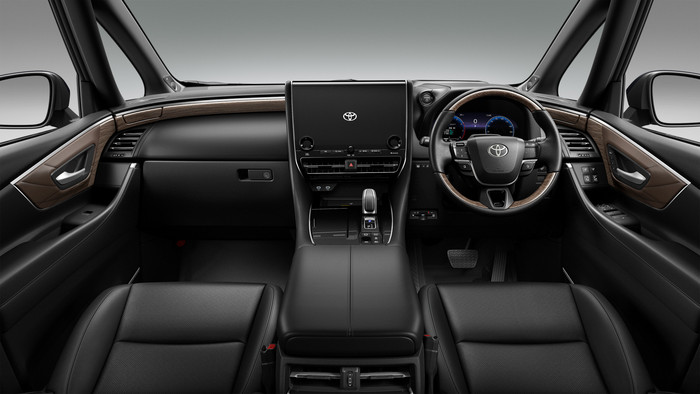
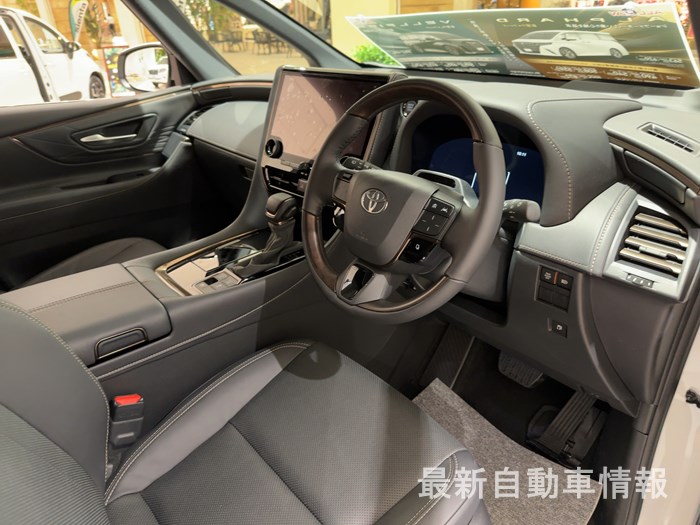
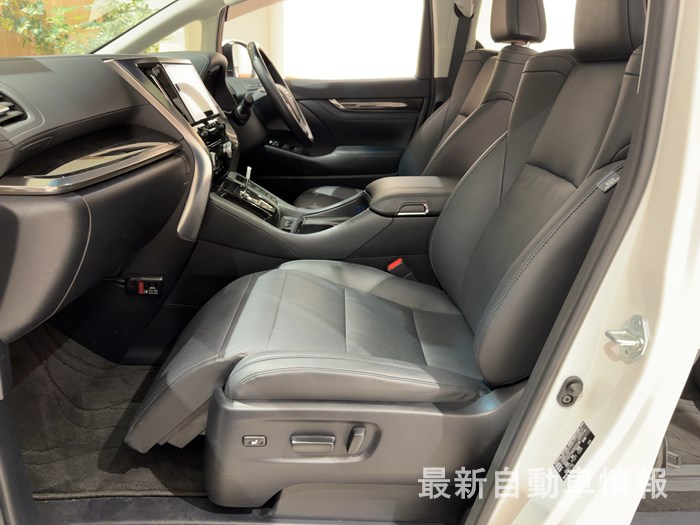
The interior of the new Alphard/Vellfire has undergone significant evolution.
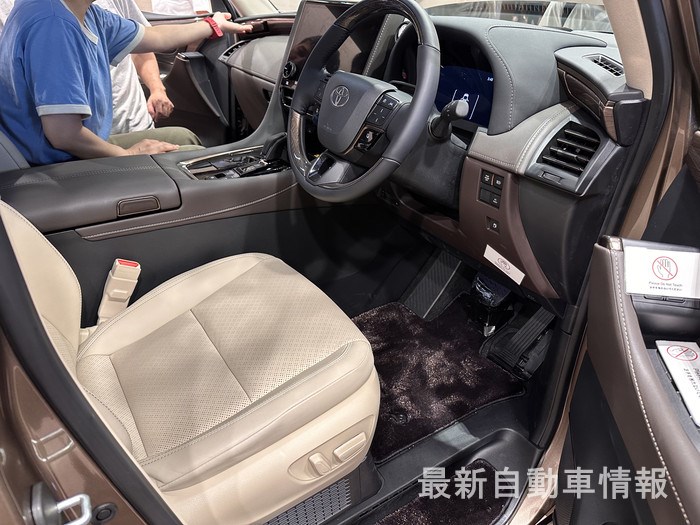
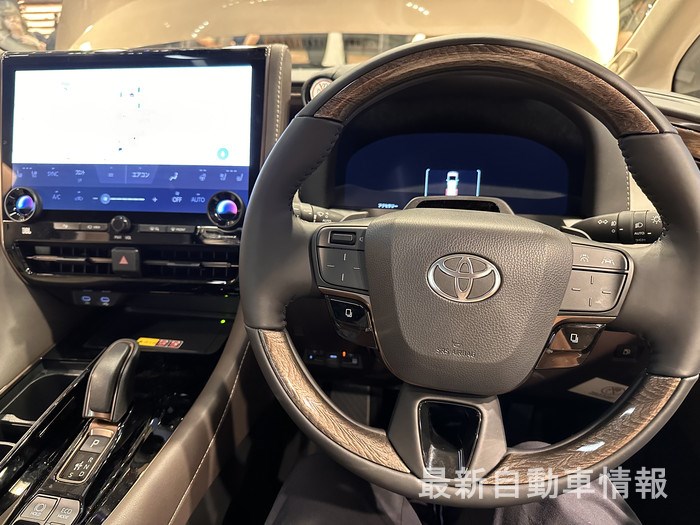
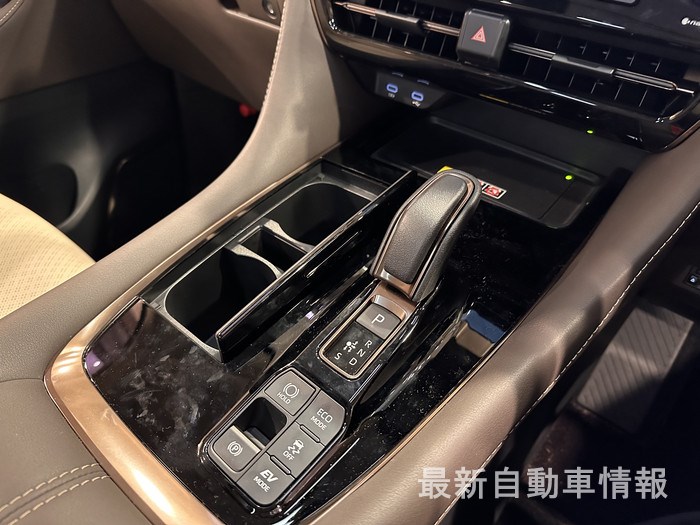
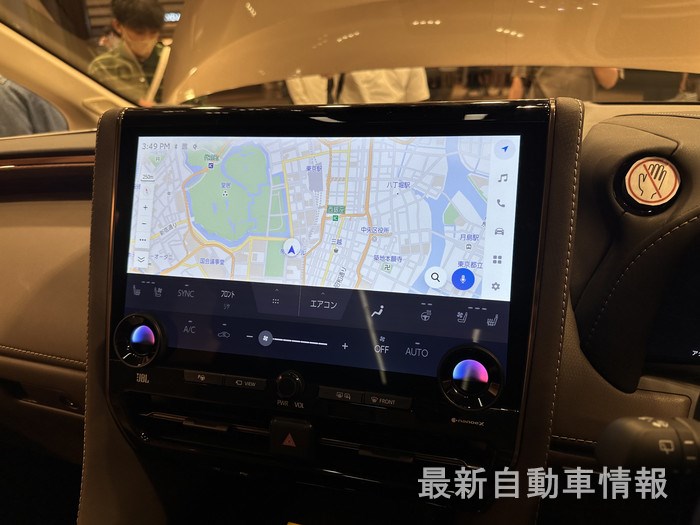
The front seats feature the latest steering wheel and a shift knob with the latest design, which is the same as the new Prius and Crown. The electric parking brake and hold button is positioned for easy pressing, and the drink holder and the place-to-place charger are also conveniently located. The meter is a large 12.3 -inch full LCD digital meter , a 14-inch display audio, a T-Connect SD navigation system + JBL premium sound system (15 speakers) , and the rear seat entertainment system has a 13.2-inch display (optional). Apple CarPlay and Android Auto are adopted. A DCM in-car communication device is standard equipment. (Standard equipment on the Executive Lounge)
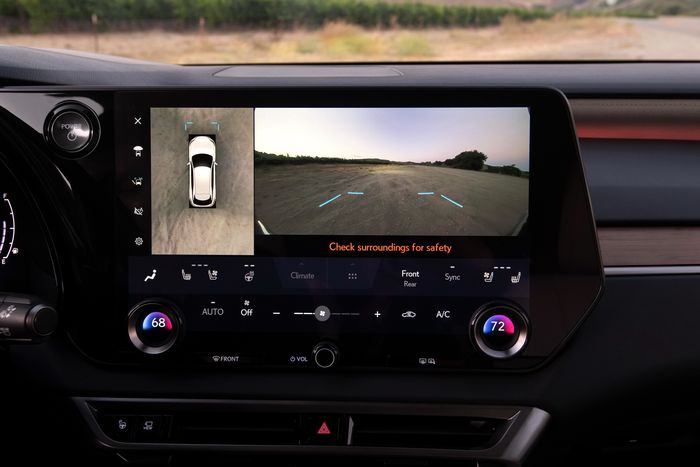
14-inch display audio
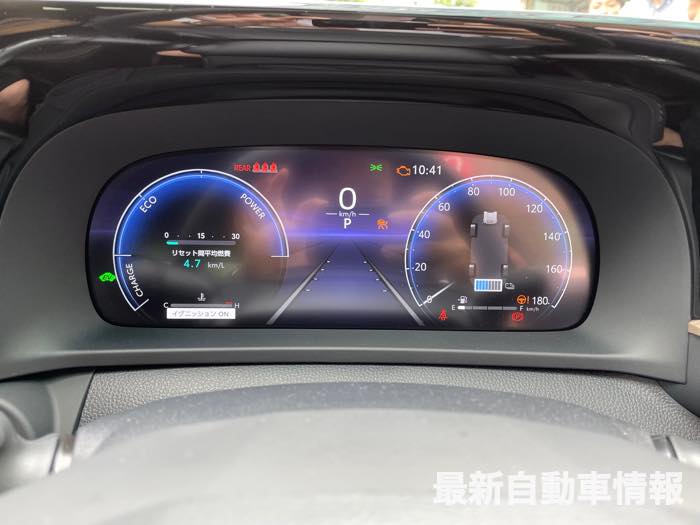
12.3-inch large full LCD digital meter
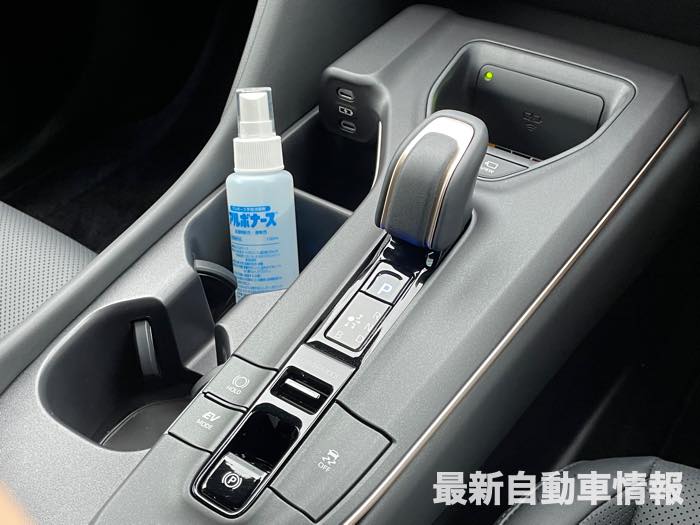
Latest shift knob
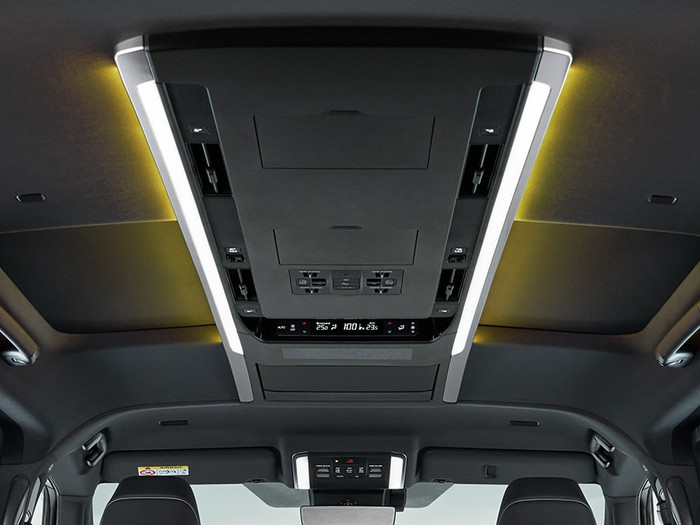
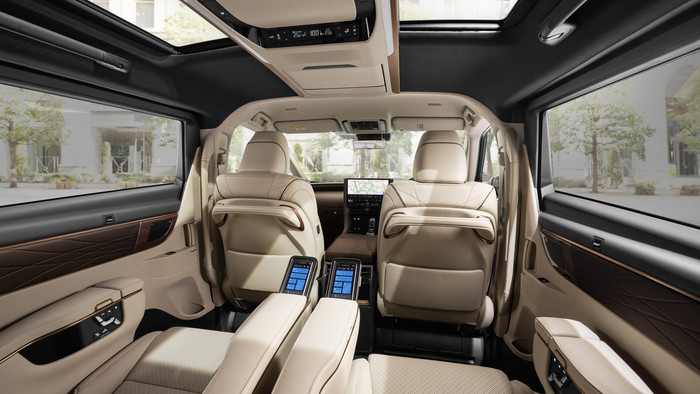
Furthermore, the rear seats feature a “super long overhead console” and “twin dimming panoramic roof,” and “LED roof color illumination” is also used, just like the previous model. The rear seats of the top-grade “Executive Lounge” model are luxuriously equipped with “seat reclining” and “relaxation” functions, as well as “heated seat” ottomans and armrests. In addition, two ” central control touch panels ” are used , allowing intuitive operation of various comfort features such as televisions .
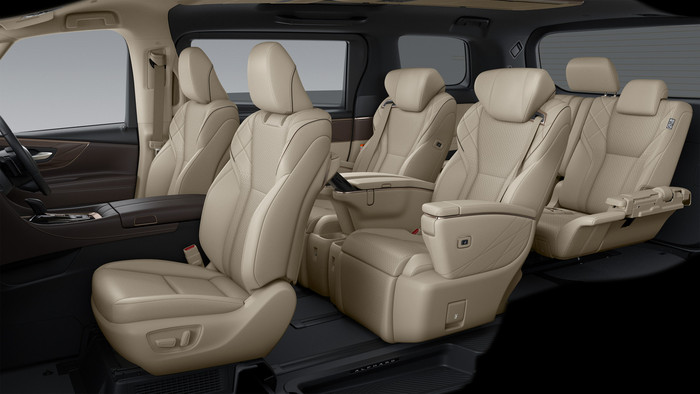
” Universal steps ” are installed on both sides (optional). The third-row seats are flip-up type, but the two-stage mechanism increases the second-row seating range compared to the previous model, increasing the variety of seat arrangements.
Universal Step
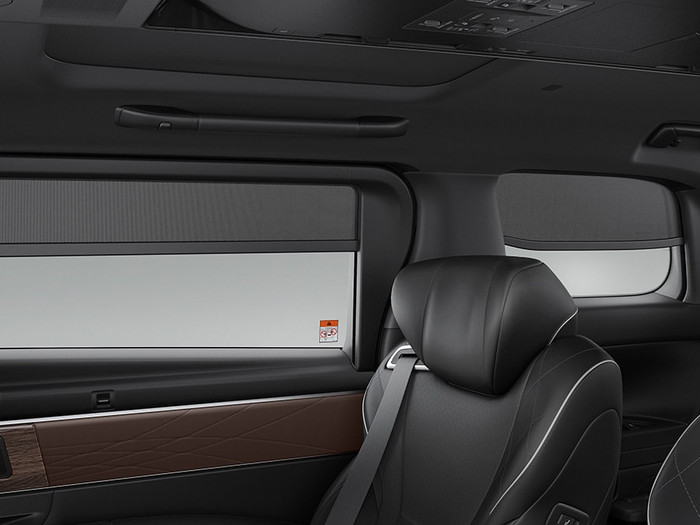
The moonroof shade is a separate type that allows customers to simultaneously enjoy the sky or block out the sunlight. The side sunshades are also a descending type, a first for Toyota.
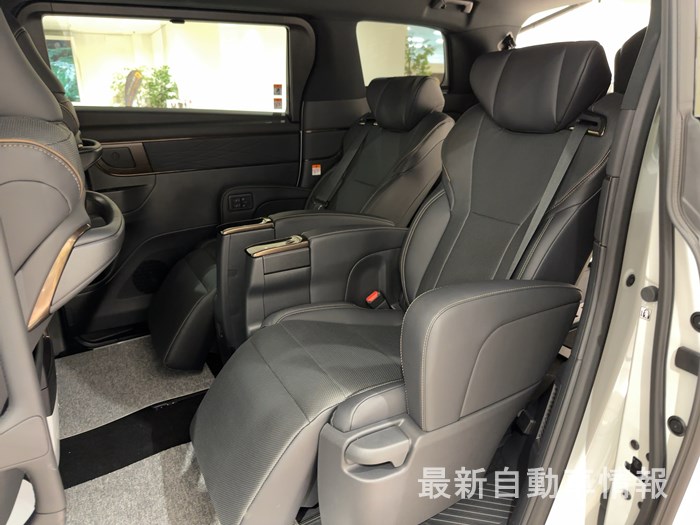
40 series early model new Alphard
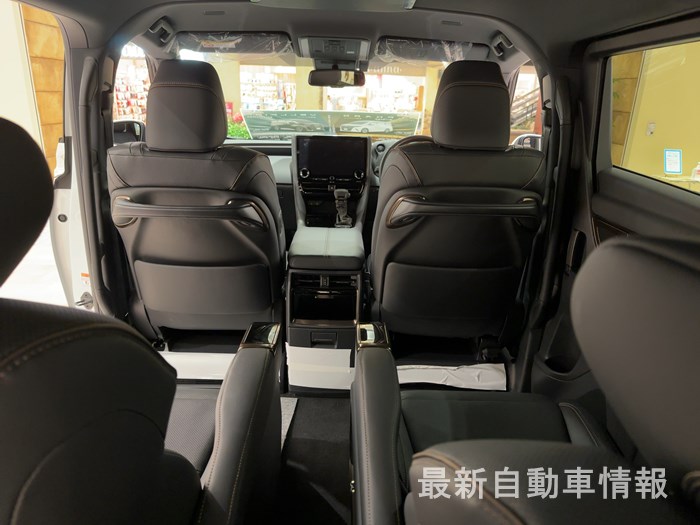
40 series early model new Alphard
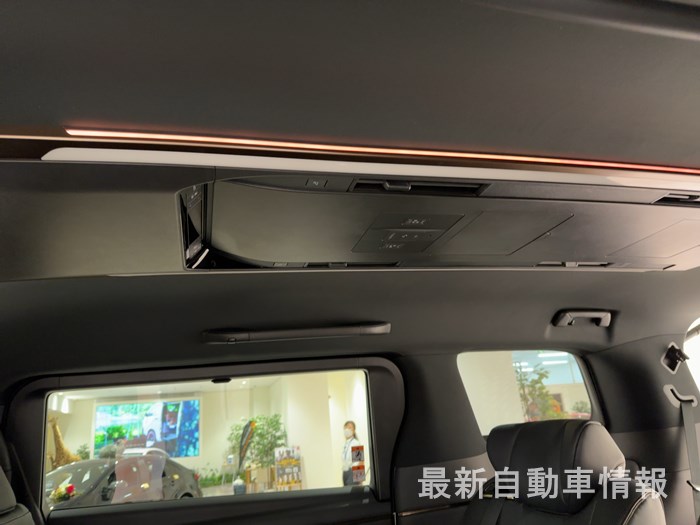
40 series early model new Alphard
New Alphard gasoline-powered 2.5L inline 4-cylinder engine with Super CVT-i
The 2.5L inline 4-cylinder engine with Super CVT-i, which was well-received in the previous generation Alphard and Vellfire, has been carried over and continues to be used. It combines powerful and smooth acceleration from a standing start with good fuel economy. It’s a shame, as I would have liked to see a new engine adopted at the time of the full model change.
| Specifications | 2.5L inline 4-cylinder engine |
|---|---|
| Maximum power | 134kW (182ps) / 6,000rpm |
| Maximum torque | 235Nm (24.0kgm) / 4,100rpm |
| transmission | Super CVT-i |
| Drive system | 2WD/4WD |
| WLTC mode fuel economy | 10.6km/L (2WD) 10.3km/L (4WD) |
New Alphard/Vellfire Hybrid 2.5L Inline 4-cylinder Direct Injection Engine D-4S
The hybrid system for the 2.5L engine tuned for the new Alphard and Vellfire has been completely renewed, and a new high-performance Multi-Stage THS II has been developed. The 2.5L THS II pursues superior power performance and fuel economy at a high level through the synergistic effect of compact, lightweight, and low-loss technologies and the high combustion efficiency and high output of the new TNGA-based engine. Multi-Stage THS II achieves high-speed acceleration performance and a direct driving feel that completely changes the image of hybrid vehicle driving. In addition to improving system efficiency at high speeds, intermittent engine operation is possible even at high vehicle speeds, improving high-speed fuel economy.
| Specifications | D-4S + motor (THS II) |
|---|---|
| engine | 2.5L inline 4-cylinder direct injection engine + motor |
| Maximum power | 140kW (190ps) / 6,000rpm |
| Maximum torque | 236Nm (24.1kgm) / 4,300-4,500rpm |
| Front motor maximum output |
134kw (182ps) |
| Front motor maximum torque |
270Nm (27.5kgm) |
| Rear motor maximum output |
40kw (54ps) |
| Rear motor maximum torque |
121Nm (12.3kgm) |
| System Maximum Output | 184w (250ps) |
| transmission | Electric continuously variable transmission |
| Drive system | 2WD/4WD (E-Four) |
| WLTC mode fuel economy | 17.5-17.7km/L (2WD) 16.5-16.7km/L (4WD) |
New Vellfire exclusive 2.4L direct injection turbo engine D-4ST
It employs the newly developed “2.4L direct injection turbo engine D-4ST” + Direct Shift-8AT .
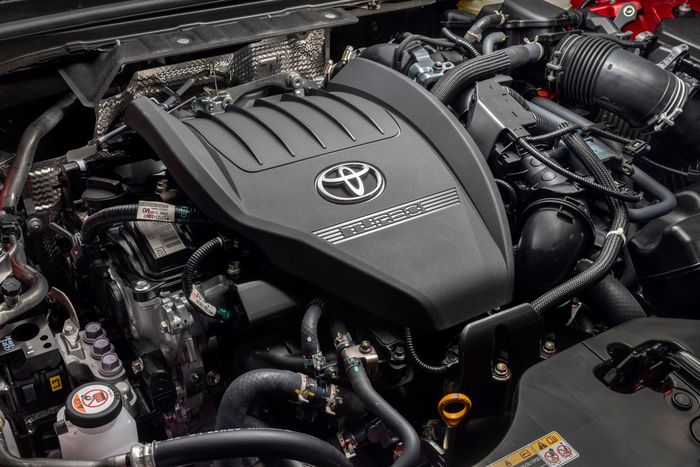
| Specifications | 2.4 Turbo Engine |
|---|---|
| engine | Inline 4-cylinder 2.4L direct injection turbo engine D-4ST |
| Maximum power | 205kW (279ps) / 6,000rpm |
| Maximum torque | 430Nm (43.8kgm) / 1,700-3,600rpm |
| transmission | Direct Shift-8AT |
| Drive system | 2WD/4WD |
| WLTC mode fuel economy | 10.3km/L (2WD) 10.2km/L (4WD) |
What are the prices and grades of the new Alphard and Vellfire?
The new Alphard will be available in three grades: the top-of-the-line Executive Lounge, the mid-range Z, and the entry-level G. (The previous model had eight grades: X, S, SC, SR, G, GF, SC, and Executive Lounge.) The new Vellfire will be available in two grades: Executive Lounge and Z Premium.
Alphard price grade
The price differs by approximately 4 million yen, with the G grade starting at 4,720,000 yen and the higher-end Executive Lounge at 8,500,000 yen.
| grade | engine | Drive system | Price (10%) |
|---|---|---|---|
| G Side lift -up tilt seat equipped vehicle |
2.5 L inline 4-cylinder direct injection engine + Direct Shift-CVT |
2WD | 4,720,000 yen |
| G Side lift -up tilt seat equipped vehicle |
2.5 L inline 4-cylinder direct injection engine + Direct Shift-CVT |
4WD | 4,900,000 yen |
| Z | 2.5 L inline 4-cylinder direct injection engine + Direct Shift-CVT |
2WD | 5,400,000 yen |
| Z | 2.5 L inline 4-cylinder direct injection engine + Direct Shift-CVT |
4WD | 5,598,000 yen |
| G Side lift -up tilt seat equipped vehicle |
2.5 L inline 4-cylinder direct injection engine + motor THS II (hybrid) |
2WD | 5,448,000 yen |
| G Side lift -up tilt seat equipped vehicle |
2.5 L inline 4-cylinder direct injection engine + motor THS II (hybrid) |
4WD | 5,648,000 yen |
| Z | 2.5 L inline 4-cylinder direct injection engine + motor THS II (hybrid) |
2WD | 6,200,000 yen |
| Z | 2.5 L inline 4-cylinder direct injection engine + motor THS II (hybrid) |
4WD | 6,420,000 yen |
| Executive Lounge |
2.5 L inline 4-cylinder direct injection engine + motor THS II (hybrid) |
2WD | 8,500,000 yen |
| Executive Lounge |
2.5 L inline 4-cylinder direct injection engine + motor THS II (hybrid) |
4WD | 8,720,000 yen |
Vellfire price grade
The price difference is about 2 million yen, with the Z Premium starting at 6,900,000 yen and the higher-grade Executive Lounge at 8,700,000 yen.
| grade | engine | Drive system |
Price (10%) |
|---|---|---|---|
| Z Premium | 2.5 L inline 4-cylinder direct injection engine + motor THS II (hybrid) |
2WD | 6,900,000 yen |
| Z Premium | 2.5 L inline 4-cylinder direct injection engine + motor THS II (hybrid) |
4WD | 7,120,000 yen |
| Z Premium | 2.4L direct injection turbo engine + Direct Shift-8AT |
2WD | 6,550,000 yen |
| Z Premium | 2.4L direct injection turbo engine + Direct Shift-8AT |
2WD | 6,748,000 yen |
| Executive Lounge |
2.5 L inline 4-cylinder direct injection engine + motor THS II (hybrid) |
2WD | 8,700,000 yen |
| Executive Lounge |
2.5 L inline 4-cylinder direct injection engine + motor THS II (hybrid) |
4WD | 8,920,000 yen |
For more details, please refer to this article.
- Toyota’s new Alphard/Vellfire undergoes a full model change, adopting TNGA technology, and will be released on June 21, 2023.
- The new Alphard and Vellfire are amazing with impressive WLTC fuel economy of 17.7km/L and a maximum output of 250ps.
- Toyota partially improves new “Alphard” and adds base grade “X”; release postponed to October 2024
- Toyota’s new Vellfire has been partially improved, with the addition of a PHEV model, but the release date has been postponed to October 2024
Toyota Roomy
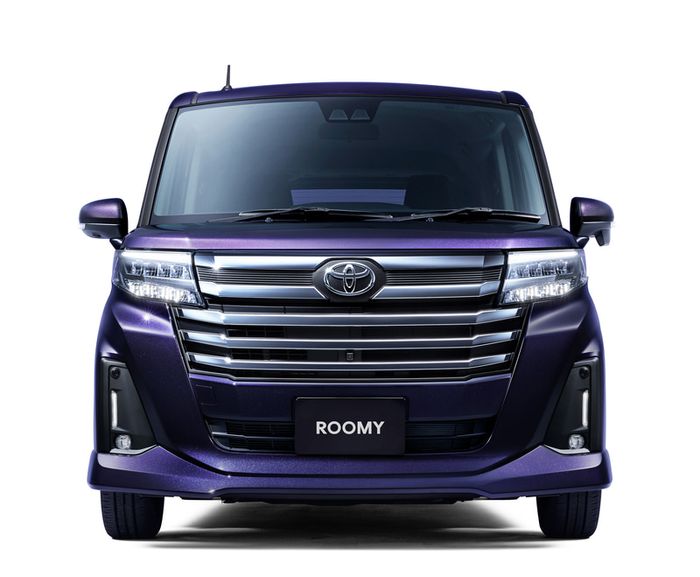
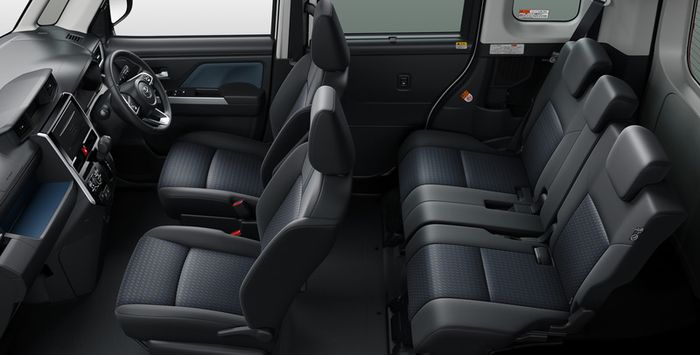
It is a 5-number size vehicle with sliding doors on both sides. Despite its compact body, the interior space is spacious enough for five adults. It is also characterized by its low vehicle price. This vehicle is an OEM model based on the “Thor” manufactured and sold by Daihatsu Motor Co., Ltd., a functional subsidiary.
Roomy specs
| Specifications | New Roomy | |
|---|---|---|
| full length | 3,700 to 3,705 mm | |
| Overall width | 1,670mm | |
| Overall height | 1,735mm | |
| Wheelbase | 2,490mm | |
| engine | 1.0L inline 3-cylinder engine |
1.0L inline 3-cylinder turbo engine |
| Maximum power | 51kW (69ps) / 6,000rpm |
72kW (98ps) / 6,000rpm |
| Maximum torque | 92Nm (9.4kgfm) / 4,400rpm |
140Nm (14.3kgm) / 2,400-4,000rpm |
| transmission | CVT | |
| WLCT mode fuel economy | 16.8-18.4km/L | 16.8km/L |
| price | 1,556,500 to 2,090,000 yen |
1,864,500 to 2,046,000 yen |
Roomy price and grade
| Model | engine | Drive system |
Price (10%) |
|---|---|---|---|
| Custom GT |
1.0L inline 3-cylinder DOHC turbo |
2WD | 2,046,000 yen |
| Custom G |
1.0L inline 3-cylinder DOHC engine |
2WD | 1,914,000 yen |
| 4WD | 2,090,000 yen | ||
| GT | 1.0L inline 3-cylinder DOHC turbo |
2WD | 1,864,500 yen |
| G | 1.0L inline 3-cylinder DOHC engine |
2WD | 1,743,500 yen |
| 4WD | 1,919,500 yen | ||
| X | 2WD | 1,556,500 yen | |
| 4WD | 1,732,500 yen |
For more details, please refer to this article.
New Roomy Fully Redesigned, First Hybrid “e-SMART HYBRID” to be Launched in 2025
https://car-repo.jp/blog-entry-2023-toyota-roomy-hybrid.html
Suzuki Solio
Suzuki has completely redesigned the Solio , releasing the fourth generation on December 4, 2020. The overall length has been extended by 80mm (70mm for the Solio Bandit) and the cargo floor length has been increased by 100mm, achieving both a large cargo area and a spacious interior. Despite the increased overall length, the minimum turning radius remains at 4.8m. It is equipped with the latest ” Dual Camera Brake Support .”
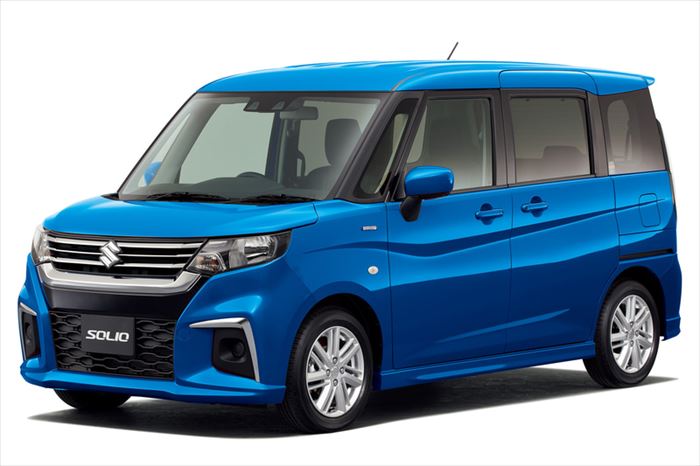
Solio
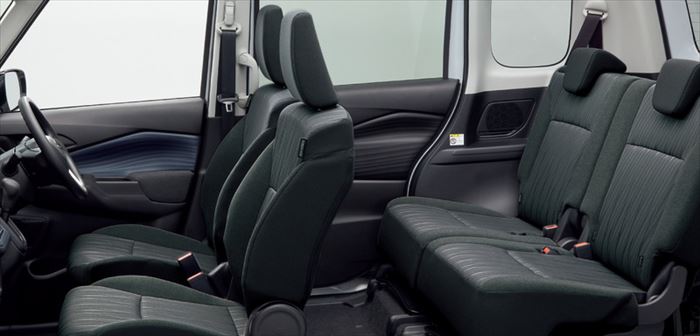
New Solio full model change specifications
The overall length has been extended by 80 mm (70 mm for the Solio Bandit) to 3,710 mm (3,720 mm), and the luggage compartment floor length has been increased by 100 mm, achieving both a large luggage compartment and a spacious interior space. Despite the increase in overall length, the minimum turning radius remains at 4.8 m.
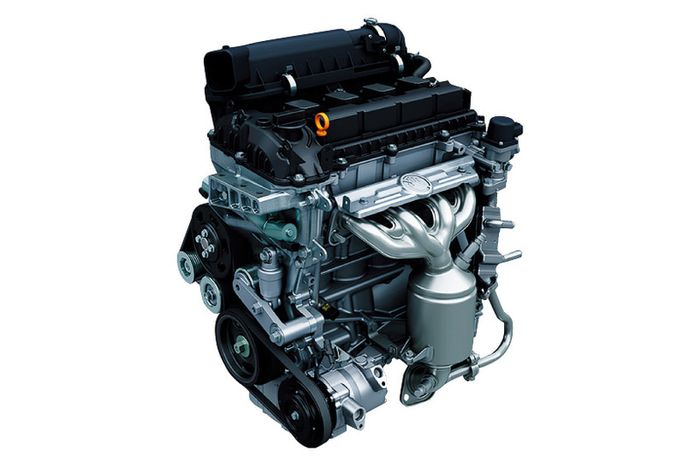
It is equipped with a unique mild hybrid system that combines an ISG (electric generator with motor function) and a dedicated lithium-ion battery. It also features an idling stop system that automatically stops the engine when the vehicle slows down and the brakes are applied, dropping the vehicle to 13km/h or less.
| Specifications | New Solio (Bandit) | |
|---|---|---|
| full length | 3,710mm (3,720mm) | |
| Overall width | 1,625mm | |
| Overall height | 1,745mm | |
| Wheelbase | 2,480mm | |
| type | mild hybrid | Gasoline vehicles |
| engine | 1.2L inline 4 DOHC (K12C type) Dual Jet engine + motor |
|
| Maximum power | 67kW (91ps) / 6,000rpm |
|
| Maximum torque | 118Nm (12.0kgm) / 4,400rpm |
|
| Motor maximum output | 2.3kW (3.1ps) / 1,000rpm |
– |
| Motor Max Torque | 50Nm (5.1kgm) / 100rpm |
– |
| WLTC mode fuel economy | 19.6km/L (2WD) 18.4km/L (4WD) |
19.0km/L (2WD) 17.8km/L (4WD) |
| Passenger capacity | 5 people | |
| price | 1,850,200 yen 2,148,300 yen |
1,581,800 yen 1,707,200 yen |
New Solio full model change price
Solio
| grade | engine | transmission |
Drive system |
Price (10%) |
|---|---|---|---|---|
| G | Inline 4-cylinder DOHC 1.2L engine |
CVT | 2WD (FF) | 1,581,800 yen |
| 4WD | 1,707,200 yen | |||
| HYBRID MX | Inline 4-cylinder DOHC 1.2L engine (mild hybrid) |
2WD (FF) | 1,850,200 yen | |
| 4WD | 1,975,600 yen | |||
| HYBRID MZ | 2WD (FF) | 2,022,900 yen | ||
| 4WD | 2,148,300 yen |
Solio Bandit
| grade | engine | transmission |
Drive system |
Price (10%) |
|---|---|---|---|---|
| HYBRID MV | Inline 4-cylinder DOHC 1.2L engine (mild hybrid) |
CVT | 2WD (FF) | 2,006,400 yen |
| 4WD | 2,131,800 yen |
For more details, please refer to this article.
Suzuki’s new Solio vs. Toyota’s new Roomy: What’s the difference? A thorough comparison
2021 Light Car Edition: What is the recommended family car model for parents raising children?
Suzuki’s new “Solio” minor change adds the latest equipment, predicted to arrive around 2024
https://car-repo.jp/blog-entry-2024-suzuki-new-solio.html
A word from the editorial department
For families raising children, cars are important partners. We hope you choose the best car to suit your family’s lifestyle and budget. All of the cars introduced above are great models, but each has different features and price ranges. We hope this information will help you choose the best car for your family.