
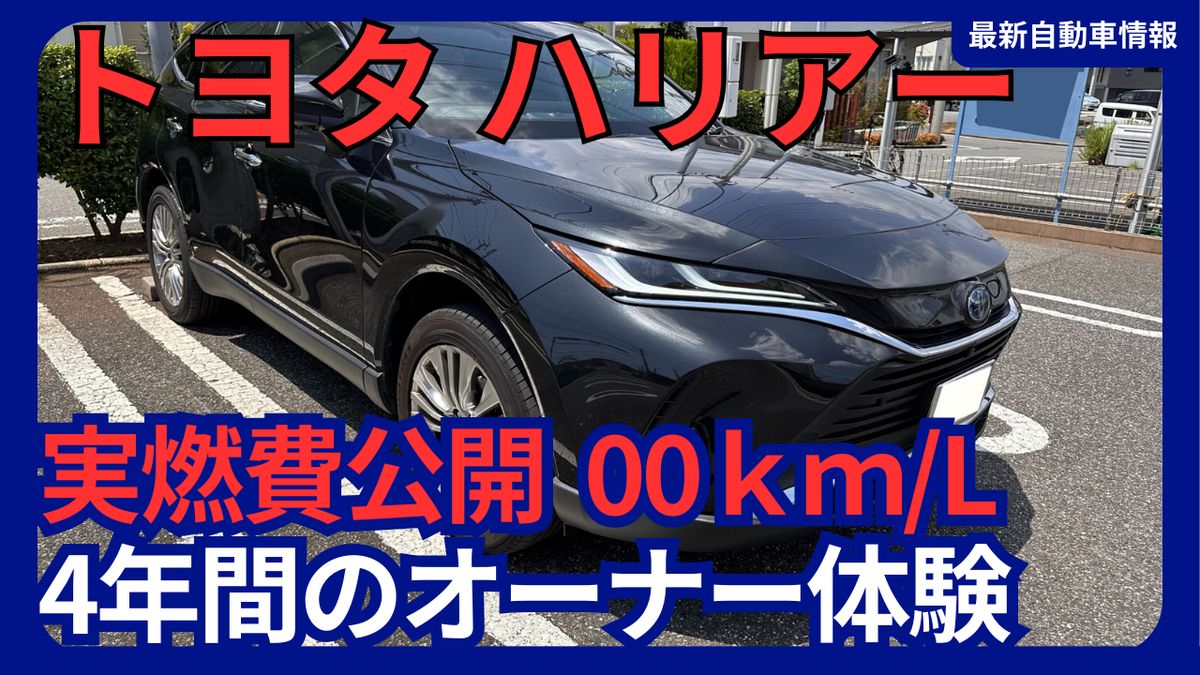
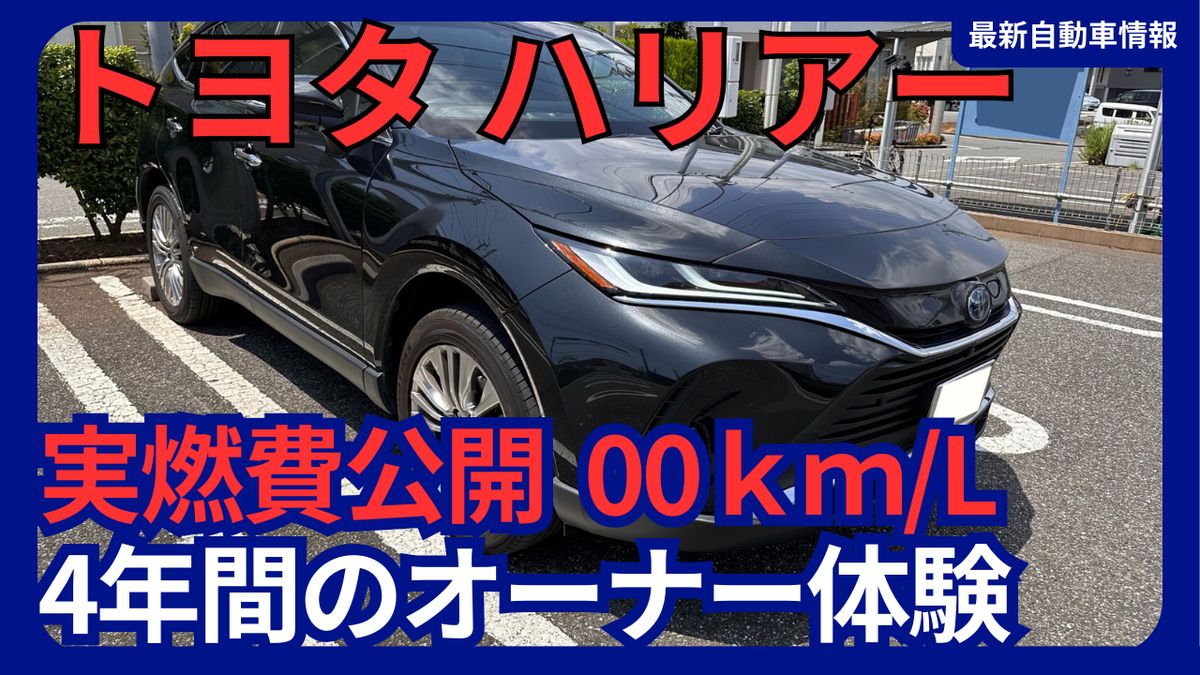
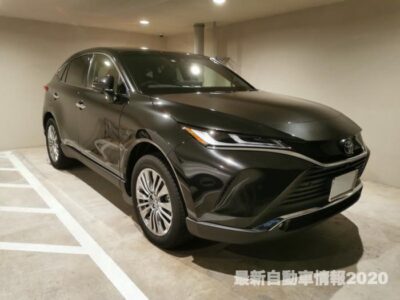
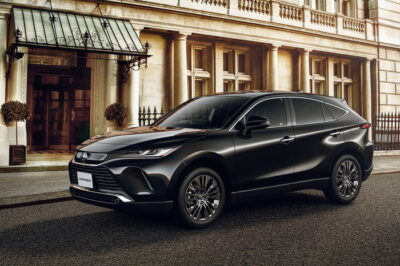
The fourth-generation Harrier Hybrid is gaining popularity for its sophisticated urban design, comfortable ride, and excellent fuel economy. In this article, I will provide a detailed explanation of the car’s actual fuel economy, its appeal, and areas for improvement from the owner’s perspective, having driven the car for over 25,000 km over the course of four years .
What we learned over the past four years! Harrier Hybrid’s actual fuel economy
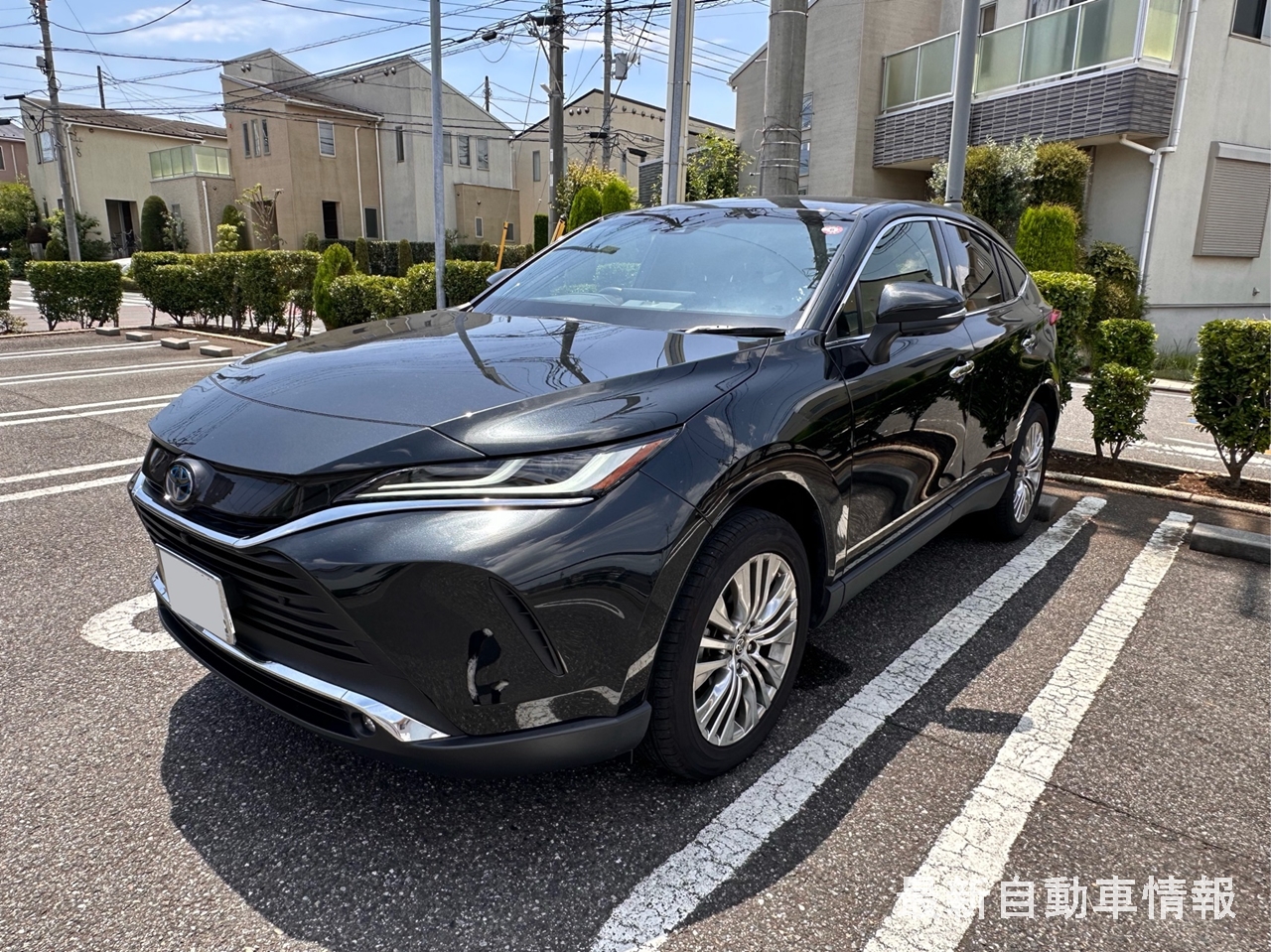
Harrier
The catalog fuel economy is listed as 22.3km/L in WLTC mode, but my average actual fuel economy over four years (approximately 26,243km) was 16.7km/L. I mostly use it in the city, and in winter fuel economy sometimes drops due to heating and traffic jams, but it’s still a satisfactory figure. Especially on long-distance highway trips, I sometimes got over 19km/L, which really made me feel the benefits of the hybrid system.
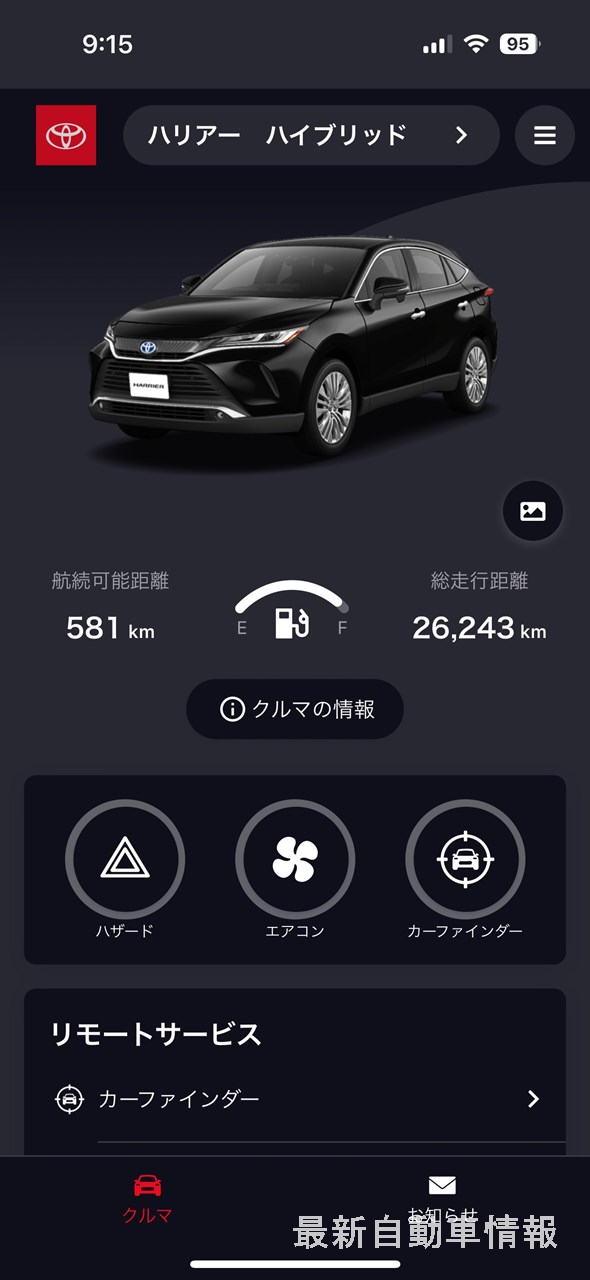

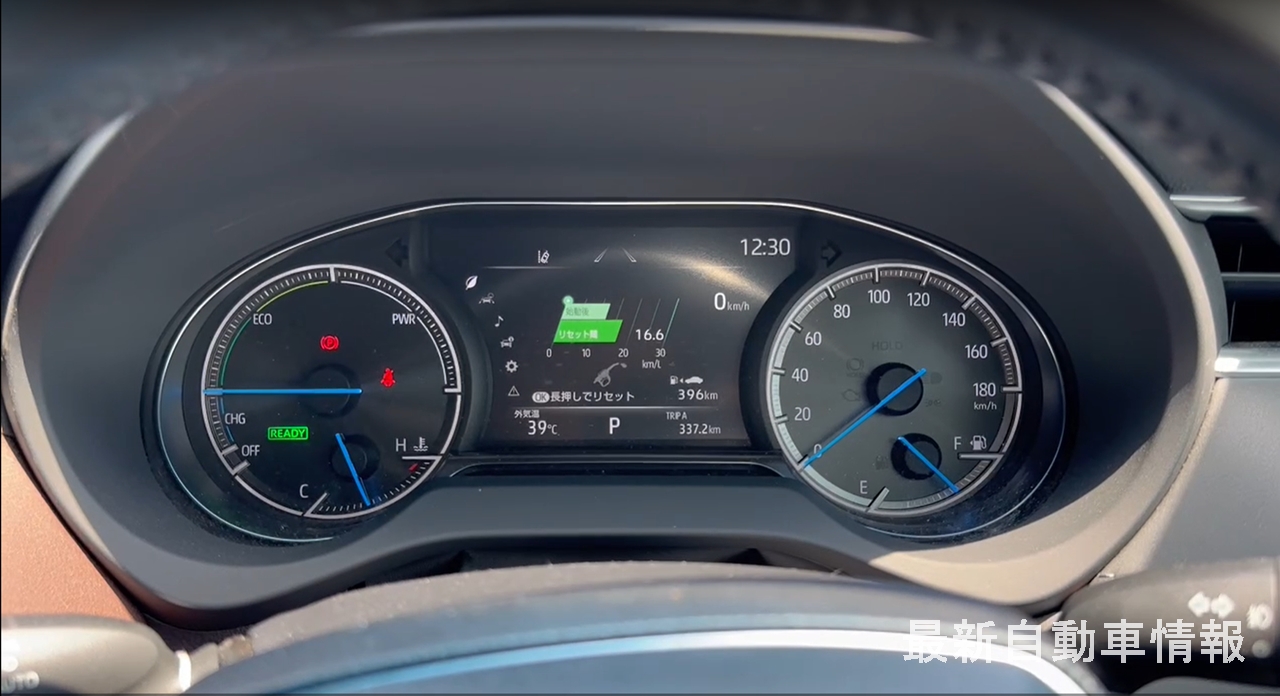
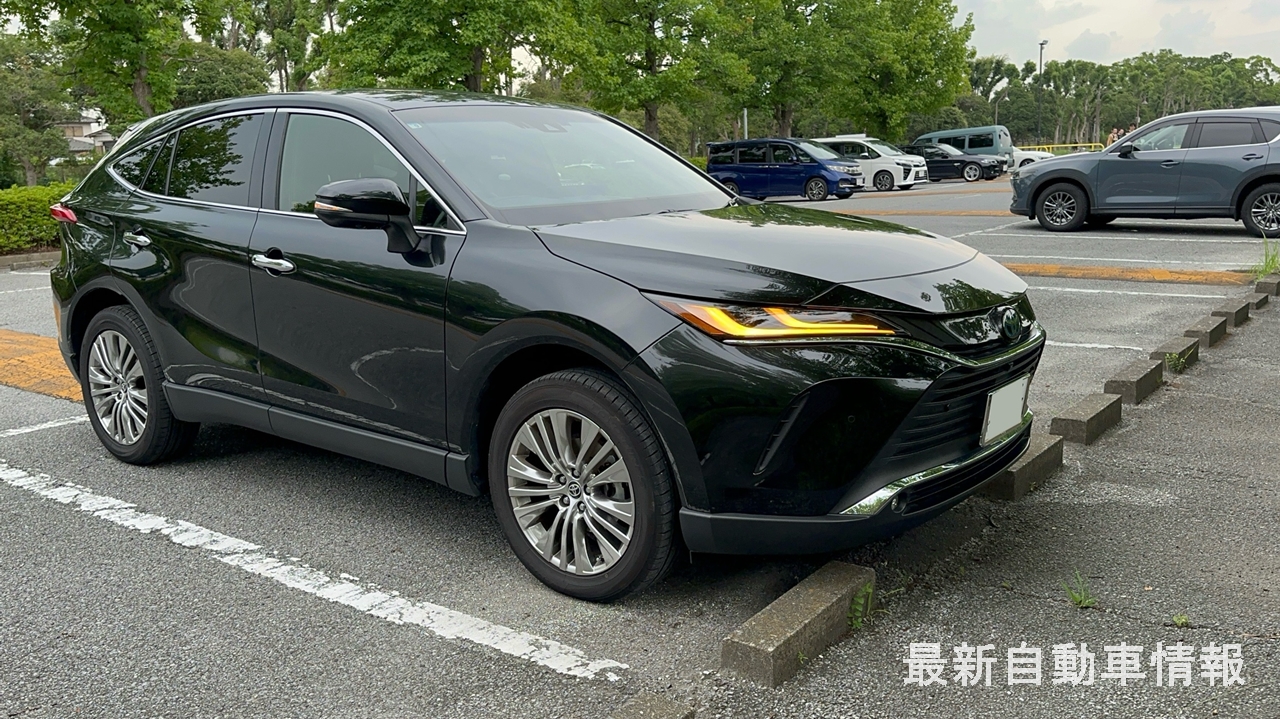
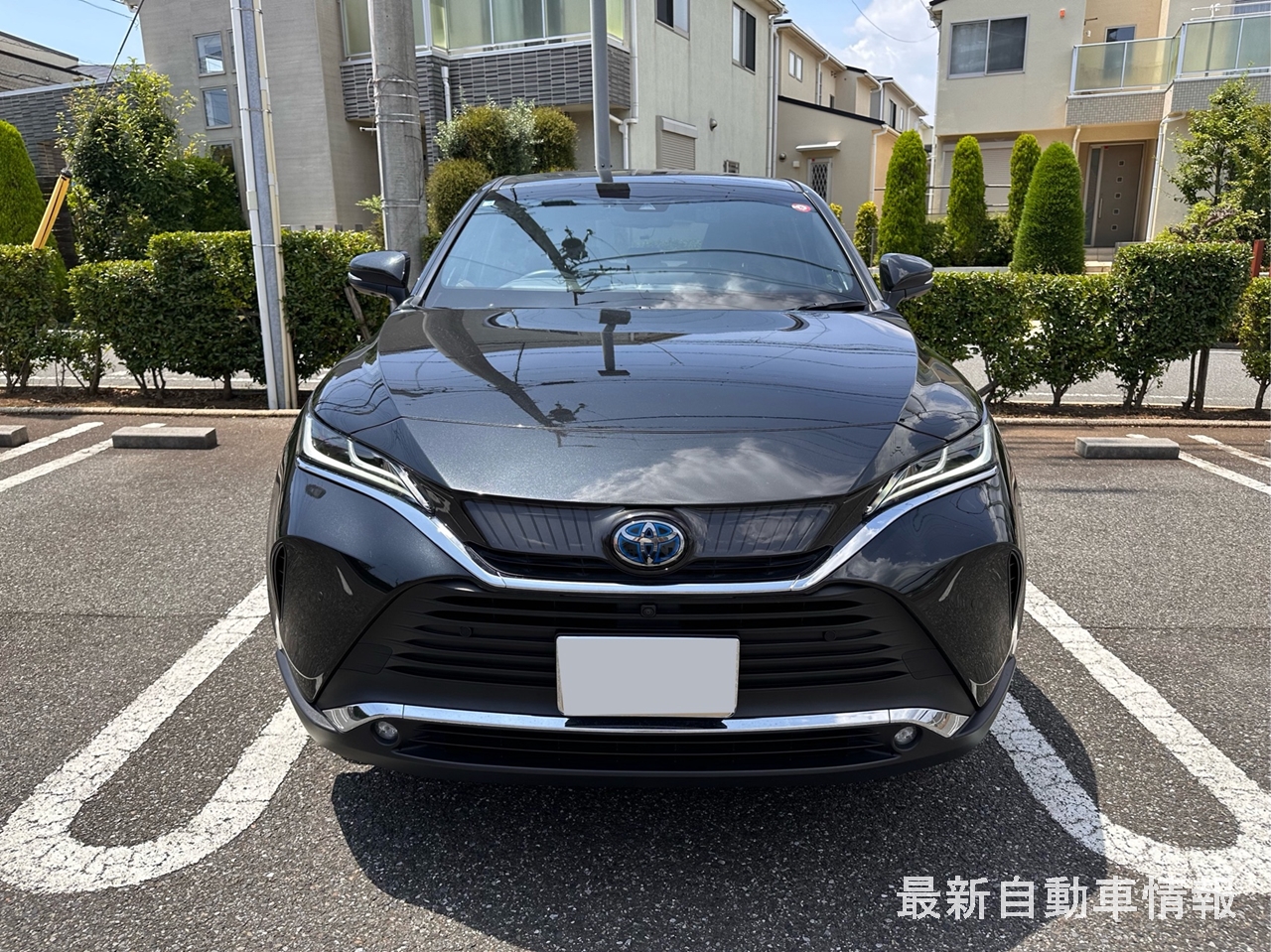
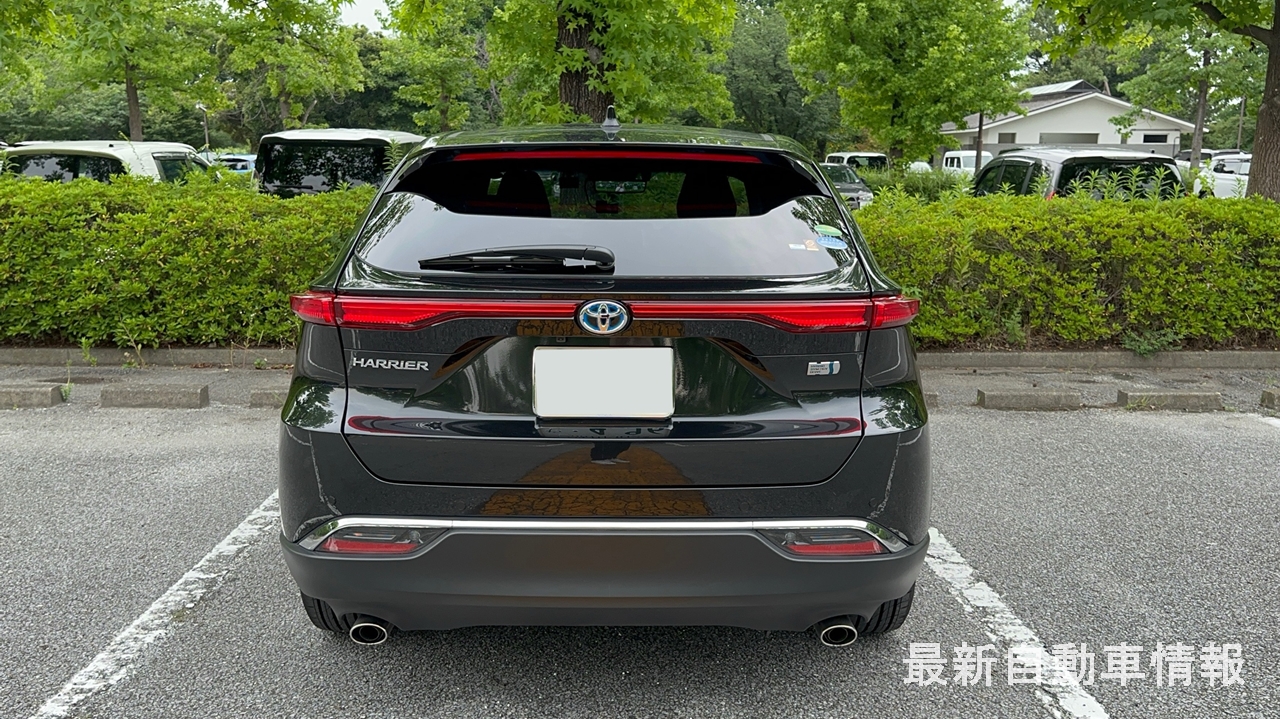
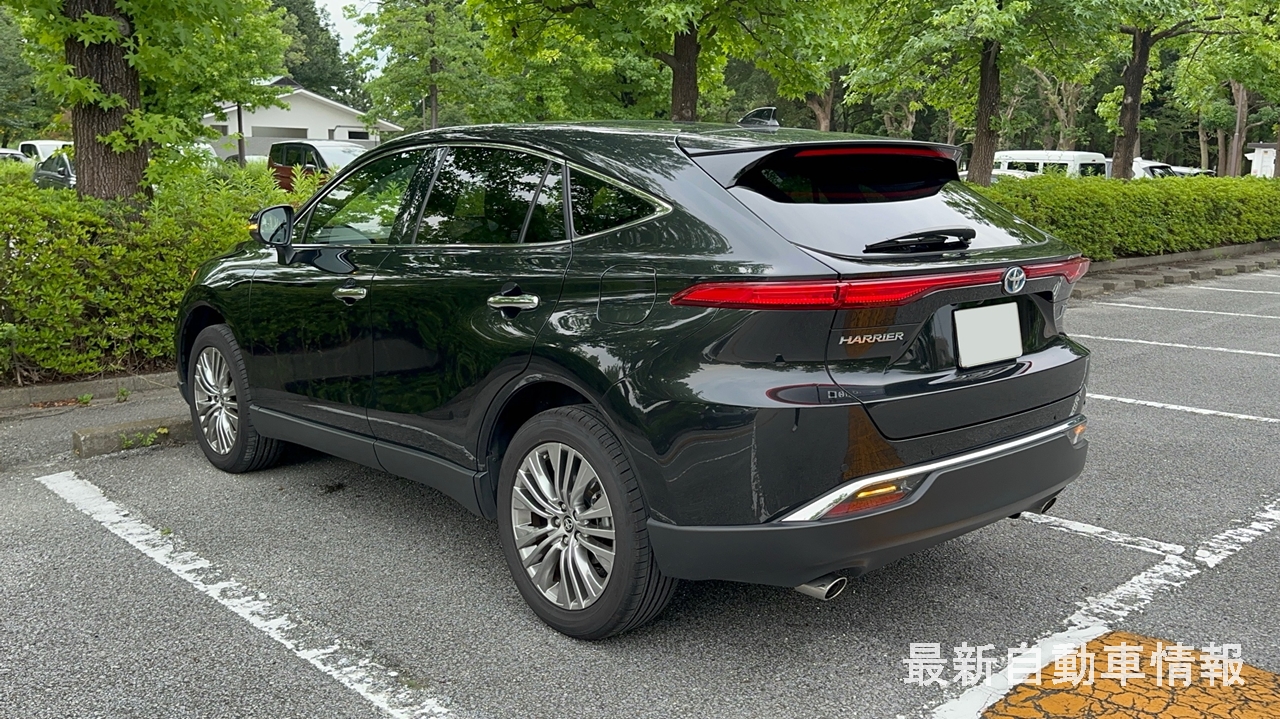
As an aside, I was also the owner of a fourth-generation Prius 2WD (pre-facelift), and my actual fuel economy was 23.0km/L. The catalog value was 37.2km/L under the JC08 test cycle, so I was disappointed by the difference (this varies depending on driving style). In other words, with my driving style, the difference between the Prius and this was only 6.3km/L. This shows that the fuel economy is incredibly good.

The smartphone app “My TOYOTA” also allows you to check driving diagnosis, but as you can see, the driver is not paying attention to the accelerator or driving in any special way.
Advantages of the Harrier Hybrid
The good points of the Harrier Hybrid that I have come to realize after driving it for four years are as follows.
- Luxurious interior and exterior: The sophisticated exterior design and interior made with high-quality materials make this a joy to own.
- Quiet and comfortable ride: The quietness unique to a hybrid system and the firm suspension make for a comfortable drive.
- Advanced safety features: The latest safety features, including Toyota Safety Sense, provide a safe and secure driving environment.
- Ample power and acceleration performance: Powerful acceleration makes starting and overtaking stress-free.
- High resale value : I had a hybrid Z “Leather Package” with a base price of 4.82 million yen at the time, but when I traded it in to Toyota, they bought it for about 4.3 million yen. In other words, I only spent 520,000 yen on the base price over four years of driving it, so it was a really great purchase.
Improvements to the Harrier Hybrid
On the other hand, there were some areas that I felt needed improvement.
- Rear seat comfort: Unlike the front seats, rear seats are prone to road vibrations and are not particularly comfortable. Some people may find them cramped during long rides.
- Luggage space usability: The floor of the luggage compartment is high, so it can be a bit difficult to load and unload heavy luggage.
- High price: The price is high compared to other SUVs, so the hurdle to purchasing may be high.
Until the 4th generation new Harrier Hybrid pays off
This was a very difficult question when considering fuel economy and price. When comparing both grades “G”, the gasoline model is 3,529,000 yen and the hybrid model is 4,119,000 yen, a difference of 590,000 yen. Furthermore, the hybrid car is eligible for an eco-car tax reduction of about 30,000 yen, so the difference is about 560,000 yen.
Here we will calculate the cost of gasoline, and examine how much you need to drive to make up for the gasoline cost of about 560,000 yen. Based on the actual fuel consumption listed above,
Fuel economy for gasoline vehicles (2WD) is calculated based on WLCT mode fuel economy: 15.0km/L (13.0km/L), and fuel economy for hybrid vehicles (2WD) is calculated based on WLCT mode fuel economy: 19.0km/L (17.0km/L).
Calculation of driving 10,000 km when gasoline price is 170 yen per liter
- Gasoline model 10,000km = 130,769 yen
- Hybrid car 10,000km = 100,000 yen
The difference is only 30,769 yen after 10,000 km, so even if you drive 100,000 km, the difference is only 307,690 yen. You’ll need to drive about 200,000 km to make up the difference…
Even if you consider that you’re likely to sell your new car after about five years or 100,000km, choosing a hybrid car will cost you 252,310 yen less. Just because it’s a hybrid doesn’t mean you can choose it lightly. Furthermore, in the case of the Harrier, there’s no difference in the exterior design between it and a hybrid, so you can’t be proud of it.
About comfort
So far, we’ve been talking about price, but I’d like to discuss comfort as well. The “inline-four 2.0L direct-injection engine + Direct Shift-CVT” model is perfect in terms of price, but not so much in terms of comfort. I’ve driven the third-generation Harrier and fourth-generation RAV4 with 2.0L gasoline engines, and my impression was that they were extremely slow to start. The torque was insufficient for the vehicle’s weight , and even with the Direct Shift-CVT, it would still feel slow. The “inline-four 2.5L direct-injection engine + motor” is Toyota’s signature hybrid system, and while it starts off on its own, torque is a motor’s specialty, so you can expect a very smooth start. Furthermore, the overseas model ” Venza ” only uses this hybrid engine specification, proving that it is capable of driving competitively overseas . Furthermore, when using “radar cruise control,” there is a high possibility of a difference due to the good compatibility between electronic control and hybrid. In terms of comfort, I recommend the “hybrid vehicle . “
My thoughts on comparing the new and old models
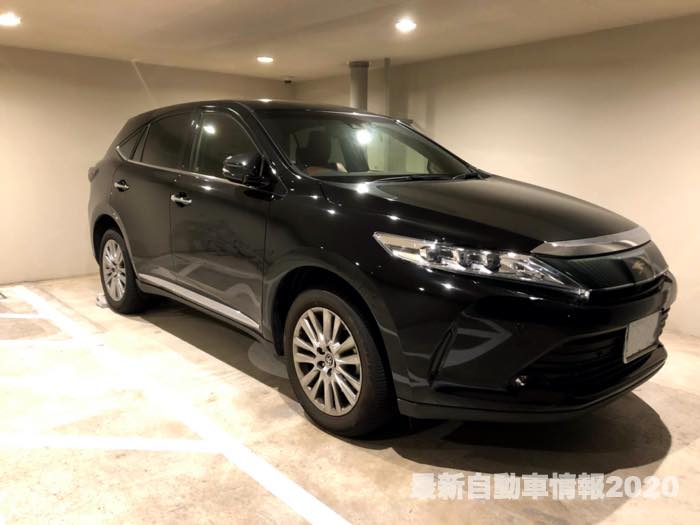
Harrier
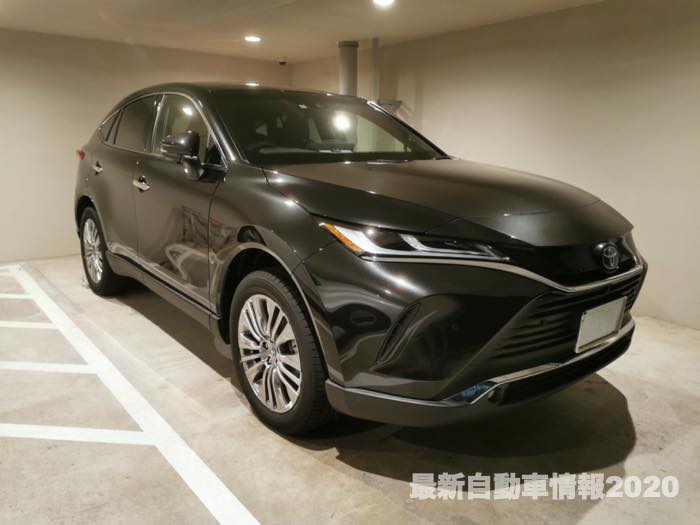
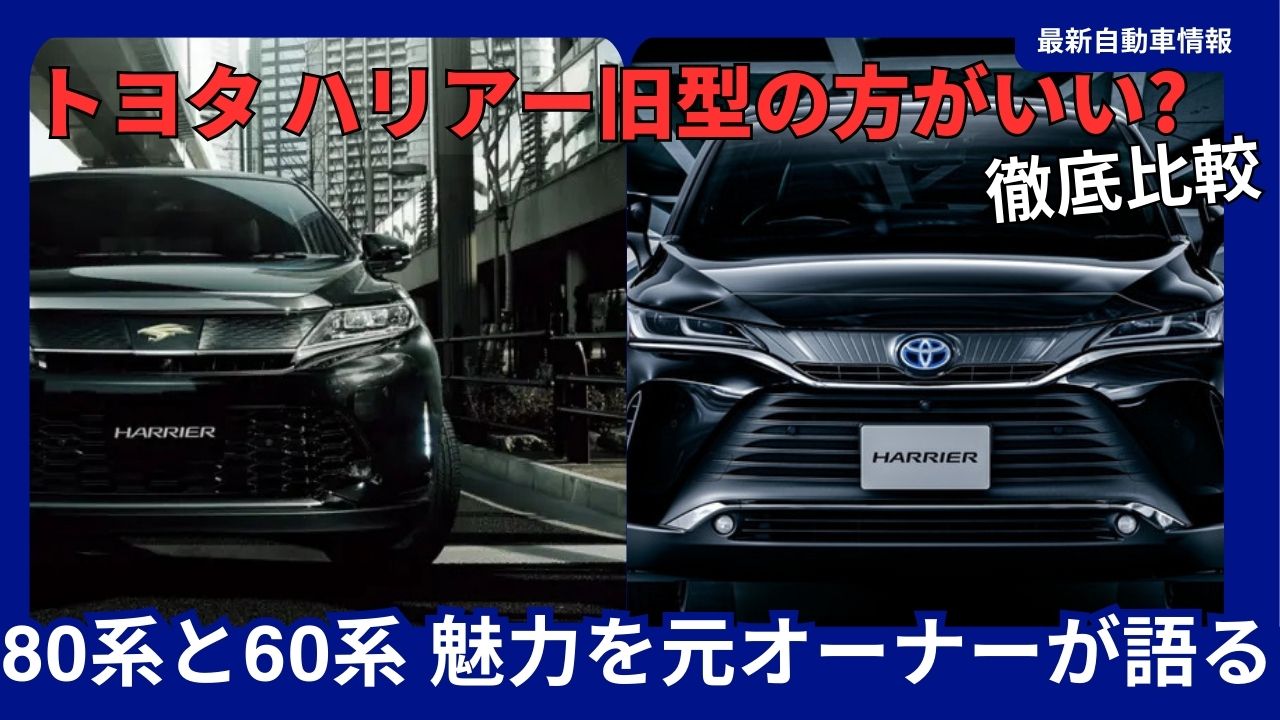
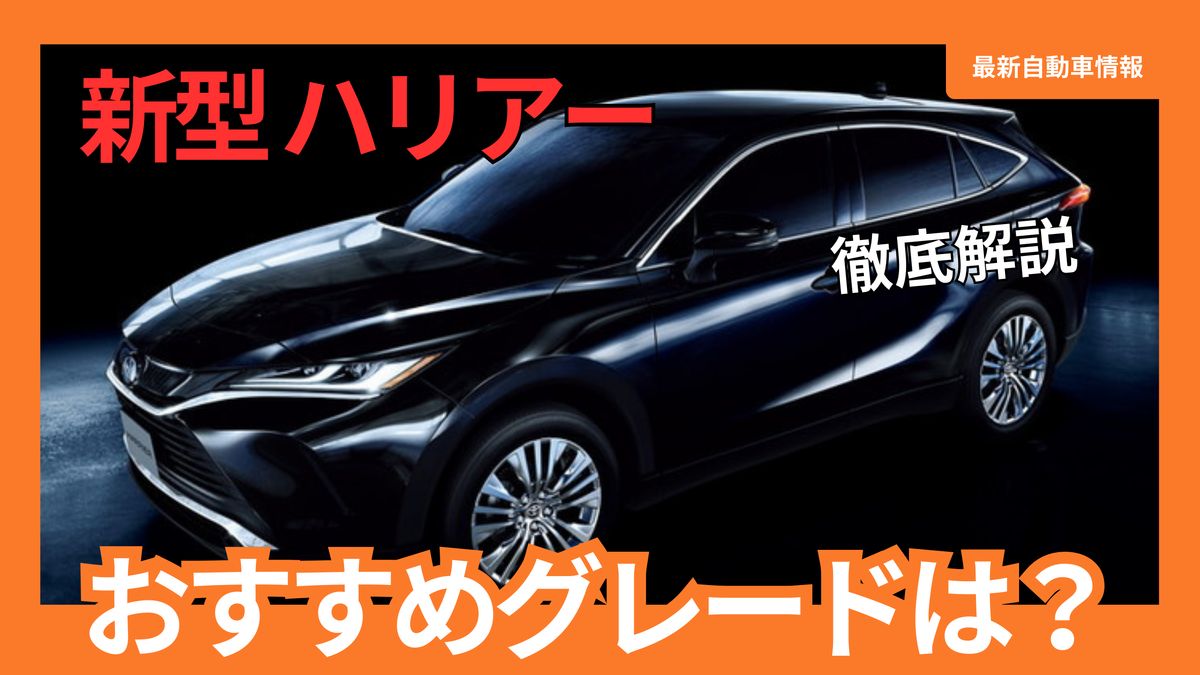
The new Harrier uses the TNGA-K platform to increase body rigidity and is equipped with the Dynamic Force Engine, a 2.0L inline 4-cylinder direct injection engine that achieves a maximum thermal efficiency of over 40%. This gives the car a more luxurious and comfortable ride than the previous Harrier. In addition, the new model has expanded its options by adding a 2WD vehicle to the hybrid model. For those who don’t need 4WD, the ability to choose a hybrid vehicle at a more reasonable price is a major benefit.
Exterior
When comparing the exterior between the “S” and “G” grades, you’ll want to choose the “G” grade when considering its appearance and convenient features, such as the “chrome plating on the front and rear” and “LED daytime running lights.”
The next-generation Toyota Safety Sense has significantly improved safety technology, with more detection accuracy and items than the previous model. This significantly reduces the burden on the driver. It’s not that the previous model is outdated, but since the evolution of the past three years is reflected in this new model, it’s definitely worth considering switching from the previous model.
The new Harrier is available in grades S, G, G “Leather Package”, Z, and Z “Leather Package”, as well as hybrid and gasoline vehicles. When considering total costs, gasoline vehicles are cheaper, but if you’re looking for a comfortable ride, you should also consider the hybrid.
interior
The interior of the new Harrier comes standard with luxury car features such as a power tailgate, illuminated entry system, and digital inner mirror. Considering these features, you’ll probably want to choose the G. With its extensive range of advanced technology and safety features, choosing the G for a car that costs over 3 million yen is no problem, even if it’s only 300,000 yen more expensive.
The old model also has a luxurious feel, but the new model features a 12.3-inch touchscreen, JBL premium sound, and a head-up display, making it even more advanced and comfortable. The price is about 300,000 yen higher, but it’s well worth it.
For those who want to fully experience the new equipment, we recommend the Z, which comes equipped with a 12.3-inch T-Connect SD navigation system, a hands-free power tailgate, and a color head-up display.
In conclusion, the most recommended new Harrier is the hybrid car “Z”. If you have a budget, consider the hybrid car “Z “Leather Package”.
4th generation new Harrier specifications
| Peck | Harrier | |||
|---|---|---|---|---|
| full length | 4,740mm | |||
| Overall width | 1,855mm | |||
| Overall height | 1,660mm | |||
| Wheelbase |
2,690mm | |||
| engine | 2.5L inline 4-cylinder direct injection engine “Dynamic Force Engine” + motor |
2.0L inline 4-cylinder direct injection engine “Dynamic Force Engine” |
||
| Maximum power | 131kW (178ps) / 5,700rpm |
126kW (171ps) / 6,600rpm |
||
| Maximum torque | 221Nm (22.5kgm) / 3,600-5,200rpm |
207Nm (21.1kgf・m) / 4,800rpm |
||
| Front motor maximum output |
88kw (120ps) | – | ||
| Front motor maximum torque |
202Nm (20.6kgm) | – | ||
| Rear motor maximum output |
– | 40kW (54ps) | – | |
| Rear motor maximum torque |
– | 121Nm (12.3kgfm) | – | |
| System maximum output |
160kW (218ps) |
163kW (222ps) |
– | |
transmission |
Electric continuously variable transmission |
Direct Shift- CVT |
||
| Drive system | 2WD | E-Four (4WD) |
2WD | 4WD |
| Vehicle weight | 1,710 kg | 1,770 kg | 1,620 kg | 1,680 kg |
| Minimum turning radius |
5.5m to 5.7m | |||
| WLCT mode fuel economy |
22.3km/L | 21.6km/L | 15.4km/L | 14.7km/L |
| Tire size | 225/55R19 235/55R18 225/65R17 |
|||
| Passenger capacity | 5 people | |||
A word from the editorial department
The new fourth-generation Harrier Hybrid is a car with many appealing features, including excellent fuel economy of 16.7km/L , luxury, and comfort. It also has a high resale value, making it more economical than it looks. While there are areas for improvement, such as rear seat comfort and luggage space usability, overall it is a car that delivers a high level of satisfaction. If you’re considering purchasing one, be sure to take a test drive and experience its appeal for yourself.
Harrier related articles
Toyota News Release
https://global.toyota/jp/newsroom/toyota/32186273.html
Toyota
Toyota Harrier