
This article introduces vehicles with engine displacements of 1.0L or less, which are larger than a light car (660cc) and are currently on sale in Japan as of 2024. Personally, I don’t recommend light cars. This is because their lightweight construction limits the durability of their bodies and engine output, raising safety concerns. Tragic accidents involving light cars are frequently reported in the news.
The next class up, cars with an engine displacement of 1,000cc (1.0L) or less, offer the same body size and safety as a standard car, and are also tax-friendly. They also offer excellent driving stability, so they are recommended.
What are the advantages of vehicles with engines of 1.0L or less?
There are cars with a 1.0L engine that have a larger displacement than a light vehicle (660cc). In Japan, the automobile tax for a light vehicle is 10,800 yen, with the next cheapest being 25,000 yen for an engine displacement of 1,000cc (1.0L) or less. If the engine displacement is more than 1.0L but is less than 1.5L, the tax rises to 30,500 yen, which is three times the amount of tax for a light vehicle.
The biggest advantage of cars with an engine size of 1.0L or less is that they have the second lowest taxes and maintenance costs after light vehicles, and also have a body size that is standard for a standard car and ample driving performance.
Five types of car taxes
Currently, there are five main types of taxes levied on cars . The tax system underwent major revisions in 2019, with the “Automobile Acquisition Tax” being abolished and replaced by an “Environmental Performance Tax.”
Automobile tax / Light vehicle tax (at the time of vehicle purchase) (once a year)
Environmental performance tax (at the time of vehicle purchase)
Automobile weight tax (at the time of vehicle purchase) (at the time of vehicle inspection)
Consumption tax (vehicle inspection, vehicle, fuel, maintenance)
Gasoline tax/diesel transaction tax (refueling)
automobile tax
The price is 25,000 yen for vehicles with an engine displacement of 1,000cc (1.0L) or less.
Motor vehicle tax rate table for newly registered private passenger cars
| Engine displacement | Automobile tax amount |
|---|---|
| 660cc | 10,800 yen |
| 1,000cc or less | 25,000 yen |
| More than 1,000cc but less than 1,500cc | 30,500 yen |
| More than 1,500cc but less than 2,000cc | 36,000 yen |
| More than 2,000cc but less than 2,500cc | 43,500 yen |
| More than 2,500cc but less than 3,000cc | 50,000 yen |
| More than 3,000cc but less than 3,500cc | 57,000 yen |
| More than 3,500cc but less than 4,000cc | 65,500 yen |
| More than 4,000cc but less than 4,500cc | 75,500 yen |
| More than 4,500cc but less than 6,000cc | 87,000 yen |
| Over 6,000cc | 110,000 yen |

Vehicles sold in Japan with engines of 1.0L or less
Tall wagon-type compact cars: Toyota “Roomy” and Daihatsu “Thoroo”
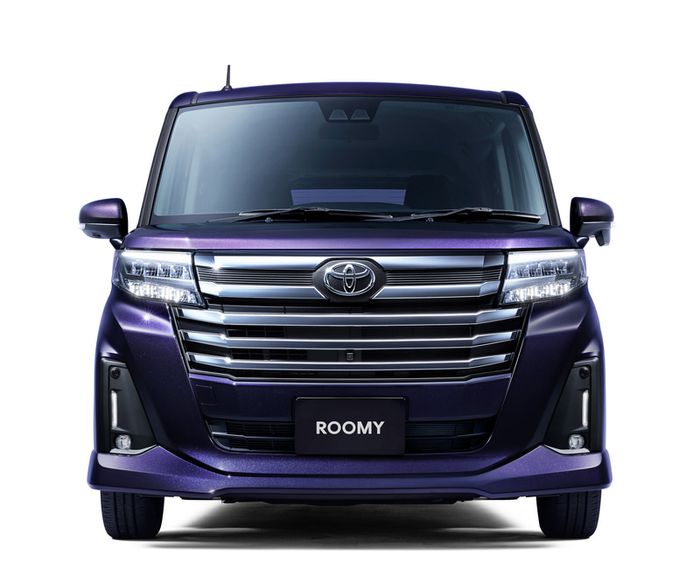
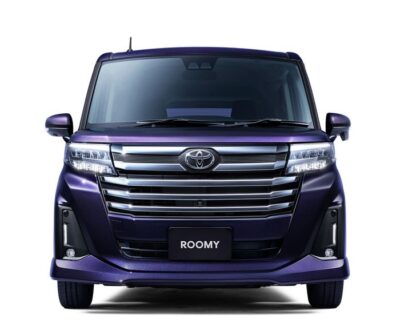
Toyota will make minor changes to the new Roomy and release it on September 15, 2020. At the same time, Toyota will also make minor changes to the new Thor/Thor Custom . The Tank will be discontinued. The front face design will be changed. New exterior finishes include Cool Violet Crystal Shine and Turquoise Blue Mica Metallic. Seat shape and upholstery will be changed. A 9-inch display audio will be available as an option on all vehicles. Electric parking brake and hold will be adopted for the first time. Next-generation Smart Assist will be standard equipment on all vehicles. Corner sensors (four front/four rear with approach warning display) will also be standard equipment on all vehicles. When it comes to Toyota’s advanced technology, the first thing that comes to mind is Toyota Safety Sense, but as the Roomy/Tank are designed, developed, and manufactured by Daihatsu, Next-generation Smart Assist will be adopted.
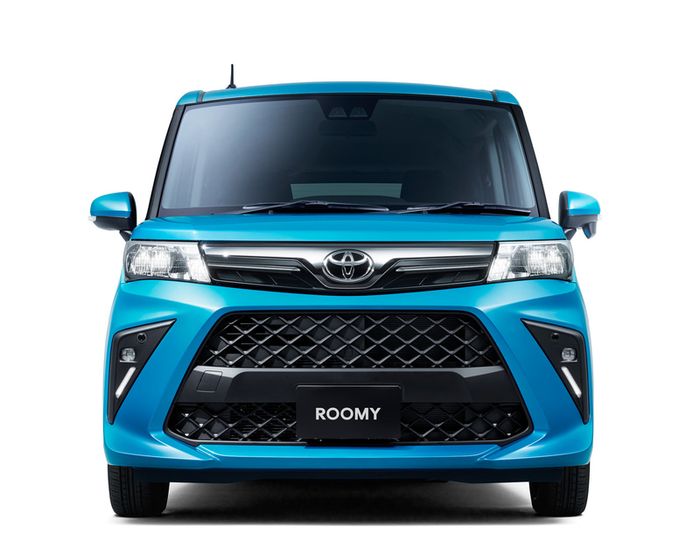
ROOMY
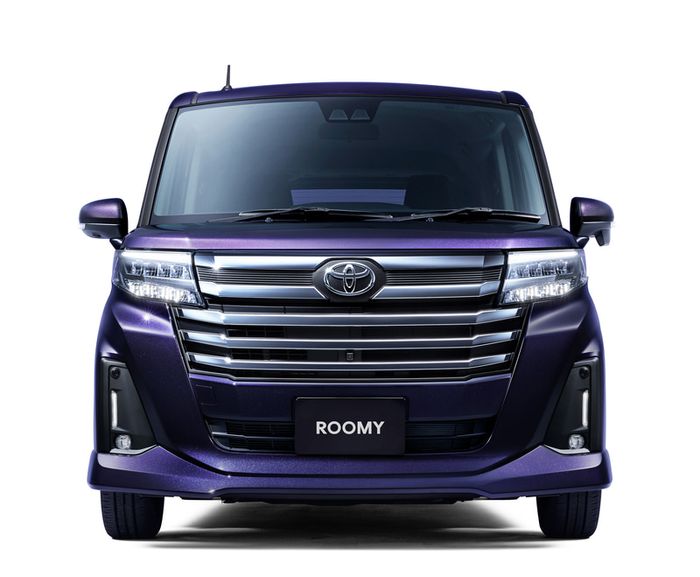
ROOMY
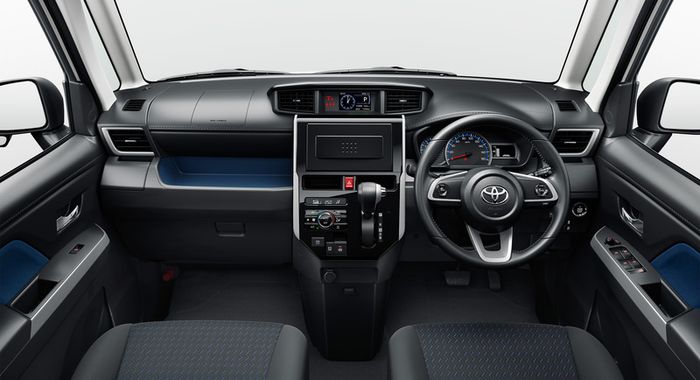
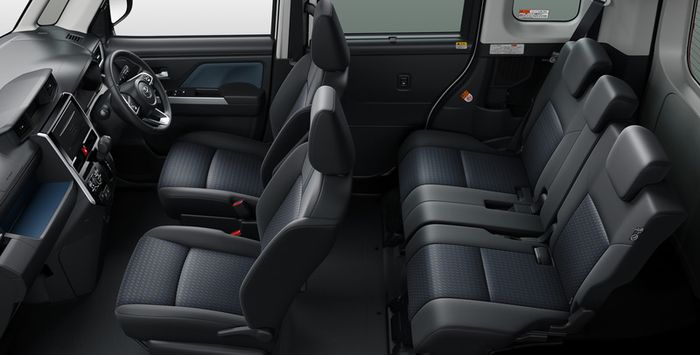
Roomy specs
| Specifications | New Roomy | |
|---|---|---|
| full length | 3,700 to 3,705 mm | |
| Overall width | 1,670mm | |
| Overall height | 1,735mm | |
| Wheelbase | 2,490mm | |
| engine | 1.0L inline 3-cylinder engine |
1.0L inline 3-cylinder turbo engine |
| Maximum power | 51kW (69ps) / 6,000rpm |
72kW (98ps) / 6,000rpm |
| Maximum torque | 92Nm (9.4kgfm) / 4,400rpm |
140Nm (14.3kgm) / 2,400-4,000rpm |
| transmission | CVT | |
| WLCT mode fuel economy | 16.8-18.4km/L | 16.8km/L |
| price | 1,556,500 to 2,090,000 yen |
1,864,500 to 2,046,000 yen |
Roomy price and grade
| Model | engine | Drive system |
Price (10%) |
|---|---|---|---|
| Custom GT |
1.0L inline 3-cylinder DOHC turbo |
2WD | 2,046,000 yen |
| Custom G |
1.0L inline 3-cylinder DOHC engine |
2WD | 1,914,000 yen |
| 4WD | 2,090,000 yen | ||
| GT | 1.0L inline 3-cylinder DOHC turbo |
2WD | 1,864,500 yen |
| G | 1.0L inline 3-cylinder DOHC engine |
2WD | 1,743,500 yen |
| 4WD | 1,919,500 yen | ||
| X | 2WD | 1,556,500 yen | |
| 4WD | 1,732,500 yen |
New Roomy Fully Redesigned, First Hybrid “e-SMART HYBRID” to be Launched in 2025

New compact SUVs: Toyota “Raise” and Daihatsu “Rocky”
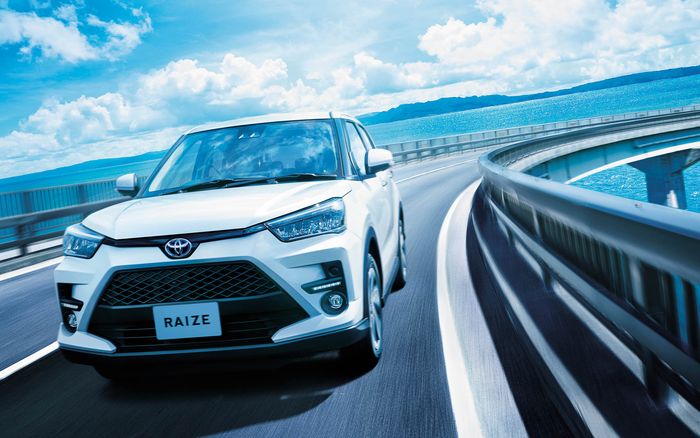
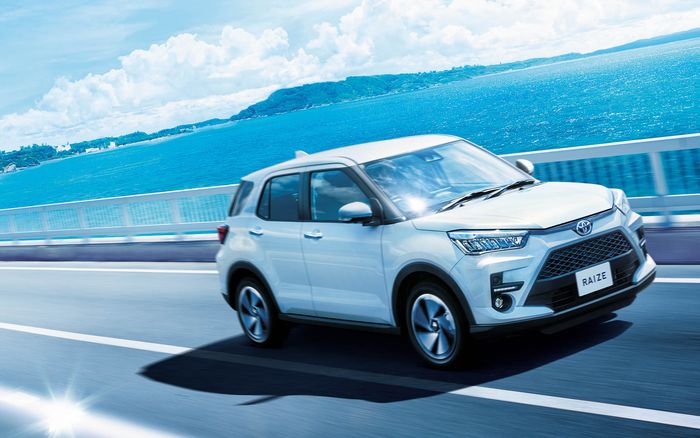
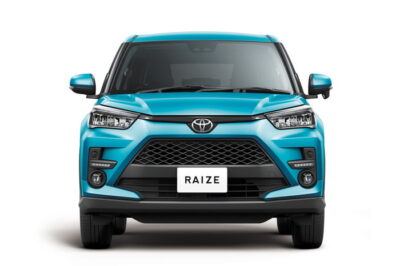
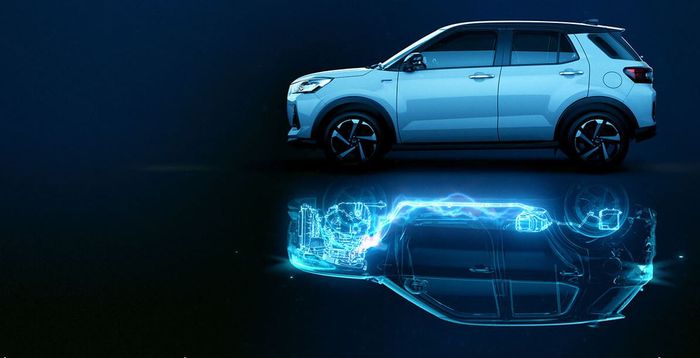
The exterior will feature a powerful and bold design that follows the tradition of Toyota SUVs, with an outdoor-inspired design similar to that used in the new RAV4. The platform will be Daihatsu’s DNGA platform , the second DNGA model following the new Tanto . It will also feature Daihatsu Connect, a service that connects display audio and car navigation systems with smartphones . The engine will be the same 1.0L inline 3-cylinder turbo engine found in the Thor/Thor Custom , mated to the newly developed D-CVT transmission.
Its overall length is 3,995mm, width 1,695mm, and height 1,620mm, making it a 5-number size. It uses large 17-inch or 16-inch tires. The minimum turning radius is 4.9 to 5.0m. It also uses Dynamic Torque Control 4WD. The top grade “X” is equipped with “LED front sequential turn lamps (flowing turn signals).”
When it comes to Toyota’s advanced technology, the first thing that comes to mind is “Toyota Safety Sense,” but since the Rush successor model is being designed, developed, and produced by Daihatsu, it will adopt the advanced technology ” Next Generation Smart Assist ” that is installed in the new Tanto/Tanto Custom.
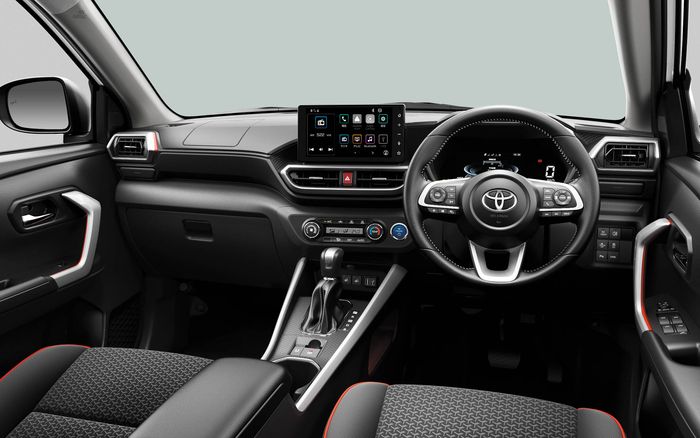
The meter uses a full LCD display “Active Multi-Information Meter.” A 9-inch display audio system exclusive to the Raize is used. Apps compatible with SmartDeviceLink and Apple CarPlay can be operated on the display. The car also uses ” Daihatsu Connect, ” a service that connects car navigation systems to smartphones.
Recently, many vehicles have been forced to exceed the 1,700mm overall width limit due to design and other factors, resulting in many vehicles being registered as “3-number vehicles.” As a result, when it comes to the SUV category, the number of vehicles with a 5-number size is limited. Currently, the only vehicles on sale are the Suzuki Jimny Sierra and XBEE. The newest addition to this list is the Raize/Rocky.
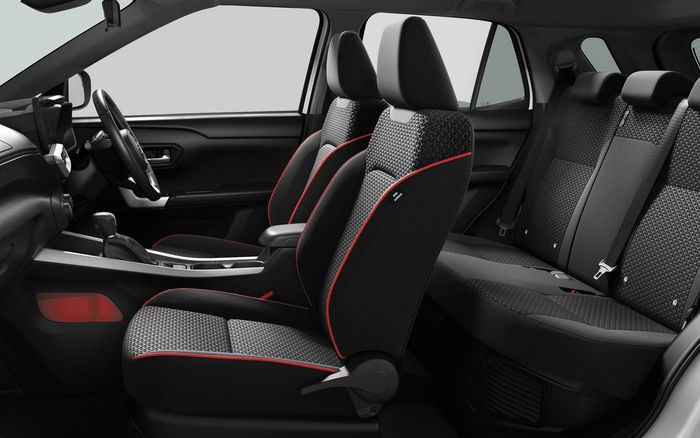
About Rise specs
| Specifications | New Raize |
|---|---|
| full length | 3,995mm |
| Overall width | 1,695mm |
| Overall height | 1,620mm |
| Wheelbase | 2,525mm |
| engine | 1.0L inline 3-cylinder turbo engine |
| Maximum power | 72kW (98ps) / 6,000rpm |
| Maximum torque | 140Nm (14.3kgm) / 2,400-4,000rpm |
| transmission | CVT |
| Drive system | 2WD/4WD |
| Minimum turning radius | 4.9m to 5.0m |
| Tire size | 195/60R17 |
| WLCT mode fuel economy | 18.6km/L (2WD) 17.4km/L (4WD) |
| JC08 mode fuel economy | 23.4km/L (2WD) 21.2km/L (4WD) |
| price | 1,679,000 yen to 2,282,200 yen |
Rise grade prices
| grade | engine | transmission |
Drive system | Price (10%) |
|---|---|---|---|---|
| X | 1.0L inline 3-cylinder turbo engine |
D-CVT | 2WD | 1,679,000 yen |
| 4WD | 1,918,800 yen | |||
| X”S” | 2WD | 1,745,000 yen | ||
| 4WD | 1,984,800 yen | |||
| G | 2WD | 1,895,000 yen | ||
| 4WD | 2,133,700 yen | |||
| Z | 2WD | 2,060,000 yen | ||
| 4WD | 2,282,200 yen |
Toyota Raize gets minor changes, hybrid model added, released November 1, 2021
Suzuki “XBEE”
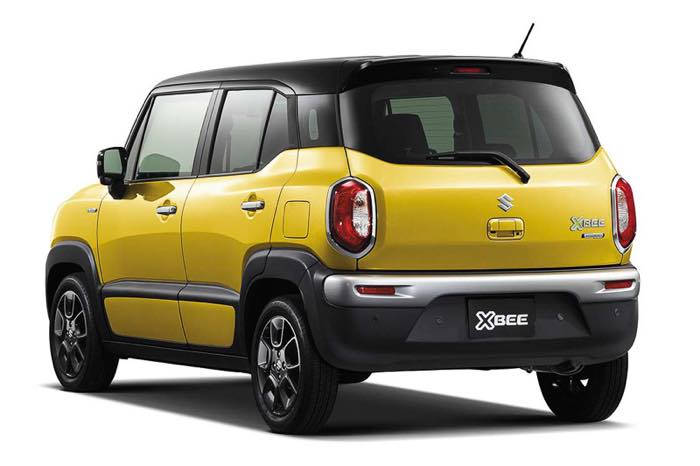
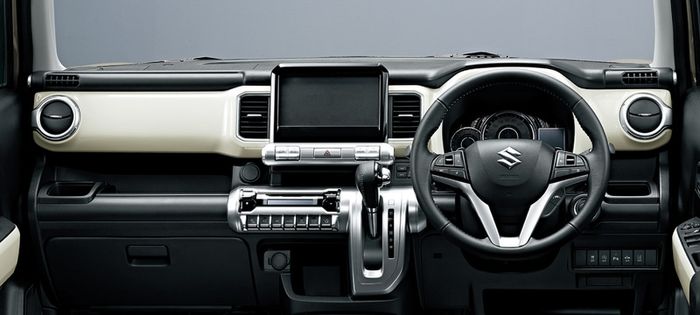
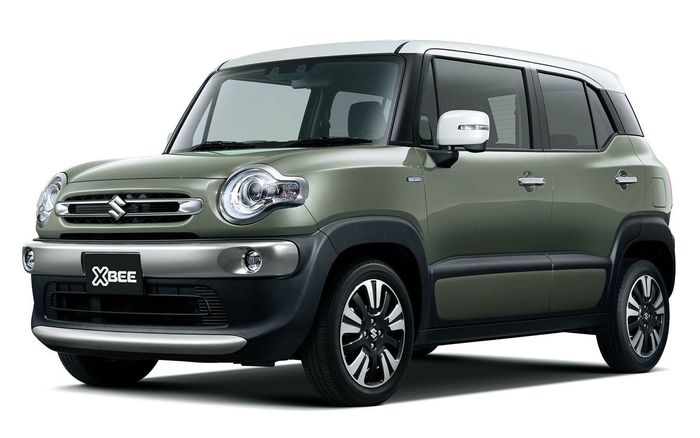
Suzuki’s new XBEE (660cc) minicar boasts a larger displacement than the new Hustler, and is equipped with a 1.0L inline 3-cylinder VVT turbo “BOOSTERJET” engine and mild hybrid system. The turbo engine and mild hybrid system enhance power performance to the same level as a 1.5L engine. The 4WD model features two new driving modes: a “Sport Mode” for powerful driving and a “Snow Mode” that reduces tire spin when starting and accelerating on snowy or icy roads. Two standard features include “Grip Control” to assist starting on muddy or slippery surfaces and “Hill Descent Control” that maintains a vehicle speed of approximately 7km/h when descending steep slopes. The highly efficient ISG (Integrated Generator with Motor) generates electricity during deceleration and charges both the lead battery and dedicated lithium-ion battery for idle-stop vehicles. During acceleration, the hybrid system utilizes this electricity to assist the engine with the motor, further improving fuel efficiency. The ISG (Integrated Generator with Motor Function) efficiently generates electricity by utilizing deceleration energy. It also has a motor function, quietly restarting the engine after starting and assisting the engine with the motor when accelerating. The dedicated lithium-ion battery can handle the large current required for motor assist, allowing for frequent assistance. All vehicles are equipped with paddle shifters with manual mode.
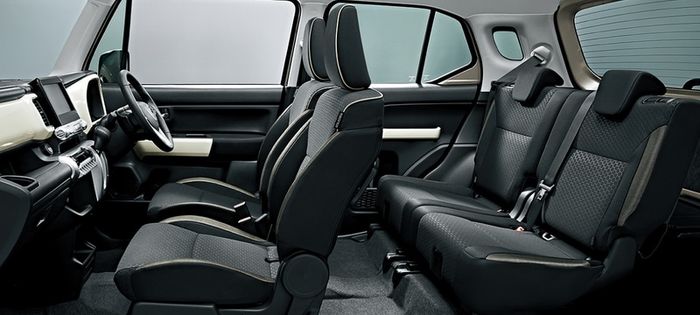
The overall height will be increased in both width and length, similar to the Hustler, and the wheelbase is expected to be slightly longer accordingly. Overall length: 3,760mm (3,395mm), overall width: 1,670mm (1,475mm), overall height: 1,705mm (1,665mm), wheelbase: 2,435mm (2,425mm), ground clearance: 180mm, seating capacity: 5 people. The next-generation lightweight platform “HEARTECT” is used to reduce weight and increase rigidity. All vehicles will use the same tires and wheels, with the tire size being 175/60 R16 82H.
It avoids danger by taking advantage of the advantages of the monocular camera + laser radar adopted in the new Swift and new Wagon R. It employs a system that detects what is ahead using two types of sensors: a monocular camera installed on the windshield and laser radar.
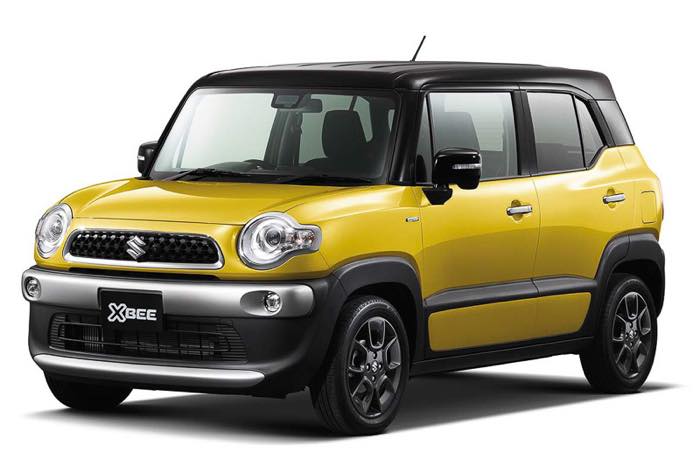
About Crosby specs
| Specifications | New XBEE |
|---|---|
| full length | 3,760mm |
| Overall width | 1,670mm |
| Overall height | 1,705mm |
| Wheelbase | 2,435mm |
| engine | Inline 3-cylinder 1L VVT turbo engine |
| Maximum power | 73kW (99PS) / 5,500rpm |
| Maximum torque | 150Nm (15.3kgm) / 1,700~4,500rpm |
| Motor maximum output |
2.3kw (3.1ps) / 1,000rpm |
| Motor Max Torque |
50Nm (5.1kgm) / 100rpm |
transmission |
6 speed AT |
| Drive system | FF/4WD |
| JC08 mode fuel economy | 20.6-22.0km/L |
| Passenger capacity | 5 people |
About Crosby price
| grade | engine | transmission |
Drive system |
Price (10%) |
|---|---|---|---|---|
| HYBRID MX | 1.0L DOHC VVT direct injection turbo (mild hybrid) |
6AT | 2WD | 1,941,500 yen |
| 4WD | 2,086,700 yen | |||
| HYBRID MV | 2WD | 2,084,500 yen | ||
| 4WD | 2,229,700 yen | |||
| HYBRID MZ | 2WD | 2,190,100 yen | ||
| 4WD | 2,335,300 yen |
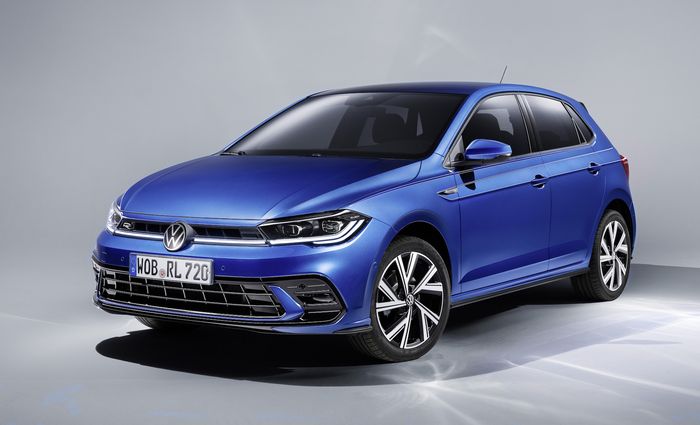
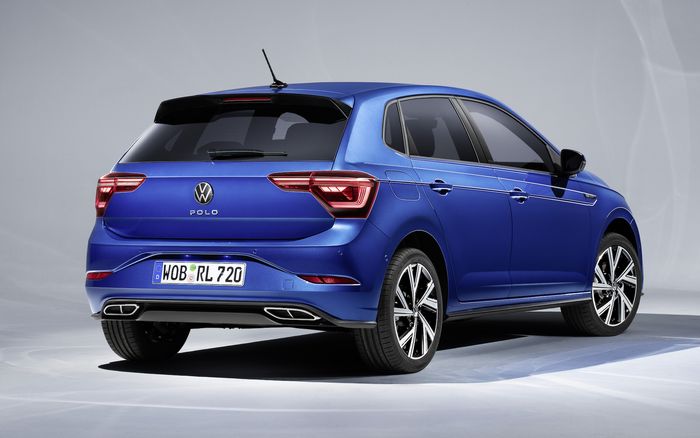
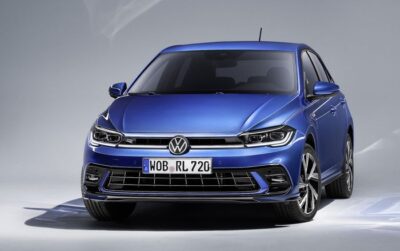
Volkswagen “Polo”
Volkswagen has completely redesigned the new Polo and released it in Japan on March 20, 2018.
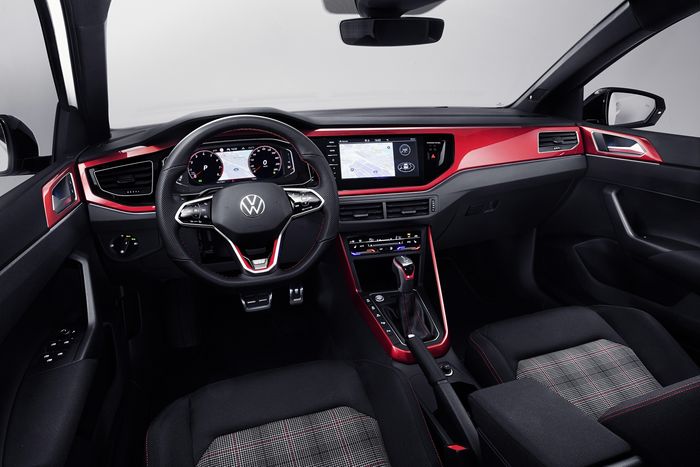
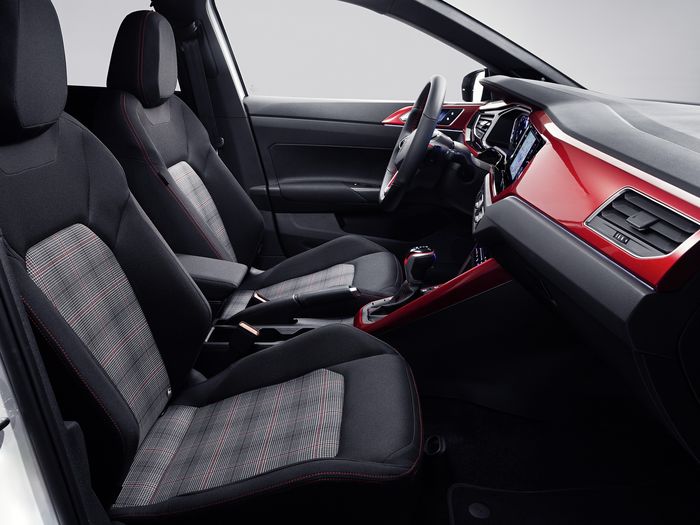
This full model change brings the overall length of the new Polo to over 4,000mm for the first time in its history. (The previous model was 3,995mm long.) The overall width is now 1,750mm (70mm wider than the previous model). This provides a larger interior space than the previous model, and the wheelbase is extended for improved ride comfort. The new Polo is approximately 100mm shorter than the new Golf, but offers roughly the same interior space. Furthermore, it adopts the lightweight MQB A0 platform, achieving high crash safety and weight reduction of up to 70kg. While the previous model was available as a three-door, the new model is only available as a five-door. The new Polo features a 1.0L inline-3 DOHC turbo engine with maximum output of 70kW (95PS) at 5,000-5,500 rpm and maximum torque of 175Nm (17.9kgm) at 2,000-3,500 rpm. It is powered by a 7-speed dual-clutch DSG transmission and JC08 fuel economy of 19.1km/L.
Volkswagen “Polo” specifications
| size | New Polo |
|---|---|
| full length | 4,060mm |
| Overall width | 1,750mm |
| Overall height | 1,450mm |
| Wheelbase | 2,550mm |
| engine | 1.0L inline 3-cylinder DOHC turbo engine |
| Maximum power | 70kW (95PS) / 5,000-5,500rpm |
| Maximum torque | 175Nm (17.9kgm) / 2,000-3,500rpm |
| transmission | 7-speed dual clutch “DSG” |
| JC08 mode fuel economy | 19.1km/L |
| price | 2,098,000 yen – 2,650,000 yen |
Volkswagen “Polo” price grade
| grade | price |
|---|---|
| TSI Trendline | 2,098,000 yen |
| TSI Comfortline | 2,299,000 yen |
| TSI Highline | 2,650,000 yen |
Volkswagen new Polo minor change Japan model released on June 23, 2022
Audi A1 Sportback
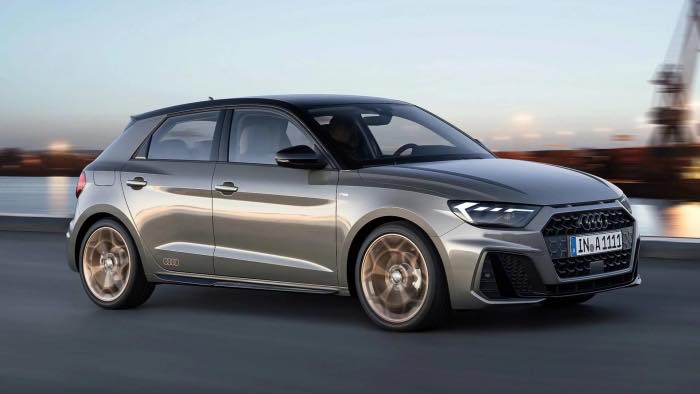
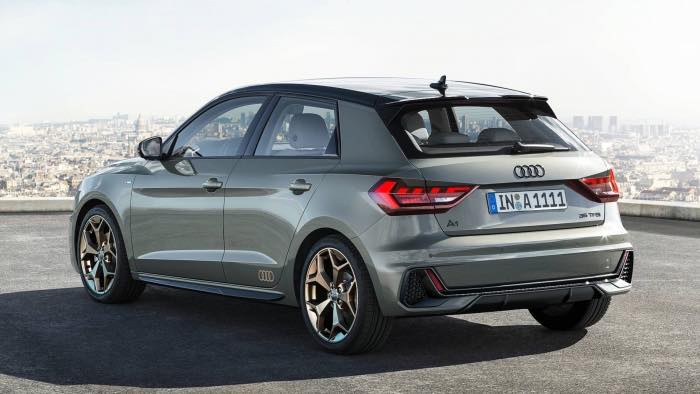
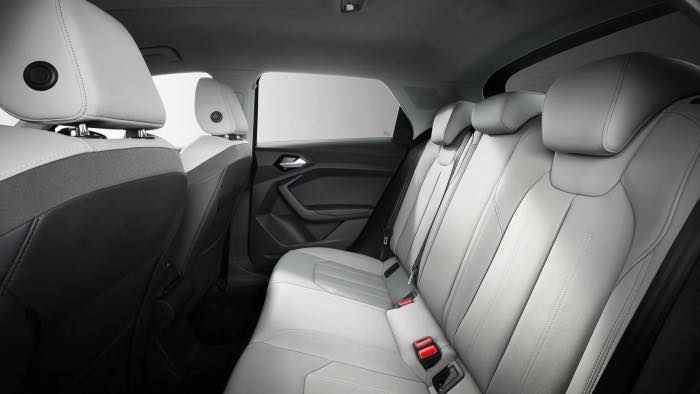
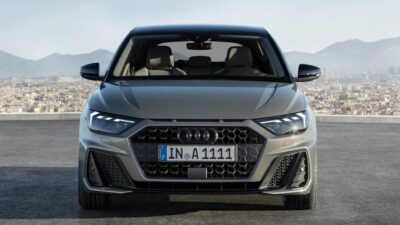
Audi has completely redesigned the new A1, which will be released in Japan on November 25, 2019. Price: 3.65 million to 3.91 million yen. The face is shared with the new A4 and A3, and the design of the matrix LED headlights and rear bumper has also been changed. The car is equipped with the latest safety driving assistance systems and emergency braking. It uses the lightweight MQB A0 platform, which is also used in the new Volkswagen Polo, to achieve high collision safety and reduce weight by up to 100 kg. Like the Polo, the body size has been enlarged.
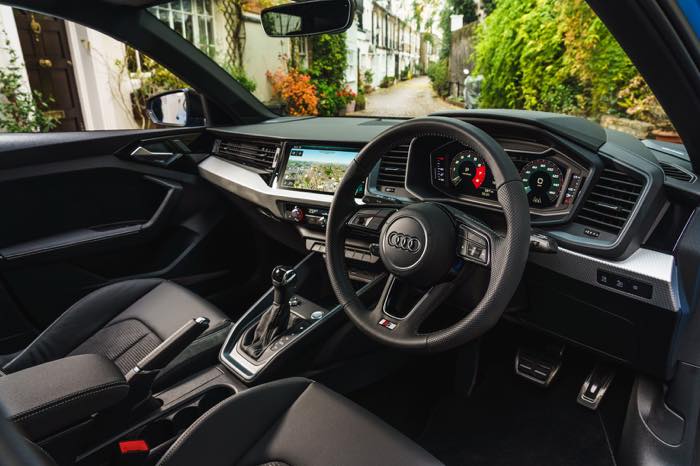
Compared to the previous model, the new car is 55mm longer, 10mm taller, and has a 95mm longer wheelbase. It features the latest version of the virtual cockpit, a 10.25-inch digital instrument cluster, a multifunction steering wheel, and a distinctive air vent on the passenger side. It also comes equipped with the MMI navigation system with a 10.1-inch display. There’s also a connectivity package that adds support for Android Auto and Apple CarPlay, as well as two USB ports.
The Audi A1 Sportback 25 TFSI is equipped with a 1.0L inline 3-cylinder DOHC direct injection turbo engine, maximum output 70kW (95ps)/5000rpm, 175Nm (17.9kgm)/2,000-3,500rpm,
7-speed dual-clutch transmission, and JC08 mode fuel economy of 16.3km/L.
| size | New A1 sportback |
|---|---|
| full length | 4,040mm |
| Overall width | 1,740mm |
| Overall height | 1,435mm |
| Wheelbase | 2,560mm |
| engine | 1.0L inline 3-cylinder DOHC turbo engine |
| Maximum power | 70kW (95PS) / 5,000-5,500rpm |
| Maximum torque | 175Nm (17.9kgm) / 2,000-3,500rpm |
| transmission | 7-speed dual clutch |
| JC08 mode fuel economy | 16.3km/L |
| WLTC mode fuel economy | 15.2km/L |
| price | 2,940,000 yen – 3,510,000 yen |
Audi A1 Sportback Fully Redesigned, Released November 25, 2019
summary
As explained above, if the engine displacement is 1.0L or less, the tax is low, and they are all larger than light vehicles, allowing for more comfortable driving. Many of them are priced at less than 2 million yen, so there is not much difference in price between them and light vehicles. If you are considering purchasing a light vehicle, we recommend that you also consider models with an engine displacement of 1.0L or less .