
The Toyota MIRAI is a fuel cell vehicle (FCV) sold by Toyota Motor Corporation. It generates electricity through a chemical reaction between hydrogen and oxygen, and uses that electricity to drive a motor, making it truly a car of the future. It has excellent environmental performance, and the major benefit is that it does not emit CO2 while in operation. However, the MIRAI is often traded at a relatively reasonable price on the used car market. Why is this?
In this article, we will analyze from various angles why used MIRAIs are so cheap, while unraveling their history, and also consider the future of FCVs.
Summary of why used Toyota Mirai cars are cheap
The reason why used Toyota Mirai cars are cheap is
- Low awareness of FCVs
- There are few hydrogen stations
- Subsidies are declining
- Impact of model change
- Concerns about maintenance costs
- Misunderstanding of driving performance
There are various possible factors, such as:
However, the MIRAI
- Environmentally friendly
- Equipped with advanced technology
- Comfortable ride
This is an attractive option and can be considered an investment in the future.
The future is bright for FCVs, and buying a used Mirai might be a smart choice.
Toyota MIRAI, the flag-bearer of a hydrogen society, opens the door to the future.
MIRAI
The story of the MIRAI begins with Toyota’s many years of research and development into fuel cell technology. Development of fuel cell vehicles began in 1992, and after numerous prototypes, the first-generation MIRAI was released in 2014. As awareness of environmental issues grows, fuel cell vehicles (FCVs) are attracting attention as the next generation of eco-cars. The MIRAI was launched by Toyota as a pioneer in this field.
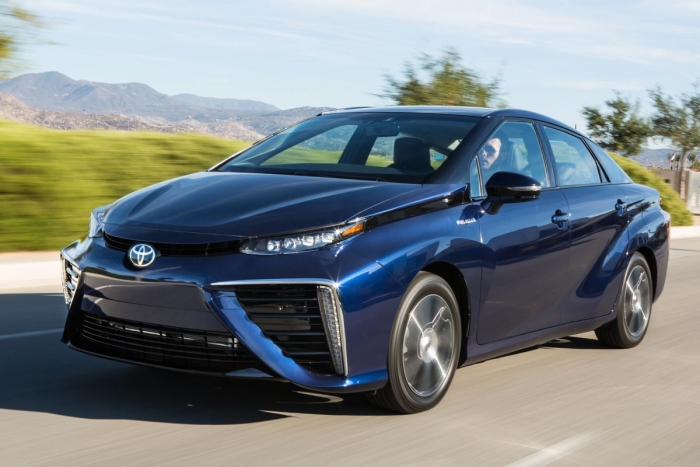
The first-generation MIRAI, the world’s first mass-produced FCV, made its debut in 2014 and attracted a lot of attention for its innovative technology and futuristic design. However, it also faced challenges such as high vehicle prices and a lack of hydrogen stations.
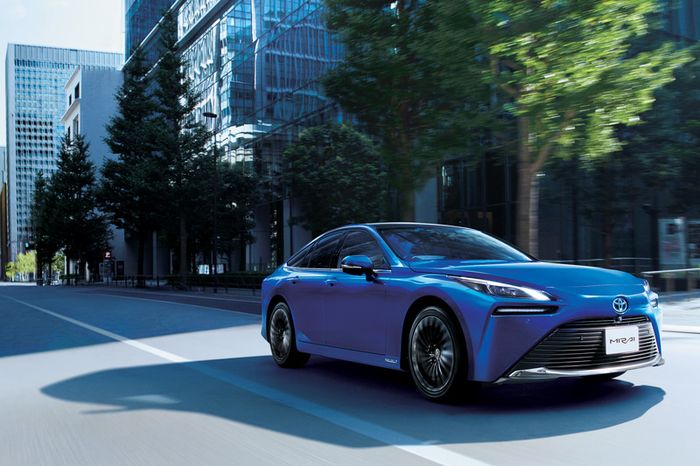
The long-awaited second-generation MIRAI was finally released in 2020. It has evolved significantly from the first generation, achieving a longer range, improved driving performance, and a more refined design.
The history of the Toyota Mirai
Looking back at the history of the MIRAI provides clues to understanding trends in used car prices.
First generation MIRAI (released in 2014)
TOYOTA MIRAI
The first-generation Mirai, the world’s first mass-produced fuel cell vehicle, attracted a lot of attention for its innovativeness. However, its short driving range, lack of hydrogen stations, and high price tag of 7.23 million yen hindered its widespread adoption.
Second generation MIRAI (released in 2020)
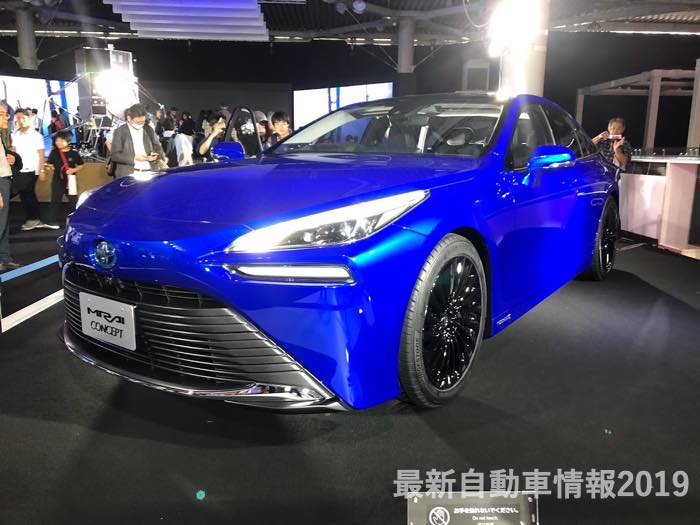
TOYOTA MIRAI
The second-generation Mirai overcame the issues of the first generation, significantly increasing the driving range while also improving the design and driving performance. The price was also reduced to 7.1 million to 8.05 million yen, but it was still expensive.
Why used Toyota Mirai cars are cheap
The reason why used MIRAI cars are so cheap is due to a complex combination of factors.
1. Lack of hydrogen stations
The MIRAI uses hydrogen as fuel, so it needs to be filled up at a hydrogen station. However, the number of hydrogen stations remains limited, making them difficult to access, especially in rural areas. The lack of infrastructure significantly reduces the convenience of the MIRAI and leads to a slump in demand for used cars.
2. Range Concerns
The first generation MIRAI had a range of approximately 300km, but the second generation improved to approximately 650km. However, this is still shorter than a gasoline-powered vehicle, and concerns remain about long-distance travel. Concerns about the range are one of the factors that make people hesitant to purchase a used car.
3. High new car prices and the impact of subsidies
The MIRAI is a car with excellent environmental performance and is therefore eligible for subsidies from the national and local governments. These subsidies are only applied when purchasing a new car, so they are not applicable to used cars. This narrows the price difference between new and used cars, making used cars less of a bargain.
4. Decrease in value due to model change
With the introduction of the second-generation Mirai, the used car price of the first-generation Mirai has dropped significantly. This is a common phenomenon in the automobile market, but for cars that incorporate new technology like the Mirai, the drop in value due to a model change tends to be more pronounced.
5. Concerns about fuel cell durability
Fuel cells are a newer technology than gasoline engines, and there are concerns about their durability. Fuel cells are expensive to replace, so used car buyers tend to be concerned about future maintenance costs.
6. Low resale value
In addition to the factors mentioned above, the MIRAI’s low resale value also affects its used car price. Resale value refers to the value of a car when it is sold. The MIRAI’s resale value is set low because there are many uncertainties, such as future technological innovations and the spread of hydrogen stations.
7. Low awareness of FCVs
FCVs are still less well known than gasoline and hybrid vehicles, so their value may not be fully understood even in the used car market.
The appeal of the Mirai: environmental friendliness and innovation
The Mirai is more than just a means of transportation; it is a car that holds great potential for the future. Its appeal can be summed up in the following points:
1. High environmental performance
The MIRAI is the ultimate eco-car, emitting no CO2 while driving. For those who want to contribute to preventing global warming, the MIRAI is the perfect choice.
2. The culmination of cutting-edge technology
The MIRAI is a vehicle that embodies Toyota’s cutting-edge technology, and is equipped with a number of innovative technologies, including a fuel cell system, high-pressure hydrogen tank, and advanced safety technology.
3. Comfortable ride
The MIRAI is quiet and has minimal vibration, making for a comfortable ride. It’s a car that doesn’t tire you out even on long drives.
4. Investing in the future
The MIRAI is also an investment in realizing a hydrogen society. By promoting the spread of FCVs, we can contribute to the realization of a sustainable society.
The Future of FCVs: Towards a Hydrogen Society
FCVs are expected to be a trump card in solving environmental problems, but many challenges must be overcome before they can become widespread, including the development of hydrogen stations, reduction of vehicle prices, and promotion of understanding of FCVs.
The government has set a goal of achieving carbon neutrality by 2050 and is also focusing on promoting the spread of FCVs, promoting various measures such as the development of hydrogen stations and the expansion of subsidies for purchasing FCVs.
Toyota Motor Corporation is also actively working to realize a hydrogen society, including further evolving the MIRAI and expanding the scope of application of FCV technology.
The MIRAI is a car that truly symbolizes the future, opening the door to a hydrogen society. Buying a MIRAI on the used car market could be considered an investment in the future.
Future outlook
The government has set a goal of achieving carbon neutrality by 2050 and is actively working towards realizing a hydrogen society. Hydrogen stations are also being developed, which is expected to improve the convenience of the MIRAI in the future.
Toyota is also continuing to develop the Mirai’s technology, working to extend its range and reduce costs. The arrival of the next-generation Mirai and advances in fuel cell technology could also boost the used Mirai market.
A word from the editorial department
There are a number of possible reasons why used Toyota Mirai cars are so cheap, including a lack of hydrogen stations, concerns about driving range, high new car prices and the impact of subsidies, a decline in value due to model changes, concerns about the durability of the fuel cell, and low resale value.
However, efforts to realize a hydrogen society and the development of MIRAI technology are progressing steadily. In the future, it is expected that the used MIRAI car market will become more active, making it easier for more people to acquire a MIRAI.
Toyota Mirai