
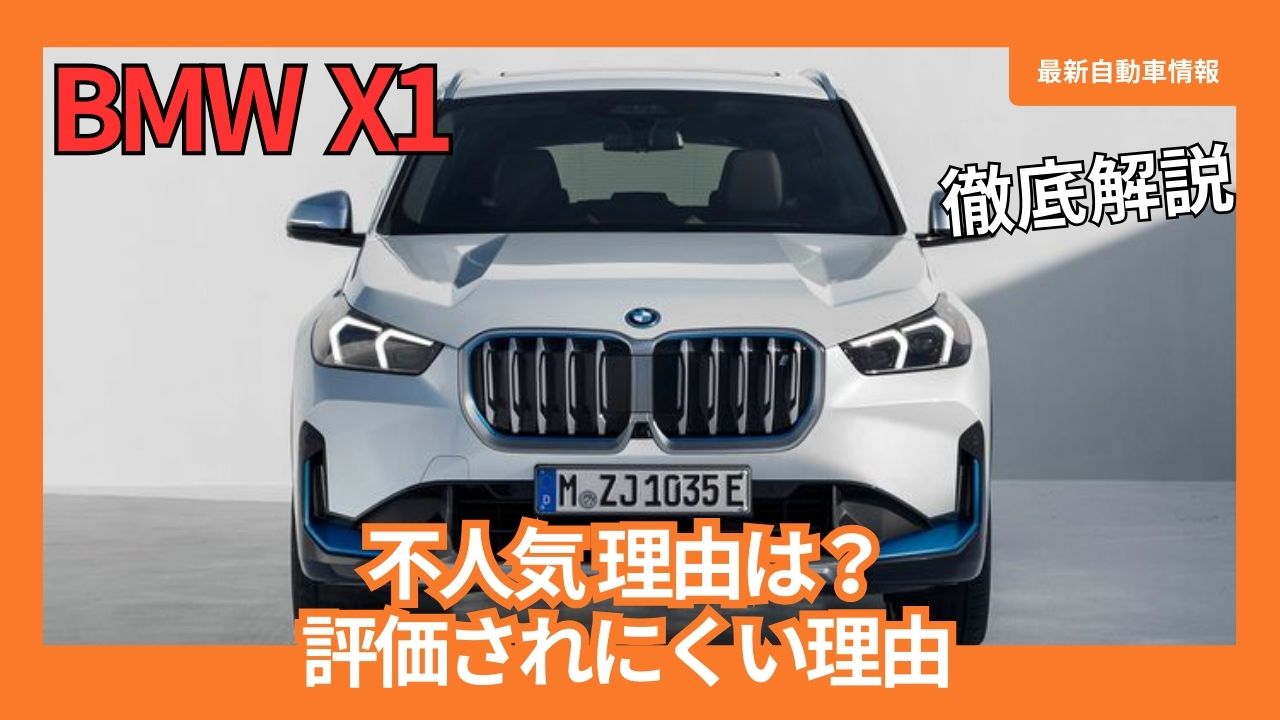
The BMW X1 is an attractive compact SUV that combines urban sophistication with sporty driving performance. However, compared to domestic SUVs, it has a lower sales volume and is sometimes described as “unpopular.”
Why is the BMW X1 so poorly received in Japan? In this article, we will analyze the X1’s appeal and reasons for its unpopularity from various angles, and get to the bottom of the truth by incorporating user reviews and expert opinions.
Positive comments
- The design is sophisticated and stylish
- Sporty and fun driving performance
- Fully equipped with advanced safety features
- Light handling and easy to drive
- High stability at high speeds
Negative opinions
- Poor fuel economy
- The interior space is small
- The rear seat ride is stiff
- High price
- There is an impression that there are many breakdowns
- High maintenance costs
BMW X1 is recommended for these people!
Based on the above analysis, the BMW X1 is recommended for the following people:
- People who want to drive an SUV with an urban and stylish design
- Those who want to enjoy sporty driving performance
- People who care about advanced safety equipment
- Those who pursue the joy of driving
- People who admire the BMW brand
On the other hand, the X1 may not be suitable for the following people:
- People who value spacious interior space
- People who prioritize fuel efficiency
- People who care about price
- People who want to avoid the risk of breakdowns
- People who frequently use their car for outdoor activities and leisure
Things to consider when choosing a BMW X1
Here are some things to keep in mind when buying a BMW X1:
- Fuel efficiency may be inferior to domestic SUVs
- The interior space is not spacious
- Pricing is high
- Check the frequency of breakdowns and maintenance costs in advance
- Possibly low resale value in the used car market
The appeal of the BMW X1
First, let’s take a closer look at the appeal of the BMW X1.
Sophisticated design
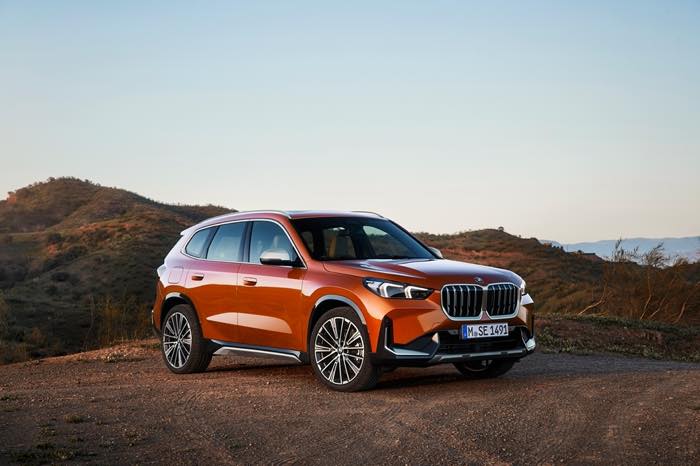
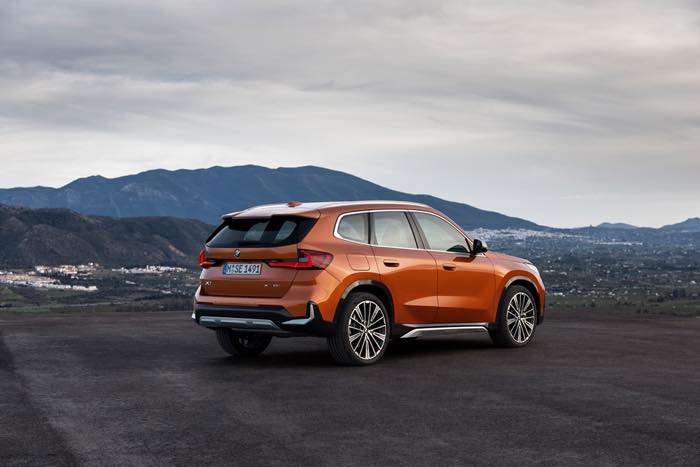
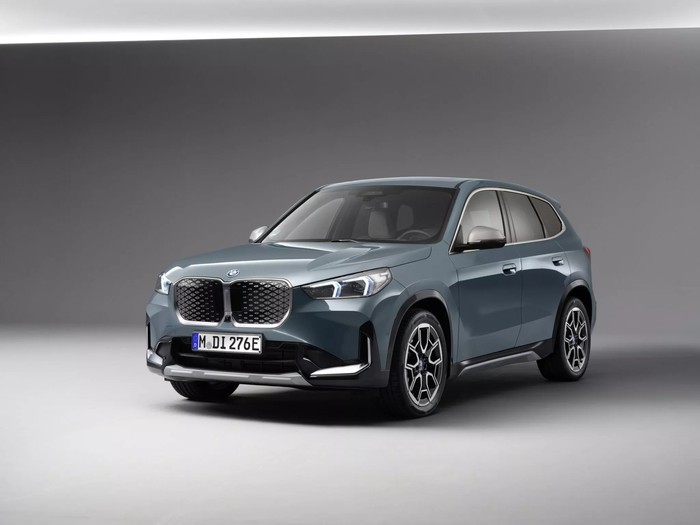
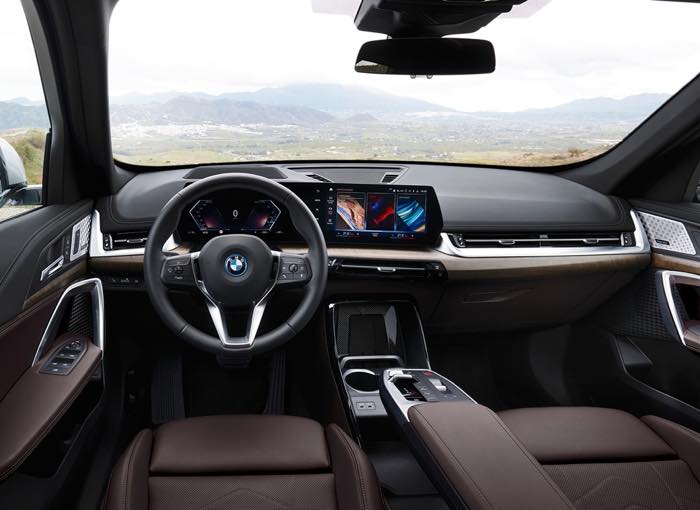
The X1 features a sporty and sophisticated design that is typical of BMW. The exterior incorporates elements that give a sense of BMW’s identity, such as the iconic kidney grille and L-shaped LED headlights. The interior combines high-quality materials with a sophisticated design to create a luxurious space.
Sporty driving performance
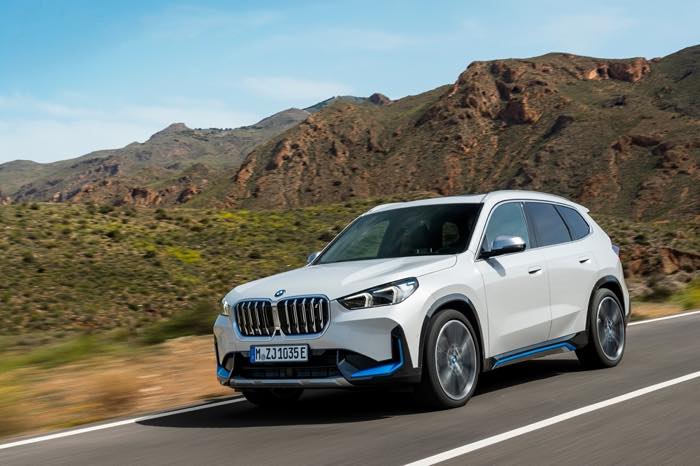
BMW X1
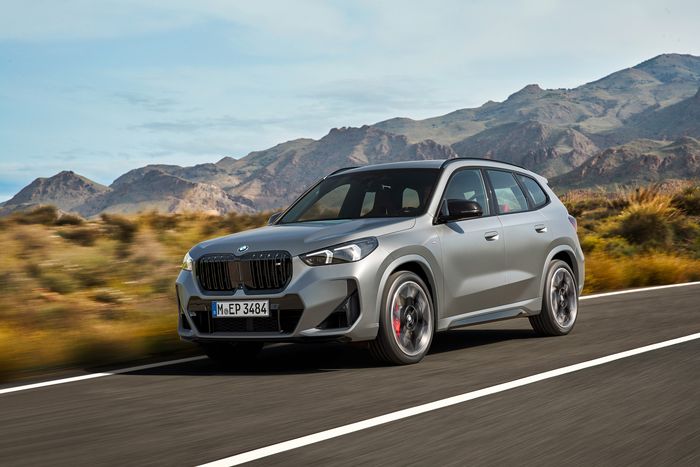
The X1’s powerful engine and sporty suspension settings give it a lively ride. Its excellent cornering performance also provides the driver with driving pleasure that will never tire of the car.
Extensive advanced safety equipment
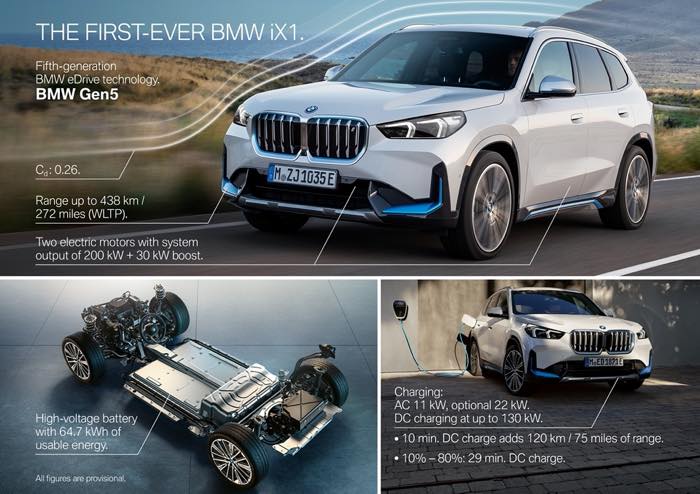
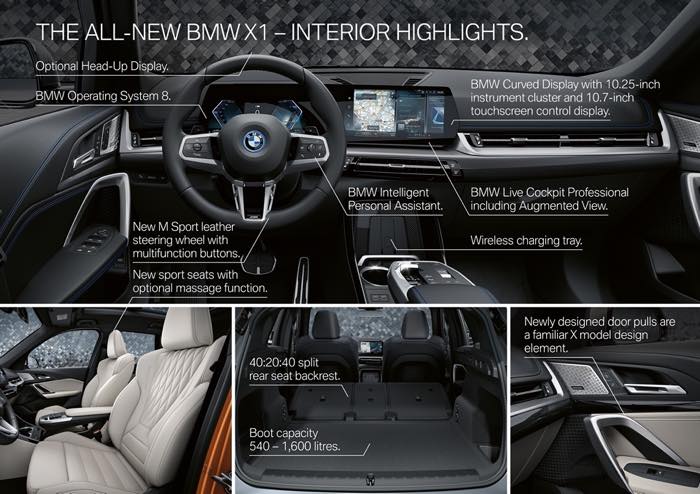
The X1 is equipped with a wide range of the latest driver assistance systems and safety features, including automatic braking and lane departure warning, to support safe driving.
Highly practical
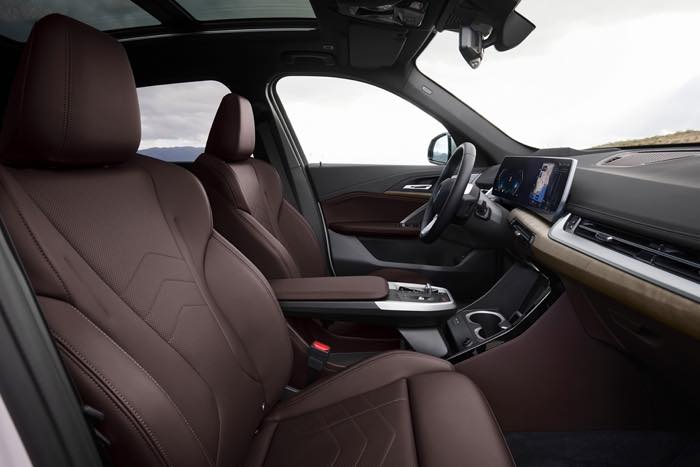
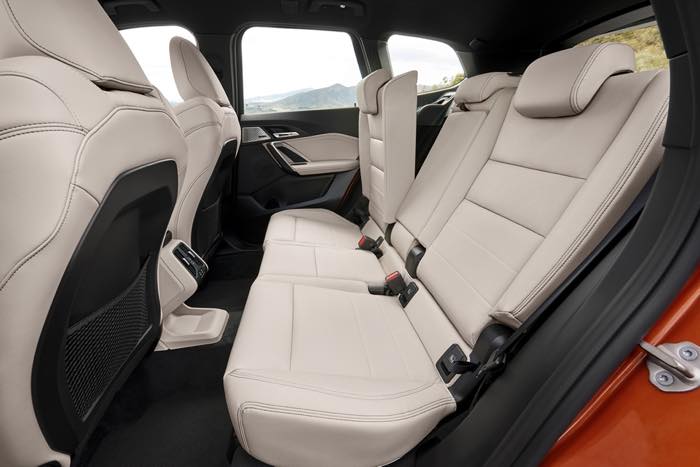
Although it is a compact SUV, the X1 has ample storage space. By folding down the rear seats, you can create even more luggage space. It is practical enough for everyday use as well as weekend leisure activities.
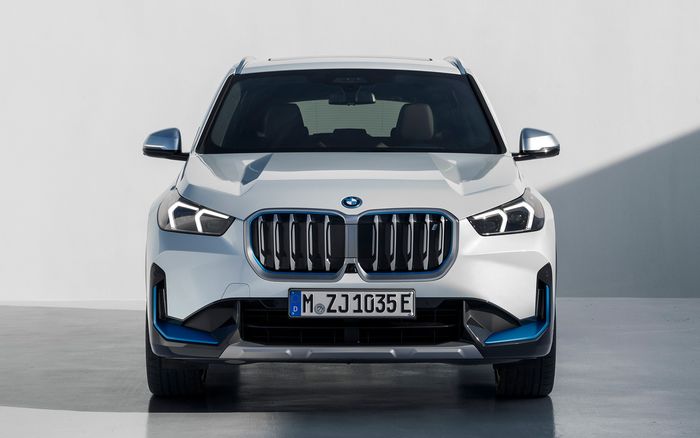
Why is the BMW X1 said to be unpopular?
There are several reasons why the BMW X1 has not gained explosive popularity in Japan.
- Pricing: The BMW X1 is priced higher than Japanese SUVs, so cost-conscious consumers may find it difficult to afford.
- Brand image: BMW has a strong image as a luxury car brand, which may be perceived as intimidating to some consumers.
- Size: The BMW X1 is classified as a compact SUV, but some people may find it a little too large considering the road and parking conditions in Japan.
Reasons for its failure compared to domestic SUVs
Compared to domestic SUVs, the BMW X1 is thought to have some weaknesses.
- Fuel economy: Many Japanese SUVs are equipped with hybrid systems and offer excellent fuel economy. The BMW X1 may be inferior to Japanese SUVs in terms of fuel economy.
- Interior space: Popular Japanese SUVs are designed with a focus on spacious interiors and a comfortable ride. The BMW X1 is designed for sporty driving performance, so it may not match Japanese SUVs in terms of interior space and ride comfort.
- Dealer network: Japanese car manufacturers have extensive dealer networks across the country and offer comprehensive after-sales maintenance and support. BMW’s dealer network is smaller than that of Japanese car manufacturers, so consumers living in rural areas may be concerned about the lack of after-sales support.
BMW X1 specs
The BMW X1 is classified as a compact SUV, but with a length of 4,500mm and a width of 1,835mm, it is by no means small. Considering the road and parking conditions in Japan, you may have trouble maneuvering it.
The size of the BMW X1 may be a problem, especially for those who live in urban areas or who often find themselves in tight parking spaces. The BMW X1 also has a height of 1,625mm, which is low for an SUV. As a result, the interior space is not particularly spacious. Some people may find the head clearance in the rear seats to be a bit narrow. If you’re considering the BMW X1 as a family car, size and interior space are important considerations.
| Specifications | BMW X1 xDrive20d M Sport |
|---|---|
| full length | 4,500mm |
| Overall width | 1,835mm |
| Overall height | 1,625mm |
| Wheelbase | 2,690mm |
| engine | 2.0L inline 4-cylinder DOHC diesel + motor |
| Maximum power | 110kW (150ps) / 4,000rpm |
| Maximum torque | 360Nm (36.7kgm) / 1,500-2,500rpm |
| Motor maximum output | 14kW (19ps) / 5,000rpm |
| Motor Max Torque | 55Nm (5.6kgm) / 0-2,000rms |
| System total maximum output |
120kW (163ps) |
| System total maximum torque |
400Nm (40.8kgm) |
| WLTC mode fuel economy | 19.5km/L |
High new car prices and financial burden
The new BMW X1 is priced higher than other domestically produced SUVs. This is because BMW is using high-quality materials and advanced technology to maintain its image as a luxury car brand. However, this price tag can be a hurdle to purchase for some consumers, causing them to feel financially burdened.
Reliability and failure frequency issues
Many consumers have the impression that the BMW X1 breaks down more frequently than Japanese SUVs. In particular, there are complaints that there are many problems with the electrical system and sensors. These breakdowns can be expensive to repair, placing a significant burden on owners.
Reasons for the low market valuation
The BMW X1 has a reputation for being expensive as a new car and prone to frequent breakdowns, so its price tends to fall even in the used car market. While this can be an attractive option for consumers, it also has the disadvantage of lowering the price when selling for a new car for owners.
BMW X1 Price
Although the BMW X1 is an entry-level model, it is still a BMW, and as such, its price is by no means cheap. Compared to domestic SUVs in the same class, it is not uncommon for it to cost hundreds of thousands to over a million yen more.
For example, as of October 2023, the price of the BMW X1 sDrive18i MSport starts at 5.4 million yen. Meanwhile, the Toyota RAV4, a Japanese-made SUV in the same class, can be purchased for around 2.94 million yen.
The price difference is about 2.46 million yen, which is quite a big difference. Of course, it is true that the BMW X1 has luxury and driving performance that the RAV4 does not have, but the price difference may make some users hesitate to purchase it.
In particular, for price-conscious buyers, the BMW X1 may seem out of reach.
| grade | Price (10%) |
|---|---|
| sDrive18i M Sport | 5.4 million yen |
| xDrive20i M Sport | 6.04 million yen |
| xDrive20i xLine | 6.04 million yen |
| xDrive20d M Sport | 6.2 million yen |
| xDrive20d xLine | 6.2 million yen |
| M35i xDrive | 7.86 million yen |
BMW X1 driving performance
The BMW X1 is characterized by the sporty driving style that is typical of BMW. With its powerful engine and precise handling, it has great potential. However, its sporty driving style may not be to everyone’s taste.
The suspension of the BMW X1 is set to be on the stiffer side, which means it picks up bumps in the road more easily and the ride is a bit stiff. This may be a point of dissatisfaction for users who prioritize comfort.
The BMW X1’s steering also responds quickly, which is a benefit when enjoying sporty driving, but can also require nervous handling when driving around town.
If you use the BMW X1 as your daily transportation, you need to balance driving performance with comfort.
BMW X1 fuel economy
The BMW X1’s fuel economy isn’t particularly good. The WLTC mode fuel economy for the BMW X1 xDrive20i is 12.9km/L, while the xDrive20d M Sport is 19.5km/L. These figures are about 1-2km/L lower than Japanese SUVs in the same class.
Fuel efficiency is a factor that directly affects running costs and is an important concern for users. In particular, for users who drive long distances or who prioritize fuel efficiency, the fuel efficiency of the BMW X1 can be a bottleneck.
BMW X1 maintenance cost
Because the BMW X1 is an imported car, maintenance costs tend to be higher than domestically produced cars. Regular maintenance and repair costs are higher than domestically produced cars due to the high cost of parts and labor. Also, automobile tax and insurance premiums tend to be higher than domestically produced cars.
If you own a BMW X1, you need to be aware of maintenance costs in advance.
BMW X1 popularity and reviews
Although the BMW X1 does not sell as well as domestic SUVs, its attractive design and sporty driving performance have attracted many fans. However, some consumers have pointed out the frequent breakdowns and high maintenance costs.
Positioning as an urban crossover SUV
The BMW X1 is positioned as an urban crossover SUV that combines a stylish urban design with sporty driving performance. This concept has gained a certain amount of support, but it may not be appealing to consumers who are more outdoor-oriented or who want a spacious interior.
User reviews and pros and cons
Many BMW X1 owners have positive comments, such as “I like the design,” “The driving performance is fun,” and “It has a wide range of advanced safety features.” On the other hand, there are also many negative comments, such as “It breaks down frequently,” “Maintenance costs are high,” and “It has poor fuel economy.”
Comparison with domestic SUVs
The BMW X1 has noticeable disadvantages compared to Japanese SUVs in terms of price, reliability, and maintenance costs. However, it also has many attractive features that Japanese SUVs do not have, such as design, driving performance, and advanced safety features.
Price competition with Toyota and Nissan
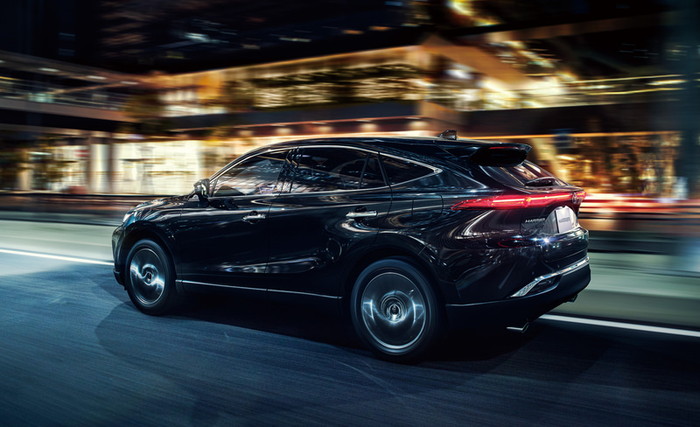
Harrier
Japanese SUVs such as the Toyota Harrier and Nissan X-Trail are priced lower than the BMW X1, appealing to a wider range of consumers. They are also attractive options for consumers who prioritize practicality, such as fuel efficiency and spaciousness.
Price of the current Toyota Harrier model
The Toyota Harrier is priced between 3,128,000 yen and 5,148,000 yen.
Gasoline engine model
| Model | engine | transmission |
Drive system |
Price (10%) |
|---|---|---|---|---|
| Z “Leather Package” |
Inline 4-cylinder 2.0L direct injection engine “Dynamic Force Engine” |
Direct Shift-CVT |
2WD (FF) | 4,338,000 yen |
| 4WD | 4,538,000 yen | |||
| Z | 2WD (FF) | 4,038,000 yen | ||
| 4WD | 4,238,000 yen | |||
| G | 2WD (FF) | 3,529,000 yen | ||
| 4WD | 3,729,000 yen | |||
| S | 2WD (FF) | 3,128,000 yen | ||
| 4WD | 3,328,000 yen |
Hybrid model
| Model | engine | transmission |
Drive system |
Price (10%) |
|---|---|---|---|---|
| Z “Leather Package” |
Inline 4-cylinder 2.5L direct injection engine “Dynamic Force Engine” + motor |
Electric continuously variable transmission |
2WD (FF) | 4,928,000 yen |
| 4WD (E-Four) | 5,148,000 yen | |||
| Z | 2WD (FF) | 4,628,000 yen | ||
| 4WD (E-Four) | 4,848,000 yen | |||
| G | 2WD (FF) | 4,119,000 yen | ||
| 4WD (E-Four) | 4,339,000 yen | |||
| S | 2WD (FF) | 3,718,000 yen | ||
| 4WD (E-Four) | 3,938,000 yen |
Nissan X-Trail current model price
The X-Trail is priced from 3,601,400 yen to 4,752,000 yen.
| grade | engine | Passenger capacity |
Drive system |
New price (10%) |
|---|---|---|---|---|
| S | 1.5L inline 3-cylinder DOHC turbo + BM46 motor |
5-seater | 2WD | 3,601,400 yen |
| X | 1.5L inline 3-cylinder DOHC turbo + BM46 motor |
5-seater | 2WD | 3,840,100 yen |
| G | 1.5L inline 3-cylinder DOHC turbo + BM46 motor |
5-seater | 2WD | 4,451,700 yen |
| X 90th Anniversary Car | 1.5L inline 3-cylinder DOHC turbo + BM46 motor |
5-seater | 2WD | 4,043,600 yen |
| S e-4ORCE | 1.5L inline 3-cylinder DOHC turbo + BM46 motor + MM48 motor |
5-seater | 4WD | 3,851,100 yen |
| X e-4ORCE | 1.5L inline 3-cylinder DOHC turbo + BM46 motor + MM48 motor |
5-seater | 4WD | 4,140,400 yen |
| X e-4ORCE | 1.5L inline 3-cylinder DOHC turbo + BM46 motor + MM48 motor |
7-seater | 4WD | 4,271,300 yen |
| G e-4ORCE | 1.5L inline 3-cylinder DOHC turbo + BM46 motor + MM48 motor |
5-seater | 4WD | 4,752,000 yen |
| X e-4ORCE 90th Anniversary Model |
1.5L inline 3-cylinder DOHC turbo + BM46 motor + MM48 motor |
5-seater | 4WD | 4,343,900 yen |
| X e-4ORCE 90th Anniversary Model |
1.5L inline 3-cylinder DOHC turbo + BM46 motor + MM48 motor |
7-seater | 4WD | 4,474,800 yen |
Difference between failure rate and maintenance
The BMW X1 has the image of having a higher frequency of breakdowns than Japanese SUVs, but the actual breakdown rate varies greatly depending on the model and year. It is also said that BMW’s breakdown risk can be reduced by performing regular maintenance.
Comparison of fuel efficiency and driving performance
The BMW X1 places emphasis on sporty driving performance, so its fuel efficiency tends to be inferior to that of Japanese SUVs. However, the latest model has improved fuel efficiency, and the gap with Japanese SUVs is narrowing.
Why the BMW X1 is so cheap on the used car market
Used BMW X1 prices tend to be relatively low due to the high price of new cars and the image of frequent breakdowns. However, there are several complex factors that play a role in this.
Reasons for the sudden drop in used car prices
The main reasons for the sudden drop in used car prices for the BMW X1 include the decline in value of older models due to model changes, a large influx of cars into the used car market due to sluggish new car sales, and consumers avoiding the car due to its high frequency of breakdowns.
High maintenance costs and limited options
The BMW X1 tends to be more expensive to maintain than Japanese-made SUVs. This is due to the high cost of genuine parts and the need for specialized repairs. Also, on the used car market, there are fewer options for low-mileage vehicles and popular models, making it difficult to find a vehicle that meets your requirements.
BMW X1 design and performance review
The BMW X1 is attractive for its urban, sophisticated design and sporty driving performance.
Interior and exterior design features
The BMW X1 features a sporty and sophisticated design that is typical of BMW. The exterior incorporates elements that give a sense of BMW’s identity, such as the kidney grille and L-shaped LED headlights. The interior combines high-quality materials with a sophisticated design to create a luxurious space.
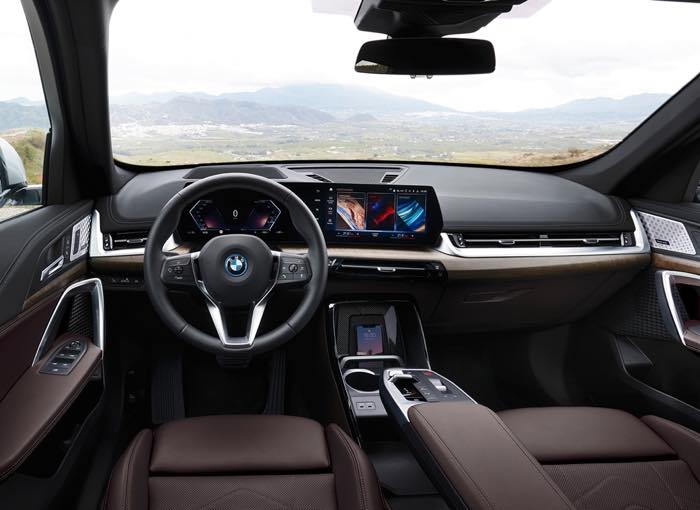
Engine performance and driving evaluation
The BMW X1’s powerful engine and sporty suspension settings give it a lively ride. Its excellent cornering performance also provides the driver with driving pleasure that never tires of the car.
Body size and ease of driving
The BMW X1 is classified as a compact SUV, but considering the road and parking conditions in Japan, it is a little large. However, its small turning radius makes it easy to maneuver, so even those who are not used to driving can drive it with confidence.
Low ratings in the used car market
The BMW X1 has a reputation for being expensive as a new car and prone to frequent breakdowns, so its price tends to fall even in the used car market. While this can be an attractive option for consumers, it also has the disadvantage of lowering the price when selling for a new car for owners.
Latest model and evolution of the BMW X1
X1
The BMW X1 underwent a full model change in 2022, evolving into its third generation. The latest model has a completely redesigned, more sophisticated and stylish exterior. The interior has also become more luxurious and comfortable.
Prices and specs of the latest models
The latest model of the BMW X1 is priced from around 5.4 million yen. Two engines are available: a gasoline engine and a diesel engine, each with multiple grades.
New features and technological advancements
The latest BMW X1 models are equipped with the latest driver assistance and infotainment systems, as well as a host of other convenience-enhancing features, including an electric parking brake and auto-hold function.
Initial user ratings and reviews
The latest model of the BMW X1 has been receiving high praise since its release, with users saying things like, “The design is even more refined,” “The driving performance has improved,” and “The interior has a higher quality feel.”
Evaluation of diesel engine models
The BMW X1 also has a diesel engine model in its lineup. Diesel engines are more fuel efficient than gasoline engines and offer more torque.
Highlights of fuel economy and driving performance
The BMW X1 diesel engine model achieves excellent fuel economy of 18.4km/L in WLTC mode. In addition, the powerful torque that only a diesel engine can provide allows for smooth acceleration when starting or overtaking.
Environmental performance updates
The BMW X1’s diesel engine complies with the latest exhaust gas regulations and offers excellent environmental performance. In addition, the inclusion of a urea SCR system significantly reduces nitrogen oxide (NOx) emissions.
Diesel engine maintenance costs and risks
Diesel engines are more expensive than gasoline engines, so vehicle prices tend to be higher. Regular maintenance costs can also be expensive. Furthermore, DPF (diesel particulate filter) replacements may be required, which can increase maintenance costs.
How to choose the model and grade of the BMW X1
The BMW X1 is available in multiple trim levels for both gasoline and diesel engine models.
New and used car options
New cars have the advantage of being equipped with the latest features and equipment and come with comprehensive warranties, while used cars have the advantage of being cheaper than new cars.
Features and benefits of each grade
The grades of the BMW X1 vary depending on the equipment and price. For example, the “xLine” is characterized by an urban and sophisticated design, while the “M Sport” is characterized by sporty interior and exterior and suspension.
Important points to consider when choosing a car model
When choosing a BMW X1 model and grade, it’s important to consider your lifestyle, budget, and other important factors. For example, if you prioritize fuel efficiency, we recommend a diesel engine model, or if you want a sporty ride, we recommend the “M Sport” grade.
summary
The BMW X1 is an attractive SUV with a sophisticated design and sporty driving performance , but it has not yet achieved explosive popularity in Japan due to factors such as its pricing, brand image, and size. It is also undeniable that compared to domestically produced SUVs, it is inferior in some areas, such as fuel economy, interior space, and dealer network.
However, the BMW X1 also has many unique features that Japanese SUVs don’t have, such as its sophisticated design, sporty driving performance, and advanced safety technology, which will surely appeal to many drivers.
If you are considering purchasing a BMW X1, it is important to fully understand these advantages and disadvantages and choose a car that suits your lifestyle and needs.
BMW X1 related articles