
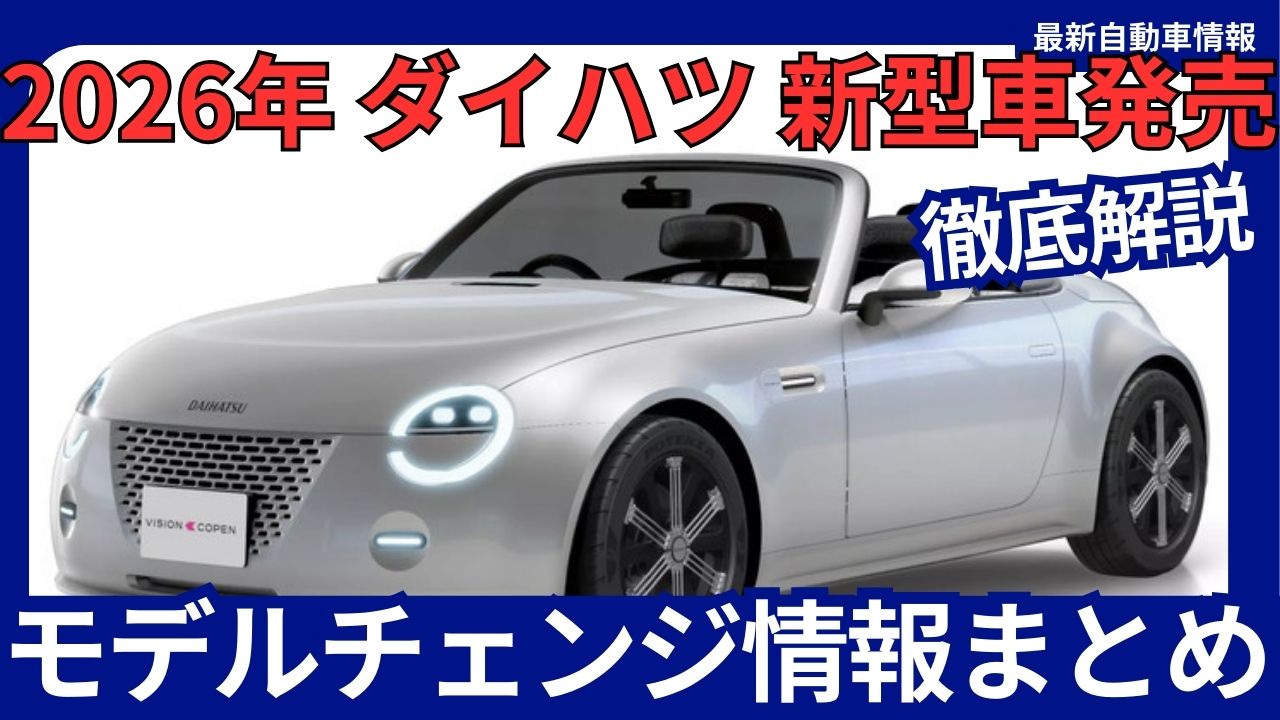
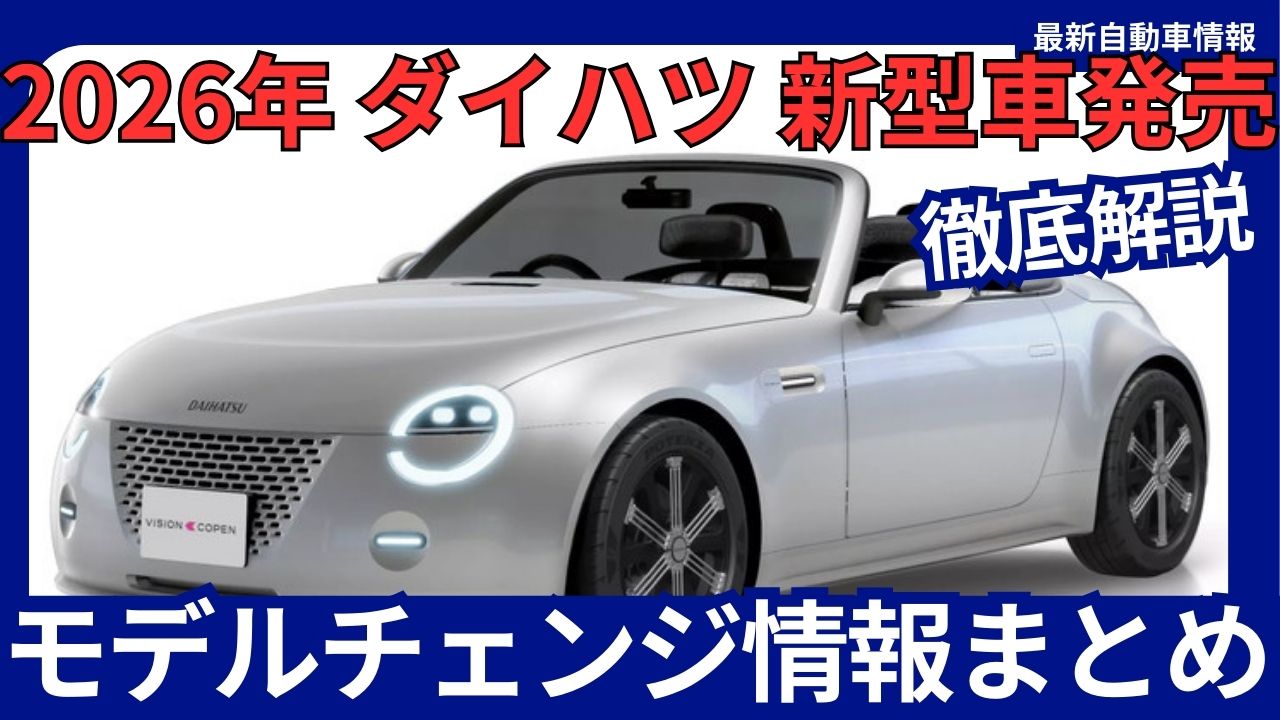
In 2026, full model changes are planned for the Tanto, Copen, Mira e:S, and other models. Furthermore, all vehicles are planned to be equipped with the Next Generation Smart Assist collision avoidance support package, which is a collection of advanced technologies and safety support systems. Daihatsu is working to improve quietness and ride comfort by adopting the newly developed platform “DNGA (Daihatsu New Global Architecture),” “Daihatsu Connect,” and “e-SMART HYBRID.”
Long-term vision and market needs: laying the groundwork for 2026
Daihatsu has been popular with many users for its pursuit of “affordable, people-friendly mobility” and its compact vehicles equipped with cutting-edge technology. In recent years, the company has been actively pursuing research and development to address electrification and provide a safer and more comfortable mobility experience. 2026 is a year in which new models and model changes based on this long-term vision are likely to take concrete shape.
Japan’s automobile market is being significantly affected by changes in social structure, such as a declining birthrate and aging population, population concentration in urban areas, and growing environmental awareness. In the light vehicle market in particular, in addition to economy and maneuverability, improved safety and comfort are required, and manufacturers are competing fiercely to meet these needs. In addition, with the rise in interest in outdoor leisure activities in recent years, the popularity of SUV-type light vehicles and compact cars has also increased, and Daihatsu cannot ignore this trend.
Analyzing past model change cycles, competitor trends, and the latest market trends is extremely important when predicting Daihatsu’s strategy for 2026. Daihatsu is a manufacturer that has always taken customer feedback seriously and demonstrated its commitment to providing new value that is in line with the times, so there are high expectations for its 2026 lineup.
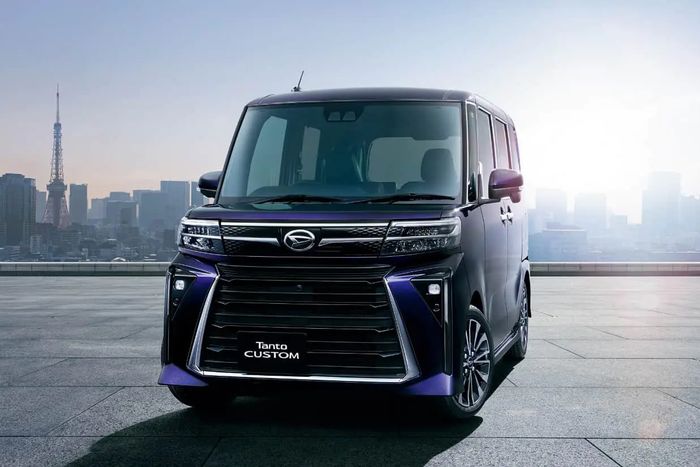
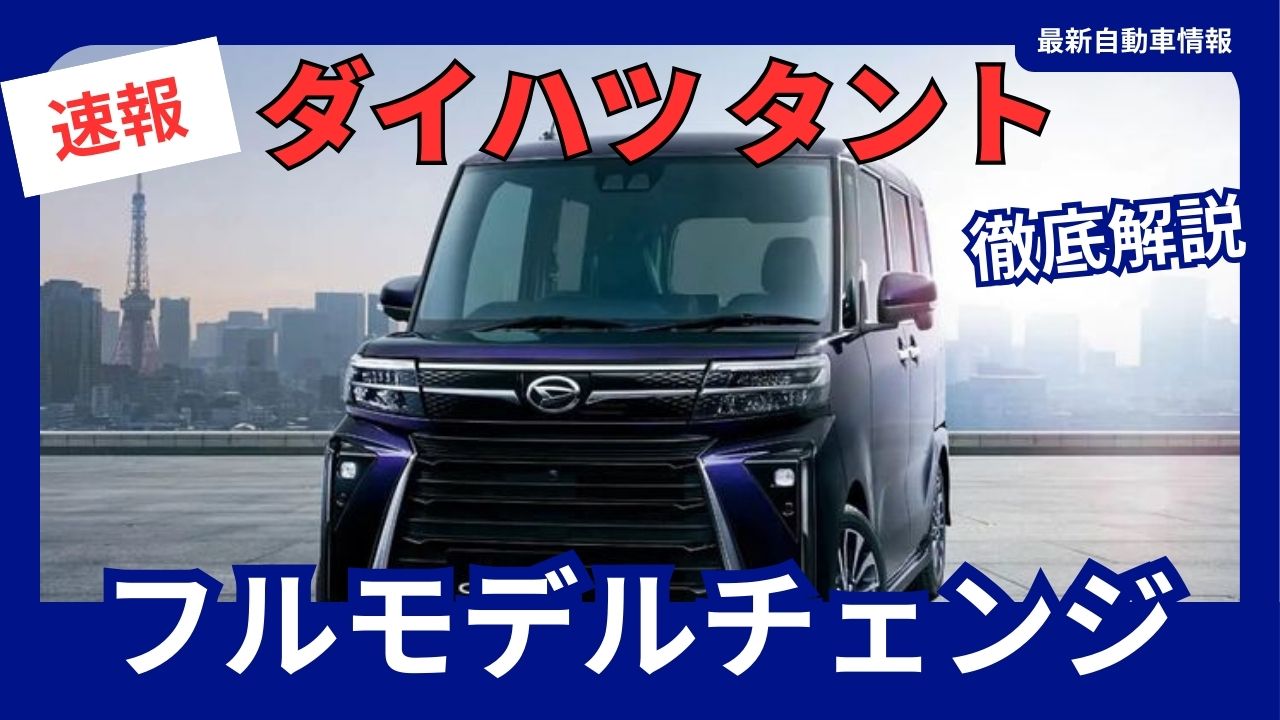
Daihatsu’s new Tanto undergoes a full model change, becoming the fifth-generation hybrid car, due for release in 2026.
Daihatsu is expected to fully redesign the Tanto and release it around December 2026. The current model has been on sale since July 9, 2019, and is already in its fifth year. Considering the previous model, a full model change is planned for the sixth year.
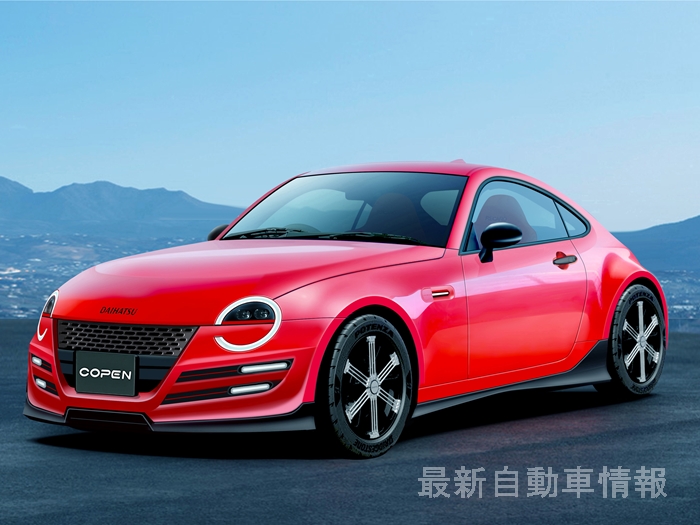
Daihatsu to fully redesign the new “Copen” 3rd generation to be released in 2026
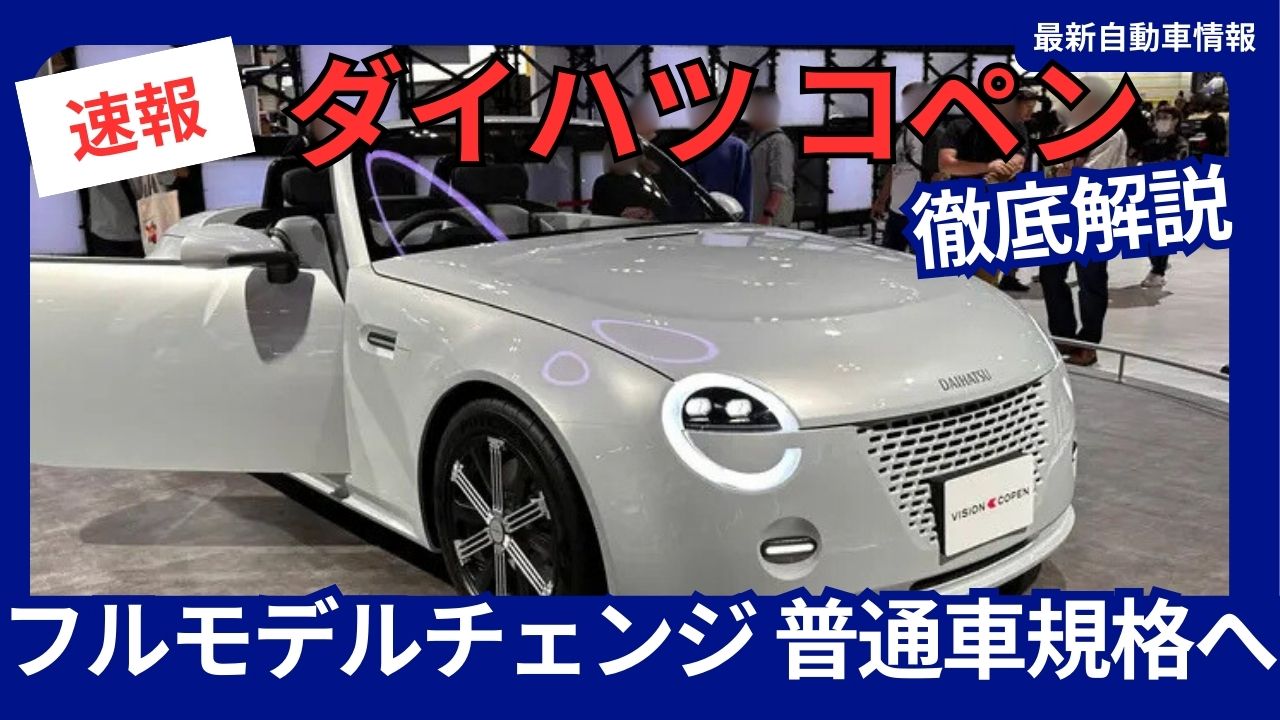
Daihatsu is planning to fully redesign the new Copen and release it around 2026. At the JAPAN MOBILITY SHOW 2023 , they exhibited the concept model of the next-generation Copen, the VISION COPEN .
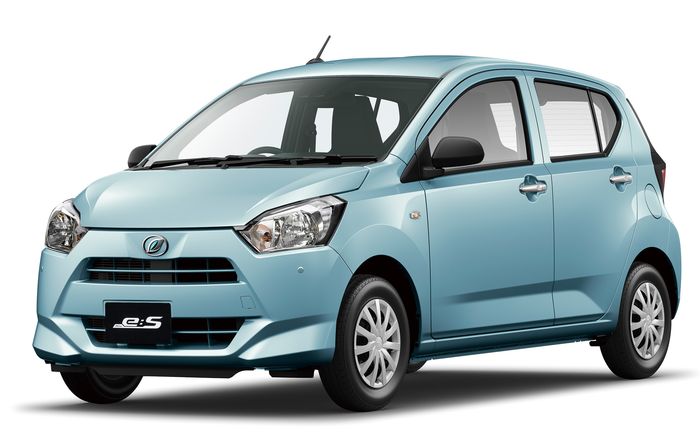
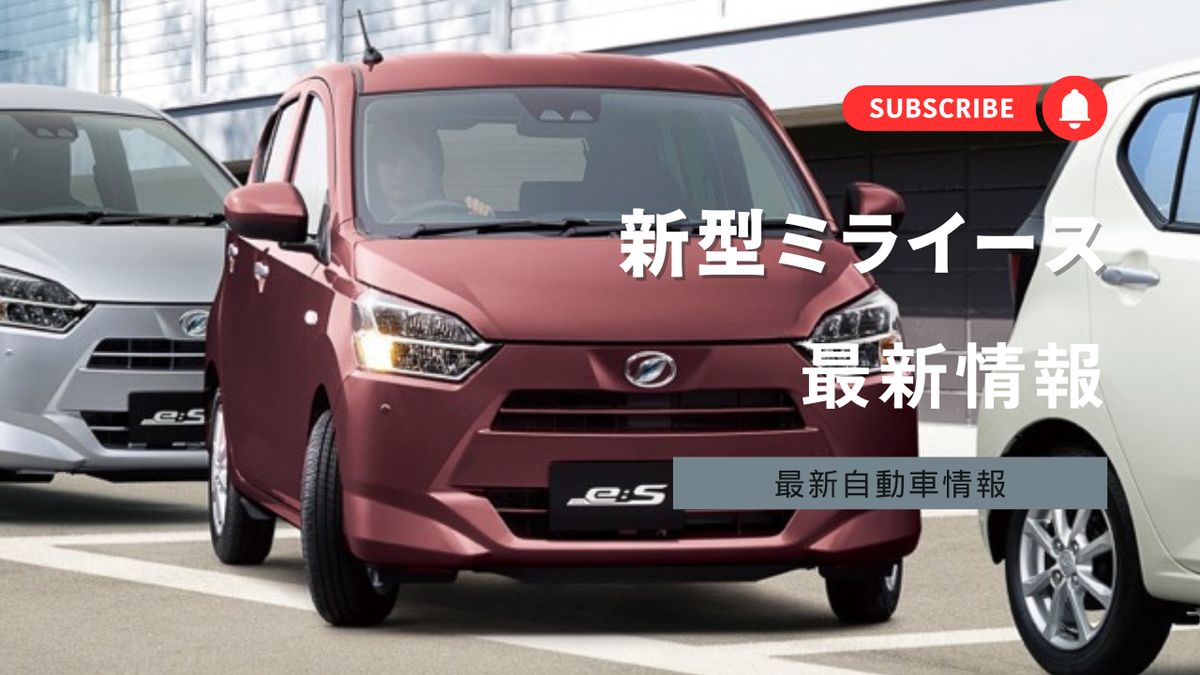
Daihatsu’s new Mira e:S full model change to be released in September 2026
Daihatsu will fully redesign the Mira e:S and release it in September 2024. The exterior design will be completely revamped while maintaining the same concept , and the interior will also be completely redesigned . The car will adopt the new DNGA platform , which prioritizes suspension arrangement and reduces the overall weight of the body structure by improving bending rigidity, utilizing high-tensile steel, and streamlining the structure .
*Based on the latest automobile information
This includes release date errors and predictions.
Other car models: hidden potential
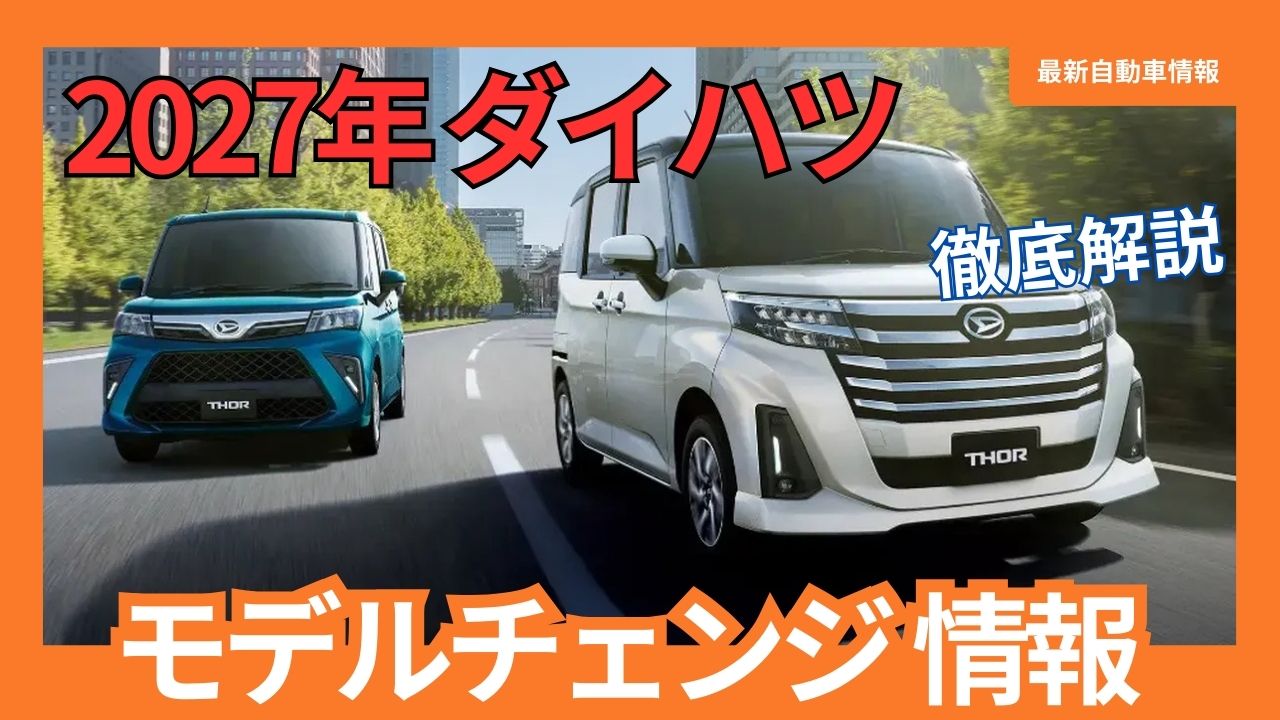
In addition to the above, Daihatsu has a lineup of various attractive models. For example, compact cars such as the Thor and Boon are popular for their ease of use and economy in urban areas. It is quite possible that these models will undergo some improvements or major updates in 2026.
Daihatsu also has extensive experience and a proven track record in the commercial vehicle field. Models such as the Hijet Truck and Hijet Cargo are used in many business situations, and in 2026 these models may also be improved with the aim of improving fuel efficiency, enhancing safety equipment, and further enhancing usability.
Daihatsu’s Technology Strategy for 2026
The new models and model changes that Daihatsu will announce in 2026 will likely reflect the technological capabilities the company has cultivated over the years and a new technology strategy that looks to the future. In particular, electrification, safety technology, and connected technology are key technologies for the future of the automotive industry, and Daihatsu is actively working in these areas.
Electrification initiatives
The global trend toward electrification is gradually gaining influence in Japan’s minicar market. Daihatsu is also expected to further develop its hybrid technology and accelerate the development of EVs that meet minicar standards, with a view to 2026. If a mini EV becomes a reality, its economical and environmental performance will make it an attractive option for many users.
Evolution of safety technology
Demands for safety performance are increasing year by year, and Daihatsu is also focusing on evolving its preventive safety technology, “Smart Assist.” Models to be released in 2026 are expected to be equipped with cameras and sensors with improved detection capabilities, as well as more advanced control systems, to provide more reliable support for the driver. Another important development theme will be improving collision safety performance to ensure the safety of passengers in the unlikely event of an accident.
Introducing connected technology
Connected technologies, such as smartphone connectivity and online information services, are becoming essential elements of modern automobiles. Daihatsu is likely to integrate these technologies into models it will release in 2026, aiming to provide users with a more convenient and comfortable car life.
Summary: Expectations for Daihatsu in 2026
Daihatsu is expected to bring new vitality to the Japanese automobile market through the launch of new models and model changes to popular models in 2026. Although specific information is still limited, considering Daihatsu’s history and market needs, there is a good chance that the company will introduce vehicles that actively incorporate modern elements such as electrification, safety technology, and connected technology, while still maintaining the foundations of economy and ease of use.
In particular, a model change for a popular car such as the Tanto, which has been popular for many years, will be of the utmost interest to many users. Also, if an EV that meets the light vehicle standard is announced, it will have a huge impact on the market.
Daihatsu’s movements in 2026 may provide important clues for understanding the direction of Japan’s automotive industry over the next few years. Let’s keep an eye on future information releases and wait with anticipation to see what kind of innovative and attractive vehicles Daihatsu will provide us with.
Daihatsu