

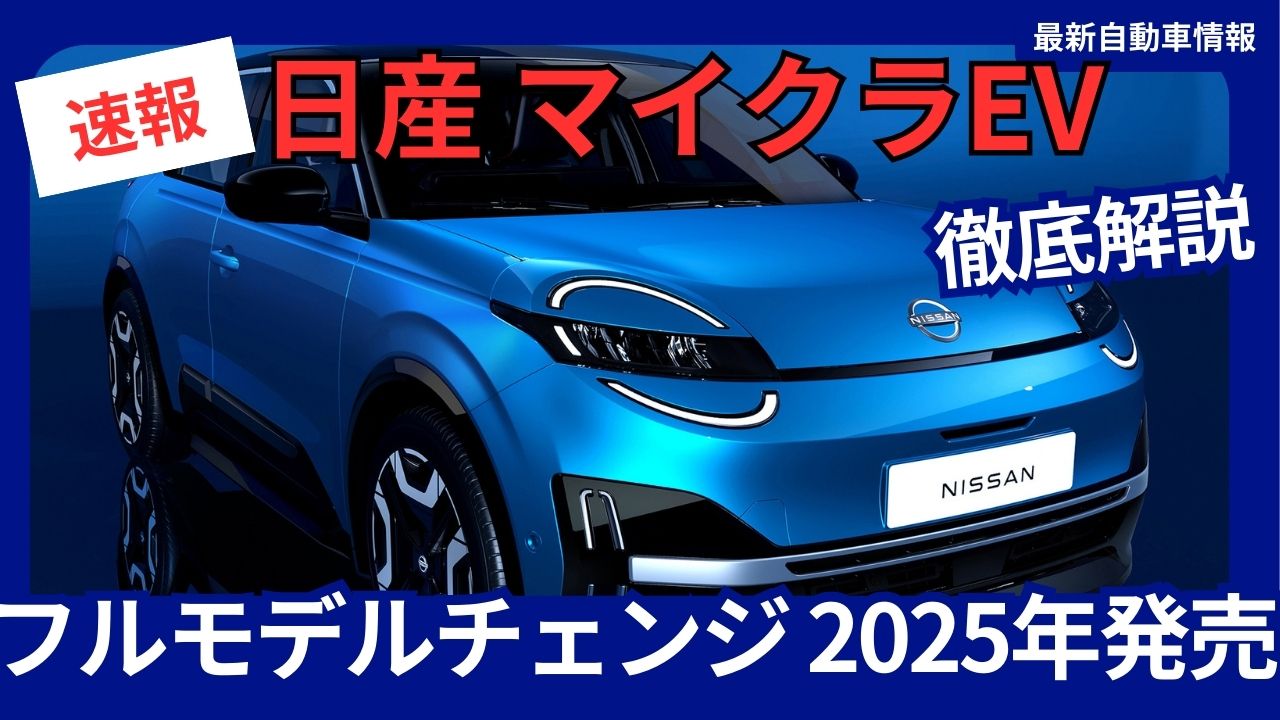
Nissan’s popular compact car, the Micra (known as the March in Japan), has been completely redesigned and reborn as a long-awaited new EV! It has been officially announced for the European market, and much attention is focused on its planned release date in 2025.
The new Micra EV is gradually coming into view in the two years since its first announcement in January 2022. Fans’ expectations are reaching a fever pitch with the announcement of its sister car, the new Renault 5, in February 2024, and details of the Micra EV itself on March 26, 2025.
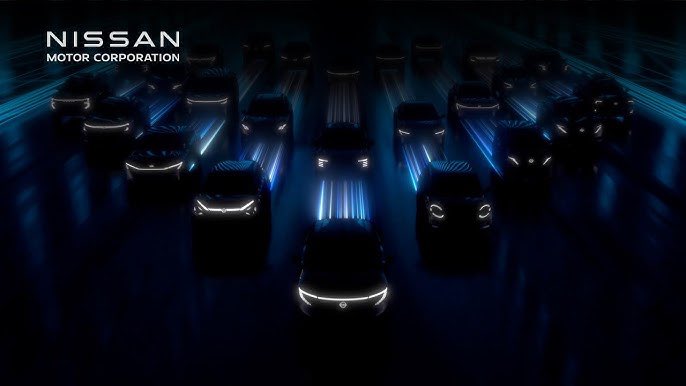
On March 25, 2024, Nissan announced its new business plan, “The Arc.” This plan outlines a policy to launch 30 new vehicle models over the next three years, and among the image silhouettes was a vehicle that appears to be the new Micra EV. Furthermore, on March 26, 2024, a new EV for the European market was revealed, along with more specific information, showing a design close to the mass-production model.
This article summarizes the information released so far and provides a thorough explanation of what is currently known about the new Nissan Micra EV, including its design, platform, specs, expected price, and market positioning. This will be a vehicle not to be missed by both Japanese March fans and European Micra fans.
Key Features of the New Nissan Micra EV (Successor to the March)
- Announcement and positioning:
- Nissan announced a new compact EV for the European market, succeeding the model known as the “March” in Japan.
- It is one of the key models in Nissan’s management plan “The Arc” (part of a plan to launch 30 models over three years).
- An initial announcement will be made in 2022, with detailed information and a design close to the production model being released in March 2024.
- The new Micra EV will be announced on March 26, 2025.
- Development team:
- A joint project of the Renault-Nissan-Mitsubishi Motors Alliance.
- The design was led by Nissan (European Design Center), while development and production were handled by Renault (Douai plant, France).
- It shares many elements with its sibling, the new Renault 5.
- Platform:
- It uses the Alliance’s “AmpR Small” platform (formerly known as CMF-BEV) for B-segment EVs.
- The car shares a common base with the Renault 5, contributing to cost reduction and efficient space design.
- Like the Renault 5, it may adopt a multi-link rear suspension (for improved ride comfort and handling).
- May be compatible with V2G (Vehicle-to-Grid) technology.
- design:
- It inherits design elements from the concept car “Nissan Concept 20-23.”
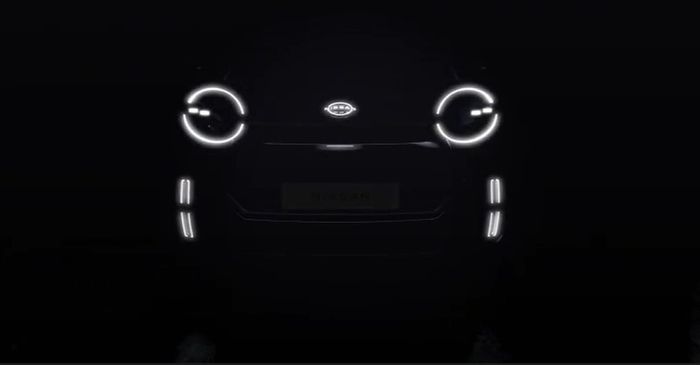
- It features distinctive round headlights and rear lights, reminiscent of the third-generation March (K12 model).
- Nissan’s design chief described it as “like a cute puppy,” comparing it to the Renault 5 (which looks like a bulldog).
- The design has a slightly larger bonnet than the Renault 5.
- 5-door hatchback style.
- Powertrain, battery and range:
- Two battery types are available: 40kWh and 52kWh.
- Vehicles equipped with a 52kWh battery have a range of up to 400km in WLTP mode.
- The maximum output has not been announced, but it is expected to be similar to the Renault 5 (120ps/150ps).
- Interior (expected):
- Like the Renault 5, it is likely to feature a digital cockpit with digital meters and a large center display.
- It is also expected to adopt a Google-powered infotainment system.
- Market launch and pricing:
- It is positioned as Nissan’s “entry-level” EV in the European market.
- The aim is to make EVs affordable, addressing the price issue that is a barrier to the widespread adoption of EVs.
- The specific price has not yet been decided, but the Renault 5 (starting from approximately 4.5 million yen) will be used as a reference.
- The European launch is expected in 2025.
- This is one of three new Nissan EV models that will be released in Europe by the end of 2026.
- Overall:
- It inherits the tradition and brand power of the March/Micra while being equipped with the latest EV technology.
- It will play a key role in Nissan’s European electrification strategy.
- It is expected to be an affordable, stylish and practical compact EV.
Nissan’s new compact EV, successor to the Micra
Co-developed with Renault: Efficiency and uniqueness. The new Micra EV will maximize the strengths of the Renault-Nissan-Mitsubishi Motors Alliance. Its development and production structure is based on a strategy that combines efficiency with brand individuality.
Pursuit of Nissan Identity: Although Renault will be responsible for development and production, Nissan emphasizes that the new Micra EV will have a distinctly “Nissan identity.” The design will be unique to Nissan, with a focus on expressing the Micra’s unique appeal while maintaining consistency with the rest of the Nissan lineup. The versatility of the five-door hatchback will also be maintained.
Platform Sharing: The new Micra EV is based on the Alliance-developed CMF-BEV platform for B-segment electric vehicles, later renamed the AmpR Small platform, which is fully shared with the previously announced new Renault 5. This sharing has significantly reduced development costs and timelines.
Division of roles: Nissan took the lead in design, with Nissan’s European Design Center in London playing a key role. Meanwhile, Alliance partner Renault will be responsible for vehicle development and production. Production will take place at Renault’s Electricity Centre (Douai plant), an EV production facility in northern France. This will allow each company to focus resources on their areas of expertise, with the aim of producing high-quality, competitive vehicles.
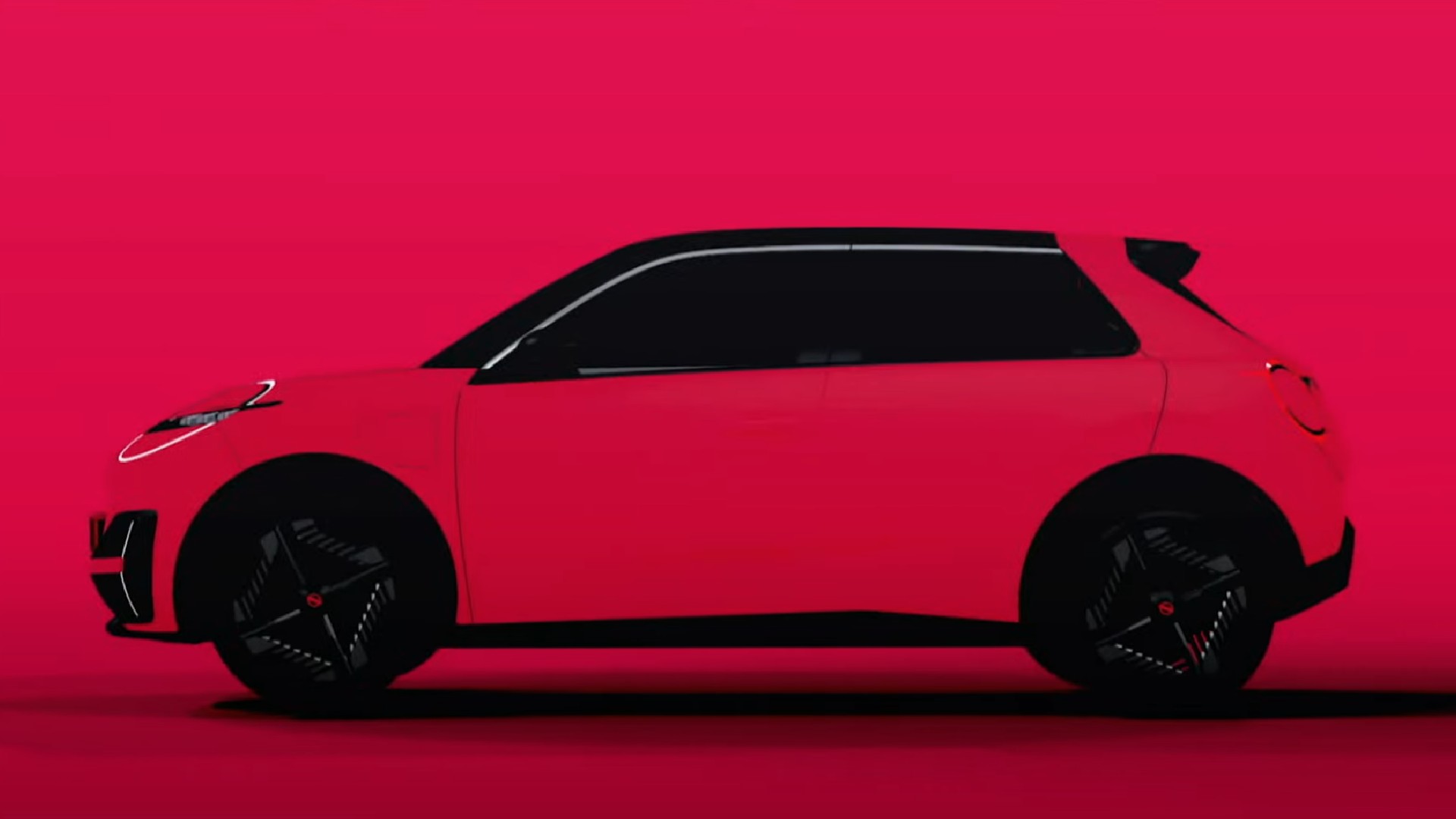
Nissan Micra
Recommended articles for the new “Micra”
Alliance Roadmap and its position in the “The Arc” plan
The new Micra EV also plays an important role in the Alliance’s “Alliance 2030” roadmap announced in 2022 and Nissan’s management plan “The Arc” announced in 2024.
- Alliance 2030: This roadmap sets a goal of launching 35 new EV models and increasing the common platform ratio for EVs to over 90% by 2030. The CMF-BEV (AmpR Small) platform is one of the core models, with the new Micra EV and Renault 5 being the pioneering models.
- The Arc: Nissan’s new management plan calls for the launch of 30 new vehicle models (16 of which will be electrified) over the next three years (2024-2026), aiming to increase global sales by 1 million units and raise the ratio of EVs and e-POWER vehicles to 40% (by the end of 2026). In the European market, the new Micra EV will be one of three new EV models to be launched by the end of 2026. It is positioned as an essential entry model in accelerating the company’s electrification strategy in Europe.

Design: The evolution of the concept car and a tribute to the K12 March
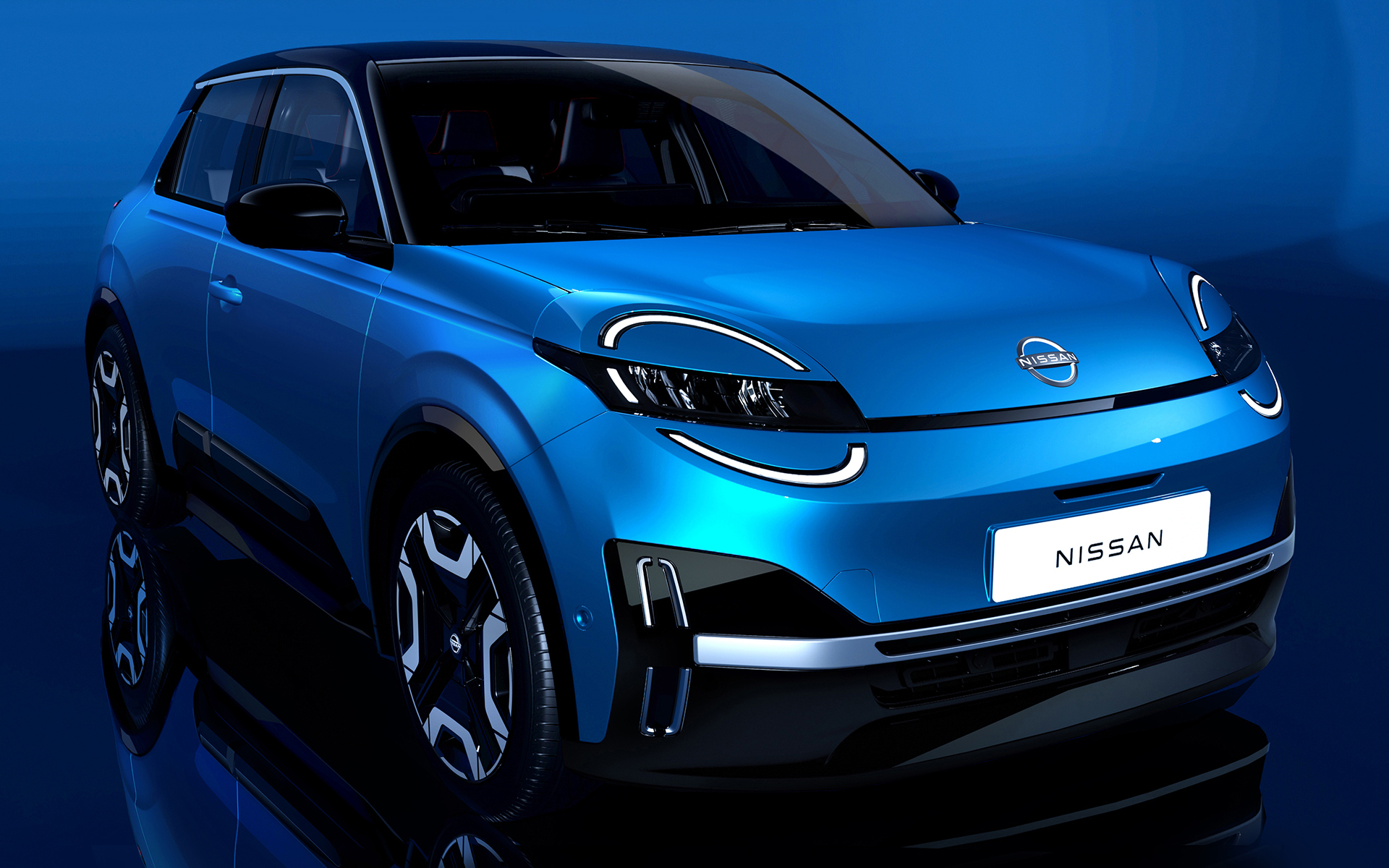
Micra EV
Evolution from the concept car “20-23”
Images released in March 2024 revealed that the design of the new Micra EV inherits many elements from the Nissan Concept 20-23 concept car unveiled in 2023. The concept car was created to commemorate the 20th anniversary of Nissan Design Europe (NDE) and was designed as a youthful, urban EV hatchback that could race through the streets of London. The production model retains the concept car’s advanced and playful spirit while elevating it to a more practical and sophisticated design.
Distinctive round lights and resemblance to the “K12 March”
One of the most striking design elements of the new Micra EV is the rounded light signatures on the front and rear. This is reminiscent of the third-generation March (K12 model) that was released in 2002 and was particularly popular in Japan. Nissan’s Global Design Director, Alfonso Albaisa, made some interesting comments about this design.
- Development history: According to Albaisa, the new Micra EV was developed in parallel with the Renault 5 from the beginning, and was a very close collaborative project. When the decision was made to collaborate with Renault, NDE was already considering “round headlights” as a concept for the new vehicle, which coincidentally suited the project well.
- Comparison with the Renault 5: Albaisa describes the difference in the design characters of the two cars as follows: “(The Micra) has round, puppy-like headlights, and we aimed for something cuter. On the other hand, the Renault car has a bit of a bulldog feel to it.” “What I like about the Micra is that it has cute aspects, but also a large body, shoulders, and tires. The Micra’s hood is larger (than the Renault 5).”
- Design Challenge: While the Renault 5 follows the design of the original Renault 5 and has a slightly sloping bonnet, the Micra didn’t have that wedge shape, so the new Micra EV’s bonnet had to be relatively high and large. Albaisa also spoke of the engineering challenges, saying, “The front of the vehicle is packed with safety features, so modifying this was like crossing a minefield.”
The familiar design elements reminiscent of the K12 model are expected to appeal to long-time March/Micra fans, while also offering fresh appeal to a new generation of users.
Platform and Technology: Adoption of AmpR Small
From CMF-BEV to AmpR Small
The platform used by the new Micra EV and Renault 5 was originally called “CMF-BEV,” but with the establishment of Renault Group’s EV and software development division, “Ampére,” the name was changed to “AmpR Small.” This is based on the Alliance’s B-segment platform, “CMF-B,” and is optimized specifically for EVs.
- Key Features:
- Cost reduction: Sharing many components with the CMF-B platform has resulted in significant cost reductions compared to conventional EV-specific platforms, helping to keep vehicle prices at an affordable level.
- Space efficiency: By efficiently placing the battery under the floor, a spacious interior and luggage space are ensured despite the compact body size.
- Driving Performance: The Renault 5 has been announced to feature a multi-link rear suspension, which is rare for this class. This is expected to provide excellent ride comfort and handling performance. The new Micra EV is likely to benefit from the same.
- Lightweight: The latest design technology has also enabled the weight reduction of the platform itself.
Support for V2G (Vehicle-to-Grid)
It has been stated that the Renault 5 will be compatible with V2G (Vehicle-to-Grid) technology in the future. This is a technology that supplies (sells) electricity stored in the EV to the power grid. Since the AmpR Small platform supports this function, it is possible that the new Micra EV will also be equipped with a similar function. V2G is attracting attention as a technology that contributes to stabilizing renewable energy and reducing electricity costs, and if it becomes a reality, it will further increase the added value of EVs.
Powertrain, battery and range
Battery options and range
According to Nissan, the new Micra EV will be available with two different battery capacities.
- 40kWh battery: Expected to be installed in the entry-level model. The range has not been announced, but it is thought to have sufficient performance for use in urban areas.
- 52kWh battery: This battery is installed in the higher grades and is said to achieve a maximum driving range of over 400km in WLTP mode. This ensures practicality that can be used not only for everyday use but also for long weekend trips.
This dual-battery strategy allows users to choose the model that best suits their lifestyle and budget.
Maximum power and performance
Nissan has not yet officially announced the maximum output of the new Micra EV. However, the specifications of its sister car, the Renault 5, provide a good reference. The Renault 5 has the following motor outputs depending on the battery and grade:
- 90kW (approx. 120ps)
- 110kW (approximately 150ps)
It is highly likely that the new Micra EV will be equipped with a motor with similar performance. With a compact body and ample power, we can expect a brisk and nimble ride.
Charging function: Features seen in the Renault 5
The Renault 5 is equipped with a unique charging indicator on top of the hood. This is based on the air intake of the first-generation Renault 5 and visually indicates the charging status. It also adds a playful touch by displaying the number “5” on the LED display when the battery is fully charged. It is unclear whether the new Micra EV will have a similar feature, but as the two cars share a platform, there may be commonalities in the charging technology and interface.
Interior and advanced features (inferred from Renault 5)
There is still little official information about the interior of the new Micra EV, but we can make some guesses about its appearance from the interior of the Renault 5, with which it shares a platform and much of its technology.
- Digital Cockpit: The Renault 5 features a dual-screen digital cockpit that combines a meter display directly in front of the driver with a large infotainment display in the center console. The new Micra EV is likely to feature a similar advanced interface.
- Google-powered infotainment: The Renault 5’s infotainment system is based on Google Automotive Services (GAS), and includes Google Maps, Google Assistant, and the Google Play Store. This provides an intuitive, highly functional smartphone-like operating experience. Nissan is also focusing on connected services, so it’s likely that the car will feature a similar system or its own connected system.
- Design and Texture: The interior of the Renault 5 features a pop, modern design and makes use of recycled materials. The new Micra EV is also expected to offer a functional, high-quality interior space that is characteristic of Nissan, while maintaining a sense of unity with the exterior design.
With these features, the new Micra EV will not just be a means of transportation, but a space that offers a comfortable and enjoyable digital experience.
Market positioning, price, and release date
Role in the European market: Affordable entry-level EV model
The new Micra EV will play an important role as the entry model in Nissan’s EV lineup in the European market. François Bailly, Nissan’s European Product Manager, said the following about the new Micra EV:
“It’s not just about mobility, it’s about emotion, because Micra has a very strong brand in Europe.”
Furthermore, he pointed out that high prices are a challenge to the current spread of EVs, saying, “Currently, the price issue is preventing the spread of EVs. The balance between vehicle prices and household income is moving in an unfavorable direction. We need to get back to a situation where people can purchase EVs. That’s where the Micra comes in,” clearly indicating his intention to aim for affordable pricing.
Expected price range
While Bailly declined to state a specific target price, he emphasized that it would be “entry level.” For reference, the planned price of its sister car, the Renault 5, in the UK is said to start at around 23,000 pounds (approximately 4.5 million yen). The new Micra EV may be priced in a similar range, or strategically more competitively. Taking into account subsidies and other factors, it is expected to be priced in a range that makes it realistic for people to consider switching from a gasoline-powered vehicle.
Release date
Considering the initial announcement (2022) and the release of the Renault 5 (2024), it is highly likely that the new Micra EV will be released in the European market sometime in 2025. The announcement in March 2024 also stated that it was “scheduled for release within the year,” but this could mean within a year of the announcement (March 2024), in other words, by early 2025. In any case, more detailed specifications, pricing, and an official release date will likely be announced in the not-too-distant future.
About the base “Renault 5”
Renault officially unveiled the new supermini EV model “RENAULT 5,” the successor to the “5,” on February 26, 2024. One eye-catching feature of the exterior of the new Renault “RENAULT 5” is the charging indicator located on top of the hood. This features an innovative design inspired by the distinctive intake of the original Renault 5. It also incorporates a playful touch: when the battery reaches full capacity, the LED display takes the shape of the number “5.”
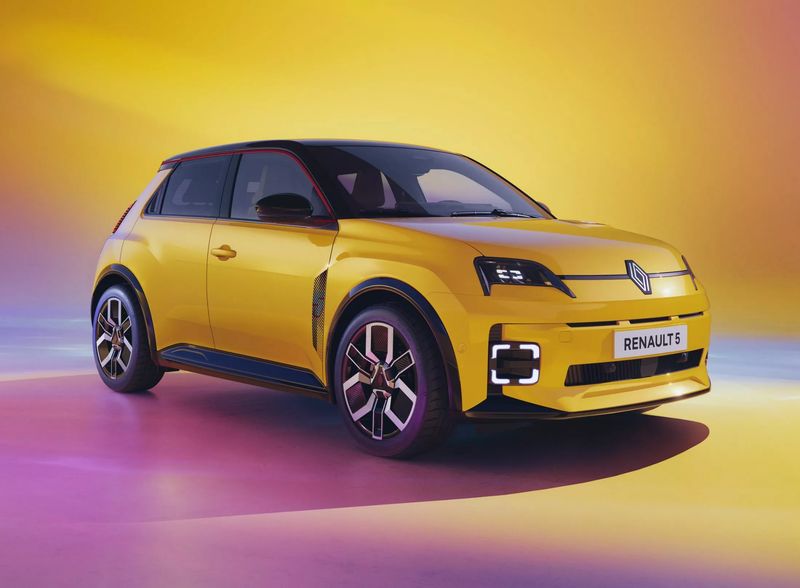
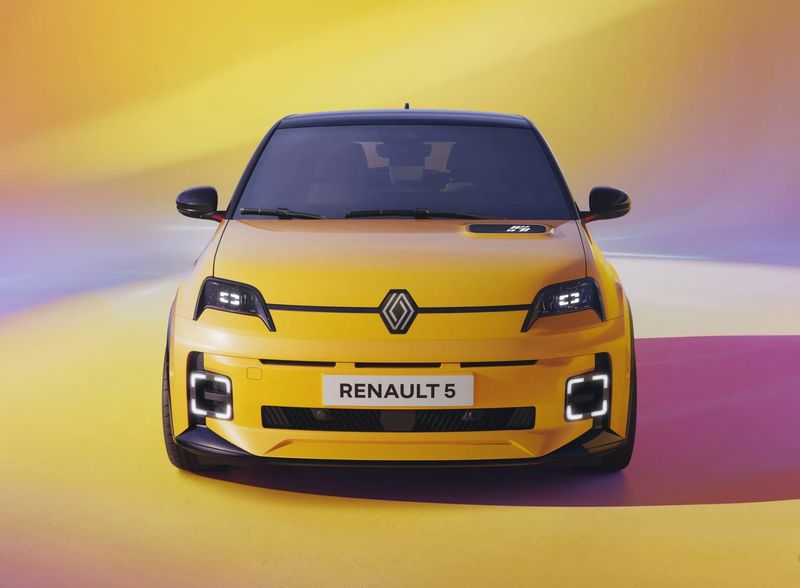
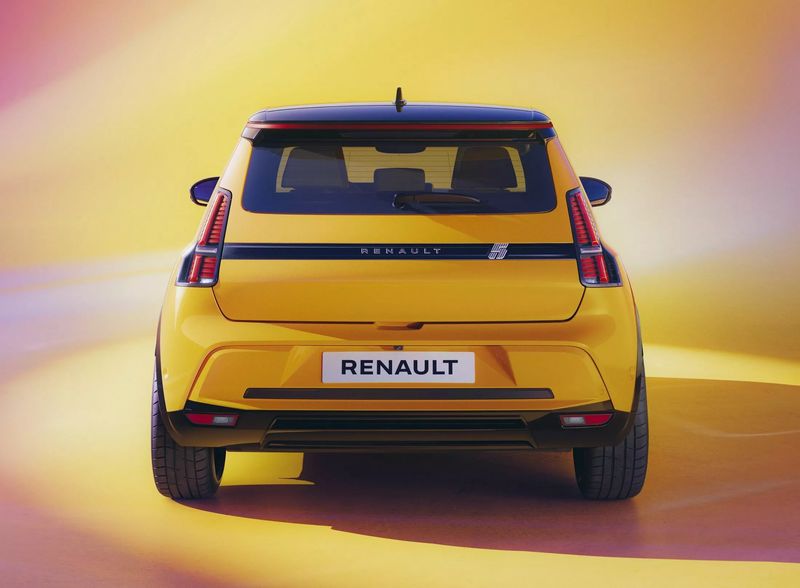
Renault 5 Electric
The most eye-catching feature is the dual-screen digital cockpit with a large Google infotainment display on the dashboard , which also features a multifunction steering wheel with a prominent start button.
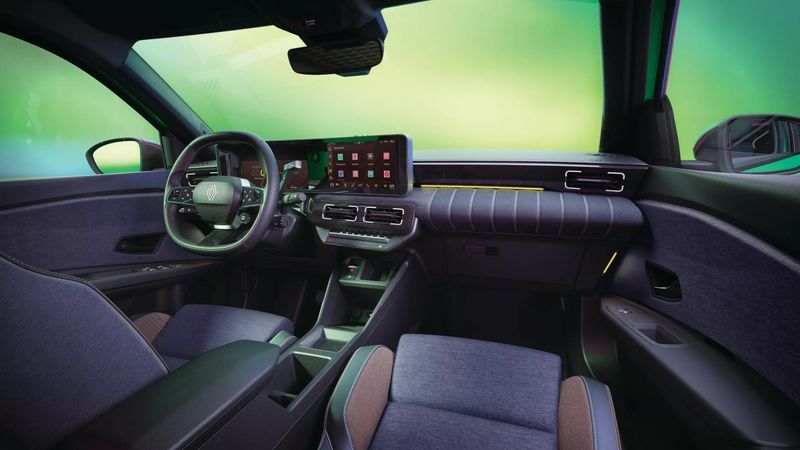
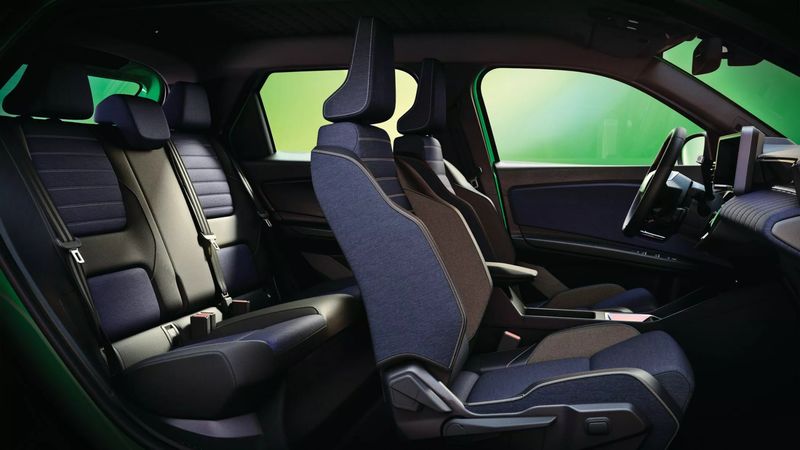
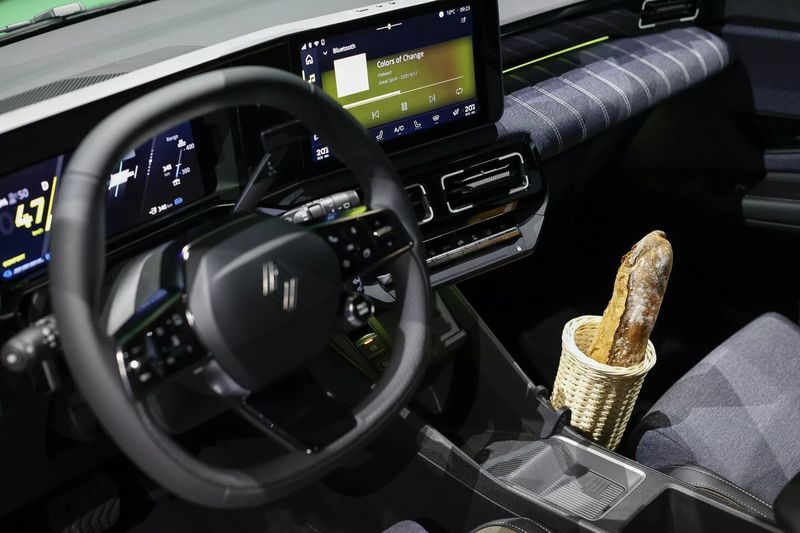
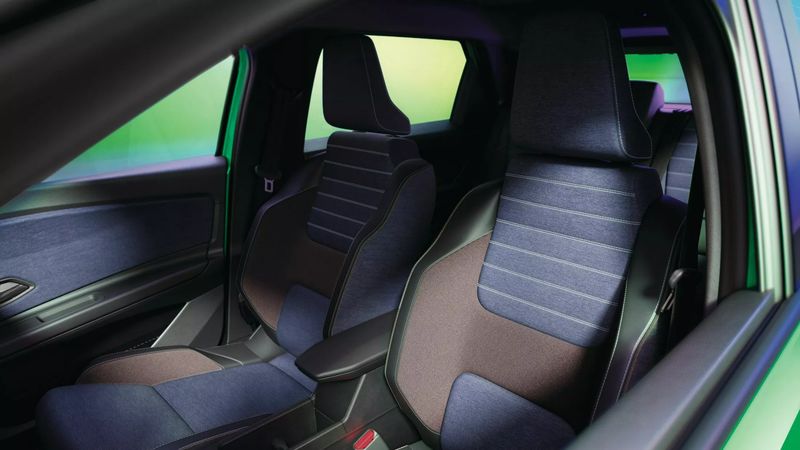
Renault 5 Electric
The car will be 3,920mm long and will use the new “AmpR Small platform” with a multi-link rear suspension, an electrified version of the CMF-B . Two battery pack options have been officially confirmed, offering capacities of 40kWh or 52kWh. The larger battery pack will be available immediately after launch, providing a WLTP range of up to 400km. In the future, the car will support V2G (Vehicle-to-Grid) technology, allowing owners to sell energy back to the power grid.
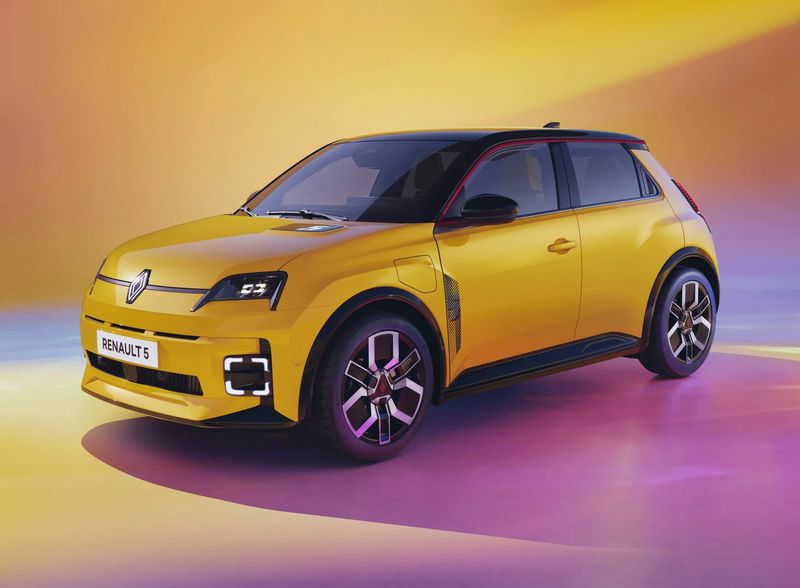
Summary: A new-generation compact EV that inherits the tradition of the March
The new Nissan Micra EV is an ambitious model from Nissan that inherits the tradition of the model once known as the “March” in the Japanese market, while being reborn as an EV.
- Strong partnership with Renault: Sharing the AmpR Small platform with the Renault 5, creating an efficient development and production system.
- Nissan-like design: Features such as round headlights reminiscent of the K12 March combine familiarity with modernity.
- Practical EV performance: Available with 40kWh/52kWh batteries, achieving a maximum driving range of over 400km.
- Affordable pricing strategy: Pursuing affordability, which is key to the widespread adoption of EVs, we aim to lead the entry-level EV market.
Hopes are high for the car’s success in the European market, as well as its future introduction to the Japanese market (although there has been no official announcement regarding its introduction in Japan at this time). As an important vehicle driving Nissan’s electrification strategy, “The Arc,” and as a new chapter in the beloved “March/Micra” series, we can’t wait for the official debut of the new Micra EV. Let’s keep an eye out for further updates.
Recommended articles for the new “Micra”
Related articles for the business plan “The Arc”
- Nissan Motor Co., Ltd. announces “The Arc” business plan, launching 30 new models over the next three years, toward realizing its long-term vision, “Nissan Ambition 2030.”
- What will happen to the Japanese model? Nissan’s new “Kicks” will undergo a full model change and adopt the latest “e-POWER” system, possibly to be released in 2025
- 2025 Infiniti QX80: A New Generation Model with 300% Increase in Torsional Rigidity, 3.5L Twin-Turbo, and ProPilot 2.1
- Nissan to fully redesign the new Skyline, the 14th-generation V38 electric vehicle (BEV), the fastest model ever, to be released in 2025
- Nissan’s new “Leaf” will undergo a full model change to become a third-generation crossover, to be released in October 2024
Nissan