

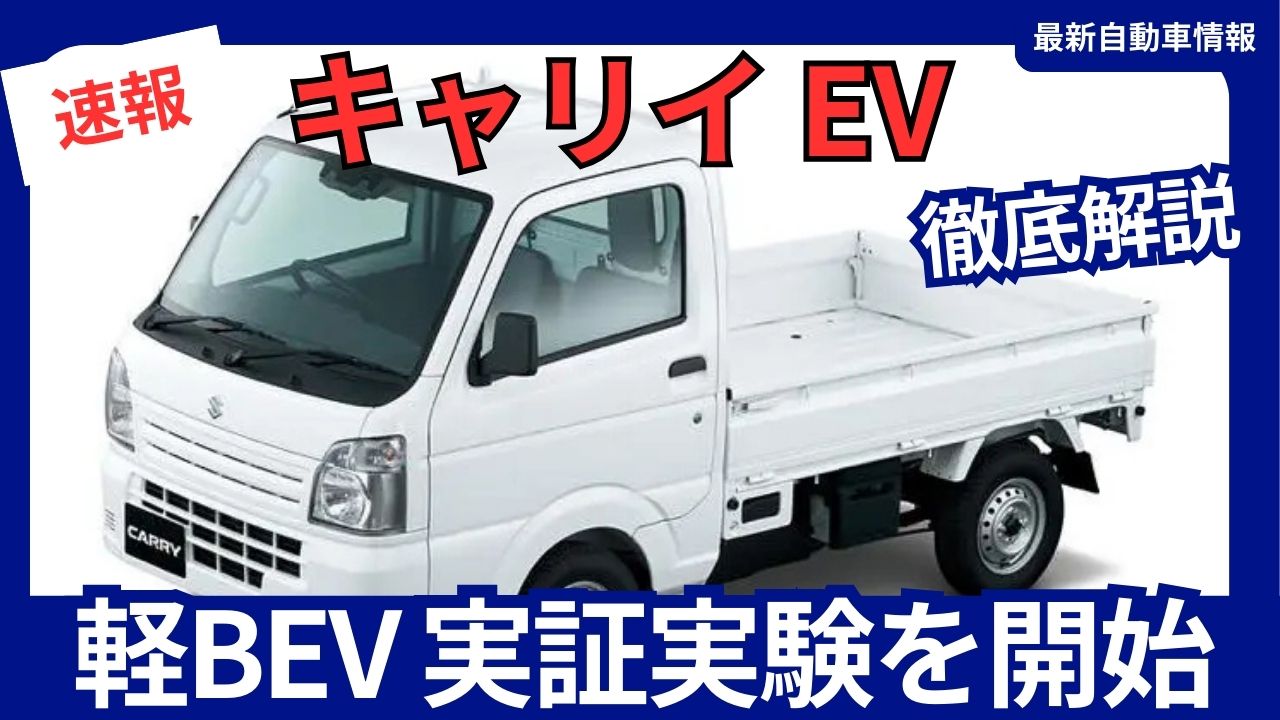
Suzuki Motor Corporation is taking an important step toward electrifying light trucks, which are essential to Japanese life and industry. The company announced that it will develop an electric vehicle (BEV) based on its flagship light truck, the Carry, and begin field testing in actual agricultural fields during fiscal year 2025. This initiative has the potential to contribute to achieving carbon neutrality and enhance the sustainability of local communities.
Overview of the demonstration experiment of the light truck EV “Carry BEV”
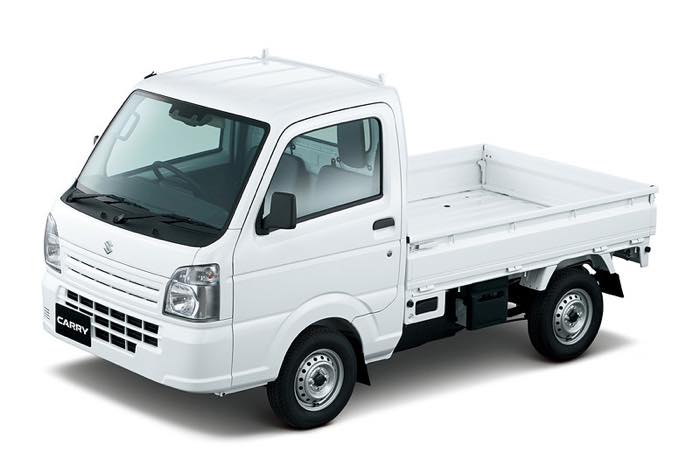
Carry KC
- the purpose:
- Verification of the practicality and convenience (ease of use) of BEV light trucks in agricultural fields.
- Verification of effective use of solar energy using a V2H (Vehicle to Home) system.
- Through the above verification, we will understand the potential demand for BEV light trucks and consider an energy self-sufficiency (self-production and self-consumption) model that utilizes BEV batteries.
- Target vehicle: Carry-based BEV light truck
- Implementation period: Scheduled to begin in fiscal year 2025
- Implementation areas: Hamamatsu City, Shizuoka Prefecture; Kosai City, Shizuoka Prefecture; Toyokawa City, Aichi Prefecture; Aso District, Kumamoto Prefecture
- Target of cooperation: Agricultural users in the above areas (vehicles will be loaned for a certain period*1)
Consideration of the light truck EV “Carry BEV”: The significance of the demonstration experiment and future prospects
This demonstration experiment goes beyond simply evaluating the performance of a new vehicle; it also has multiple significance, including the following:
- Promoting decarbonization in the agricultural sector: Light trucks are essential “work vehicles” in Japan’s agriculture, especially in mountainous and hilly areas. Electrifying them will directly contribute to reducing CO2 emissions from the agricultural sector. Their quietness and low vibration may also lead to improvements in the working environment.
- Effective use of renewable energy and energy independence: An increasing number of farms are installing solar power generation systems on their large premises or on the roofs of their buildings. By combining a BEV light truck with a V2H system, clean electricity generated during the day can be stored in the vehicle and used at night for other purposes, making it possible to “produce and consume energy independently.” This not only reduces electricity costs, but also helps secure an emergency power source in the event of a disaster (BCP measure), contributing to strengthening regional resilience.
- Realizing a “battery-lean” electrification strategy: Suzuki aims to develop “battery-lean electric vehicles” that avoid excessive battery installation and maximize energy efficiency with optimal battery capacity according to the application. Vehicles that are primarily used within a local area, such as light trucks, are thought to be well suited to this concept. This demonstration experiment will provide a valuable opportunity to collect data to determine the optimal battery specifications and energy management for agricultural use.
- Uncovering new market needs: Having farmers actually use the vehicles clarifies the unique benefits of BEVs (quietness, torque characteristics, no refueling hassle, etc.) as well as the challenges they pose (driving range, charging time, durability, introduction costs, etc.). This feedback is essential for product development for future mass production and for accurately understanding potential market demand.
A word from the editorial department
Suzuki’s Carry BEV demonstration project demonstrates its willingness as a leading light vehicle manufacturer to contribute to solving social issues in Japan. By verifying the practicality of light trucks in agricultural settings, where they are most useful, and exploring their potential for integration with renewable energy, the company aims to demonstrate a concrete path toward realizing a sustainable society. Based on the results of the experiment, it is expected that the company will work with partner companies to advance the development of practical electric vehicles with minimal energy consumption.
Suzuki News Release