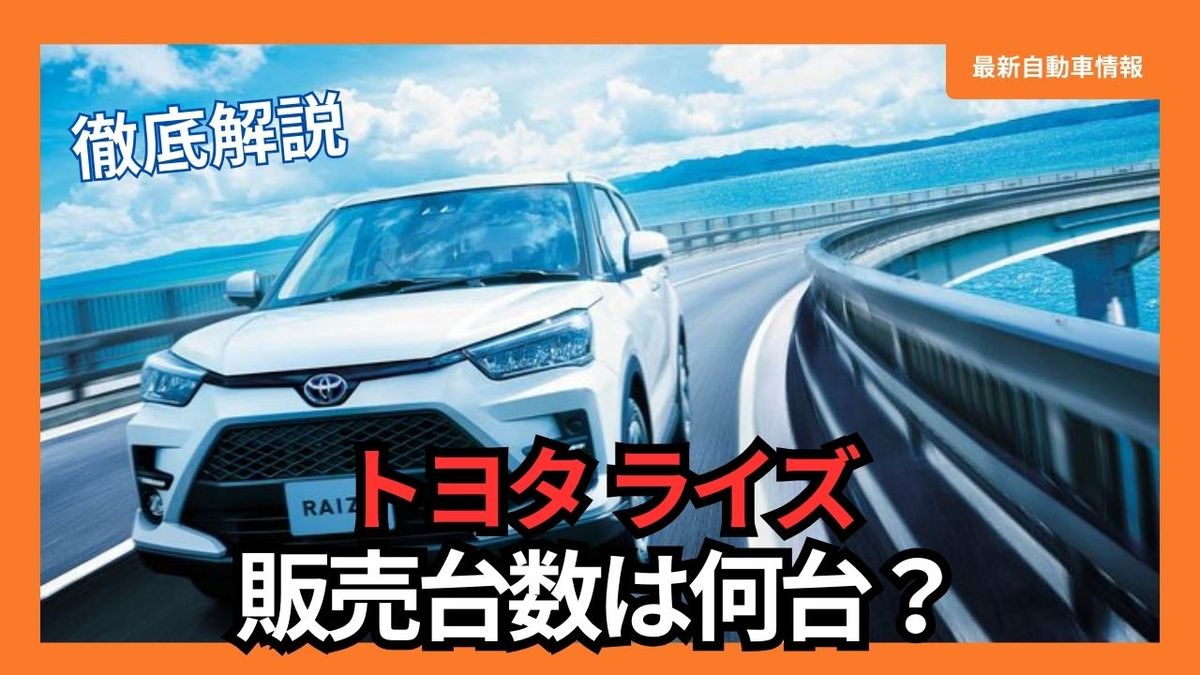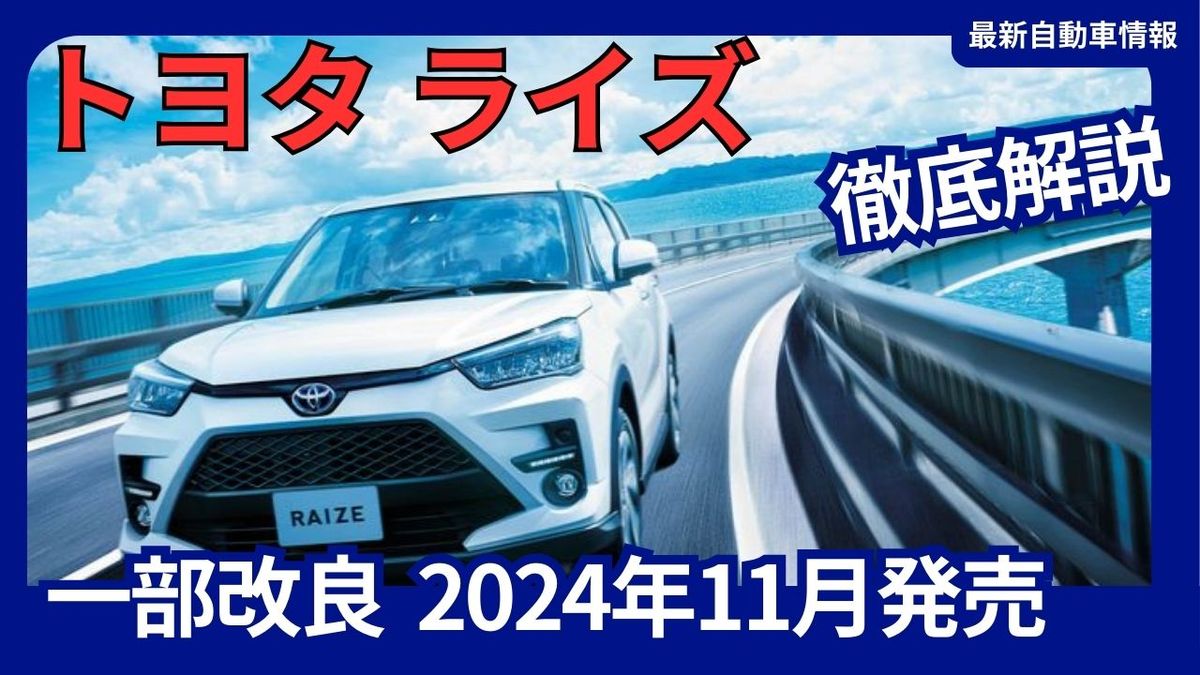

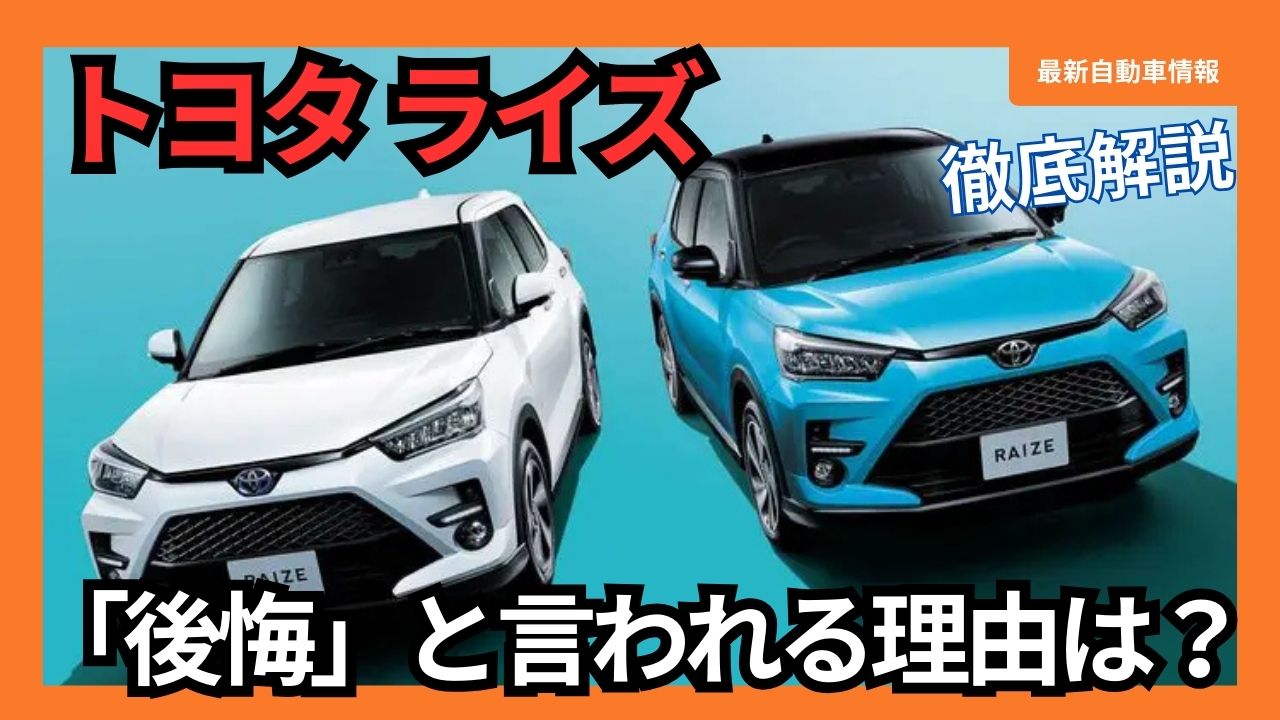
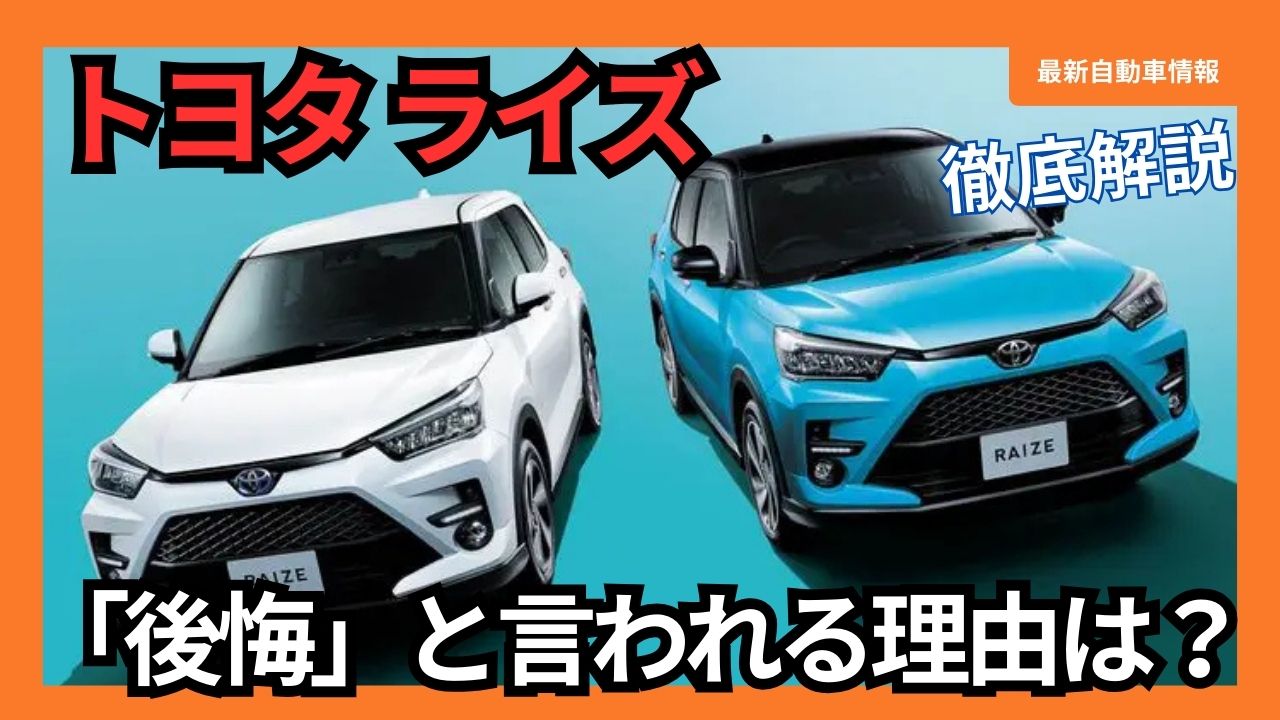
The Toyota Raize is a compact SUV with a 5-number size suitable for Japan’s road environment, and has been well-received by many users for its maneuverability and relatively affordable price. However, because it is such a popular model, there are also negative opinions online, such as “I regretted my purchase” and “It was a disappointment,” as well as voices of dissatisfaction after purchase. In this article, we explore the background behind these reviews, and provide important information to understand before considering purchasing the Raize, taking into account its current status.
First, we’ll provide the latest information on the status of the Raize hybrid vehicle (HEV). Due to the Daihatsu Motor Co., Ltd. certification fraud issue, production and shipments of the Raize Hybrid were halted in December 2023, and the type designation was revoked in February 2024. However, Daihatsu Motor Co., Ltd. subsequently proceeded with confirmation procedures regarding compliance with national standards, and resumed production of the Raize Hybrid on July 17, 2024, with shipments resuming the following day on July 18. With this resumption, hybrid vehicles, along with gasoline vehicles, can once again be purchased as new cars. This is an important point that has changed significantly from previous information.
Is the Toyota Raize’s reputation really “regrettable” and “no good”?
There are several reasons why opinions about the Rise are divided. Even if it is a popular model, some people may find some unexpected drawbacks.
A thorough explanation of Toyota Raize reviews and ratings
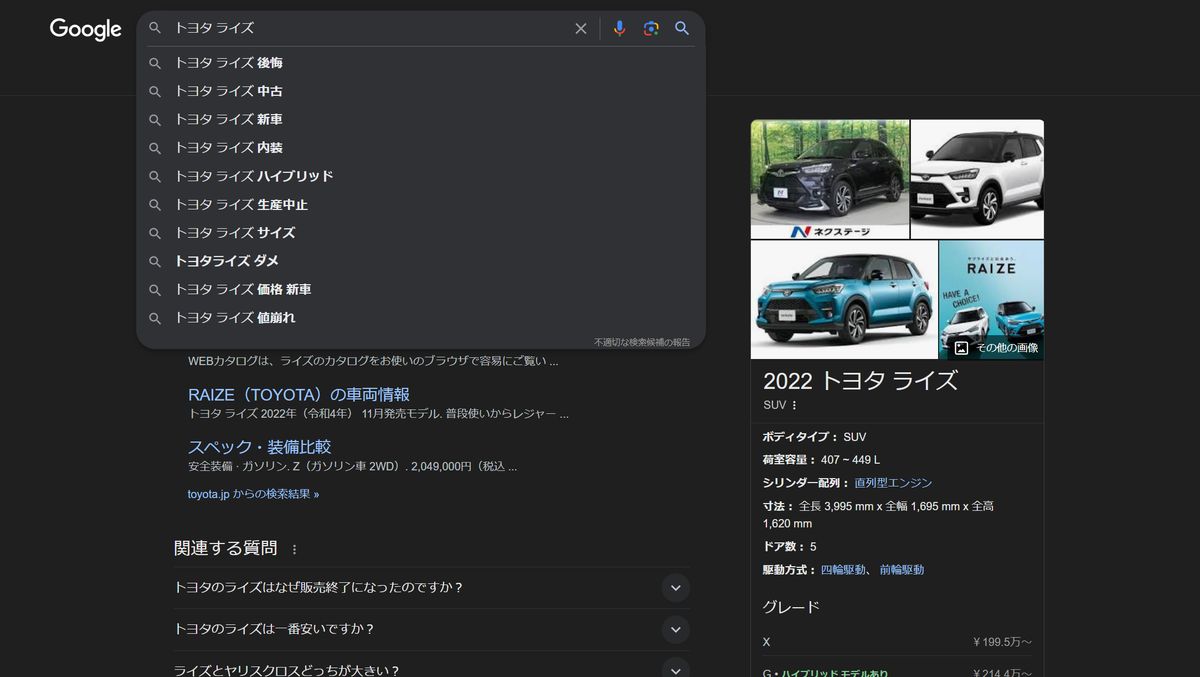
As of April 2025, search keywords such as “Toyota Raize regret” are still common, suggesting concerns and dissatisfaction with certain aspects. Past issues such as certification fraud and the revocation of the car’s type designation may also be influencing user ratings. Looking at social media, car review sites, and message boards, opinions about the Raize remain mixed. Listening to both positive and negative opinions and carefully examining the drawbacks before making a purchase is crucial to achieving a car life without regrets.
Car Sensor Toyota Raize reviews
Carview Toyota Raize Hybrid reviews
5 reasons why you might regret buying a Toyota Raize and how to deal with it
The Toyota Raize is a popular compact SUV, but there are also many people who regret their purchase. Here we will explain five common reasons for regret and how to deal with them.
- Poor fuel economy: There is a large discrepancy between the catalog fuel economy and the actual fuel economy, and fuel economy is particularly poor when driving around town, which makes many people feel that their gas bills are high.
- Countermeasures: Try to improve fuel efficiency by driving eco-friendly and choosing hybrid models.
- Unsatisfactory driving performance: Lack of power when starting and accelerating, and poor stability on the highway have been pointed out.
- Countermeasures: Choose a turbo or hybrid model, use your accelerator skill, and drive appropriately for the situation.
- Narrow rear seats: Legroom and headroom are limited, so you may feel cramped during long rides.
- Solution: Test drive the car before you buy and check the back seat space.
- Poor interior quality: Many people feel that the interior has a strong plastic feel and is cheap.
- Solution: Customize the interior to your liking with seat covers, interior panels, etc.
- High price: Some people may find it expensive considering the equipment included.
- Solution: Pick only the essentials and keep options to a minimum. It’s also worth considering a used car.
What are the regrets about the Toyota Raize?
Here are some things that people may regret after purchasing a Toyota Raize :
Dissatisfaction with fuel economy and engine performance
Although the Raize ‘s fuel economy is excellent according to its catalog specifications, it may not perform as expected in actual driving conditions. In particular, fuel economy may worsen if you drive mostly in urban areas or use the air conditioner frequently. Also, some users may find the engine performance to be sluggish, so it is important to check the actual performance through a test drive.
The fuel economy of the Raize is disappointing because there is a large discrepancy between the catalog fuel economy and the actual fuel economy. There are also complaints about the engine’s lack of power.
新旧愛車 乗り換え言うてもおかんが乗るからいつでも乗れるけど(笑)見た目はロッキーのが好きやけど、色と乗り心地は…RVRかなぁ。笑 pic.twitter.com/zUJxZYbhQi
— 🍌おさる🍌YZF-R3@ (@monkey_R3) September 2, 2023
Fuel efficiency: The gap between catalog values and actual fuel efficiency
Regarding fuel economy, many gasoline-powered vehicles report a discrepancy between their catalog fuel economy figures (20.7 km/L for 2WD models and 17.4 km/L for 4WD models in the WLTC mode) and their actual fuel economy. In particular, some reports suggest that actual fuel economy is only around 11 km/L when driving primarily in urban areas, which can lead to higher gasoline costs than expected. Meanwhile, hybrid vehicles boast excellent catalog fuel economy figures (28.0 km/L in the WLTC mode), but many report that their actual fuel economy is around 20 km/L, which can sometimes feel like a discrepancy between expectations and actual figures. One solution is to drive calmly and with fuel economy in mind, or in other words, practice eco-driving. While hybrid vehicles are attractive for their excellent fuel economy, it’s best not to expect too much and instead refer to actual fuel economy information.
Driving performance: Evaluation of power and stability
Next, some users complain about driving performance, saying it’s lacking. In particular, among gasoline-powered vehicles, 2WD models equipped with a 1.2-liter naturally aspirated engine deliver adequate performance in city driving, but may feel a little lacking in power. While 4WD models equipped with a 1.0-liter turbo engine are relatively powerful, there are still situations where you might want a little more power, such as when starting off, merging onto the highway, or accelerating to overtake. While hybrid vehicles are characterized by smooth, quiet acceleration thanks to their electric motor, some users prefer gasoline-powered turbo vehicles for their punch at high speeds. Some users also complain about stability at high speeds. Regarding this, it’s important to always test drive a vehicle before purchasing to ensure that the power and driving feel are suited to your driving style and the road environment you primarily drive on (e.g., whether you primarily drive in urban areas or on highways). We recommend test driving both gasoline and hybrid vehicles to compare them.
Rear seat space and comfort
The Toyota Raize functions as a compact SUV, but the rear seat space can feel cramped. Many users are dissatisfied with the rear seat comfort, especially when considering long drives or family use. It’s important to actually sit in the rear seats and check their comfort before purchasing. The rear seats of the Raize have limited legroom and headroom, and adults may find them cramped.
Dissatisfaction with the electric parking brake
There have been complaints about poor control of the electric parking brake, which is used in higher grade models. There was also a recall after the car was released, so it’s likely that this has been improved.
うーん、全車種とは😓ダイハツは、結構良い車を作ってはいましたが。😅
まぁ、去年ライズを買いましたが、買って4ヶ月後に、電動パーキングブレーキのリコールが出てしまいましたが😅 https://t.co/LzHARAqRE9— たび (@J7BK0CPBQu0sL) December 20, 2023
Interior quality: Is it worth the price? Is it cheap?
There have also been complaints about the interior quality. Perhaps to keep costs down, a lot of hard plastic materials are used around the instrument panel, and while whether you feel it’s worth the price or feels cheap varies from person to person, many users seem to rate it as the latter. The first thing to do is to check the actual car and determine whether the quality is acceptable to you. If you’re concerned about the quality, you can customize the space to your liking by installing commercially available seat covers or adding interior panels.
Concerns about reliability: History of the certification fraud issue and recall
Concerns about vehicle reliability and defects remain a key focus. Although production and shipments of hybrid vehicles have resumed following the revocation of their type approval, the history of past certification fraud may remain a cause for concern regarding vehicle reliability. Of course, compliance with national standards will be reconfirmed before production resumes. Additionally, recalls have been conducted in the past regarding electric parking brakes (notified in June 2023) and hybrid control computers (notified in November 2023). It’s important to understand these history and past recalls, not only when considering a used car, but even when purchasing a new one. If you have any concerns about reliability, be sure to discuss them with the dealer before purchasing.
Pricing: Value for money?
Opinions are also divided on pricing. New gasoline-powered vehicles cost between approximately 1.71 million and 2.3 million yen, while hybrid vehicles cost between approximately 2.16 million and 2.33 million yen (as of April 2025, depending on the grade). Some users feel that these prices are expensive compared to the equipment and performance included.
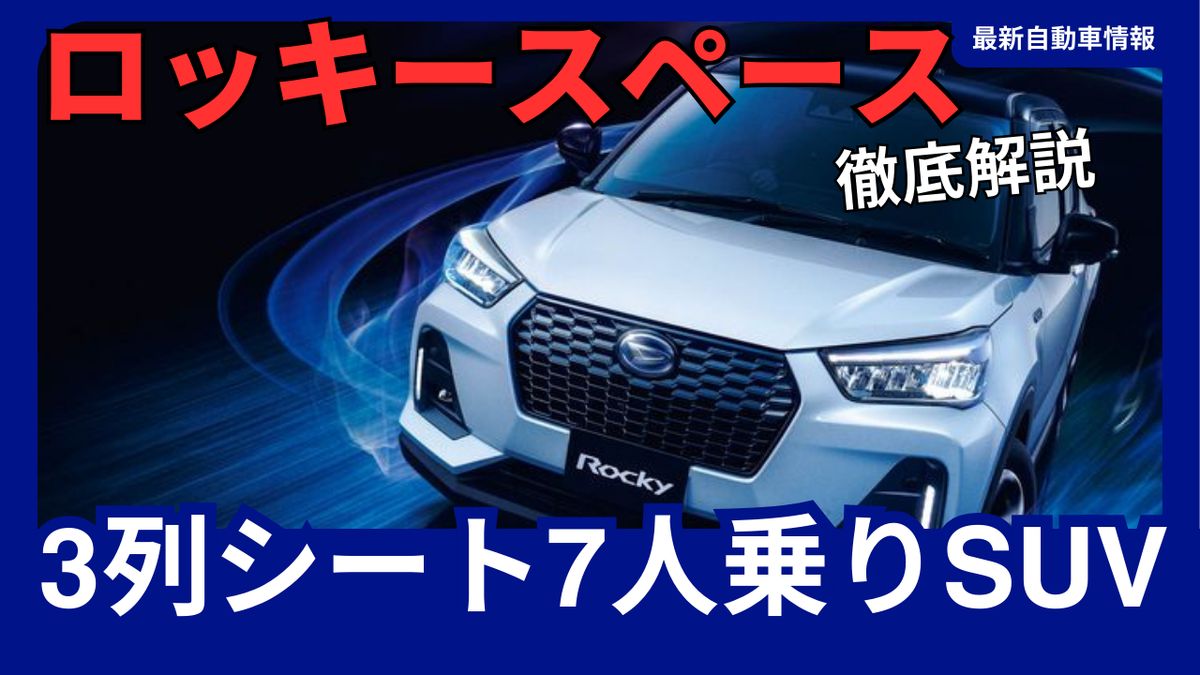
Price difference with its sister car, the Rocky (entry grade)
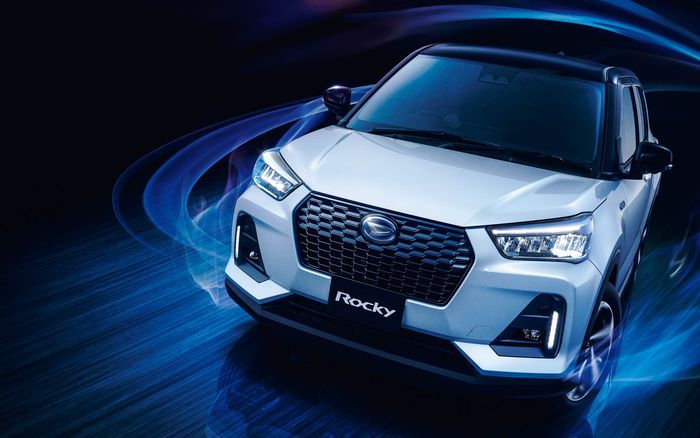
One thing to note here is the price difference between the Raize and its sister car, the Daihatsu Rocky. The Raize was jointly developed by Daihatsu and Toyota, and is produced by Daihatsu. It shares the same basic design, including the platform and engine, with slight differences in design and equipment, making it essentially the same vehicle. However, when comparing the entry-level model prices, the Rocky is priced at 1,677,000 yen (as of April 2025) compared to 1,717,000 yen for the Raize, making it approximately 40,000 yen more expensive. Considering there’s no difference in driving performance or fuel economy, the Rocky may be advantageous in terms of cost performance. However, this only applies to the entry-level model; higher-level models may be more expensive due to differences in equipment. For those looking to keep initial costs as low as possible and not particularly attached to the Toyota brand, this price difference could be a disadvantage to the Raize.
Hybrid vehicles do not have 4WD settings
The long-awaited hybrid vehicle was added to the Raize in November 2021, but it is only available in 2WD (front-wheel drive) and does not have a 4WD option. The gasoline-powered version is available in 4WD, making it an option for users who have the opportunity to drive on snowy or rough roads, but its fuel economy is inferior to that of the hybrid (the gasoline-powered 4WD has a WLTC mode fuel economy of 17.4 km/L). While the hybrid model has an excellent WLTC mode fuel economy of 28.0 km/L, the inability to combine this low fuel economy with the off-road capabilities of 4WD is a disappointment, especially for those living in snowy regions.
Display audio is not standard equipment
In recent years, Toyota vehicles have generally come standard with “Display Audio,” which can be linked to a smartphone for convenient navigation and music playback. It also comes standard in the Yaris, a compact car that is cheaper than the Raize. However, perhaps because the Raize is a model produced by Daihatsu, Display Audio is not standard equipment on all grades, but is an optional setting. If you assume that “it’s a Toyota vehicle, of course,” and purchase it without checking, you may regret it later, so be careful.
Is the Toyota Raize design ugly? What buyers say about it
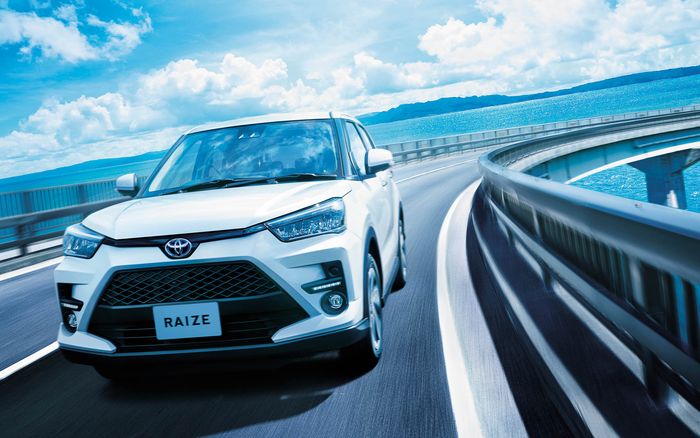
Toyota Raize
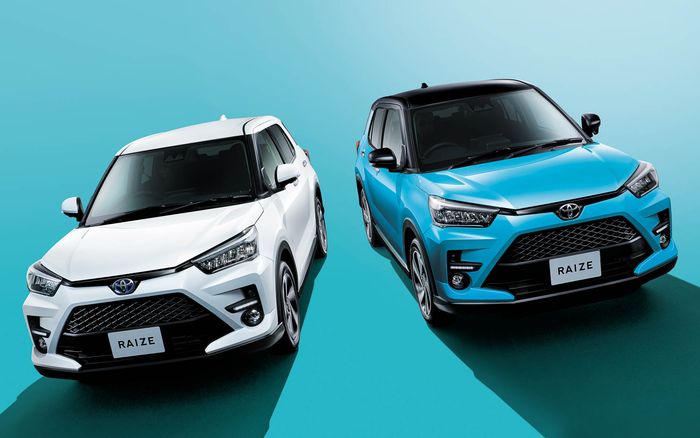
The design of the Raize expresses the strength of an SUV while also combining urban stylishness. However, there are also some who think it is “ugly.”
- Negative opinions:
- The front mask is too bulky
- Overall, it’s angular and unrefined.
- It has a strong personality compared to other compact SUVs.
- Positive comments:
- Unique and good
- You can feel the power of an SUV.
- Simple and timeless design
Since evaluating design is highly subjective, it is important to actually see it and make a judgment.
Controversy over the design
The Raize ‘s design expresses the strength of an SUV while also combining urban stylishness. However, the design has been met with mixed reviews, with some saying it’s “too bulky” and “unique compared to other compact SUVs.” On the other hand, there are also many positive comments, such as “it’s unique and good” and “I like its presence,” and opinions on the design are divided widely.
Dissatisfaction with the quality of the interior
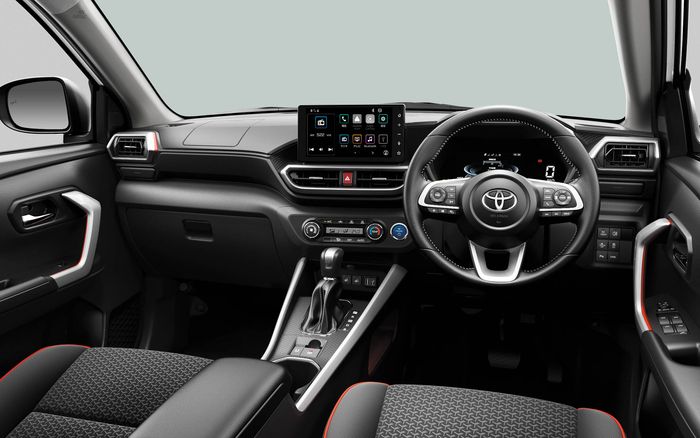
The interior of the Raize is simple and functional, but some people have complained that it feels “plasticky and cheap.” Many people feel that the materials and design around the instrument panel are particularly cheap. Some also say that the seat material and shape make it tiring to drive for long periods of time.
Complaints about driving performance
The Raize is equipped with a 1.0L turbo engine, which provides ample power for city driving. However, many people feel that it lacks power on the highway or on hills. Also, some people feel that the ride is uncomfortable because the suspension is set on the stiffer side. In particular, there are many complaints about the ride comfort in the back seats.
Complaints about fuel economy
| Specifications | New Raize Hybrid |
New Raize | |
|---|---|---|---|
| full length | 3,995mm | ||
| Overall width | 1,695mm | ||
| Overall height | 1,620mm | ||
| Wheelbase | 2,525mm | ||
| engine | 1.2L inline 3-cylinder engine + motor |
1.2L inline 3-cylinder engine |
1.0L inline 3-cylinder turbo engine |
| Maximum power | 60kW (82ps) / 5,600rpm |
64kW (87ps) / 6,000rpm |
72kW (98ps) / 6,000rpm |
| Maximum torque | 105Nm (10.7kgfm) / 3,200-5,200rpm |
113Nm (11.5kgfm) / 4,500rpm |
140Nm (14.3kgm) / 2,400-4,000rpm |
| Motor maximum output |
78kW (106ps) | – | – |
| Motor Max Torque |
170Nm (17.4kgm) | – | – |
transmission |
e-SMART HYBRID system |
CVT | CVT |
| Drive system | 2WD | 2WD | 4WD |
| Minimum turning radius | 4.9 to 5.0 m | ||
| Tire size | 195/60R17 | ||
| WLCT mode fuel economy | 28.0km/L | 20.7km/L (2WD) | 17.4km/L (4WD) |
| JC08 mode fuel economy | 34.8km/L | 23.6-24.6km/L (2WD) | 21.2km/L (4WD) |
The Raize is equipped with a 1.0L turbo engine and has a WLTC mode fuel efficiency of 17.4km/L, but its actual fuel economy appears to be around 11km/L.
ロッキーの1Lターボ乗ってるけど長距離走るなら燃費良いかも知れないけど近場は燃費悪いよ‼️
釣り具積むなら狭いし😅— ぶぅちゃん (@EP85ZhzSbMWwAKo) April 29, 2024
ロッキー、1.0ℓターボ4WD、予想外に高速燃費悪かった
所沢まで往復450キロ、無給油でイケると思ったらギリギリでアセりました。
燃料タンクも小さすぎるな
ハイブリッドは4WDないしね— 𝕚𝕔𝕙𝕚𝕣𝕠 𝕏 (@totemism100) February 24, 2024
The Raize Hybrid’s fuel economy is said to be 28.0km/L in WLTC mode. However, many people say that the actual fuel economy is around 20-18km/L, and some people are dissatisfied with the difference from the catalog fuel economy.
ですねー!
下道だとリッター25kmから23kmくらいで、高速だとリッター17kmくらいです。
タンク容量が36リットルなので、伸びて900kmくらいですかね〜
E-POWERで特にロッキーはモーターが弱いので、高速は110km巡航がギリギリ快適ではないくらいです…140km出すと燃費が鬼ほど悪くて悲しい😢— ザマ (@zama259) June 19, 2024
Complaints about the price
The Raize is priced relatively reasonably among compact SUVs, but some people say it’s too expensive considering the equipment and performance it offers. In particular, the price rises significantly when safety and comfort features are added, which seems to be a source of dissatisfaction.
| grade | engine | transmission |
Drive system |
Price (10%) |
|---|---|---|---|---|
| X | 1.2L inline 3-cylinder engine |
CVT | 2WD | 1,707,000 yen |
| G | 1,857,000 yen | |||
| Z | 2,039,000 yen | |||
| X | 1.0L inline 3-cylinder turbo engine |
CVT | 4WD | 1,984,800 yen |
| G | 2,133,700 yen | |||
| Z | 2,299,200 yen | |||
| G | 1.2L inline 3-cylinder engine + motor |
e-SMART HYBRID system |
2WD | 2,163,000 yen |
| Z | 2,328,000 yen |
Impressions compared with competing models
Compared to rival models such as the Toyota Raize, Yaris Cross, and Honda Vezel, the Raize’s design gives off a more distinctive and powerful impression. This may make it less appealing to those who prefer simple and sophisticated designs.
Choosing a Rise that you won’t regret
If you are considering purchasing a Rise , we recommend that you pay attention to the following points when making your selection.
- Design: The design of the Raize is a matter of personal preference, so it’s important to see the car in person and see it for yourself.
- Interior: Check the texture of the interior and the comfort of the seats to see if you can stay comfortable even on long drives.
- Driving performance: Take a test drive to experience the acceleration and ride comfort. We also recommend driving on the highway and up hills.
- Fuel efficiency: When making your selection, consider not only the catalog fuel efficiency but also the actual fuel efficiency.
- Price: Consider your budget and the equipment you need to choose the best grade.
Evolution points of the new Toyota Raize
The new Raize underwent a minor change in November 2021, with the following improvements:
Main changes and additional features of the new model
- Design: The design of the front grille and bumper has been changed to give a more sophisticated impression.
- Safety features: Adaptive cruise control with full-speed tracking and lane keep control are standard equipment.
- Comfort features: Equipped with an electric parking brake and auto-hold function.
Features and advantages of new hybrid vehicles
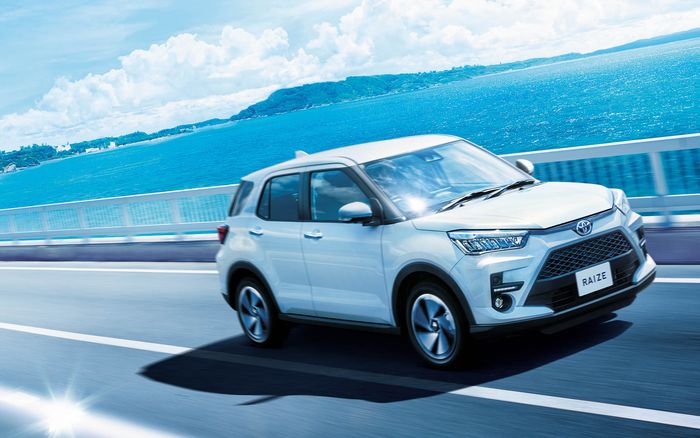
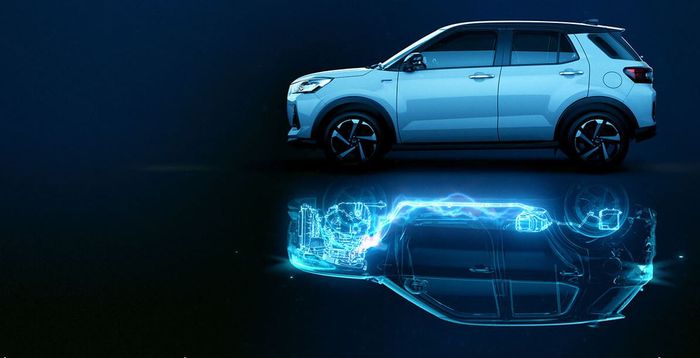
The new Toyota Raize features a hybrid model, which offers significantly improved fuel economy. Hybrid vehicles are characterized by quieter operation, improved acceleration, and eco-friendly driving. This allows for comfortable driving on long distances and in urban areas. The new Raize ‘s hybrid model, the “e-SMART HYBRID,” adds a newly developed “1.2L inline 3-cylinder engine (WA-VEX) + motor” system . Its small displacement allows for a simple structure and compact size. This hybrid system excels at low and medium speeds, making it ideal for small cars frequently used in urban areas. It boasts an impressive WLCT mode fuel economy of 28.0km/L (2WD).
Evaluation of advanced equipment and driver assistance systems
The new Raize is equipped with “Smart Assist III” with two cameras. It also comes with “Next Generation Smart Assist” which adds functions such as “ACC with all-speed tracking function” (optional only for higher grades). It uses a stereo camera, is pedestrian-detecting, and has a wider operating speed range than before. It is a “Safety Support Car S (Wide)” eligible vehicle (Support Car S (Wide) eligible vehicle). It is equipped with a full range of advanced safety features and driver assistance systems, and its safety performance is highly acclaimed.
Electric parking brake specifications
The top-of-the-line “Z” grade and hybrid vehicles are equipped with an ” electric parking brake ” and ” auto brake hold .” All models except the higher grades have a handbrake that requires a lever to be pulled. Since manual handbrakes do not have the automatic stopping and holding function required for ACC (adaptive cruise control), it is probably best to choose a higher grade if possible for comfort.
Differences between gasoline and hybrid Toyota Raize vehicles
The Raize is available in two versions: a gasoline-powered vehicle and a hybrid vehicle.
Comparison of fuel economy and driving performance
When comparing gasoline and hybrid Toyota Raize vehicles, there is a big difference in fuel economy. Hybrid vehicles have good fuel economy and are economical even for long-distance drives. On the other hand, gasoline vehicles have a powerful engine and offer a sporty driving experience. It is important to choose a vehicle that suits your lifestyle. Hybrid vehicles have better fuel economy than gasoline vehicles. On the other hand, gasoline vehicles have more powerful driving performance.
The advantages and disadvantages of each option
The advantages of gasoline-powered vehicles are that they are relatively inexpensive and easy to maintain. However, their fuel economy is inferior to that of hybrid vehicles. The advantages of hybrid vehicles are that they have excellent fuel economy and allow for eco-driving. However, their disadvantages are their high initial cost and the need for battery maintenance.
- Gasoline vehicles: They are inexpensive and offer powerful driving, but have poor fuel economy.
- Hybrid cars: They have good fuel economy and are environmentally friendly, but are expensive.
User reviews and ratings
Looking at user reviews, gasoline vehicles are highly rated for their driving performance. On the other hand, hybrid vehicles are highly rated for their fuel efficiency and quietness. It’s important to decide which model is best for you based on your priorities. Many people rate gasoline vehicles for their low price and driving performance. Many people rate hybrid vehicles for their good fuel efficiency and quietness.
summary
The Raize is a car that has mixed reviews in many aspects, including its design, driving performance, and price. If you are considering purchasing one, it is important to make a comprehensive decision by taking into account not only negative opinions but also positive ones.
By taking a test drive and checking out the actual car thoroughly, and choosing a car that suits your lifestyle and preferences, you will be able to enjoy your car life with the Raize .
Why are so many people dissatisfied with the quality of the Toyota Raize’s dashboard?
-
The Toyota Raize’s dashboard is made with a lot of plastic, likely to cut costs. This makes it seem like it lacks a luxurious feel and texture. Some people may also find the design simple and uninteresting.
Why is the narrowness of the Toyota Raize’s rear seats a problem?
-
The Raize is a compact SUV, so the rear seat space is limited. The legroom is particularly narrow, so you may feel cramped during long rides. Headroom is also not sufficient, so tall people may feel cramped.
A word from the editorial department
In conclusion, the Toyota Raize is an attractive vehicle with its compact size and SUV style, but there are also other aspects to consider when considering a purchase, such as the interior quality, rear seat space, actual fuel economy, price difference with its sister models, equipment content, and the history of past certification fraud issues. Both gasoline and hybrid vehicles are now available for purchase as new cars, so it’s important to compare the features of each with your own needs.
To make a choice you won’t regret, it’s important to first clarify how you’ll use your car, for example, will you mainly drive around town, will you frequently use the highway, how many people will usually be in the car, will you likely drive on snowy roads, etc. Then, decide whether the grade of your candidate (gasoline or hybrid, drive system, equipment, etc.) is suitable for your needs.
And most importantly, check out the actual car and take a test drive. You can’t really tell your design preferences, the texture of the interior, the spaciousness of the room including the rear seats, the visibility from the driver’s seat, and whether it comes with equipment such as a display audio system and how easy it is to use your hands to use them unless you actually see and touch it. It’s especially important to test drive and feel the driving performance, including acceleration, quietness, and ride comfort, for yourself. If possible, we strongly recommend trying both a gasoline-powered vehicle and a hybrid vehicle. It’s also a good idea to compare it with its sister model, the Daihatsu Rocky.
Regarding fuel economy, it’s a good idea to understand the actual fuel economy by looking not only at the figures in the catalog but also at user reviews online, and to estimate monthly fuel costs and other maintenance costs to some extent.In terms of price, it’s important to make sure that the car has all the necessary equipment, especially safety equipment, within your budget, and carefully consider the necessity of optional equipment.
The Raize has a variety of reputations, but the key to enjoying a satisfying car life is to be fully aware of the negative opinions and disadvantages, compare it with your lifestyle and what you want from a car, and carefully consider it through test drives and information gathering.
Toyota Raize related articles
https://car-repo.jp/blog-entry-toyota-raize-regrets-why.html