


Mazda’s long-awaited flagship SUV, the CX-80, was launched in October 2024. This large SUV with three rows of seats attracted much anticipation, but actual sales figures show that it has not performed as well as expected. Despite a monthly sales target of 1,400 units, sales fell short of the target at 1,201 units in December, just three months after the launch.
Why is the CX-80 not selling well? We will analyze the reasons from various angles and provide a detailed explanation of the current state and future outlook of this model for those considering purchasing one.
CX-80 sales performance and market positioning
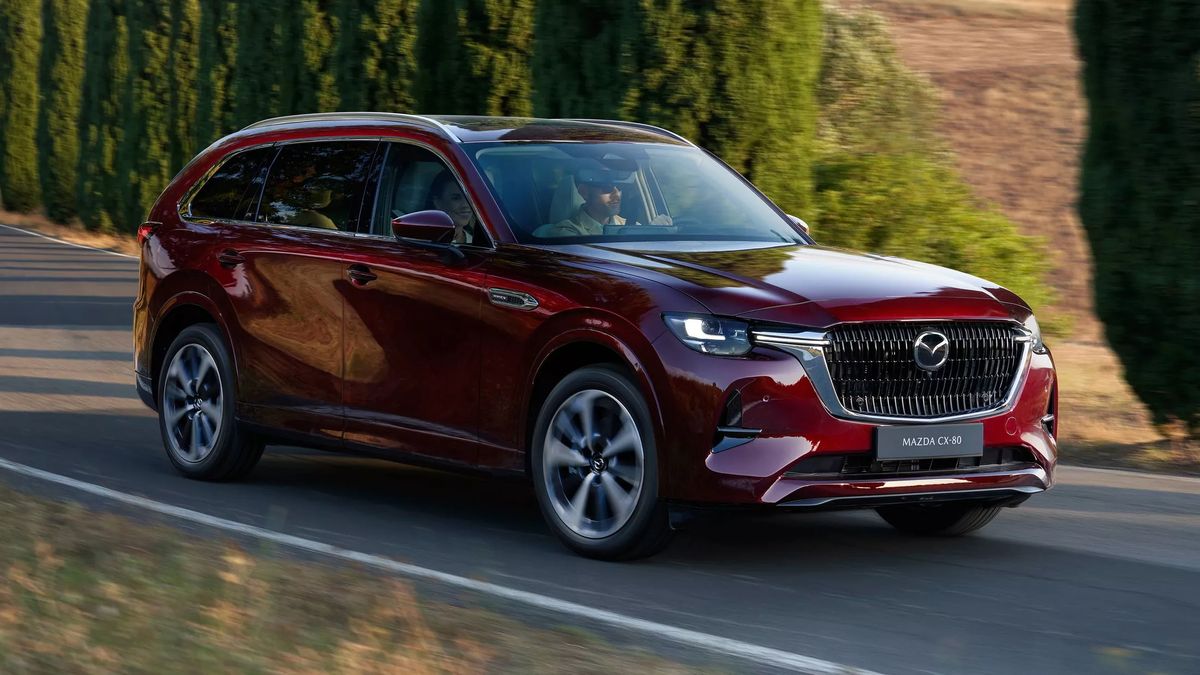
Mazda CX-80
Current situation based on actual sales data
According to Mazda’s official figures , the CX-80 sales figures are as follows:
- October 2024 (first month of release): 1,856 units
- November 2024: 2,232 units
- December 2024: 1,201 units
Although the car got off to a strong start, exceeding its initial target, sales fell short of the monthly target of 1,400 units in December. In particular, sales fell sharply by approximately 1,000 units between November and December, clearly demonstrating the short-term effect of the new car.
Comparison with the previous CX-8
The CX-80 is effectively the successor to the CX-8, which will cease production in December 2023. However, compared to the CX-8’s monthly sales of 1,610 units in its final year (December 2023), the CX-80’s December sales of 1,201 units is approximately 400 units lower.
This shows that it is not fulfilling its role as a simple successor model, and poses a serious challenge for Mazda.
The main reason why the CX-80 isn’t selling
1. Pricing Issues
The price range for the CX-80 is 3.94 million to 7.12 million yen, a significant increase from the price range of the previous CX-8 (approximately 3.5 million to 5.5 million yen). In particular, the higher grades and PHEV models are priced at over 6 million yen, a price range that far exceeds the image of Mazda cars to date.
Here’s a price comparison with competing models:
- Nissan X-Trail: 3,601,000 to 5,333,000 yen
- Mitsubishi Outlander PHEV: 5,264,000 to 6,686,000 yen
- CX-80: 3,943,000 to 7,122,000 yen
Even the PHEV model is priced higher than the Outlander PHEV, which is why it is avoided by Japanese consumers who prioritize cost-effectiveness.
2. Mismatch between body size and Japanese road conditions
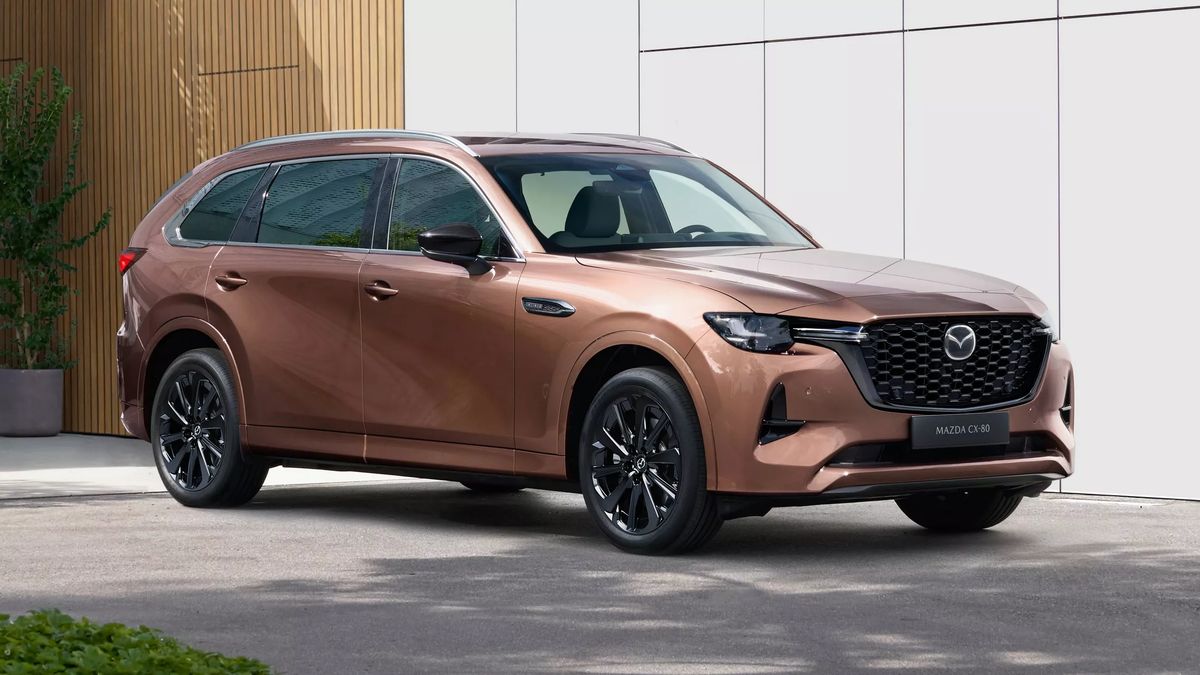
The CX-80’s body size is 4,995mm long and 1,890mm wide, which is quite large considering Japan’s road conditions and parking environment. The 1,890mm width in particular makes it difficult to maneuver in many multi-story parking garages and on narrow roads.
Many Japanese consumers tend to place importance on practicality, and tend to view large SUVs as “too big and difficult to use.” In this respect, it can be said that the CX-80 does not adequately meet the characteristics of the Japanese market.
3. Negative impact of CX-60 quality issues
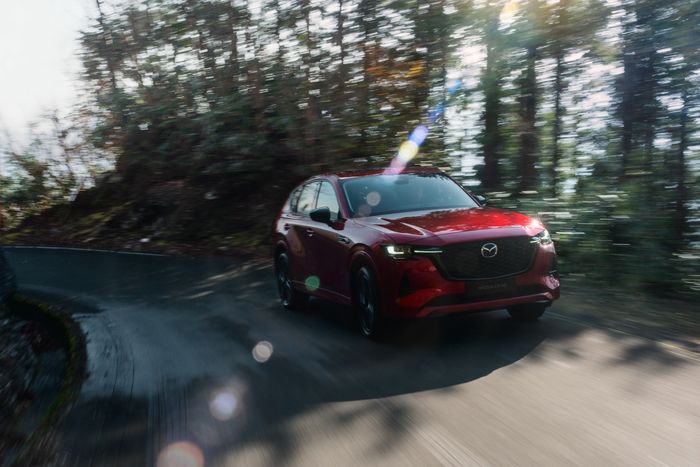
Mazda CX-60
When discussing the CX-80’s poor sales, it’s impossible to avoid the quality issues of its younger brother, the CX-60. The CX-60, which was released in September 2022, has been criticized for various quality issues since its launch, including ride comfort, a jerky transmission, and numerous recalls.
Gathering information on social media has become a very important factor in car purchasing today, and the negative reviews posted by early CX-60 users are causing concern about the CX-80, which uses the same platform.
4. Lack of differentiation from competitors
In the three-row SUV market, the CX-80 has not demonstrated a clear differentiating factor. While it certainly has excellent fuel economy figures, it has not been able to convey to consumers a clear advantage over other models in terms of practicality and equipment.
In particular, when compared to SUVs from European premium brands that can be purchased in the same price range, the difference in brand power is undeniable. It is highly likely that consumer psychology is at work, with people choosing imported cars at the same price.
5. Marketing and awareness issues
As Mazda’s Executive Vice President acknowledged, one of the reasons for the company’s struggles was a “lack of widespread awareness.”
Many consumers are unaware of the existence of the CX-80, and the company continues to be unable to properly approach potential customers, especially those looking for a three-row SUV.
Actual evaluation and appeal of the CX-80
Highly rated for driving performance
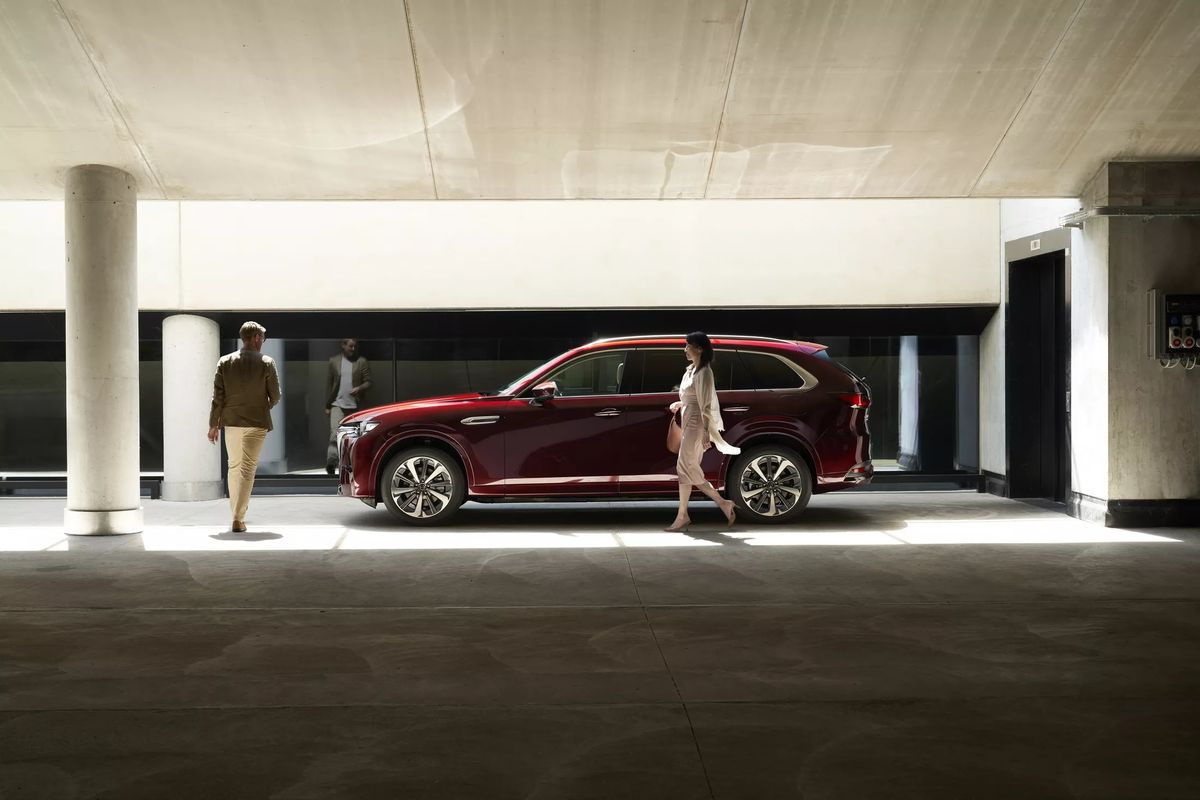
CX-80
Despite its sluggish sales, the CX-80’s driving performance has been generally well-received by experts. The excellent weight distribution of the FR-based platform and the refined driving feel of the 3.3L diesel engine have been highly praised by many automotive critics.
In particular, the jerky transmission that was an issue with the CX-60 has been significantly improved, and the driving quality has definitely improved.
Excellent fuel economy
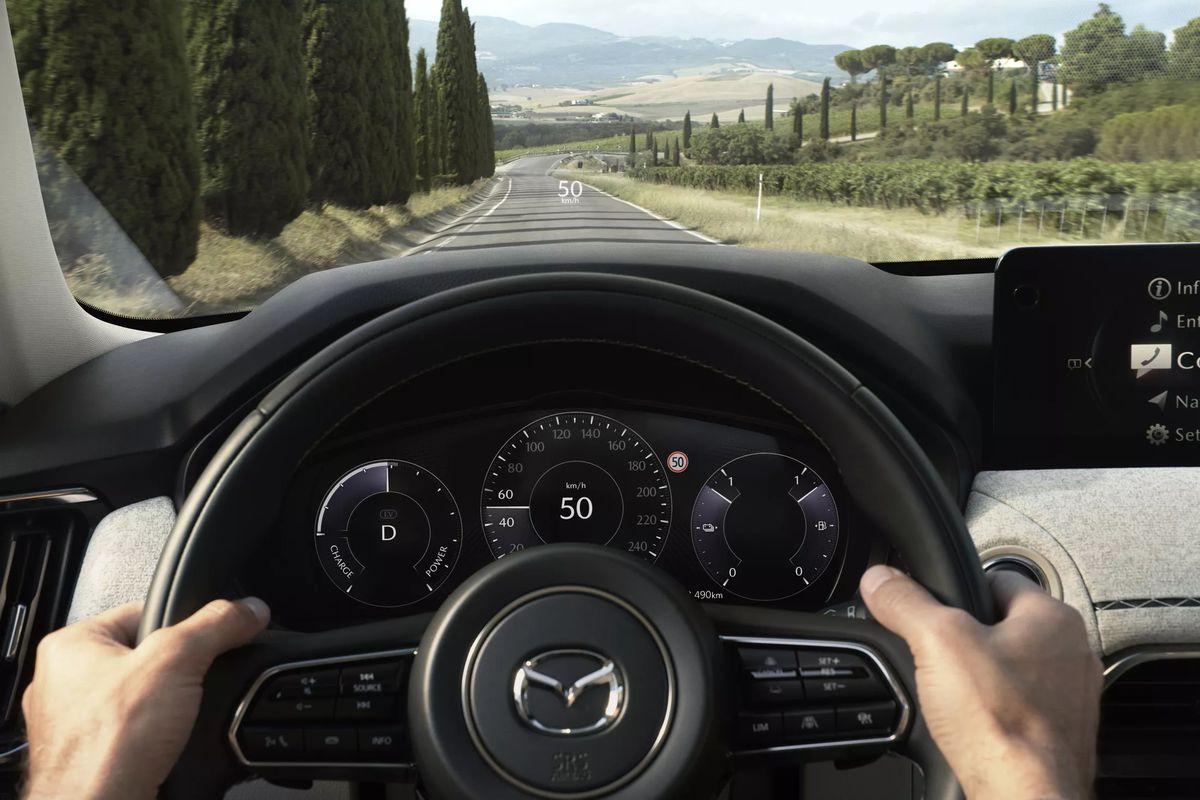
The CX-80 diesel model achieves excellent fuel economy for an SUV in this class, with a WLTC fuel economy of 16.8 to 18.3 km/L. Many users have reported actual fuel economy figures of around 17 km/L, so there are definite benefits in terms of running costs.
Interior space and comfort

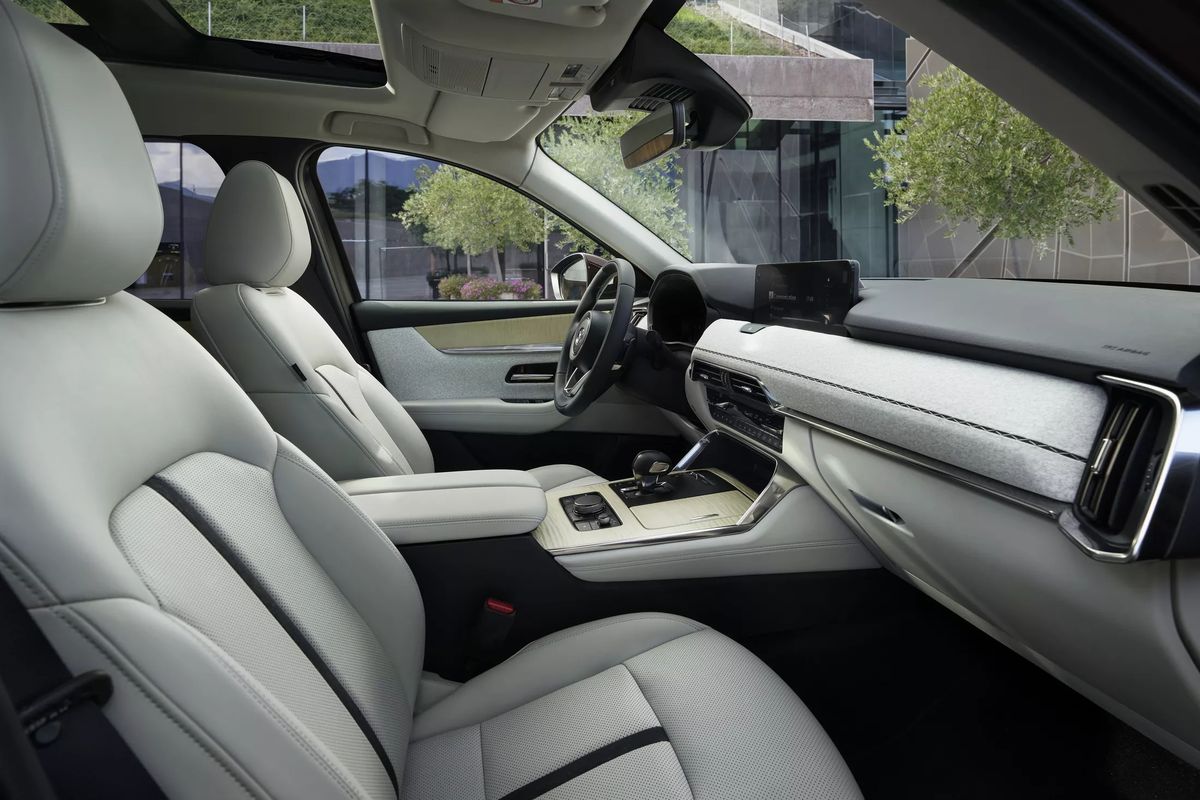
Although the third-row seats are limited to short distances, the first and second-row seats offer a very high level of livability. The car fully meets the basic requirements of a premium SUV, including seat quality, quietness, and ride comfort.
Detailed comparison with competing models
Comparison with Nissan X-Trail
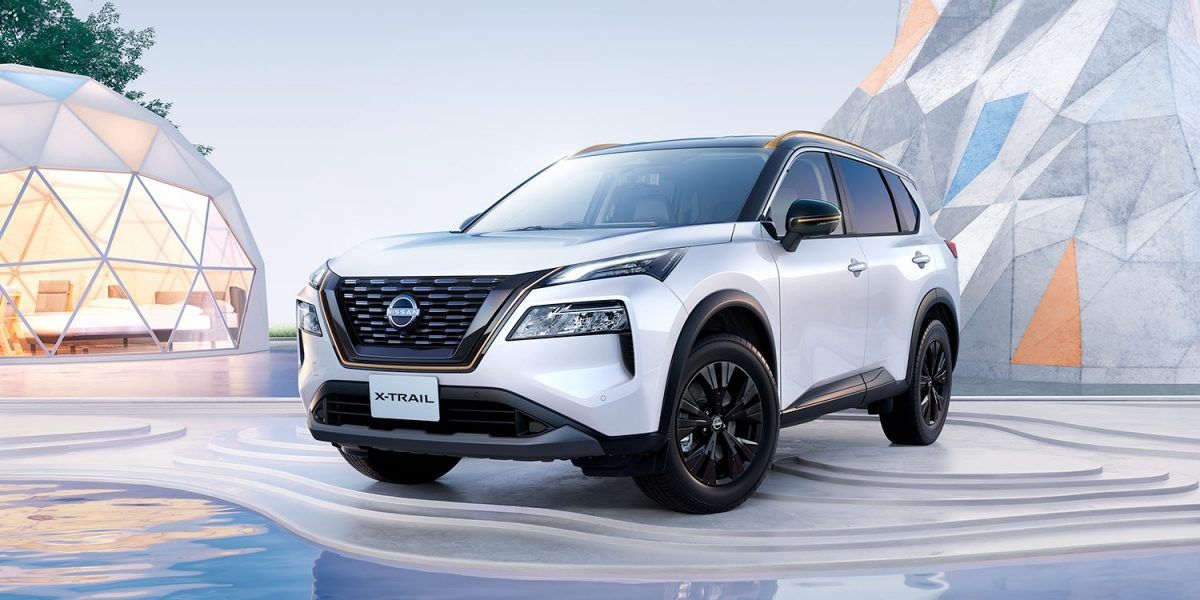
X-TRAIL
The X-Trail is priced from 3,601,000 yen for a three-row seat configuration, which is more than 300,000 yen more expensive than the CX-80. While the CX-80 has many advantages in terms of equipment and driving performance, the reality is that many consumers do not find it attractive enough to justify the price difference.
Comparison with Mitsubishi Outlander PHEV
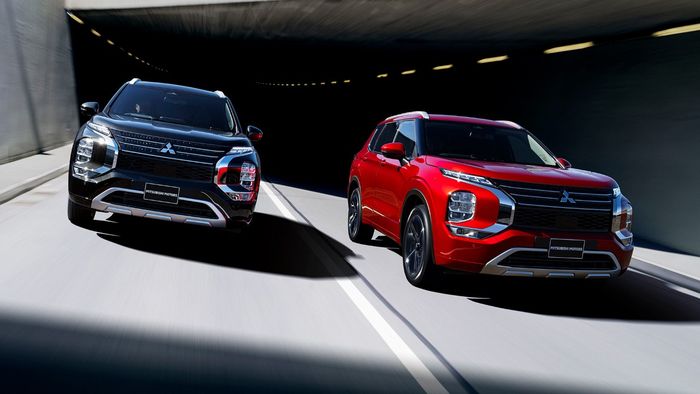
Comparing the PHEV models, the Outlander PHEV starts at 5,264,000 yen, while the CX-80 PHEV starts at 6,391,000 yen, a price difference of approximately 1.1 million yen. The problem is that the differences in equipment and performance that justify this price difference have not been clearly communicated to consumers.
Competition with imported cars
In the price range of the higher-grade CX-80, European premium brand SUVs such as the Volvo XC90 and Audi Q7 come into view. Considering brand image and the satisfaction of ownership, the reality is that many consumers choose imported cars in the same price range.
CX-80 issues and problems
Dissatisfaction with the interior and equipment
Here are some of the actual user reviews:
- Lack of storage space: If you plan to use it like a minivan, there is a noticeable lack of storage space for small items and tissue boxes.
- Navigation system: It is difficult to install an aftermarket navigation system, and options are limited.
- Second-row seat: The seat length is a little short for larger men
- Practicality of the third-row seats: Designed for people under 170cm tall, it is not suitable for long-term adult travel.
Powertrain options
The basic diesel engine (XD) is criticized for lacking power when starting off due to the lack of motor assistance. It has been pointed out that there are times when the engine alone feels insufficient for a vehicle weighing nearly two tons.
Ride stiffness
Although not as stiff as the CX-60, the suspension is set relatively stiff, and many say there is room for improvement, especially in terms of ride comfort in the rear seats.
Future outlook and improvement measures
Mazda’s response
Mazda has launched the following initiatives to raise awareness:
- Enhanced test drive experience : Select dealerships offer test drive experiences of up to 72 hours
- Strengthening appeal at brand facilities : Strengthening exhibitions at brand facilities in Minami-Aoyama, Tokyo
- CX-60 quality improvement : The first minor change will improve quality and restore credibility to the brand as a whole
Reassessing our market position
The CX-80 is a model with a different price range and concept from traditional Mazda vehicles, which means it needs to reach out to new customer segments, not just traditional Mazda fans.
In particular, it’s important to appeal to the following customer segments:
- Those considering switching from a premium brand SUV
- Those who want driving performance equivalent to that of imported cars
- Corporate users who prioritize fuel efficiency
The need for long-term improvement
The following factors are likely to be key to improving sales of the CX-80:
- Review of pricing strategy : Optimization of entry-level pricing and equipment content
- Specifications improved for the Japanese market : improved storage space, optimized ride comfort
- Strengthening marketing strategies : Clarifying target demographics and setting appropriate appeal points
Advice for potential buyers
Who should choose the CX-80?
We recommend the CX-80 to anyone who meets the following criteria:
- They prioritize driving performance and understand the appeal of FR-based SUVs.
- Looking for a large SUV with good fuel economy?
- I have a strong attachment to the Mazda brand and want to support its new challenges.
- The third-row seats are only used for auxiliary purposes.
People who should be carefully considered
We recommend that you carefully consider your other options if:
- Prioritize cost performance
- I plan to use the third row seats frequently
- Emphasis on handling under Japanese road conditions
- Lots of practical storage space
Summary: Current status and future outlook for the CX-80
The reason for the poor sales of the Mazda CX-80 is not a single factor, but rather the result of a combination of multiple issues. Various factors are contributing to the poor sales, including the high price, large body size, negative impressions due to the quality issues of the CX-60, lack of differentiation from competitors, and low brand awareness.
However, the CX-80 is by no means a bad product. It achieves high levels in many aspects, including driving performance, fuel economy, and quality, and has received generally positive reviews from experts.
Going forward, how Mazda approaches the market and communicates the appeal of the CX-80 will be a key factor in determining the success of this model. As the effects of the improvements already underway, such as efforts to raise awareness and restoring trust through quality improvements to the CX-60, become apparent, the CX-80’s reputation may change.
If you’re considering a three-row SUV, it’s important to understand the CX-80’s true appeal and challenges before making the choice that best suits your needs. We recommend that you make your decision based on its actual marketability, rather than just looking at its current status as a “low-selling” vehicle.
We’ll be keeping an eye on future developments for the Mazda CX-80 and watching how its position in the market changes.