
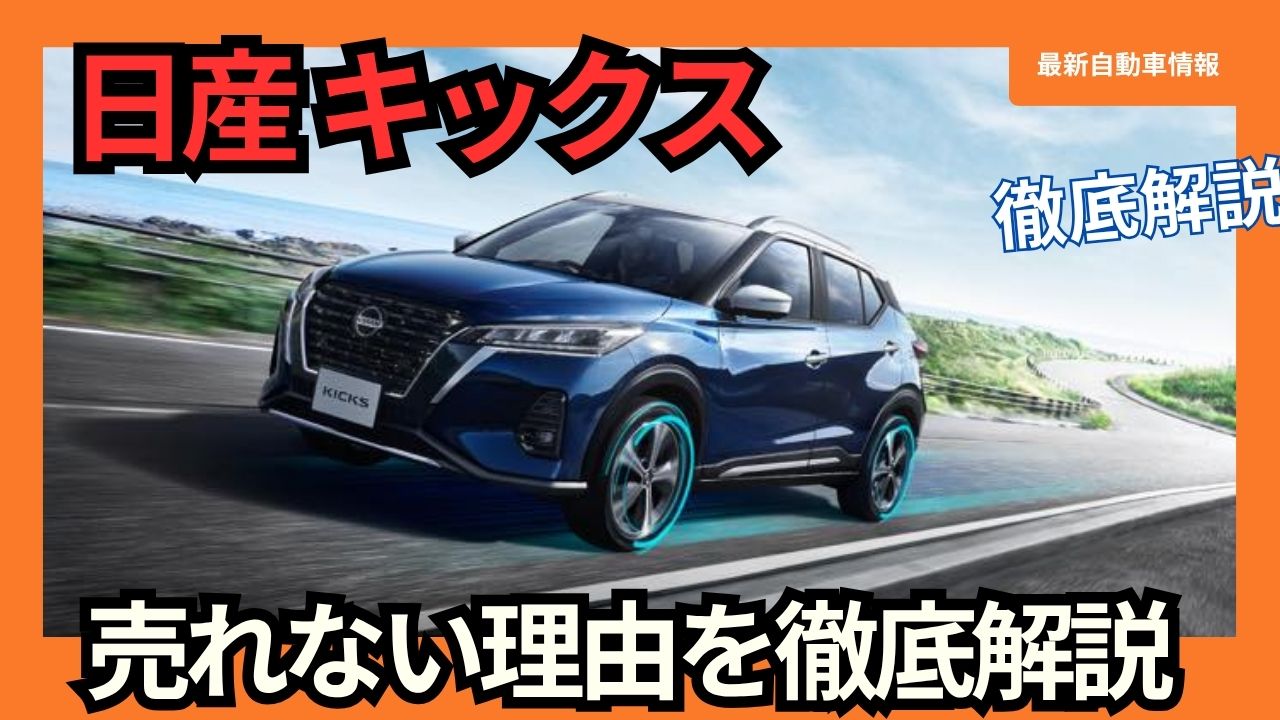
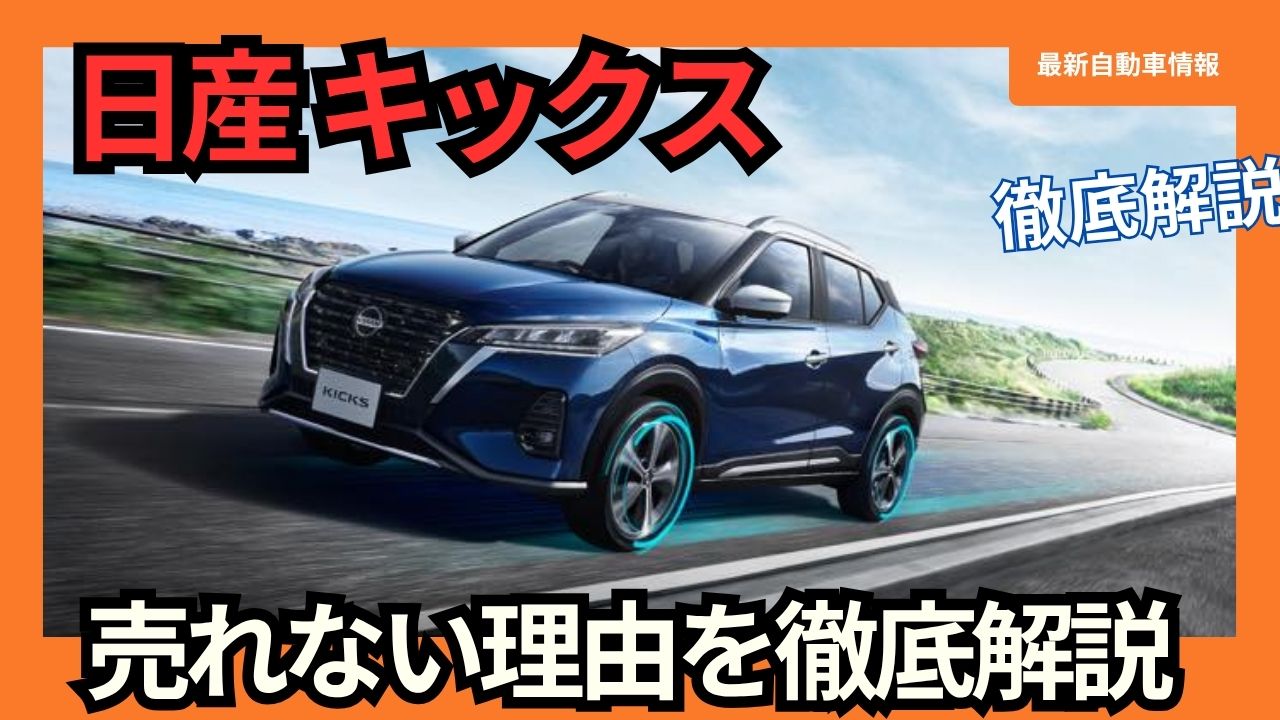
Sales of the Nissan Kicks continue to slump. Why are they not selling? A new model is planned for 2025, with larger dimensions and improved equipment, but sales in 2024 were 14,346 units (down 9.1% from the previous year). We’ve compiled detailed information on the car’s poor performance in competition with Toyota and Honda, its pricing and cost-effectiveness issues, and its lack of individuality in its design.
The reality of Nissan Kicks sales
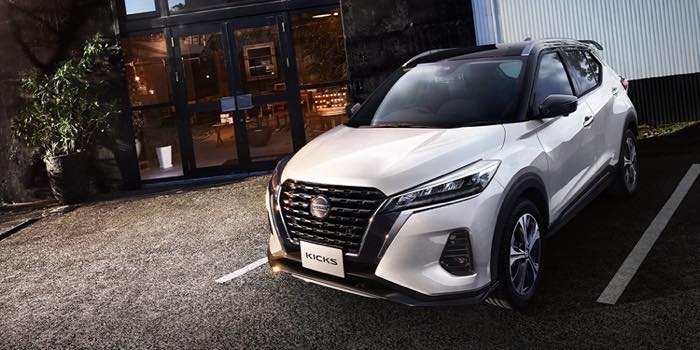
Nissan Kicks
Latest sales results
- 2024: 14,346 units (-9.1% compared to the previous year)
- January-May 2025: 4,744 units (monthly average 949 units)
- A significant decrease from 2021 peak: 35,044 units
The Nissan Kicks has been facing a steady decline in sales since its domestic launch in June 2020. Why is the sales situation so severe ahead of the car’s planned third-generation model update in October 2025?
A sharp decline in sales volume
Sales in 2024 are expected to be 14,346 units, and in January-May 2025, just 4,744 units, showing a clear downward trend.
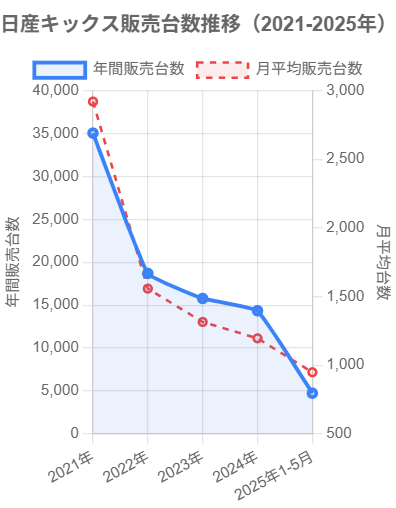
A detailed analysis of the Nissan Kicks’ sales performance reveals a serious sales slump. Annual sales in 2024 totaled 14,346 units, down approximately 9% from 15,778 units the previous year. Even more serious is the fact that sales for the five months from January to May 2025 were only 4,744 units, an average of 949 units per month, significantly lower than competitors in the same class.
This slump in sales is part of a continuing downward trend since peaking at 35,044 units in 2021, and indicates an accelerating decline in market share. In particular, the monthly average of 949 units sold since the start of 2025 represents a significant decrease of approximately 67% compared to the 2021 average of 2,920 units, posing a serious challenge for Nissan.
Main reasons for poor sales
- Lack of differentiation from competing models
- Weak promotional activities
- Lack of 4WD setting
- Declining resale value
Detailed analysis of reasons for lack of sales
Intense competition with rival models
Strong competitors such as the Toyota Yaris Cross, Honda Vezel, and Mazda CX-30 are dominating the market, and the Kicks’ presence is becoming less prominent.
Lack of promotion strategy
Compared to other companies, Kicks has less advertising exposure, and the appeal and uniqueness of the brand is not being fully conveyed to consumers.
There are multiple intertwining factors behind the Nissan Kicks’ poor sales. One of the most important issues is the difficulty of differentiating it from its competitors in the compact SUV market. The Toyota Yaris Cross has captured the hearts of young people with its distinctive design, while the Honda Vezel has gained support from a wide range of demographics thanks to its high-quality interior and driving performance. On the other hand, while the Kicks has a technological advantage in the form of its e-POWER system, the issue is that this does not directly translate into consumer purchasing motivation.
An even more serious problem is the company’s weak marketing strategy. While its competitors are aggressively running TV and digital ads, Kicks’ exposure is relatively low, meaning it lacks the ability to appeal to potential buyers. As a result, when consumers consider an SUV, they often exclude Kicks from their options from the start.
Design Challenges
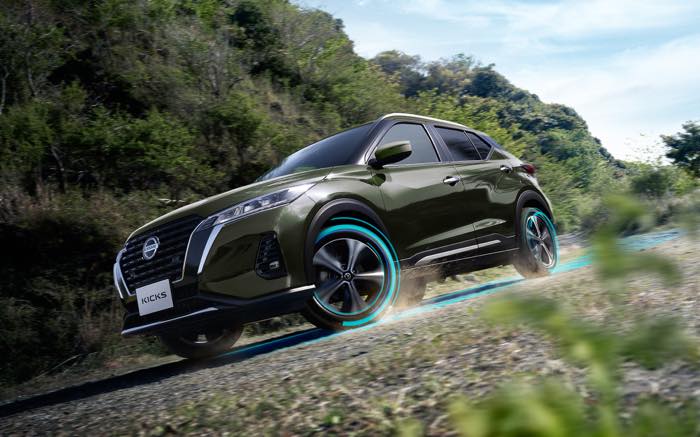
Problems with the exterior design
- Uninspired and hard to remember
- High similarity to other Nissan SUVs
- Lack of appeal to younger generations
Interior design challenges
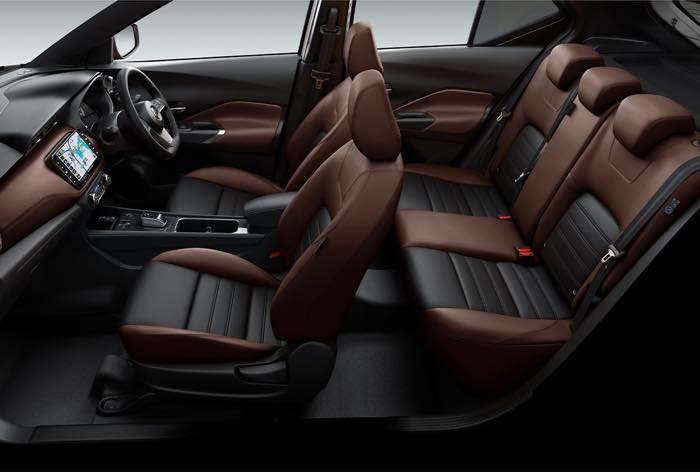
- Lack of luxury
- Difference in texture compared to competing vehicles
- Unsatisfactory design
Harsh reviews from female users and their reasons
The main complaints from a female perspective
- The exterior design is masculine and lacks friendliness
- Poorly placed and usable storage space inside the car
- I feel uneasy about maneuvering in a small parking lot.
The first reason for the low ratings from female users is the design issue. The Kicks’ exterior adopts a design approach that emphasizes strength and sportiness, but the reality is that this does not resonate with women’s sensibilities. In particular, while the powerful design of the front part is well-received by men, many women have commented that it is “intimidating and unapproachable” and “not cute.”
In terms of practicality, there is also a clear mismatch with women’s needs. The Kicks is often criticized as being inferior to other competing models in terms of the amount of storage space for small items, which female drivers value, and the design of space that makes it easy to place shopping bags. In particular, specific complaints have been reported, such as the limited storage space around the dashboard, making it difficult to find a place to store everyday items such as cosmetics and smartphones.
There are also issues with ease of driving. Many female drivers place importance on maneuvering in tight parking lots and on narrow roads, but the Kicks’ body size and visibility mean that they tend to gravitate towards more compact SUVs and minicars. These factors have combined to make it difficult for the car to gain support from the female demographic.
Price and cost performance issues
Pricing Issues
Price range: 3.08 million to 3.67 million yen
Although the price is reasonable for a hybrid-only vehicle, some users feel that it is overpriced for the equipment included.
The price seems high because there are no gasoline vehicles in the lineup.
Other companies have gasoline-powered vehicles in their lineup, which allows them to set the entry-level model price very low. However, in the case of the Kicks, the lineup only includes e-POWER-equipped vehicles, which many people may find to be expensive.
| grade | Engine (motor) |
Drive system |
Price (10%) |
New price (10%) |
|---|---|---|---|---|
| X | HR12DE (EM57) |
2WD | 2,998,600 yen | 3,083,300 yen |
| X FOUR | HR12DE (EM57) (MM48) |
4WD | 3,261,500 yen | 3,346,200 yen |
| X Two-Tone Interior Edition |
HR12DE (EM57) |
2WD | 3,108,600 yen | 3,218,600 yen |
| X FOUR Two-Tone Interior Edition |
HR12DE (EM57) (MM48) |
4WD | 3,371,500 yen | 3,481,500 yen |
| Special edition 90th anniversary car |
HR12DE (EM57) |
2WD | -circle | 3,257,100 yen |
| Special edition 90th anniversary car |
HR12DE (EM57) (MM48) |
4WD | -circle | 3,520,000 yen |
Technical features and market evaluation
Evaluation of the e-POWER system
merit
- Excellent fuel economy (WTC 22.0-23.0km/L)
- Smooth and quiet running performance
- Excellent acceleration in urban areas
assignment
- Decreased fuel economy on highways
- Actual fuel consumption depends on driving style
4WD setup issues
Gap with market needs
- In the Japanese SUV market, many users place importance on snowy and off-road performance.
- Needs in snowy regions
- Suitable for outdoor use
- Providing a sense of security
Latest News
- A 4WD model equipped with e-4ORCE will be added in 2025.
Understanding Kicks’ position by comparing it with competing models
Competitors of the Kicks include the Toyota Yaris Cross and Honda Vezel. Compared to these models, the Kicks has the following features:
| Specifications | Kicks | Yaris Cross | Vezel |
|---|---|---|---|
| engine | 1.2L + motor e-POWER |
1.5L gasoline/ hybrid |
1.5L gasoline/ e:HEV |
| Drive system | 2WD | 2WD/4WD | 2WD/4WD |
| price | 3,083,300 yen to 3,520,000 yen |
1,907,000 yen to 3,156,000 yen |
2,648,800 yen to 3,776,300 yen |
| WLTC mode fuel economy | 23.0km/L | 20.2km/L to 30.8km/L |
15.6km/L to 24.8km/L |
| Rear seat space | narrow | usually | wide |
| Loadspace | narrow | usually | wide |
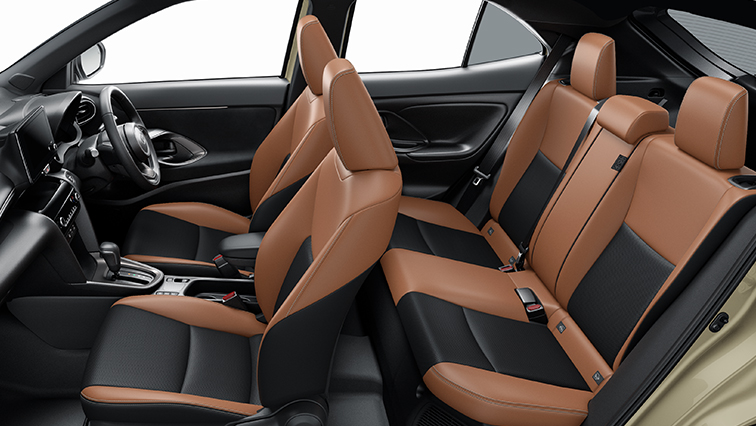
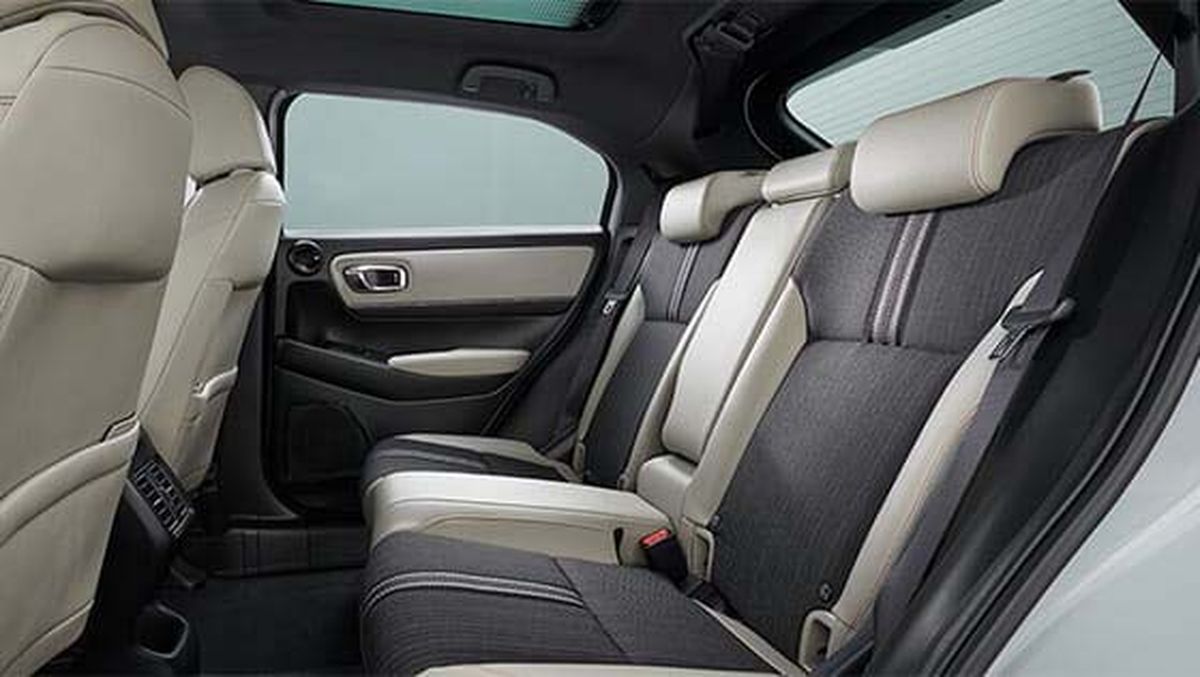
Compared to the Yaris Cross and Vezel, the Kicks has noticeably smaller rear seat space and luggage space. It also has a higher price tag. On the other hand, its smooth acceleration thanks to e-POWER and comprehensive range of advanced safety features are comparable to its competitors.
Comparison with Toyota Yaris Cross
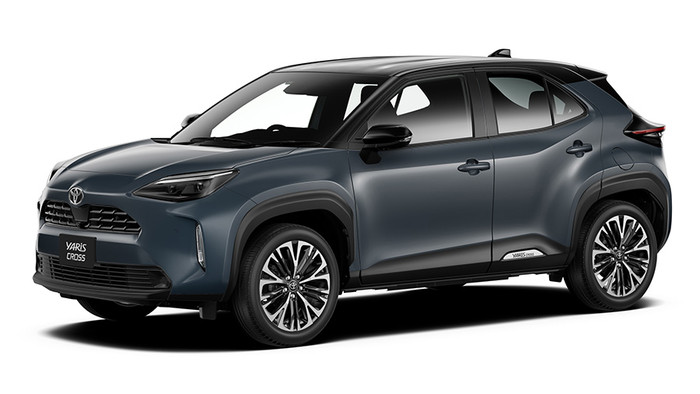
Toyota Yaris Cross
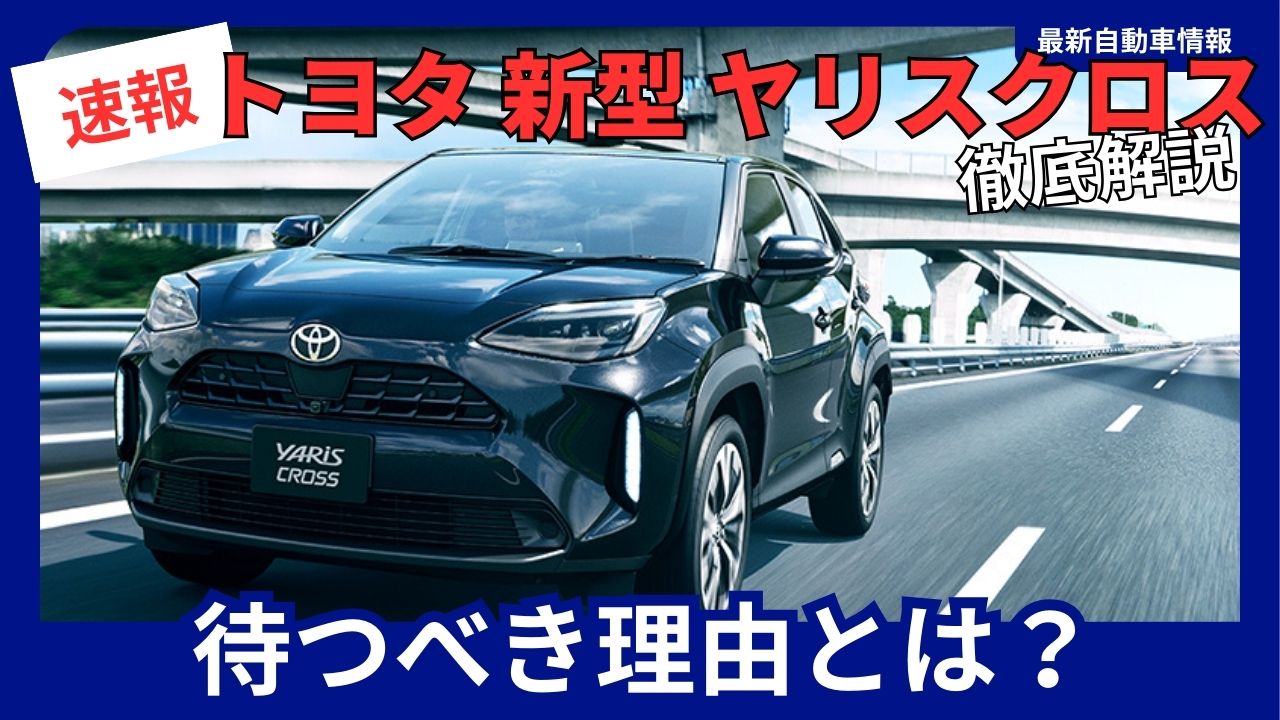
The Yaris Cross is cheaper than the Kicks and has better fuel economy. It also comes in a 4WD model, making it a great choice for those who enjoy snowy regions and outdoor leisure activities.
Comparison with Honda Vezel
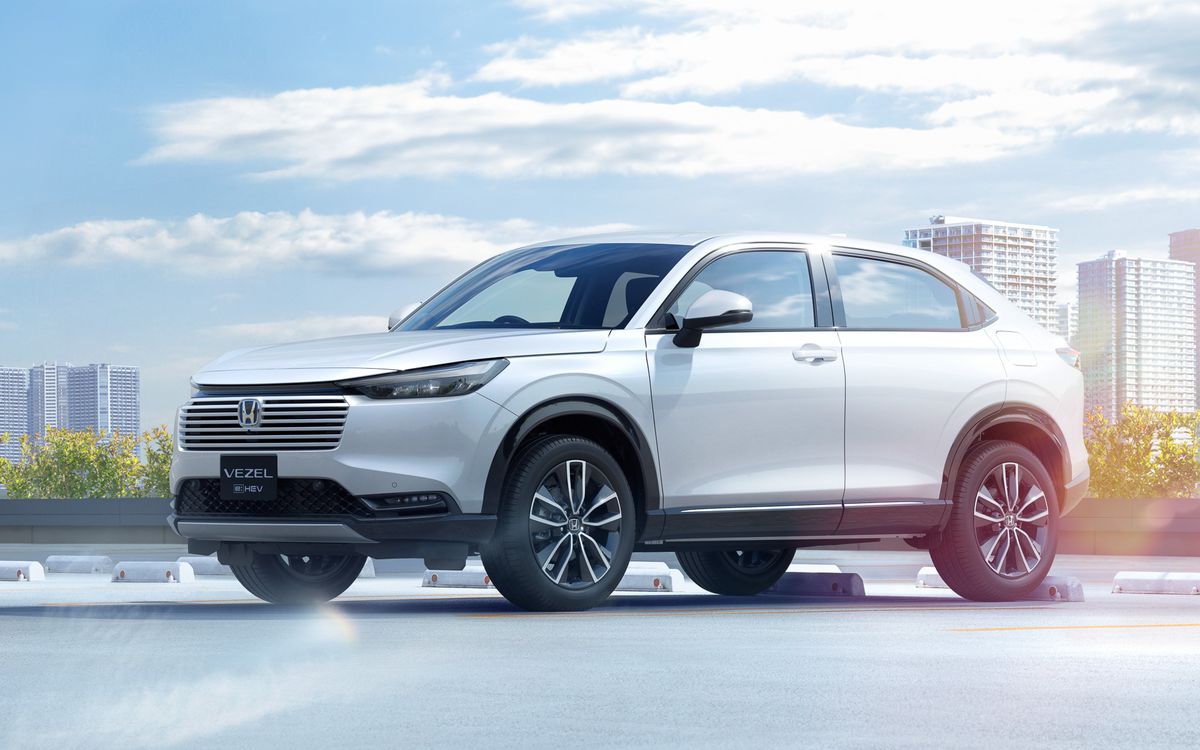
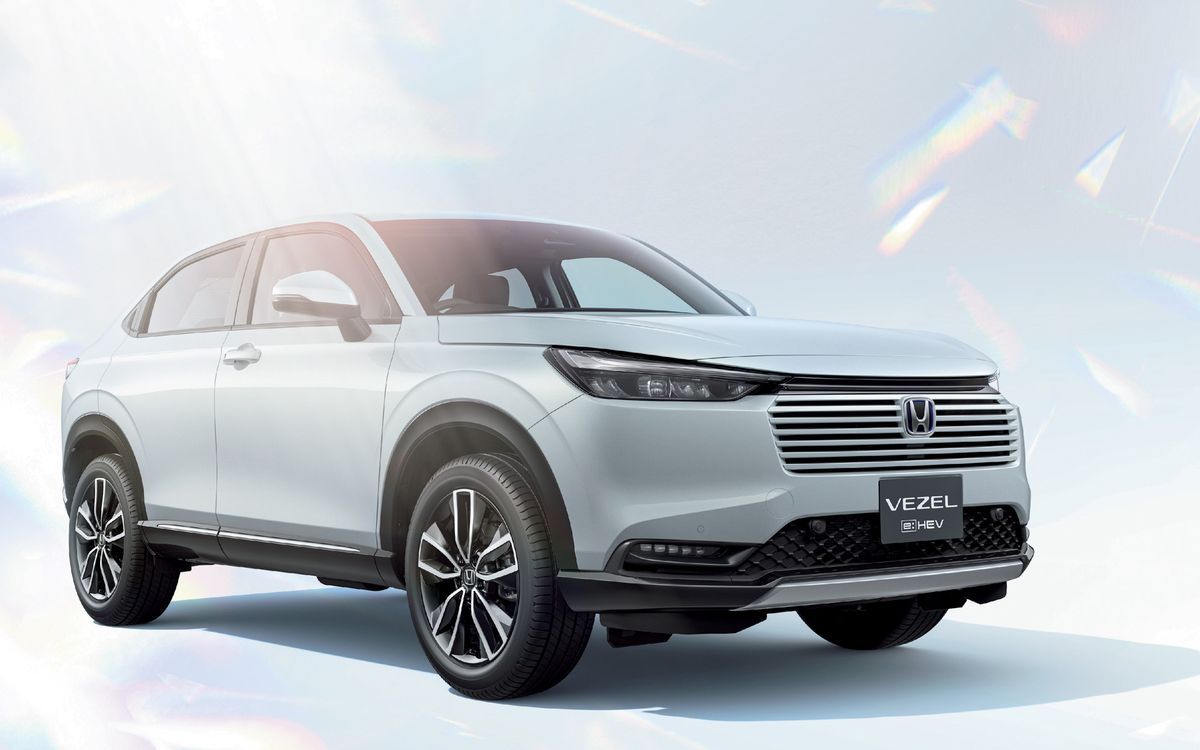
VEZEL
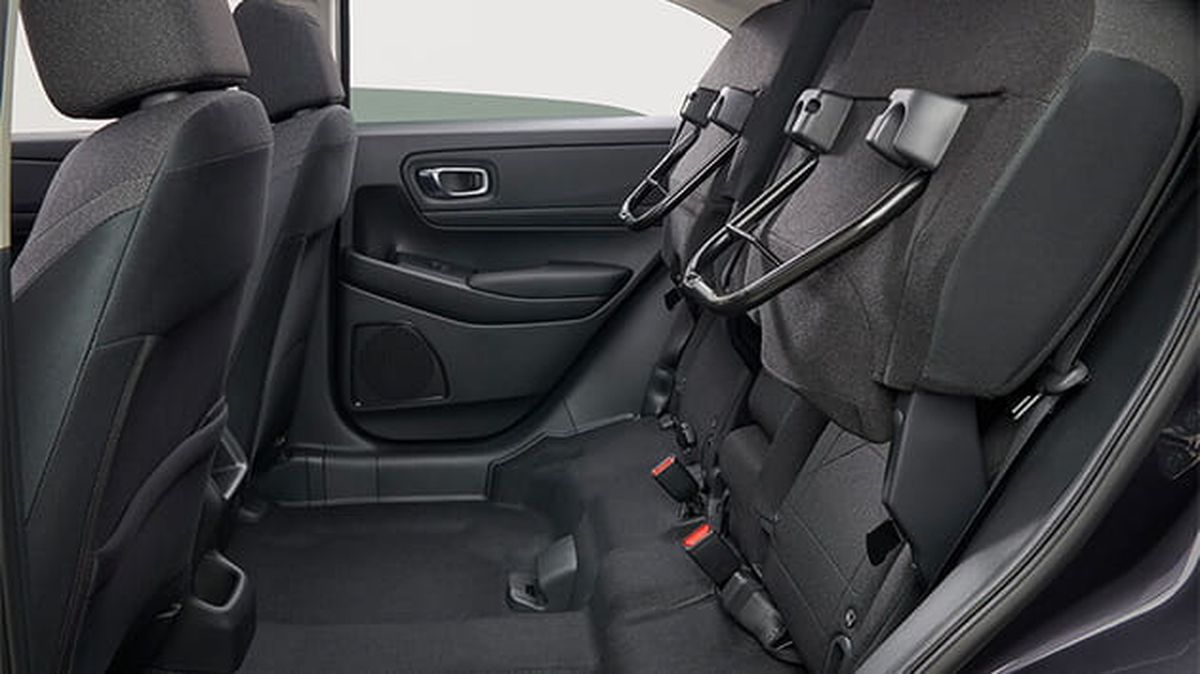
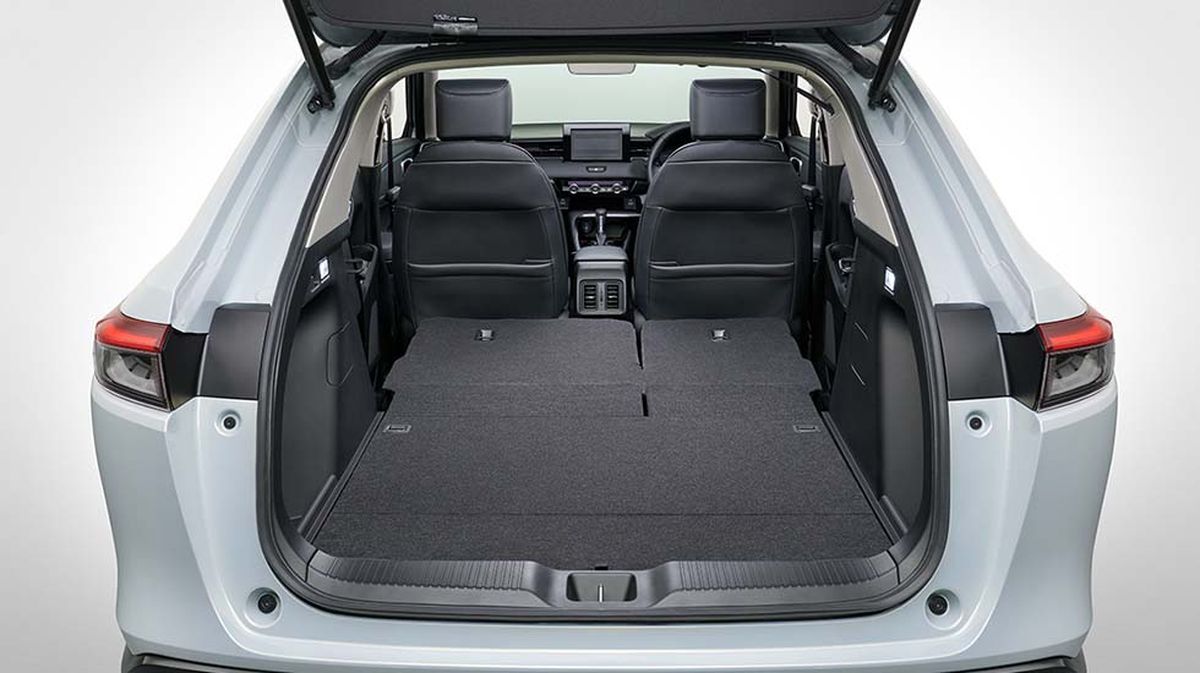
The Vezel has more interior space than the Kicks, with more room in the backseat and luggage space. Its hybrid system, e:HEV, also boasts better fuel economy than the Kicks’ e-POWER.
Success factors of competing vehicles
Pricing issues are also a major factor in the poor sales. The Kicks’ price range is around 3.08 million to 3.67 million yen, which is mid-range compared to rival cars in the same class. However, when you consider the equipment and interior quality, it is often criticized as being inferior in terms of cost performance. In particular, the initial investment required for a hybrid-only vehicle is a hurdle for those considering switching from a gasoline-powered vehicle.
Another factor that discourages purchasers is the low resale value. Prices on the used car market drop faster than other popular SUVs, and users who prioritize long-term asset value tend to shy away from it. This creates a vicious cycle that also negatively impacts new car sales, and is an issue that Nissan needs to find a fundamental solution to.
On the other hand, while fuel economy does offer long-term economic benefits, these are not yet communicated to consumers as attractive enough to offset the high initial price. There is a need to more effectively promote the comprehensive economic benefits, including the total purchase cost and maintenance costs.
Toyota Yaris Cross
The bold and unique design and the reliability of the Toyota brand have attracted young people, and the good cost performance is also a reason for its popularity.
Honda Vezel
Its high-quality interior and sophisticated design have earned it high praise, especially from women and families in their 30s and 40s.
Mazda CX-30
It differentiates itself through its beautiful styling with Kodo design and its focus on driving performance.
Kicks’ inferiority factors
- Pricing is tricky: Even the entry-level model starts at 3.08 million yen, which feels expensive compared to competitors.
- Mediocre design: It leaves a weak impression compared to the unique and sophisticated designs of competitors
- Lack of brand power: Nissan is affected by the decline in the overall appeal of the brand.
- Weak sales network: Insufficient aggressive sales promotion by dealers
Improvements and future possibilities
Redesign
Changes to the exterior and interior design to make it more striking and unique
Expanded lineup
Addition of 4WD model and sports variation
Strengthening promotion
Utilizing social media and enhancing experiential campaigns
Pricing strategy review
Entry and premium models available
Improvements in the 2025 model
The new Kicks, scheduled for release in October 2025, will feature some functional improvements, such as a larger 12.3-inch display and four USB-C ports. However, it does not represent a fundamental shift in design philosophy, and the improvement in market evaluation is expected to be limited.
Improvement points
- Large infotainment system
- Ample charging ports
- Increased livability due to larger size
Remaining challenges
- Lack of differentiation from competitors
- The basic design concept continues
- Limited improvement in the quality of interior materials
Renewal details of the 2025 new Kicks (3rd generation)
Significant increase in size
| item | Current type | new model | difference |
|---|---|---|---|
| full length | 4,300mm | 4,366mm | +66mm |
| Overall width | 1,780mm | 1,801mm | +21mm |
| Overall height | 1,600mm | 1,630mm | +30mm |
| Wheelbase | 2,640mm | 2,660mm | +20mm |
Evolution of equipment and functions
Large display: 12.3-inch infotainment system
Charging environment: Equipped with four USB-C ports
Smartphone connectivity: Apple CarPlay/Android Auto compatible
Fuel efficiency: FF 24.0km/L, 4WD 20.0km/L (WLTC)
summary
The poor sales of the Nissan Kicks is not due to a single factor, but rather the result of a combination of several structural issues. The new 2025 model only sees partial improvements such as an increase in size and improved equipment, and has not yet led to a fundamental improvement in market value.
Summary of major issues
- Design and functionality: Uninspired exterior and interior quality not commensurate with the price
- Marketing: Unclear target and lack of effective appeal
- Price: Questions about cost performance and lack of competitive advantage
- Market environment: Intensifying competition and declining resale values
Path to improvement
For the Nissan Kicks to succeed in the market, it is essential that it not only has technological superiority but also a compelling value proposition that appeals to consumers’ emotions.
- → Clear targeting and differentiation strategy
- → Significant improvement in design and quality
- → Effective marketing and branding
- → Review pricing strategy and improve value
With sales expected to remain sluggish at around 1,000 units per month in 2025, with 2024 sales at 14,346 units, Nissan is being forced to make a fundamental strategic shift. The fact that the Kicks is not being well-received in the market despite being equipped with a technologically advanced e-POWER system clearly shows that technology alone is not enough to sell in today’s automotive market. The key to the Kicks’ revival will be whether it can provide the comprehensive value that consumers desire.