
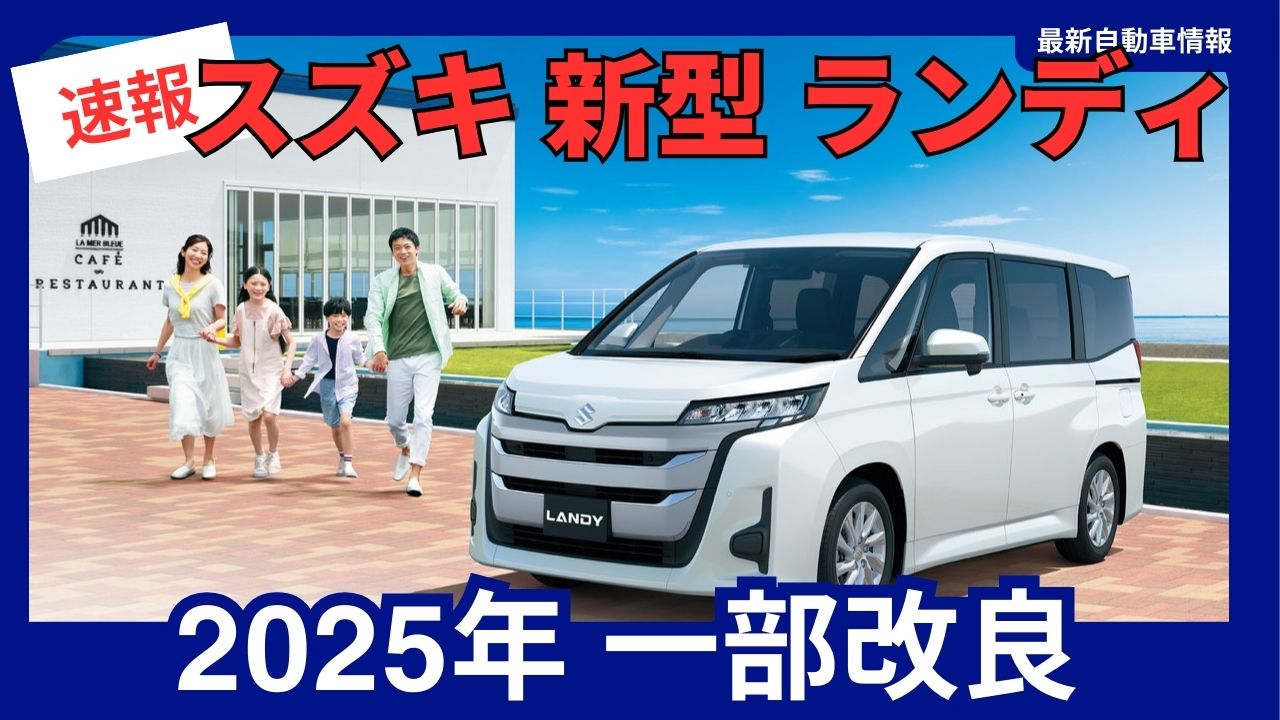
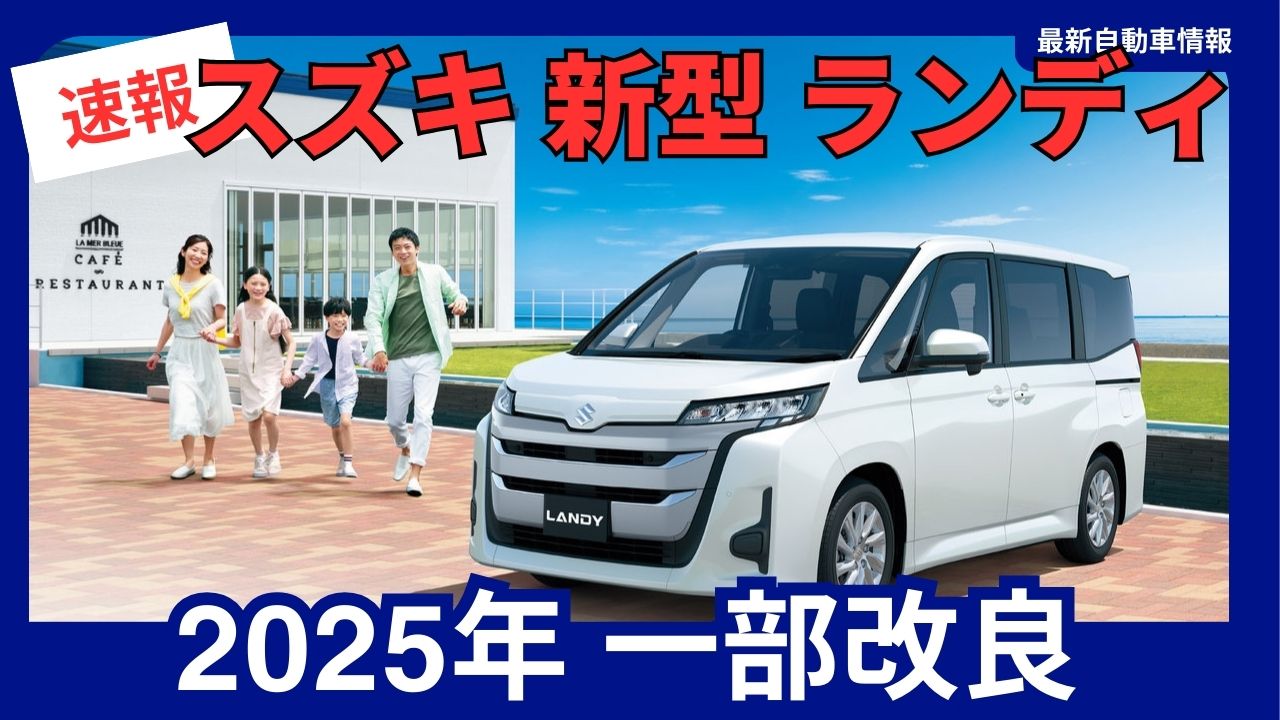
On September 4, 2025, something happened that caused quite a stir in the automotive industry. Suzuki quietly improved the Landi without any official announcement. This minor change had strategic significance beyond a simple specification change, and set a new benchmark in the minivan market.
This article will provide a thorough explanation of the appeal of the new 2025 Randy, from the full details of the silent improvements to a purchasing guide . This is a must-read for both existing Randy owners and those considering purchasing one.
1. What is silent improvement? Why is it attracting attention in the industry?
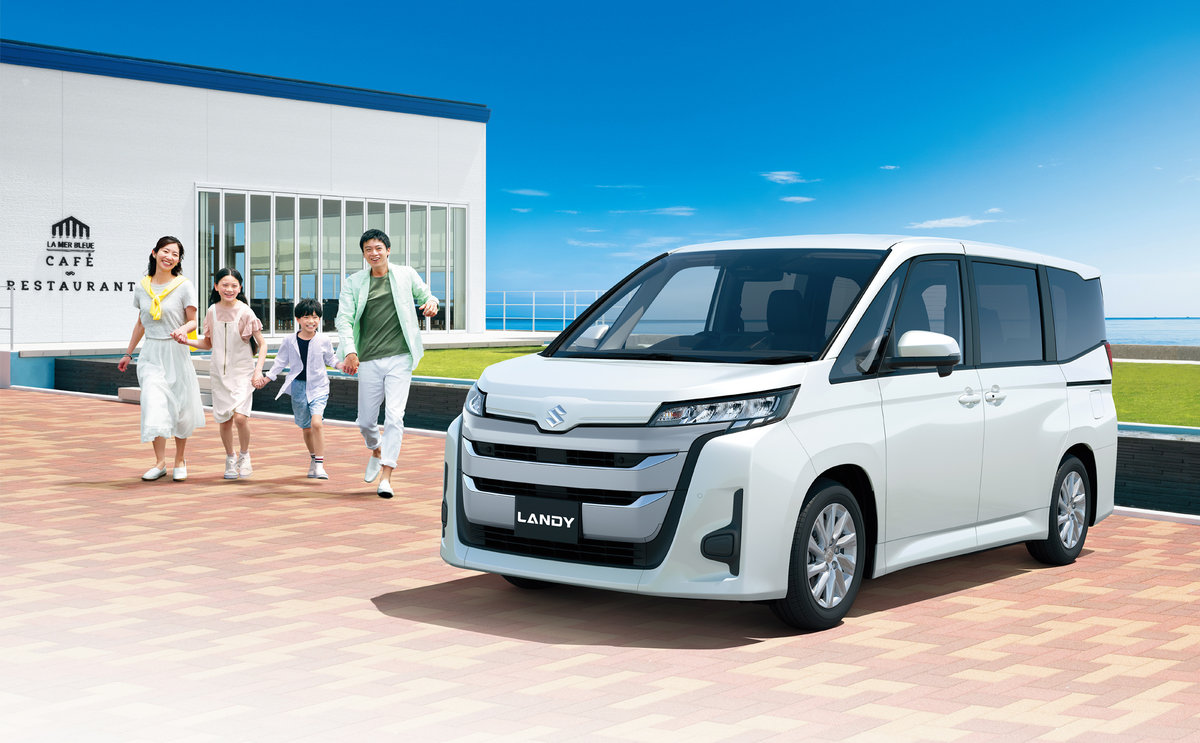
Suzuki Landy
Why was it “silent”?
Typically, automakers launch new or improved models with extensive publicity, but Suzuki’s improved Landi, which was released on September 4, 2025, was released to the market in an unusual way: without an official press release .
There are three aims behind this strategy:
1. Strategy for differentiation from the base vehicle
- Improvements made at the same time as the minor change of the Toyota Noah
- Moving away from the “cheap version of Noah”
- Establishing unique brand value
2. Absolute confidence in the strength of our products
- Significant value improvement due to enhanced equipment
- A marketing strategy that emphasizes word-of-mouth
- Competing with substantial product strength
3. Responding to a mature market
- Minivan market maturing
- Cost-effective marketing methods
- Prioritizing satisfaction of existing users
Industry impact and market reaction
This silent improvement is impacting the automotive industry in the following ways:
- Attracting attention as a pioneering example of strategic change for OEM manufacturers
- Proving the effectiveness of marketing methods that emphasize product appeal
- Possibility of competitors adopting similar strategies
2. List of major changes to the new Randi
Suzuki Landy
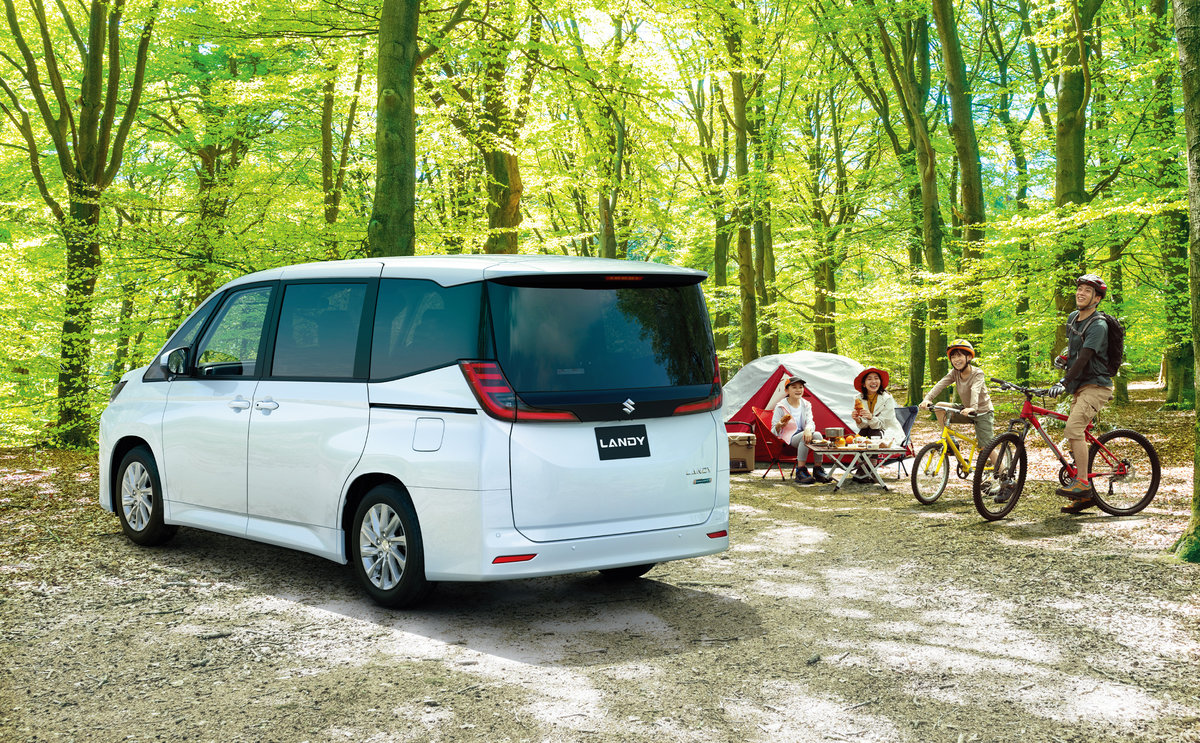
Exterior changes
| item | Changes | effect |
|---|---|---|
| Body color | Five colors reduced to three colors | Improved production efficiency and stable quality |
| White color | Changed to Platinum White Pearl Mica | Improving quality and differentiation |
| HYBRID badge | Design changes | Strengthening brand identity |
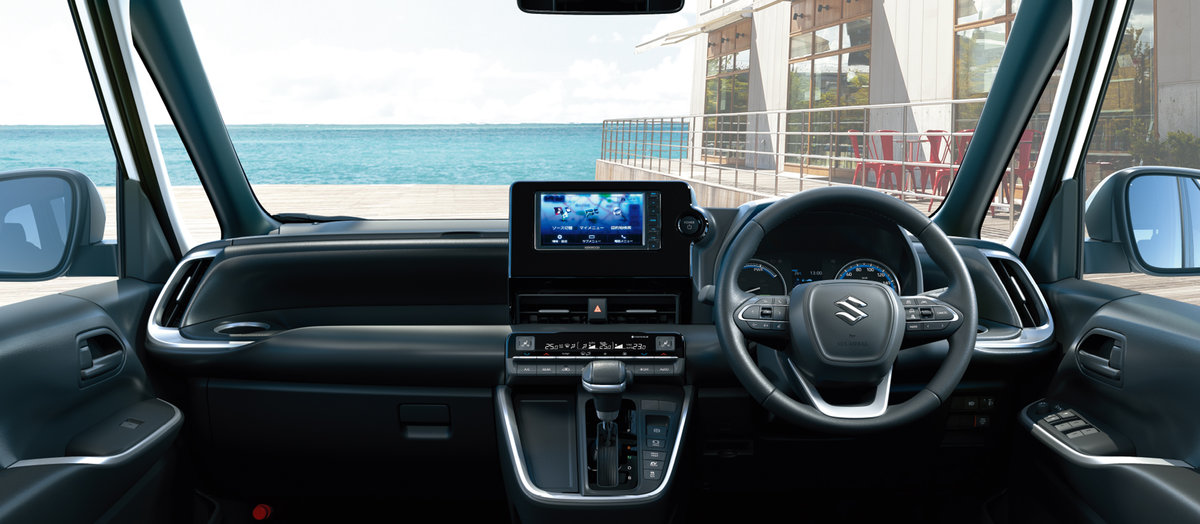
Changes to interior and equipment
Suzuki Landy
Advanced safety features as standard equipment
- Blind Spot Monitor [BSM]
- Safe Exit Assist [SEA]
- Parking Support Brake [PKSB]
Comfort features continue to be standard equipment
- Hands-free dual power sliding door
- Front automatic air conditioning with independent temperature control
- Comfortable heated seats (driver’s seat and passenger seat)
- Nanoe X
Review of the grade system
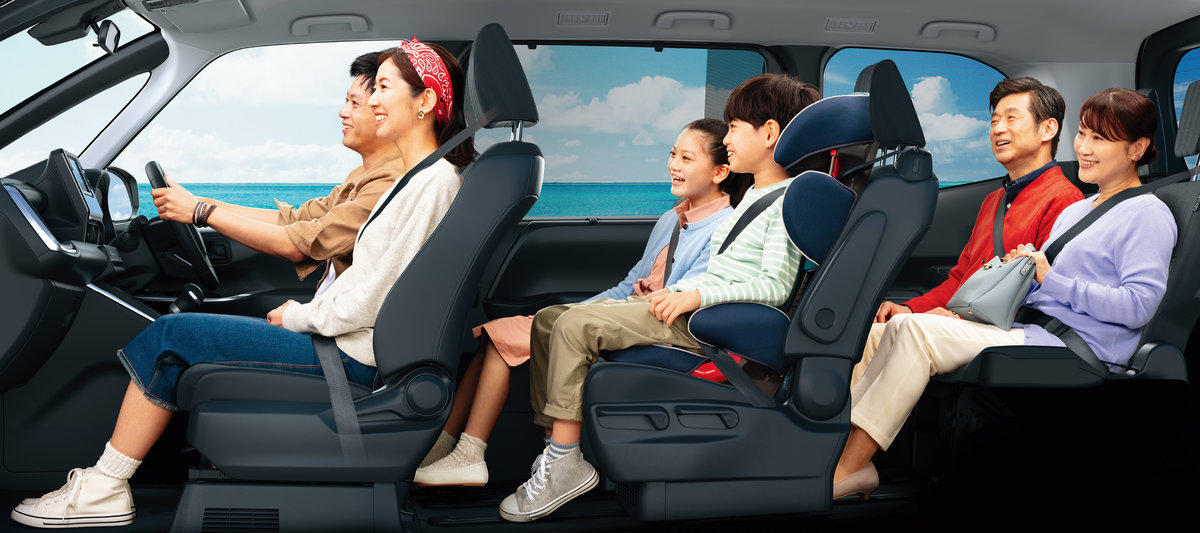
The previous complex grade structure has been simplified to two grades: G and HYBRID G. This makes it easier to understand when considering a purchase.
3. Innovation in grade structure and pricing system
Suzuki Landy
New pricing structure (2025 model)
G grade (gasoline, 8-seater)
- 2WD: 3,231,800 yen (+125,400 yen compared to the previous model)
- 4WD: 3,447,400 yen (+119,900 yen compared to the previous model)
HYBRID G grade (7-seater)
- 2WD: 3,576,100 yen (+125,400 yen compared to the previous model)
- E-Four: 3,817,000 yen (+119,900 yen compared to the previous model)
Analysis of the legitimacy of price increases
At first glance, this seems like a significant price increase, but if we quantitatively evaluate the value of the equipment:
Market value of new standard equipment
- BSM: Approximately 80,000-100,000 yen
- SEA: Approximately 50,000-70,000 yen
- PKSB expansion: Approximately 30,000-50,000 yen
The car comes standard with equipment worth a total of 160,000 to 220,000 yen , making it a real bargain .
Price comparison with competing models
| Car model | grade | price | Main equipment |
|---|---|---|---|
| Randy | HYBRID G | 3,576,000 yen | BSM+SEA+PKSB standard |
| Serena | Highway Star | 3,584,000 yen | Some options |
| Step WGN | Sparda | 3,652,000 yen | Some options |
4. Body color strategy: Consolidation from five colors to three
Discontinued colors
Steel Blonde Mica Metallic
- Features: Elegant bronze metallic
- Reason for discontinuation: Efficiency issues due to made-to-order production
Sparkling Black Pearl Crystal Shine
- Features: Deep purple black
- Reason for discontinuation: Painting process becomes more complicated, leading to longer delivery times
Continuing and new colors
Metal Storm Metallic
- Reason for continued adoption: A classic color that is popular with a wide range of age groups
- Features: Dirt is less noticeable, and resale value is stable
Attitude Black Mica
- Reason for continued adoption: Achieves both luxury and practicality
- Characteristics: Stylish and dignified impression
Platinum White Pearl Mica (newly adopted)
- Reason for change: To achieve a higher quality finish
- Features: Improved quality compared to previous models, differentiation effect
Aims of the color strategy
With these three colors, Randy expresses the following values:
- Practicality (Silver)
- Luxury (black)
- Advanced and clean (white)
5. Standardization of Advanced Safety Equipment and Its Value
Blind Spot Monitor [BSM]
Technical features
- High-precision detection using radar
- Detection range: Approximately 60m to the rear and sides
- Warning method: Door mirror lighting + buzzer
Practical benefits
- Improved safety when changing lanes on expressways
- Support for merging in urban areas
- Countermeasures for poor visibility at night and in rainy weather
Safe Exit Assist [SEA]
Technical features
- Rear radar detects approaching vehicles
- Door Opening Control System
- Detection distance: Approximately 40m
Practical benefits
- Preventing accidents when exiting parking lots
- Prevents children from jumping out
- Reduce the risk of collisions with bicycles
Parking Support Brake [PKSB]
Enhancements
- Previously: Only supported stationary objects in front and behind
- New model: Detection range expanded to include surrounding stationary objects
- Emergency stop when accidentally stepping on the accelerator
Practical benefits
- Preventing collisions in parking lots
- Improving the sense of security for elderly drivers
- Possibility of reducing insurance premiums
6. Thorough comparison with competing models
Comparison table with three major competitors
| item | Randy | Serena | Step WGN | Voxy |
|---|---|---|---|---|
| Price (Hybrid) | 3,576,000 yen | 3,584,000 yen | 3,652,000 yen | 3,728,000 yen |
| Fuel economy (WLTC mode) | 23.0km/L | 20.6km/L | 20.0km/L | 23.0km/L |
| BSM standard equipment | ◯ | △ (Grade limited) | △ | △ |
| SEA standard equipment | ◯ | × | × | ◯ |
| PKSB standard equipment | ◯ | △ | △ | ◯ |
| power sliding door | Standard on both sides | Standard on both sides | Left only standard | Standard on both sides |
Randy’s Advantage
1. Cost-effective
- High level of equipment at the lowest price range
- The standard equipment is overwhelmingly comprehensive
2. Safety performance
- Advanced safety equipment standard on all grades
- Equipped with Toyota Safety Sense 2.5
3. Reliability
- Inheriting Toyota quality
- Comprehensive after-sales service system
7. Buying Guide: Which Grade is Best for You?
People who are suitable for G grade (gasoline)
Lifestyle
- Annual mileage less than 10,000km
- Main uses: Short distance shopping, transportation
- Want to reduce initial costs
merit
- Lowest purchase price
- Low fuel costs (gasoline)
- Easy to maintain
Points to note
- Fuel economy is inferior to hybrids
- No quietness when running on motor
Who is the HYBRID G grade suitable for?
Lifestyle
- Annual mileage of 15,000km or more
- Lots of long-distance driving
- Highly environmentally conscious
merit
- Excellent fuel economy (23.0km/L)
- High level of quietness
- Good resale value
Points to note
- High initial costs
- Battery replacement risk (long-term use)
How to choose between 2WD and E-Four/4WD
2WD is recommended
- Living outside of snowy areas
- Fuel efficiency is the top priority
- Want to keep vehicle height low (compatible with mechanical parking)
E-Four/4WD is recommended
- Snowfall and icy road conditions
- Emphasis on driving stability
- Outdoor use
8. Fuel efficiency and environmental technology
Hybrid system innovation
System Configuration
- 1.8L inline 4-cylinder engine + electric motor
- E-CVT (electric continuously variable transmission)
- Nickel-metal hydride battery
fuel efficiency
- HYBRID G 2WD: 23.0km/L (WLTC mode)
- HYBRID G E-Four: 22.0km/L (WLTC mode)
- G 2WD: 16.0km/L (WLTC mode)
- G 4WD: 15.1km/L (WLTC mode)
Comparison with actual fuel consumption
User measured values (reference)
- HYBRID G: average 18-20km/L
- G: Average 13-15km/L
Tips for achieving fuel efficiency
- Utilizing Eco Drive Mode
- Avoid sudden acceleration and deceleration
- Proper tire pressure management
Annual fuel cost simulation
Prerequisites
- Annual mileage: 15,000km
- Gasoline price: 170 yen/L
Fuel cost comparison
- HYBRID G: Approximately 127,500 yen/year
- G: Approximately 170,000 yen/year
- Annual difference: Approximately 42,500 yen
Payback period
- Price difference: 344,000 yen
- Payback period: Approximately 8 years
9. Future value prediction for 2025 models
Resale Value Prediction
3-year residual value forecast
- HYBRID G: 65-70%
- G: 60-65%
Five-year residual value forecast
- HYBRID G: 50-55%
- G: 45-50%
Factors behind high resale value
1. Brand Authenticity
- Inheriting Toyota quality
- Low failure rate
- Stable parts supply
2. Advanced equipment
- Extensive standard equipment
- High safety performance
- Ready for future obligations
3. Stability of market demand
- Continuing demand for minivans
- Strong support from families
- Diversity of commercial uses
Advice on when to buy
Why now is the best time
- Product appeal at its peak due to enhanced equipment
- Stable model before major improvements
- Preferential interest rate campaign period
Points to note
- Next full model change (estimated 2027-2028)
- Changes in value due to accelerating electrification
- Increased supply in the used car market
10. Summary: The new Randi shows the future of minivans
Innovations of the 2025 New Randy
1. Strategic Silent Improvements
- Marketing methods that emphasize product appeal
- Creating unique value beyond the OEM framework
- Differentiation strategy in a mature market
2. Greatly improved equipment
- Advanced safety equipment standard on all grades
- Significant improvement in cost performance
- Anticipating future needs
3. Strategic Selection and Concentration
- Efficient lineup of body colors
- Clarification of the grade system
- Balancing production efficiency and product appeal
Recommendations for potential buyers
Why choose the new Randy?
- Overwhelming cost performance
- Price advantage compared to equipment level
- Standard equipment exceeds that of competing models
- Peace of mind for the future
- Reliable Toyota quality
- Comprehensive after-sales service system
- High resale value expected
- High practicality
- Size optimized for Japanese road conditions
- Various seat arrangements
- Extensive storage system
Impact on the minivan market
The silent improvements of the new Landy demonstrate the following trends:
1. An era of emphasis on product appeal
- Invest in product development rather than marketing expenses
- Purchasing behavior that emphasizes word-of-mouth and reviews
- Due diligence of real value
2. Accelerating the standardization of safety equipment
- Safety equipment competition intensifies among all manufacturers
- Moving from optional to standard equipment
- Differentiation through safety performance
3. Advancement of OEMs
- Moving away from simple badge engineering
- Differentiation through unique value creation
- Establishing brand identity
Frequently Asked Questions (FAQ)
Q1. What are the benefits of upgrading from the previous model?
A1. With advanced safety equipment now standardized, you can expect a significant improvement in safety. In particular, the addition of BSM and SEA will significantly increase the sense of security in everyday use.
Q2. What are the advantages of the Randi compared to competing models?
A2. It has the most comprehensive equipment in the same price range, and it has a major advantage in particular in the standardization of safety equipment.
Q3. How do you choose between a hybrid and a gasoline model?
A3. If your annual mileage is over 15,000 km, a hybrid is advantageous. If it is less than that, a gasoline model is worth considering, taking into account the initial cost.
Q4. What resale value can I expect?
A4. Thanks to Toyota quality and comprehensive equipment, you can expect a residual value of 65-70% after three years and 50-55% after five years.
Q5. When is the best time to buy?
A5. Now is the best time to buy. There is still 2-3 years until the next full model change, so you can buy with peace of mind.