
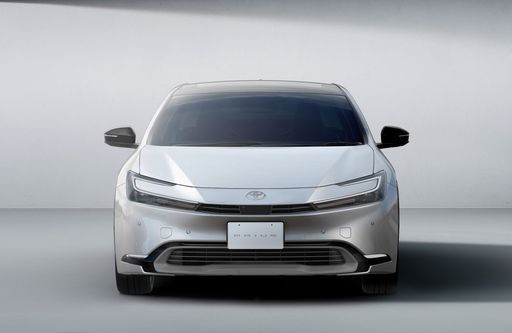
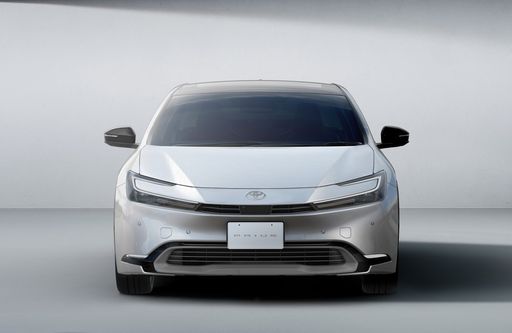
Toyota will fully redesign the new Prius, releasing the fifth generation on January 10, 2023. The previous model was released on December 9, 2015, making this a full redesign seven years later .
About the new 5th generation Prius
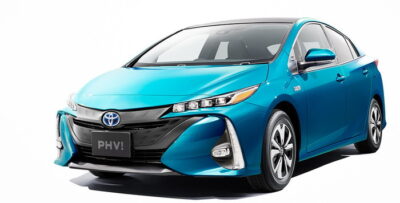
The Prius features the traditional one-motion style five-door hatchback body shape, further lowering the center of gravity thanks to the adoption of the second-generation TNGA platform. Large 19-inch tires give it even more stylish proportions. The fifth-generation hybrid system combines a 1.8L inline-four DOHC engine (2ZR-FXE) with a motor for a series-parallel hybrid with a reduction mechanism . The higher – grade trim level features a 2.0L inline-four DOHC engine (M20A-FXS) with a motor for both performance and fuel economy. The next-generation Toyota Safety Sense system, capable of detecting bicycles during the day and pedestrians at night, is also included. The Prius, one of Toyota’s earliest adopters of cutting-edge technology, now features the fifth-generation Prius, expanding the lineup to include an EV model in addition to the previous hybrid and PHEV ( plug-in hybrid) models . (The new Prius PHEV will be released in March 2023.)
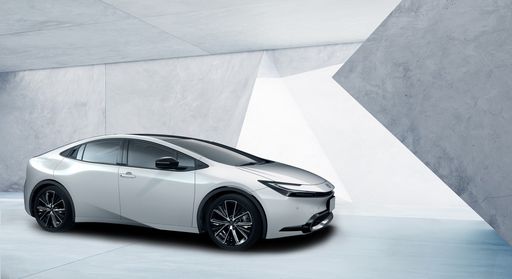
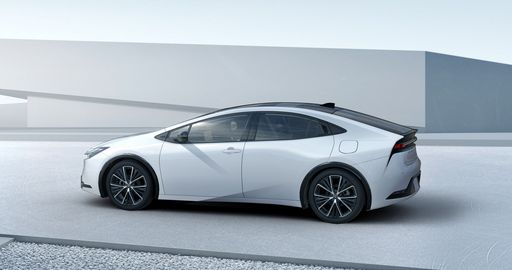
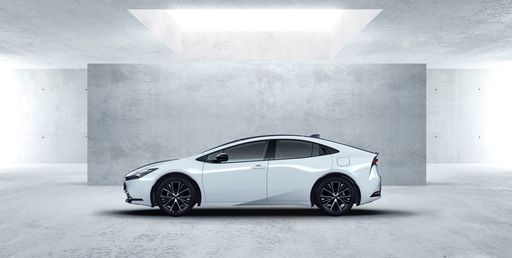
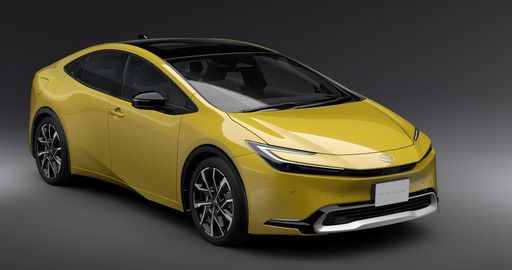
About the exterior of the new 5th generation Prius
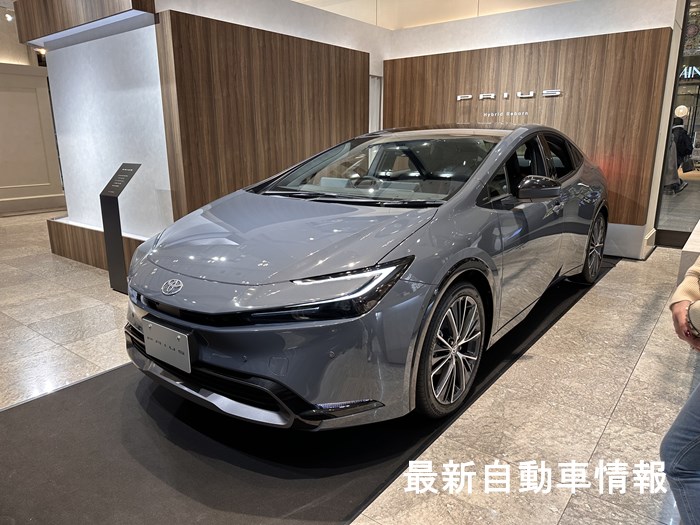
The front design, based on a hammerhead motif, combines functionality and design at a high level, and the full model change has resulted in the adoption of large, “U-shaped” DRL (Daytime Running Light) “Signature Lamps .It is highly likely that the headlights will come standard with “Bi-Beam LED headlights + LED turn lamps + LED clearance lamps” and “LED fog lamps.” The rear features completely horizontal taillights. Similar horizontal taillights are also used by Toyota vehicles such as the Harrier and Crown. While retaining the Prius’ unique iconic “monoform silhouette,” it has been reborn with a lower center of gravity and more stylish proportions. The simple yet expressive body design expresses “emotions that resonate with the senses” and “universal beauty” to ensure long-lasting love.
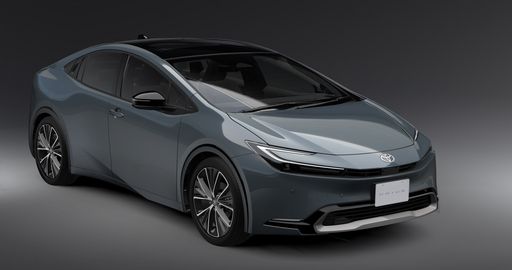
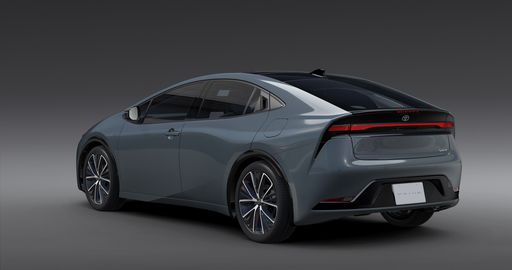
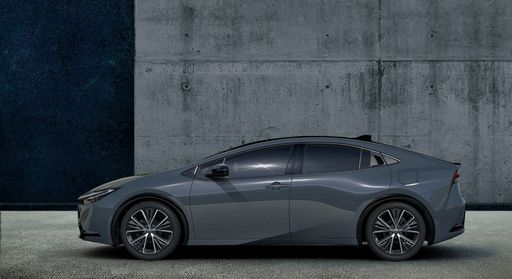
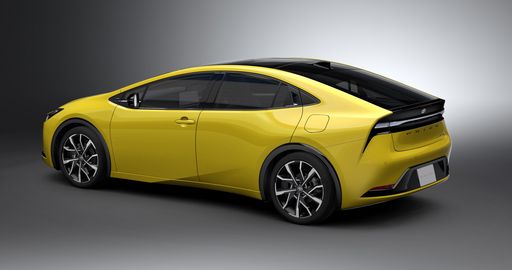
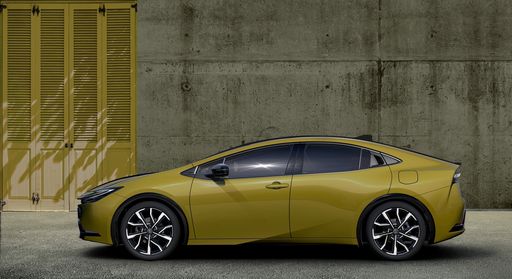
New Prius 5th generation Z grade exterior
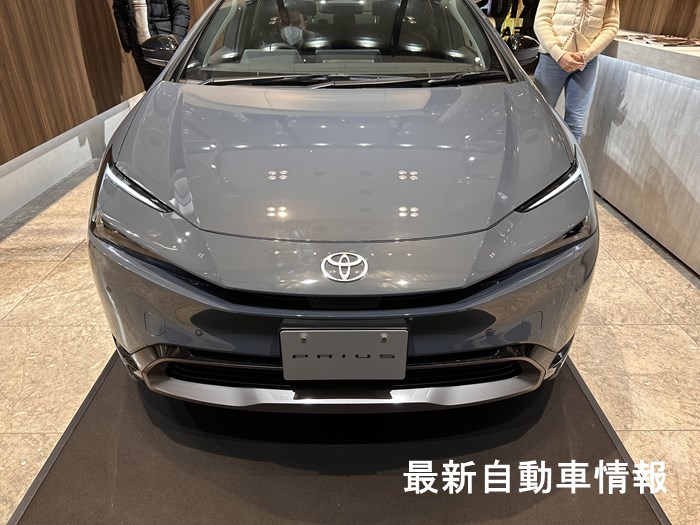
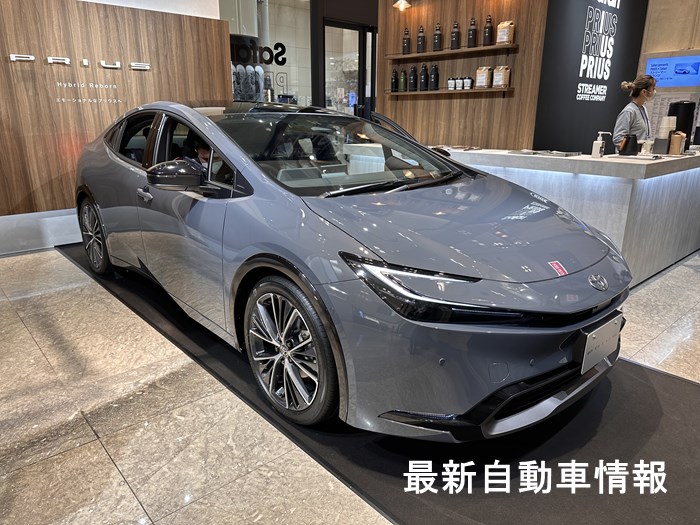
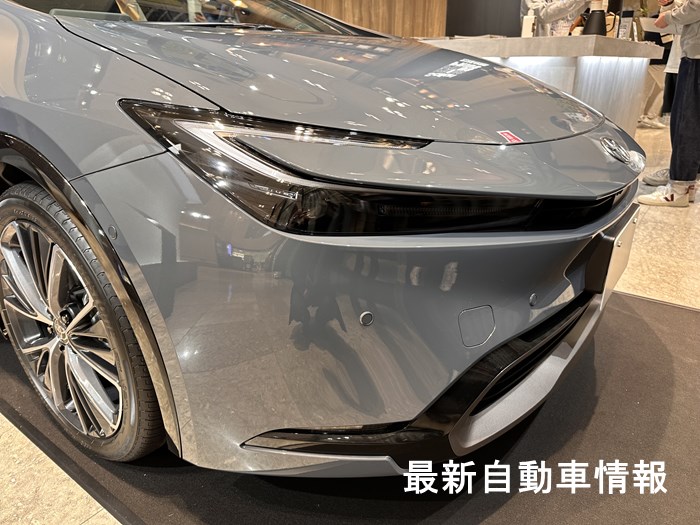
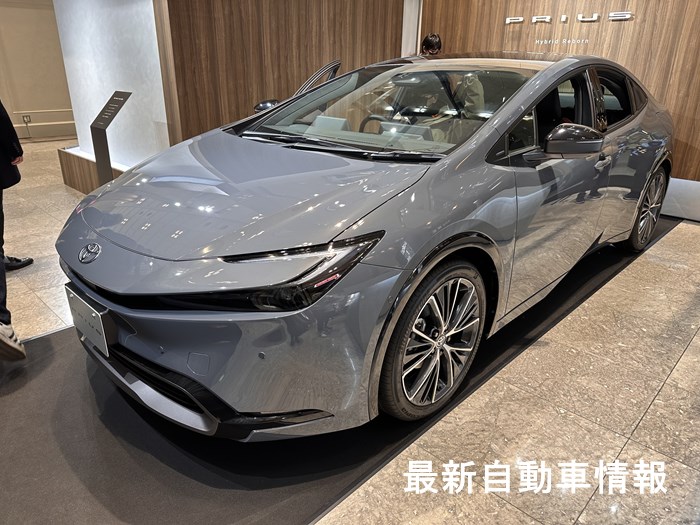
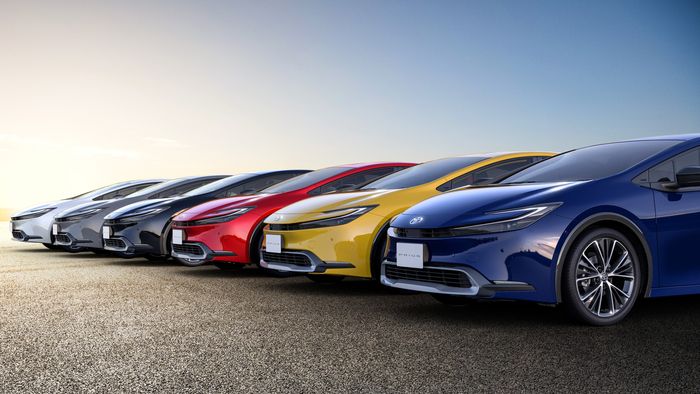
All 8 body colors for the new 5th generation Prius
There are eight body colors available , two of which are newly developed solid-color base colors that give a sporty impression: “Ash (1M2)” and “Mustard (5C5) . “
Ash<1M2>
Mustard <5C5>
Dark Blue <8Q4>
Emotional Red II <3U5>
Platinum White Pearl Mica <089>
Attude Black Mica <218>
Super White II <040>
Silver Metallic <1L0>
About the interior of the new 5th generation Prius
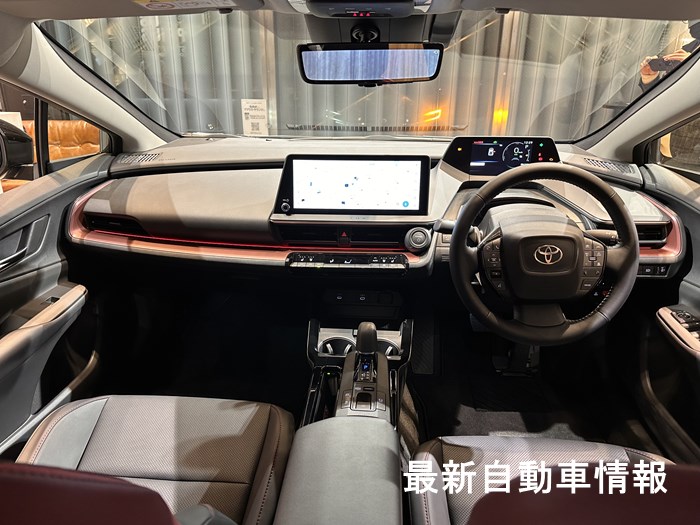
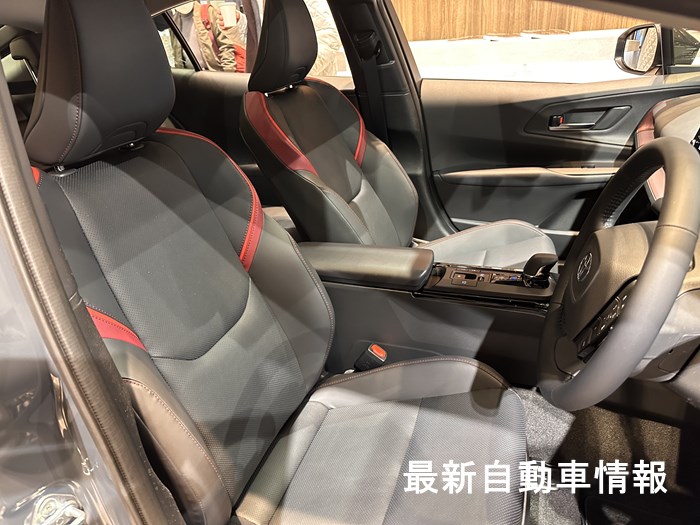
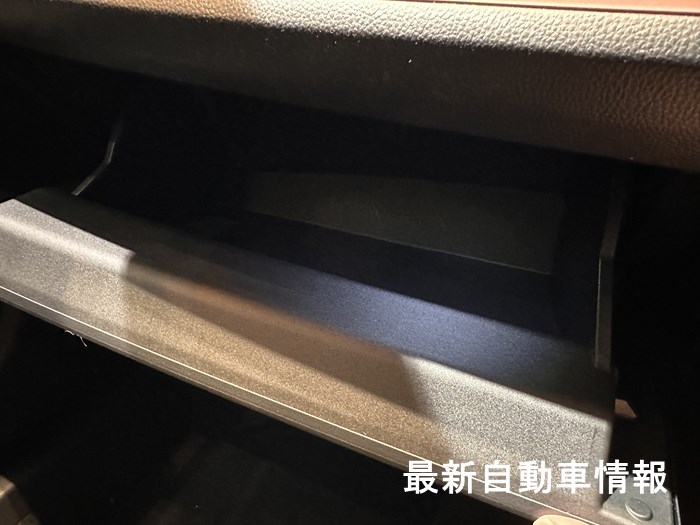
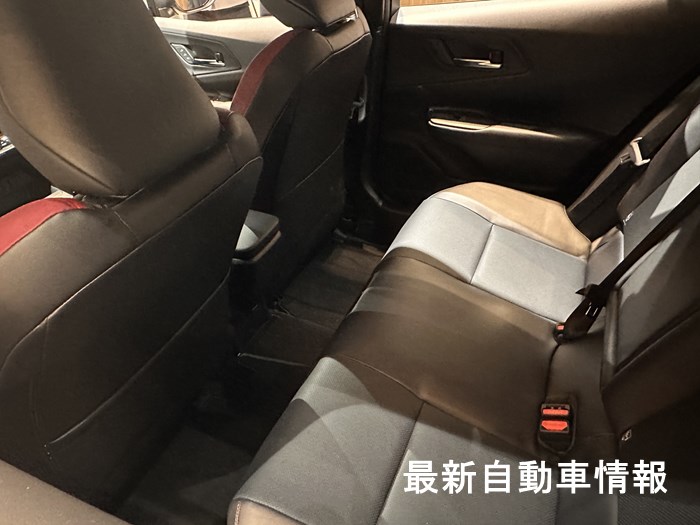
The interior will do away with the “center meter” and adopt a digital meter at the front . Following the trend of Toyota vehicles such as the new “MIRAI,” “Crown,” and “Harrier,” the instrument panel will likely be redesigned to be more user-friendly by changing the air conditioning vents and moving the navigation display up. An ” 8-inch or 12.3-inch display audio ” will be adopted. Furthermore, an “electric parking brake and hold” will be adopted. A “digital inner mirror (with front and rear recording function)” will display images from a camera mounted at the rear of the vehicle on the rearview mirror. It will also have a recording function. The “island architecture” concept combines a spacious, unobtrusive space with a cockpit that makes it easy to concentrate on driving. The interior space can be operated intuitively, making driving enjoyable.
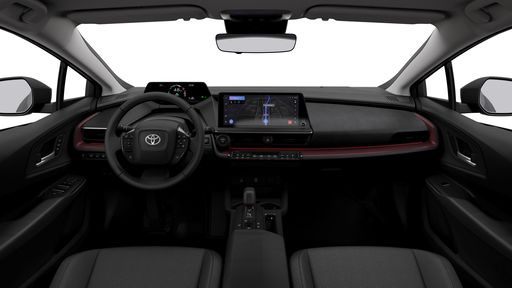
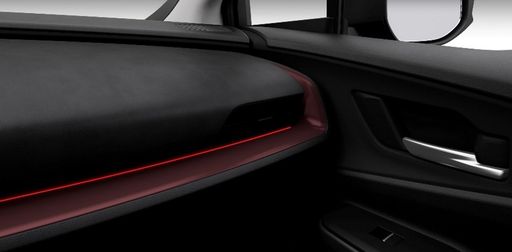
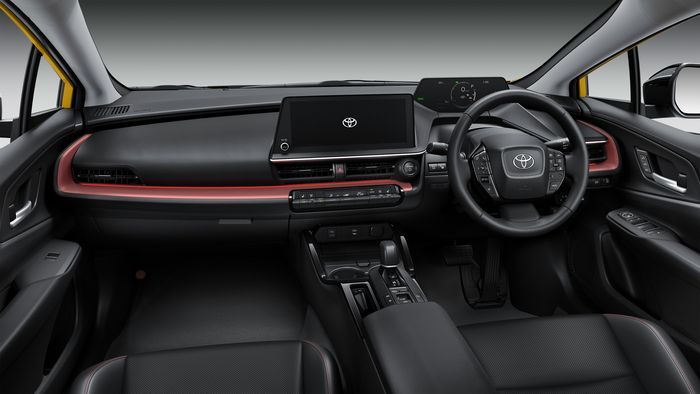
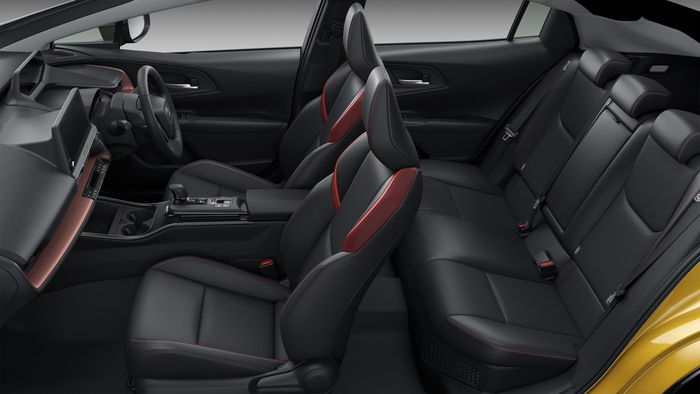
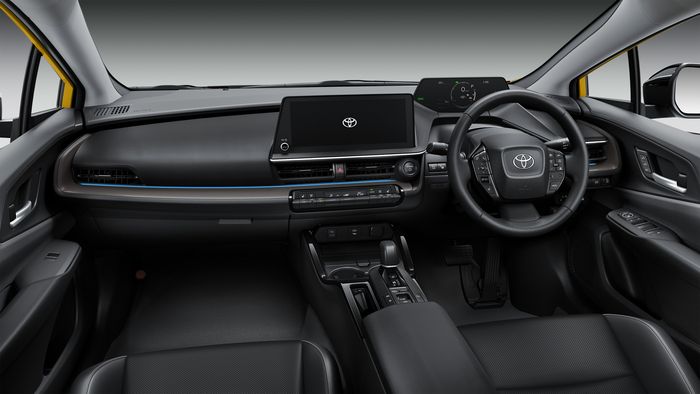
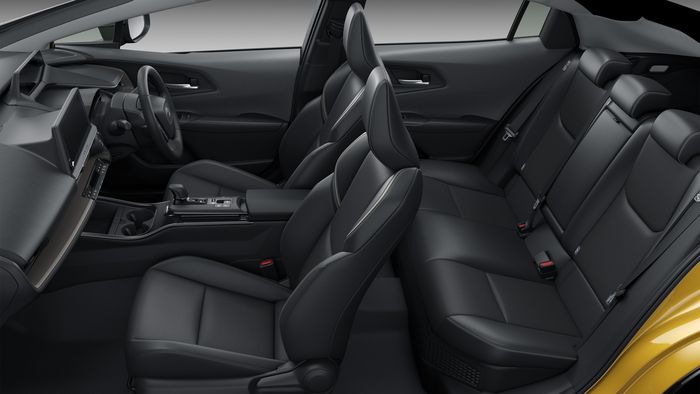
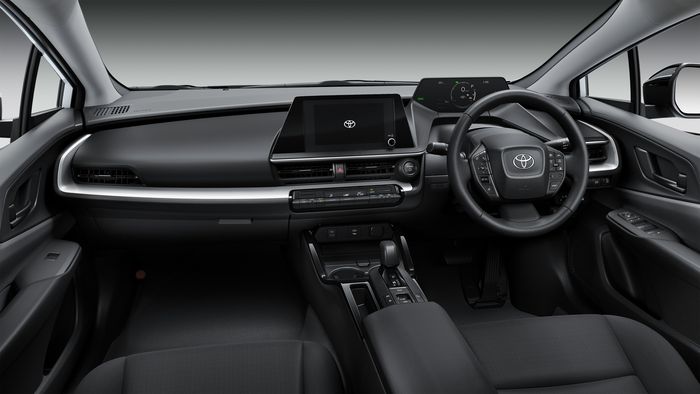
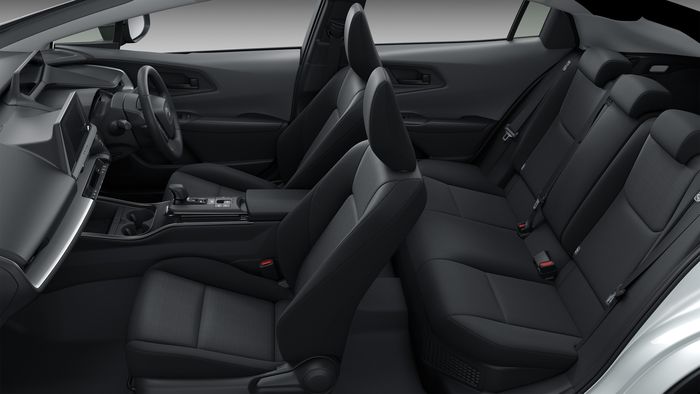
New Prius 5th generation Z grade interior
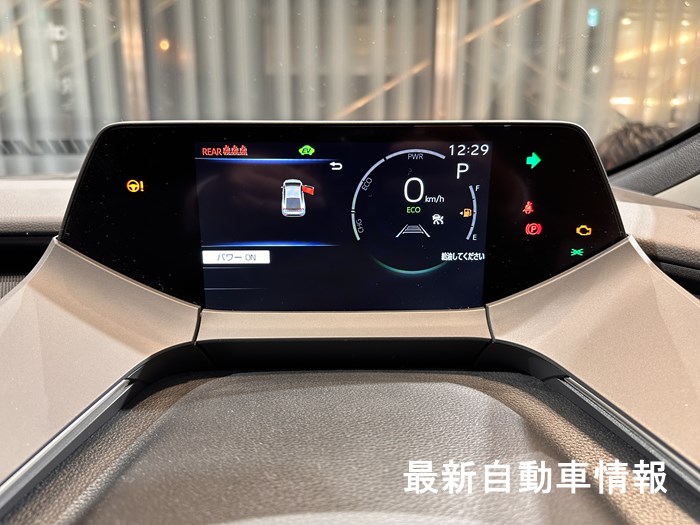
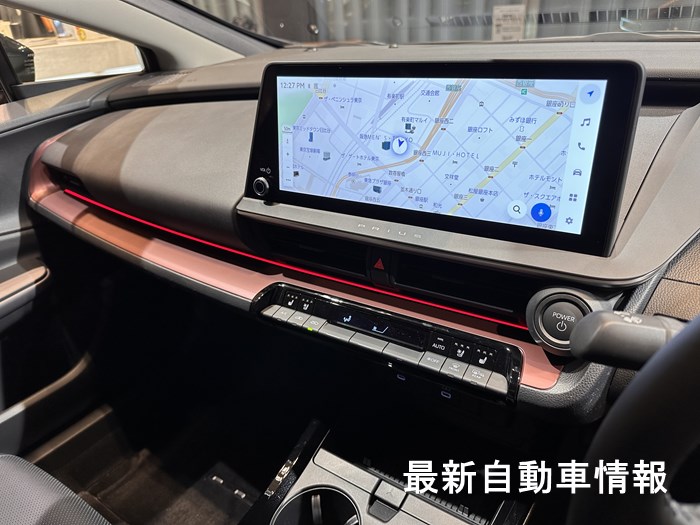
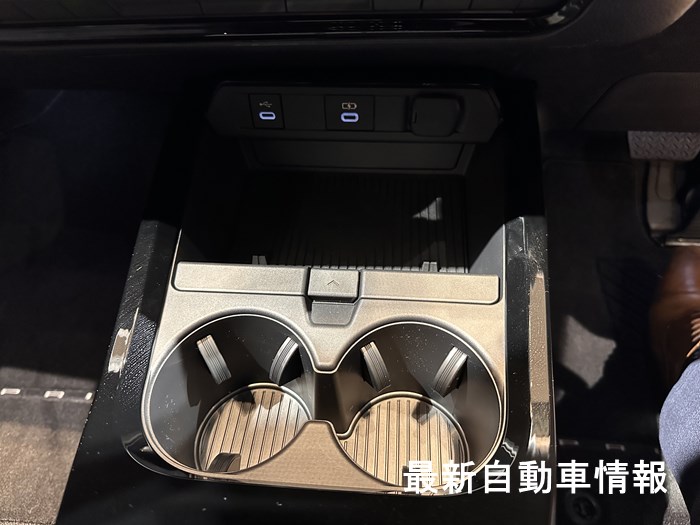
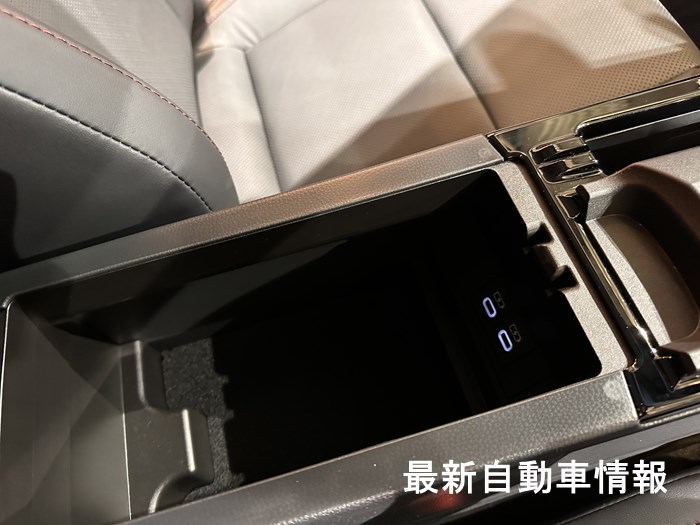
New Prius 5th generation engine
The lineup features two hybrid systems: the 1.8L inline-four DOHC “2ZR-FXE” + motor model and the 2.0L inline-four DOHC “M20A-FXS” + motor model. Both the 2.0L and 1.8L models are equipped with the latest “5th generation hybrid system.” The 1.8L model (U grade and X grade) has achieved low fuel consumption of 32.6 km/L through repeated improvements and the renewal of all electric modules. The driving performance has also been refined, with the seamless acceleration unique to hybrids, as well as a light start and a direct driving force response. The 2.0L model (Z grade and G grade) achieves better fuel economy (28.6 km/L) than the previous model, while achieving a maximum system output of 144 kW (196 PS), 1.6 times that of the previous model.
1.8L inline 4 DOHC + motor model
Compared to the fourth-generation Prius, the inline-four DOHC 1.8L + motor (series-parallel hybrid with reduction mechanism) model has significantly stronger front and rear motors, with the front motor’s maximum output increasing from 53kW (72ps) to 70kW (95PS) and maximum torque from 163Nm (16.6kgm) to 185Nm (18.9kgfm), while the rear motor’s maximum output increasing from 5.3kW (7.2ps) to 30kW (41PS), maximum torque from 55Nm (5.6kgm) to 84Nm (8.6kgfm), and system output increasing from 90kW (122ps) to 103kW (140ps) .
2.0L inline 4 DOHC + motor model
The biggest change this time is the adoption of a 2.0L inline 4 DOHC + motor (series-parallel hybrid with reduction mechanism), which uses a high-output engine and motor to contribute to driving performance and fuel efficiency. The system’s maximum output is 144kW (193PS), 1.6 times that of the previous model, ensuring power performance befitting the sporty Prius.
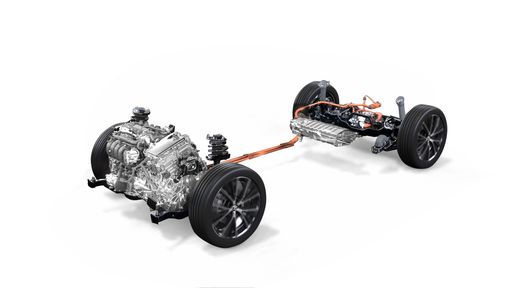
Hybrid system (2.0L prototype)
| Specifications | New Prius 1.8L (X/U) |
New Prius 2.0L (G/Z) |
|---|---|---|
| full length | 4,600mm | 4,600mm |
| Overall width | 1,780mm | 1,780mm |
| Overall height | 1,430mm | 1,420mm |
| Wheelbase | 2,750mm | 2,750mm |
| engine | Inline 4 DOHC 1.8L + motor ( series-parallel hybrid with reduction mechanism ) |
Inline 4 DOHC 2.0L + motor ( series-parallel hybrid with reduction mechanism ) |
| Maximum power | 72kW (98ps) / 5,200rpm |
112kW (152ps) / 6,000rpm |
| Maximum torque | 142Nm (14.5kgm) / 3,600rpm |
188Nm (19.2kgm) / 4,400-5,200rpm |
| Front motor maximum output |
70kW (95PS) |
83kW (113PS) |
| Front motor maximum torque |
185Nm (18.9kgfm) |
206Nm (21.0kgfm) |
| Rear motor maximum output |
30kW (41PS) |
30kW (41PS) |
| Rear motor maximum torque |
84Nm (8.6kgfm) |
84Nm (8.6kgfm) |
| System Output | 103kW (140ps) |
144kW (190PS) |
| 0-100km/h acceleration | 9.3 seconds | 7.5 seconds |
| WLTC mode fuel economy | 32.6km/L | 28.6km/L |
About the new 5th generation Prius and next-generation Toyota Safety Sense
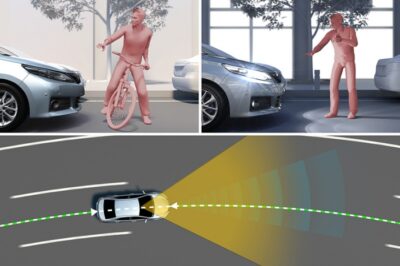
The second-generation “Next Generation Toyota Safety Sense” is standard on all vehicles. It features “Pre-Collision Safety,” which can now detect bicycles during the day and pedestrians at night, and “Lane Tracing Assist (LTA),” which assists with steering operations required to keep the vehicle in its lane when “Radar Cruise Control,” which maintains a constant distance from the vehicle ahead, is activated. Pre-Collision Safety has been enhanced with the ability to detect bicycles during the day and pedestrians at night. Millimeter-wave radar and cameras are used to ensure excellent recognition performance and reliability. In addition to the three types of preventive safety functions – collision avoidance support PCS, LDA, and AHB – a pedestrian detection function has been added to PCS. It enables pedestrian collision avoidance support and damage mitigation, and is also equipped with radar cruise control.
The system supports the latest “Pre-Collision Safety” technology, including detection at intersections, low-speed acceleration suppression, and emergency steering assistance. The PCS (Pre-Collision Safety) with pedestrian detection uses millimeter-wave radar and a camera to detect vehicles and pedestrians ahead, providing warnings, brake assist, and automatic braking to help avoid collisions and mitigate damage. The automatic braking system operates at speeds between 10 and 80 km/h for pedestrians. For example, if the speed difference between the vehicle and the pedestrian is 30 km/h, the vehicle will slow down by approximately 30 km/h to help avoid a collision. It also operates at a wide speed range for vehicles, from 10 km/h to the maximum speed. For example, if the vehicle is traveling at 40 km/h toward a stopped vehicle, the vehicle will slow down by approximately 40 km/h. Additional features include low-speed acceleration suppression, detection of oncoming vehicles and pedestrians when turning right at an intersection, and emergency steering assistance.
- A low-speed acceleration suppression function that detects pedestrians, cyclists, and vehicles directly in front of the vehicle at low speeds and suppresses acceleration.
- It can also detect oncoming vehicles going straight when turning right at an intersection, as well as pedestrians crossing from the opposite direction when turning right or left.
- Emergency steering avoidance support function that assists steering when the driver makes an evasive maneuver in an emergency.
The Road Sign Assist (RSA) has expanded its detection targets, and now also reads major roadside traffic signs such as “speed limit,” “stop sign,” “no entry,” and “no crossing” and displays them on the instrument panel.
The Lane Departure Alert (LDA) camera recognizes the white and yellow lines in the driving lane, and if it detects the possibility of lane departure, it alerts the driver with a buzzer and a visual display, helping to avoid collisions caused by lane departure.
The Automatic High Beam (AHB) camera detects the headlights of oncoming vehicles or the taillights of vehicles ahead and automatically switches between high and low beams, reducing glare for drivers of other vehicles and helping to ensure forward visibility at night.
Radar Cruise Control : This vehicle employs radar cruise control, which uses millimeter-wave radar to detect the distance between vehicles and the vehicle ahead, and adjusts its speed to match the speed of the vehicle ahead within a set speed range, allowing it to maintain a certain distance while following. Millimeter-wave radar and a camera detect lane changes by the vehicle ahead, allowing for smoother acceleration and deceleration control. Toyota aims for the ultimate goal of a mobility society: zero traffic fatalities and injuries. Toyota is researching and developing various safety equipment and systems based on its “Integrated Safety Concept,” striving to “develop safer vehicles and technologies,” and strengthening a wide range of traffic safety initiatives through “participation in traffic environment improvement” and “traffic safety awareness activities for people.”
Lane Tracing Assist (LTA) Lane Tracing Assist (LTA), featured in the new Lexus LS series, is being adopted for the first time in the next-generation Toyota Safety Sense P. When driving on a highway or expressway and radar cruise control is activated, turning on the Lane Tracing Assist (LTA) switch provides steering assistance necessary to keep the vehicle in its lane.
Proactive Driving Assist predicts risks according to the driving situation, such as “pedestrians crossing the road” or “people who may suddenly appear in front of you,” and supports driving operations to prevent drivers from getting too close to danger, leading to peace of mind for the driver.In addition, it supports deceleration operations for preceding vehicles and curves ahead, and reduces frequent pedal changes, providing gentle support to the driver on public roads and other scenes.
Rear Vehicle Approach Notification (first for the Toyota brand) The blind spot monitor’s rear millimeter-wave radar detects following vehicles, and if one approaches, the multi-information display and buzzer will alert you.
Nearby vehicle approach support (recording function, reporting suggestion function) – a first for the Toyota brand – If a vehicle behind comes very close, the system will suggest to the driver that they contact the police or connect to HelpNet. If a drive recorder is installed, the system will automatically record the situation and save the data in a dedicated recording area, making it less likely to be overwritten.
Secondary Collision Brake (for rear-end collisions while stopped) – a first for the Toyota brand. When the vehicle is stopped, the blind spot monitor’s rear-side millimeter-wave radar detects vehicles behind. If the system determines that there is a very high possibility of a rear-end collision, it will activate the vehicle’s brakes to reduce the vehicle’s speed in the event of a subsequent rear-end collision. Compared to previous systems, activating the brakes before a collision allows for earlier deceleration.
Advanced Safety
Intelligent Clearance Sonar (Parking Support Brake Stationary) is a system that helps mitigate collisions caused by accidentally pressing the accelerator or pressing it too hard, thereby reducing damage. The “Clearance Sonar” displays and sounds a buzzer when approaching stationary objects while parking, and now has an added function to mitigate contact with stationary objects. The sonar can also accurately detect glass at convenience stores and other locations. When driving at low speeds (below 15km/h), if a stationary object is detected in the direction of travel, the hybrid system output is reduced, and if the distance becomes even shorter, the brakes are automatically applied.
Leading vehicle departure notification function If you are stopped behind a vehicle in front of you at a traffic light or in a traffic jam and do not notice the vehicle in front of you starting to move, a buzzer will sound and a message will appear on the display to notify you.
Emergency brake signal (hazard lights flashing type) When you apply the brakes suddenly, the hazard lights will automatically flash.
If the driver continues to make no changes while the Lane Tracing Assist (LTA) system is in operation, it will prompt the driver to take action with sound, visual and gradual deceleration warnings, and will alert people outside the vehicle with hazard lights and a horn while slowing down and stopping the vehicle within its own lane, helping to avoid accidents involving damage to the vehicle or other parties involved and reducing the damage caused by the accident.
Digital inner mirror: Images from a camera mounted on the rear of the vehicle are displayed on the rearview mirror.
Advanced Park remote function provides on-screen and voice/buzzer guidance, and assists with backing into a target parking position confirmed on the screen and exiting from parallel parking by operating the steering wheel, shift position, accelerator and brake.In addition, a dedicated smartphone app is available, allowing you to park remotely from outside the car.
Panoramic View Monitor (360° monitor) You can check hard-to-reach areas, such as diagonally behind or directly to the side of the car, so you can spot obstacles early.
Blind Spot Monitor (BSM) uses radar to detect vehicles in adjacent lanes. If a vehicle enters your blind spot, an LED indicator mounted on the door mirror will light up.
Safe Exit Assist (SEA) When exiting the vehicle, the Blind Spot Monitor (BSM) sensor is used to detect approaching vehicles, including bicycles, from behind. If the system determines that there is a risk of a collision with the open door or with an occupant exiting the vehicle, an indicator in the door mirror will light up to warn the driver.
Rear Cross Traffic Auto Brake: Detects blind spots when reversing and alerts the driver. If there is a risk of collision, the system automatically applies brakes to help mitigate damage from a collision with an approaching vehicle.
Remote Start (App) A new optional service that allows you to start the engine and air conditioning from the MyTOYOTA app.
Comparison of the second-generation Toyota Safety Sense features
| System equipment | 4th generation Prius |
5th generation new Prius |
|
|---|---|---|---|
| Toyota Safety Sense |
Pre-crash safety system with collision avoidance support |
◯ Daytime pedestrians |
Daytime and nighttime pedestrians , bicycles, and motorcycles |
| Proactive Driving Assist |
– | ◯ | |
| Lane Departure Alert ( with steering control function) |
Steering control White line/yellow line detection Wobble alarm |
Steering control White/yellow line detection Road edge detection Wandering alarm |
|
| Adaptive High Beam System |
◯ | ◯ | |
| Radar cruise control (with full-speed tracking function) |
◯ | ◯ | |
| Lane Tracing Assist |
– | ◯ | |
| Road Sign Assist: Reading traffic signs |
– | ◯ | |
| Leading vehicle departure notification | – | ◯ | |
| preventative safety equipment |
Blind Spot Monitor |
◯ | ◯ |
| Intelligent Clearance Sonar |
◯ | ◯ | |
|
Rear Cross Traffic |
◯ | ◯ | |
| Advanced Park remote function |
– | ◯ | |
| Safe Exit Assist (SEA) | – | ◯ | |
| Driver emergency response system |
– | ◯ | |
| Hill Start Assist Control |
◯ | ◯ | |
| Panoramic View Monitor |
– | ◯ | |
| Comfortable equipment |
Comfortable heated seat + seat ventilation |
◯ | ◯ |
| Heated steering wheel | – | ◯ | |
| Digital inner mirror (with front and rear recording function) |
– | ◯ | |
| ITS Connect | ◯ | ◯ | |
| Electric parking brake & hold |
– | ◯ | |
| power seats | ◯ | ◯ | |
| Hands-free power tailgate |
– | ◯ | |
| Head-up display |
◯ | ◯ | |
| Digital Key | – | ◯ | |
| Navigation-less | ◯ | – | |
| Toyota Display Audio |
– | ◯ * Excluding base grade X |
|
| In-vehicle communication device (DCM) | – | ◯ | |
Toyota introduces the second-generation Toyota Safety Sense in 2018. Comparison and changes.
New Prius 5th generation price grade
KINTO Unlimited , a new car subscription service , was launched today and will be available starting with the new Prius U Grade ( exclusive to KINTO Unlimited ).
| grade | engine | transmission |
Drive system |
Price (10%) |
|---|---|---|---|---|
| X | Inline 4-cylinder 1.8L engine + motor |
Electric continuously variable transmission |
2WD | 2,750,000 yen |
| X E-Four | 4WD (E-Four) |
2,970,000 yen | ||
| U | 2WD | 2,999,000 yen | ||
| U E-Four | 4WD (E-Four) |
3,210,000 yen | ||
| G | Inline 4-cylinder 2.0L engine + motor |
2WD | 3,200,000 yen | |
| G E-Four | 4WD (E-Four) |
3,420,000 yen | ||
| Z | 2WD | 3,700,000 yen | ||
| Z E-Four | 4WD (E-Four) |
3,920,000 yen |

Thoughts on the new 5th generation Prius
The Prius, the world’s first mass-produced hybrid-only vehicle, has been on sale since 1997 by Toyota, and has always been packed with Toyota’s latest technology. The fifth-generation Prius also boasts impressive features for its class, including the latest hybrid system and safety features. The lineup includes two hybrid systems and a 2.0L model, making it a model that combines comfort with fuel economy. However, times have changed, and up until the fourth generation, the Prius was the only vehicle to feature Toyota’s hybrid system. Now, with many Toyota vehicles adopting similar hybrid systems, fewer people are choosing the Prius. However, it will be exciting to see how sales grow once the Prius goes on sale.
About the 4th generation Prius 50 series early model
The fourth-generation Prius went on sale on December 9, 2015. The first car to adopt the newly developed GA-C platform, known as TNGA (Toyota New Global Architecture) , offers a larger interior space than the previous model.
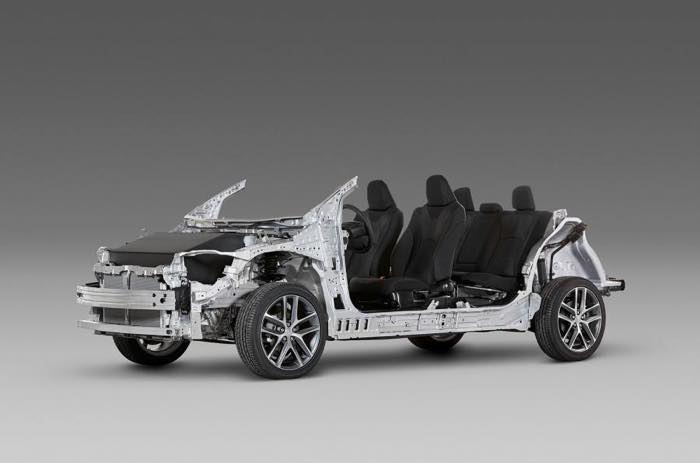
TNGA (Toyota New Global Architecture)
The fourth-generation Prius 50 series, the first to adopt TNGA (Toyota New Global Architecture)
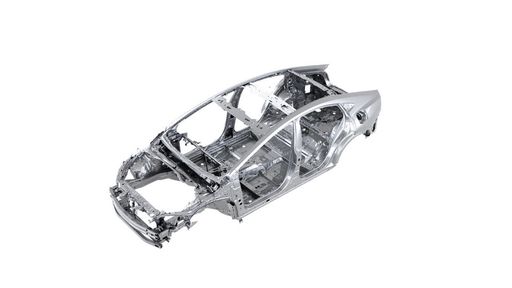
TNGA dramatically improves the vehicle’s basic performance and product appeal by revamping and developing the powertrain unit and platform as a single unit. The new platform achieves a class-leading low center of gravity by revamping and developing the underbody and suspension, as well as by lowering and positioning the powertrain unit. This contributes to a low-slung, stylish design, comfortable handling, a high-quality ride, and collision safety performance that provides safety and peace of mind. Body rigidity has been improved (by 30 to 65% compared to the previous model) by revising the frame structure, and body rigidity will be further enhanced by adopting laser welding technology for body joining. By improving the engine’s thermal efficiency and the transmission’s power transmission efficiency, the entire powertrain system (engine and transmission) has improved fuel efficiency by approximately 25% and power performance by approximately 15% or more.
About the hybrid system of the 4th generation Prius 50 series early model
In addition, the downsized THS II hybrid system (the entire system including the engine) is expected to improve fuel efficiency by more than 15% by reviewing the layout of the drive unit, miniaturizing the motor, inverter, and battery, and improving efficiency. It is equipped with an improved inline 4-cylinder DOHC 1.8L engine “2ZR-FXE” that achieves a maximum thermal efficiency of 40%, achieving a reduction in loss of approximately 20% throughout the system. The “E” model achieves a low fuel consumption of 40.8km/L in JC08 mode.
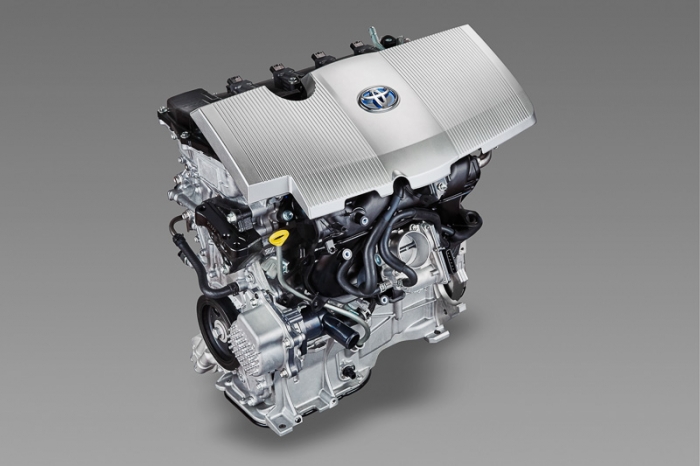
Improved inline 4-cylinder DOHC 1.8L engine “2ZR-FXE”
About the size of the 4th generation Prius 50 series early model
Overall length: 4,540mm (+60mm), overall width: 1,760mm (+15mm), overall height: 1,470mm (-20mm), wheelbase: 2,700mm (0mm), the body has been reborn with a low center of gravity, with the nose lowered by 70mm compared to the third generation . The “ultimate aerodynamic form” eliminates air resistance even more than the previous generation, and the door mirrors and shark antenna have been designed with aerodynamic performance in mind.
The Toyota logo is positioned at the same height as the 86, achieving an “ultimate aerodynamic form” that reduces air resistance compared to the previous model. All lights are LED. Furthermore, the seamless door handle design reduces wind noise. The 17-inch aluminum wheels incorporate decorative resin parts into the aluminum, improving aerodynamic performance and reducing weight (15-inch wheels are mounted on the wheel caps). The battery is now located under the rear seat rather than under the trunk, lowering the floor and increasing trunk capacity by 56 liters compared to the previous model. The trunk can now fit four golf bags! (The third-generation model holds approximately three golf bags.) The trunk capacity has been expanded from 446 liters to 502 liters. (LED front fog lamps, LED side turn signals, LED high-mounted stop lamp, LED license plate lamp). The headlight unit features Bi-Beam LED headlights that switch between high and low beams with a single lens. The multi-function, easy-to-read 4.2-inch color TFT twin meters are easy to use and read.
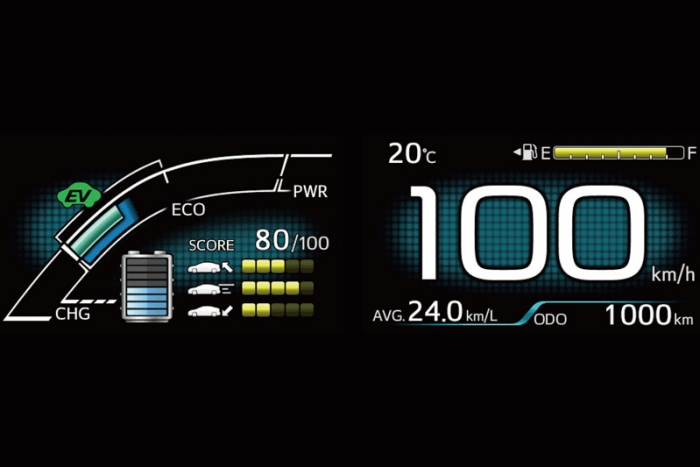
Old 4th generation Prius meter
The right side displays basic information such as speed and fuel gauge. The left side is a “multi-display” that can be switched using the steering switch, expressing functionality and advanced technology. Following the Land Cruiser 200 that underwent a minor change in August 2015, it is equipped with the advanced safety technology Toyota Safety Sense P.
4th generation Prius 50 series early model available in 9 colors
- Emotional Red (3T7) ( Touring Selection only )
- Thermotec Lime Green (6W7) (manufacturer option)
- Steel Blonde Metallic (4×1)
- Gray metallic (1G3)
- Attitude Black Mica (218)
- Dark Blue Mica Metallic (8W7)
- Super White II (040)
- White Pearl Crystal Shine (070) (manufacturer option)
- Silver metallic (1F7)
The new Prius not only boasts excellent design and fuel economy, but also incorporates the latest technology in its paintwork . New colors have been developed specifically for the new Prius. Emotional Red is a special color that utilizes Toyota’s first new technology to achieve a clear, vibrant red. Thermotect Lime Green is a world first, and has insulating properties , and the body colors have also been newly developed using completely new technology. Steel Blonde Metallic has also been newly developed for the new Prius, which exudes an advanced and premium impression.
Interior color
Cool Gray
black
There are two interior colors available.
Sheet
Genuine leather
synthetic leather
Premium Fabric
fabric
There are four seats to choose from.
Steering wheel and front console tray
White decoration
black
4th generation Prius 50 series early model price grade
| grade | price |
|---|---|
| S | 2,479,091 yen |
| S E-Four | 2,673,491 yen |
| S Touring | 2,628,327 yen |
| S Touring E-Four | 2,822,727 yen |
| A | 2,777,563 yen |
| A E-Four | 2,971,963 yen |
| A Touring | 2,926,800 yen |
| A Touring E-Four | 3,121,200 yen |
| A Premium | 3,107,455 yen |
| A Premium E-Four | 3,301,855 yen |
| A Premium Touring | 3,199,745 yen |
| A Premium Touring E-Four | 3,394,145 yen |
Tax benefits for the 50-type Prius
Environmentally friendly vehicles that qualify for the tax promotion system and the green automobile tax system receive a 100% reduction in income tax (approximately 60,700 to 84,850 yen (depending on the grade)) and weight tax (approximately 36,900 yen). The green automobile tax system allows for a 75% reduction in automobile tax in the year following new car registration (approximately 29,500 yen).
4th generation Prius 50 series early model November 2017 partial improvement
The new Prius underwent a partial improvement in November 2017. In this partial improvement, the exterior has been expanded to include two-tone colors, similar to the new C-HR, and is now available in two-tone black or white.
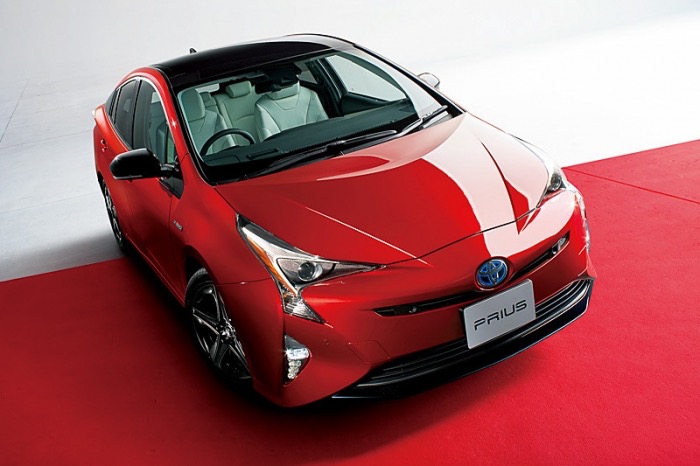
Special Edition A Premium “Touring Selection 20th Anniversary Limited”
As part of the partial improvements, the interior will now be available as a manufacturer option with the 11.6-inch large-screen navigation system (display) that is installed in the new Prius PHV. The T-Connect DCM package will also be included. The previously unpopular white color of the console box has been changed to black as standard. A front console tray with piano black accents has been adopted. The head-up display installed in higher grades has been modified to display auto cruise. The first generation went on sale in December 1997, and to commemorate the 20th anniversary since then, a “20th Anniversary Special Edition Vehicle” will be added to the lineup.
4th generation Prius minor change model 50 series late model
Toyota has made minor changes to the new Prius and will release it in Japan on December 17, 2018. It will be sold at Toyota dealerships, Toyopet dealerships, Toyota Corolla dealerships, and Netz dealerships nationwide . Monthly sales target: 6,600 units. Price: 2,518,560 yen to 3,478,680 yen.
4th Generation Prius Minor Change Model 50 Series Late Model Exterior Changes
The front and rear bumper designs have been changed. The overall length of the early model was changed from 4,540mm to 4,575mm in the later model. Redesigned Bi-Beam LED headlights (retarded headlights) are used. The taillight design has been changed. The 17-inch aluminum wheels feature titanium-look paint on the resin decorative parts, while the 15-inch aluminum wheels feature a twin-spoke design. New body colors , Blue Metallic and Emotional Red 2, have been added. A “geometric roof film” option is available, which is a two-tone body finish created by painting the roof, door mirrors, and roof antenna in black with a geometric film featuring delicate indentations.
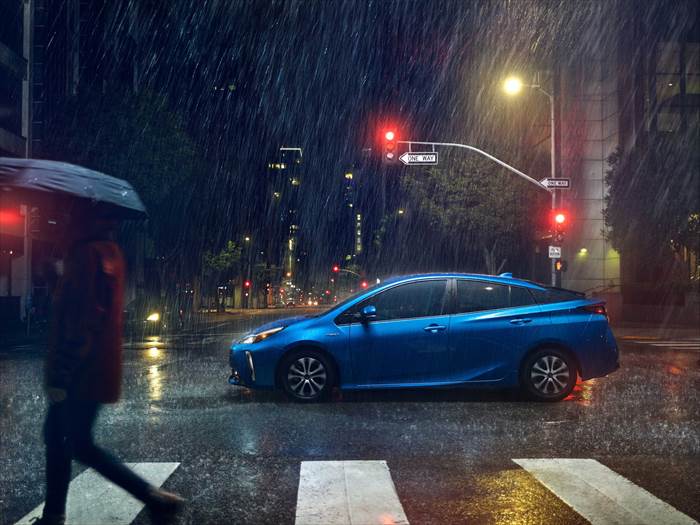
TOYOTA Prius North American model exterior
4th Generation Prius Minor Change Model 50 Series Late Model Interior Changes
The interior uses LEDs for the interior lights. The interior color has been changed from white paint around the steering wheel, shift lever, and center console tray set to black paint. A simply placing charger is now an option for the “A”, “A Premium”, and “A Premium “Touring Selection”. Space has been expanded. The position of the seat heater switch has been changed and placed on the center console tray, improving usability. A seat ventilation function has been added to the front seats of the “A Premium” and “A Premium “Touring Selection” . (Increasing comfort in the summer when cool air is drawn in from the seat.)
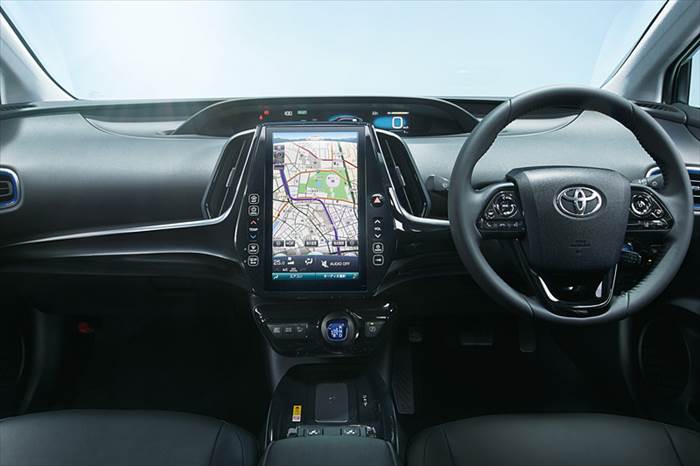
TOYOTA Prius minor change interior
In November 2017, the interior was partially improved, and the 11.6-inch large-screen navigation system (display) that is installed in the new Prius PHV became available as a manufacturer option. All vehicles are equipped with a dedicated communication device DCM as standard , and the T-Connect service is provided free of charge for three years.
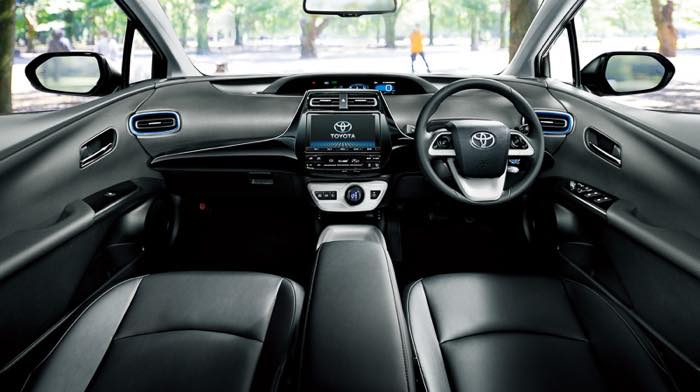
50 series early model Prius interior
Pricing for the 4th Generation Prius Minor Change Model 50 Series Late Model
| grade | price | Previous period comparison price |
|---|---|---|
| E | 2,518,560 yen | +89,542 yen |
| S | 2,565,000 yen | +85,909 yen |
| S E-Four | 2,759,400 yen | +85,909 yen |
| S Touring | 2,732,400 yen | +104,073 yen |
| S Touring E-Four | 2,926,800 yen | +104,073 yen |
| A | 2,842,560 yen | +64,997 yen |
| A E-Four | 3,036,960 yen | +64,997 yen |
| A Touring | 3,006,720 yen | +79,920 yen |
| A Touring E-Four | 3,201,120 yen | +79,920 yen |
| A Premium | 3,175,200 yen | +67,745 yen |
| A Premium E-Four | 3,369,600 yen | +67,745 yen |
| A Premium Touring | 3,284,280 yen | +84,535 yen |
| A Premium Touring E-Four | 3,478,680 yen | +84,535 yen |
Prices will increase by approximately 65,000 to 90,000 yen for each grade compared to the previous model. The A and A Premium grades , which have the smallest price difference , are likely to be the best value.
4th Generation Prius Minor Change Model 50 Series Late Model Specifications
| Specifications | New Prius |
|---|---|
| full length | 4,575mm |
| Overall width | 1,760mm |
| Overall height | 1,470mm |
| Wheelbase | 2,700mm |
| engine | Inline 4 DOHC 1.8L + motor (THS II) |
| Maximum power | 72kW (98ps) / 5,200rpm |
| Maximum torque | 142Nm (14.5kgm) / 3,600rpm |
| Front motor maximum output | 53kW (72ps) |
| Front motor maximum torque | 163Nm (16.6kgm) |
| Rear motor maximum output | 5.3kW (7.2ps) |
| Rear motor maximum torque | 55Nm (5.6kgm) |
| System Output | 90kW (122ps) |
| transmission | continuously variable transmission |
| Vehicle weight | 1,320–1,460 kg |
| Passenger capacity | 5 people |
| JC08 mode fuel economy | 37.2-39.0km/L |
| WLTC mode fuel economy | 27.2~32.1km/L (2WD) 25.4~28.3km/L (4WD) |
| price | 2,518,560 yen to 3,478,680 yen |
We will let you know as soon as new information becomes available.
Toyota News Release
https://global.toyota/jp/newsroom/toyota/25674138.html
Toyota Prius
Toyota