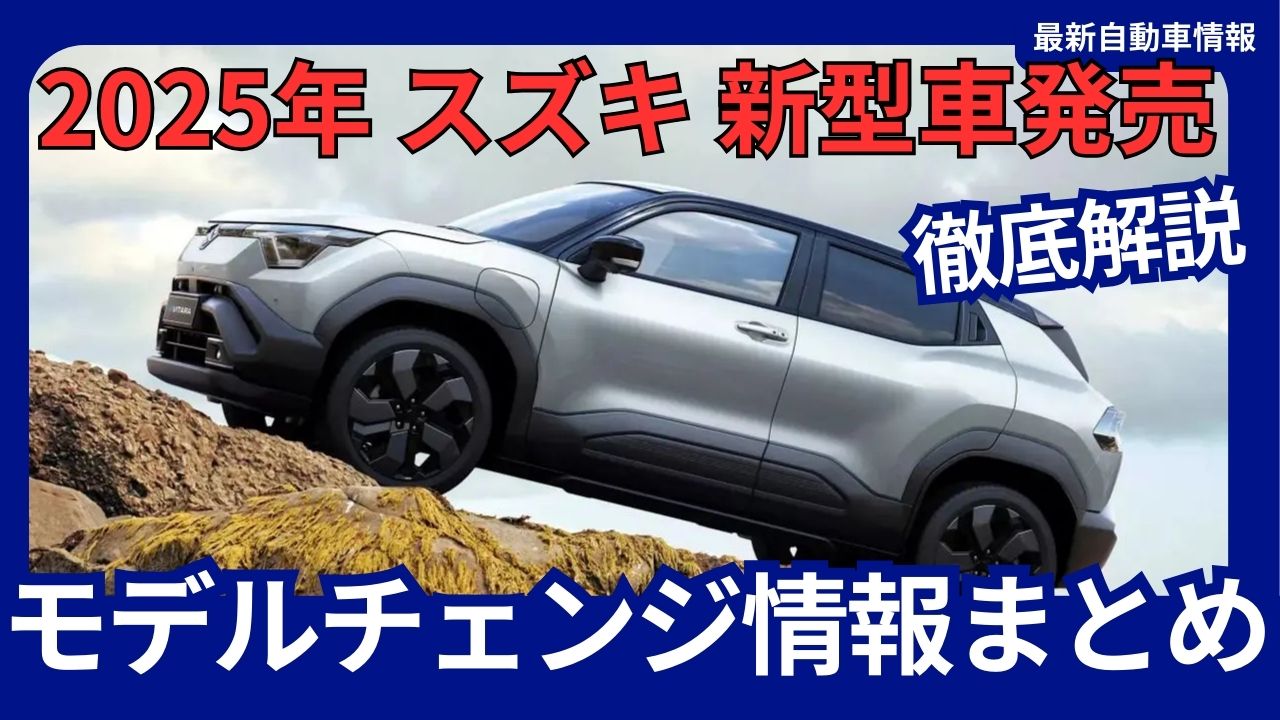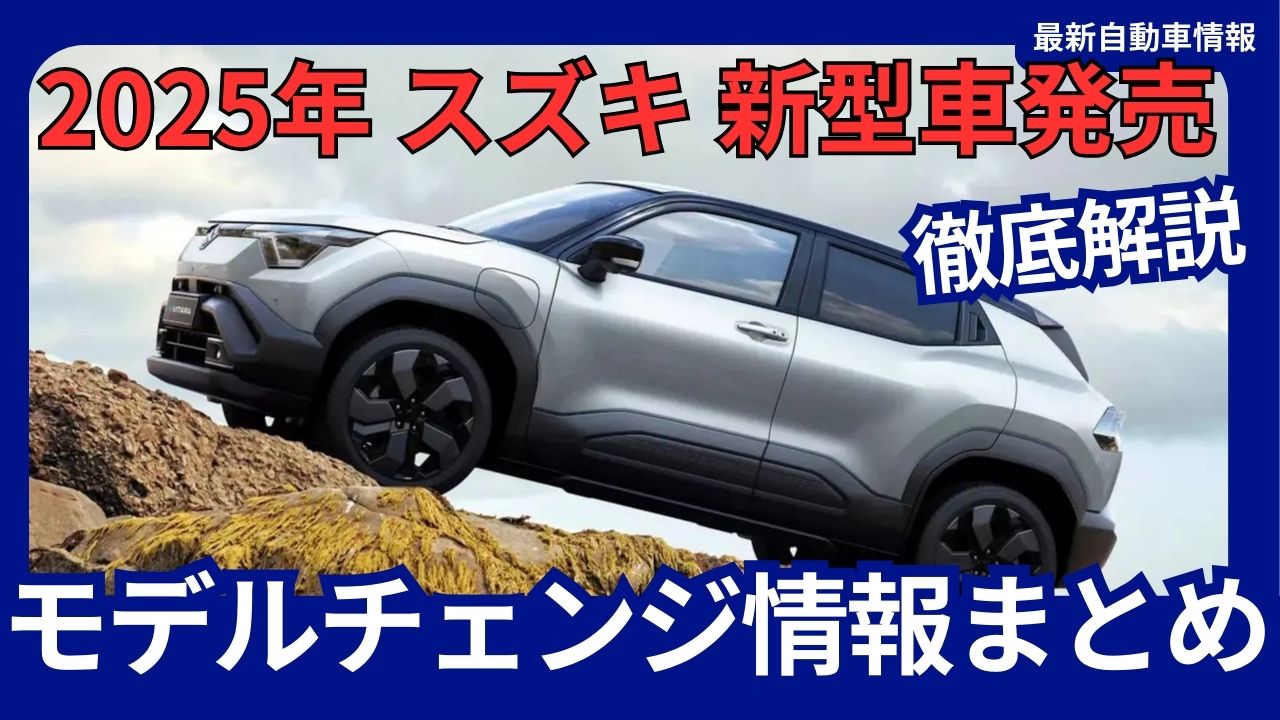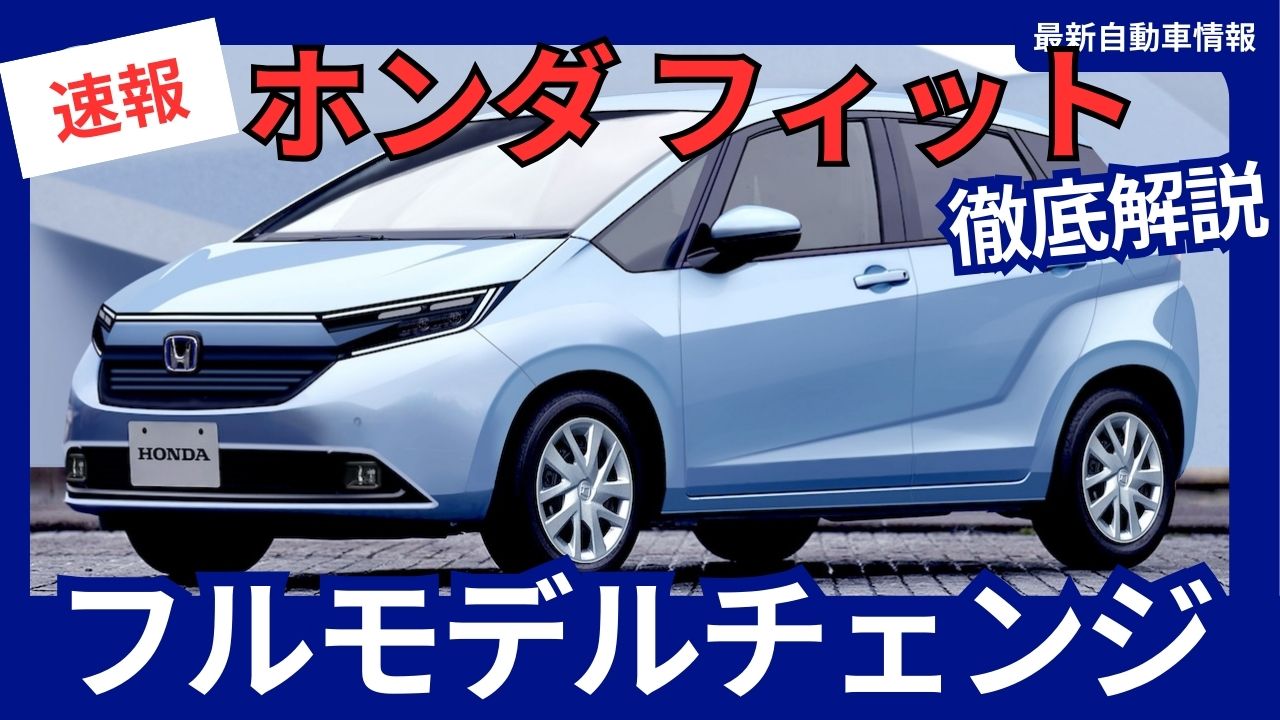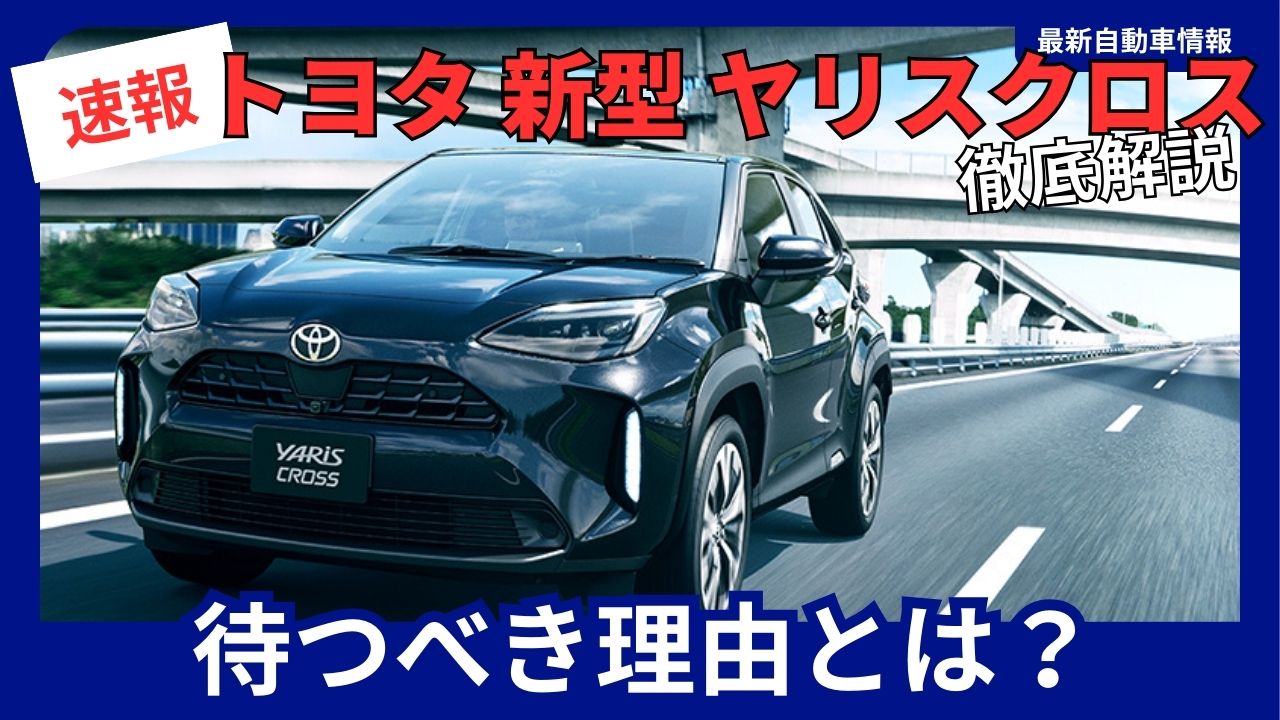

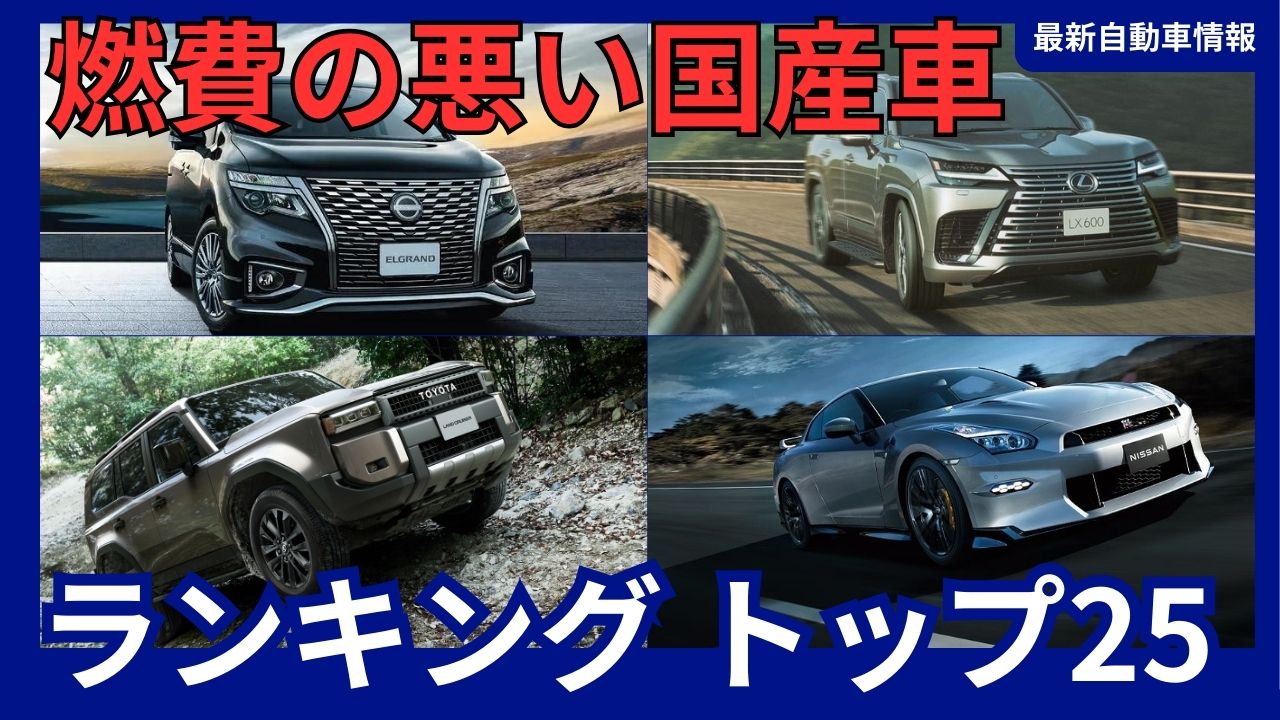
This time, we will look at the most fuel-efficient passenger cars on sale in Japan as of 2025 and present them in a ranking format. Many of the cars on the list have nothing to do with fuel efficiency.
In today’s world, where there is a demand for vehicles that are both environmentally friendly and economical, fuel efficiency is one of the important factors when choosing a car. In particular, in recent years, fuel efficiency has become increasingly important due to rising gasoline prices and growing environmental awareness.
However, there are also car models that sacrifice fuel efficiency in favor of powerful engines and comfortable interiors. This time, we will announce the top 25 least fuel-efficient car models on the market in Japan as of 2025, in a ranking format .
The vehicles included in the ranking are based on WLTC mode fuel economy , which is a fuel economy measurement method that combines urban, suburban, and highway driving modes to more closely resemble real-world driving.
In addition, we will explain the causes of poor fuel economy and the latest technologies to improve fuel economy. By knowing the characteristics of cars with poor fuel economy, you will have useful information when choosing a car.
Now, let’s take a look at the rankings.
Ranking of Japanese cars with poor fuel economy
As of February 2025, the car with the worst fuel economy in Japan is the GT-R, with a WLTC mode fuel economy of 7.8km/L. Sports cars, large SUVs, vans, and minivans tend to have poor fuel economy. While there were many cars with worse fuel economy in the past, even cars with larger engine displacements or heavier vehicles nowadays have relatively good fuel economy.
| Ranking | Car name | Car name | WLTC mode fuel economy |
|---|---|---|---|
| 1st place | Nissan | 2025 GT-R model | 7.8km/L |
| 2nd place | Toyota | Land Cruiser 250 (gasoline vehicle) |
7.5km/L |
| 3rd place | Lexus | LX600 | 8.0-8.1km/L |
| 4th place | Toyota | Land Cruiser (gasoline vehicle) |
7.9-8.0km/L |
| 5th place | Lexus | LC500 Convertible | 8.0km/L |
| 6th place | Lexus | GX550 | 8.1km/L |
| 7th place | Nissan | Elgrand | 8.4km/L to 10.0km/L |
| 8th place | Nissan | caravan | 8.5 to 11.3km/L |
| 9th place | Lexus | RC F | 8.5km/L |
| 10th place | Lexus | IS500 | 9.0km/L |
| 11th place | Toyota | Hiace | 9.2km/L to 12.4km/L |
| 12th place | Nissan | Fairlady Z | 9.5km/L to 10.2km/L |
| 13th place | Nissan | Skyline | 10.0km/L |
| 14th place | Toyota | Alphard (gasoline vehicle) |
10.6km/L |
| 15th place | Subaru | WRX S4 | 10.7km/L to 10.8km/L |
| 16th place | Lexus | RX350 | 11.2km/L to 11.8km/L |
| 17th place | Subaru | Levorg | 11.0km/L to 13.5km/L |
| 18th place | Lexus | NX350 | 11.7km/L |
| 19th place | Toyota | Hilux | 11.7km/L |
| 20th place | Toyota | GR86 | 11.7km/L to 12.0km/L |
| 21st place | Subaru | SUBARU BRZ | 11.7km/L to 12.0km/L |
| 22nd place | Nissan | NV200 Vanette | 12.0km/L |
| 23rd place | Toyota | Century | 12.4km/L |
| 24th place | Mitsubishi | Delica D:5 | 12.6km/L |
| 25th place | Subaru | Legacy Outback | 13.0km/L |
| 26th place | Mazda | CX-60 25S | 13.0km/L to 14.2km/L |
*The above rankings are based on information current as of February 2025.
*Fuel efficiency varies depending on grade and drive system.
Furthermore, recent full model changes to the Land Cruiser, LX, and Fairlady Z have improved the fuel efficiency of each model, which is another factor in the fact that there are now many models that are not as fuel efficient as they used to be.
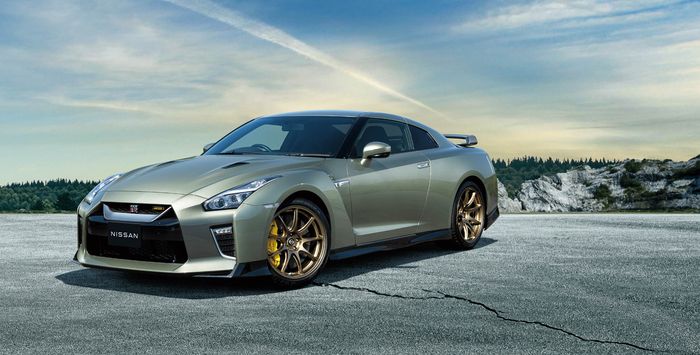
GR-R
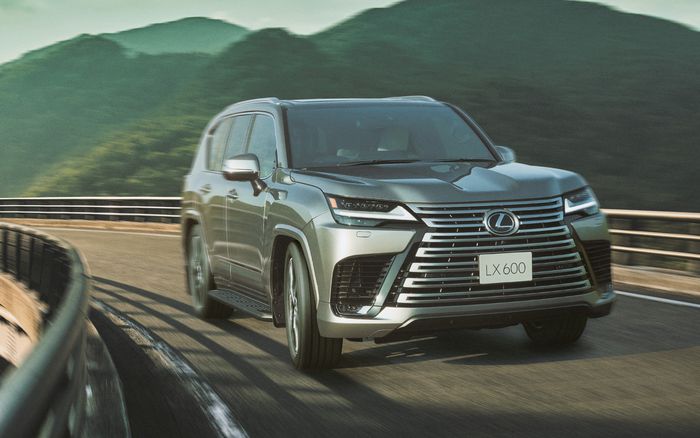
LX600
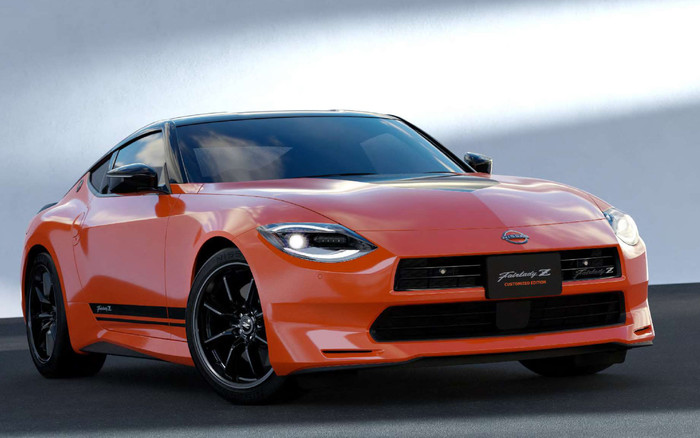
FAIRLADY Z
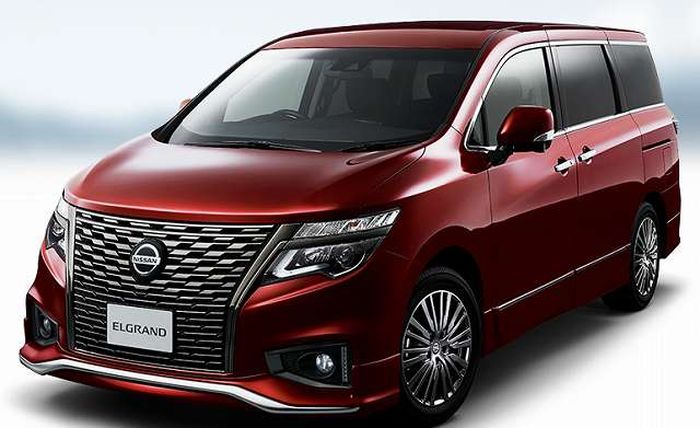
Elgrand
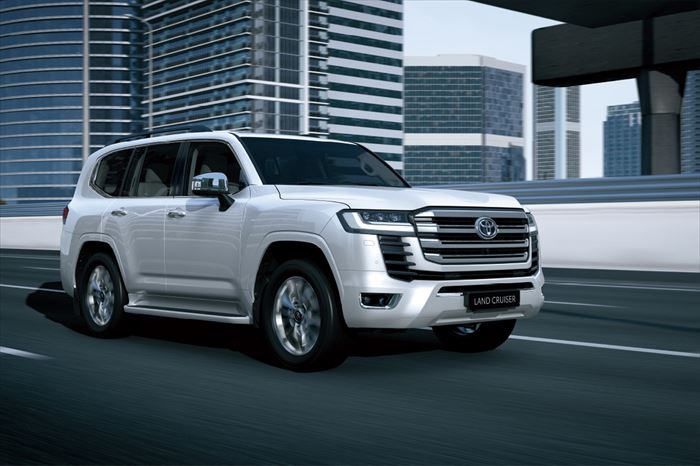
Land Cruiser
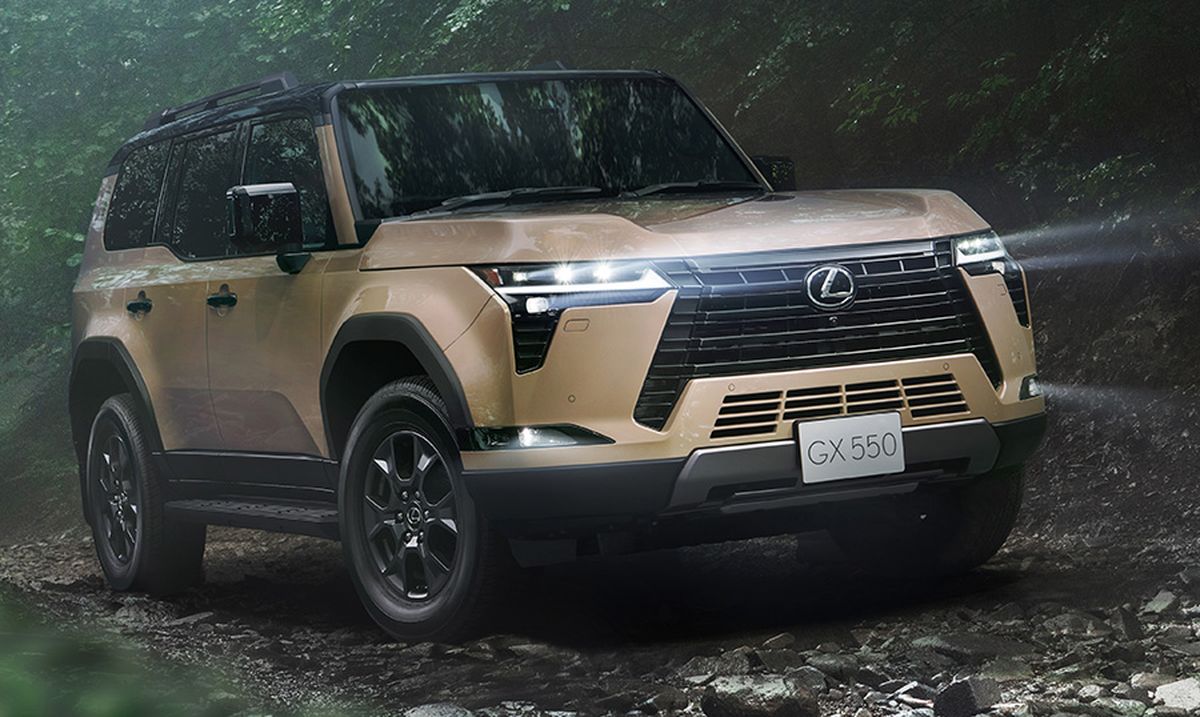
GX550 OVERTRAIL+
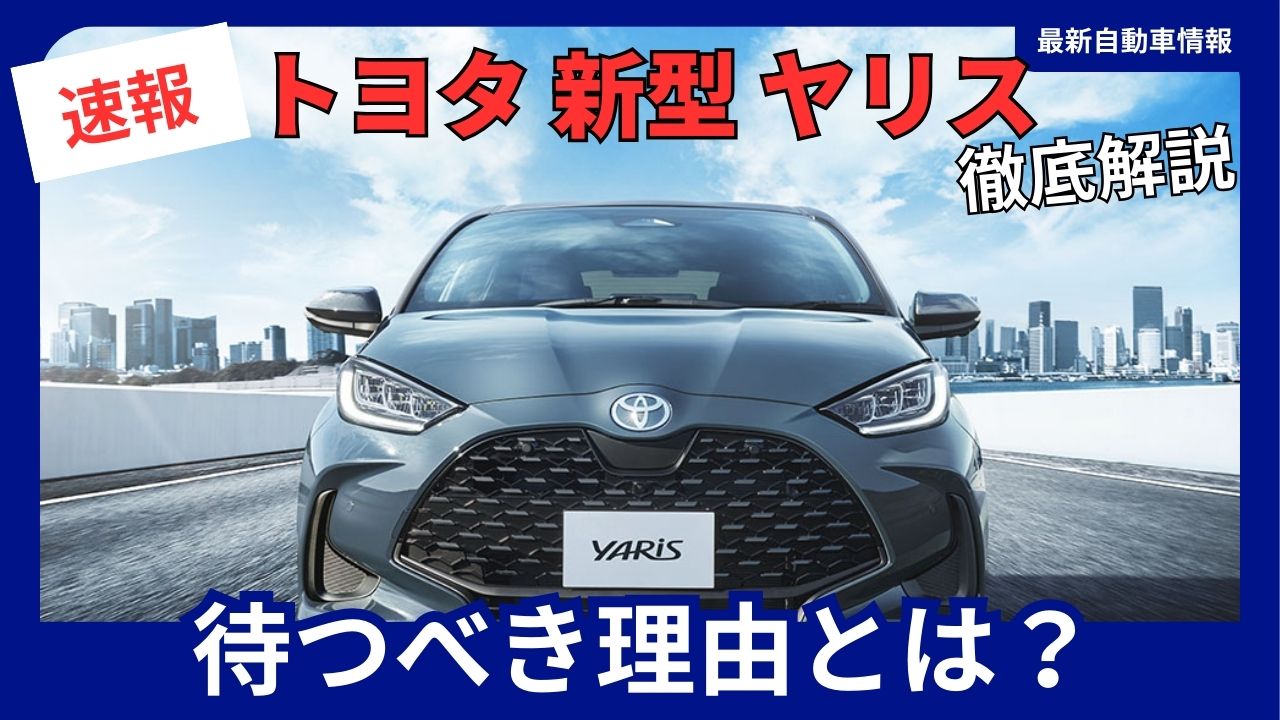
On the other hand, the Yaris, which ranks as the most fuel-efficient car, has a WLTC mode fuel efficiency of 36.0 km/L, which is a difference in fuel efficiency that is incomparable to the above-mentioned five-seater passenger car. However, fuel efficiency is not everything when it comes to cars. It is interesting to note that many of the above-mentioned cars with poor fuel efficiency are also popular models.
What we can learn from fuel efficiency rankings
Looking at the rankings, we can see that many SUVs, large minivans, and sports cars are ranked. These vehicles tend to have poor fuel efficiency due to their large size and weight. Vehicles equipped with powerful engines also tend to have poor fuel efficiency.
On the other hand, minicars and compact cars tend to be more fuel efficient because they are smaller and lighter.
Causes of poor fuel economy
There are various reasons why fuel economy can be poor. The main reasons are as follows:
- Vehicle weight : The heavier the vehicle, the more energy it takes to move and the worse the fuel economy.
- Engine Displacement : The larger the engine displacement, the more fuel it will consume and the worse the fuel economy will be.
- Drive system : 4WD vehicles tend to have worse fuel economy than 2WD vehicles because the drive system has more resistance.
- Rolling resistance : The greater the rolling resistance, such as low tire pressure or carrying a lot of luggage, the worse your fuel efficiency will be.
- Driving habits : Fuel-intensive driving practices such as sudden starts, hard braking, and idling will result in poor fuel economy.
- Using the air conditioner : Using the air conditioner puts more strain on the engine and reduces fuel economy.
Ranking of fuel-efficient Japanese cars
| Ranking | Car name | Car name | WLTC mode fuel economy |
|---|---|---|---|
| 1st place | Toyota | Yaris Hybrid |
36.0km/L |
| 2nd place | Toyota | Aqua | 35.8km/L |
| 3rd place | Toyota | Prius | 32.6km/L |
| 4th place | Toyota | Yaris Cross Hybrid |
30.8km/L |
| 5th place | Toyota | Prius PHEV | 30.3km/L |
| 6th place | Toyota | Corolla Hybrid |
30.2km/L |
| 7th place | Toyota | Corolla Sport Hybrid |
30.0km/L |
| 8th place | Toyota | Corolla Touring Hybrid |
29.0km/L |
| 9th place | Nissan | NOTE e-POWER |
29.5km/L |
| 10th place | Honda | Fit e:HEV |
29.4km/L |
| 11th place | Toyota | Sienta Hybrid |
28.8km/L |
| 12th place | Daihatsu | Rocky Hybrid |
28.0km/L |
| 13th place | Toyota | Rise Hybrid |
28.0km/L |
| 14th place | Lexus | LBX | 27.7km/L |
| 15th place | Toyota | Corolla Cross | 26.2km/L |
| 16th place | Mazda | MAZDA2 Diesel |
25.2km/L |
| 17th place | Honda | Vezel e:HEV |
25.0km/L |
| 18th place | Suzuki | Swift | 24.5km/L |
| 18th place | Honda | Civic e:HEV |
24.2km/L |
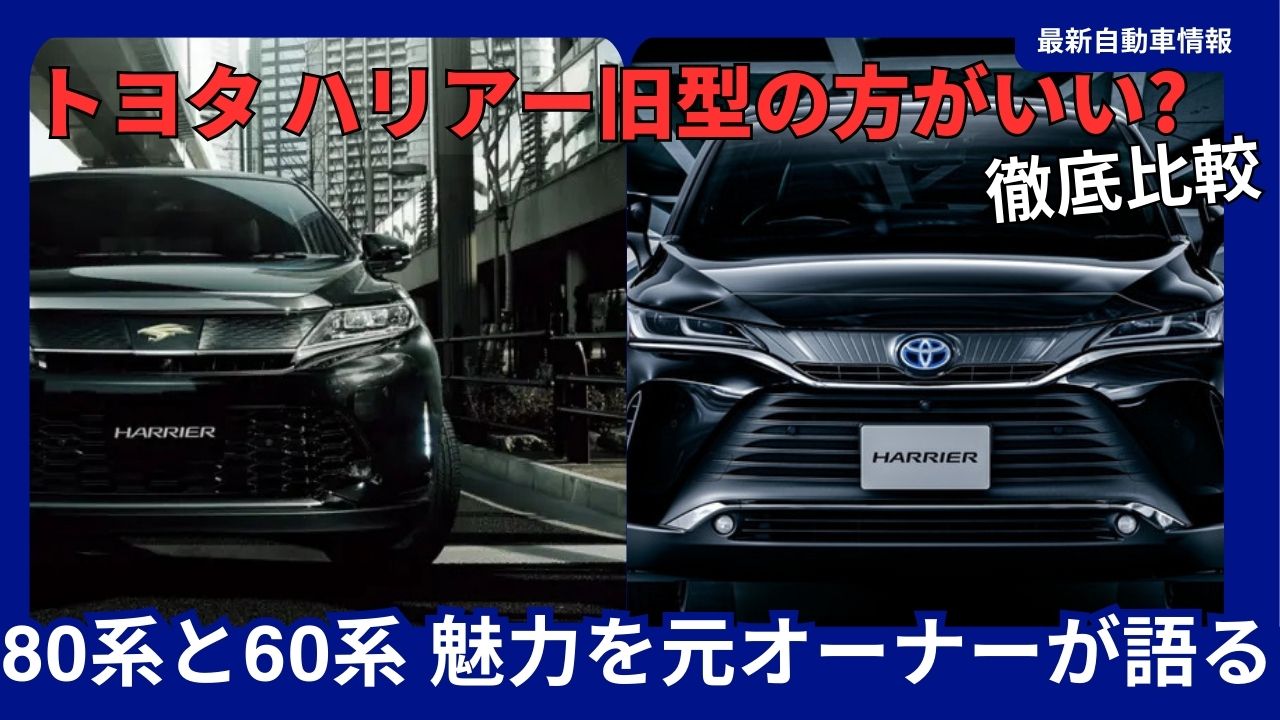
| 19th place | Toyota | Harrier Hybrid |
22.3km/L |
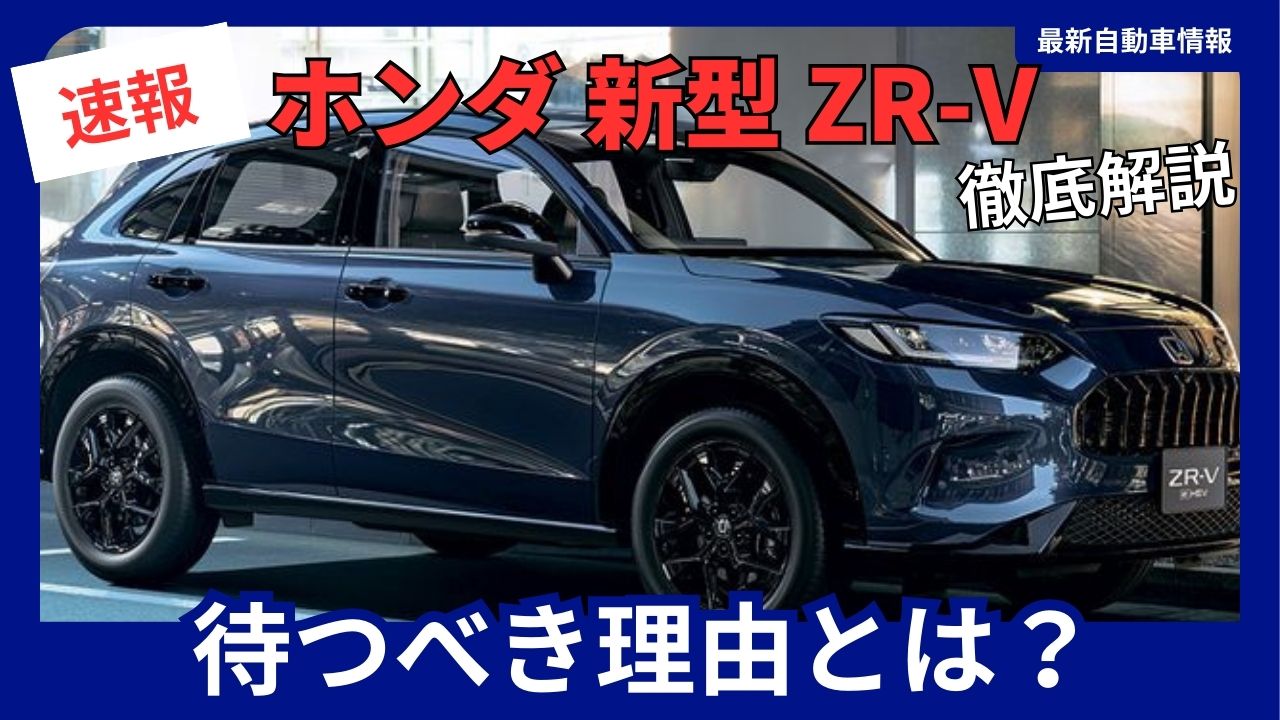
| 20th place | Honda | ZR-V e:HEV |
22.1km/L |
*Based on the latest automobile information
▼For more details, please refer to this article.
→ [2024] Top 20 fuel-efficient Japanese cars
Latest technology to improve fuel efficiency
Automobile manufacturers are working on developing various technologies to improve fuel efficiency. In recent years, the following technologies have been put into practical use.
- Hybrid system : A technology that improves fuel efficiency by combining a gasoline engine and an electric motor.
- Downsizing turbo : A technology that achieves both fuel efficiency and power by reducing engine displacement and supplementing power with a turbocharger.
- Clean diesel engine : An engine that produces cleaner exhaust gases and improves fuel efficiency compared to conventional diesel engines.
- Lightweighting : Technology that improves fuel efficiency by reducing the weight of the vehicle body and parts.
- Idling Stop : A technology that improves fuel efficiency by automatically stopping the engine when the vehicle is stopped, such as at a traffic light.
- CVT : Continuously variable transmission. A technology that achieves smooth acceleration without gear shift shock and improves fuel economy.
These technologies are evolving every day, leading to the development of more fuel-efficient cars.
Mindset for improving fuel efficiency
A car’s fuel efficiency can vary greatly depending on how you drive. To improve fuel efficiency, pay attention to the following points.
- Eco-driving : Avoid sudden starts and braking, and drive smoothly.
- Tire pressure : Check your tire pressure regularly to keep it at the correct pressure.
- Do n’t carry unnecessary luggage : Remove any unnecessary luggage from your car.
- Air conditioning use : Use air conditioning only when necessary.
- Idling stop : When you are stopped at a traffic light, etc., make use of the idling stop function.
A word from the editorial department
This time, we’ve ranked the top 30 most fuel-efficient Japanese cars on the market as of 2025. While fuel economy is an important factor when choosing a car, it’s also important to consider other factors such as driving performance and comfort.
Understand the characteristics of fuel-efficient car models, technologies to improve fuel efficiency, and driving methods, and choose the car that’s right for you.
*Finally, this article is for informational purposes only and does not recommend any particular car model. Please carefully select a car model that suits your needs and lifestyle.