
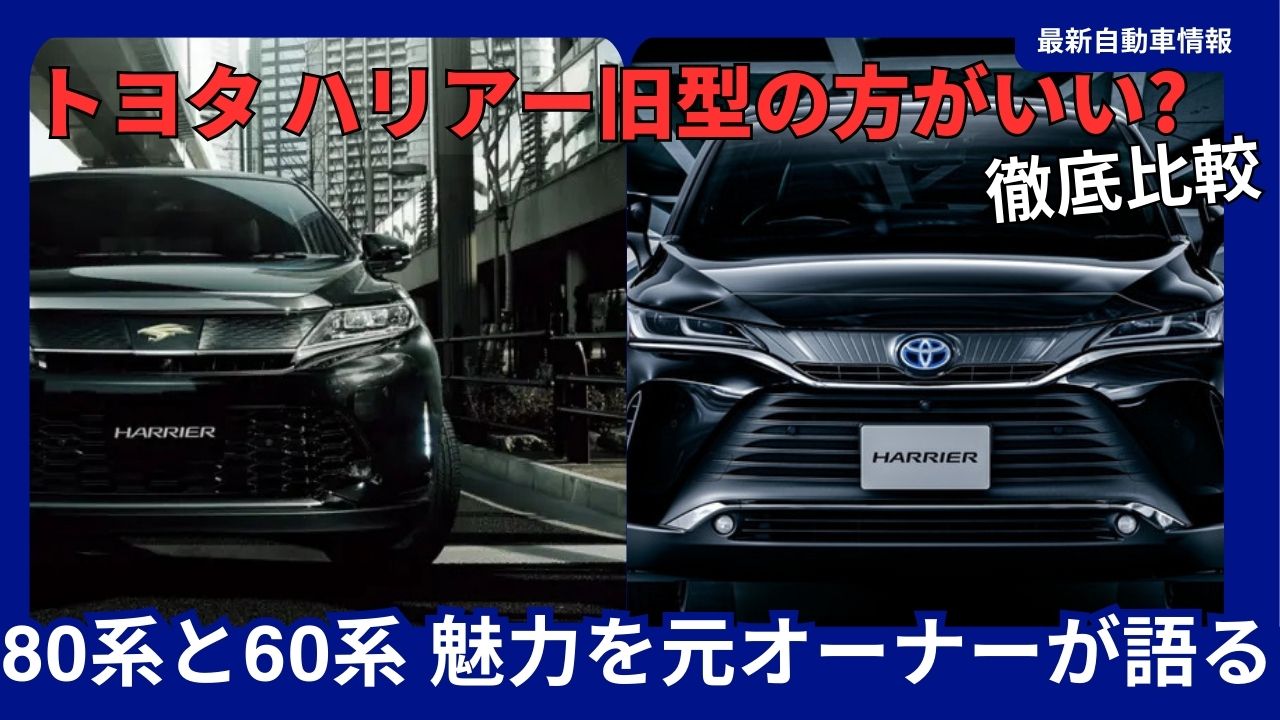
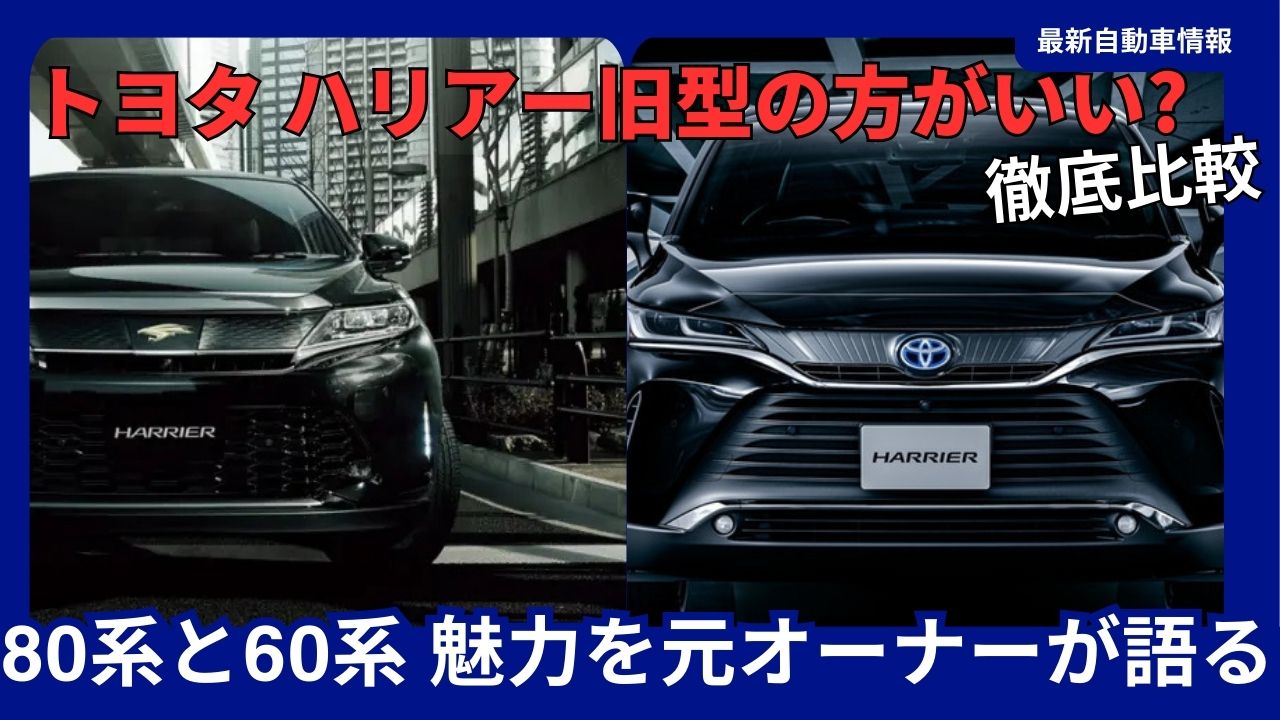
The Toyota Harrier has reigned as the epitome of Japanese luxury SUVs since the first generation was released in 1997. It underwent a full model change to the fourth generation (80 series) in 2020, but there are still many people online who believe the old model was better.
The third-generation (60 series) Harrier is particularly popular, and continues to enjoy high popularity in the used car market. So why do so many people choose the older model over the new one? In this article, we’ll thoroughly compare the old and new Harriers, explaining the appeal of each and what to look for when choosing.
What’s the difference between the new and old Harrier? Basic spec comparison
Changes in body size
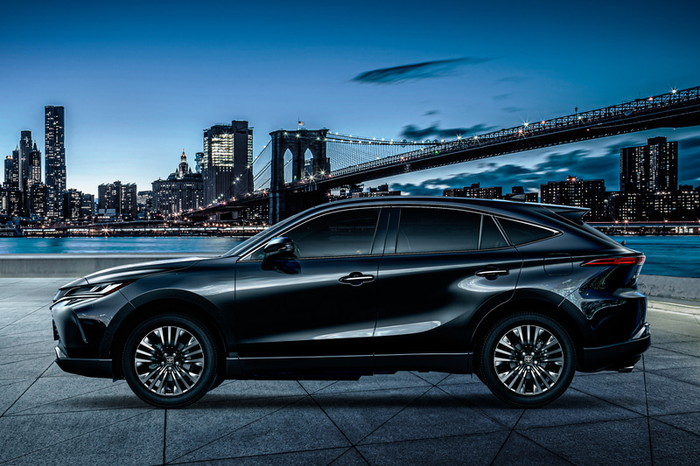
| item | 3rd generation (60 series) | 4th generation (80 series) |
|---|---|---|
| full length | 4,720mm | 4,740mm (+20mm) |
| Overall width | 1,835mm | 1,855mm (+20mm) |
| Overall height | 1,690mm | 1,660mm (-30mm) |
| Wheelbase | 2,660mm | 2,690mm (+30mm) |
The fourth generation has slightly increased overall length and width, and its overall height has been reduced by 30 mm. These changes have resulted in a wider, lower, sportier silhouette. However, this change has also led to the feeling that the car is less SUV-like.
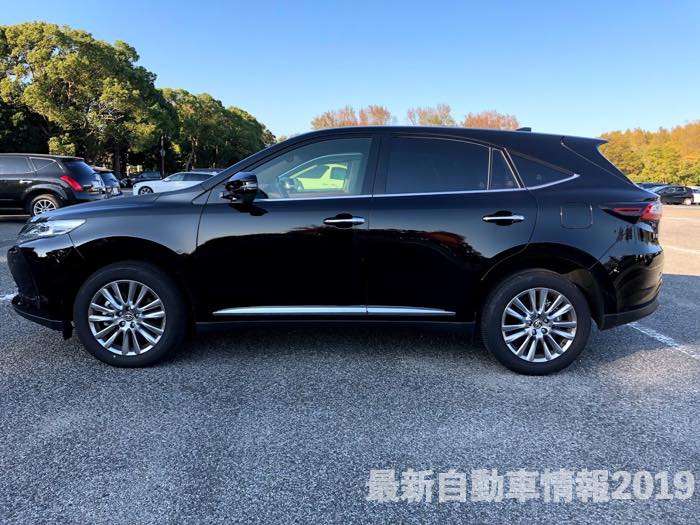
3rd generation 60 series Harrier
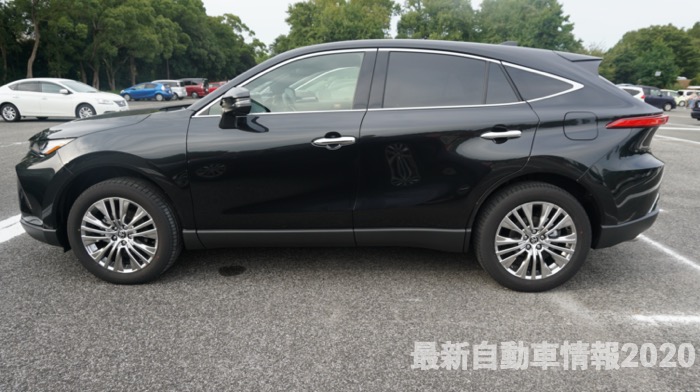
4th generation 80 series Harrier
Platform Evolution
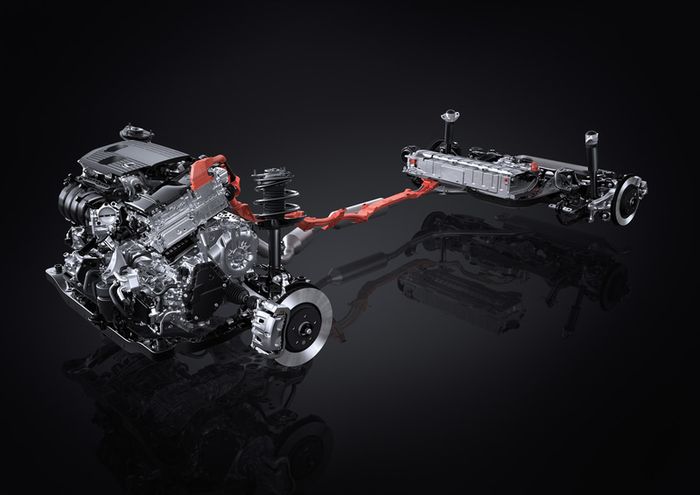
TNGA
The third generation used the “New MC Platform,” but the fourth generation evolved into the TNGA (Toyota New Global Architecture) GA-K platform. This is the same platform as the RAV4 and Camry, and has achieved improved rigidity and weight reduction, resulting in significantly improved driving stability.
Differences in engine and powertrain
3rd generation (60 series) lineup:
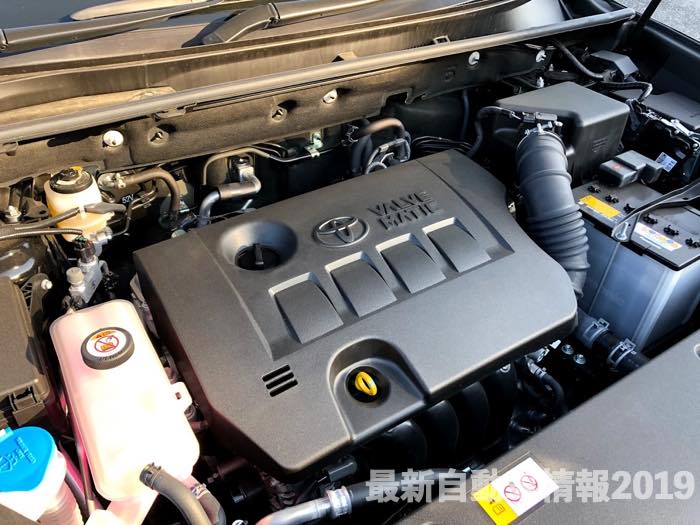
3rd generation 60 series Harrier 2.0L inline 4 gasoline engine
- 2.0L inline 4-cylinder gasoline engine (3ZR-FAE): 151ps/193Nm
- 2.0L straight 4 turbo (8AR-FTS/late model): 231ps/350Nm
- 2.5L Hybrid (2AR-FXE): 152ps + motor 143ps
4th generation (80 series) lineup:
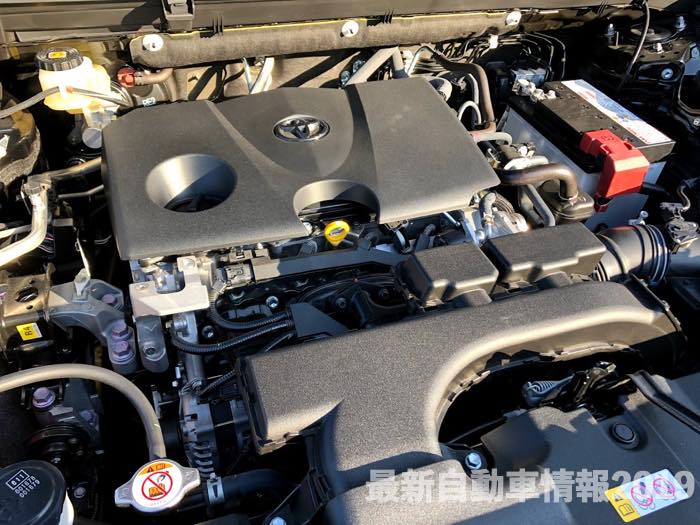
4th generation 80 series Harrier engine 2.5L hybrid model
- 2.0L inline 4-cylinder gasoline engine (M20A-FKS): 171ps/207Nm
- 2.5L Hybrid (A25A-FXS): 178ps + Motor 120ps (FF) / 88kW (4WD)
It’s worth noting that the 2.0L turbo engine was discontinued in the fourth generation, leading to complaints that the power performance was “insufficient.” On the other hand, the hybrid model uses the latest Dynamic Force engine, which has improved fuel efficiency.
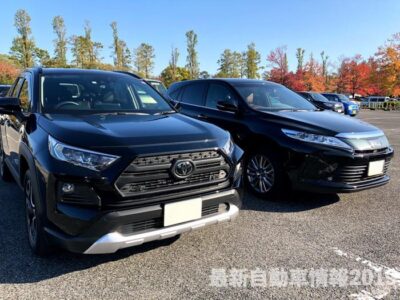
Why do people say “the old model is better”? 7 reasons
1. Powerful SUV-like design
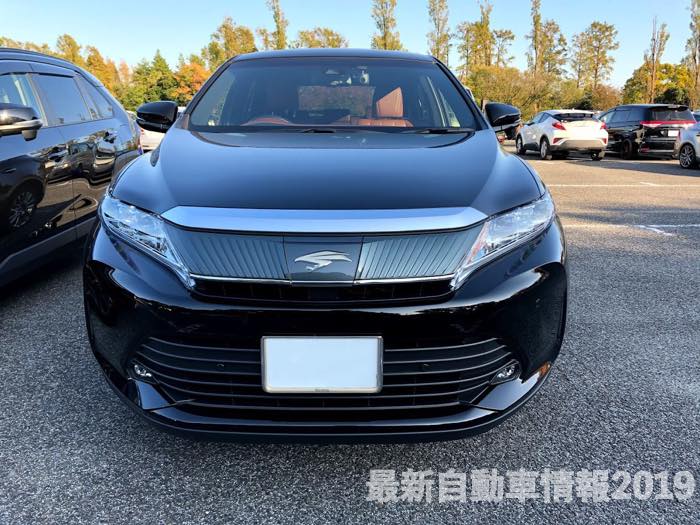
The third-generation Harrier maintains the powerful presence of an SUV with its high hood and imposing front grille. The early model in particular featured the “hawk emblem,” which gave the Harrier a unique and special feel.
The fourth-generation model, on the other hand, pursues elegance with its slim LED headlights and sleek coupe style. However, these changes have led to criticism that it is “hard to distinguish from Lexus” and “has lost its individuality.”
2. The appeal of flowing turn signals (sequential turn lamps)
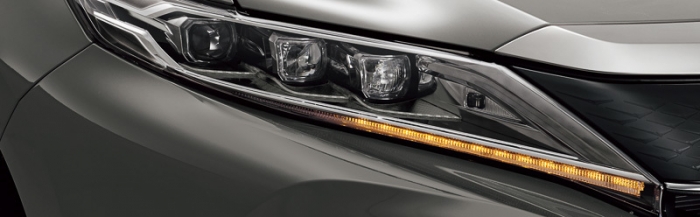
Triple LED headlights, LED sequential turn signals (flowing turn signals)
The sequential turn lamps that were adopted in the late 60 series models were highly praised by many users. The fact that this equipment was discontinued in the fourth generation is one of the reasons why the number of supporters of the older model has increased.
The fourth generation model features L-shaped daytime running lights, but many say they are not as popular as the sequential turn signals.
3. Luxurious interior texture
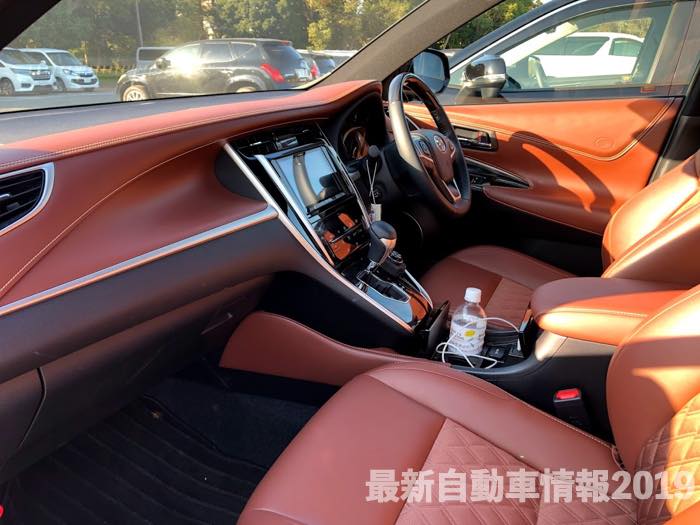
The interior of the third-generation Harrier was finished in a “visibly luxurious” style, with plenty of soft padding and meticulous stitching. From the dashboard to the door trim and center console, the luxury feel was thoroughly pursued.
The interior of the fourth generation also has a high quality feel, but it has a more refined and simple design. This shift from “luxury” to “sophistication” seems to be unsatisfying for some users.

4. Overwhelming power of the 2.0L turbo engine
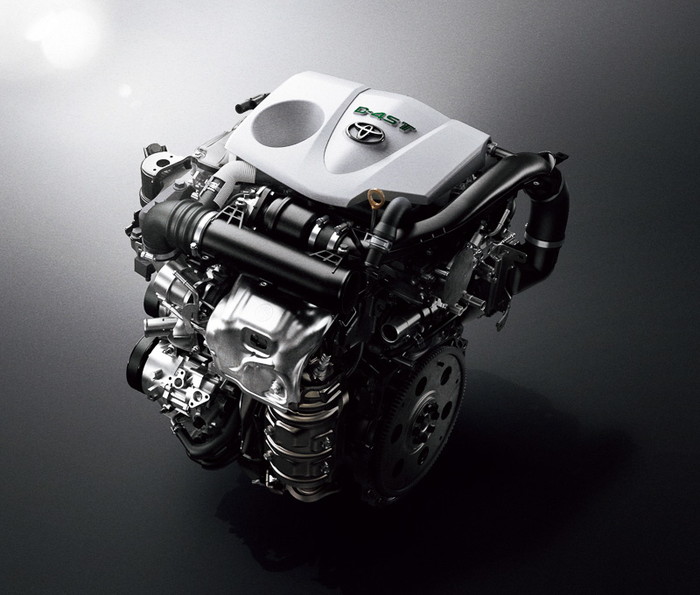
The 2.0L turbo engine (8AR-FTS) added to the later 60 series models delivered a powerful 231ps/350Nm. Its powerful acceleration when merging onto the highway or overtaking was highly praised by many drivers.
In the fourth generation, this turbo engine was discontinued, and the 2.0L gasoline engine was the only naturally aspirated engine available. For a heavy SUV, the difference in power performance is noticeable.
5. The presence of the Harrier-specific emblem
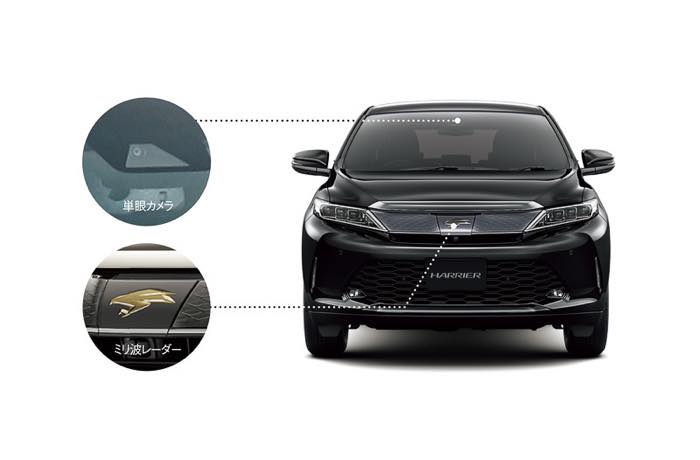
The “hawk emblem” that was used from the first generation to the early third generation was the symbol of the Harrier. With the change to the Toyota common emblem from the fourth generation, many users feel that “the special feeling has been lost.”
This emblem incorporates the image of a harrier, a bird of prey that excels at low-altitude flying, and expresses the vehicle’s identity as an SUV that can traverse the land.
6. Large luggage space and practicality
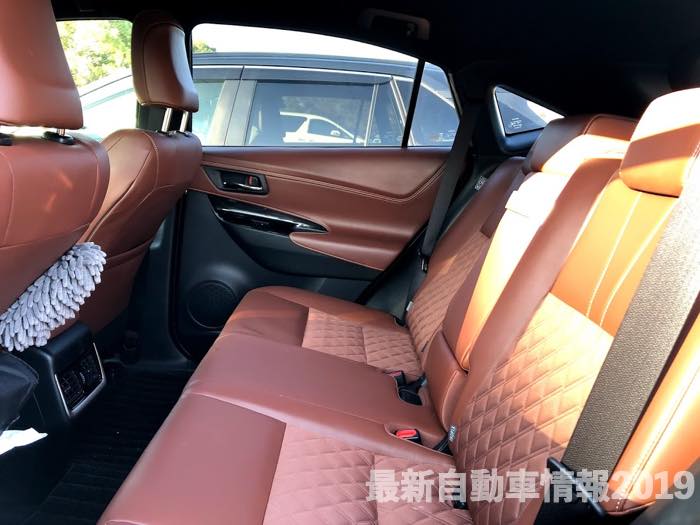
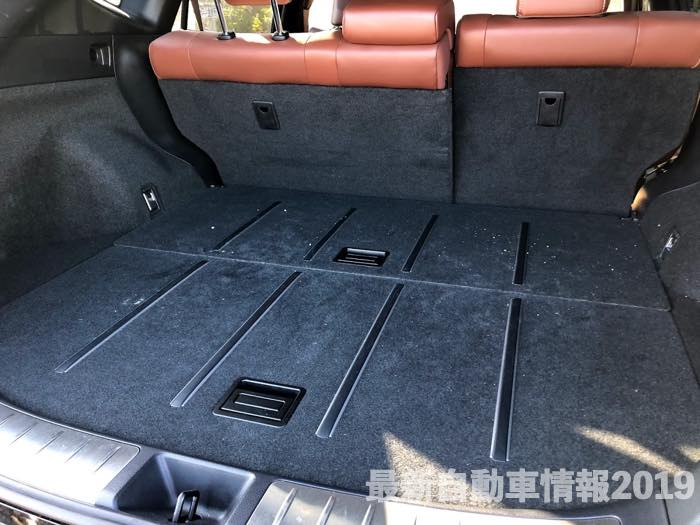
The third generation had ample rear seat and luggage space, making it suitable for family use. The fourth generation emphasized the coupe style, but rear living space and luggage capacity were somewhat sacrificed.
For users who value practicality, this difference is an important point that cannot be overlooked.
7. High cost performance
On the used car market, the third-generation Harrier can be purchased for around 2 million yen. Depending on the model year and mileage, you can enjoy a premium SUV experience at an even more affordable price.
A new fourth-generation car will cost at least 3 million yen, and the highest grades will cost over 6 million yen. Considering this price difference, the cost performance of the third-generation, which has “sufficient equipment and quality,” is very attractive.
On the other hand, the advantages of the new Harrier (80 series)
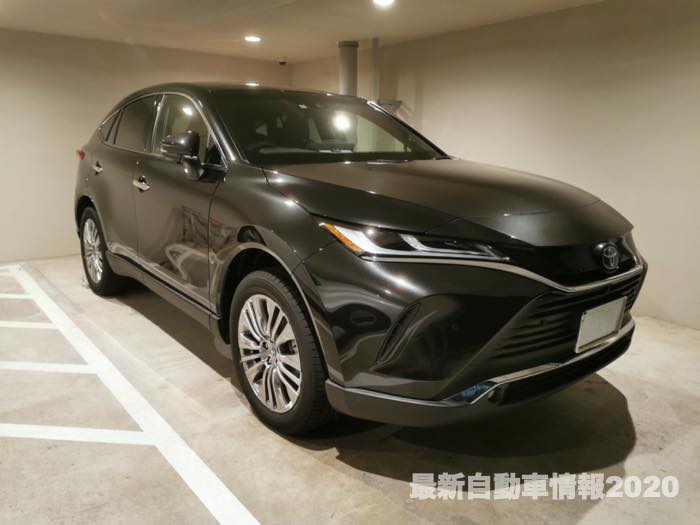
Latest safety equipment “Toyota Safety Sense”
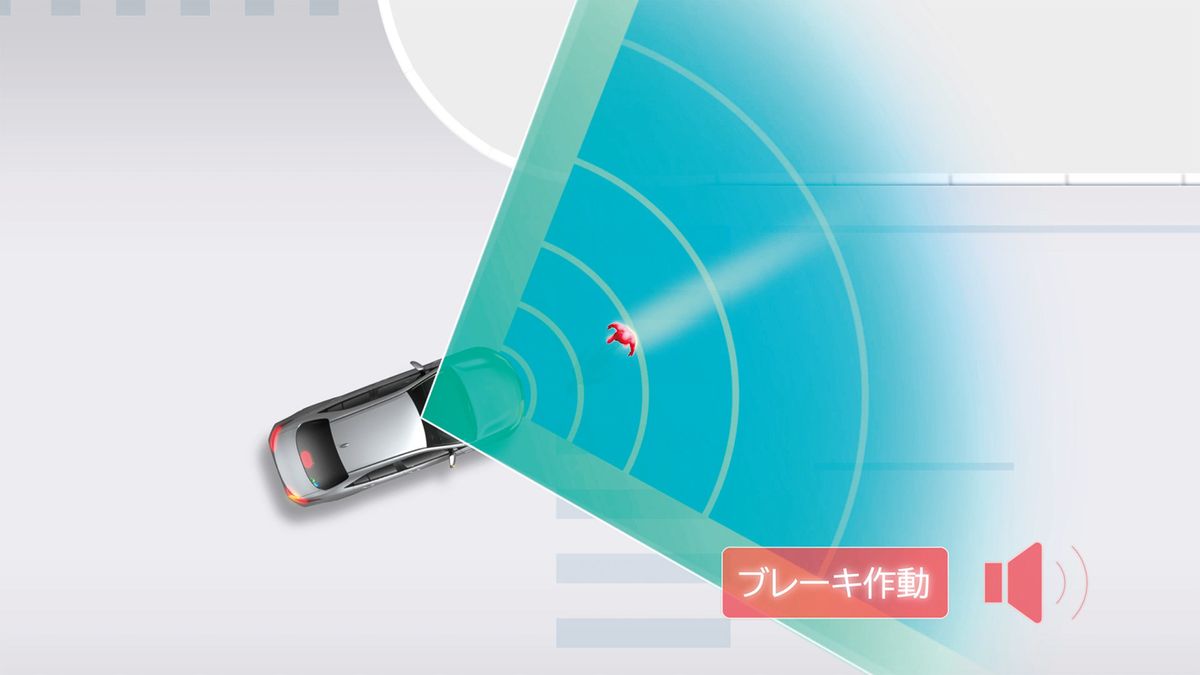
“Intersection”: Detection of oncoming vehicles going straight when turning right, and pedestrians and cyclists when turning right or left
The fourth-generation model comes standard with the latest Toyota Safety Sense, which supports nighttime pedestrian detection and daytime bicycle detection. The performance of lane keep assist and adaptive cruise control has also been improved, significantly improving safety.
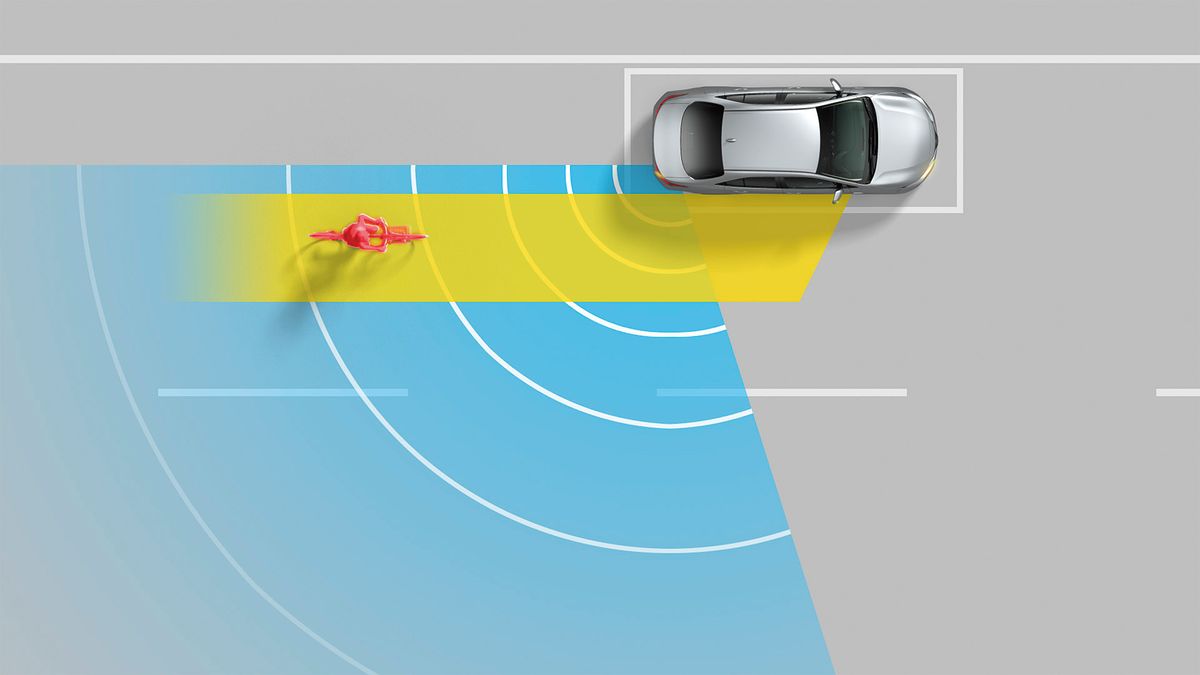
Safe Exit Assist (SEA)
Advanced infotainment system
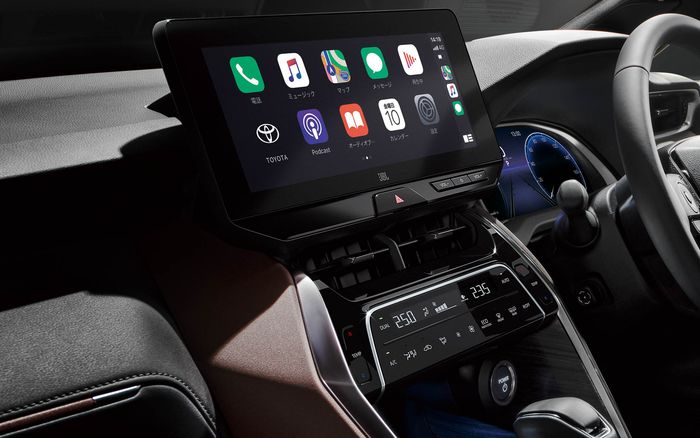
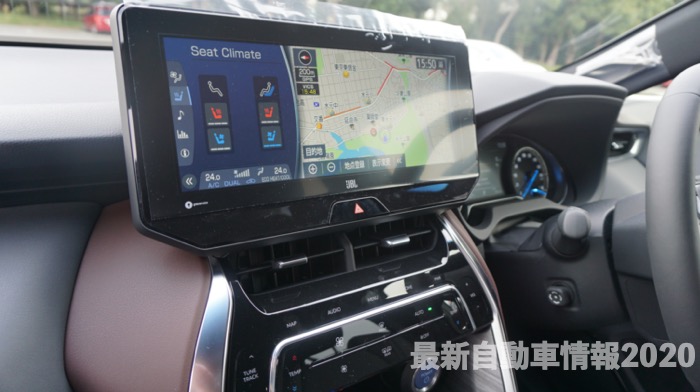
The car features a large 12.3-inch display and is compatible with Apple CarPlay and Android Auto as standard. Smartphone connectivity is smooth, and music playback and navigation operations can be performed intuitively.
The third generation, especially the early models, do not support these features, so the fourth generation has the advantage in terms of comfort that is in line with the times.
Toyota’s first photochromic panoramic roof
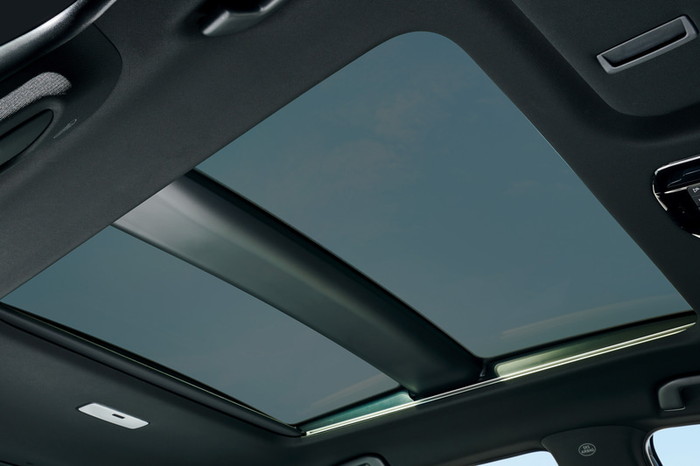
The top grade (Z Leather Package) is equipped with a panoramic roof with a dimming function. It can instantly switch between transparent and dimming, providing both a sense of openness and comfort. It also supports voice recognition operation, making it a cutting-edge piece of equipment.
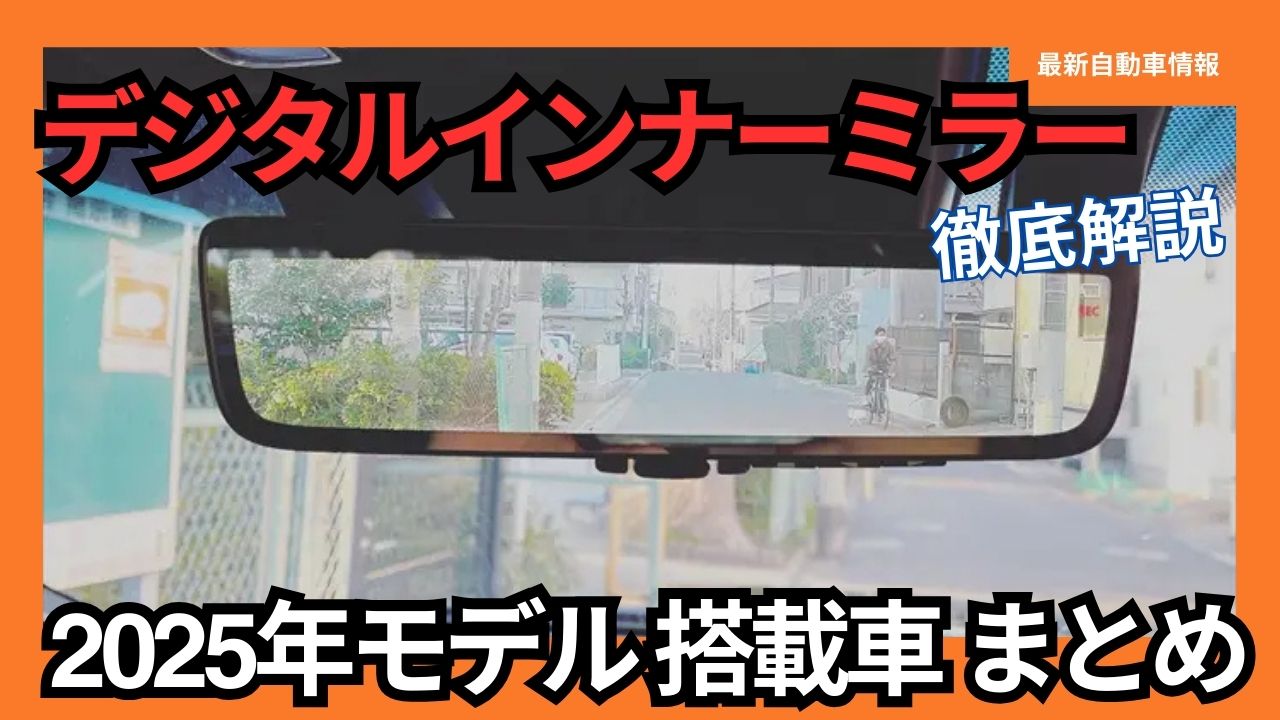
Digital inner mirror with front and rear recording function
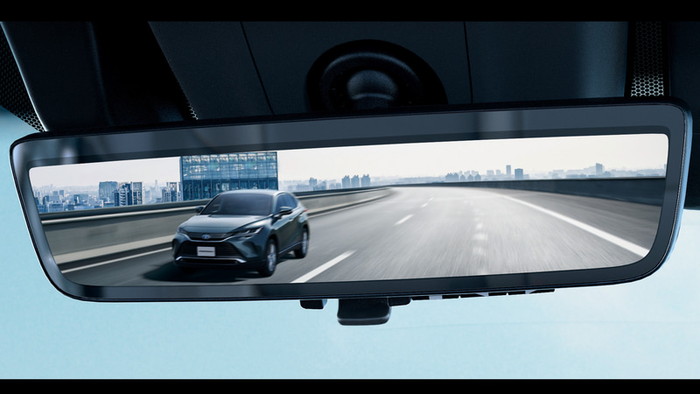
The function to record front and rear video footage onto an SD card while driving can also be used as a dashcam. This is practical as it eliminates poor rear visibility and provides peace of mind in the event of an accident, as it records the footage.
Improved fuel efficiency
The latest Dynamic Force Engine and hybrid system achieve excellent fuel economy of 22.3km/L (FF) in WLTC mode, which is a larger difference in actual fuel economy compared to the third-generation model’s 21.4km/L in JC08 mode.
60 Series Harrier: Recommended Grades and How to Choose
PREMIUM grade
This mid-range model offers excellent cost performance. It is packed with comfortable features such as genuine leather seats, power seats, LED headlights, and a power tailgate. Later models also come standard with Toyota Safety Sense P, ensuring safety.
PROGRESS Grade
This top-of-the-line model is packed with luxury features such as a 12.3-inch navigation system, a JBL premium sound system, and a panoramic view monitor. A model with a 2.0L turbo engine is also available, making it ideal for those who care about performance. It also has a high resale value, making it advantageous for future sales.
Which should I choose, early or late?
Advantages of the earlier model (2013-2017):
- Hawk emblem exclusive to Harrier
- Relatively cheap to purchase
- Simple interior design
Late model (2017-2020) advantages:
- 2.0L turbo engine option
- Toyota Safety Sense P standard equipment
- Sequential turn signals (flowing turn signals)
- Improved infotainment features
If you have a larger budget and prioritize driving performance and safety features, we recommend the later model, but if you want to enjoy the Harrier style while keeping costs down, we recommend the earlier model.
Things to check before buying an older Harrier
1. Check the battery status of hybrid vehicles
Hybrid vehicles with a mileage of over 100,000 km are at risk of having their drive batteries deteriorate. We recommend having a battery diagnostic done at a specialist store before purchasing. Replacement costs can be as much as 200,000 yen or more, so it’s important to check in advance.
2. Beware of infotainment features in early models
Early models from around 2013 to 2015 have older navigation and audio interfaces and limited smartphone connectivity. Many models do not support Apple CarPlay or Android Auto, so be sure to check before purchasing.
3. The naturally aspirated 2.0L engine lacks power
The 2.0L naturally aspirated gasoline engine is a little underpowered for the Harrier, which weighs over 1,500 kg. The engine noise tends to get louder when merging onto the highway or going up hills. It’s important to take a test drive to see if it suits your driving style.
4. Maintenance costs are not cheap
Because it’s designed as a luxury SUV, consumables such as tires, brake pads, and oil are somewhat expensive. Also, tire replacement costs will be higher for models equipped with 18-inch wheels. Expect annual maintenance costs of around 200,000 to 300,000 yen for taxes, insurance, and maintenance.
Who is the old Harrier recommended for?
People who would recommend the older model (60 series)
- I like the powerful design of an SUV.
- I adore the luxurious interior
- I want to own a luxury SUV at a low cost.
- I want to enjoy the powerful driving of the 2.0L turbo
- I’m fascinated by the flowing turn signals.
- I want a car that is a reasonable size and easy to handle.
People who would recommend the new model (80 series)
- Prioritize the latest safety equipment
- I like the elegant and smart design
- I want to use advanced features such as smartphone connectivity
- Emphasis on fuel efficiency
- I want to enjoy the benefits of a long-term warranty and a new car.
What age group is the Harrier popular with? What is the estimated annual income?
Main purchasing demographic
The Harrier is popular among middle-aged people in their late 30s to early 50s, who are looking for a balance of safety, cargo capacity, and design as they move through life stages such as marriage and child-rearing.
People in their 40s and 50s have a certain degree of financial affluence and tend to look for cars that offer more than just a means of transportation. Elements such as quietness, comfort, and the satisfaction of ownership are important, so the Harrier’s high-quality construction is highly rated.
Estimated annual income required for purchase
Generally speaking, the recommended car purchase price is one-third of your annual income.
For a used 60 series Harrier (around 2 million yen):
- Recommended annual income: 6 million yen or more
- However, if you pay 500,000 yen down and take out a three-year loan, you can repay 40,000-50,000 yen per month, making it a realistic option even for those with an annual income of 4-5 million yen.
For a new 80 series Harrier (3-6 million yen):
- Recommended annual income: 9 million to 18 million yen or more
- If the mid-range model is around 4 million yen, the annual salary would be around 12 million yen.
It is important to take into account maintenance costs (200,000-300,000 yen per year) and make a reasonable financial plan.
Summary: New or old Harrier, which one should you choose?
The reason why there is still a strong opinion that “the older Harrier models are better” is because the third generation (60 series) has a good balance of the elements required for a luxury SUV, such as SUV-like strength, a luxurious interior, and a powerful turbo engine. In particular, its high cost performance is a major reason why it remains popular on the used car market.
Meanwhile, the fourth-generation (80 series) has evolved to meet modern needs, with the latest safety features, advanced infotainment, and excellent fuel economy. Its elegant design divides tastes, but it is highly rated by those looking for a smart and sophisticated SUV.
Tips for choosing:
- Design preference : Powerful SUV style vs. elegant coupe style
- Power performance : Turbo engine or not
- Budget : Used car in the 2 million yen range vs. new car over 3 million yen
- Equipment : Luxurious interior vs. advanced safety and comfort features
- Practicality : Luggage space vs. innovation
There’s no “right” answer. The most important thing is to choose one that fits your lifestyle, budget, and values. If possible, we recommend test driving both models to compare them in person.
Every generation of the Harrier has the high level of perfection that Toyota is proud of as a luxury SUV. Whether you choose the new or old model, you will be able to enjoy a satisfying car life.