



On December 5, 2025, Lexus unveiled the Lexus LFA Concept, the successor to the legendary LFA supercar. The second-generation LFA is scheduled for release in 2027 and will be Lexus’ flagship EV sports coupe.
1. Latest information on the new Lexus 2nd generation LFA | World premiere on December 5, 2025
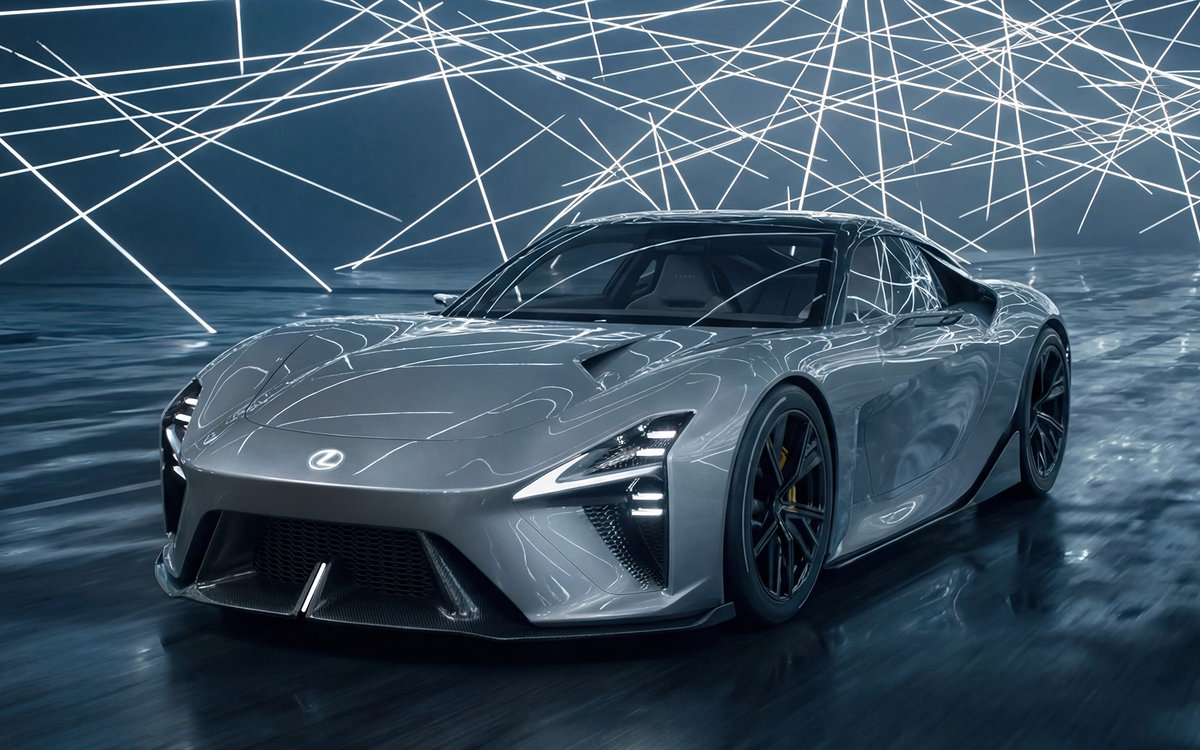
Lexus LFA Concept
Development background of the second-generation LFA
The second-generation LFA was originally exhibited as the “Lexus Sport Concept” at Monterey Car Week in August 2025 and at the Japan Mobility Show in the same year, but has now been officially renamed the “LFA Concept,” making it clear that it is essentially the successor to the LFA.
This full model change was developed sharing its foundations with TOYOTA GAZOO Racing ‘s flagship model, the GR GT, and the racing car, the GR GT3, making it the ultimate supercar that brings together the motorsport technologies of Lexus and Toyota.
2. Three innovative points of the LFA full model change
The full model change of the second-generation LFA includes the following three innovative changes:
2-1. Major shift from V10 engine to pure EV

Lexus LFA Concept
The iconic V10 4.8L engine (1LR-GUE type) of the first-generation LFA has been discontinued, and it has been reborn as a **100% electric vehicle (BEV)**. This decision is part of Lexus’ electrification strategy of “developing 30 EV models by 2030,” and shows their commitment to achieving carbon neutrality even in the supercar sector.
| item | First generation LFA (2010-2012) | Second generation LFA (scheduled for 2027) |
|---|---|---|
| Powertrain | V10 4.8L naturally aspirated | Dual-motor EV |
| Maximum power | 560PS (standard) 570PS (special edition) |
1000PS |
| Drive system | FR (rear-wheel drive) | AWD (four-wheel drive) |
| Range | – | Approximately 550km |
As of 2025, the top spec for 0-100km/h acceleration is RIMAC’s “NEVERA,” but electric vehicles have the advantage . Surprisingly, it can accelerate from 0-100km/h in under 2 seconds. The second-generation LFA may also be able to aim for first place!
2-2. Technology sharing with GR GT/GR GT3
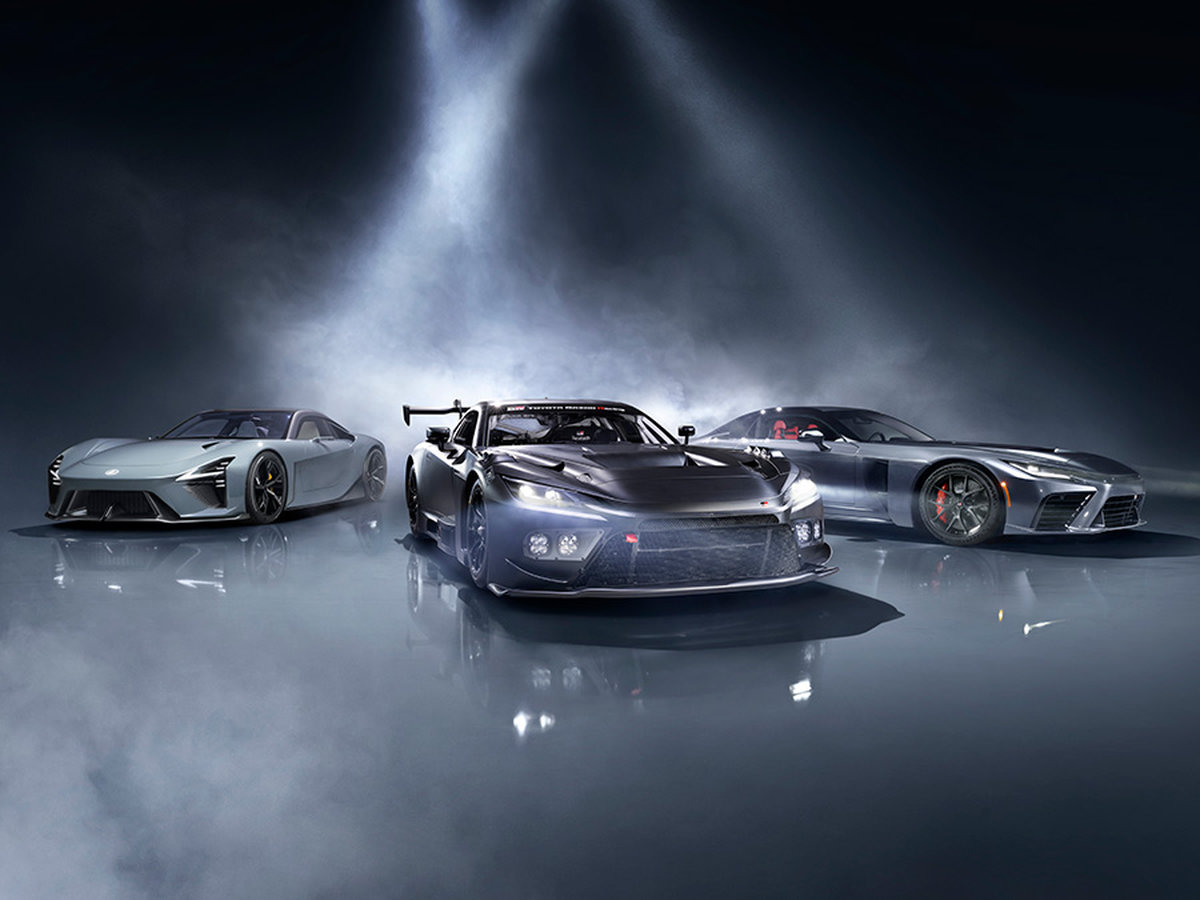
The second-generation LFA shares its aluminum frame with Toyota’s flagship sports car, the GR GT, and the GR GT3 racing car. This strategy has enabled the company to streamline development costs while still achieving a highly rigid chassis inherited from racing cars.
Common platform features:
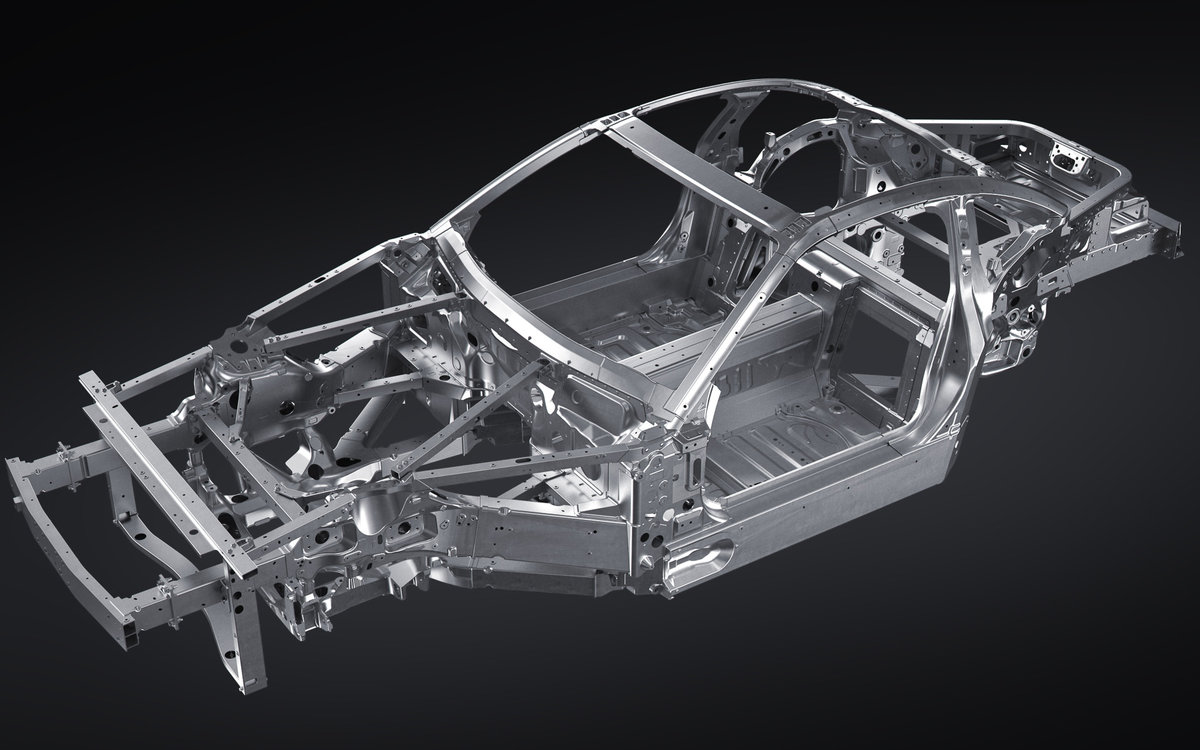
- All-aluminum frame for light weight and high rigidity
- Carbon and resin body panels placed in the right places
- Wheelbase 2,725mm (same as GR GT)
- Ideal weight distribution thanks to transaxle layout
2-3. Lexus’ new design language “Discover Immersion”
The second-generation LFA features Lexus’ next-generation design language, ” Discover Immersion ,” which moves away from the traditional spindle grille to create a sportier, more futuristic front end.
3. Exterior design of the second-generation LFA | The aesthetics of a long nose and short deck
3-1. Front design
Lexus LFA Concept
The front mask of the second-generation LFA retains a spindle grille-like appearance, but is a breakthrough design that seeks to break away from the image of “Lexus = spindle grille.”
Front design features:
- 4-lamp LED headlights : A unique design that combines horizontal and vertical themes
- L-shaped LED daytime running lights : positioned across the center of the headlights
- Aerodynamic optimization : Long nose reduces air resistance
- Reducing the frontal projection area : Optimizing the roof shape improves driving performance
3-2. Side view
Lexus LFA Concept
The side view of the second-generation LFA adopts the traditional ” long nose and short deck ” form of a FR sports car.
Side design features:
- Aggressive side skirts
- Aerodynamic design
- Diffuser that generates powerful downforce
- Low center of gravity with a total height of 1,195mm
3-3. Rear design
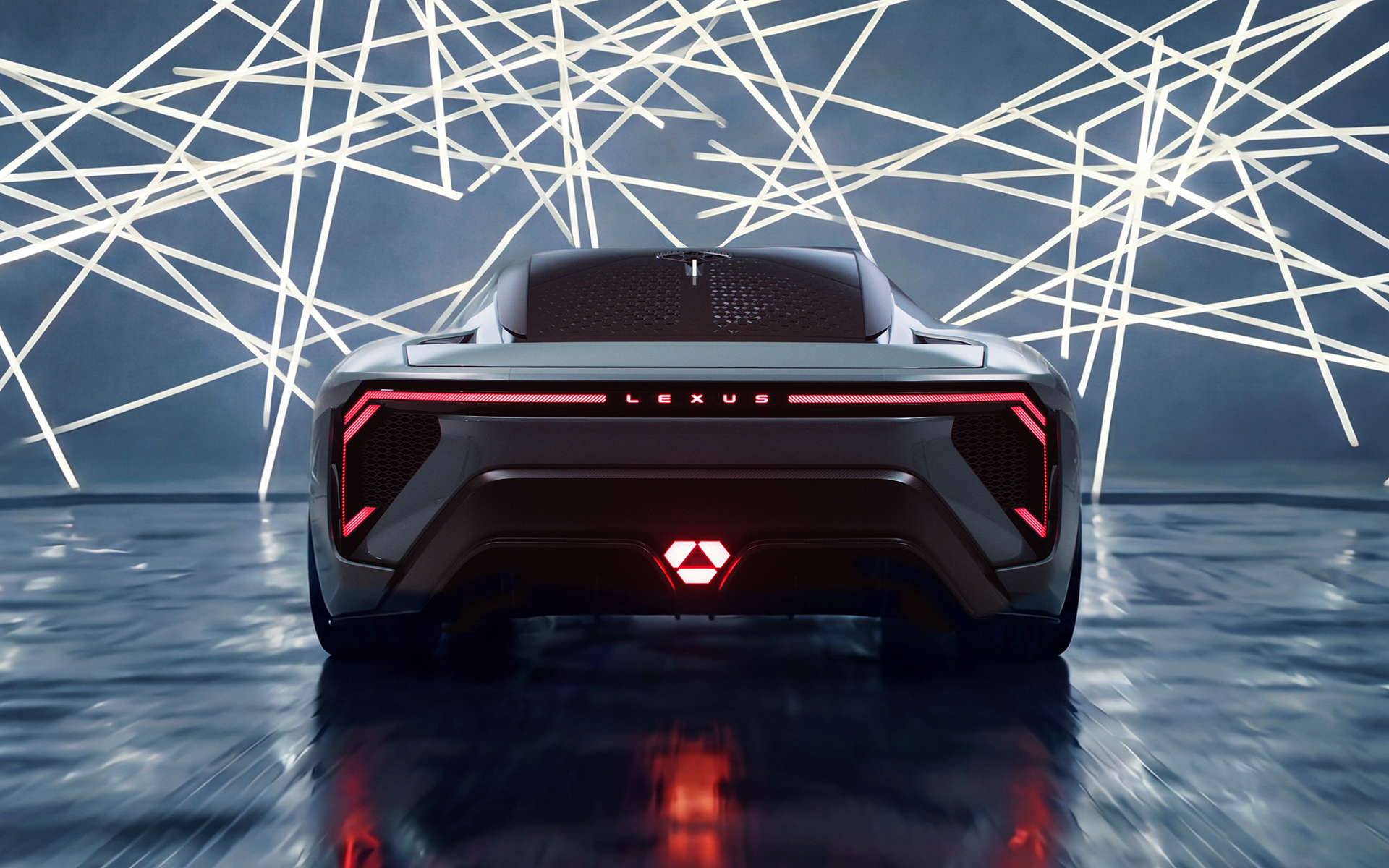
Lexus LFA Concept
The rear end is designed in a way that pays homage to the first-generation LFA in many places.
Rear design features:
- Single-character LED tail lamp : Direct-mounted center design
- Inverted “L” design : Expressing complexity and boldness
- 3-lamp LED rear fog lights : Inspired by the triple exhaust system of the first-generation LFA
- Active rear wing : Speed-sensitive aerodynamic optimisation
4. Body size and structure: Significantly larger than the first generation
4-1. Body size comparison
The body size of the second-generation LFA has been significantly enlarged from the first-generation LFA to ensure driving stability in line with the increased power output.
| size | First generation LFA | Second generation LFA | difference |
|---|---|---|---|
| full length | 4,505mm | 4,690mm | +185mm |
| Overall width | 1,895mm | 2,040mm | +145mm |
| Overall height | 1,220mm | 1,195mm | -25mm |
| Wheelbase | 2,605mm | 2,725mm | +120mm |
| Passenger capacity | 2 people | 2 people | – |
4-2. Evolution of body structure
The first-generation LFA used a CFRP (carbon fiber reinforced plastic) monocoque , but the second-generation LFA has been changed to the following hybrid structure.
Second-generation LFA body structure:
- All-aluminum frame : platform shared with the GR GT
- Carbon body panels : High rigidity and light weight
- Plastic parts : using the right material in the right place
- Battery underfloor placement : Low center of gravity and ideal weight distribution
This structural change has reduced manufacturing costs and improved mass production, while achieving high rigidity and light weight comparable to the first-generation LFA.
5. Interior design and latest equipment | An immersive cockpit
The interior of the second-generation LFA is based on the concept of ” Discover Immersion,” and aims to create an environment that allows the driver to concentrate on driving.
5-1. Digital cockpit
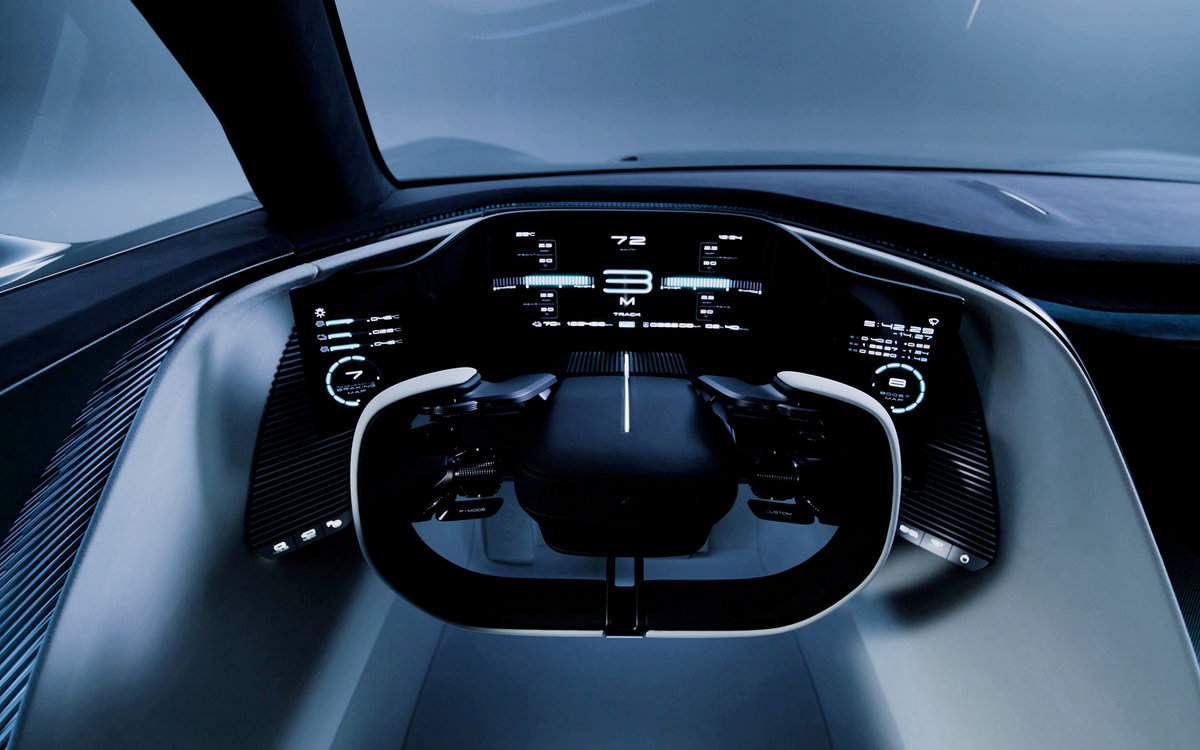
Lexus LFA Concept
Key interior features:
- Digital meter : intuitive information display
- Touch-type infotainment system : Supports changing vehicle settings and checking status
- Optimized driving position : two-seater layout continues
- Lightweight sports seats : Combines support and comfort
5-2. What is “F-MODE”?
The second-generation LFA has been confirmed to have a mysterious feature called ” F-MODE .” This is speculated to be a special driving mode that carries on the tradition of the Lexus F-series, and is expected to have the following functions:
F-MODE expected features:
- Settings optimized for circuit driving
- Changes to powertrain output characteristics
- Suspension hardness adjustment
- Change the intervention level of ESC (electronic stability control)
5-3. Data logger function
The second-generation LFA will be equipped with a full-fledged data logger function .
The data logger records:
- Accelerator, brake and steering operation
- Vehicle speed, motor rotation speed
- Acceleration (G) sensor values
- Vehicle position and direction
- Camera footage : synchronized with circuit driving footage
By analyzing this data, it is possible to improve driving skills and optimize circuit driving.
6. Powertrain and Specifications | Monster EV with over 1000 PS
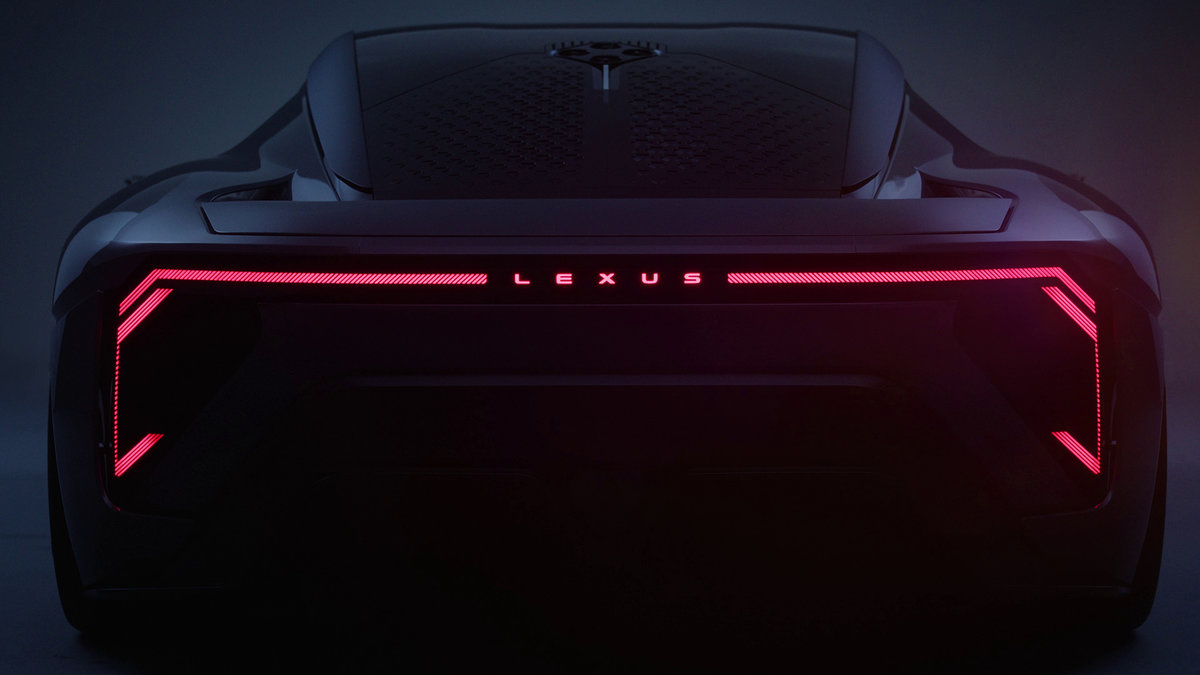
Lexus LFA Concept
6-1. Newly developed EV system
The second-generation LFA will be equipped with a dual-motor EV system with over 1,000 PS, a first for Lexus.
Powertrain specs:
- Type : 2 electric motors (front and rear)
- Maximum system output : 1000PS (approx. 735kW)
- Drive system : AWD (electric four-wheel drive)
- Cruising range : Approximately 550 km (WLTC estimate)
- Charging performance : Supports fast charging (details not yet announced)
6-2. Spec comparison with the first-generation LFA
| item | First generation LFA | Second generation LFA |
|---|---|---|
| Engine/Motor | V10 4.8L | Dual-motor EV |
| Maximum power | 560PS | 1000PS |
| Maximum torque | 48.9 kgf m | Unreleased (estimated over 150kgf·m) |
| 0-100km/h acceleration | 3.7 seconds | Estimated less than 2.5 seconds |
| maximum speed | 325km/h | Unreleased |
| transmission | 6 speed ASG | Single Speed |
| Vehicle weight | 1,480-1,580 kg | Estimated weight: around 1,700 kg |
6-3. Differentiation from GR GT
The GR GT, which shares its base with the second-generation LFA, is equipped with a 4L twin-turbo V8 engine and a single-motor hybrid , but the second-generation LFA is differentiated as a fully electric vehicle.
GR GT specifications (reference):
- Engine: V8 4.0L twin turbo + motor
- System output: 650PS or more
- Maximum torque: 86.7 kgf m or more
- Drive system: FR
- Maximum speed: 320km/h or more
7. Price and release date: 45 million yen, scheduled for release in 2027
Pricing
The expected price of the second-generation LFA is 45 million yen . This is a price increase of about 20% from the first-generation LFA’s 37.5 million yen, but this is due to the following factors:
Factors behind the price increase:
- Adoption of the latest EV powertrain
- Technical feedback from the racing car (GR GT3)
- Overwhelming performance of 1000PS
- Premium quality due to limited production
7-2. Release date and production plan
Release schedule:
- December 5, 2025 : World premiere as Lexus LFA Concept
- 2027 : Planned release of commercial model
- Production method : Limited production (number of units not announced)
- Production base : Toyota Motor Corporation Motomachi Plant (estimated)
The first-generation LFA was limited to 500 units, but the production number of the second-generation LFA has not yet been announced. However, just like the GR GT, it is planned to be produced in limited quantities , and it is highly likely that it will be sold by lottery or given priority to existing customers.
8. DNA inherited from the first-generation LFA | The lineage of a legendary supercar
8-1. History of the first LFA
The first-generation Lexus LFA is a two-seater supercar produced in a limited run of 500 units between December 2010 and December 2012. Developed as the pinnacle of Lexus’ premium sports “F Series,” it was born from the concept of “a super sports car that combines world-class driving performance with first-class sensibility and sensuality.”
Key specifications of the first-generation LFA:
- Engine: 1LR-GUE type V10 4.8L
- Maximum output: 560 PS (standard) / 570 PS (Nürburgring Package)
- Maximum torque: 48.9 kgf m
- Transmission: 6-speed ASG (semi-AT)
- Vehicle weight: 1,480-1,580 kg
- 0-100km/h acceleration: 3.7 seconds
- Maximum speed: 325km/h
- Price: ¥37.5 million
8-2. The story behind the development of the first LFA
Development of the first-generation LFA began in the winter of 2000 , when Haruhiko Tanahashi directly appealed to his superiors to develop a sports car during winter testing in Hokkaido.
Development milestones:
- Winter 2000 : Unofficial start of the project
- June 2003 : First prototype completed, testing begins at the Nürburgring
- January 2005 : The “LF-A” concept car debuts at the North American International Auto Show.
- May 2005 : Decision made to change body material from aluminum to carbon fiber
- April 2007 : Permission granted for commercialization as an official project
- October 2009 : The production model “LFA” is announced at the Tokyo Motor Show
- December 15, 2010 : Production begins
- December 14, 2012 : 500th unit produced
8-3. The legacy of the first LFA
Toyota itself has commented that the huge development costs for the first-generation LFA resulted in sales losses . However, the following technologies developed during the development of the LFA had a major impact on subsequent Lexus vehicles.
LFA’s technological legacy:
- CFRP manufacturing technology (jointly developed with Toyota Industries Corporation)
- V10 engine development know-how (jointly with Yamaha Motor)
- Packaging technology for FR sports cars
- Aerodynamic technology inherited from racing cars
- Data Logger System
9. Relationship with GR GT | “ONE TEAM” development structure
9-1. Technology sharing with GR GT/GR GT3
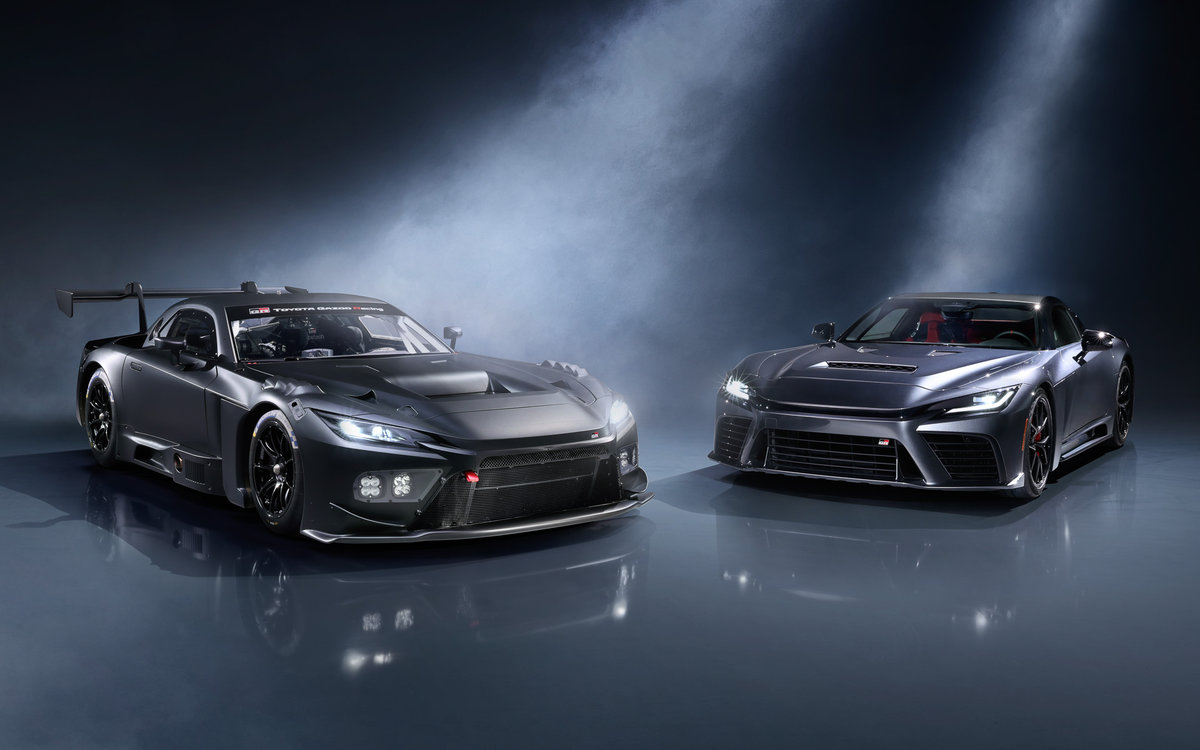
The second-generation LFA shares its aluminum frame with Toyota’s flagship sports car, the GR GT, and the racing car, the GR GT3. This is proof that Lexus and TOYOTA GAZOO Racing are jointly developing the car under the ” ONE TEAM ” concept.
Relationship between the three models:
| Model | GR GT3 | GR GT | Lexus 2nd generation LFA |
|---|---|---|---|
| Purpose | racing car | Commercial Sports | Commercially available supercars |
| Powertrain | Race spec | V8 4L twin turbo + HEV | Dual-motor EV |
| output | Regulation Compliance | Over 650PS | 1000PS |
| Drive system | FR | FR | AWD |
| Wheelbase | 2,725mm | 2,725mm | 2,725mm |
9-2. Racing technology feedback
The racing technology developed with the GR GT3 has been fed back into the second-generation LFA in the following ways:
Feedback of racing technology to production cars:
- High-rigidity aluminum frame
- Aerodynamic performance optimization (downforce, drag coefficient)
- Suspension Geometry
- Brake Cooling System
- Data logger function
9-3. Why is the second-generation LFA an EV?
Why did the second-generation LFA become a fully electric car while the GR GT uses a V8 hybrid?
Reasons why the second-generation LFA chose EV:
- Lexus EV Strategy : Lexus aims to develop 30 EV models by 2030 as its flagship
- Immense power : EVs are the most efficient way to achieve 1000 PS
- Differentiation : Clear differentiation from GR GT
- Environmental performance : Contributing to achieving carbon neutrality
- Technology Demonstration : A showcase of Lexus’ EV technology
10. Summary: The second-generation LFA points to the future of Lexus
The second-generation Lexus LFA is not simply a complete redesign of the first-generation LFA, but was born as a symbol of the future of Lexus .
Five Significances of the Second-Generation LFA
1. The image of a supercar in the electrified era
The shift from a V10 engine to a pure EV is a symbolic event that marks the beginning of a new era for supercars. With an impressive output of 1000 PS and a range of 550 km, it proves that “supercars can be made even with EVs.”
2. Commercialization of motorsports technology
By sharing the same foundation with the GR GT3 racing car, technology developed in motorsports can be directly fed back into production vehicles, ushering in an era in which “race-winning technology” can be used on public roads.
3. Lexus’ new design language
, “Discover Immersion,” aims to move away from the spindle grille. The second-generation LFA marks the first step in Lexus’ design innovation.
4. Small-lot production of new supercar model
The first-generation LFA was a loss-making project, but by sharing the platform with the GR GT, development costs have been reduced, creating a business model that allows profits to be made even with small-lot production.
5. Improving the brand value of Toyota and Lexus.
Supercars are a branding tool that demonstrates the “technical capabilities” of manufacturers. The existence of the second-generation LFA proves that Lexus is the world’s top automobile brand.
A message to fans of the original LFA
Fans who love the high-pitched V10 sound of the first-generation LFA will likely have mixed feelings about the switch to EV, but the second-generation LFA retains the spirit of the original while evolving to suit the times.
Inheritance from the first-generation LFA:
- A pure concept two-seater sports car
- Uncompromising pursuit of driving performance
- Exclusive through limited production
- Japanese craftsmanship (handmade production)
Evolution of the second-generation LFA:
- Powertrain innovation from V10 to EV
- Sharing technology with racing cars
- Overwhelming output of 1000PS
- Next-generation design language
Future points to watch
As we approach the official release of the second-generation LFA, here are some points to look out for:
Upcoming highlights:
- Final design of the production model (changes from the concept)
- Detailed specifications (torque, 0-100km/h acceleration, top speed)
- Battery capacity and charging performance
- Number of units produced and sales method (lottery? first come, first served?)
- Nürburgring lap times
- Actual selling price
- Optional equipment and customization programs