
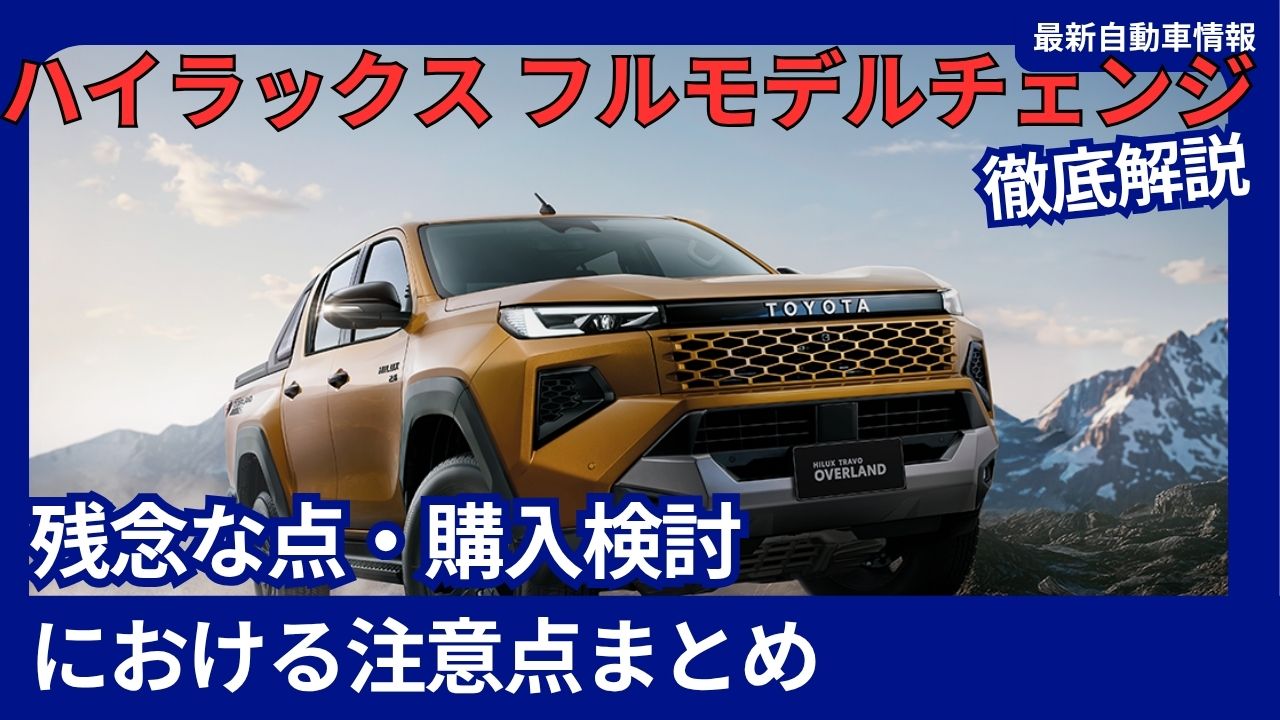

The ninth-generation Toyota Hilux , which was unveiled to the world on November 10, 2025 , is a model with many appealing features, including support for electrification, the latest equipment, and a sophisticated design.
However, no matter how great a car is, it’s not for everyone . Pickup trucks like the Hilux have their own unique characteristics, and there are many things you should be aware of before buying one.
In this article, we will honestly tell you about the “disappointing points” of the new Hilux and the truth you should know before purchasing it.
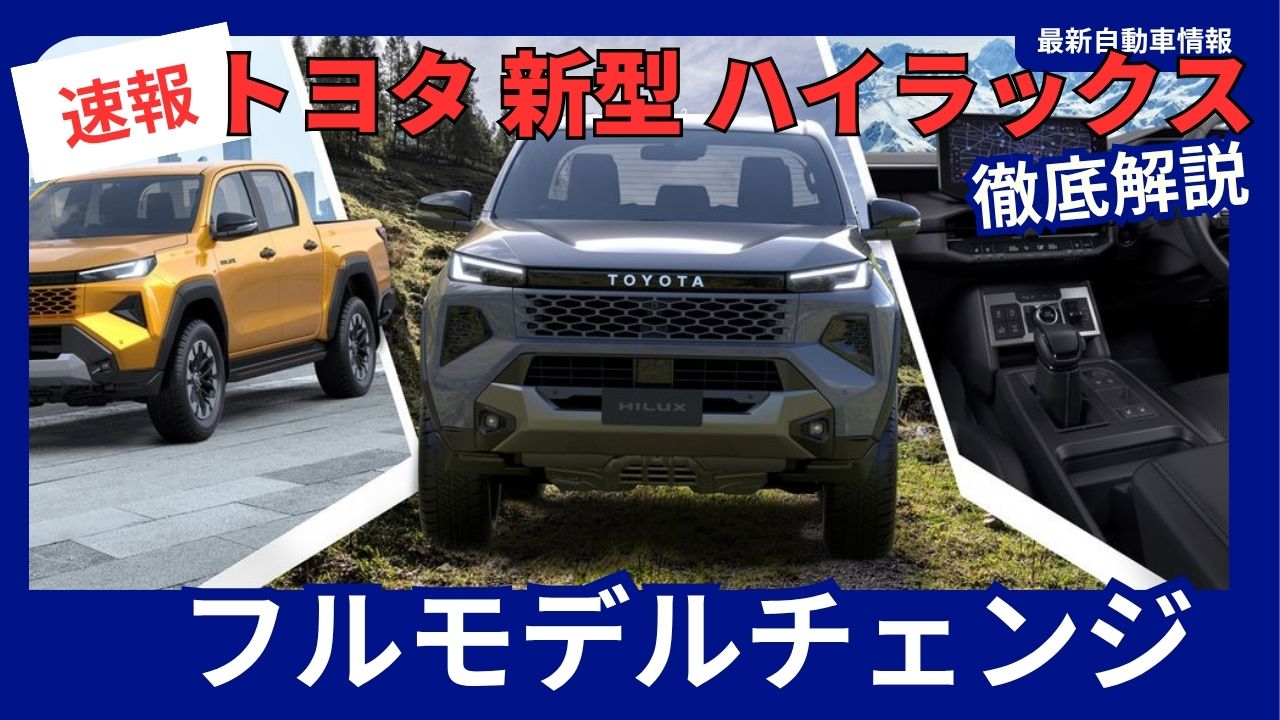
7 things you need to know before you buy
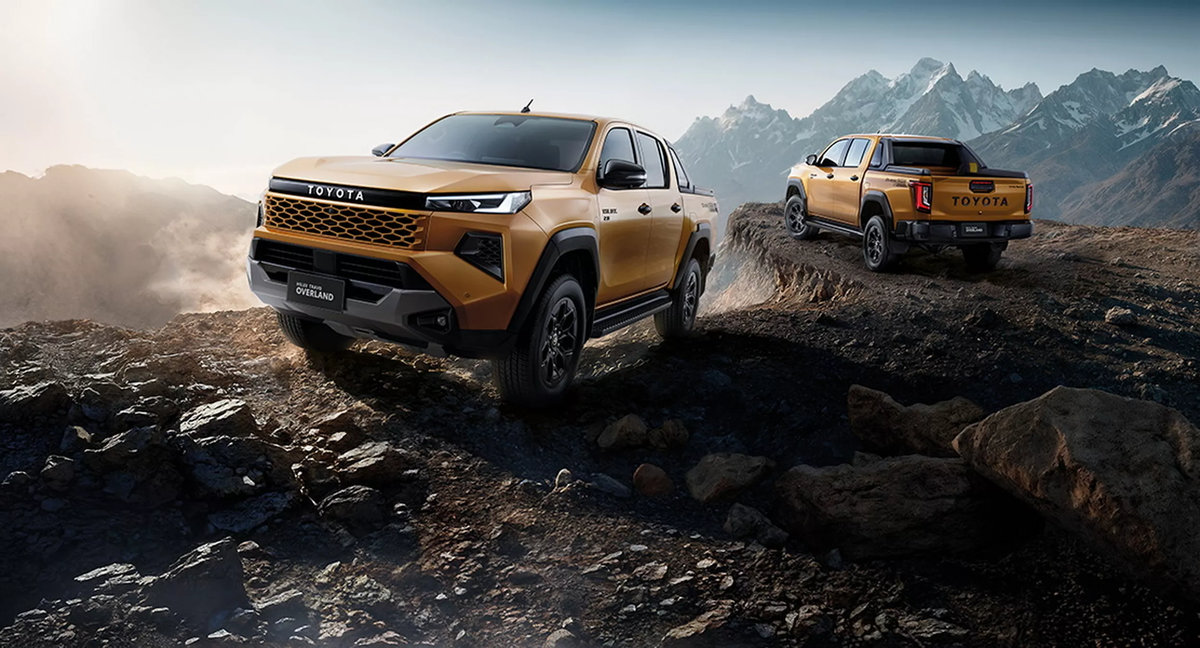
Toyota-Hilux-Travo-Overland-Thailand
Truth 1: Its huge length makes it difficult to handle
The new Hilux is 5,320mm long
This is overwhelmingly longer than domestic SUVs, and you will face the following problems when using it on a daily basis.
| Car model | full length | comparison |
|---|---|---|
| New Hilux | 5,320mm | – |
| Alphard | 4,995mm | -325mm |
| Land Cruiser 300 | 4,985mm | -335mm |
| General SUV | Around 4,600mm | -720mm |
Minimum turning radius is 6.3m
Considering that a typical SUV is around 5.5m long, making U-turns and maneuvering on narrow roads can be very difficult.
| item | 8th generation (old model) | 9th generation (new model) |
|---|---|---|
| full length | 5,340mm | 5,320mm |
| Overall width | 1,855mm | 1,855mm |
| Overall height | 1,800mm | 1,800mm |
| Wheelbase | 3,085mm | 3,085mm |
| ground clearance | 215mm | 224mm |
| Minimum turning radius | 6.4m | 6.3m |
Actual Problem
- Difficulty making U-turns on mountain roads and in residential areas
- A head pops out in a convenience store parking lot
- I’m worried about entering narrow alleys
- It takes time to reverse into a parking space
Truth 2: High annual maintenance costs
Cost structure specific to number 1 vehicles
| expense item | When new car | Second year onwards |
|---|---|---|
| vehicle inspection | Once every two years | Once a year |
| automobile tax | 16,000 yen/year | 16,000 yen/year |
| weight tax | 24,600 yen | Occurs every year |
| Vehicle inspection costs | Approximately 80,000 yen | Approximately 80,000 yen per year |
| Compulsory automobile liability insurance | 12,000 yen | Occurs every year |
| Voluntary insurance | Approximately 130,000 yen | Approximately 130,000 yen |
| Total annual maintenance cost | Approximately 370,000 yen | Approximately 370,000 yen + vehicle inspection |
Expressway tolls are expensive
- Treated as a mid-size car and more expensive than a standard car
- Holiday discounts may not apply
- Ferry fares are significantly increased due to the handling of freight vehicles
Truth 3: Diesel’s unique quirks
Characteristics of 2.4L/2.8L diesel turbo
- Loud engine noise and vibration
- The engine takes longer to start in winter
- DPF regeneration begins suddenly (engine cannot be stopped for 20 to 30 minutes)
- Playback starts immediately after returning home, forcing you to wait in the car
Actual fuel economy is lower than expected
| Driving scene | Catalog fuel economy | Actual fuel consumption |
|---|---|---|
| WLTC mode | 11.7km/L | – |
| Expressway | 10-12km/L | Good |
| urban areas | 8-9km/L | strict |
Although diesel prices are low, fuel economy is not good due to the vehicle’s heavy weight.
Truth 4: The cargo bed is difficult to use
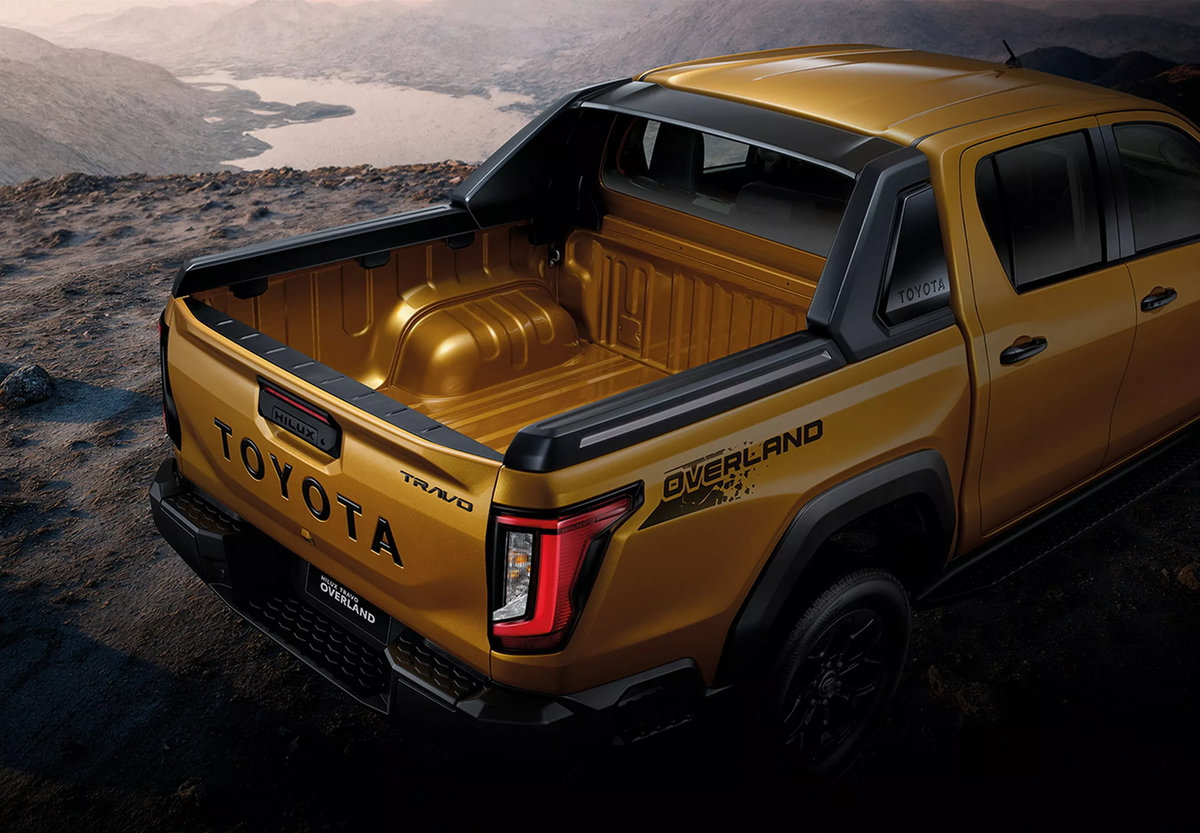
Long items that are surprisingly difficult to stack
The cargo bed size is approximately 1,520mm x 1,535mm and is approximately 480mm deep, but there are the following problems.
Weak against long objects
- The loading platform alone can only carry items up to about 1.5m in height.
- Even when used diagonally, the limit is about 2m
- Long items such as skis and fishing rods require some ingenuity.
- Requires additional purchase of roof carrier and tonneau cover
Weak against expensive things
- Up to 50cm in height when tonneau cover is attached
- Difficult to stack two layers
- Less load capacity than expected
Measures for rainy weather are essential
- The cargo bed gets wet
- Waterproof cover required
- Complete waterproofing is difficult
Truth 5: Ride Stiffness
Truck-based destiny
- Leaf spring rear suspension
- Shakes violently on uneven surfaces
- The rear seats are particularly uncomfortable
- Diesel vibrations are constantly transmitted
Possibility of being disrespected by family
- Children are prone to car sickness
- Fatigue from long drives
- If you’re expecting a luxury SUV ride, you’ll be disappointed.
Truth 6: Parking Problems
Multi-storey car parks are almost completely destroyed
- At 1,800mm high, it cannot fit into many multi-story parking lots.
- Parking in urban areas is severely limited
Difficult even in flat parking lots
- Its length is long, so its head sticks out in tight parking lots.
- Be careful not to hit the door of the car next to you.
- Rearview monitor and 360-degree camera are essential equipment
Truth 7: Getting in and out is difficult
Z grade genuine side step problem
Common complaints from current 8th generation owners:
- The stock side step is too deep inside the vehicle and difficult to use.
- Physical strength required to get on and off
- Difficult for elderly people and small children
- Improvements with custom parts are essential
There is a possibility that the new model will not improve
Due to the vehicle height and structure, this issue may not have been fully resolved.
10 disappointing points about the new Hilux
1. Elimination of single cab and extended cab models

Toyota-Hilux-Travo-e
Concentrated on double cab only
merit:
- Specialized for family use
- Spacious rear seat space
Cons:
- Fewer options for commercial users
- There is no specification that prioritizes cargo space
- Possibility of low-priced grades disappearing
2. Right-angle seats in the back
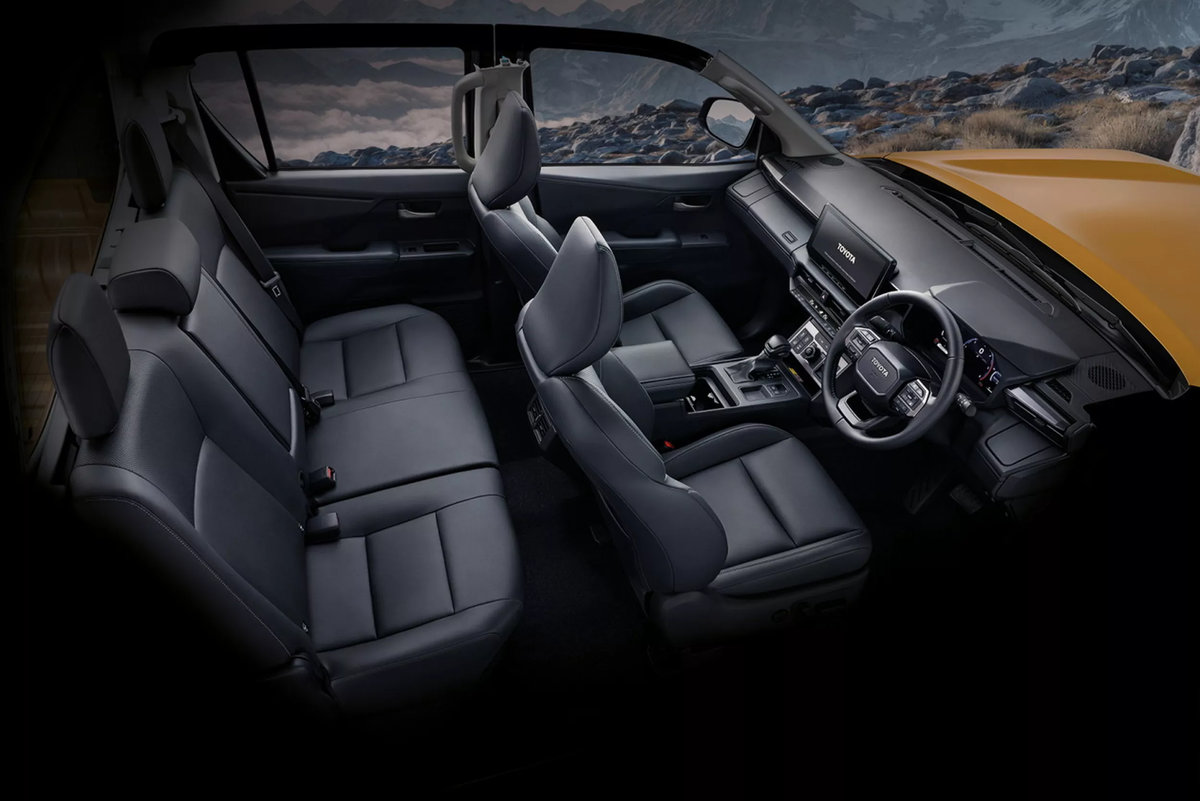
Reclining function limitations
- The seat is almost at a right angle
- Fatigue builds up during long-distance travel
- Custom recliner kit required
- Don’t expect the same comfort as an SUV
3. Limited interior space
Approximately 160cm from the dashboard to the back of the second row
- Sleeping in a car is difficult
- Even if you fold the passenger seat down, you still need to bend your legs to sleep.
- Designed for sleeping in the cargo area
5. Slow driver’s seat power seat adjustment
Electric adjustment is extremely slow
- Seat adjustment takes time
- Manual is more convenient
- Readjusting your clothes after changing in winter is stressful
- No seat position memory function
6. Part-time 4WD quirks
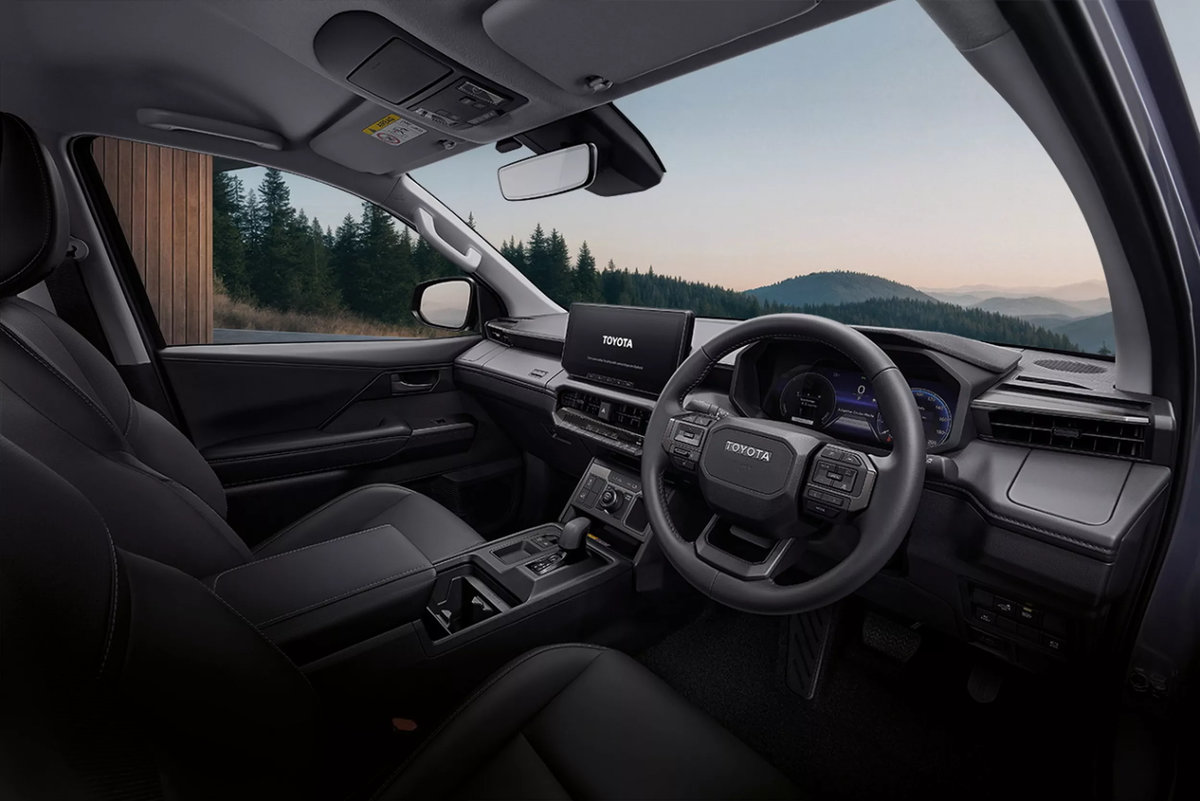
Tight corner braking phenomenon
- Occurs when using 4WD on dry paved roads
- Behavior similar to braking on a sharp curve
- Frequent 2WD/4WD switching required
- First-time users may mistake it for a malfunction.
Cons: Part-time 4WD limitations
The Land Cruiser FJ uses part-time 4WD, which is rare in modern SUVs and is a point that many people tend to misunderstand.
Part-time 4WD:
- Normally driven in 2WD (FR) mode
- Switch to 4WD only when on rough roads or off-road
- No center differential or viscous coupling
When using 4WD mode on paved roads:
- Tight corner braking phenomenon occurs
- When turning a corner, the difference in rotation between the front and rear wheels cannot be absorbed.
- When turning the steering wheel, there is a “grrr” sound and it feels like all four wheels are being braked.
- If you try to turn too hard, you may damage the tires or drivetrain.
- On paved roads, you must drive in 2WD.
- You can’t take advantage of 4WD on paved roads on rainy days
- Drive in 2WD even on winding roads with lots of curves
- There is no drive force distribution control like in modern full-time 4WD vehicles.
Contrasting cars:
- Land Cruiser 250: Full-time 4WD with center differential
- Land Cruiser 300: Full-time 4WD with center differential
- Toyota RAV4: Electronically controlled 4WD
- Toyota Harrier: Electronically controlled 4WD
Pre-purchase notice:
It is possible that you may accidentally leave the car in 4WD mode on a paved road and try to take a corner only to find that the car doesn’t respond as you expect. If you purchase a car without understanding this characteristic, you may end up regretting it, thinking it’s broken or finding it difficult to use. Be sure to check it out by taking a test drive.
7. Lack of acceleration due to weight
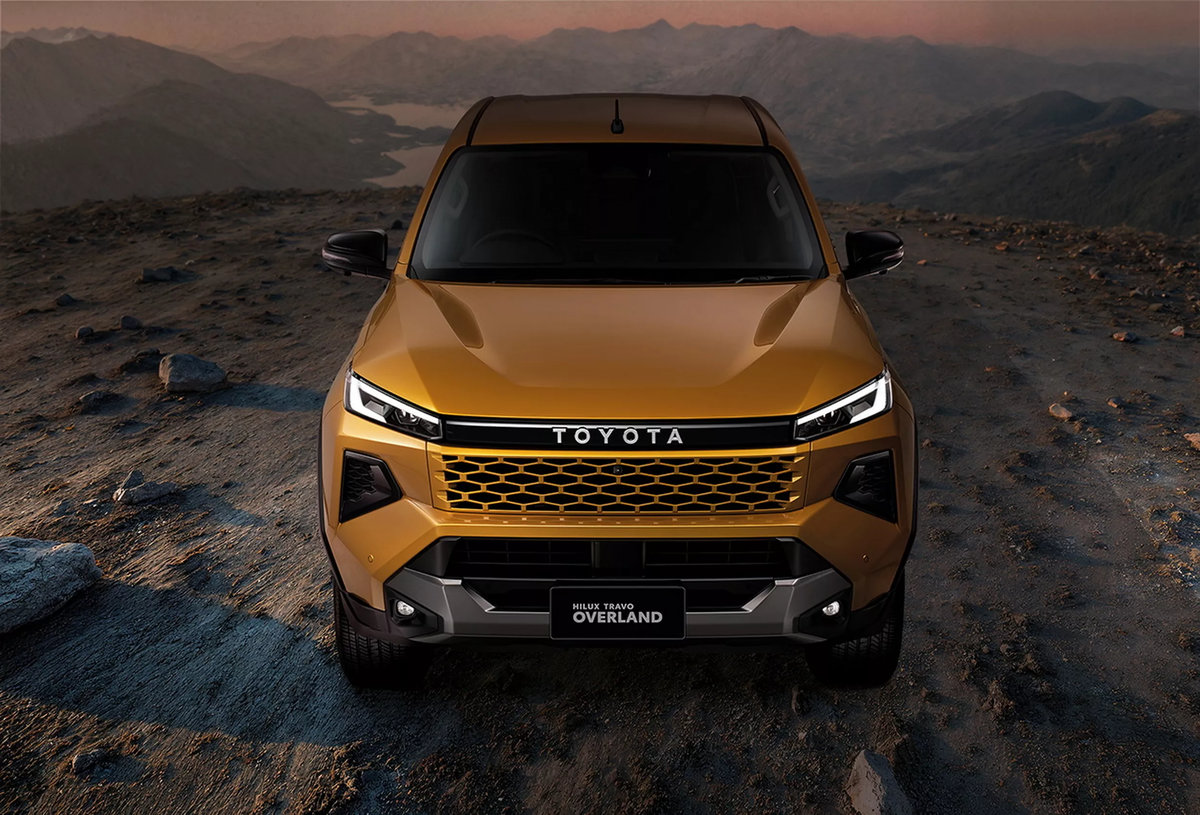
Vehicle weight: approximately 2 tons
- It becomes even heavier when loaded with luggage
- I feel a lack of acceleration when merging onto the highway
- Lack of power on slopes
- Factors behind the deterioration of fuel economy
8. BEV models lack range
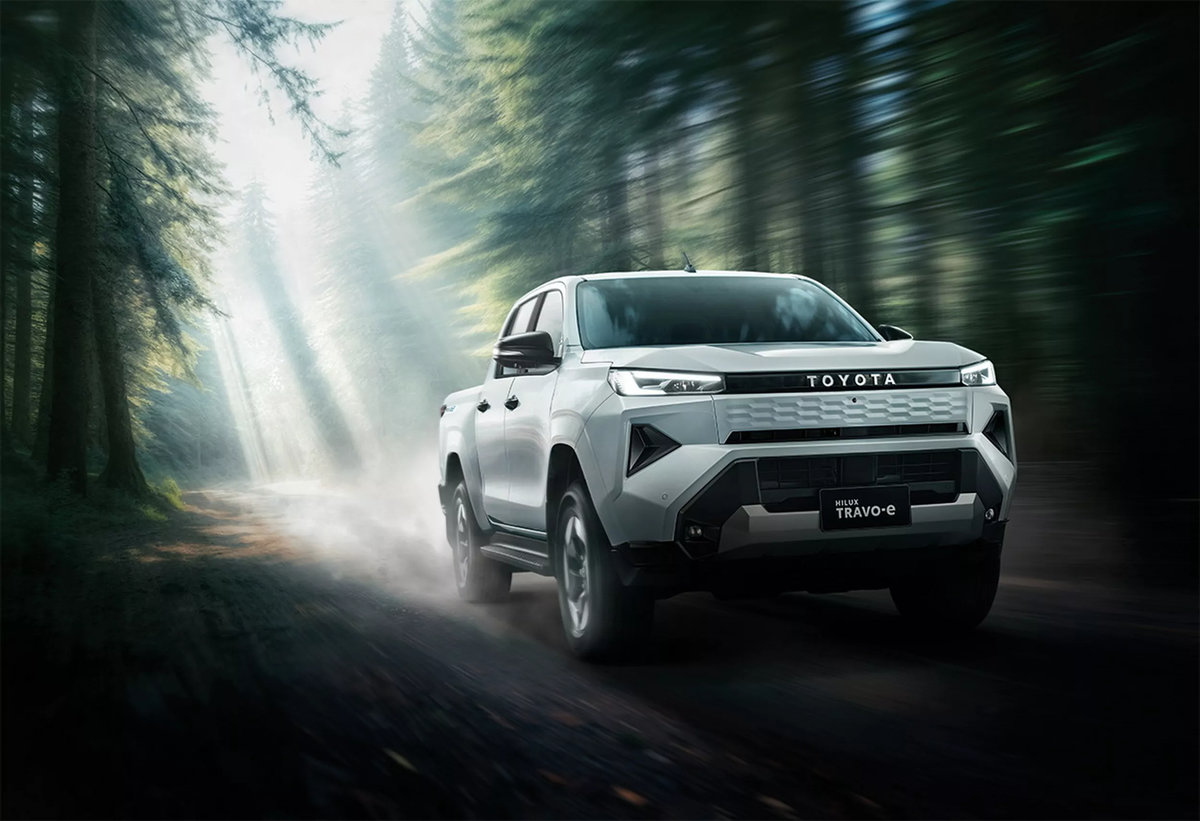
Toyota-Hilux-Travo-e
300km (NEDC mode) is too short
- 240km in WLTP mode
- Practical cruising range may be less than 200km
- This is fatal in rural areas where charging infrastructure is limited.
- Even shorter in winter
9. Possible price increases
Will it be 500,000 to 800,000 yen higher than the 8th generation?
Estimated price:
- Entry grade: around 4.2 million yen
- High-end grade: 4.8 million to 5.2 million yen
- BEV model: Around 6 million yen
Even taking into account the upgrades, the price increase is significant.
10. Custom Swamp Depth
It’s hard to use if it’s genuine.
Examples of custom parts needed:
- Tonneau cover/canopy: 100,000 to 300,000 yen
- Side steps/rock sliders: 50,000 to 150,000 yen
- Roof carrier: 50,000 to 100,000 yen
- Lifting: 200,000 to 500,000 yen
- Wheels and tires: 300,000 to 500,000 yen
Additional investments totaling more than 1 million yen are not uncommon.
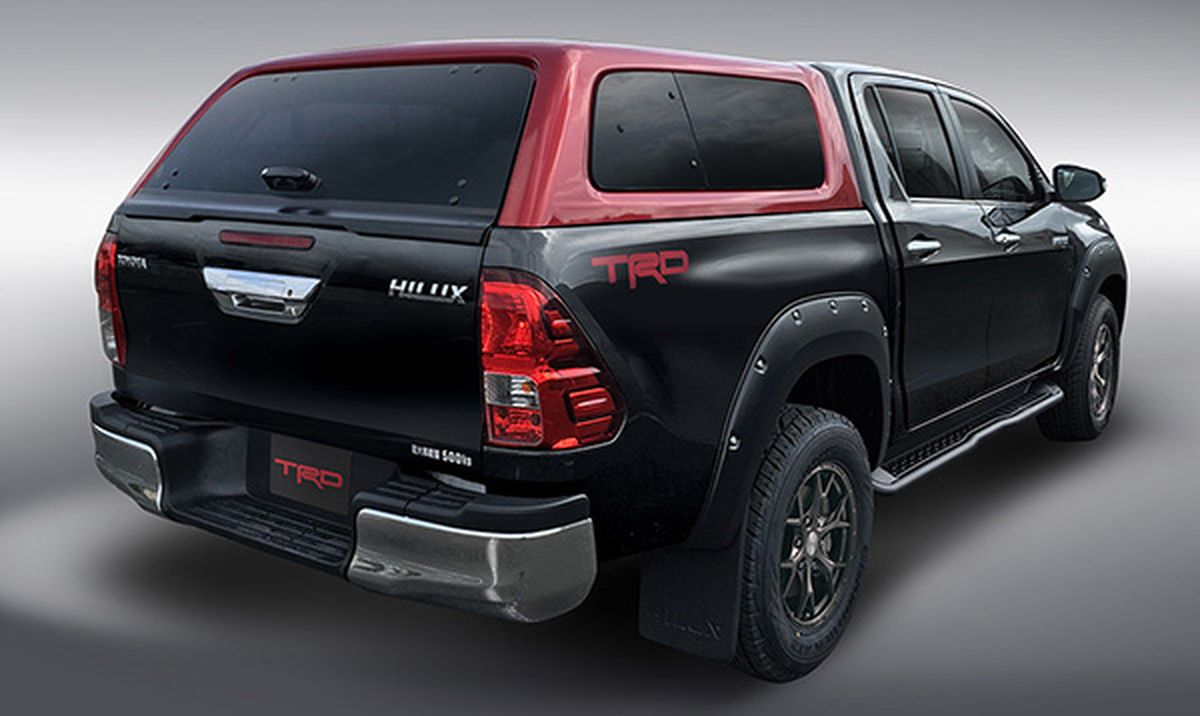
The reality of maintenance and running costs
Detailed simulation of annual maintenance costs
Basic maintenance cost
| item | New car (2 years) | 3rd year onwards (every year) |
|---|---|---|
| automobile tax | 16,000 yen x 2 years | 16,000 yen |
| weight tax | 24,600 yen | 24,600 yen |
| Compulsory automobile liability insurance | 24,000 yen (2 years) | 12,000 yen |
| Basic vehicle inspection fee | 30,000 yen | 30,000 yen |
| Vehicle inspection and maintenance costs | 50,000 yen | 50,000 yen |
| Voluntary insurance | 130,000 yen x 2 years | 130,000 yen |
| Fuel cost (10,000 km per year) | 170,000 yen x 2 years | 170,000 yen |
| Annual total | Approximately 370,000 yen | Approximately 430,000 yen |
The impact of annual vehicle inspections
Experiences of 8th generation Hilux owners:
- Vehicle inspection fees are relatively cheap (sometimes only 20,000 to 30,000 yen)
- However, it requires a lot of work every year.
- 300,000 yen every two years vs. 60,000 yen twice a year = The total amount is actually the same
- In fact, some people say they feel safe because the equipment is inspected every year.
The reality of highway and ferry fares
Expressway tolls (medium-sized vehicles)
| section | Ordinary car | Hilux | difference |
|---|---|---|---|
| Tokyo-Osaka | Approximately 7,000 yen | Approximately 8,500 yen | +1,500 yen |
| Tokyo-Sendai | Approximately 5,000 yen | Approximately 6,000 yen | +1,000 yen |
Ferry fare (for freight vehicles)
There are some cases where the costs can be surprisingly high.
- Hokkaido-Honshu route: 1.5 to 2 times the cost of a standard car
- Okinawa route: Extremely expensive
- Long-distance ferry users beware
The reality of fuel costs
If you drive 10,000 km per year
| Driving pattern | Actual fuel consumption | Annual fuel costs |
|---|---|---|
| Expressway center | 10-12km/L | Approximately 130,000 yen |
| City center | 8-9km/L | Approximately 170,000 yen |
| mixture | 9-10km/L | Approximately 150,000 yen |
Calculated based on diesel price of 150 yen/L
Usability issues
The reality of using the cargo bed
The gap between ideals and reality
ideal:
- Can carry a large amount of luggage
- Camping equipment can be freely loaded
- Can transport DIY materials
reality:
- Rain protection is required (tonneau cover/canopy required)
- Long items are difficult to load
- Tall items may interfere with the tonneau cover.
- There is a risk of theft
Inconvenience of everyday use
Problems when shopping
- It’s hard to park in supermarket parking lots
- If you put your luggage in the luggage compartment, it will get wet in the rain.
- Limited space for luggage inside the vehicle
Family use
- The rear seats are uncomfortable, causing dissatisfaction over long distances
- When child seats are installed, the vehicle can actually seat three people.
- The luggage compartment (cargo area) and the interior of the car are separated, which is inconvenient
Urban use
In urban areas such as Tokyo and Osaka
- Multi-storey car parks cannot be used
- It’s difficult to park even in a paid parking lot
- Difficult to maneuver on narrow roads
- Fuel economy deteriorates dramatically
Conclusion: Not suitable for main use in urban areas
Actual complaints from an 8th generation owner
5 Differences Between a Regular Car and a Traditional Car You Should Know Before You Regret
- Parking is difficult
- 30cm longer than Alphard
- One of the longest overall lengths in Japanese cars
- Struggling in small parking lots
- Getting on and off is difficult
- The genuine side step of the Z grade is difficult to use
- Custom recommendation for power deployable side steps
- Side lock sliders provide both ease of entry and exit and protection
- The ride is not comfortable (pros and cons)
- “Heaven” for those who switched from a car with 380,000 km on the clock
- “Bad” for Alphard users
- GR Sports is stiff
- Can be improved by customizing the seat and suspension
- There is an annual vehicle inspection
- Although it is a hassle, the inspection fee is cheap at 20,000 to 30,000 yen.
- A cheaper annual vehicle inspection costs the same as a more expensive one every two years.
- There is little risk of failure
- The carrier is difficult to use
- get wet in the rain
- Even tonneau covers are not 100% waterproof
- The canopy can be used like the inside of a car
- It is important to select the equipment according to the purpose.
What wasn’t so great
- Overwhelming overall length
- Poor maneuverability (minimum turning radius 6.4m)
- Making a U-turn on a mountain road is a bit scary
- Limited parking options
- It was also the reason I once let it go
- Interior space
- Sleeping in a car is difficult
- Need to sleep with legs bent
- Sleeping in the cargo area is a given
- Weak against long objects
- It’s difficult to load skis
- Diagonal use up to approx. 2m
- Roof carrier required
- Weak against expensive things
- Height limit of approximately 50cm when using a tonneau cover
- Difficult to stack two layers
- heavy
- Acceleration is not as expected
- It’s especially heavy when packed with camping gear.
- Disadvantages of number 1
- Annual vehicle inspection
- Highway tolls are expensive
- The ferry fare is so high it makes you go “Wow!”
- Ride comfort
- Diesel-specific vibrations and noise
- After lifting, the car shakes especially on uneven surfaces.
- Be careful when giving family and friends a ride
- DPF regeneration
- begins without warning
- Engine cannot be stopped for 20 to 30 minutes
- If it starts right after I get home, I wait in the car.
- Part-time 4WD
- Tight corner braking phenomenon
- Frequent switching is required
- At first I thought it was a malfunction
- Custom Swamp
- Seeing other Hiluxes on Instagram makes me want one
- It costs infinite money
- Holo, lift up, and more…
Checklist when considering a purchase
Find out if the Hilux is right for you
Check how many “Yes” there are for the following items:
□ Have parking space at home (other than a multi-story car park)
□ Mainly use in suburban or rural areas
□ Have frequent opportunities to transport luggage
□ Enjoy outdoor activities and camping
□ Can tolerate annual maintenance costs of 400,000 yen or more
□ Don’t mind annual vehicle inspection procedures
□ Prioritize practicality over ride comfort
□ Enjoy customization
□ Want a car that gives you joy of ownership
□ Don’t mind the noise and vibration of a diesel engine
Diagnosis results
- 8-10 : The Hilux is perfect for you!
- 5-7 pieces : A good choice depending on the application
- 3-4 : Careful consideration required
- 0-2 : Consider a different car model
10 things you should check before purchasing
- Secure parking
- Will it fit a total length of 5,320mm and a height of 1,800mm?
- Parking situation around my house
- Clarification of the main purpose of use
- For work? For leisure? For everyday use?
- Do you really use the cargo area?
- Family consent
- Understanding ride comfort
- Understanding annual vehicle inspections
- Understanding maintenance costs
- Securing the budget
- Vehicle itself: 4 to 6 million yen
- Custom parts: 500,000 to 1,000,000 yen
- Annual maintenance fee: 400,000 yen or more
- Test drive
- Checking the ride comfort
- Check visibility
- Checking handling
- Comparison with competing models
- Mitsubishi Triton
- Nissan Navara
- Mazda BT-50
- Ford Ranger
- Confirmation of delivery date
- Planned for mid-2026, but subject to change
- Popular models are at risk of delivery delays
- Grade Selection
- Identifying necessary equipment
- BEV/Diesel Choice
- Custom Design
- Identifying essential customizations
- Budget allocation
- Resale value when selling
- Demand for pickup trucks is limited
- Be prepared for a price drop when selling
Why choose the Hilux?
Overwhelming ownership satisfaction
“There are a lot of downsides, but I’m glad I bought it.”
reason
- Exciting cars
- Makes you want to go on an adventure
- Endless ways to have fun in the cargo area
- It’s fun just to own it
- One and only
- The only Japanese pickup truck
- There is no next car I want to drive
- Once you’ve experienced the Hilux, you won’t want to go anywhere else.
- Stability and security
- Stability due to vehicle weight and long wheelbase
- Safe on Hokkaido’s snowy roads
- Fewer breakdowns
- Customization for improved convenience
- Any flaws can be fixed through customization
- The joy of customizing it to your liking
- Information exchange on social media is also popular
- The best tool
- Can be used for work or play
- Rugged and reliable
- Long-lasting
Interesting answers to Instagram surveys
“Things I regret about the Hilux”
“I don’t have a car I want to drive next.”
In a way, this is the highest compliment: once you’ve experienced the Hilux, there’s no other car you’ll want to drive.
Improvements in the new model vs. remaining issues
Improved points
Equipment
- ✅ 2 x 12.3-inch displays
- ✅ Toyota Safety Sense 3.0
- ✅ Panoramic view monitor
- ✅ Multi-terrain monitor
- ✅ Electric parking brake
- ✅ Digital instrument cluster
Powertrain
- ✅ 2.8L diesel (increased power output)
- ✅ Mild hybrid
- ✅ BEV model added
Driving performance
- ✅ Electric power steering
- ✅ Improved body rigidity
- ✅ Suspension improvements
- ✅ Two types of tuning
Remaining issues and points that have not been improved
Basic structure
- ❌ Overall length (presumably the same)
- ❌ Minimum turning radius (approximately 6.4 m)
- ❌ Separation of the cargo area and the interior of the vehicle
- ❌ Number 1 (Annual vehicle inspection)
Ease of use
- ❌ Narrowness of rear seats and ride comfort
- ❌ Rain protection for the cargo area is essential
- ❌ Difficulty loading long items
- ❌ Difficulty of getting on and off (predicted)
maintenance cost
- ❌ Expressway tolls (medium-sized vehicles)
- ❌ Ferry fare (cargo vehicle)
- ❌ Annual vehicle inspection costs
Body Type
- ❌ Single cab abolition (reduced options)
Emerging concerns
Price increase
- Expected price increase of 500,000 to 800,000 yen
- Custom costs are also on the rise
Lack of range for BEV models
- 300km (NEDC) is not practically sufficient
- Charging infrastructure challenges
Final advice for purchasing decisions
I don’t recommend the new Hilux to these people.
- People who mainly use it in urban areas
- Parking issues and poor handling are fatal
- Fuel economy also deteriorates drastically
- Family comfort is a top priority
- Rear seat is uncomfortable
- Dissatisfaction with long distance travel
- People who want to reduce maintenance costs
- Be prepared to spend more than 400,000 yen a year
- Ferry users should take special caution
- People who rarely use the luggage compartment
- There’s no point in choosing a pickup truck.
- SUVs are more comfortable
- People who aren’t interested in customization
- There are some parts that are difficult to use with the original
- Additional investment required
The new Hilux is perfect for these people
- Outdoor and camping enthusiasts
- Endless ways to have fun in the cargo area
- Highly valuable as a tool
- People who often carry luggage at work
- Ideal for transporting materials
- Rugged and reliable
- People living in suburban and rural areas
- There are few parking issues
- Excellent stability during long distance travel
- People who want to enjoy customizing their cars
- Plenty of custom parts
- Active social media community
- People who want a one-of-a-kind car
- The only Japanese pickup truck
- Extremely high ownership satisfaction
Final conclusion: A car you should choose with determination
The new Toyota Hilux isn’t a car for everyone .
However, for those who understand its characteristics and find it suitable for their needs, it will be the perfect companion .
Points to consider when making a purchase decision
- Is there a clear purpose?
- Do you really use the cargo area?
- Is it necessary for work or hobbies?
- Can you afford the maintenance costs?
- Be prepared to spend more than 400,000 yen a year
- Customization costs 500,000 to 1,000,000 yen
- Is there understanding from the family?
- Uncomfortable ride
- Annual vehicle inspection
- Is parking available?
- Total length 5,320mm
- Height: 1,800mm
- Do you feel the joy of owning it?
- Satisfaction outweighs inconvenience
- Unique Value
If you can answer yes to all of these questions, the new Hilux could be the perfect choice for you.
On the other hand, if you have even one major concern, you should carefully consider your purchase.
summary
While the new Hilux has many appealing features, it also has clear weaknesses and limitations .
However, as the owner of the YouTube channel “Road Tracker” says, it is also a car that provides such satisfaction in ownership that it makes you think, “There’s no other car I want to drive.”
If you are considering purchasing this product, please understand all of the “disappointments” and “points to be aware of” introduced in this article, and then ask yourself whether you still want it.
If the answer is yes, the new Hilux will bring irreplaceable excitement to your life .
I can’t wait for it to be released in Japan in mid-2026.