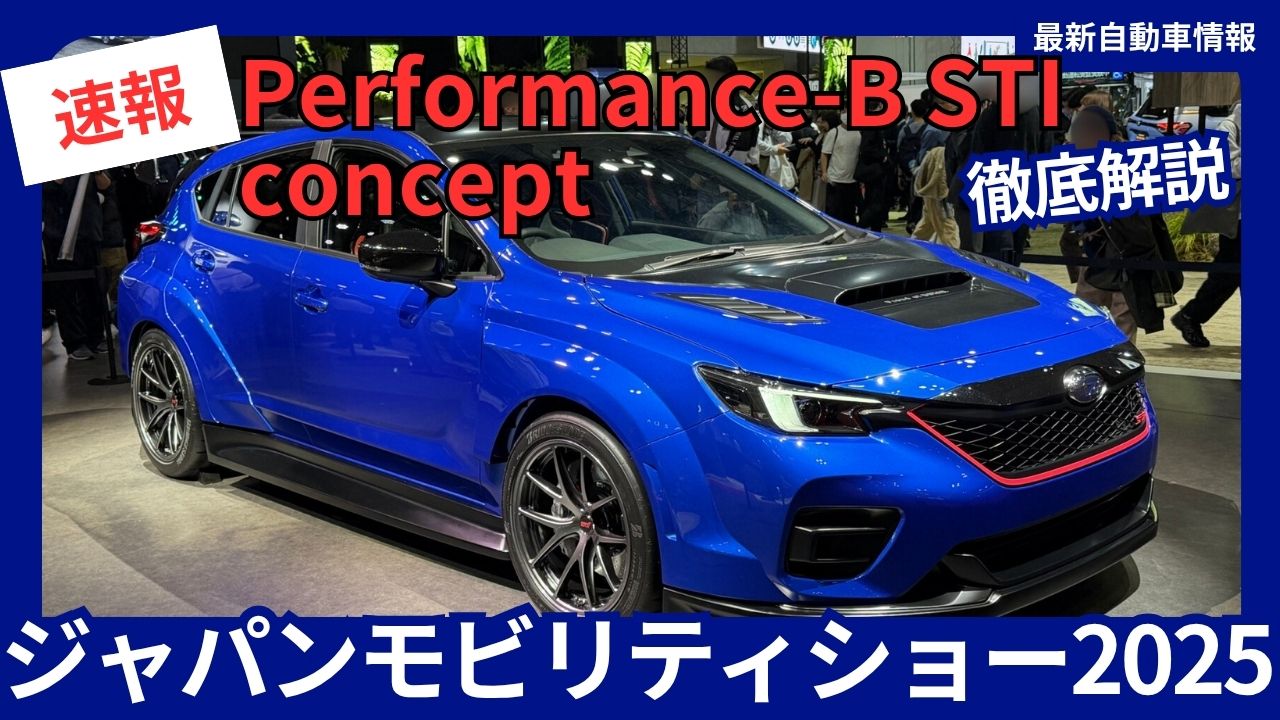



On October 30, 2025, the Japan Car of the Year Executive Committee announced the 10 best cars for the first round of selection for the Japan Car of the Year 2025-2026 at the Japan Mobility Show 2025. The 10 cars, selected from a total of 35 nominated vehicles after rigorous screening by a committee of 60 judges, represent a diverse lineup including electric vehicles, hybrid vehicles, SUVs, and minicars.
The top 10 cars of the 2025-2026 Japan Car of the Year have been announced
These 10 best cars will undergo a second round of selection at upcoming test drive events, and the prestigious Japan Car of the Year will be decided at the final selection meeting to be held on December 4, 2025.
What is Japan Car of the Year? A prestigious automobile award that has been running for over 40 years
The Japan Car of the Year (JCOTY) is one of Japan’s most prestigious automotive awards, with a long history spanning more than 40 years. A selection committee made up of automotive critics, journalists, and experts selects the best car from among the new models released in the Japanese market that year based on a comprehensive evaluation of factors including design, performance, safety, environmental friendliness, and price.
This award is an important indicator in the Japanese automobile market, and as winning vehicles have a significant impact on consumer purchasing intentions, it is also a very important award for automobile manufacturers.
Japan Car of the Year 2025-2026 Top 10 Cars
This year’s Top 10 Cars were selected from a wide range of categories, from domestic manufacturers to imported cars. Below we will introduce the nominees in detail.
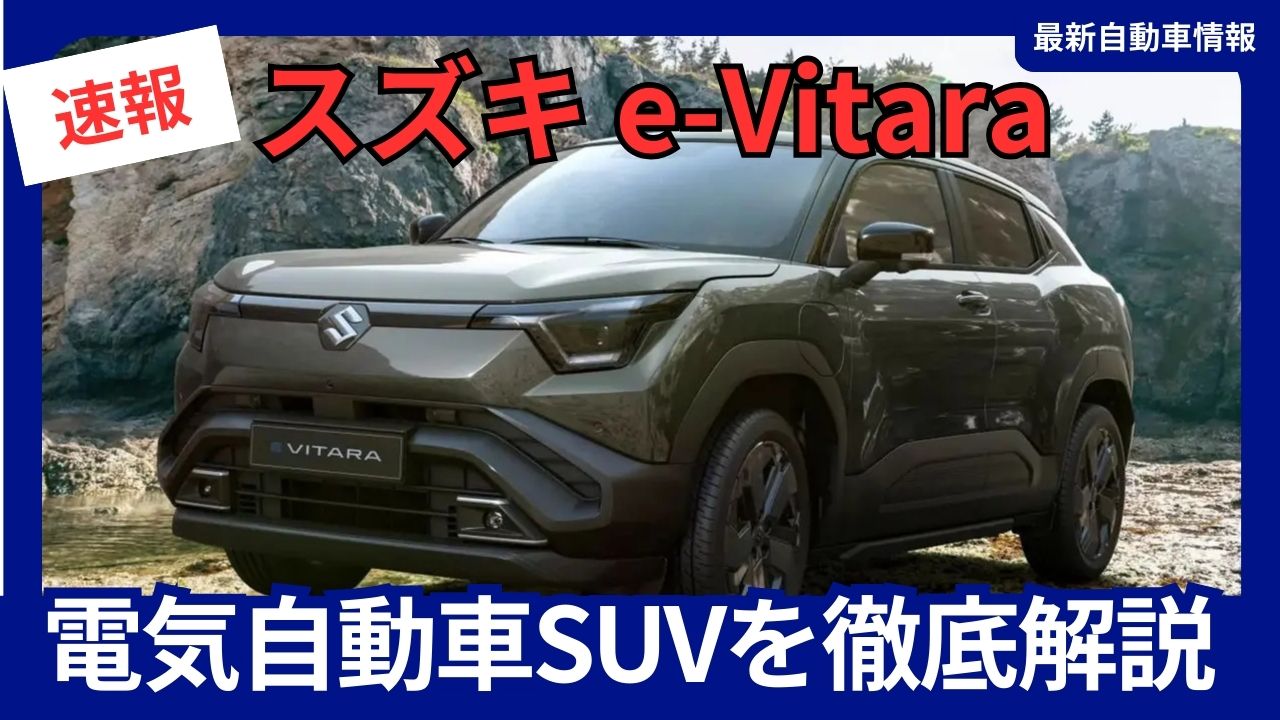
1. Suzuki e-Vitara – Leading the way in compact SUV electrification
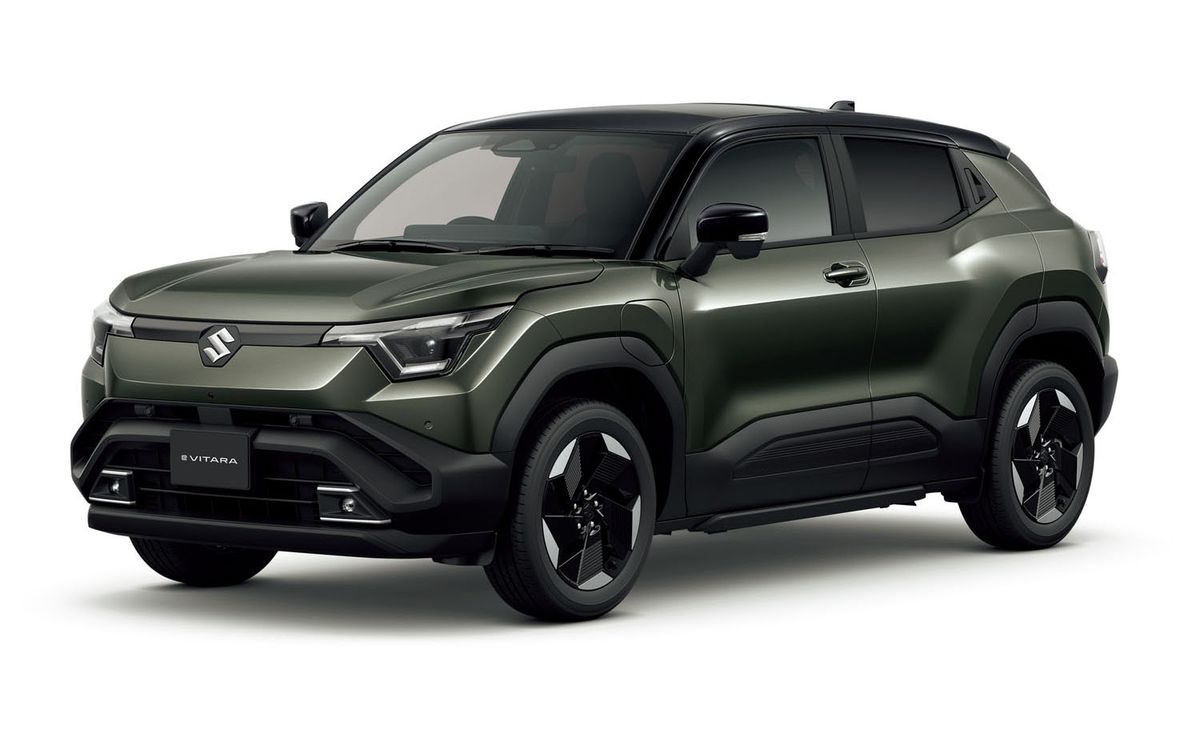
Suzuki’s long-awaited electric vehicle, the “e Vitara,” is a noteworthy model that will bring a wave of electrification to the popular compact SUV category. While maintaining the ease of use of the previous Vitara, it achieves the quietness and acceleration performance that only an EV can offer. Its appeal lies in its familiar Suzuki design and its ample driving range for everyday use.
Highlights:
- Suzuki’s first full-scale electric vehicle
- Combining the ease of use of a compact SUV with the advanced features of an EV
- Contributing to the spread of EVs through affordable pricing
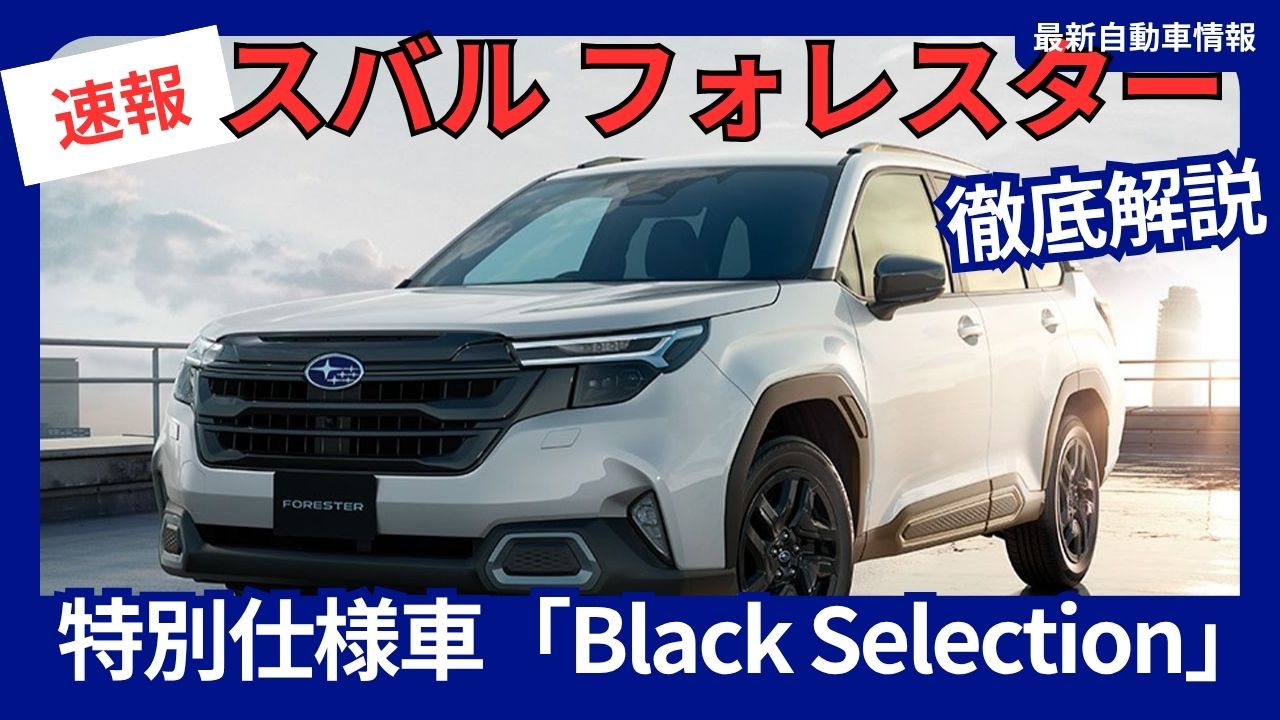
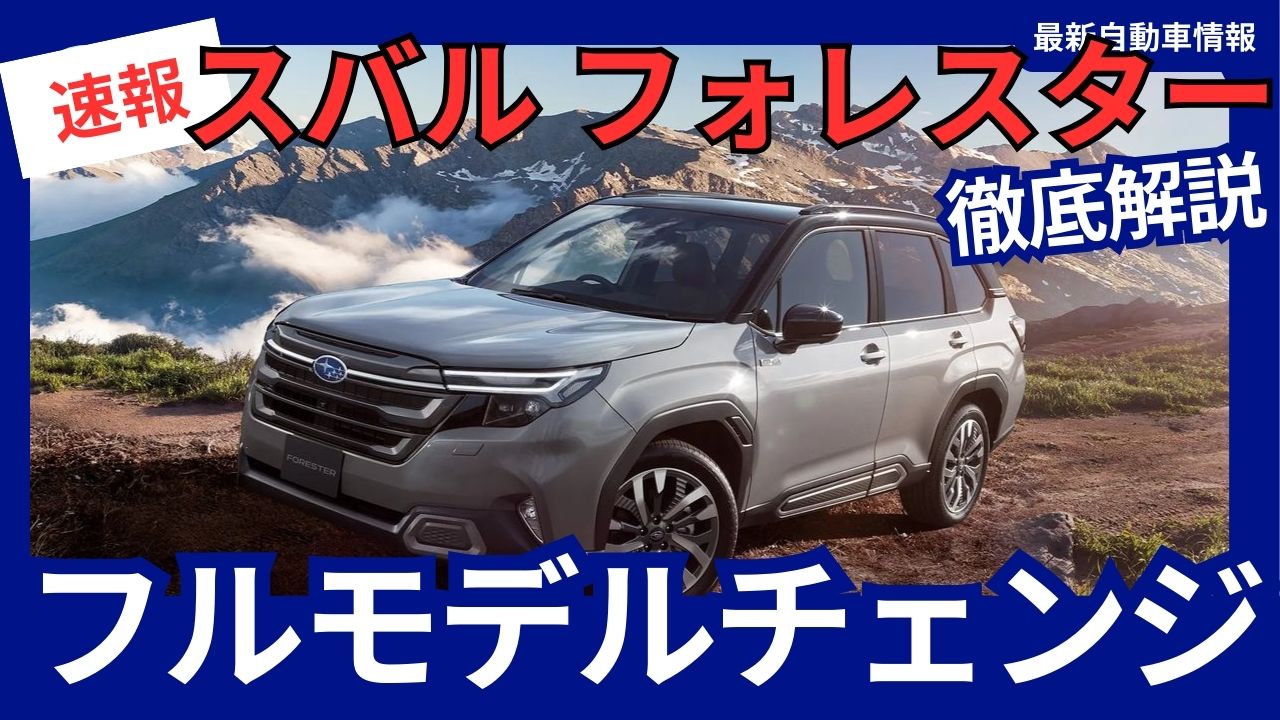
2. Subaru Forester – A traditional SUV evolves into a new generation
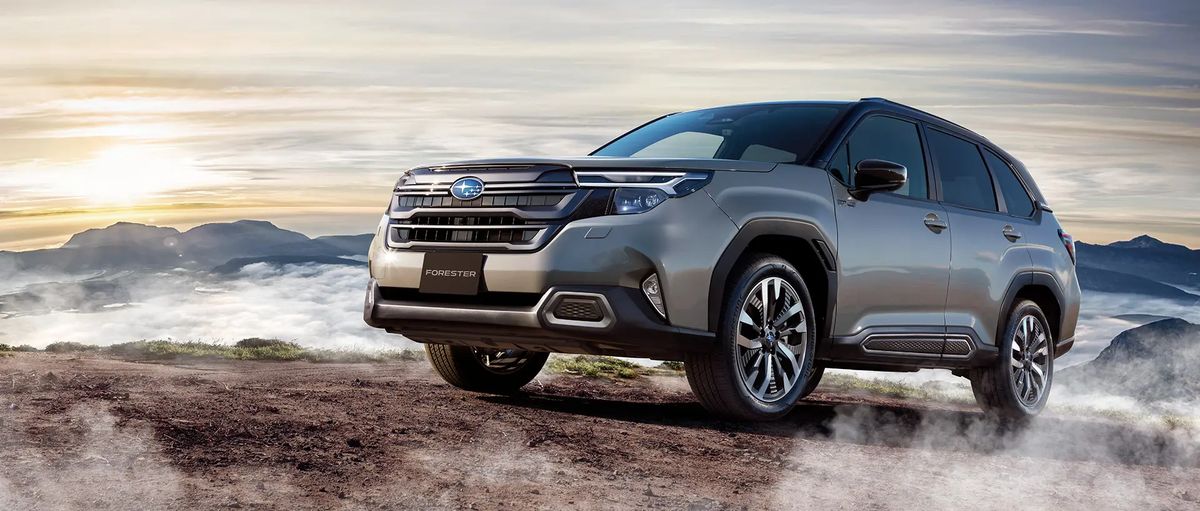
Subaru’s flagship SUV, the Forester, has undergone a full model change. While retaining Subaru’s signature combination of horizontally opposed engine and symmetrical all-wheel drive, it now features the latest safety technology, EyeSight X. This is a true all-rounder that combines high levels of off-road capability with everyday comfort.
Highlights:
- A major evolution while maintaining the traditional Subaru feel
- Dramatically improved safety performance with the latest EyeSight X
- High-quality interior and improved quietness
3. Daihatsu Move – The new standard for minicars
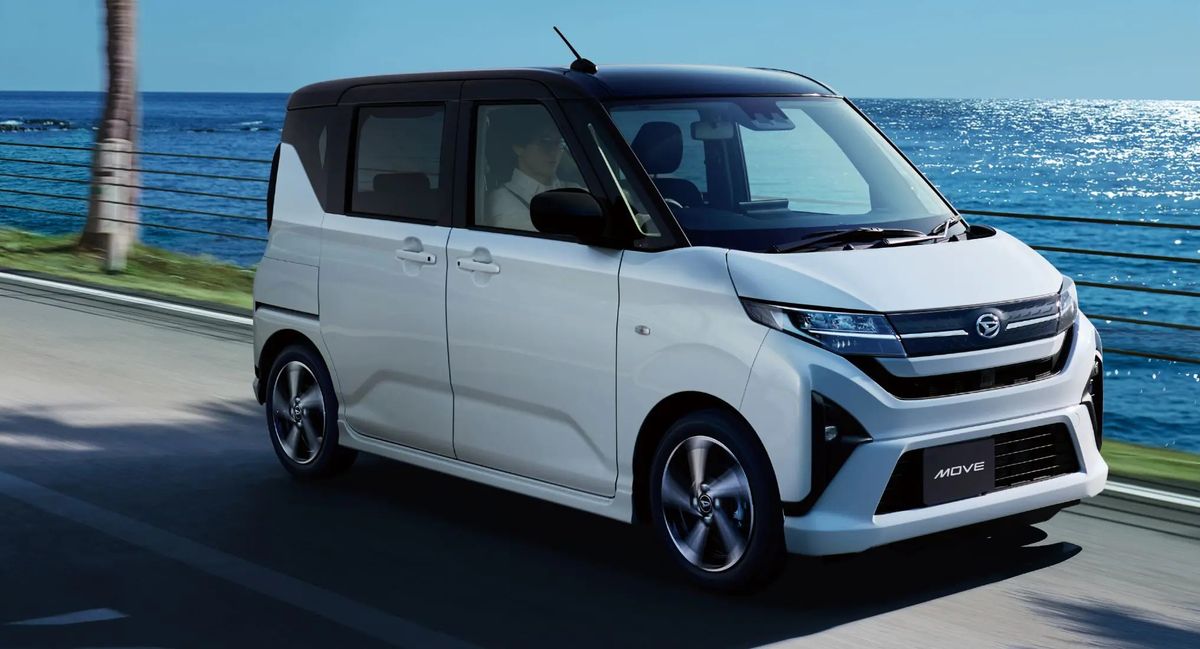
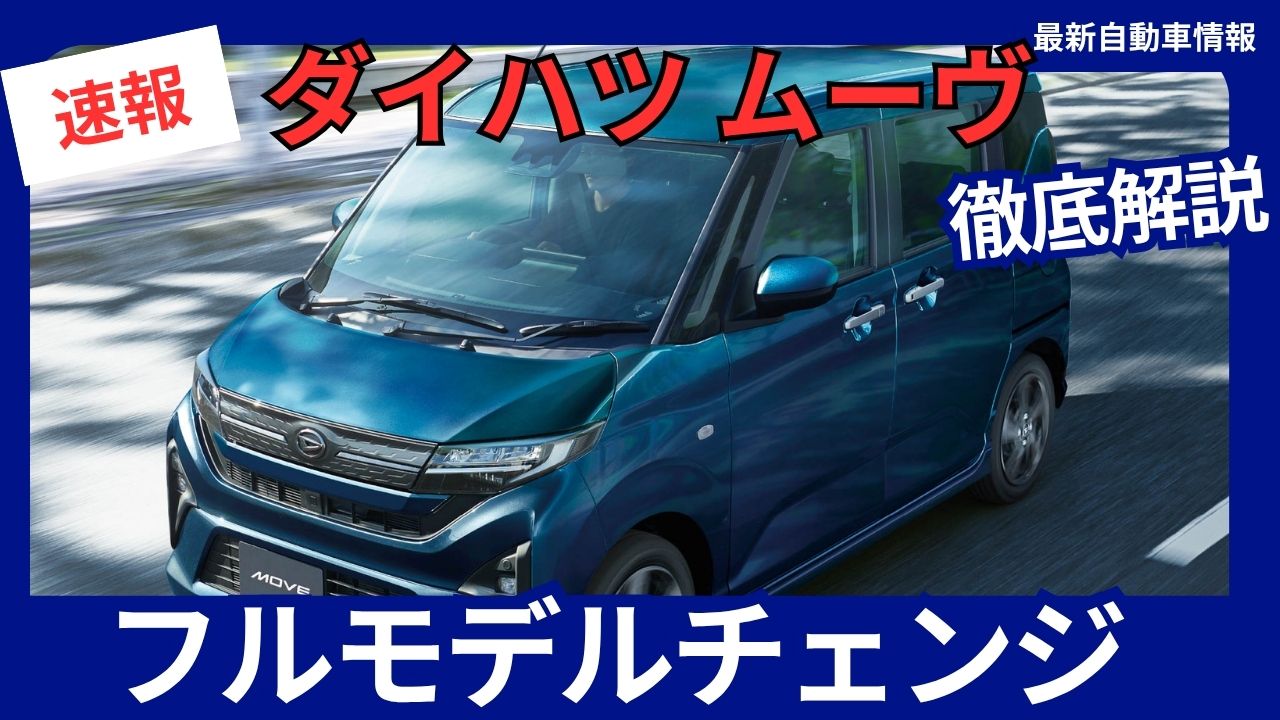
New Move
The Move, a classic light car that has been loved for many years, has been reborn into a new generation. It offers a spacious interior, excellent fuel economy, and the latest safety features, all at an affordable price. It is a model that embodies Japan’s light car culture and is truly worthy of being called the people’s car.
Highlights:
- Practicality that maximizes the ease of use of a minicar
- Latest safety technology as standard
- Grades available to suit a wide range of users
4. Toyota Crown Estate – The revival of the luxury station wagon
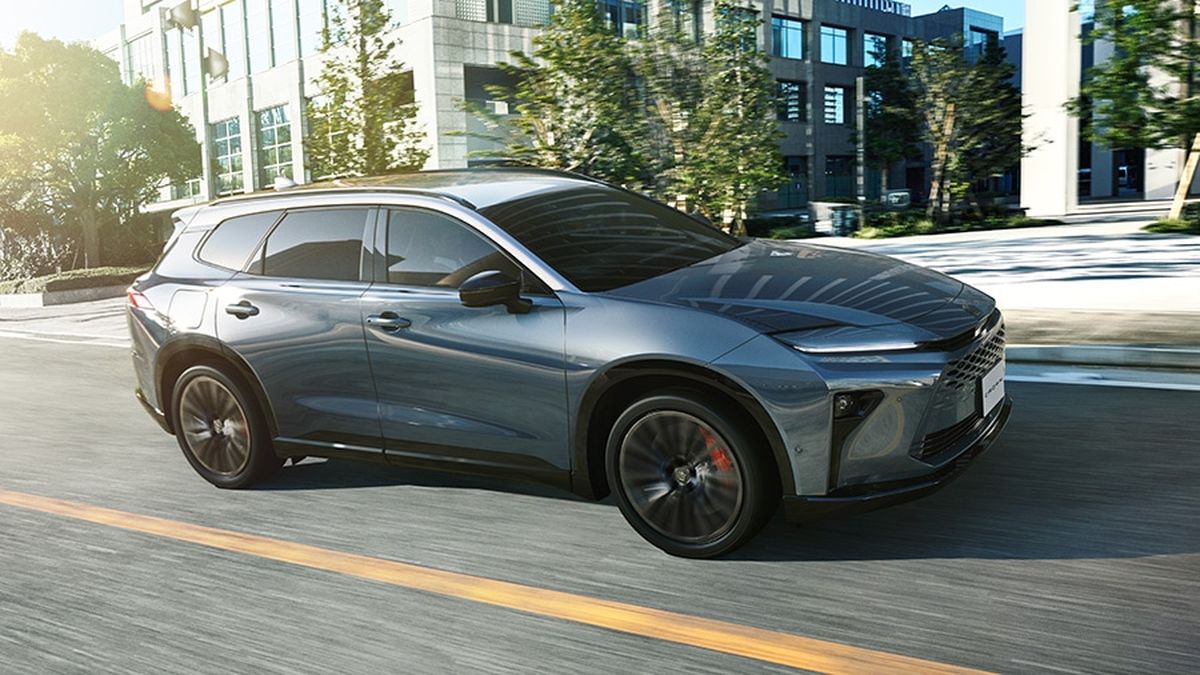
2025 Toyota Crown Signia
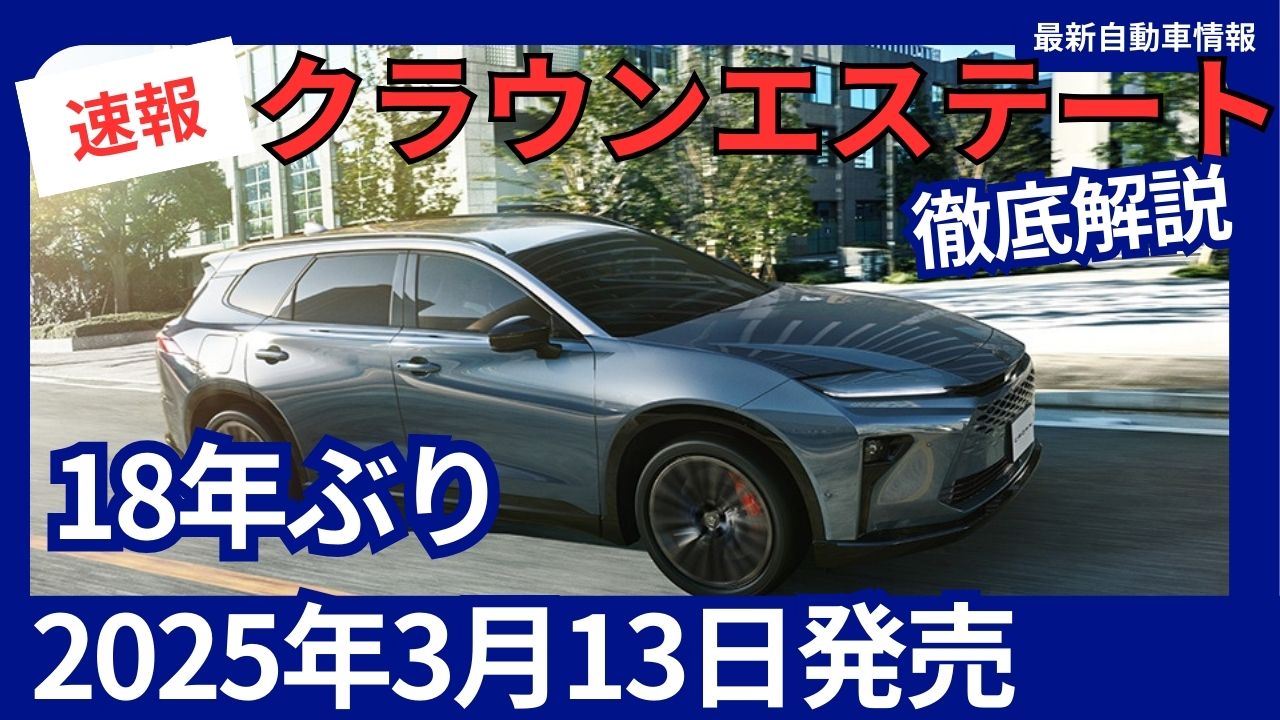
Toyota’s traditional luxury brand, the Crown, has been joined by the station wagon-type “Estate.” This new concept, which combines the elegance of a sedan with the practicality of an SUV, is a vehicle that meets the diverse needs of customers. Its appeal lies in its excellent fuel economy thanks to its hybrid system and its spacious luggage compartment.
Highlights:
- A model that demonstrates new possibilities for the Crown brand
- Achieving a high level of luxury car elegance and practicality
- Excellent environmental performance thanks to the latest hybrid technology
5. Nissan Leaf – The EV pioneer evolves even further
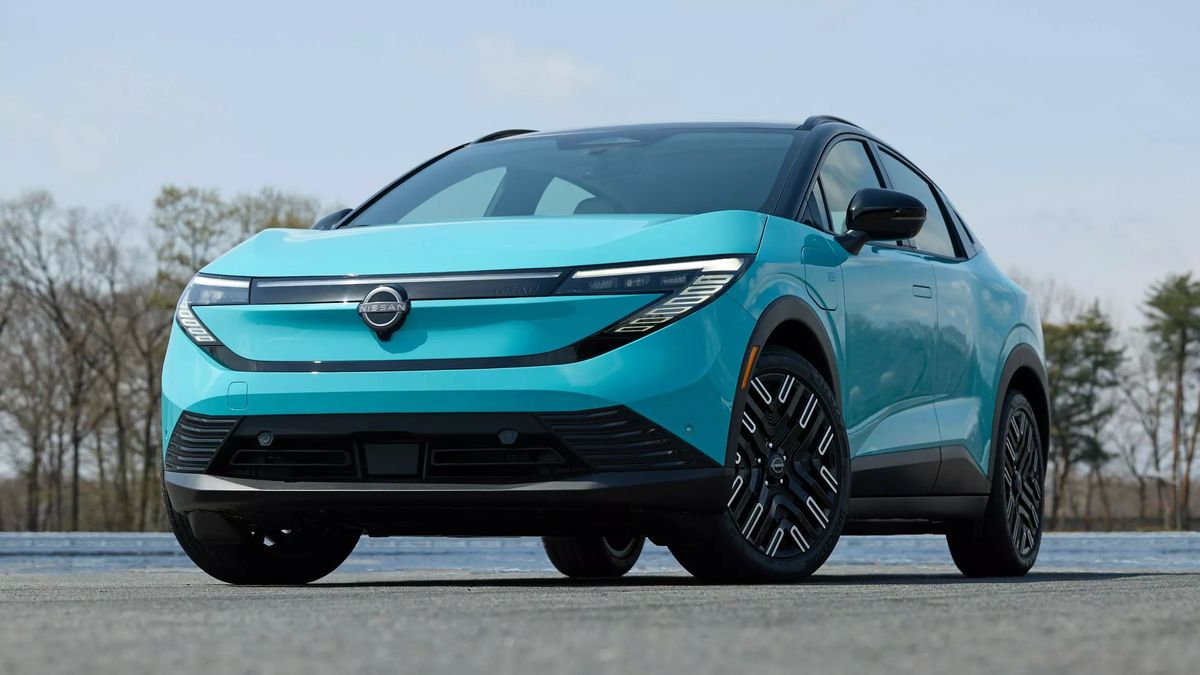
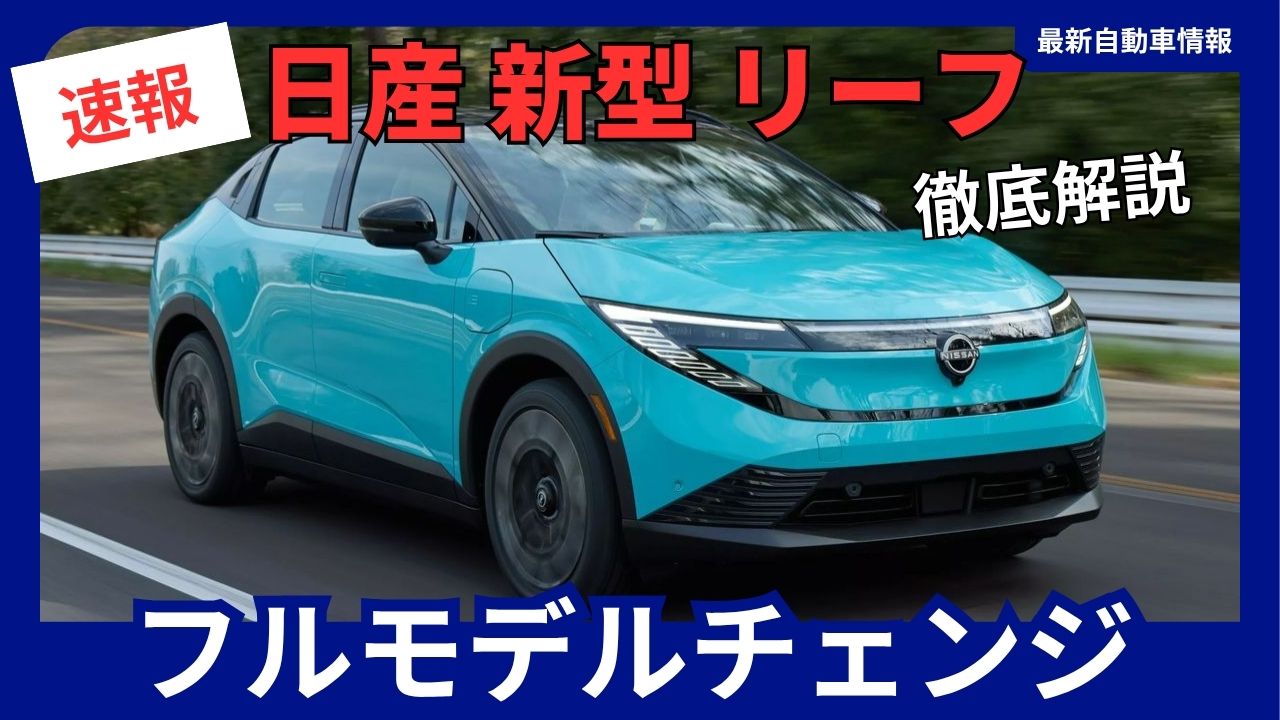
The Leaf, a pioneer in the spread of electric vehicles in Japan, is once again attracting attention with its latest model. Advances in battery technology have significantly improved driving range, and with the development of charging infrastructure, it has become an even more practical option. The unique driving feel provided by the e-Pedal is also a unique attraction of the Leaf.
Highlights:
- A proven track record and reliability as an EV pioneer
- Improved range due to advances in battery technology
- Advanced driving assistance with ProPilot functions
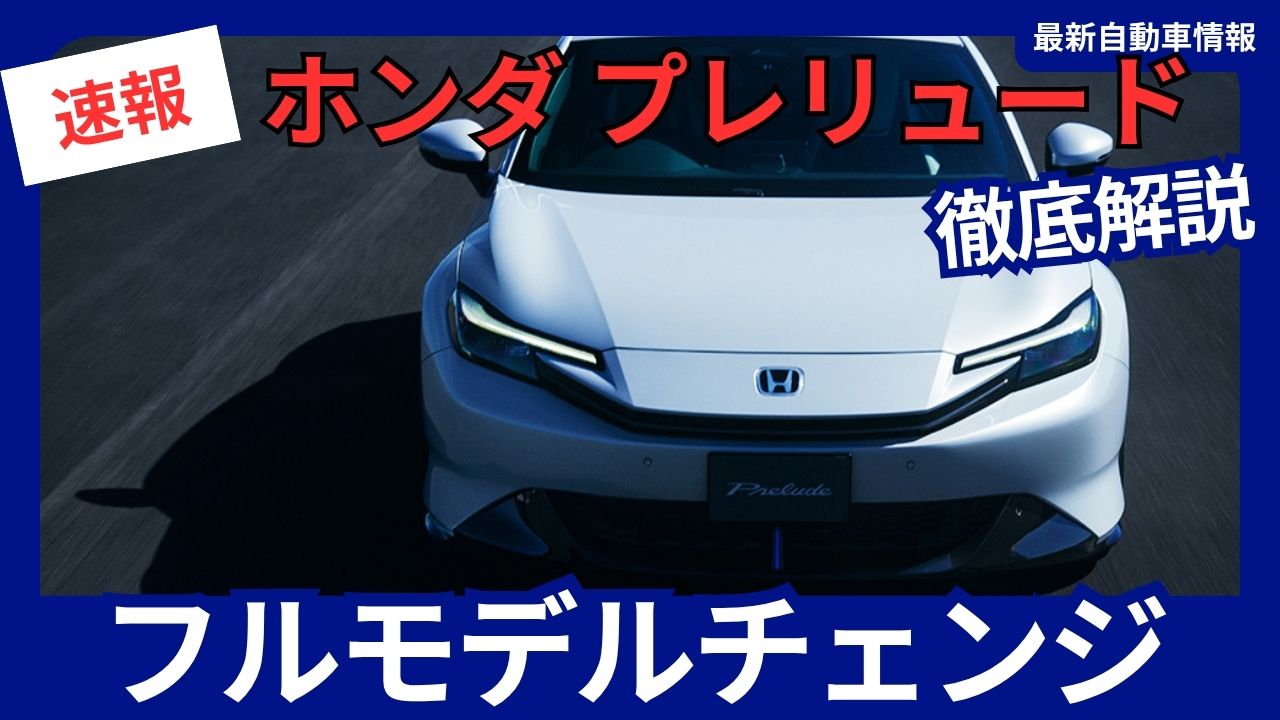
6. Honda Prelude – A sports car legend reborn
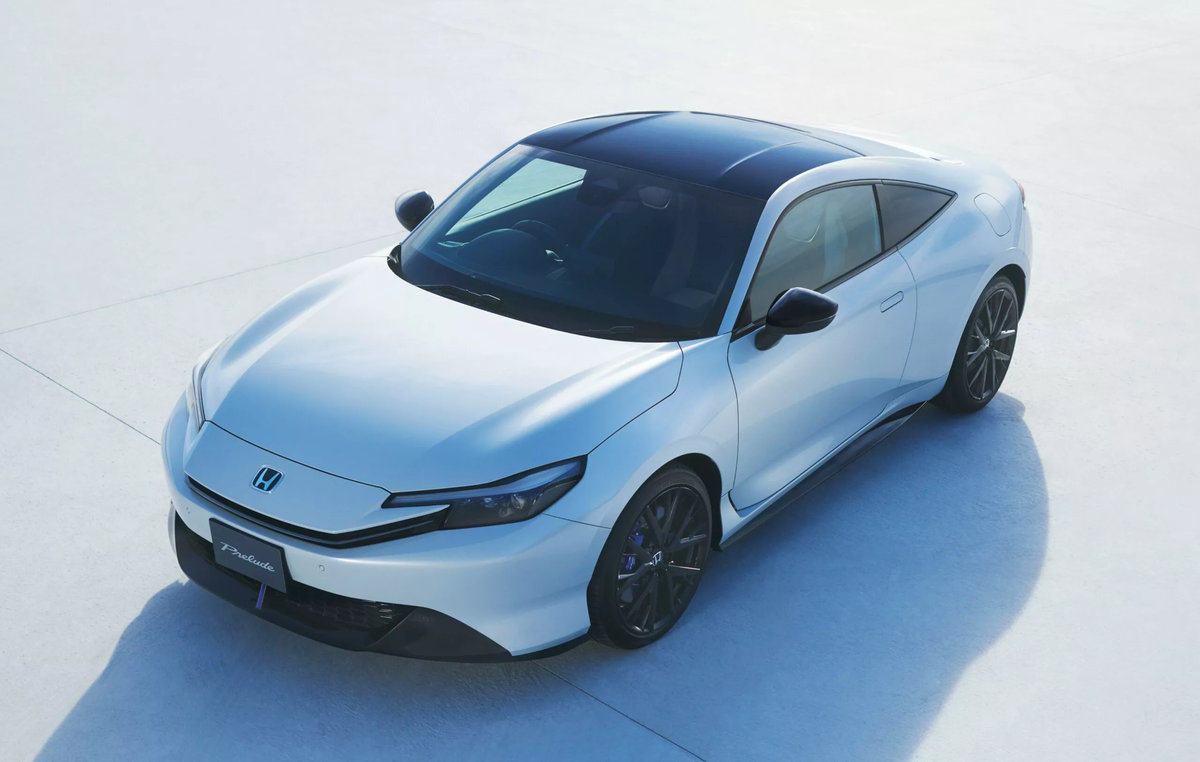
The Prelude, a sports coupe that took the world by storm in the 1990s, has been revived for the modern era. It boasts Honda’s signature sporty driving and sophisticated styling. By adopting a hybrid system, it is a specialty car for a new era that combines environmental friendliness with sporty performance.
Highlights:
- The revival of a legendary nameplate
- Combining sporty performance with environmental friendliness
- A traditional spirit carried on in modern design
7. BMW 2 Series Gran Coupe – A new approach to premium compact cars
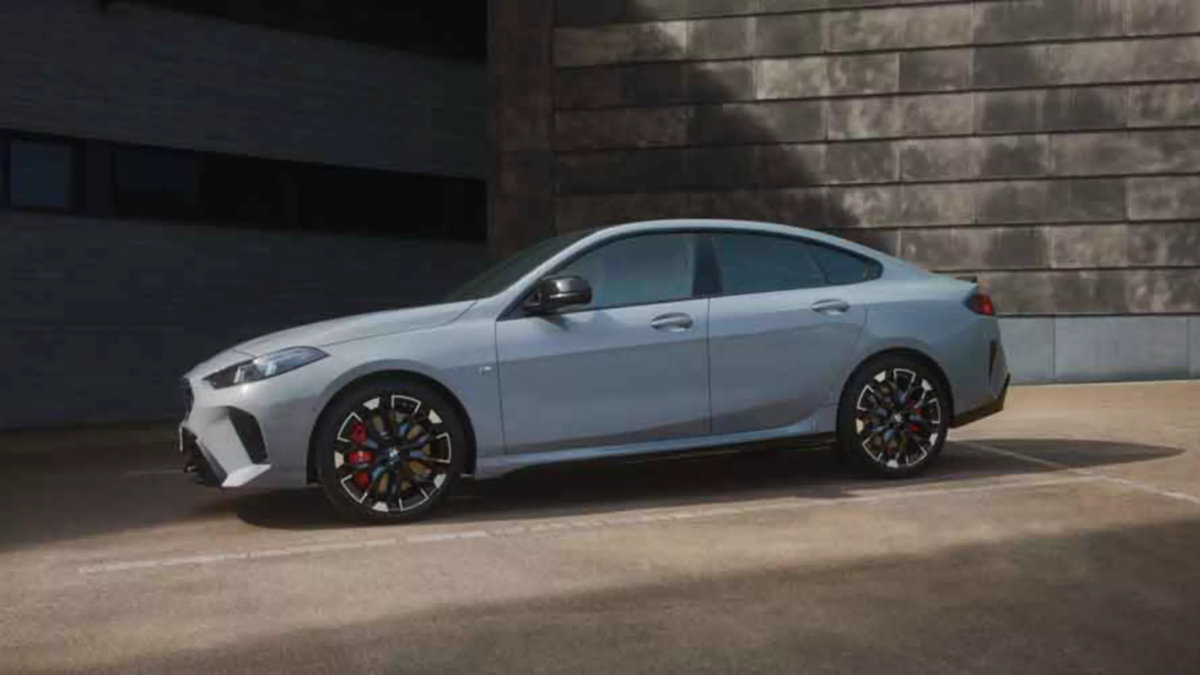
The 2 Series Gran Coupe is a BMW that offers the quality of a premium brand at an affordable price. Its stylish four-door coupe design and BMW-like sporty driving are its charms. Despite its compact body, the design does not sacrifice practicality.
Highlights:
- BMW driving pleasure at an affordable price
- Stylish four-door coupe design
- Excellent driving dynamics
8. Hyundai Instar – A compact EV from South Korea
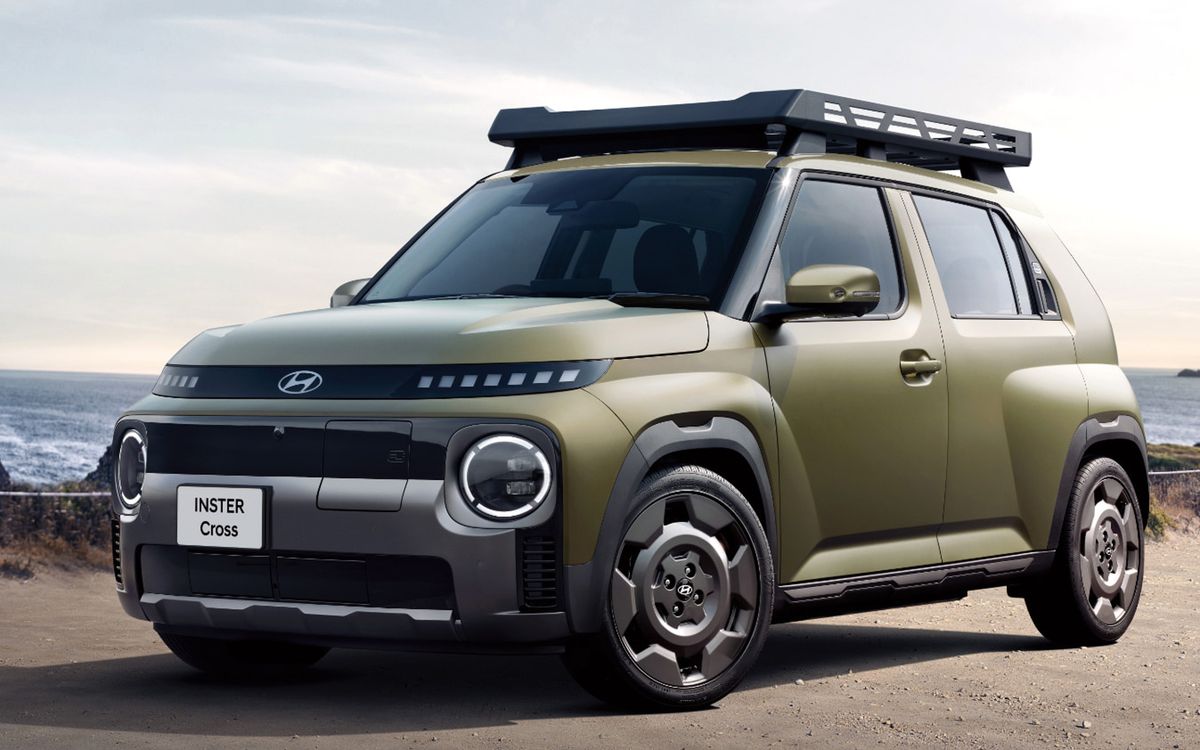
The Instar is a compact electric vehicle being introduced to the Japanese market by Hyundai Motor Company of South Korea. With its familiar design, comprehensive equipment, and competitive pricing, it is bringing a breath of fresh air to the EV market. Its unique appeal, not found in Japanese cars, is popular with users seeking new options.
Highlights:
- Friendly design and easy-to-use size
- Extensive standard equipment and cost performance
- Supports fast charging and is highly practical
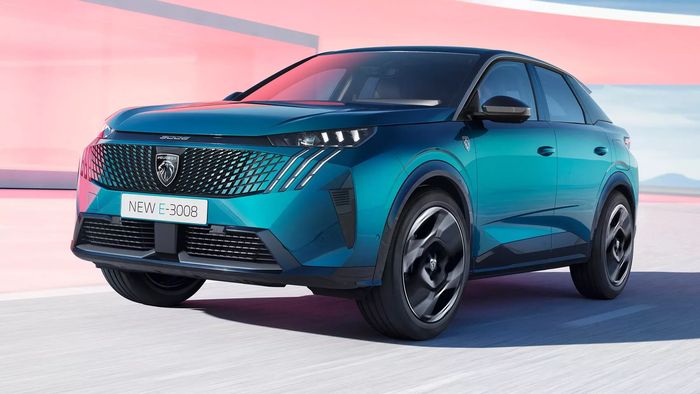
9. Peugeot 3008 – The sophisticated charm of a French SUV
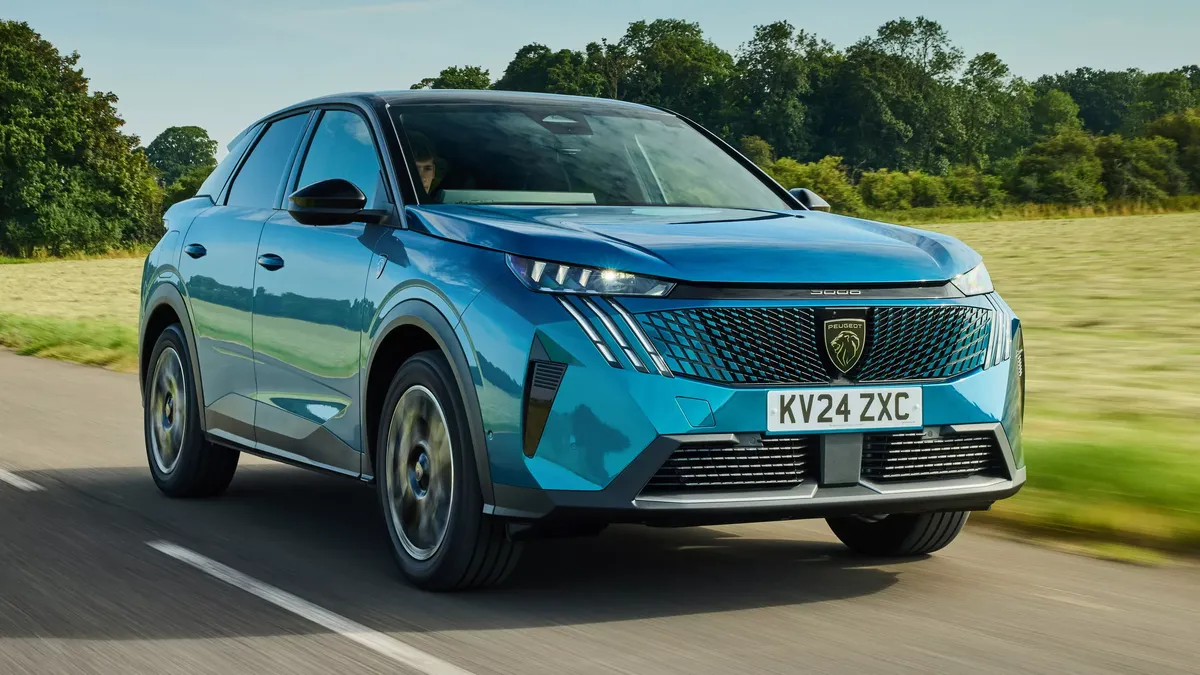
Peugeot-3008-PHEV
Peugeot’s mid-size SUV “3008” is attractive for its unique French design and refined driving. The unique interior design called i-Cockpit enhances the pleasure of driving. The adoption of a hybrid system has also improved environmental performance.
Highlights:
- Unique French design
- Advanced driving environment with i-Cockpit
- Excellent environmental performance thanks to hybrid
10. Volkswagen ID. Buzz – The legendary minibus is back in electric form
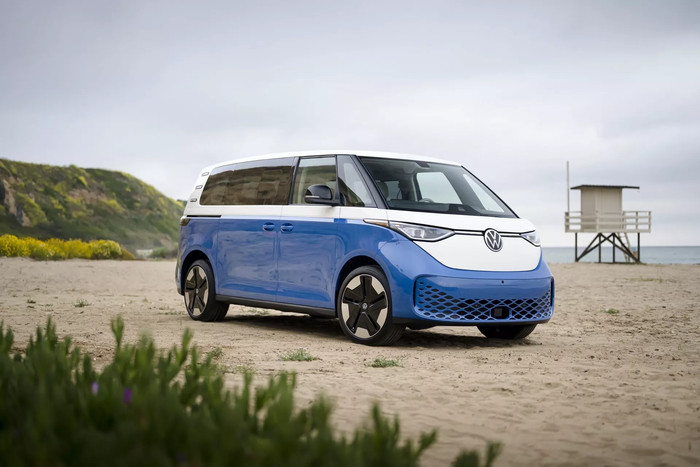
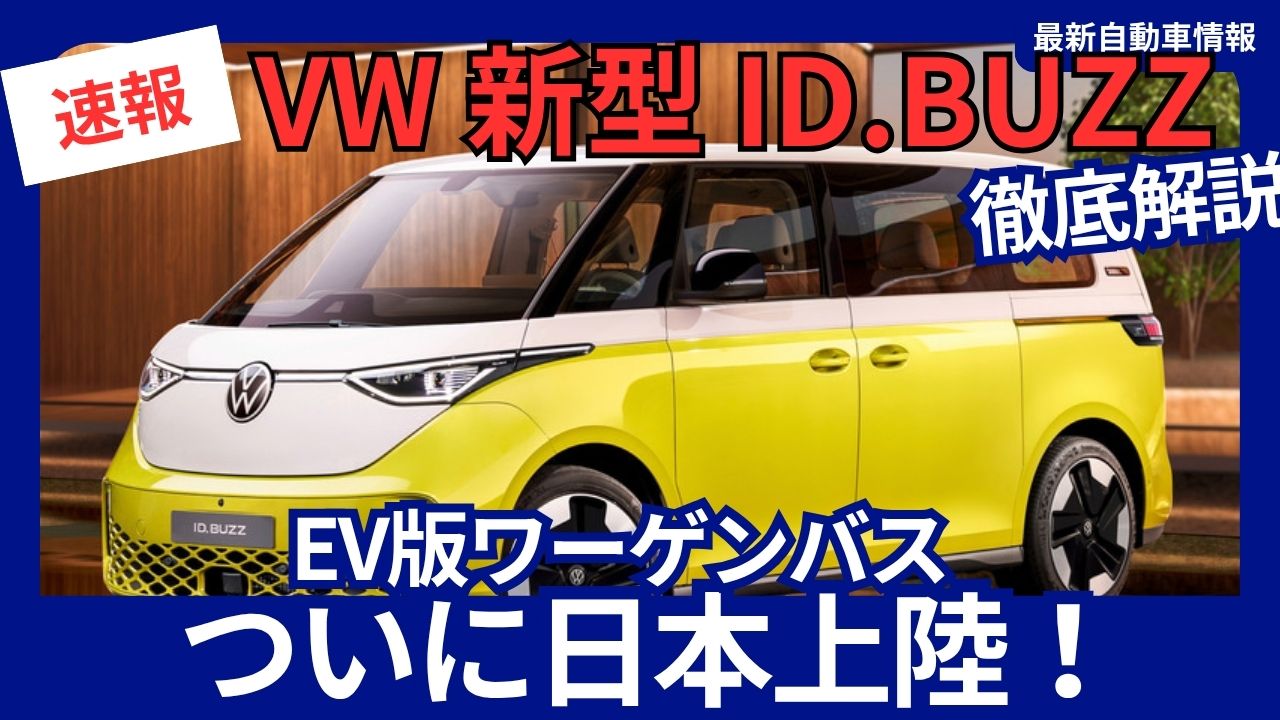
The ID. Buzz inherits the design DNA of the VW Type 2 Microbus, popular since the 1950s, and has been brought back to life with the latest electric technology. Its design, a fusion of retro and modern, exudes a unique presence. With a spacious interior and a practical driving range, it is a new-generation family car.
Highlights:
- A modern interpretation of an iconic design
- Spacious interior space and versatile seating arrangements
- Uses VW’s latest MEB electric platform
Japan Car of the Year 2025-2026 Selection Schedule
The vehicles selected as the Top 10 Cars will proceed to the final selection process according to the following schedule.
October 30th: Announcement of the 10 Best Cars (Japan Mobility Show 2025 venue)
Mid-to-late November: Second selection at the 10 Best Cars test drive event
December 4th: Final selection to decide Japan Car of the Year 2025-2026
A 60-member selection committee will test drive each vehicle and make a comprehensive evaluation before deciding on the final winning vehicle.
Features of 2025-2026: Electrification and Diversity
Looking at this year’s 35 nominated vehicles and the 10 Best Cars, some clear trends emerge.
Accelerating electrification
Among the 10 best cars, four are fully electric vehicles (EVs) and several are hybrids, demonstrating the steady progress of vehicle electrification. The diverse lineup includes the Suzuki e-Vitara, Nissan Leaf, Hyundai Instar, and Volkswagen ID. Buzz.
Category diversity
The awards were selected from a wide range of categories, from minicars (Daihatsu Move) to premium SUVs, sports coupes (Honda Prelude) and station wagons (Toyota Crown Estate), reflecting the current state of the automobile market, which is responding to the diversifying needs of users.
The presence of imported cars
It’s also worth noting that four of the top 10 cars are imports (BMW, Hyundai, Peugeot, and Volkswagen). This shows that the Japanese automobile market is becoming increasingly globalized, with a wide range of import car options and intensifying competition.
List of all 35 nominated vehicles
The following 35 vehicles were nominated for this year’s Japan Car of the Year award:
Domestic cars:
- Suzuki “e Vitara”
- Subaru Forester
- Daihatsu “Move”
- Toyota “Alphard PHEV”
- Toyota Vellfire PHEV
- Toyota “Crown (Estate)”
- Nissan Leaf
- Nissan “Roox”
- Honda “N-ONE e:”
- Honda Prelude
- Lexus “GX”
Imported cars:
- Alfa Romeo “Junior”
- Audi “A5” series
- Audi “A6 e-tron” series
- Audi “Q5” series
- Audi “Q6 e-tron” series
- BMW “2 Series Gran Coupe”
- BYD “Sealion 7”
- Cadillac Lyric
- Citroen “C3 Hybrid”
- Citroën “C4”
- Fiat “600 Hybrid”
- Hyundai “Instar”
- Jeep Renegade e-Hybrid
- Mercedes-AMG “CLE 53 4MATIC+ Cabriolet”
- Mercedes-AMG “E 53 Hybrid 4MATIC+ (PHEV)”
- Mercedes-AMG “GT 43 Coupe”
- Mercedes-AMG “GT 63 SE Performance Coupe”
- Mercedes-AMG “SL 63 SE Performance”
- Mercedes-Benz EQS 450+
- Peugeot “3008”
- Porsche 911 Carrera GTS
- Porsche Macan
- Tesla Model Y
- Volkswagen “ID. Buzz”
- Volkswagen Tiguan
- Volkswagen Passat
Trends seen in past Japan Car of the Year winners
Looking back at the history of the Japan Car of the Year, the automotive trends of the time are clearly visible. In recent years, there has been a trend towards emphasis on environmental performance and safety, and the number of hybrid cars and EVs winning the award has been increasing.
In addition to mere performance, innovation and market influence are also important evaluation points. How well a car satisfies these criteria will likely be a key factor in its final selection for this year’s Top 10 Cars.
Finalists to watch: Which car will take the crown?
Looking at the top 10 cars, the final selection is expected to be very close.
Favourite candidate:
- Suzuki “e Vitara” : A Japanese manufacturer’s full-scale entry into the EV market, with buzz and practicality
- Subaru Forester : High-quality finish and the brand power of a popular model
- Honda Prelude : The revival of a traditional name and the appeal of a specialty car
Dark Horse:
- Volkswagen ID. Buzz : Unique character and perfection
- Hyundai “Instar” : Cost-effective and fresh
At the final selection meeting on December 4th, the selection committee will select the best car from these 10 cars based on an overall evaluation. Attention is focused on which car will be crowned the winner.
Summary: 10 Best Cars That Predict the Future of Japan’s Auto Market
The 10 best cars in the Japan Car of the Year 2025-2026 awards are a lineup that clearly reflects current trends in the automotive market, including accelerating electrification, diversifying categories, and intensifying global competition.
There is a wide variety of options, from models that make use of the traditional strengths of domestic manufacturers to challenging models from new entrants. The results of the final selection will be an important indicator of the future direction of the Japanese automobile market.
Please look forward to the announcement at the final selection meeting on December 4th.
Related links: