
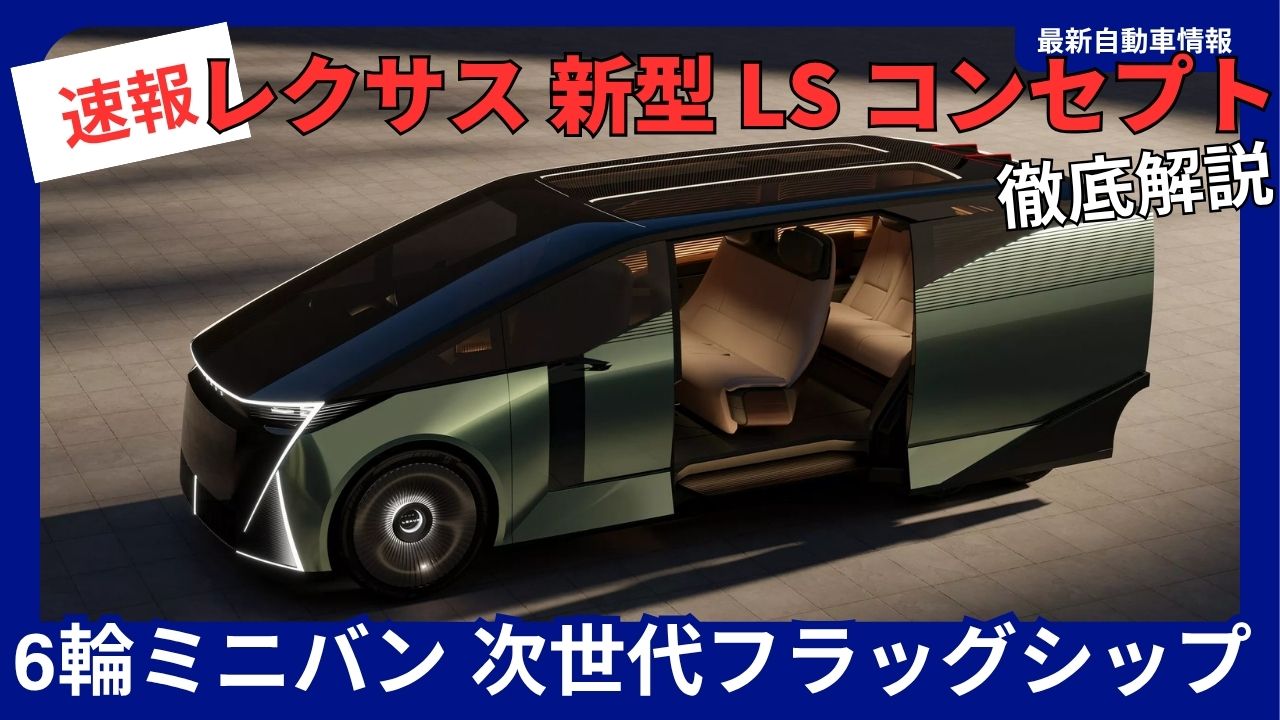
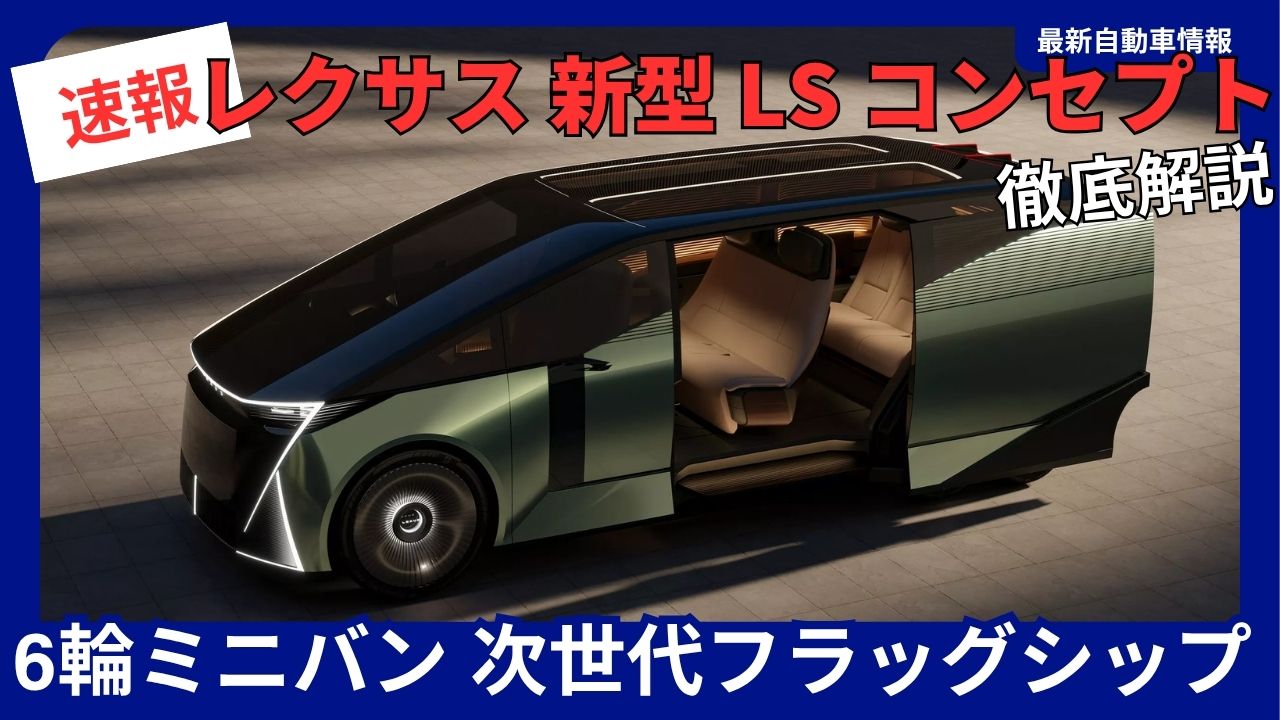
On October 29, 2025, Lexus unveiled its next-generation flagship model, the LS Concept, for the first time in the world at the Japan Mobility Show 2025, held at Tokyo Big Sight. This concept car, an innovative six-wheeled minivan that completely overturns the image of conventional luxury sedans, is sending shock waves through the automotive industry.
Lexus’ new strategy shocks the industry with its revolutionary design
By handing over its luxury flagship position to the new Century brand, Lexus will evolve into a “challenging” brand, and the innovative LS Concept is its symbol.
The biggest feature of the LS Concept: an unprecedented six-wheel structure
Why six wheels? The reason behind the innovative packaging
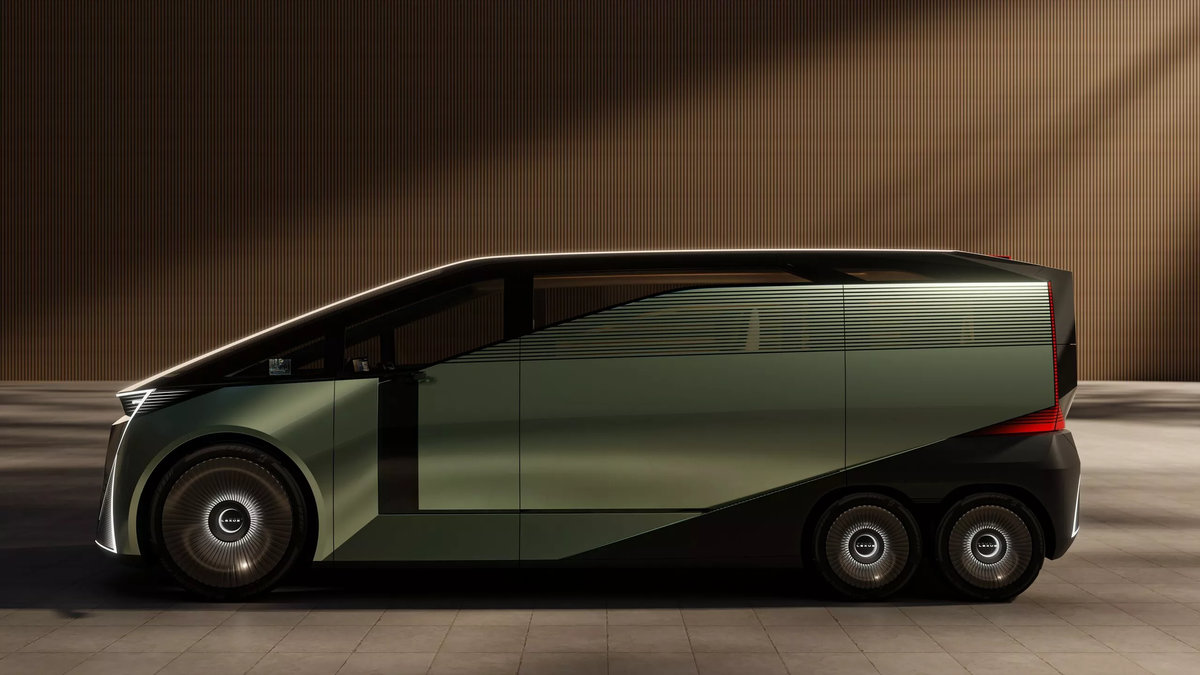
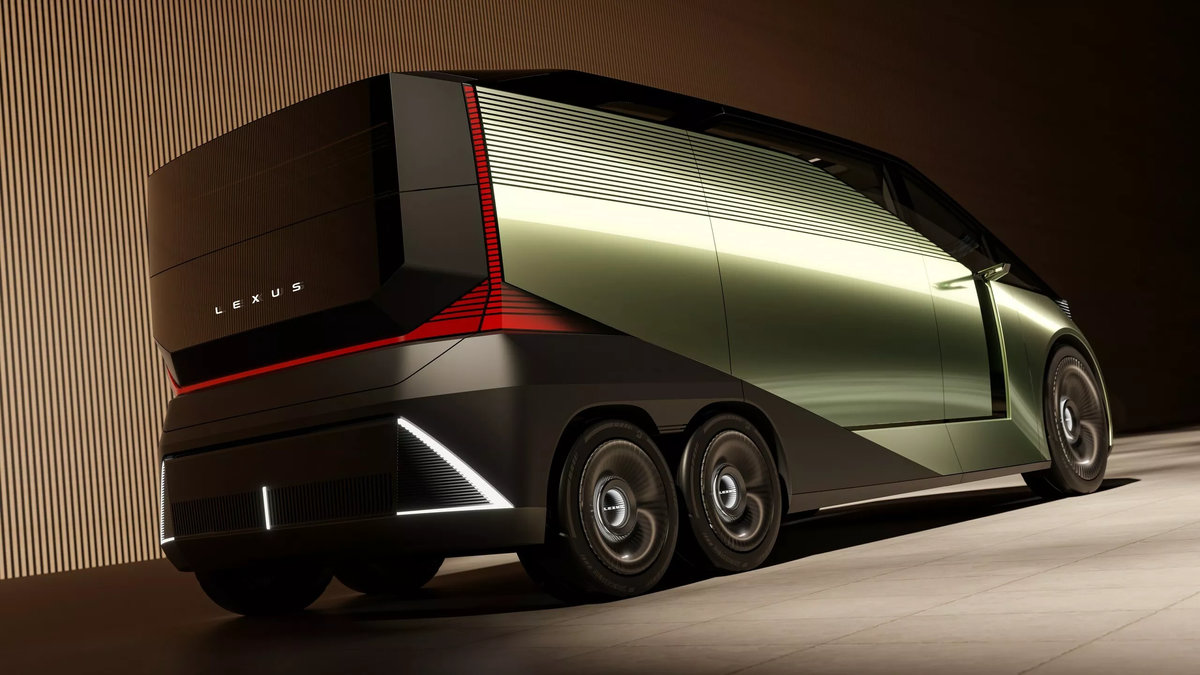
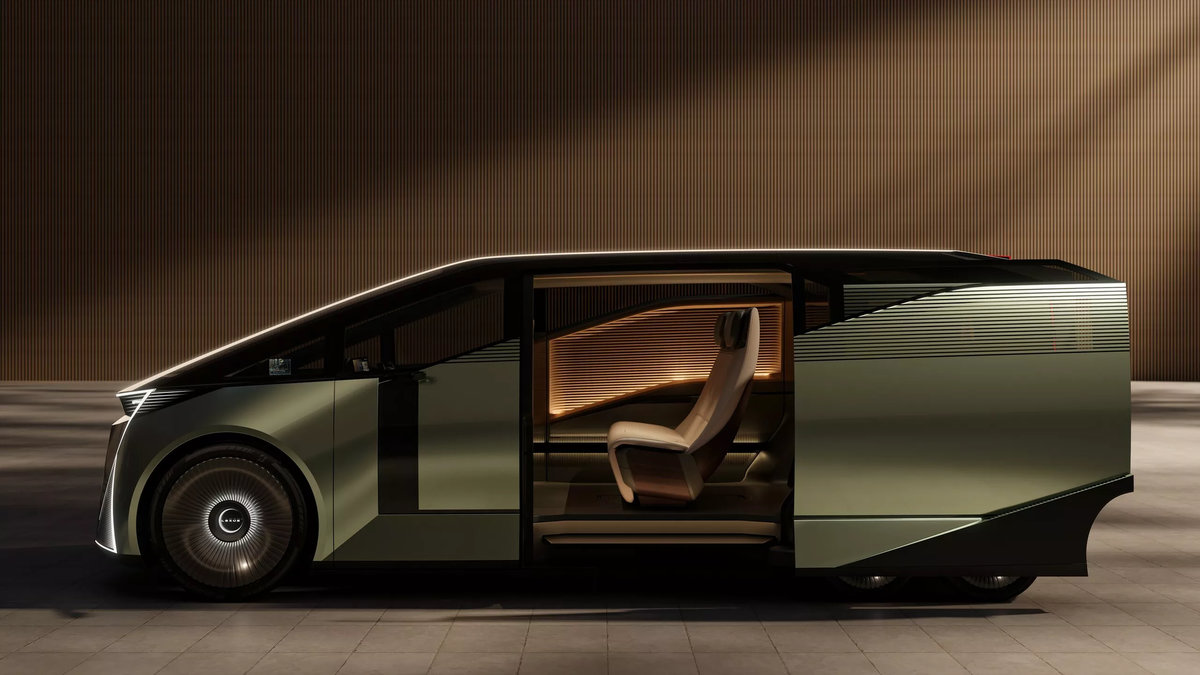
The most notable feature of the new LS Concept is its six-wheel configuration, with two wheels in the front and four in the rear. This is not just for the sake of design eccentricity, but also has a clear functional purpose.
By arranging two rear wheels on each side and making them smaller in diameter than the front tires, a large passenger space is secured all the way up to the third row of seats. This structure makes it possible to provide true chauffeur-car comfort in all three rows, something that was difficult to achieve in conventional minivans.
The smaller diameter rear wheels suggest the use of in-wheel motors, suggesting that the design is geared towards battery EVs, allowing the space previously occupied by the drivetrain to be repurposed for passenger compartment space.
Exterior design: A departure from the spindle grille
The beginning of a new design language
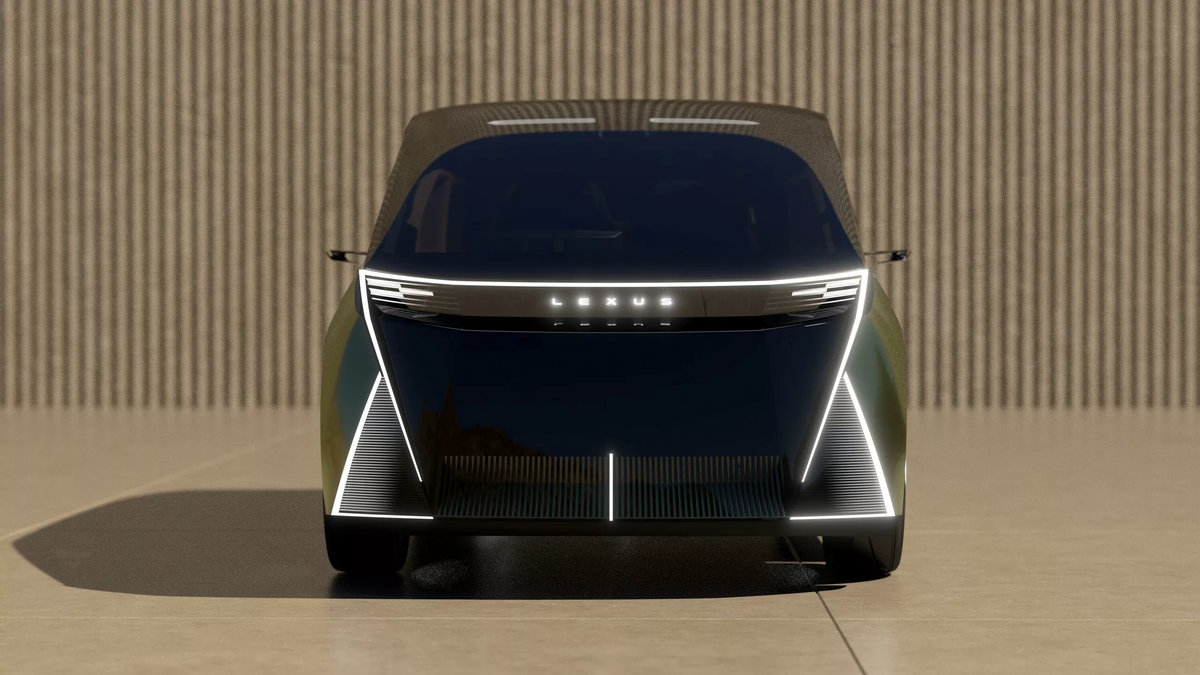
The car completely breaks away from the iconic spindle grille of Lexus and adopts an entirely new design language. The front mask features striking angular LED lights, creating a design that is both powerful and futuristic. This design can be said to express Lexus’s break with its history and its determination for a new era.
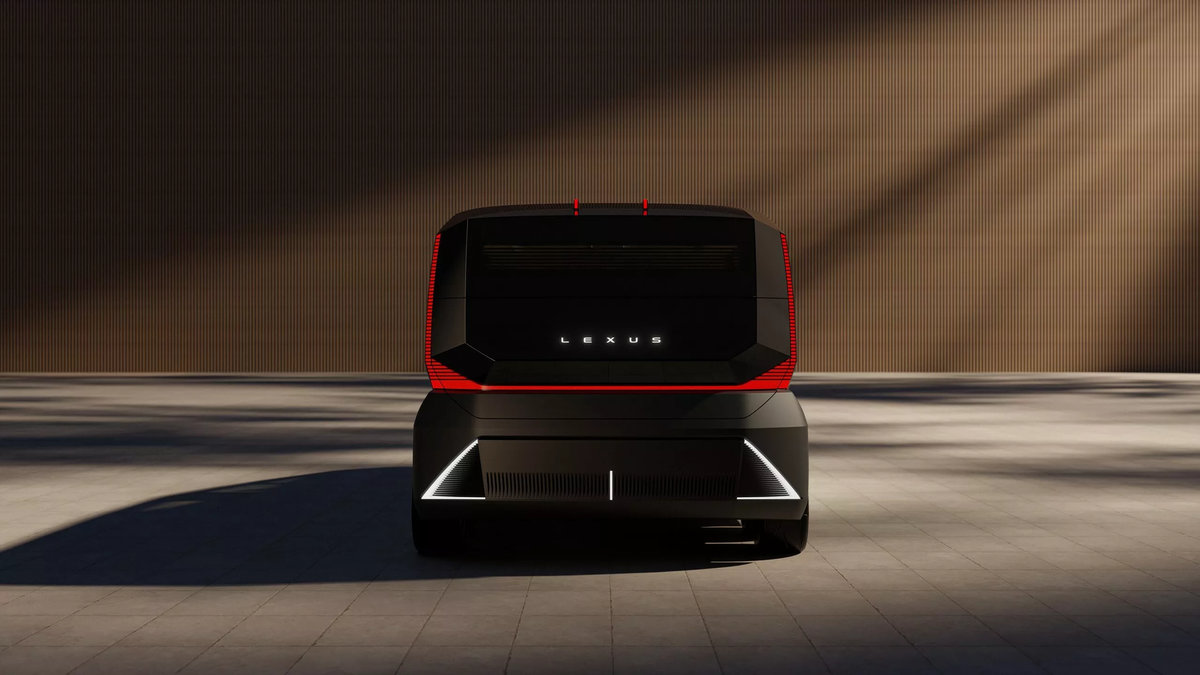
The rear design is also distinctive, with wide, U-shaped LED taillights positioned to encircle the vehicle, and directly below them another LED lamp reminiscent of an L-shape. This multi-layered light design enhances Lexus’s nighttime presence and visually expresses the new Lexus identity.
Expected body size
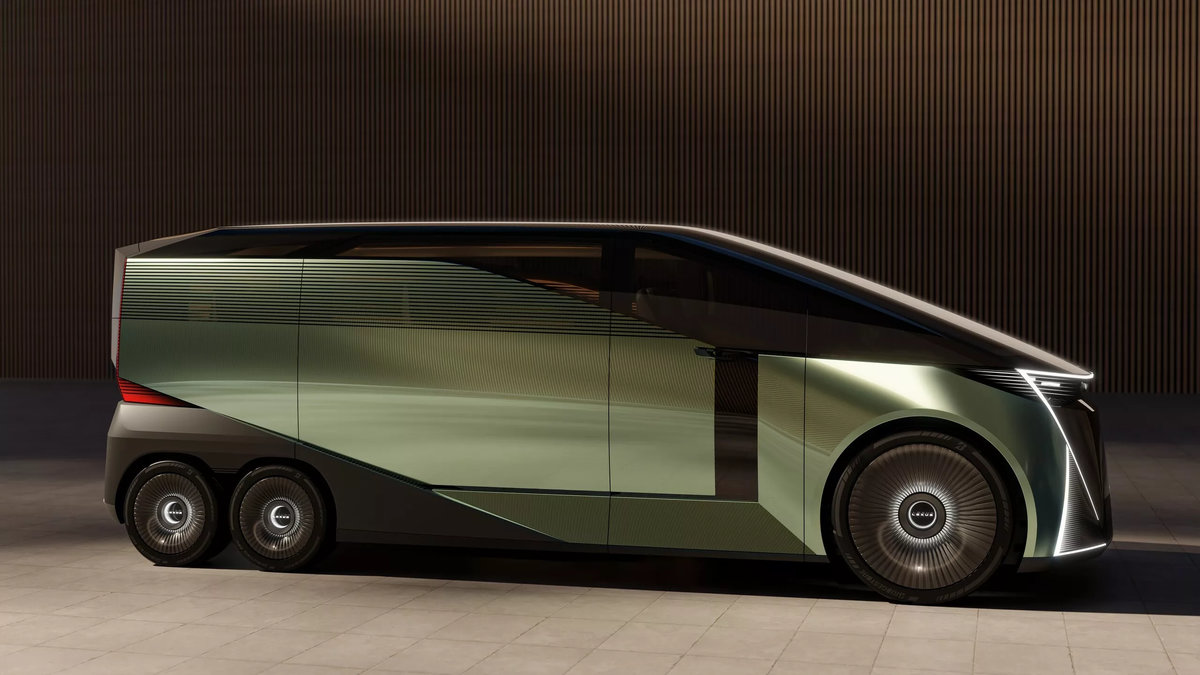
Considering that the current flagship minivan, the LM500h, has a length of 5,125mm, width of 1,890mm and height of 1,955mm, it is assumed that the LS Concept will be even larger.
Experts predict:
- Total length : 5,300mm or more
- Overall width : around 2,000mm
- Overall height : Approximately 1,900mm
This impressive body size allows for a vast amount of space in all three rows of seats that defies conventional wisdom.
Interior design: A fusion of Japanese luxury and cutting-edge technology
Cockpit: futuristic driver-centric layout
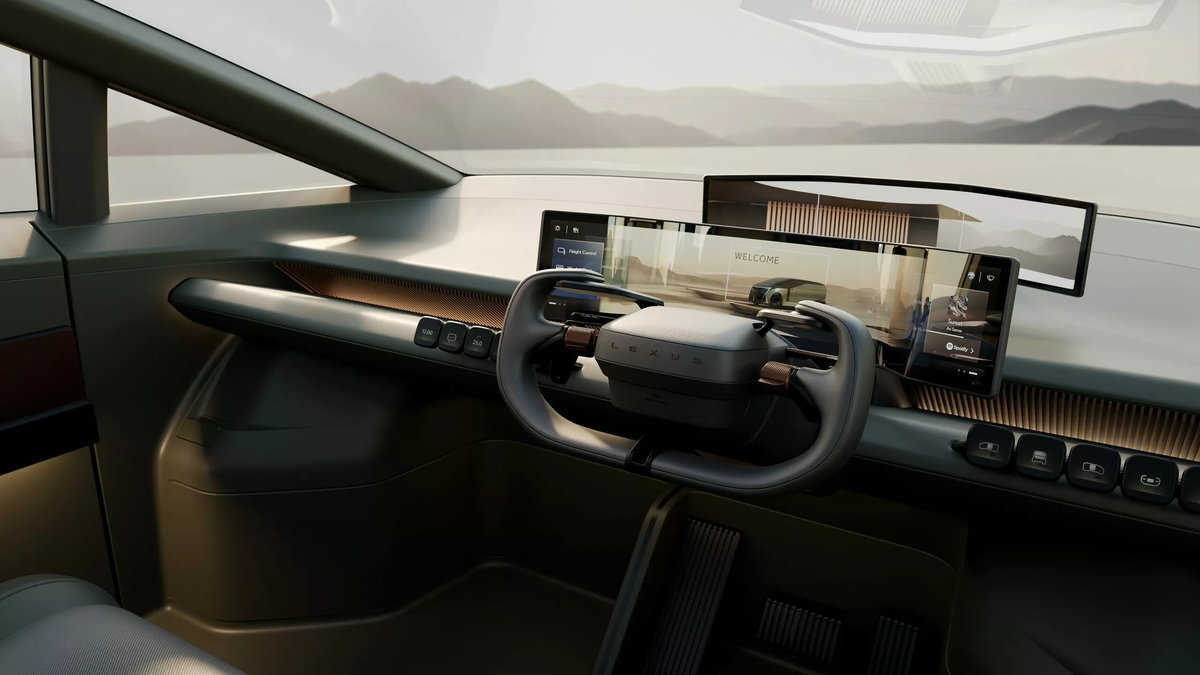
The front seats are positioned towards the centre to maximise legroom for second-row captain chair occupants, dramatically increasing space for rear passengers without compromising driver comfort.
The dashboard features an ultra-wide full-LCD meter integrated with the navigation display. This is a first for Lexus, and represents a revolutionary evolution in information display. Located near the yoke-shaped steering wheel are Lexus’ “Black Butterfly” touch panel switches, which provide intuitive operability.
Second and third row seats: Comfort that exceeds business class
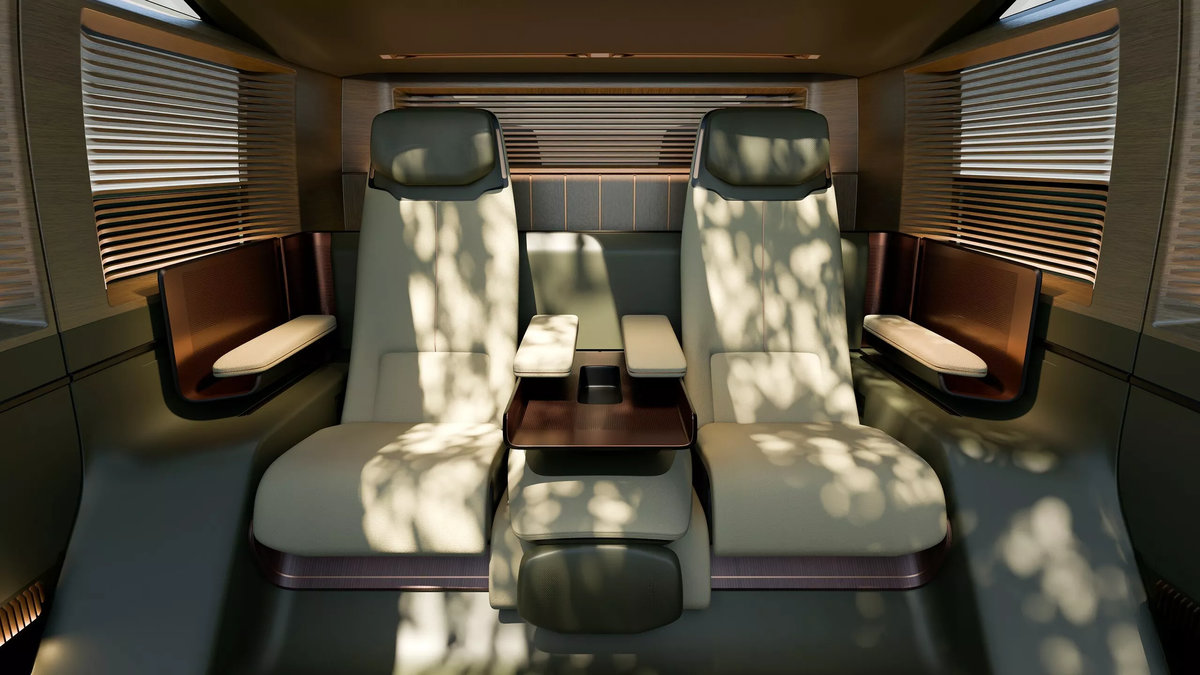
The second-row seats can be rotated to allow for a facing-to-face seating arrangement, providing functionality unique to next-generation chauffeur-driven cars that can be used as a business meeting space while on the move.
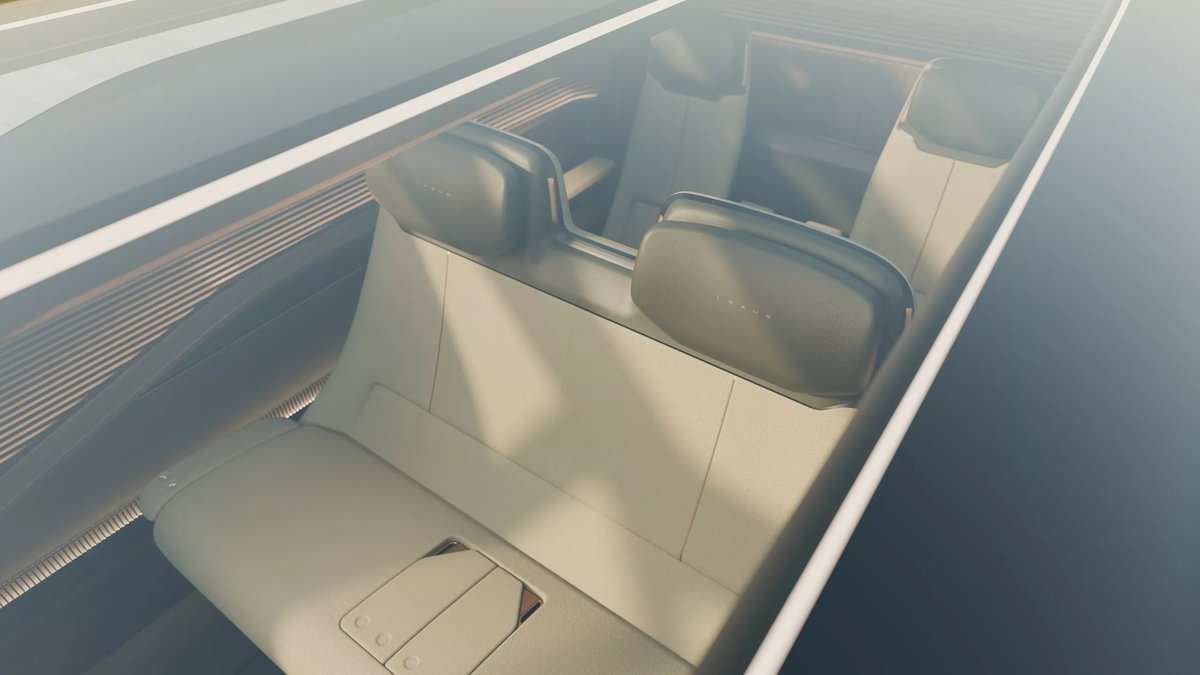
The third-row seats offer a spaciousness never before seen in a minivan. By offering the same amount of space as the second-row seats, passengers can enjoy the highest level of comfort no matter where they sit. Some sources suggest that in addition to captain seats, a sofa-like bench seat may also be available.
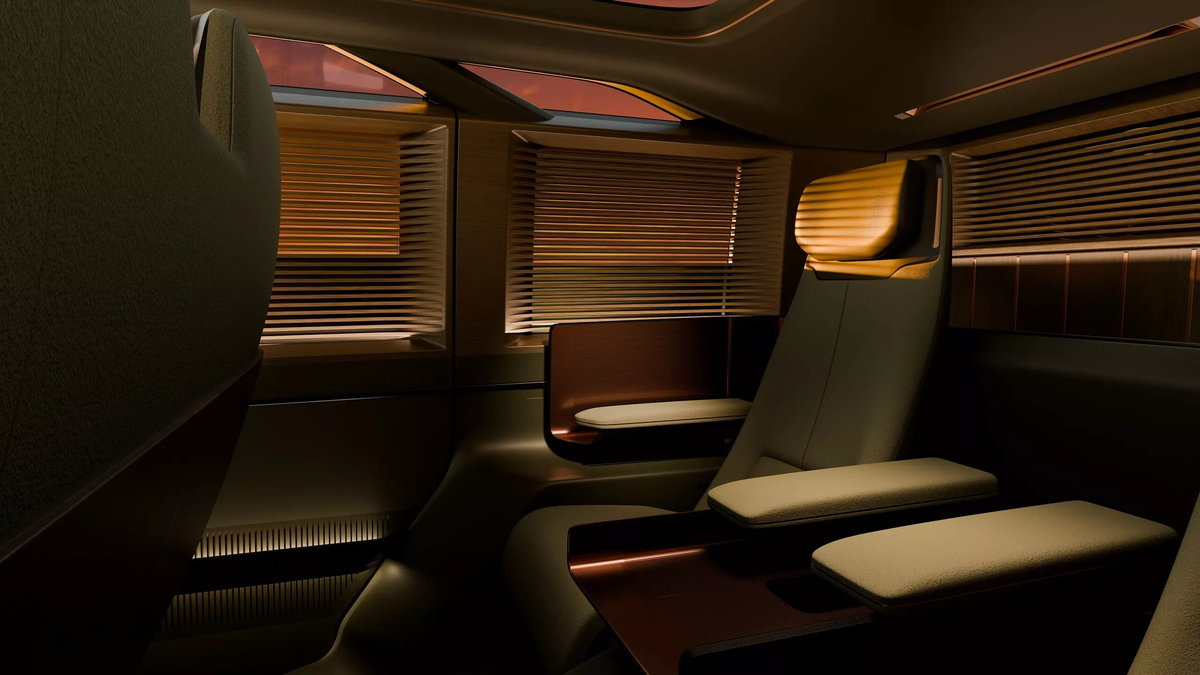
Japanese aesthetics: the harmony of bamboo and wood
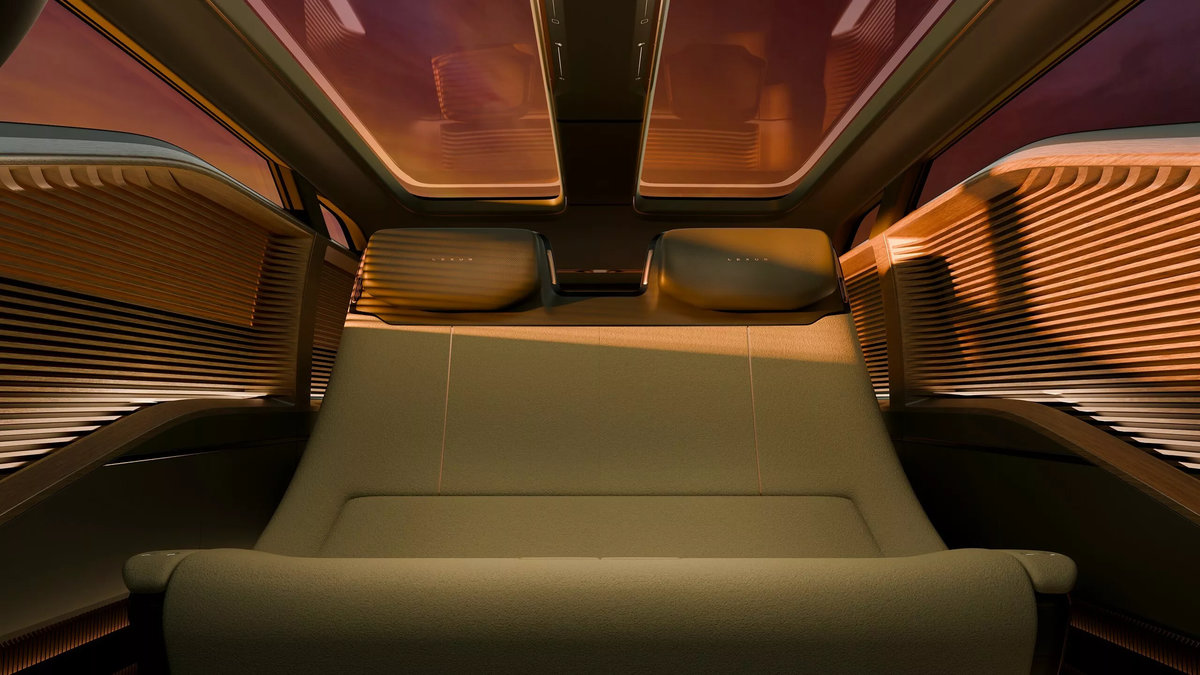
The interior is brimming with Japanese aesthetics, a valued cherished by Lexus. The use of bamboo as a material, and the use of genuine wood on the window louvers and door panels, create a space where comfort and luxury coexist. The interior also features an illumination function that communicates with the outside world, providing a new experience that connects occupants with the outside world.
Another distinctive feature is the panoramic glass roof, which is expected to have either dimmable or electrically rollable sunshades, creating an interior environment that is both open and comfortable.
Two concepts unveiled at the same time: expanding the LS family
LS Coupe Concept: A sleek luxury crossover
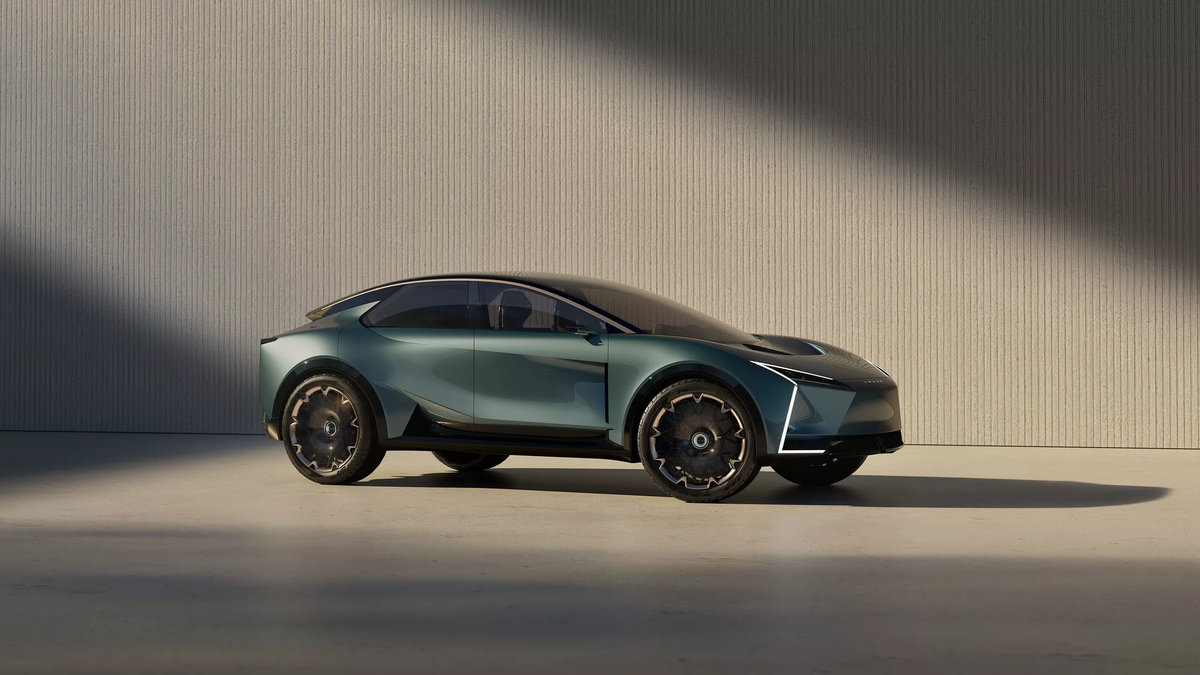
Lexus LS Coupe Concept
The six-wheeled LS Concept also made its world debut with the LS Coupe Concept, a four-door model that takes on the form of a very sleek crossover, complete with Rolls-Royce-style rear suicide doors.
A distinctive feature is the retractable tailgate, which opens to reveal a storage area with wood trim. Inside the cabin, there’s a yoke-style steering wheel, two digital instrument clusters, a large display on the passenger side, and a large portrait screen for the rear passengers.
LS Micro Concept: Ultra-compact autonomous mobility
The surprise unveiling of the LS Micro Concept is a single-seater, self-driving vehicle optimized for travel in dense urban areas, featuring a cabin that opens like a jewel box and features extensive use of wood parts.
Although it is seen as the least likely of the three concepts to be put into production, it is an important concept that demonstrates the diversity of the future mobility that Lexus envisions.
Possibility of commercialization: “Serious” development underway
According to a Lexus official, the LS Concept is currently just a concept model, but they are “seriously” developing it to become a reality. This means it’s not just a show car, but a full-scale project with mass production in mind.
The design, which assumes battery EVs, the possibility of adopting in-wheel motors, and the innovative six-wheel structure are all believed to have reached a stage where they are technically feasible.
Lexus’ strategic shift: Towards a “challenging” brand
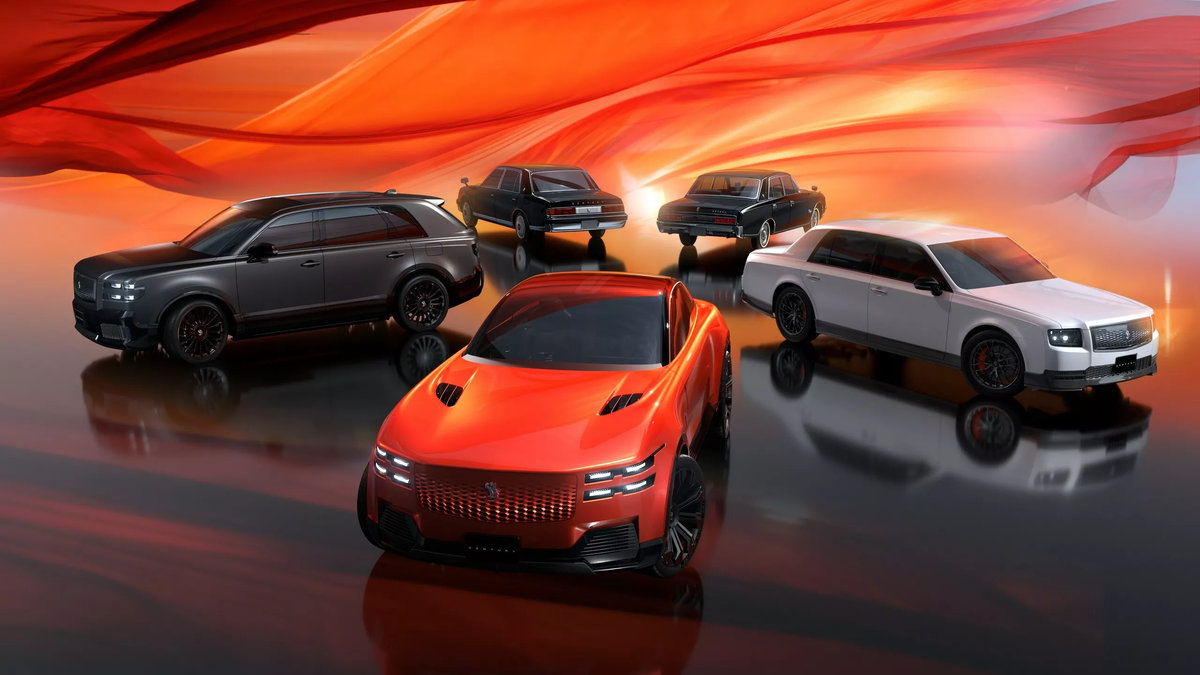
Separation from Century Brand
Toyota’s newly launched Century brand will take over as the flagship of the traditional luxury car market, redefining Lexus as a brand that pursues innovation and challenge.
The LS Concept symbolizes this strategic shift. Rather than sticking to the traditional sedan format, the “S” in “LS” stands for “Space” rather than “Sedan,” creating a one-of-a-kind luxury car.
Differentiate yourself from your competitors
While European premium brands like Mercedes-Benz, BMW, and Audi competed with traditional sedans and SUVs, Lexus chose a completely different approach: by pioneering the unprecedented six-wheeled minivan category, it avoided direct competition and created a new market.
Marketability analysis
Target customer base
- Corporate managers and executives : Use as a business meeting space while traveling
- Government officials and VIPs : Official vehicles that combine security and comfort
- Luxury hotels and hire car operators : Providing the highest quality transportation services
- Wealthy families : A family car that provides maximum comfort for the whole family
Expected price range
Considering that the current LM500h starts at around 20 million yen, the production model of the LS Concept is:
- Base grade : from 25 million yen
- High-end model : from 35 million yen
This price range allows the car to compete with ultra-luxury cars such as Rolls-Royce and Bentley, while still being able to differentiate itself with its unique value proposition.
Technological Innovation
Battery EV platform
The adoption of smaller diameter rear wheels strongly suggests that the car will be a battery-electric vehicle with an in-wheel motor. This means:
- Downsizing the drivetrain : Maximizing passenger space
- Low floor : Improved ease of entry and exit and ensuring stability
- Quiet : Ultra-quiet thanks to the electric powertrain
- Environmental performance : Social responsibility as a zero-emission vehicle
Possible integration of autonomous driving technology
The spacious interior and facing seating layout are likely premised on the integration of future highly automated driving technology. Once automated driving of Level 4 or higher is realized, the LS Concept will function as a true “mobile lounge.”
Outlook: The future of the Lexus LS
Estimated timeline for commercialization
Industry insiders are citing a commercial launch date of around 2027-2028, which seems like a reasonable timeline considering it usually takes two to three years to go from concept car to production model.
Possibility of derivative models
The simultaneous unveiling of the LS Coupe Concept and LS Micro Concept suggests that the LS brand may develop as a family rather than a single model.
- LS (6-wheel minivan) : Flagship model
- LS Coupe : Luxury Crossover
- LS Micro : Ultra-compact urban mobility
With such a diverse lineup, the LS brand has the potential to meet a wide range of customer needs.
Summary: An innovative challenge that overturns conventional wisdom in the automotive industry
The new Lexus LS Concept isn’t just a design change: it challenges the industry’s conventional wisdom about what a flagship sedan should be.
The unprecedented six-wheeled structure, the departure from the spindle grille, the fusion of Japanese aesthetics and cutting-edge technology, and the new value proposition of “Space” – all of these things signal the beginning of a new era for Lexus.
The fact that development is “seriously” underway suggests that this is more than just a concept. We may see this innovative luxury minivan on the roads around 2027-2028.
The new LS Concept, which made its world debut at the Japan Mobility Show 2025, presents a new form of luxury in the automotive industry and will be long remembered as a model that symbolizes the future of the Lexus brand.
LEXUS News Release